
2027 Most Valuable Public Health Degree Programs Ranking in New York

Co-Founder and Chief Data Scientist
Choosing the right public health degree program in New York can shape your future in meaningful ways. This article introduces the 2027 Most Valuable Public Health Degree Programs Ranking in New York, developed by the Research.com team of data scientists. It is designed to help you navigate options and find programs that align with your goals.
By exploring this ranking, you can make confident decisions about your education and career path. Pursuing a public health degree opens doors to rewarding opportunities that impact lives positively.
Key benefits of getting public health degree in New York
- Graduates with a public health degree in New York can expect competitive salaries, such as a Medical Assistant earning about $43,350 annually and an Environmental Health Specialist making up to $86,710.
- Career paths vary widely; for example, a graduate from New York University might work as a Health Educator promoting community wellness or as an Occupational Health and Safety Specialist ensuring safe workplaces, earning around $69,790 and $85,570 respectively.
- Obtaining a public health degree online from institutions like SUNY offers flexibility, allowing students to learn at their own pace while balancing other commitments, often leading to quicker job entry and effective career growth.
- 2027 Most Valuable Public Health Degree Programs Ranking in New York
- What can I expect from public health degree in New York?
- Where can I work with public health degree in New York?
What can I expect from public health degree in New York?
The average cost of obtaining a public health degree in New York varies widely depending on the institution and degree level. Graduates from well-known programs at universities like Columbia or SUNY report tuition costs generally ranging from $30,000 to $60,000 annually for full-time MPH programs. Public institutions tend to offer lower rates, particularly for in-state residents, while private universities command higher tuition fees.
Many students emphasize the value of this investment due to the strong experiential learning components embedded in these programs. For example, graduates frequently reference hands-on internships with New York City health departments or community hospitals, which enhance practical understanding beyond the classroom.
Financial aid, scholarships, and assistantships are often available to mitigate costs, improving affordability. Alumni express satisfaction with the balance between cost and the quality of education, highlighting the extensive networking opportunities with local health organizations that support career advancement in urban and rural public health sectors.
Where can I work with public health degree in New York?
Graduates with a public health degree in New York find numerous career opportunities across diverse sectors. Many secure roles in government agencies like the New York State Department of Health, working in epidemiology, health education, and policy analysis. These positions allow graduates to contribute directly to managing urban health challenges in one of the nation's most dynamic metropolitan areas.
Hospitals and healthcare systems such as NewYork-Presbyterian and Mount Sinai actively hire public health professionals for community health programming and data analytics roles. Graduates from Columbia Mailman School of Public Health and NYU School of Global Public Health often share how these positions offer rewarding experiences improving patient outcomes and addressing healthcare disparities.
Non-profits and community organizations also seek graduates to lead health campaigns on substance abuse and chronic disease, while private companies value expertise in health data analytics and regulatory affairs. Employment for health educators in New York is forecasted to grow by 12% through 2030, reinforcing strong job prospects for new public health professionals in the state.
Graduates earning public health degrees in New York can anticipate competitive salaries reflective of the state's urban demand and higher cost of living. For instance, community health workers typically make a mean annual wage of around $52,610, while health educators earn closer to $69,790 per year. These figures often surpass national averages, adding financial appeal to studying public health at institutions like Columbia University or Hunter College.
Environmental health specialists and occupational health and safety specialists command even higher earnings, with mean annual wages of approximately $86,710 and $85,570, respectively. Graduates stepping into these roles from New York's strong public health programs often report the satisfaction of balancing meaningful work with solid economic rewards.
Many recent graduates share that the opportunity to work in dynamic metropolitan environments such as Brooklyn or Manhattan enhances not only their professional growth but also their earning potential. The substantial hourly wages-for example, $41.69 for environmental health specialists-reflect specialized skills valued in government agencies and healthcare systems.
Overall, pursuing a public health degree in New York offers a tangible pathway to financial stability combined with impactful community engagement, making it a compelling choice for prospective students focused on both career and contribution.
- In New York, annual in-state tuition for public health degrees at public colleges averages between $10,000 and $15,000, while private institutions can charge over $40,000 per year.
- Additional costs such as fees, books, and living expenses should be factored into the total education budget.
- Employment in public health fields in New York is expected to grow faster than the national average, especially for epidemiologists, health educators, and program managers.
- Entry-level salaries for public health graduates typically range from $50,000 to $60,000 annually, with experienced professionals earning between $70,000 and $90,000 or more.
- Many programs offer internships and practicums that provide hands-on experience in local health departments, supporting job readiness and networking.
- Several New York institutions have public health programs accredited by the Council on Education for Public Health (CEPH), ensuring quality education and better job prospects.
Completing a public health degree in New York typically requires a time commitment aligned with national standards but offers flexibility to suit diverse student needs. Undergraduate degrees such as Bachelor of Science or Bachelor of Arts usually take about four years of full-time study. Graduates from institutions like the University at Albany often note that this timeline provides a solid foundation in epidemiology and health policy while allowing room for internships and part-time work.
At the graduate level, the Master of Public Health (MPH) commonly requires two years full-time. However, accelerated MPH programs at prominent colleges like Columbia University enable completion in 12 to 18 months, appealing to those eager to enter the workforce quickly. Many students appreciate the ability to balance part-time or online MPH options, which may extend study up to three years but offer crucial flexibility alongside career commitments.
Doctoral degrees, such as the DrPH or PhD, demand four to six years, combining coursework and original research. Students at institutions like SUNY Downstate Medical Center often describe this period as both challenging and rewarding, with progress tied closely to their personal research goals and professional aspirations.
Students pursuing public health degrees in New York face clear differences between online and on-campus formats, shaping their educational and professional experiences. Graduates from traditional programs at universities like Columbia or NYU emphasize the benefit of daily, face-to-face interaction with professors and peers, which fosters deeper collaboration and immediate feedback. Being in the city's vibrant public health scene, these students often secure internships through strong university ties with local health departments and hospitals, accelerating career readiness.
Conversely, online learners appreciate the flexibility that suits busy schedules, especially working professionals balancing family or jobs. For example, graduates from SUNY's online public health programs highlight completing rigorous coursework on their own time while saving on commuting and housing costs, which can range from $20,000 to $40,000 annually compared to $30,000 to $50,000 for on-campus students. Although networking occurs virtually, some online students find creative ways to engage through forums and occasional campus visits.
Both paths require internships, but on-campus students benefit from streamlined placement support, whereas online learners often take initiative to secure field experience independently, a challenge offset by their adaptability and determination.
The average cost of a public health degree in New York varies significantly depending on residency and institution type. Data indicates that in-state students typically incur a median total cost of around $62,796, while out-of-state students face higher costs, with a median total of approximately $87,768. These figures reflect tuition, fees, and related academic expenses over the entire duration of the program rather than just annual costs.
Graduates from public universities within the SUNY system often recount a balanced experience where affordability aligns well with program quality. Their ability to manage costs is positively influenced by residency status, making New York public health degree tuition fees notably lower for local students. Conversely, students attending well-known private institutions such as Columbia University or New York University describe a more financially intense journey, with annual tuition rates sometimes reaching $50,000 to $60,000, amplifying the importance of securing scholarships or assistantships.
Many students highlight that despite the steep costs, the investment feels worthwhile given the career opportunities and academic resources available in New York. Prospective students should also consider indirect expenses like housing and transportation, which in the city can add $15,000 to $20,000 annually to their budgets. Exploring valuable public health programs in new york helps in planning accordingly and making informed choices aligned with financial realities.
Understanding these financial commitments provides a clearer picture of the average cost of public health degree in New York, assisting students in navigating their educational paths with confidence.
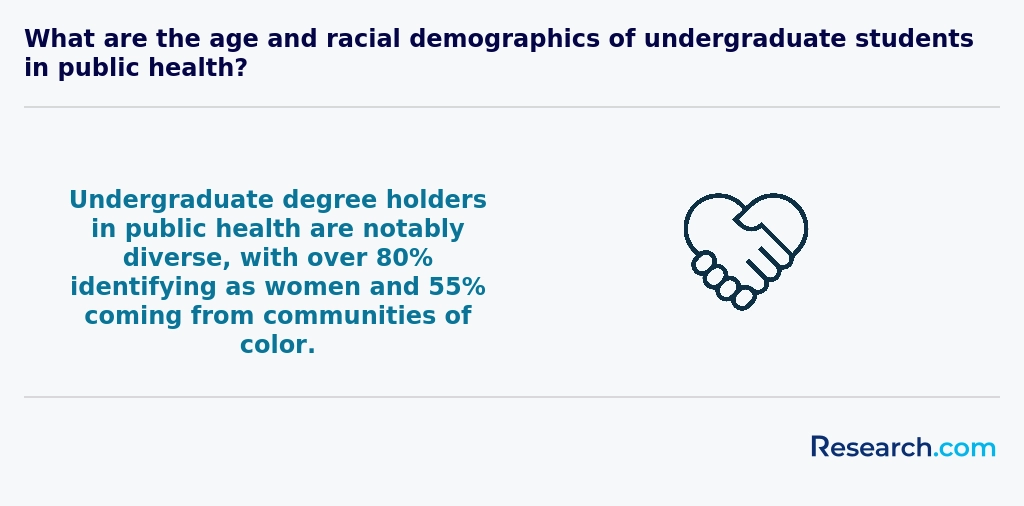
As the field of public health evolves, the integration of technology, data analytics, and innovative teaching methods is reshaping educational programs and career trajectories. Today’s public health curriculum is increasingly incorporating subjects like digital epidemiology, telehealth solutions, and advanced data analytics to prepare graduates for the dynamic challenges of modern healthcare environments. In addition, institutions are forging stronger ties with industry leaders and local government agencies, ensuring that emerging professionals gain hands-on experience with cutting-edge practices and interdisciplinary collaboration. Students are now encouraged to explore initiatives that bridge traditional public health concepts with innovations such as wearable health technology, artificial intelligence in disease prediction, and community-driven research projects. For those interested in staying ahead of the curve, reviewing valuable public health programs in new york can offer critical insights into which schools are leading this transformation. By aligning educational choices with these emerging trends, prospective students not only enhance their learning experience but also position themselves advantageously in a competitive job market that prioritizes forward-thinking solutions.
Students pursuing public health degrees in New York typically rely on a combination of federal, state, and institutional financial aid to manage tuition costs, which can range from $10,000 to $40,000 annually. Federal aid programs such as Pell Grants provide essential need-based funding for undergraduates, while graduate students often utilize Direct Subsidized and Unsubsidized Loans with competitive interest rates and flexible repayment options. For instance, graduates from SUNY and CUNY public health programs report that New York State's Tuition Assistance Program (TAP), which offers up to $5,665 per year, significantly reduces their financial burden.
Institutional scholarships at institutions like Columbia University and New York University frequently reward merit and specific career commitments, such as work in underserved populations or epidemiology. Alumni describe how these targeted awards shaped their career paths with less debt. Additionally, professional groups like the American Public Health Association provide grants that further empower students in New York's competitive academic landscape.
For working adults, employer tuition reimbursement in New York's healthcare sector is an often-underutilized resource that many graduates have leveraged to balance work and study, easing loan dependence and reducing financial stress during their programs.
Investing in a Public Health degree in New York, NY requires careful consideration of tuition costs, living expenses, and post‐graduate earnings. On average, in-state MPH students pay between $20,000 and $25,000 per year, while out-of-state tuition can exceed $40,000. When you factor in mandatory fees (up to $5,000 annually) and NYC’s high cost of living, the total annual investment can range from $30,000 to $50,000. Yet, graduates report mean starting salaries of $66,710 for Health Educators and $83,820 for Environmental Health Specialists. Assuming a mid-career salary of $90,000, students can recoup a two-year master’s program cost within 3–5 years post-graduation. This payback period is competitive with other healthcare fields and underscores the financial viability of public health education in a major metropolitan market. For broader context, comparing healthcare specialties highlights the value proposition: fields like health informatics often command similar entry-level salaries and faster ROI. For more detailed compensation data in adjacent disciplines, see health informatics career salary. Ultimately, evaluating program cost against realistic salary projections ensures prospective students make informed, strategic decisions about their public health education.
To enroll in public health degree programs in New York, applicants must meet clear academic and professional prerequisites that vary by program level. Undergraduates typically need a high school diploma with strong performance in subjects like biology and chemistry, ensuring readiness for demanding coursework. Graduates aiming for an MPH usually hold a bachelor's degree from an accredited institution, with many preferring prior coursework in statistics or health sciences to build a solid knowledge base.
Graduates from schools such as Columbia University Mailman School of Public Health often recall how relevant professional experience in healthcare or community settings boosted their applications, reflecting the importance of practical exposure. New York State Department of Health emphasizes that such experience is frequently a critical factor in acceptance decisions at top institutions.
- While some programs require standardized tests like the GRE, many schools in New York have made these optional post-pandemic
- Letters of recommendation highlight an applicant's potential contributions to public health research or practice
- Personal statements articulate meaningful goals, helping students connect emotionally with admissions committees
- Proof of immunizations or health screenings may be mandatory due to program focus on public health safety
These prerequisites ensure that students are well-prepared and motivated, mirroring experiences of successful enrollees who navigated the application process with a clear sense of purpose and readiness for New York's competitive academic environment.
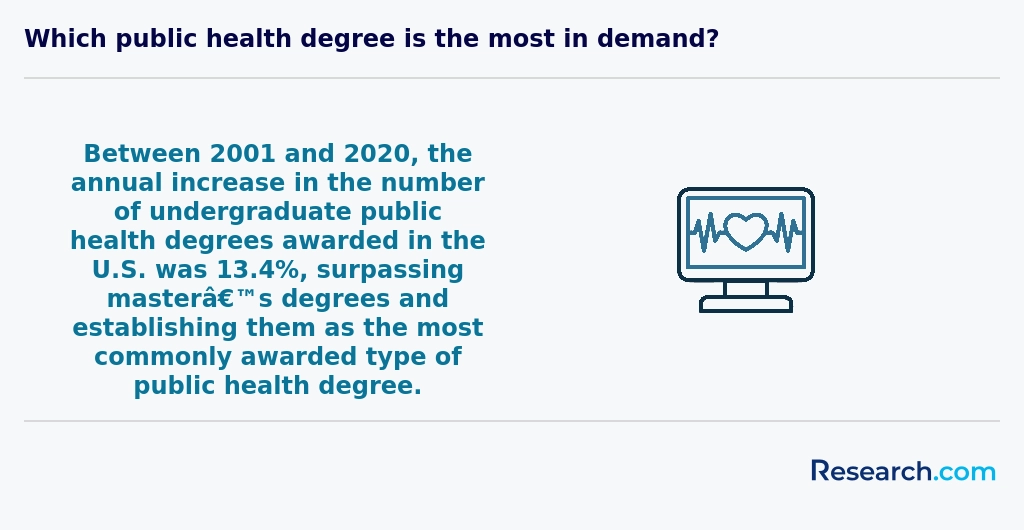
Accreditation ensures your public health degree meets national quality standards, qualifies you for certification exams, and boosts employer confidence. In New York, most top programs hold CEPH (Council on Education for Public Health) accreditation and state approval for both campus and online delivery.
Key checks to verify program credentials:
- Confirm CEPH accreditation through the official CEPH directory
- Verify New York State Education Department authorization for your chosen format
- Review alumni success rates on exams like the Certified in Public Health (CPH)
Prospective students exploring other accredited health fields may also find valuable funding insights for allied programs like medical billing and coding online schools financial aid
Public health degree programs in New York commonly include core courses such as epidemiology and biostatistics, which equip students with strong analytical skills to examine disease patterns and interpret health data. Graduates from notable institutions like Columbia University often describe how these courses enable them to apply statistical methods directly in urban health studies, addressing challenges unique to New York City.
Environmental health sciences is another typical course, focusing on pollution and occupational hazards relevant to dense metropolitan environments. Students at Hunter College recall engaging in fieldwork that connects classroom theory to real-world pollution issues impacting local communities.
Courses in health policy and management provide insight into the complexities of healthcare systems, a subject especially critical in New York's multifaceted public health infrastructure. Graduates appreciate how these classes prepare them to contribute effectively to policy-making and program implementation.
Social and behavioral sciences emphasize understanding how social factors influence health outcomes, which helps students design impactful community health programs. Electives in infectious disease control have gained prominence recently, with many students involved in emergency response exercises reflecting New York's focus on pandemic preparedness.
Students pursuing public health degrees in New York typically specialize in fields aligned with regional health challenges. Epidemiology is prominent, focusing on disease tracking and prevention, critical in densely populated cities like New York City. Graduates from renowned programs at institutions like Columbia University describe their work monitoring urban outbreaks as both demanding and rewarding. Health Policy and Management is another vital specialization, preparing students to shape healthcare systems in large hospital networks or government agencies. Graduates often highlight their ability to impact policy decisions statewide.
Environmental Health addresses pollution and climate-driven health risks prevalent in industrial and urban areas. Specialists craft mitigation strategies that directly affect local communities, as reported by alumni from top New York schools. Other public health degree specializations in New York include Biostatistics, Global Health, and Community Health, which offer diverse career pathways. Programs at SUNY and NYU embrace interdisciplinary options combining these fields with urban planning or social work, enriching the learning experience. Interested students can also explore the health informatics career salary as a related avenue for growth.
Choosing the best public health degree program in New York starts with prioritizing accreditation. Graduates from programs accredited by the Council on Education for Public Health (CEPH) at well-known institutions like CUNY report higher employer recognition and improved job prospects. Affordability is another key factor; affordable public health colleges New York offer in-state tuition around $20,000 annually, significantly lower than private schools where costs can exceed $50,000. This financial advantage allows many students to pursue their studies without overwhelming debt.
Program specialization also shapes career paths. Students often seek degrees that align with specific interests such as epidemiology, global health, or health administration. Graduates from New York universities frequently share how hands-on internships with local health agencies enriched their learning and expanded professional networks. Schools offering flexible scheduling options, including part-time, online, or hybrid formats, accommodate working professionals aiming to balance education and employment effectively.
For those looking to accelerate their education, considering one year masters programs in the region can be a strong option without sacrificing quality or community connections.

Graduates with a public health degree in New York find diverse career paths shaped by the state's complex healthcare ecosystem. Popular roles include epidemiologists deployed in New York State's Department of Health, where precise disease tracking guides critical policy decisions-these positions typically offer salaries above the national median of $78,000 due to local demand. Others pursue health education and community outreach, working in urban schools and nonprofit organizations across New York City's diverse neighborhoods, fostering stronger community health resilience.
Many graduates move into healthcare policy and management roles at top medical centers like NYU Langone or Mount Sinai, optimizing healthcare delivery and cost efficiency in an expensive market. Environmental health specialists tackle urban challenges such as air quality, collaborating with government and private sectors. Public health students from prominent New York institutions often share positive experiences transitioning into these careers, appreciating the real-world impact of their work. This practical approach helps clarify the value of public health degrees for those exploring public health career opportunities in New York.
Additional options include biostatistics, global health, and occupational health and safety, often requiring an MPH that costs between $30,000 and $60,000. For those seeking flexibility, examining the easiest online degrees to get can supplement their academic journey in public health career opportunities in New York.
The job market for public health degree holders in New York presents strong opportunities driven by the state's sizable healthcare system and diverse population. Graduates from well-known institutions like Columbia University and New York University frequently secure roles in epidemiology, health policy, and program management within city and state health departments or major hospital systems. This robust ecosystem offers a range of career paths, highlighting the positive job prospects for public health graduates New York.
Public health graduates often share experiences of transitioning smoothly into positions as community health program coordinators or environmental health specialists, gaining valuable skills in research and biostatistics. Salary levels are competitive, with health educators' average earnings in New York exceeding $60,000 annually, reflecting higher living costs and specialized demand. Many aspiring professionals benefit from exploring affordable online master's programs to reduce tuition burdens while accessing quality education tailored to New York's public health environment.
2027 Most Valuable Public Health Degree Programs Ranking in New York
Investing in your education is a significant decision that can shape your future, and the Research.com team is committed to helping you make informed choices. To support prospective students in New York, we have carefully developed the "2027 Most Valuable Public Health Degree Programs Ranking in New York." Our dedication to quality, credibility, and accuracy is demonstrated through thorough research and precise analysis.
We utilized the following reputable data sources to ensure a comprehensive evaluation of public health degree programs:
By exploring this ranking, readers will gain valuable insights into the most valuable public health degree programs in New York, empowering them to make well-informed decisions about their educational journey. For more information on how this ranking was created, please visit our Research.com methodology page.
# 1 position
CUNY Graduate School and University Center
Master of Public Health


# 4 position
CUNY Graduate School and University Center
Bachelor of Science in Public Health

# 7 position
Bank Street College of Education
Master of Public Health

# 10 position
CUNY Graduate School and University Center
Doctor of Public Health
Frequently Asked Questions About public health
Public health degree students in New York can maximize their learning experience by combining rigorous academic study with practical exposure. New York offers access to diverse communities and health challenges, providing valuable real-world contexts for public health issues. Engaging in internships with organizations like the New York State Department of Health or NYC Health + Hospitals allows students to apply classroom knowledge. According to the New York State Education Department, experiential learning significantly improves job readiness.
Networking is also crucial; attending conferences like the Annual Public Health Association of New York City meeting helps students connect with professionals. Additionally, students should leverage resources from top institutions such as Columbia University's Mailman School of Public Health, which offers research opportunities in epidemiology and health policy.
Emerging niches in the public health field in New York reflect the evolving challenges cities face. One growing area is health informatics, focusing on using data to improve community health outcomes. The New York State Department of Health highlights increased demand for professionals skilled in managing electronic health records and applying analytics.
Another key niche is environmental public health, driven by concerns over urban pollution and climate change impacts. New York's urban density intensifies focus on air quality and disaster preparedness, creating specialized roles within local agencies and nonprofits.
Additionally, public health professionals are increasingly needed in health equity and social determinants research. Studies show that addressing inequalities in healthcare access remains a priority in New York's diverse populations.
These emerging areas broaden career options for students pursuing public health degrees in the state, responding to real-world needs with data-driven and community-focused approaches.
Graduating with a public health degree in New York opens various career paths in healthcare, government, and nonprofit sectors. To prepare for the job market, start by gaining practical experience through internships or fellowships. New York City and state offer numerous opportunities with agencies like the Department of Health and Mental Hygiene.
Networking is essential; join professional organizations such as the American Public Health Association's New York chapter. According to the Bureau of Labor Statistics, public health jobs in New York are projected to grow 12% through 2030, higher than the national average.
Obtain relevant certifications, like Certified Health Education Specialist (CHES), to enhance credentials. Developing strong data analysis and communication skills will also improve employability in this competitive market.
Employers in New York consistently prioritize analytical and communication skills in public health degree graduates. The ability to interpret data and develop evidence-based strategies is crucial, especially as New York faces ongoing public health challenges like infectious diseases and health disparities, according to the New York State Department of Health.
Additionally, proficiency in health policy and program planning is highly valued. Graduates who can navigate complex healthcare systems and design interventions tailored to diverse urban populations stand out in the job market.
Leadership and teamwork skills are also essential. Public health professionals often collaborate with government agencies and community organizations to implement effective health initiatives throughout the state.
Finding internships in New York relevant to a public health degree involves targeting organizations tied to the city's extensive healthcare and community services network. The New York State Department of Health and the NYC Department of Health and Mental Hygiene frequently offer internships for students interested in epidemiology, health policy, and disease prevention. Universities such as Columbia and NYU have strong connections with local hospitals and public health agencies, providing valuable internship placements.
Many internships are posted on platforms like Handshake and Idealist, which specialize in public service roles.
According to the Bureau of Labor Statistics, New York has one of the highest concentrations of public health jobs in the U.S., making internships here especially valuable for gaining practical experience.
A public health degree in New York significantly enhances career mobility and advancement opportunities. Graduates gain specialized knowledge that qualifies them for diverse roles in government agencies, hospitals, nonprofits, and private sectors. According to the New York State Department of Labor, employment for health educators and community health workers is projected to grow 11% from 2020 to 2030, reflecting strong demand.
Such degrees often lead to higher earning potential. For example, the Bureau of Labor Statistics reports that public health professionals in New York earn a median annual wage above the national average. Additionally, holding an MPH or related degree is frequently a prerequisite for leadership and policy-level positions.
Further education also supports transitioning into specialized fields like epidemiology or health management. Credentials from New York-accredited institutions carry significant weight in regional job markets, increasing the chances for promotion and job stability.
Studying for a public health degree in New York offers a strong foundation for interdisciplinary roles due to the state's diverse population and complex health challenges. Programs emphasize collaboration across fields such as epidemiology, social sciences, policy, and healthcare management. This approach reflects New York's status as a hub for public health innovation and research.
Students gain practical experience through partnerships with local health departments, hospitals, and community organizations, preparing them to work with professionals from various sectors. According to the New York State Department of Health, the demand for public health professionals with versatile skills is growing, especially amid ongoing public health crises.
Additionally, many New York institutions integrate data analysis and communication skills into their curriculum, critical for interdisciplinary teamwork. This prepares graduates to address complex issues from multiple perspectives effectively.
Choosing between a thesis and a non-thesis public health degree program in New York depends on your career goals and time commitment. Thesis programs emphasize independent research, suitable for students aiming for doctoral studies or research roles. Non-thesis options focus on practical skills, often preferred by professionals seeking faster entry into public health practice or administration.
In New York, where public health challenges like urban health disparities are significant, the thesis route can deepen research expertise. According to the New York State Department of Health, research skills are valued in policy and epidemiology positions.
Consider program length: thesis tracks may require 2-3 years, while non-thesis tracks often finish within 1.5-2 years.
Students based in New York interested in studying public health abroad have several options through exchange programs and partnerships between New York institutions and universities worldwide. Many public health programs in New York, including those at Columbia University and SUNY, offer semester-long or dual-degree opportunities in countries like the United Kingdom, Australia, and the Netherlands.
These programs provide exposure to global health systems, policy differences, and epidemiological research methods. According to the New York State Department of Health, global health competencies are increasingly valued in the public health workforce, which grows at 7% annually in the state.
Students should also consider accredited online global public health programs that complement their in-state education, allowing for flexible international coursework without relocating. Exploring funding options, such as the Fulbright Program or university scholarships, can further support these study abroad experiences.
Students pursuing public health degrees in New York can find valuable part-time job opportunities that enhance their education. Many work as community health workers, assisting with outreach and education in diverse urban populations, a role supported by New York's Department of Health. Others find positions as research assistants at universities or public health agencies, contributing to important epidemiological studies. The growing focus on preventive care in New York creates opportunities in health promotion and wellness roles within hospitals and local nonprofit organizations. According to the Bureau of Labor Statistics, roles related to public health in New York are projected to grow by 13% through 2031, emphasizing the importance of practical experience.
New York offers extensive networking opportunities for public health students, connecting them with professionals and organizations in one of the nation's largest health sectors. Many universities in the state have partnerships with local health departments, hospitals, and nonprofit agencies, creating real-world internship and mentorship possibilities.
The New York State Department of Health and the New York City Department of Health and Mental Hygiene frequently collaborate with academic institutions, providing access to public health events and workshops. Students can also join regional chapters of national public health associations, such as the American Public Health Association (APHA), which hosts conferences and networking sessions.
Additionally, New York City's diverse public health landscape permits engagement with specialized groups focusing on urban health challenges, offering valuable connections for career development. According to the Bureau of Labor Statistics, the metropolitan area employs over 7,000 public health professionals, illustrating the vibrant community students can tap into.
Alumni networks play a crucial role for public health degree students in New York, offering valuable connections in a competitive job market. Graduates from New York public health programs gain access to professionals working in city agencies, hospitals, and nonprofit organizations, expanding career opportunities. According to the New York State Department of Health, connections through alumni can lead to internships and mentorships that increase employment rates post-graduation.
These networks often organize events, workshops, and panels, helping students stay informed about local public health trends and challenges. Furthermore, alumni support can provide guidance on navigating certifications and licensure specific to New York public health fields.
Customizing a public health degree in New York allows students to align their education with specific career goals. Many universities offer concentrations such as epidemiology, health policy, environmental health, or community health. Choosing electives that focus on local health challenges, like urban health disparities, can provide valuable context relevant to New York's diverse population.
Students can also engage in internships or fieldwork with New York State Department of Health or NYC Health Department, enhancing practical experience. According to the New York State Education Department, over 30% of public health graduates secure positions in government sectors, emphasizing applied learning. Tailoring your program can lead to roles in policy-making, research, or healthcare administration.
Public health students in New York frequently face several challenges that can impact their academic success and career readiness. One major issue is the high cost of living and tuition, which can create financial strain. According to the College Board, average annual tuition for public universities in New York is over $10,000, while private institutions often exceed $40,000.
Many students also navigate competitive internship markets, especially in densely populated areas like New York City, where practical experience is essential. Balancing rigorous coursework with real-world training requires strong time-management skills. Additionally, evolving public health emergencies, such as the COVID-19 pandemic, have heightened the demand for adaptability in curricula and student resilience.
Language barriers and access to local data for research purposes can further complicate studies for some students, particularly those from diverse backgrounds. These challenges reflect broader issues within the US higher education landscape but are intensified by New York's unique demographic and economic environment. Sources include the National Center for Education Statistics and New York State Department of Health.
With a public health degree in New York, you can pursue several recognized professional certifications that enhance your career prospects. The Certified in Public Health (CPH) credential, offered by the National Board of Public Health Examiners, is highly valued and demonstrates mastery of core public health knowledge. Another important certification is the Certified Health Education Specialist (CHES), ideal for those focusing on health promotion and education.
For more specialized roles, the Certified Public Health Administrator (CPHA) is an option, and the Occupational Health and Safety Technologist (OHST) certification suits those interested in workplace health. According to the New York State Department of Health, certified professionals typically experience better job opportunities and higher salaries.
Writing a winning application for a public health program in New York requires careful preparation and attention to detail. Start by researching each school's program focus and faculty expertise to tailor your personal statement effectively. Admission committees prioritize applicants who demonstrate clear motivation and relevant experience in health-related fields. Highlight internships, volunteer work, or employment that illustrates your commitment to public health.
Include strong letters of recommendation from professionals familiar with your skills and dedication. According to the New York State Department of Health, public health job growth is expected to rise by 13% through 2030, emphasizing the importance of relevant experience. Lastly, showcase your understanding of pressing public health challenges in New York City and statewide to present yourself as a knowledgeable and engaged candidate.
Public health careers in New York reflect a growing global emphasis on disease prevention, health equity, and emergency response. Professionals trained in New York benefit from a diverse population and access to international organizations like the United Nations headquarters. This exposure enhances understanding of global health challenges such as pandemics, chronic diseases, and environmental health issues.
According to the New York State Department of Health, demand for public health workers is expected to grow by 16% through 2030. This trend aligns with global needs for trained experts skilled in data analysis, policy development, and community outreach.
New York's public health degree programs prepare students for roles worldwide by integrating global health perspectives and research-driven approaches. Graduates often collaborate on international projects, contributing to better health outcomes across borders.
Gaining practical experience while studying for a public health degree in New York is essential for career readiness. Many universities integrate internships into their curricula, allowing students to work with local health departments, hospitals, or non-profits. For example, the New York State Department of Health offers internship opportunities in areas like epidemiology and community health.
Students can also participate in research projects addressing urban health challenges, often supervised by faculty at major institutions such as Columbia University or NYU. These experiences provide insight into real-world public health issues, from disease prevention to health policy.
Networking events and professional organizations, like the American Public Health Association's New York chapter, further enhance practical learning and job prospects.
Choosing the right concentration within a public health degree program in New York depends largely on your career goals and interests. New York offers diverse public health challenges, from urban health disparities to environmental issues. Concentrations like Epidemiology, Health Policy, Global Health, or Environmental Health provide specialized skills to address these areas.
Consider local workforce demands: The New York State Department of Health highlights a growing need for experts in chronic disease prevention and health equity. Data from the Bureau of Labor Statistics indicates strong job growth in healthcare management and community health sectors.
Research each concentration's curriculum and outcomes, and seek internships or networking within New York to gain practical experience aligned with your focus.
- 2027 Most Valuable Public Health Degree Programs Ranking in Bronx
- 2027 Most Valuable Public Health Degree Programs Ranking in New Brunswick
- 2027 Most Valuable Public Health Degree Programs Ranking in New Haven
- 2027 Most Valuable Public Health Degree Programs Ranking in Philadelphia
- 2027 Most Valuable Public Health Degree Programs Ranking in Albany
- 2027 Most Valuable Public Health Degree Programs Ranking in Baltimore
- 2027 Most Valuable Public Health Degree Programs Ranking in Ithaca
- 2027 Most Valuable Public Health Degree Programs Ranking in Boston
- 2027 Most Valuable Public Health Degree Programs Ranking in Lowell
- 2027 Most Valuable Public Health Degree Programs Ranking in Syracuse
- Why Public Health is the Ideal Career Path for Gen Z - Reach Out https://we-reachout.org/why-public-health-is-the-ideal-career-path-for-gen-z/
- Public Health https://disabroad.org/program/public-health/
- Budget-Friendly Public Health Bachelor’s Programs - CW https://www.cw.edu/blog/affordable-public-health-bachelor-degree-options-for-budget-conscious-students/
- Steps to take when applying for a graduate program | PH SPOT https://phspot.org/how-i-think-i-got-into-grad-school/
- Internships for MPH Students https://www.publichealthdegrees.org/careers/internships/
- For Academic Public Health https://globalnetworkpublichealth.org/
- Pre-Professional Health Experience Guide | PublicHealthOnline.org https://www.publichealthonline.org/pre-professional-experience/
- Master of Science (M.S.) Major in Public Health Education and Promotion (Non-thesis Option) https://mycatalog.txstate.edu/graduate/education/health-human-performance/public-healthed-promo-nonthesis-ms/
- Master of Public Health https://www.monroeu.edu/academics/king-graduate-school/master-public-health
- Areas in Public Health https://www.publichealthcareers.org/areas-in-public-health.html










