
2027 Most Valuable Public Health Degree Programs Ranking in New Haven

Co-Founder and Chief Data Scientist
Choosing the right public health degree program is an exciting step toward a rewarding career in improving community well-being. For students in New Haven, this article offers valuable insights to guide that decision.
The 2027 Most Valuable Public Health Degree Programs Ranking in New Haven was crafted by the Research.com team of data scientists to help you identify programs that stand out for quality and opportunities.
Exploring these rankings can boost your confidence in selecting a program that fits your goals and passion for making a difference in public health.
Key benefits of getting public health degree in New Haven
- Graduates with a public health degree in New Haven can earn competitive salaries, such as $86,710 annually as an Environmental Health Specialist or $52,610 as a Community Health Worker, reflecting strong financial potential.
- Career options are diverse, ranging from roles like Health Educator with a mean wage of $69,790 to Medical Assistant positions, allowing graduates from local universities to find rewarding paths in healthcare and safety.
- Online public health degrees offer flexible learning schedules, making it easier for New Haven students to balance work and study while gaining credentials that can lead to meaningful careers in community health and safety.
- 2027 Most Valuable Public Health Degree Programs Ranking in New Haven
- What can I expect from public health degree in New Haven?
- Where can I work with public health degree in New Haven?
What can I expect from public health degree in New Haven?
When considering the cost of a public health degree in New Haven, students often find that tuition varies significantly depending on the program and institution. For example, graduates from Yale University's affiliated programs reflect on the investment as substantial but worthwhile, given the comprehensive training and the connections fostered within New Haven's public health community. Master's programs typically span two years, with tuition costs ranging widely, yet many students note that financial aid and assistantships often help ease this burden.
Those pursuing doctoral tracks report that, while the initial expenses can feel overwhelming, the immersive research opportunities and access to local health departments in New Haven provide invaluable practical experience. Graduates recount that living in a city where public health challenges are tangible adds real purpose to their studies, making every dollar feel like an investment in meaningful change.
Overall, students appreciate that New Haven's supportive academic environment balances cost considerations with rich learning experiences, enhancing their readiness for impactful careers in public health.
Where can I work with public health degree in New Haven?
Graduates from public health programs in New Haven quickly discover a wealth of meaningful career paths shaped by the city's vibrant healthcare landscape. Many find rewarding roles within Yale New Haven Health System, where working alongside experienced professionals in community outreach or healthcare data analysis feels both impactful and inspiring. This environment cultivates a strong sense of purpose, as graduates see firsthand how their work supports local health initiatives.
City government positions through the New Haven Department of Public Health offer another fulfilling avenue. Graduates often share how contributing to disease prevention programs or policy development creates a deep connection to their community's well-being, making their daily tasks feel truly significant. These roles emphasize public service and equip graduates with practical skills for managing real-world health challenges.
Nonprofits focused on health equity provide graduates from local schools like Yale University and Southern Connecticut State University with opportunities to engage directly with underserved populations. Many speak of the satisfaction that comes from developing programs that address social determinants of health and foster community trust.
Private sector jobs in healthcare analytics and consulting also attract graduates looking to apply their expertise in innovative ways, helping New Haven's hospitals and clinics optimize patient care. The diverse options ensure that public health students can align their careers with their passions, whether in research, policy, or hands-on service.
Graduates with a public health degree in New Haven often find promising salary opportunities tied closely to their education level and chosen career path. For example, those entering roles as community health workers can expect mean annual wages around $52,610, providing a solid starting point as they build practical experience.
Many graduates from institutions like Yale or Quinnipiac University begin as health educators, where the mean annual wage is significantly higher at $69,790. This growth in earnings reflects the added skills and knowledge they apply while working to improve community health.
Some graduates take specialized paths, such as environmental health specialists or occupational health and safety specialists. These roles command attractive salaries-$86,710 and $85,570 respectively-reflecting high demand for expertise in managing workplace and environmental health risks across New Haven's healthcare and social services sectors.
Students often share how their degree empowered them to secure fulfilling positions that make real community impact alongside financial stability. Their experience in New Haven's vibrant public health community highlights the value of dedication and focus in translating education into rewarding careers.
- New Haven offers public health degrees at undergraduate and graduate levels, including Master of Public Health (MPH) programs.
- Annual tuition in public universities ranges from $15,000 to $25,000 for in-state students, while private institutions charge between $40,000 and $60,000.
- About 75% of public health graduates find employment within six months in healthcare, nonprofits, government, or research sectors.
- Entry-level salaries for public health professionals in New Haven typically range from $50,000 to $65,000 per year.
- With experience, salaries can rise to an average of $80,000 to $95,000 annually within five to ten years, especially in leadership or specialized roles.
Completing a public health degree in New Haven is a journey that blends dedication with rewarding experiences, often shaped by the institution you choose. For many undergraduates at Yale University, the four-year timeline feels just right-long enough to deeply engage with foundational concepts but also to explore hands-on opportunities in local health agencies. These students often share how the balance of coursework and real-world application fosters a profound sense of purpose.
Graduate students pursuing a Master of Public Health typically find a two-year full-time program manageable, yet flexible enough for those balancing work and study through part-time options. Some accelerated pathways, lasting just over a year, challenge students but offer an invigorating pace that many embrace with enthusiasm.
Doctoral candidates in New Haven may spend four to six years immersed in research and community projects, often supported by the city's rich network of public health resources. Graduates recall how this extended timeline allowed meaningful contributions to ongoing studies, making the effort worthwhile and deeply fulfilling.
Graduates from Yale University's public health programs often reflect on the deeply immersive experience of on-campus learning in New Haven. They highlight how face-to-face interactions with professors and peers create a supportive environment that fosters motivation and immediate feedback. Being physically present on campus also opens doors to partnerships with local health organizations and hands-on internships, which many found invaluable for career growth.
Conversely, alumni of online public health degrees appreciate the flexibility that allows them to balance work, family, and education without relocating. Studying remotely from New Haven or beyond, they benefited from prerecorded lectures and virtual discussions that fit varied schedules. This structure appeals especially to those juggling multiple responsibilities, providing a practical pathway to advance in public health while staying grounded in their communities.
Both paths require strong commitment, but the choice boils down to whether you value rich, in-person engagement or adaptable learning. In New Haven, either route can lead to meaningful careers in public health when paired with accredited programs that reflect your lifestyle and goals.
Understanding the return on investment (ROI) of a Public Health degree in New Haven, CT, is essential for making an informed decision about your education. By comparing tuition costs, graduation rates, and projected earnings, you can estimate how long it will take to recoup your investment and start generating net financial benefits. Many graduates use the following benchmarks to gauge ROI:
- Yale University MPH: Annual tuition around $53,832. With an average starting salary of $66,710 for Health Educators, the estimated payback period is roughly 4–5 years.
- Southern Connecticut State University MPH: Tuition approximately $18,000 per year for in-state students. At a starting salary of $49,900 for Community Health Workers, alumni often break even within 3–4 years.
- Online MPH Programs: Flexible, lower-cost options can reduce total investment by up to 50%. Many students choose an affordable online mph to lower their total investment and shorten payback periods, with break-even points as early as 2–3 years. To refine your personal ROI calculation: 1. Total Program Cost = Tuition + Fees + Living Expenses 2. Net Annual Income = Expected Salary – Annual Loan Repayment 3. Payback Period = Total Program Cost ÷ Net Annual Income Factors such as scholarship awards, assistantships, and employer tuition reimbursement can further accelerate ROI. By conducting a clear cost-benefit analysis and exploring cost-effective pathways-particularly through online offerings-you’ll be better positioned to optimize both your educational investment and long-term career earnings.
The average cost of a public health degree in New Haven typically centers around $38,716, reflecting both in-state and out-of-state expenditures. Graduates from well-known institutions like Yale's School of Public Health often recall the significant financial investment involved but also emphasize the value of the immersive education and networking opportunities available in this vibrant city. Many who pursued their degrees here found that despite the higher tuition relative to other regions, the educational experience and career placement support made the costs feel like a worthwhile investment in their futures.
Public health degree tuition and fees in New Haven understandably vary, yet students often share stories of balancing their budgets carefully while benefiting from the city's resources and connections to public health organizations. These graduates frequently highlight that beyond tuition, managing expenses such as housing and course materials required thoughtful planning, but the rewarding sense of community and academic rigor soothed these challenges.
Looking beyond tuition alone, it's important to note that living costs in New Haven add to the overall investment, but many students successfully accessed funding options. Scholarships and assistantships are commonly sought, and around 40% of public health students receive financial aid nationally, helping to ease the burden. Those curious about opportunities can discover more details about valuable public health schools in connecticut by exploring valuable public health schools in connecticut.

In today’s rapidly evolving health landscape, emerging trends in public health education are shaping how future professionals acquire skills and achieve long-term career success. Modern programs are increasingly incorporating digital tools, data analytics, and interdisciplinary collaborations that reflect real-world challenges-from pandemic preparedness to sustainable community health initiatives. Institutions are adapting their curricula to emphasize virtual simulations, telehealth practices, and personalized learning approaches, ensuring that graduates are resilient and adaptable in dynamic work environments. By engaging with innovative teaching methods and connecting with industry leaders through internships and collaborative research projects, students gain a competitive edge that extends well beyond the classroom. For example, many aspirants explore insights on program quality and career outcomes by reviewing rankings from valuable public health schools in connecticut, which can help guide informed decision-making and set the stage for professional achievement in this critical field.
Students pursuing a public health degree in New Haven often find federal financial aid the first crucial step to ease tuition burdens. Completing the FAFSA opens doors to Pell Grants, federal loans, and work-study opportunities, which many graduates recall as foundational in managing expenses. One graduate from Yale shared how a graduate assistantship, combining a tuition waiver and stipend, transformed their experience by providing steady support while gaining hands-on research exposure.
Connecticut residents benefit from state-sponsored scholarships and grants tailored for healthcare fields, which local students at schools like Quinnipiac University have leveraged to reduce costs significantly. Beyond government assistance, universities in New Haven offer targeted scholarships and fellowships designed specifically for public health majors, reflecting a deep commitment to nurturing future professionals.
Additionally, workforce development grants and employer tuition reimbursements create pathways for those already working in health sectors. Many current students appreciate how these opportunities not only alleviate financial pressure but also affirm their career goals, enhancing motivation and focus throughout their studies.
To ensure a smooth application to Public Health degree programs in New Haven, CT, start planning at least 9–12 months before your intended matriculation date. Most institutions follow a three-round cycle: 1. Early Decision/Early Action (Deadline: December 1–15) – Ideal for top-tier schools like Yale University; applying early can increase your chances of admission and access to scholarships. 2. Regular Decision (Deadline: January 15–February 1) – Common among programs at Southern Connecticut State University and Albertus Magnus College; reviewers assess academic records, test scores (if required), and personal statements holistically. 3. Rolling Admission (Deadline: Varies, often until May 1) – Offered by online and hybrid programs, providing flexibility for working professionals. Key application components: • Official transcripts (undergraduate and, if applicable, graduate) • Personal statement emphasizing your community impact goals and career vision • Two to three letters of recommendation from academic or professional mentors • Resume/CV highlighting internships, research, or public health volunteer work • Standardized test scores (if required); verify each program’s policy, as many are now test-optional Tip: Submit your FAFSA by January 15 to maximize eligibility for federal grants and institutional aid. If you’re evaluating cost-effective alternatives or seeking greater scheduling freedom, consider exploring the Affordable Online Public Health Degree Programs Ranking in Maryland, which outlines programs renowned for balancing tuition savings with academic rigor. Finally, track your application via each institution’s portal, and prepare for potential interviews or writing samples. Meeting or exceeding these deadlines not only demonstrates commitment but also unlocks the broadest range of funding and scholarship opportunities for your Public Health journey in New Haven.
Enrolling in a public health degree program in New Haven means preparing carefully to meet essential academic prerequisites that set a solid foundation. Graduates from popular institutions like Yale University often reflect on how their strong background in biology, chemistry, and math made complex public health concepts easier to grasp. For undergraduates, a competitive high school GPA and, in many cases, standardized test scores remain important, though some programs have begun to embrace test-optional policies, easing stress for applicants.
For those pursuing graduate degrees such as an MPH at well-known New Haven colleges, a bachelor's degree paired with coursework or experience in health sciences or social sciences is often required. Many graduates share how relevant internships within local healthcare settings enriched their applications and deepened their understanding before classes even began.
Additional requisites like letters of recommendation and personal statements offer applicants a chance to share their passion and goals, which admissions committees appreciate deeply. Some programs also expect proficiency in statistics or epidemiology, whether completed beforehand or concurrent with coursework, to prepare students for successful study.
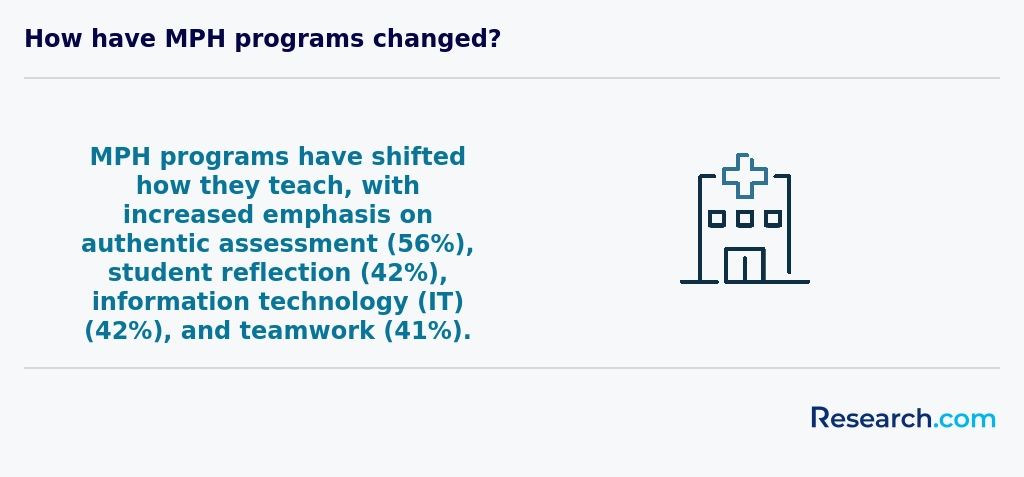
In New Haven, public health degree programs offer a thoughtfully balanced curriculum that resonates deeply with students' aspirations to create meaningful health improvements. Graduates from renowned institutions like the Yale School of Public Health often recall how courses in epidemiology sharpened their ability to unravel complex disease patterns, grounding them in the practical challenge of tracking real outbreaks within communities.
Their journey continues through biostatistics, where numbers come alive as tools to interpret and influence health trends. This quantitative insight is invaluable when students work on local projects, such as analyzing data for city health departments.
Courses in environmental health bring awareness to everyday factors like air quality and workplace safety, connecting theory with the lived experiences of New Haven's neighborhoods. Meanwhile, health policy and management classes prepare students to lead thoughtfully, understanding how public systems operate and impact lives.
Behavioral sciences awaken empathy, helping students design programs that encourage healthy choices, often practiced through community internships in familiar settings around New Haven. Many find the global health component especially inspiring, linking local work to worldwide challenges with a sense of shared responsibility.
Students pursuing a public health degree in New Haven often choose from specializations that reflect the community's unique needs. Epidemiology is highly valued, focusing on understanding disease patterns-a graduate from a well-known New Haven university shared how this specialization prepared them for real-world outbreak investigations in urban settings. Another common path is Health Policy and Management, where alumni feel empowered to design policies that address health inequities in local neighborhoods, a crucial skill in a city with diverse populations like New Haven.
Environmental Health resonates with many, especially those passionate about tackling pollution and workplace safety challenges specific to the area. Community Health Education attracts students eager to engage with local schools and organizations, promoting healthier lifestyles firsthand. Some colleges also offer specializations in global health and biostatistics, broadening perspectives and technical expertise.
Reflecting on public health degree specializations New Haven offers, graduates often emphasize the practical, community-focused experience gained, which deeply enriches their career options. For those comparing programs and costs, consider exploring affordable online mph options as well.
Choosing the best public health degree in New Haven means focusing on programs that blend rigorous accreditation with real-world opportunities. Graduates from well-known New Haven institutions often share how CEPH-accredited programs gave them confidence their education met national standards, preparing them for competitive roles.
Cost remains a practical concern; many students seek affordable public health schools in New Haven that balance quality and tuition. Some appreciate programs offering scholarships or flexible payment options, which eased their financial burden. For students juggling work, online or hybrid formats provide essential flexibility without sacrificing learning quality.
Many graduates value hands-on internships at local health departments or nonprofits, where they translate theory into meaningful community impact. This tangible experience is highly praised for fostering confidence and professional networks. To explore options that merge affordability with strong outcomes, consider consulting the Affordable Online Public Health Degree Programs Ranking in Maryland.

Graduates with a public health degree in New Haven find themselves at the heart of communities eager for impactful change. Many step into roles within local government and public health departments, where they design prevention programs and respond to outbreaks that directly affect neighborhoods. Those who have studied at Yale University or other respected institutions nearby often recall their rewarding experiences working as research coordinators, contributing to vital studies on urban health challenges like asthma and substance abuse. The variety of job opportunities with public health degree New Haven offers extends to healthcare providers and hospitals, where graduates become epidemiologists or community health workers, engaging deeply with patients to promote wellness in underserved areas.
Advocacy and policy development also shape many careers here. Graduates often join non-profits or advocacy groups, driving campaigns for tobacco cessation and vaccination awareness. For those seeking practical advice on education pathways, exploring the best accelerated associate degree can be a valuable step. This wide spectrum of careers exemplifies the rewarding and diverse opportunities a public health degree career options New Haven truly provide.
The public health job opportunities in New Haven benefit greatly from the city's rich healthcare landscape, anchored by institutions like Yale New Haven Health System. Graduates often find themselves employed in hospitals, nonprofit organizations, and state health departments where their work directly impacts community wellness. Those who studied at local universities share that the practical experience gained through internships and research projects substantially improves their chances of landing roles related to epidemiology, disease prevention, and health education.
Healthcare employment outlook New Haven Connecticut reflects a steady demand, driven by public health challenges and an emphasis on preventive care. Entry-level salaries typically range from $45,000 to $55,000, while seasoned professionals can expect compensation between $80,000 and $100,000. The positive trend aligns with national growth projections for healthcare roles, providing graduates with confidence about their career paths in this region.
Choosing to pursue a public health degree in New Haven also means access to a wide range of learning formats that accommodate diverse needs. Many students balance their studies with work commitments by enrolling in online colleges open enrollment, enabling timely graduation and smoother transitions into the workforce.
2027 Most Valuable Public Health Degree Programs Ranking in New Haven
Investing in your education is a significant decision that can shape your future, and the Research.com team recognizes the importance of providing trustworthy guidance. To assist prospective students in New Haven, we have carefully developed the "2027 Most Valuable Public Health Degree Programs Ranking in New Haven." Our dedication to quality, credibility, and accuracy is demonstrated through thorough research and rigorous analysis performed to create this ranking.
We utilized the following reputable data sources to ensure a comprehensive evaluation of public health degree programs:
By exploring this ranking, readers will gain valuable insights into the most valuable public health programs available in New Haven, empowering them to make well-informed educational decisions. For more information about how the ranking was created, please visit our Research.com methodology page.


Frequently Asked Questions About public health
Public health students in New Haven can enhance their education by engaging deeply with the city's vibrant public health community. New Haven hosts multiple healthcare institutions and research centers, offering students practical internship opportunities that are crucial for hands-on learning. Collaborating with organizations like Yale School of Public Health allows access to cutting-edge research and expert faculty.
Furthermore, students should take advantage of local workshops and seminars focused on pressing public health issues, such as chronic disease prevention and environmental health, which are particularly relevant in New Haven's diverse urban setting. According to the Connecticut Department of Public Health, New Haven faces unique challenges like higher asthma rates, providing a rich context for applied study.
Networking with local health departments and nonprofits can also open pathways to community-based projects, which are essential for developing real-world skills. Lastly, staying informed about city-specific data and health trends through public reports strengthens evidence-based practice and planning.
The public health field in New Haven is evolving with several emerging niches that reflect current health challenges and innovations. Data science and health informatics are gaining prominence, driven by the increasing use of big data to analyze community health trends. Epidemiology remains vital, especially in infectious disease control highlighted during recent pandemics.
Environmental health is growing due to concerns about urban pollution and climate change impacts, particularly in densely populated areas like New Haven. Additionally, community health and health equity focus on addressing disparities among diverse populations, as noted by local health reports from the Connecticut Department of Public Health.
Mental health integration is also a developing niche, reflecting rising awareness of behavioral health's role in overall wellness.
Preparing for the job market after earning a public health degree in New Haven involves strategic planning and practical experience. Local public health agencies, such as the New Haven Department of Health, often collaborate with universities for internships, providing valuable hands-on training. Engaging in these opportunities improves employability by building relevant skills and professional networks.
Graduates should also consider obtaining certifications like the Certified Health Education Specialist (CHES) to increase their marketability. According to the Connecticut Department of Public Health, the demand for public health professionals in the region is projected to grow by 10% over the next decade, reflecting strong job prospects.
Networking with local organizations and attending public health conferences in the New Haven area can further enhance career opportunities.
Employers in New Haven seek public health graduates equipped with a combination of analytical, communication, and organizational skills. Proficiency in data analysis software such as SPSS or SAS is highly valued, as 67% of local public health agencies rely on quantitative data to guide community interventions, according to the Connecticut Department of Public Health.
Strong communication skills are essential for collaborating with diverse populations and stakeholders. Employers also prioritize graduates who demonstrate cultural competence and the ability to work in underserved urban settings, reflecting New Haven's demographic makeup.
Additionally, skills in program planning and evaluation are critical. Knowledge of policy development and health promotion strategies can boost employability in governmental and nonprofit sectors.
Finding internships in New Haven relevant to a public health degree involves leveraging local institutions and health organizations. Yale University's School of Public Health offers connections to numerous clinical and community-based internships, a major advantage for students seeking experience. Additionally, New Haven's Department of Health provides internship opportunities focused on urban health challenges, such as chronic disease prevention and infectious disease control.
Students should explore nonprofit organizations, like the Connecticut Public Health Association, which often collaborate with academic programs for internship placements. According to recent data from the New Haven Health Department, public health internships have grown by 15% over the past three years, reflecting increased community investment.
Networking with local professionals through university career services and public health events is also essential. Online platforms such as Handshake and the Connecticut Career Resource Network list regional internships specifically in public health.
A public health degree in New Haven significantly enhances career mobility and advancement prospects. Graduates gain skills valued by local employers such as Yale New Haven Health and the Connecticut Department of Public Health. The city's focus on community health initiatives creates opportunities in epidemiology, health education, and policy development.
According to the U.S. Bureau of Labor Statistics, health-related careers in Connecticut are projected to grow by 9% between 2022 and 2032, reflecting strong demand. In New Haven, professionals with public health credentials often advance to leadership roles more quickly than those without specialized training.
Additionally, networking connections through local public health organizations provide critical access to job openings and internships, supporting career progression within the region.
Studying for a public health degree in New Haven equips students to engage in interdisciplinary roles by integrating knowledge from various fields such as epidemiology, sociology, policy, and healthcare management. Local institutions emphasize collaboration across disciplines to address complex health challenges affecting urban communities. According to data from the Connecticut Department of Public Health, New Haven faces unique public health issues such as disparities in chronic disease rates and environmental health risks, which require multifaceted solutions.
Programs often include teamwork with professionals in medicine, social work, and data science, preparing graduates for roles that demand flexible, cross-sector expertise. This approach enhances problem-solving skills applicable in government, nonprofits, and healthcare systems.
Choosing between a thesis and a non-thesis public health degree in New Haven depends on your career goals and learning preferences. Thesis programs typically require original research and a detailed written project, which suits students aiming for academic or research roles. Non-thesis options focus more on practical skills through coursework and internships, ideal for those pursuing public health practice or administrative careers.
In New Haven, schools may offer close connections to local health departments and organizations, providing valuable hands-on experience. Data from the Connecticut Department of Public Health highlights increasing demand for skilled practitioners in areas like epidemiology and health policy, shaping program emphasis.
Students based in New Haven interested in public health have several opportunities to study abroad through programs affiliated with local universities. Yale University, a leading institution in New Haven, offers exchange programs and international research collaborations facilitating experiences in global health settings. These programs often include partner institutions across Europe, Asia, and Africa.
Additionally, students can explore study abroad options via Connecticut's statewide university system, which sometimes coordinates international internships and fieldwork in countries with varying public health challenges. This practical experience helps develop a global perspective.
According to the Association of Schools and Programs of Public Health, nearly 30% of U.S. public health programs now offer international components, reflecting a growing emphasis on global health education.
New Haven offers several part-time job opportunities that complement public health degree education. Positions in local hospitals like Yale New Haven Hospital often include roles such as patient care assistants or health education aides. These jobs provide practical experience alongside academic studies.
Community health organizations also hire part-time workers to support outreach and data collection efforts. Such roles help students understand public health challenges in urban environments, contributing to projects targeting reducing health disparities.
Additionally, local government health departments may offer internships or part-time support roles focused on public health policy and epidemiology. The U.S. Bureau of Labor Statistics reports that gaining field experience improves employment prospects in these competitive areas.
Public health students in New Haven benefit from diverse networking opportunities that connect them with local professionals and organizations. Yale University, a major educational institution in the city, hosts various seminars and speaker events where students can interact with experts in epidemiology, community health, and policy. These events often encourage student participation and collaboration, fostering valuable professional contacts.
Community health organizations in New Haven, such as the New Haven Health Department, offer internships and volunteer programs that serve as practical networking platforms. According to the Connecticut Department of Public Health, New Haven is a hub for regional health initiatives, which expands opportunities for student engagement in meaningful projects.
Additionally, New Haven hosts conferences and workshops centered on public health challenges, providing forums where students can meet practitioners, researchers, and policymakers. Through these avenues, students gain insights into local public health issues and build connections that support career advancement.
Alumni networks play a crucial role for public health degree students in New Haven by offering strong professional connections. These networks often include graduates working in local health departments, hospitals, and nonprofit organizations, which can help current students access internships and job opportunities. According to the Yale School of Public Health, its alumni actively participate in mentorship programs that enhance student career readiness.
Further, alumni connections provide insight into emerging public health challenges specific to New Haven, such as addressing urban health disparities. Engagement in these networks improves students' chances of collaboration on community health projects and research.
Strong alumni involvement also facilitates knowledge exchange through events and seminars, supporting students in building practical skills and staying updated with industry trends.
In New Haven, students pursuing public health degrees can tailor their programs through elective courses and specialized tracks that align with their career goals. Many institutions offer concentrations such as epidemiology, health policy, or community health, allowing learners to develop expertise in areas relevant to New Haven's public health challenges. For example, students focused on urban health can engage in community-based research projects addressing local issues like health disparities in New Haven's neighborhoods. Additionally, internships with city health departments or nonprofit organizations provide practical experience.
According to data from the Connecticut Department of Public Health, public health professionals with focused skills in data analysis or policy are in growing demand locally, emphasizing the benefits of customization in academic paths.
Public health students in New Haven often face the challenge of managing demanding coursework alongside practical fieldwork requirements. Programs typically require extensive community engagement, which can be time-consuming and emotionally taxing. Additionally, students must navigate the local public health landscape, which includes addressing urban health disparities. According to the Connecticut Department of Public Health, New Haven has higher-than-average rates of chronic illnesses, adding complexity to student projects and internships.
Students may also encounter limited funding opportunities for internships, which can restrict hands-on learning experiences. Balancing part-time jobs with academic demands is common, affecting time management and stress levels. Understanding evolving health policies and local regulations also requires diligent study, as public health is deeply influenced by government actions.
Graduates with a public health degree in New Haven can pursue several professional certifications that enhance career opportunities. The Certified Health Education Specialist (CHES) credential, awarded by the National Commission for Health Education Credentialing, is popular among local public health professionals. It demonstrates expertise in health promotion and education.
Another important certification is the Certified in Public Health (CPH) credential, provided by the National Board of Public Health Examiners. It is recognized nationally and valued in many New Haven health departments and nonprofits.
Additionally, some professionals aim for certifications in specialized areas such as epidemiology or healthcare quality, which can improve job prospects in the region's growing healthcare sector. The City of New Haven's public health workforce frequently highlights these credentials in job listings, showing their relevance.
To write a winning application for a public health program in New Haven, start by clearly demonstrating your passion for community health and your understanding of local public health challenges. Highlight any relevant volunteer work or professional experience, especially those connected to New Haven's health initiatives, such as efforts addressing chronic disease rates or health disparities reported by the Connecticut Department of Public Health.
Include strong letters of recommendation from professors or supervisors familiar with your commitment to public health. Craft a compelling personal statement focused on your goals and how a New Haven program will help you impact local communities.
Also, maintain a competitive GPA, ideally above 3.0, and prepare for any required standardized tests. Tailoring your application to address New Haven's specific public health environment can set you apart.
Public health careers are increasingly viewed through a global lens, emphasizing collaboration across borders to tackle widespread health challenges. In the United States, and specifically in New Haven, professionals trained in public health engage with issues like infectious diseases, environmental health, and health disparities that resonate worldwide. The U.S. Bureau of Labor Statistics projects a 17% employment growth for public health workers from 2020 to 2030, reflecting strong demand driven by global health concerns. New Haven's public health programs often incorporate international case studies and partnerships, preparing students to understand how local health challenges intersect with global trends.
Globally, agencies such as the World Health Organization set standards and goals that influence curricula and career paths in U.S. institutions. For New Haven students, this means that earning a public health degree here also opens opportunities in international organizations and research projects focused on pandemic preparedness and health equity. The local emphasis on community-based health research ties into larger frameworks addressing social determinants of health worldwide, offering graduates skills relevant both locally and internationally.
According to Yale School of Public Health, one of the major centers in New Haven, interdisciplinary training encourages students to view public health problems from diverse cultural and socioeconomic perspectives. This global approach prepares graduates for careers that contribute to health improvements in varied populations, from urban centers in Connecticut to low-resource settings around the world. The integration of global health priorities into public health education reflects a consensus that health threats do not respect boundaries, making globally informed expertise essential for modern practitioners.
Students pursuing public health degrees in New Haven can gain practical experience through various local opportunities. Many universities collaborate with the Yale School of Public Health, offering internships and fieldwork in community health organizations. These experiences expose students to real-world challenges in urban health, including initiatives addressing chronic diseases and health disparities in New Haven's diverse population.
Additionally, New Haven's robust network of hospitals and public health agencies provides placements for applied learning. Students can engage in data collection, health education campaigns, and policy analysis projects, often earning academic credit. According to the Connecticut Department of Public Health, such experiential learning significantly enhances job readiness post-graduation.
Choosing the right concentration within a public health degree program in New Haven depends on your career goals and local health priorities. New Haven faces specific public health challenges like urban health disparities and infectious disease control, highlighted by the Yale School of Public Health's research.
Look for concentrations aligned with these issues, such as Epidemiology, Health Policy, or Community Health. The U.S. Bureau of Labor Statistics notes that epidemiologists in Connecticut earn a median annual wage near $80,000, reflecting strong local demand.
Additionally, consider programs offering internships or practical experiences with New Haven's health departments or nonprofits, as hands-on training is key for employment success.
Review course offerings and faculty expertise to ensure alignment with public health trends in New Haven and beyond.
- 2027 Most Valuable Public Health Degree Programs Ranking in Bronx
- 2027 Most Valuable Public Health Degree Programs Ranking in New York
- 2027 Most Valuable Public Health Degree Programs Ranking in New Brunswick
- 2027 Most Valuable Public Health Degree Programs Ranking in Albany
- 2027 Most Valuable Public Health Degree Programs Ranking in Boston
- 2027 Most Valuable Public Health Degree Programs Ranking in Lowell
- 2027 Most Valuable Public Health Degree Programs Ranking in Philadelphia
- 2027 Most Valuable Public Health Degree Programs Ranking in Ithaca
- 2027 Most Valuable Public Health Degree Programs Ranking in Syracuse
- 2027 Most Valuable Public Health Degree Programs Ranking in Baltimore
- Students and Alumni associations - Europubhealth https://www.europubhealth.org/students-alumni-associations/
- Community Health Worker, Health Programs #2603-6302-01 https://www.jobapscloud.com/oec/NewHaven/Jobs/Bulletin
- Financing Your Degree https://aspph.org/student-journey/financing-your-degree/
- Health Evaluator/Consultant Jobs in Public Health https://www.publichealthcareers.org/jobs/health-evaluator-consultant/us-ct-new-haven/
- Internships & Careers - New Haven Health https://nhvhealth.org/internships-careers/
- Work Experience Opportunities - Everyone Health Careers https://careerseveryonehealth.co.uk/work-experience/
- Public Health Degrees & Careers | How To Work In Public Health https://www.learnhowtobecome.org/medical-health-careers/public-health/
- Public Health Challenges – IPA SDG Dashboard https://sdg.internationalpublishers.org/sdgaction/public-health-challenges/
- The Networking Guide for Public Health Professionals https://www.publichealthdegrees.org/resources/professional-networking/
- The Interdisciplinary Nature of Public Health https://www.cune.edu/news/interdisciplinary-nature-public-health











