2027 Most Valuable Public Health Degree Programs Ranking in Bronx

Co-Founder and Chief Data Scientist
Choosing the right public health degree program can shape your future, especially here in Bronx. This article presents the 2027 Most Valuable Public Health Degree Programs Ranking in Bronx, carefully crafted by the Research.com team of data scientists.
By exploring this ranking, you'll gain valuable insights into programs that offer the best opportunities and outcomes. Whether starting your journey or advancing your career, understanding these options helps you make informed decisions.
Investing in a public health degree opens doors to meaningful work that impacts communities. This guide is here to support your path forward.
Key benefits of getting public health degree in Bronx
- Graduates with a public health degree in Bronx can earn competitive salaries, such as $69,790 annually for Health Educators and up to $86,710 for Environmental Health Specialists, offering financial stability and career growth.
- Public health graduates from Bronx community colleges often find diverse career paths in roles like Medical Assistant or Occupational Health and Safety Specialist, allowing them to impact community wellness in many dynamic ways.
- Choosing an online public health degree from a Bronx university provides flexibility for busy students and working adults, making it easier to balance education with personal commitments while advancing their careers.
- 2027 Most Valuable Public Health Degree Programs Ranking in Bronx
- What can I expect from public health degree in Bronx?
- Where can I work with public health degree in Bronx?
What can I expect from public health degree in Bronx?
The average cost of pursuing a public health degree in the Bronx, particularly at institutions like Lehman College within the CUNY system, remains relatively affordable compared to private universities. Many graduates recall balancing the investment with the tangible benefits of hands-on internships at local Bronx hospitals and community health organizations. These practical experiences not only enrich their resumes but also ease financial pressures by offering stipends or credit-based work-study opportunities.
Students often find that tuition for Bachelor's programs falls within a moderate range, with Master's programs slightly higher but still accessible due to CUNY's public funding structure. The overall expenses, including fees and materials, can be seen as an investment in a career serving diverse Bronx communities facing chronic health issues.
Looking ahead, emerging trends in public health education in the Bronx might include increased scholarships and partnerships with city agencies, further lowering costs. Graduates express excitement about evolving financial support systems, enabling future students to focus more on mastering community health solutions than on monetary concerns.
Where can I work with public health degree in Bronx?
Graduates with a public health degree in the Bronx often find themselves stepping into dynamic roles within local government agencies like the Bronx branch of the New York City Department of Health and Mental Hygiene. Here, they create impactful community health programs addressing urgent issues such as asthma and diabetes, which deeply affect the borough. Many public health students from institutions like Lehman College share stories of entering epidemiology initiatives or vaccination campaigns that directly benefit their own neighborhoods, fueling a profound sense of purpose.
Hospitals like Montefiore Medical Center also welcome these graduates into roles focused on patient advocacy, data analysis, and community outreach. The hands-on experiences gained by Bronx-based students empower them to tackle real health disparities and improve patient outcomes, often seeing the immediate effects of their work in the communities they live in.
Nonprofits, academic centers like the Icahn School of Medicine at Mount Sinai, and even local schools provide expanding opportunities. Graduates feel energized contributing to health equity, environmental health, and education programs, envisioning careers that grow alongside the borough's evolving public health landscape.
Graduates from public health programs in the Bronx often find rewarding opportunities with salaries reflecting their education and local demand. For instance, community health workers in the Bronx can expect mean annual wages around $52,610, aligning closely with national averages but slightly adjusted for the city's higher living costs. Health educators, a popular pathway for Bronx graduates from colleges like Lehman College, earn approximately $69,790 per year on average, highlighting the potential for stable, meaningful work educating local populations.
More specialized roles, such as environmental health specialists and occupational health and safety specialists, offer even stronger earnings, with average salaries near $86,710 and $85,570 annually, respectively. These positions often attract graduates who have pursued advanced certifications or master's degrees at institutions emphasizing practical, community-based training in the Bronx.
Students describe entering the workforce excited by the impact they can make in local hospitals, nonprofits, and city agencies. The growing focus on public health amid urban challenges promises continued salary growth and career advancement for those committed to improving Bronx communities.
- Annual tuition for bachelor's public health programs in the Bronx ranges from $7,000 to $15,000.
- Master of Public Health (MPH) programs cost between $15,000 and $30,000 per year, varying by school and study mode.
- Entry-level public health professionals in the Bronx earn about $50,000 annually, with experienced roles reaching $75,000 or more.
- Employment in public health fields in the Bronx is projected to grow by approximately 10% over the next decade.
- Programs often include internships and partnerships with local health agencies to improve job placement.
- Many degree programs offer flexible schedules, including evening and online courses for working students.
Completing a public health degree in Bronx typically takes around four years for a full-time undergraduate student, a timeline familiar to many graduates from well-known local institutions. Imagine balancing classes at Bronx community colleges or larger universities offering flexible schedules-graduates often share how summer courses and part-time options made their journey manageable and rewarding.
For those pursuing a Master of Public Health, the full-time track usually spans about two years, yet many find that part-time or accelerated programs extend this to three or more years without compromising depth. Recent graduates recount how hybrid online courses from Bronx-based schools enriched their learning experience while accommodating work and family life.
Doctoral candidates face longer commitments, often four to six years, diving into research and dissertation work that pushes their passion for public health to new heights. The vibrant Bronx academic community supports this ambitious path, fostering a sense of accomplishment as students turn theory into impactful practice close to home.
Prospective students aiming for a Public Health degree in Bronx, NY should begin their application journey at least nine months before the intended semester start date to secure optimal consideration. Most institutions in the Bronx offer both fall (August/September) and spring (January) intakes, with application deadlines typically falling in early December for fall admission and mid-September for spring admission. To streamline your application: 1. Gather Transcripts and Test Scores • Request official transcripts from all previously attended institutions. • Submit SAT or ACT scores if required-the CUNY Graduate School of Public Health and Health Policy has adopted a test-optional policy, but strong scores can still enhance your profile. 2. Prepare Supporting Documents • Craft a concise personal statement highlighting your commitment to community health and any relevant field experiences. • Secure two to three letters of recommendation from academic or professional references who can attest to your analytical skills and dedication to public health. 3. Complete the Online Application • Create an applicant portal account for each target institution. • Pay attention to program-specific requirements-some Bronx colleges may request a resume or a short video interview. 4. Submit Financial Aid Forms • File the FAFSA by the federal deadline (usually June 30) and the New York State TAP application by early spring for maximum grant eligibility. • Explore institutional scholarships-Lehman College and Bronx Community College often award merit-based aid to early applicants. 5. Track Your Application Status • Monitor your portal for updates on transcripts, test scores, and recommendation letters. • Respond promptly to any requests for supplemental information to avoid delays in admissions decisions. For applicants exploring online alternatives or aiming to compare costs across regions, the Cheapest Online Public Health Degree Programs Ranking in Missouri provides a detailed overview of high-value, affordable online MPH options. By adhering to these timelines and preparing materials in advance, you’ll enhance your chances of acceptance into a top Bronx public health program.
Students pursuing public health degrees in the Bronx often navigate between online flexibility and the immersive experience of on-campus classes, each shaping their educational journey uniquely. Graduates from Bronx Community College who studied online share how the ability to access lectures anytime fit seamlessly with their busy lives, allowing them to juggle family or work commitments without stigma. They describe a sense of empowerment managing their own pace while still staying connected through interactive forums.
Meanwhile, alumni from Lehman College highlight the energy of face-to-face interaction, from lively classroom debates to hands-on internships with local public health organizations tackling Bronx-specific issues like asthma and obesity. These direct experiences cultivate strong community ties and practical skills that online platforms strive to simulate but can rarely duplicate.
Looking ahead, hybrid models may blend these approaches, enabling Bronx students to enjoy both real-time engagement and flexible study schedules. This evolving landscape hints at wider accessibility without sacrificing the vital local connections that define public health education in urban centers like the Bronx.
The average cost of a public health degree in Bronx typically centers around $12,937 for in-state students, which many find manageable compared to private institutions. For example, graduates from Lehman College, a popular choice in the borough, often reflect on how the reasonable tuition and fees combined with the vibrant local community made their educational journey both affordable and rewarding. Many mention that balancing studies with part-time work and available financial aid helped ease the financial burden, a common reality for public health students in the area.
Understanding public health degree tuition and fees Bronx-wide reveals that out-of-state students should anticipate significantly higher expenses, sometimes more than double in-state rates. This disparity encourages many prospective students to seek residency or take advantage of in-state rates to maximize their investment in education. Students at CUNY schools often appreciate the subsidized tuition that makes a quality public health education within reach while staying close to home and engaging with community health issues firsthand.
Beyond tuition, graduates frequently emphasize the importance of scholarships, federal aid, and campus resources as vital tools in managing costs. For those exploring options, institutions featuring flexible programs and support systems stand out in the Bronx public health landscape. Those interested in the local value of their education can explore details about valuable public health schools in New York to find institutions that not only offer strong academic programs but also foster strong financial support networks for students.
Investing in a Public Health degree in Bronx, NY, involves balancing tuition costs against long-term earning potential and career stability. On average, in-state tuition at CUNY institutions hovers around $7,000 per year, while private universities can exceed $50,000 annually. With typical starting salaries ranging from $49,900 for Community Health Workers to $83,820 for Environmental Health Specialists, graduates often recoup their investment within 3–5 years of full-time employment. When comparing program affordability, aspiring professionals should also consider flexible online options. For example, students seeking to minimize upfront expenses can explore the cheapest online mph epidemiology offerings, which combine lower per-credit rates with the convenience of remote learning. These programs often feature accelerated tracks and integrated capstone projects that enable faster entry into the workforce. Beyond tuition and salary, factors such as job placement rates, internship stipends, and alumni networks play a critical role in ROI. Programs that boast strong partnerships with local health departments or non-profits can provide paid field experiences, effectively offsetting educational expenses. Additionally, graduates who secure roles in high-demand specialties-such as biostatistics or health policy analysis-can command premium salaries, further enhancing return on investment. By evaluating total program costs against projected earnings, career advancement opportunities, and hands-on learning benefits, prospective students can make data-driven decisions that maximize both financial and professional outcomes in the evolving field of public health.
Financial aid for public health degrees in Bronx is evolving, with many students at institutions like Lehman College and Bronx Community College sharing how federal and state support made their journey possible. Graduates often recall how the Pell Grant, covering up to $7,395 annually, combined with New York's Tuition Assistance Program (TAP) eased tuition burdens, especially for those attending CUNY schools within the borough.
Looking ahead, there's growing optimism about expanding employer partnerships offering tuition reimbursements and stipends in local healthcare settings. Working students appreciate this blend of education and income, which creates a practical, supportive learning environment. Many have highlighted receiving scholarships from community-focused groups like Bronx Health REACH, which motivates commitment to underserved populations.
Future trends may also include more tailored financial counseling services in Bronx institutions, empowering students to navigate complex aid options confidently. These personalized efforts resonate with public health students who balance work, study, and community engagement, making education both affordable and accessible.
Prospective Public Health students in the Bronx, NY should consider not only the academic rigor of a program but also the quality of campus life and support services available to enhance their educational journey. Many institutions offer dynamic campus environments where extracurricular activities, student organizations, mentoring programs, and career counseling complement the classroom experience. These aspects help in building a robust network of peers, foster personal growth, and ease the transition from student life to professional careers. Additionally, campus resources such as wellness centers and study groups are invaluable for managing the academic and personal challenges that come with rigorous public health programs. Students exploring options at valuable public health schools in new york have often noted that supportive communities are a key factor in their overall success, contributing not only to academic achievements but also to mental well-being and long-term career satisfaction.
Students aiming to enroll in public health degree programs in the Bronx often find that having a strong foundation in sciences like biology and chemistry is crucial. For example, graduates from Bronx's well-regarded colleges recall how their prior coursework in math and communication skills made community health projects more manageable and meaningful. These prerequisites set the stage for engaging deeply with local health challenges.
With graduate programs becoming more specialized, a bachelor's degree-often in fields related to healthcare, social sciences, or statistics-is typically expected. One graduate shared that meeting a minimum GPA and gaining volunteer experience at Bronx community clinics helped them stand out during admissions. The evolving trend toward test-optional applications has made pathways more accessible, emphasizing real-world experience over standardized scores.
In the future, Bronx programs might increasingly value interdisciplinary skills and digital health literacy, preparing students to innovate public health solutions in urban environments. Financial aid options tied to state rates make these programs not only attainable but also inspiring for students passionate about impacting Bronx communities.

Public health degrees in Bronx typically include courses like epidemiology and biostatistics that graduates praise for opening their eyes to analyzing real-world health data and tracking disease patterns in urban neighborhoods. At well-known local colleges, students describe hands-on projects studying asthma rates, reflecting Bronx's unique environmental health challenges.
Classes in health policy and management prepare students to navigate the complexities of healthcare systems, often inspiring them to pursue roles influencing local healthcare access. Graduates highlight how community health courses enable them to connect with Bronx's diverse populations, designing outreach programs that truly resonate.
Many students also find ethics and social justice deeply motivating, especially against the backdrop of Bronx's socio-economic hurdles. Electives like global health or maternal health allow learners to tailor their studies toward future challenges, imagining broader impacts from their Bronx classrooms to worldwide settings.
These courses combine theory with community engagement, creating a sense of purpose and readiness to improve health equity in one of New York City's most dynamic boroughs.
Specializations in public health degree programs in the Bronx increasingly reflect the borough's unique community challenges and opportunities. Graduates from popular Bronx colleges often recall specializing in areas like Community Health, where they designed outreach programs addressing high chronic disease rates, or Environmental Health, tackling pollution from local industry. These specializations resonate deeply, as students become empowered to impact neighborhoods they know well. The focus on Bronx public health program concentrations allows learners to engage directly with real-world health disparities linked to social determinants, enhancing their practical skills and job readiness.
Emerging trends suggest that such programs will expand even further into specialized Epidemiology paths, helping students monitor disease outbreaks within this dense urban environment. Many graduates highlight how their coursework prepares them to build culturally competent solutions for asthma or diabetes prevalent in the area. For prospective students weighing costs, exploring the cheapest online mph epidemiology might also open doors to flexible learning options aligned with Bronx public health degree specializations.
Choosing the best public health degree in Bronx means looking beyond just the classroom experience to include hands-on community engagement. Graduates from well-regarded Bronx colleges often share how proximity to local hospitals and government agencies enriched their learning and opened doors to careers addressing Bronx's unique health challenges like asthma and economic disparities. This real-world connection gives students meaningful perspectives that textbooks alone can't provide.
Future-forward students also prioritize programs offering flexible formats-whether online, part-time, or full-time-to balance work, family, and study demands. Considering affordable public health colleges Bronx has, many explore options that blend affordability with robust curricula focused on epidemiology and health policy. Financial planning is easier when one reviews scholarships and resources such as the Cheapest Online Public Health Degree Programs Ranking in Missouri, which offers insight even for out-of-state comparisons.
Graduates emphasize the value of accreditation by bodies like CEPH, ensuring their degrees qualify them for future certifications. Ultimately, envisioning your public health role within Bronx's community and selecting programs fostering both academic rigor and local impact will guide your decision toward the best public health degree programs in Bronx.

Graduates from Bronx institutions known for their public health programs often step into career roles shaped by the borough's distinct challenges and opportunities. Many find rewarding positions as epidemiologists tracking local disease trends or as community health workers actively engaging underserved neighborhoods. These roles offer dynamic, hands-on experiences that resonate with graduates eager to make a tangible impact on Bronx residents' wellbeing. Careers in environmental health also attract those passionate about addressing urban issues like pollution and housing conditions.
Public health career opportunities Bronx continue to expand, with health policy analysts and administrators increasingly vital in shaping equitable healthcare access. Graduates often mention how their studies at Bronx colleges prepare them for the complexities of this work, creating a sense of pride and purpose. Internships and networking within local organizations enhance these prospects significantly, encouraging many to explore fast college courses that accelerate their career readiness.
Public health graduates in the Bronx are entering a vibrant job market shaped by the borough's unique health challenges and diverse population. Those who studied at renowned local institutions such as City University of New York (CUNY) report rewarding roles in community health centers, working directly on disease prevention and health education. The Bronx public health career outlook is particularly bright, with growing emphases on managing chronic illnesses like asthma and diabetes, which fuels demand for skilled professionals.
Graduates often describe a strong sense of purpose and connection, knowing their work directly impacts neighborhoods similar to where they studied. Funding from state and federal grants sustains these opportunities, making public health roles in local government and nonprofit organizations more accessible. For students considering long-term prospects, the affordable tuition options in the Bronx coupled with solid job openings alleviate common financial pressures. Those unsure about their path can explore what is the easiest degree to get to complement their interests and career goals.
2027 Most Valuable Public Health Degree Programs Ranking in Bronx
Investing in your education is a significant decision that can shape your future, and the Research.com team understands the importance of making informed choices. To assist prospective students in Bronx, we have meticulously crafted the "2027 Most Valuable Public Health Degree Programs Ranking in Bronx." Our commitment to quality, credibility, and accuracy is reflected in the extensive research and analysis conducted to compile this ranking.
We utilized the following reputable data sources to ensure a comprehensive evaluation of public health programs:
By exploring this ranking, readers will gain valuable insights into the most valuable public health degree programs available in Bronx, helping them make informed decisions about their education and career paths. For more details on our methodology, please visit our Research.com methodology page.

Frequently Asked Questions About public health
Public health degree students in the Bronx can enhance their learning by engaging deeply with local community health issues. The Bronx has one of the highest rates of asthma and diabetes in New York City, making hands-on experience with these conditions particularly valuable. Students should seek internships and volunteer opportunities at nearby hospitals, clinics, and nonprofit organizations such as the Bronx Community Health Network, which serves over 100,000 residents annually.
Joining study groups and attending public health seminars hosted by institutions like the CUNY School of Public Health can also provide practical knowledge and networking opportunities. Utilizing resources from the New York City Department of Health aids in understanding regional data and trends.
Emerging niches within the public health field reflect changing health needs and technological advancements, particularly in urban areas like the Bronx. One fast-growing area is health informatics, which uses data and technology to improve community health outcomes. With the Bronx experiencing high rates of chronic conditions such as diabetes and asthma, experts emphasize data-driven solutions to target vulnerable populations effectively.
Another important niche is environmental health, focusing on pollution and housing-related health risks common in Bronx neighborhoods. Jobs in this area often involve policy and community outreach to reduce exposure to harmful substances.
Global health equity and pandemic preparedness have gained traction since COVID-19, underscoring the need for professionals trained to manage infectious diseases on local and international levels.
After completing a public health degree in Bronx, preparing for the job market involves several important steps. Gaining practical experience through internships or community-based projects is essential, as local health agencies often seek candidates familiar with Bronx's specific public health needs. Networking with professionals via city health departments or organizations like the Bronx Borough President's Office can increase job opportunities.
Additionally, obtaining relevant certifications such as Certified Health Education Specialist (CHES) can improve employability. According to the Bureau of Labor Statistics, public health jobs in New York State are projected to grow by 11% from 2021 to 2031, aligning with national trends. Staying updated on Bronx's health disparities and policies can help graduates tailor their skills effectively.
Strong communication and data analysis abilities remain highly valued by employers in this region.
Employers in the Bronx highly value public health graduates who possess strong analytical and data interpretation skills. Given the area's diverse population, cultural competency is essential for effective community engagement and health promotion. Communication abilities, both written and verbal, are crucial since professionals often collaborate with stakeholders and the public. Knowledge of epidemiology and biostatistics is consistently sought after, helping to address local health issues such as asthma and diabetes, which are prevalent in Bronx communities according to the NYC Department of Health.
Project management skills are also important, as public health workers coordinate multiple initiatives simultaneously. Familiarity with public health policies and regulations ensures compliance and effective program implementation.
Finding internships in Bronx relevant to a public health degree requires targeting local organizations active in community health. The Bronx has a high demand for public health professionals due to its diverse population and elevated health disparities, according to the New York City Department of Health. Students should explore opportunities at Bronx-based hospitals, such as Montefiore Medical Center, which often offers internships related to epidemiology and health education.
Additionally, local government agencies and nonprofits like the Bronx Health REACH coalition provide internships focused on public health initiatives addressing chronic diseases. Universities in Bronx also have career centers that maintain partnerships with health organizations for student placements.
Networking through professional events and volunteering can increase chances to secure internships. Utilizing resources like the NYC Public Health Corps platform, which supports placements in Bronx communities, can be helpful. According to recent data, internships in Bronx public health can lead to improved employment outcomes in the city's health sector.
Obtaining a public health degree in the Bronx significantly enhances career mobility and advancement opportunities. The Bronx, with its diverse and dense population, relies heavily on public health professionals to address local health disparities. According to the U.S. Bureau of Labor Statistics, employment for health educators and community health workers is projected to grow 17% nationally from 2022 to 2032, a trend reflected in New York City's boroughs, including the Bronx.
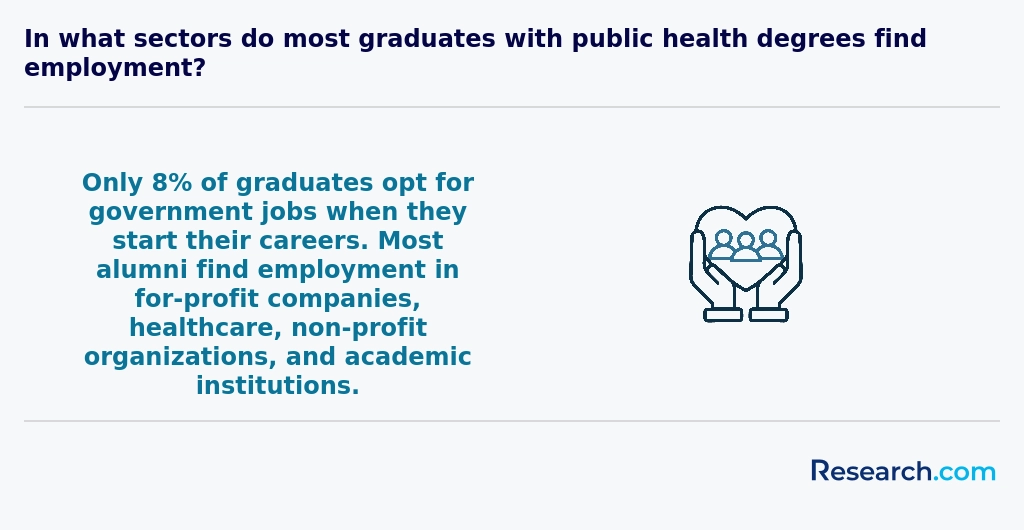
Graduates with degrees in public health often find opportunities in government agencies, hospitals, nonprofits, and private sectors focused on improving community health. Higher education credentials, such as a Bachelor's or Master's in Public Health, are frequently required for mid-to-senior level roles in these organizations.
In the Bronx, institutions like the NYC Department of Health and Mental Hygiene frequently seek candidates with public health expertise, supporting career advancement with roles offering increased responsibility and pay. Networking with local agencies and completing internships during studies further promotes upward mobility.
Studying for a public health degree in the Bronx prepares students for interdisciplinary roles by integrating diverse fields such as epidemiology, social work, urban planning, and health policy. Programs emphasize collaboration across disciplines to address complex health issues prevalent in urban areas like the Bronx, including high rates of asthma, diabetes, and infectious diseases.
Local public health schools often partner with community organizations and healthcare providers, offering practical experience in varied settings. This hands-on training equips students with skills in data analysis, community outreach, and policy development, essential for roles that require coordination with medical professionals, government agencies, and non-profits.
According to the New York State Department of Health, Bronx public health initiatives increasingly demand professionals who can navigate multiple sectors effectively, making interdisciplinary education vital for career success.
When choosing between a thesis and a non-thesis public health degree program in Bronx, consider your career goals first. A thesis option often suits students interested in research or planning to pursue a doctoral degree, as it involves original research and a written dissertation.
On the other hand, a non-thesis program typically focuses more on practical skills and professional experience. It may include internships or capstone projects, preparing students for immediate work in public health agencies or community organizations.
In Bronx, where public health challenges include high rates of asthma and chronic diseases (NYC Department of Health, 2023), practical experience can be highly valuable.
Cost and time commitment also differ; thesis programs may take longer to complete due to research requirements.
Students based in Bronx interested in studying public health abroad have several options through partnerships between Bronx institutions and international universities. Many schools offer exchange programs or dual degrees, allowing students to gain global experience while earning credits toward their public health degree. For example, some Bronx colleges partner with European and Asian universities, providing opportunities to study diverse public health systems firsthand.
Additionally, the Council on Education for Public Health (CEPH) accredits dozens of international public health programs recognized by U.S. institutions, facilitating credit transfer. According to the New York State Department of Education, Bronx students benefit from tailored advising on global study options, ensuring their coursework aligns with U.S. public health standards.
Students pursuing public health degrees in the Bronx have several part-time job opportunities that effectively complement their education. Working as a community health worker allows students to engage directly with local populations, helping to address health disparities that are prevalent in Bronx neighborhoods. According to the New York State Department of Labor, the Bronx has a growing demand for healthcare support roles, reflecting its diverse and underserved communities.
Other options include roles in health education, assisting public clinics, or supporting non-profit organizations focused on disease prevention and wellness programs. These experiences can build valuable skills in communication, data collection, and program coordination, all vital for a successful public health career.
Public health students in Bronx benefit from numerous networking opportunities that connect them with local professionals and organizations. The Bronx is home to several prominent institutions, including Fordham University and Lehman College, both offering student organizations and guest speaker events aimed at public health careers.
The borough's proximity to leading healthcare facilities, such as Montefiore Medical Center, provides internships and volunteering options that help students build essential industry contacts. According to the New York State Department of Health, Bronx public health initiatives often engage academic collaborators, creating avenues for student involvement in community-based projects.
Additionally, local public health conferences and workshops, frequently hosted by the Bronx Community Health Network, offer students direct access to experts and job prospects within the region. These resources reinforce students' professional growth within a diverse urban health environment.
Alumni networks provide valuable support to public health degree students in Bronx by connecting them to experienced professionals in the field. These networks often facilitate mentorship opportunities, internships, and job placements, which are essential for launching a public health career. According to the Association of Schools and Programs of Public Health (ASPPH), strong alumni connections improve employment rates for recent graduates by up to 30% nationwide. In Bronx, where public health challenges are significant, these networks help students access local healthcare institutions and community organizations.
Through regular events and online platforms, alumni keep students informed about industry trends and funding opportunities. This engagement enhances practical knowledge beyond classroom learning, preparing students to address urban health issues more effectively.
Customizing a public health degree in Bronx allows students to align education with specific career goals. Many local institutions offer elective courses in areas such as epidemiology, health policy, and community health that can be tailored to your interests. Bronx's diverse population and unique health challenges provide opportunities for specialized internships and research projects focused on urban health disparities. Additionally, some programs incorporate practicum experiences with Bronx-based health organizations, enhancing practical skills. According to the New York State Education Department, nearly 60% of public health graduates in the region engage in community-focused roles, underscoring the value of localized training.
Public health students in the Bronx commonly face challenges related to financial burden and access to resources. The borough's high cost of living can strain budgets, especially as many students juggle part-time jobs alongside demanding coursework. According to the NYC Department of Education, around 26% of Bronx residents live below the poverty line, which may impact students' ability to afford tuition and study materials.
Additionally, the limited availability of local internships with public health organizations can make gaining practical experience difficult. The competitive nature of placements in community health settings adds pressure on students. Many also report balancing the needs of their families with academic responsibilities, a challenge noted in surveys by the Association of Schools and Programs of Public Health.
With a public health degree in Bronx, graduates can pursue several respected professional certifications to enhance their careers. The most common certification is the Certified in Public Health (CPH) credential, offered by the National Board of Public Health Examiners. This certification validates core public health skills and knowledge essential for diverse roles.
Additionally, the Certified Health Education Specialist (CHES) credential recognizes expertise in health education and promotion. For those interested in epidemiology or biostatistics, the American Public Health Association supports specialized certifications in these areas.
Bronx professionals benefit from certifications to address local health challenges such as asthma and diabetes, which are prevalent in the area according to the New York City Department of Health. These credentials can improve job prospects and impact community health outcomes.
Writing a successful application for a public health program in Bronx requires clarity, relevance, and a strong connection to community health issues. Begin by thoroughly researching the specific programs offered by Bronx institutions, such as Lehman College and Fordham University, noting any unique curriculum elements or faculty expertise.
Highlight your motivation to address public health challenges that affect Bronx residents, including disparities in chronic disease rates and access to healthcare services-issues well documented by the New York City Department of Health.
Include clear examples of relevant volunteer work, internships, or employment that demonstrate your commitment and experience in public health settings.
Finally, craft a concise personal statement that outlines your career goals and how the program aligns with Bronx's public health needs and your professional growth.
Public health careers offer a broad global outlook, reflecting the interconnected nature of health challenges worldwide. Graduates with public health degrees from Bronx institutions join a field focused on preventing disease, promoting wellness, and improving community health on both local and international scales. According to the New York State Department of Health, Bronx faces unique health disparities, including higher rates of asthma and diabetes, making local professionals vital in global health strategies addressing similar urban issues.
International organizations like the World Health Organization emphasize the need for public health experts trained in diverse environments. U.S. public health education, particularly in Bronx, equips students with skills in epidemiology, biostatistics, and health policy that have global applications.
Moreover, public health careers often involve collaboration with multinational agencies, offering opportunities for professionals to impact health beyond U.S. borders.
Gaining practical experience is essential when pursuing a public health degree in Bronx. Many local programs encourage students to participate in internships or fieldwork with health organizations and government agencies, which helps build real-world skills. Bronx-based institutions often partner with the New York City Department of Health and Mental Hygiene, providing students opportunities to work on community health initiatives.
Additionally, students can engage in research projects focusing on pressing local issues such as asthma, diabetes, and environmental health, which disproportionately affect Bronx residents. According to NYC Health, the Bronx has the highest rates of asthma hospitalizations in the city, highlighting the importance of field experience.
Choosing the right concentration within a public health degree program in Bronx depends on your career goals and local health challenges. Bronx faces significant public health issues like asthma, obesity, and infectious diseases, as reported by the New York City Department of Health and Mental Hygiene. Concentrations in epidemiology, health policy, or community health can prepare you to address these concerns effectively.
Consider your strengths and interests; for example, if you enjoy data analysis, epidemiology might suit you. If advocating for policy change appeals to you, health policy could be ideal. Bronx also offers programs emphasizing urban health, reflecting local needs.
Review curriculum details and seek out internships or partnerships with Bronx health organizations to gain practical experience.
- 2027 Most Valuable Public Health Degree Programs Ranking in New York
- 2027 Most Valuable Public Health Degree Programs Ranking in New Brunswick
- 2027 Most Valuable Public Health Degree Programs Ranking in New Haven
- 2027 Most Valuable Public Health Degree Programs Ranking in Philadelphia
- 2027 Most Valuable Public Health Degree Programs Ranking in Albany
- 2027 Most Valuable Public Health Degree Programs Ranking in Ithaca
- 2027 Most Valuable Public Health Degree Programs Ranking in Boston
- 2027 Most Valuable Public Health Degree Programs Ranking in Baltimore
- 2027 Most Valuable Public Health Degree Programs Ranking in Lowell
- 2027 Most Valuable Public Health Degree Programs Ranking in Syracuse
- Medical University of GdaÅsk https://publichealth.mug.edu.pl/
- Master of Public Health https://www.monroeu.edu/academics/king-graduate-school/master-public-health
- Careers https://www.publichealthdegrees.org/careers/
- Top 15 Places to Look For M.P.H. Jobs - Benedictine University Online https://online.ben.edu/programs/public-health/mph/resources/top-places-to-find-mph-jobs/
- Yes, the Public Health Job Market is Tough, But You’re Tougher! | PH SPOT https://phspot.org/yes-the-public-health-job-market-is-tough-but-youre-tougher/
- Public Health Degrees & Careers | How To Work In Public Health https://www.learnhowtobecome.org/medical-health-careers/public-health/
- Engaging students through service-learning opportunities in public health https://sneb.org/engaging-students-through-service-learning-opportunities-in-public-health/
- Letter of Intent for Admissions to Masters of Public Health - how this program fits to my goals? https://essayforum.com/graduate/intent-admissions-masters-public-health-64817/
- How to Get Your First Public Health Job - PHERN https://phern.communitycommons.org/early-career-professional-learning-series/how-to-get-your-first-public-health-job/
- Why Public Health is the Ideal Career Path for Gen Z - Reach Out https://we-reachout.org/why-public-health-is-the-ideal-career-path-for-gen-z/