
2027 Most Valuable Public Health Degree Programs Ranking in Philadelphia

Co-Founder and Chief Data Scientist
Choosing the right public health degree program in Philadelphia can shape your future career and personal growth. This article presents the 2027 Most Valuable Public Health Degree Programs Ranking in Philadelphia, created by the Research.com team of data scientists to guide you in making well-informed decisions.
Exploring this ranking helps you identify programs that offer strong value, quality education, and career potential. Pursuing a public health degree opens doors to meaningful work that improves communities and lives. Let this article be your helpful companion on an exciting educational journey.
Key benefits of getting public health degree in Philadelphia
- Graduates with a public health degree in Philadelphia can earn competitive salaries, such as Environmental Health Specialists making around $86,710 annually and Medical Assistants earning about $43,350 per year.
- Career paths are diverse, ranging from roles like Community Health Workers to Occupational Health and Safety Specialists, offering rewarding opportunities in local health departments or nonprofit organizations.
- Online public health degrees from Philadelphia universities provide flexibility and convenience, allowing students to balance work and studies while gaining the same respected credentials as traditional programs.
- 2027 Most Valuable Public Health Degree Programs Ranking in Philadelphia
- What can I expect from public health degree in Philadelphia?
- Where can I work with public health degree in Philadelphia?
What can I expect from public health degree in Philadelphia?
The average cost of a public health degree in Philadelphia varies significantly depending on the institution, but students attending well-known schools like the University of Pennsylvania or Drexel University report tuition fees typically ranging from $40,000 to $60,000 per year for graduate programs. Graduates often describe the investment as substantial but justified by the quality of education and access to local healthcare networks, including hospitals and research centers.
One graduate recalled balancing the tuition costs with internship opportunities offered by Philadelphia's public health departments, which provided valuable experience and sometimes stipends. Another emphasized the advantage of community-based projects that enriched their learning without adding financial burden. However, not all students find these costs easily manageable; some rely on scholarships or part-time jobs to reduce financial stress.
While pricey, public health degrees in Philadelphia must be viewed against the backdrop of rising demand for public health professionals nationally. The city's urban setting provides a dynamic environment where applied learning justifies the cost, but prospective students should weigh financial considerations carefully against career goals.
Where can I work with public health degree in Philadelphia?
Graduates with a public health degree in Philadelphia often find diverse career opportunities closely tied to the city's robust healthcare and public health landscape. For many who studied at institutions like the University of Pennsylvania or Drexel University, landing roles within the Philadelphia Department of Public Health (PDPH) feels like a natural step. These graduates describe the satisfaction of working on tangible health promotion projects, infectious disease control, or community outreach, where their efforts directly impact local neighborhoods.
Others pursue positions in major health systems such as Jefferson Health or Penn Medicine, where they engage in community health initiatives or patient advocacy. Graduates frequently share how collaborating on social determinants of health drives their passion and offers a sense of purpose beyond typical clinical roles.
Nonprofit organizations and research centers also appeal to Philadelphia-trained public health professionals. Many recall meaningful experiences developing programs or analyzing policies with groups dedicated to HIV prevention or public health management, often in partnership with city agencies.
Lastly, some alumni mention the rewarding challenge of working at consulting firms that advise on health data and program effectiveness, blending their academic knowledge with practical problem-solving in real-world settings.
Graduates with public health degrees from institutions like Temple University or the University of Pennsylvania in Philadelphia often find themselves navigating salary ranges influenced by their specific roles and experience. Entry-level positions such as community health workers earn a mean annual wage of about $52,610, offering a solid starting point for those new to the field. Health educators, another common career path for graduates, have a higher mean salary around $69,790, reflecting the value of communication and outreach skills developed during their studies.
More specialized roles tied to public health degrees, including environmental health specialists and occupational health and safety specialists, command notably higher wages, with mean annual salaries approximately $86,710 and $85,570 respectively in Philadelphia. These figures illustrate the financial benefits of pursuing advanced training or certifications that graduates from Philadelphia's public health programs often consider.
Graduates frequently share that gaining practical experience through internships or research projects at local hospitals or government agencies greatly improves their earning potential. The diversity of salary outcomes underscores the importance of tailoring education and career strategies towards sectors thriving in the Philadelphia area's healthcare and research landscape.
- Tuition for public health degrees in Philadelphia ranges from $15,000 to $25,000 annually for in-state students at public universities and $30,000 to $50,000 at private institutions.
- Entry-level public health salaries in Philadelphia average between $50,000 and $60,000 per year, increasing to $70,000-$95,000 with experience and specialization.
- Jobs in public health fields in Philadelphia are projected to grow by 10% over the next decade, faster than the average for all occupations.
- Local employers include healthcare systems, government agencies, nonprofits, and research institutions, driving demand for public health professionals.
- Many programs include internships and practicums with local health departments and healthcare providers to provide hands-on experience.
Completing a public health degree in Philadelphia typically requires different time commitments depending on the program level. Undergraduates at institutions like Temple University often finish their Bachelor of Science in Public Health in about four years, balancing foundational coursework with community projects that energize their learning experience. Graduate students pursuing an MPH at Drexel University or the University of Pennsylvania usually find that full-time study spans around two years, though some choose part-time paths to manage work and life demands, extending completion to three years or more. These flexible options reflect students' real-life choices rather than rigid timeframes.
Doctoral candidates in public health, enrolled in local programs, might spend three to five years navigating research and dissertation milestones. Graduates often share that this intense period, while demanding, is deeply rewarding thanks to the support from faculty and access to Philadelphia's rich public health network.
Some students opt for one-year certificate programs when focused expertise suits immediate career goals, appreciating the fast-track nature without the long-term commitment. Experience shows that program duration here mirrors national trends but is shaped by local opportunities and personal circumstances, making the timeline more personalized than standardized.
A vibrant campus life is a key factor in your educational journey, offering much more than classroom learning. In Philadelphia, public health programs not only deliver strong academic foundations but also foster a supportive community through various extracurricular activities, student organizations, and community engagement initiatives. Campus events such as health fairs, networking workshops, and volunteer opportunities allow students to build lasting relationships with peers, faculty, and local professionals. This engagement enhances practical skills, increases cultural awareness, and provides a platform to practice leadership in real-world scenarios. Moreover, students benefit from dedicated support services like career counseling, mentoring programs, and hands-on research opportunities that prepare them for future roles in the field. Prospective applicants should also consider exploring the valuable public health programs in pennsylvania, which often emphasize community-based projects and partnerships with local health agencies. Such initiatives not only enrich the academic experience but also empower graduates to make an immediate impact in addressing public health challenges upon entering the workforce.
Online and on-campus public health degrees in Philadelphia offer distinct experiences that influence a student's journey. Graduates from Temple University's on-campus program often highlight the energizing environment of face-to-face discussions and immediate access to city hospitals for internships, enriching their practical understanding. In contrast, online graduates from Drexel University appreciate the flexibility to manage coursework alongside jobs or family, although they sometimes mention missing spontaneous peer interactions or live lab sessions.
Costs also differ notably. On-campus students budget not only tuition, typically ranging between $10,000 and $25,000 annually, but also housing, commuting, and campus fees. Those studying online may find saving opportunities as they avoid these extras while still accessing similar-quality education.
Philadelphia's vibrant public health community favors those physically present for networking and hands-on experiences, yet online programs enable motivated students to tailor study schedules around personal commitments. Both routes demand discipline but cater to diverse life circumstances.
Estimating the average public health degree cost in Philadelphia reveals a noticeable variation mainly driven by the type of institution and residency status. Graduates from public universities like Drexel or Temple often share that in-state tuition, typically around $47,505 total for their entire program, made their education feel more accessible without compromising quality. Conversely, students attending private Philadelphia institutions sometimes report a more financially taxing experience, with total costs frequently exceeding $67,000. These figures highlight a critical decision point: choosing between cost efficiency and institution prestige.
Philadelphia public health program tuition fees reflect this divide clearly. Public universities offer an affordable pathway for many local students, with total expenses significantly lower than private counterparts. Those pursuing degrees at high-profile private schools, for example, often emphasize the value derived from unique networking opportunities and resources that come with the higher price. Despite the costs, many find their investment worthwhile given the competitive edge it provides in public health careers.
Beyond tuition, students often recount budgeting for living expenses, fees, and materials, which can add a meaningful layer to total costs but remain manageable thanks to Philadelphia's moderate cost of living. Additionally, some choose part-time or online options to better balance finances and study commitments. Prospective students should explore financial aid options carefully, as many local programs participate in federal aid initiatives. For those weighing options, reviewing the valuable public health programs in pennsylvania can provide insight into programs combining quality and economic feasibility.
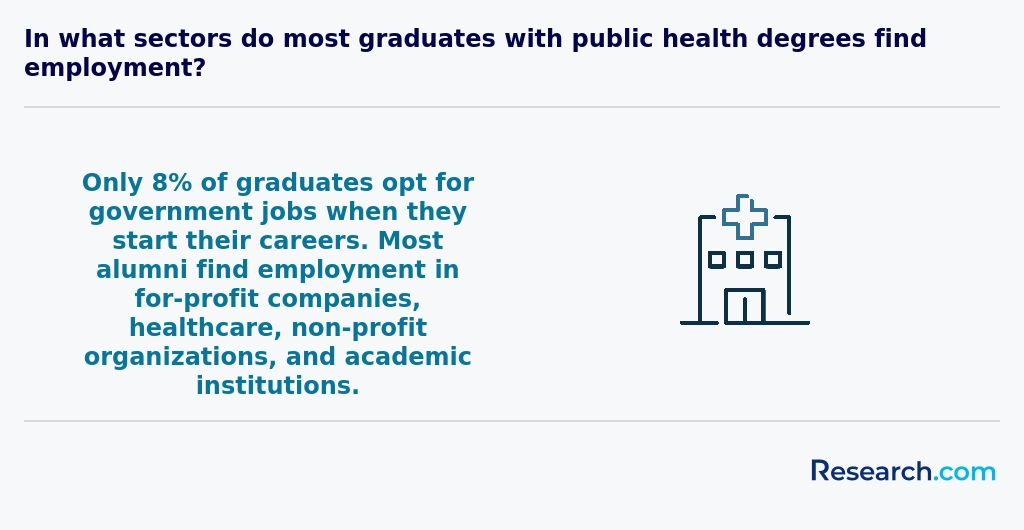
Earning a public health degree in Philadelphia offers practical skills, local connections, and career flexibility in a city known for its robust healthcare ecosystem.
- Hands-on learning through internships with the Philadelphia Department of Public Health and local nonprofits
- Broad skill development in epidemiology, biostatistics, health promotion, and policy analysis
- Access to diverse roles in government agencies, hospitals, community organizations, and research institutions
- Strong earning potential, with entry-level salaries around $50,000 and specialized roles exceeding $80,000
- Leadership pathways and opportunities to transition into healthcare management via a specialized healthcare administration online degree
Many public health students in Philadelphia manage the high costs of their education through a range of financial aid options. Federal aid is often the first step, with the FAFSA application unlocking access to Pell Grants, federal loans, and work-study programs. For example, undergraduates at the University of Pennsylvania frequently rely on Pell Grants offering up to $7,395 annually to ease tuition burdens. Graduate students, such as those at Drexel University, can access subsidized and unsubsidized Direct Loans with favorable fixed interest rates near 6-7%, though borrowing limits require careful planning to avoid excessive debt.
Local scholarships and university grants provide another vital resource. Many public health programs in Philadelphia prioritize merit-based aid, rewarding academic excellence and community involvement without the obligation to repay. State-level support from the Pennsylvania Higher Education Assistance Agency further benefits residents pursuing health careers in this region, showcasing a commitment to strengthening local workforce pipelines.
Some graduates share relief in qualifying for loan forgiveness through programs like Public Service Loan Forgiveness, especially when working in underserved communities. Additionally, employer tuition assistance from Philadelphia's healthcare sector helps working professionals balance career advancement with education costs, making public health degrees more accessible in real-life scenarios.
When evaluating a Public Health degree in Philadelphia, it’s essential to consider the return on investment (ROI), which balances tuition costs, average post-graduation salaries, and student debt. On average, graduates in Philadelphia incur approximately $24,000 in undergraduate debt yet secure first-year salaries ranging from $49,900 for Community Health Workers to $83,820 for Environmental Health Specialists. This translates to a repayment period of roughly 1–2 years for in-state programs, making local degrees a financially sound choice. Temple University’s MPH program, for example, offers a two-year tuition of about $60,000, but graduates report average starting salaries near $66,000, cutting the breakeven point to under two years. Similarly, the University of Pennsylvania’s accelerated track carries higher tuition but accelerates entry into high-earning roles, such as Health Policy Analysts earning over $75,000 annually. Prospective students should compare program fees, living expenses (estimated at $15,000–$20,000 per year), and potential stipends from graduate assistantships to optimize long-term earnings. Beyond Philadelphia, candidates seeking maximum affordability may want to review regional cost variations. For instance, programs in neighboring states sometimes offer lower in-state rates or enhanced scholarship opportunities. Explore the Most Affordable Public Health Degree Programs Ranking in Tennessee to benchmark tuition fees and ROI against comparable Southern institutions. This broader perspective can reveal hidden value-programs that blend low tuition with strong career outcomes. To further improve ROI, investigate financial aid packages, graduate assistantships, and employer tuition reimbursement programs. Securing a research or teaching assistantship not only offsets tuition but also enhances your résumé with practical experience. By thoroughly analyzing costs, starting salaries, and debt repayment timelines, students can choose a Philadelphia Public Health program that delivers the highest return on their educational investment.
Enrolling in a public health degree program in Philadelphia often means meeting a set of academic and experiential prerequisites that reflect the city's dynamic health landscape. Undergraduate applicants typically present a high school diploma with strengths in science courses like biology and chemistry. For instance, graduates from popular institutions such as Temple University recall that a strong foundation in math and social sciences helped ease their transition into public health topics.
Graduate programs, like the Master of Public Health at Drexel University, usually require a bachelor's degree and value relevant coursework or professional experience. Many graduates emphasize how internships at local health departments or nonprofits deepened their understanding beyond classroom theory, underscoring the importance of practical exposure.
Prerequisite courses often include biology, biostatistics, and health policy, mirroring Philadelphia's public health challenges. Some students appreciated flexibility when GRE scores were optional, reflecting evolving admission practices. These prerequisites, coupled with compelling personal statements and letters of recommendation, help applicants demonstrate their genuine enthusiasm and readiness to contribute meaningfully to the city's public health efforts.
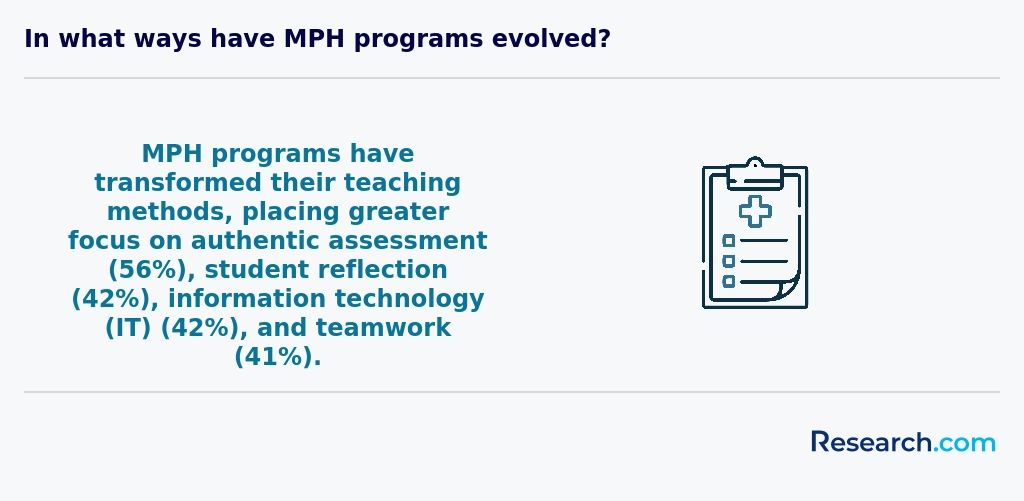
Obtaining professional certifications can significantly enhance the credibility and marketability of Public Health graduates. Beyond a degree, recognized credentials demonstrate specialized expertise and commitment to ongoing professional development: • Certified in Public Health (CPH): Offered by the National Board of Public Health Examiners, the CPH exam assesses mastery of foundational public health knowledge. Preparing for CPH often involves dedicated study groups, practice exams, and workshops-resources commonly provided by Philadelphia’s public health departments and universities. • Certified Health Education Specialist (CHES): Administered by the National Commission for Health Education Credentialing, CHES certification validates proficiency in planning, implementing, and evaluating health education programs. Many graduates leverage CHES to secure roles in community outreach and school-based wellness initiatives. • Registered Environmental Health Specialist/Registered Sanitarians (REHS/RS): This credential, overseen by state health departments, ensures that professionals meet rigorous standards in environmental health inspections, risk assessment, and policy enforcement. • Continuing Education Units (CEUs): To maintain active certifications, public health professionals must accrue CEUs through conferences, webinars, and accredited courses. Philadelphia offers numerous events-such as the annual Greater Philadelphia Public Health Conference-that count toward CEU requirements. • Specialized Workshops and Short Courses: Topics like epidemiological modeling, grant writing, and health data analytics are available through local institutions (e.g., Drexel University’s Dornsife School of Public Health) and professional associations. These targeted trainings keep practitioners current on emerging trends, from pandemic preparedness to environmental justice. Integrating these certifications and CEUs into your career plan not only aligns with employer expectations but also positions you for leadership roles. For professionals exploring adjacent career paths in healthcare coordination, understanding what does a patient care coordinator make can offer valuable salary benchmarks and role comparisons as you advance in the public health arena.
Students pursuing public health degrees in Philadelphia typically engage with courses that cover epidemiology, biostatistics, health policy, and environmental health, reflecting the city's unique public health challenges. Graduates from universities such as Drexel and Temple often share how epidemiology classes helped them grasp the complexities of tracking diseases like opioid addiction, which deeply affect local communities.
Biostatistics courses equip students to analyze health data critically, a skill many find empowering when working on projects related to Philadelphia's chronic disease trends. Health policy courses, meanwhile, encourage thoughtful debate about how legislation impacts health equity, mirroring ongoing city efforts to improve care accessibility.
Environmental health topics resonate strongly with students at Philadelphia institutions due to the city's industrial history and urban environment. For instance, learners recall fieldwork examining air quality issues, linking academic study with tangible community needs.
Finally, courses addressing behavioral health and social determinants foster a nuanced understanding of how factors like income and education shape health, making public health education in Philadelphia both relevant and motivating for many.
Public health degree specializations in Philadelphia typically include epidemiology, biostatistics, health policy and management, environmental health, and community health education. Graduates from universities like Drexel and Temple often highlight how epidemiology training prepares them to analyze disease trends in urban populations facing complex challenges. Biostatistics appeals to students who enjoy working with data to influence evidence-based health decisions, supported by Philadelphia's strong presence of research centers.
Health policy and management specialization attracts those eager to navigate Philadelphia's multifaceted healthcare systems, fostering skills to improve public services amid a diverse population. Environmental health stands out due to the city's real-world concerns, like pollution and lead exposure, which students actively address through community projects. Meanwhile, community health education focuses on engaging directly with local neighborhoods to design effective wellness programs, offering a rewarding, hands-on experience.
Such direct connections to Philadelphia's public health landscape uniquely benefit those considering Philadelphia public health career options, helping them see the broader impact of their work. Students curious about specific roles can explore what does a patient care coordinator make to understand related career paths better.
Choosing the best public health degree programs Philadelphia offers means looking beyond rankings and considering what truly fits your goals and lifestyle. Graduates from Drexel University often praise the real-world emphasis on urban health challenges, which makes their training feel immediately relevant to Philadelphia's diverse communities. Meanwhile, alumni from the University of Pennsylvania highlight access to cutting-edge research and strong networking opportunities despite the higher tuition costs. This illustrates that balancing cost against program strengths is not always straightforward.
Given that affordable public health schools in Philadelphia can vary widely in tuition and aid availability, it's wise to explore each program's financial support options thoroughly. One graduate emphasized how part-time enrollment helped manage both expenses and work-life balance, showcasing how format flexibility matters as much as curriculum rigor.
Consider your preferred specialization carefully; Philadelphia's programs often shine in areas like epidemiology and community health, deeply connected to local public health needs. Those seeking affordability and quality might also consult listings such as the Most Affordable Public Health Degree Programs Ranking in Tennessee for comparative perspectives outside the city.

Graduates pursuing public health careers in Philadelphia find diverse roles that reflect the city's complex healthcare landscape. For instance, epidemiologists employed by local agencies monitor disease trends, directly influencing community health policies. Graduates from universities like the University of Pennsylvania often share how their research internships there prepared them for these technically demanding roles, which blend data analysis with real-world impact. However, some caution that expectations for entry-level positions can vary, urging students to gain practical experience beyond coursework.
Jobs with public health degree Philadelphia also include health education and promotion, where graduates lead outreach programs in organizations such as the Philadelphia AIDS Task Force. These roles foster a rewarding sense of community connection, allowing professionals to see the tangible effects of improved health literacy. Environmental health, another avenue, engages graduates in efforts to improve urban living conditions through pollution control and housing assessments, often collaborating with municipal agencies.
Administrative roles attract many graduates too, requiring strong project management and data skills. Some students find these positions challenging but fulfilling, highlighting the value of accredited programs that emphasize budgeting and analysis. Clinical research and biostatistics remain promising paths, especially at institutions in Philadelphia with strong research funding. Those uncertain about initial financial investment often explore options like 6 month associate programs online to start their journey more affordably.
The public health job opportunities Philadelphia offers are shaped by its rich healthcare environment, with graduates from well-known universities often finding roles in hospitals, research centers, and local government agencies. Many graduates recall how internships at institutions like the University of Pennsylvania or Drexel University facilitated connections to roles in community health projects or disease prevention programs, reflecting the city's emphasis on practical experience.
Philadelphia's public health career outlook includes steady growth in positions such as epidemiologists and health educators, supported by the city's robust demand for population health management. Graduates appreciate the availability of positions that align with their academic specialization, though competition can be tough for the most sought-after roles, which often require advanced degrees beyond a bachelor's.
- Employers in Philadelphia often expect at least a bachelor's degree, with higher pay and responsibility for those holding master's degrees.
- Starting salaries average around $52,000 in Pennsylvania, with opportunities to increase this as experience grows.
- Job openings remain high, particularly for health educators focusing on urban health outreach.
Prospective students should consider that while tuition for master's programs can be significant, financial aid and scholarships might alleviate costs. Those seeking a more accessible path might first explore an easiest associate degree as a foundation, which some graduates found beneficial when transitioning to bachelor's programs in public health.
2027 Most Valuable Public Health Degree Programs Ranking in Philadelphia
Investing in your education is a significant decision that can shape your future, and the Research.com team understands the importance of making informed choices. To assist prospective students in Philadelphia, we have meticulously developed the "2027 Most Valuable Public Health Degree Programs Ranking in Philadelphia." Our commitment to quality, credibility, and accuracy is reflected in the thorough research and analysis conducted to compile this ranking.
We utilized the following reputable data sources to ensure a comprehensive evaluation of public health degree programs:
By exploring this ranking, readers will gain valuable insights into the most valuable public health programs available in Philadelphia, empowering them to make well-informed decisions about their academic and professional futures. For more details on how this ranking was created, please visit our Research.com methodology page.


# 9 position
Philadelphia College of Osteopathic Medicine
Master of Public Health

Frequently Asked Questions About public health
Public health degree students in Philadelphia can enhance their learning by engaging in local internships and research opportunities. Philadelphia is home to numerous health organizations like the Philadelphia Department of Public Health, which offers practical experience addressing urban health challenges such as high rates of asthma and diabetes.
Participating in community-based projects helps students apply classroom knowledge to real-world problems. Networking with professionals at events hosted by institutions like Drexel University and the University of Pennsylvania also enriches learning.
Additionally, leveraging data from the Philadelphia Department of Public Health's reports can deepen students' understanding of population health trends and disparities in the city.
The public health field is rapidly evolving, with several emerging niches gaining importance in Philadelphia and across the United States. One growing area is health informatics, which combines data analysis with public health to improve patient outcomes and resource allocation. Philadelphia's robust healthcare sector supports this demand strongly, with numerous hospitals and health systems adopting advanced digital technologies.
Another expanding specialty is environmental health, driven by urban challenges like air quality and lead exposure. This field focuses on reducing environmental risks to community health and is increasingly relevant in Philadelphia's aging infrastructure. Mental health promotion within public health also continues to expand, addressing rising rates of anxiety and depression, especially in urban environments.
These niches align with national trends reported by the Association of Schools and Programs of Public Health (ASPPH) and reflect Philadelphia's unique public health challenges. Students pursuing degrees here can expect to engage with these in-demand areas through local internships and research opportunities.
Graduates with a public health degree in Philadelphia can enhance their job prospects by gaining practical experience through internships and practicum opportunities offered by local health departments, hospitals, and nonprofit organizations. According to the Philadelphia Department of Public Health, hands-on experience is critical, as 70% of employers in the region prefer candidates with relevant fieldwork.
Networking is also essential. Joining groups like the Philadelphia Public Health Association can connect graduates with professionals and potential employers. Additionally, obtaining certifications such as Certified in Public Health (CPH) strengthens resumes.
Staying informed about current public health challenges in Philadelphia, including opioid misuse and chronic disease rates, further prepares graduates to address local needs effectively.
Employers in Philadelphia highly value public health graduates who demonstrate strong analytical skills. The ability to interpret data is essential, as Philadelphia's Department of Public Health relies heavily on data to address urban health issues such as chronic disease and infectious outbreaks. According to the 2023 Philadelphia Health Report, graduates who can manage large datasets and use statistical software have a notable advantage.
Communication skills are also critical. Graduates must convey complex health information clearly to diverse audiences, including policymakers and community groups. The growing emphasis on health equity in Philadelphia means employers prioritize cultural competence and collaboration skills.
Lastly, problem-solving and leadership abilities are in demand. Employers seek graduates who can design and implement effective health programs responding to local challenges like opioid addiction and housing-related health risks.
Finding public health internships in Philadelphia involves strategic research and networking within the city's robust healthcare and nonprofit sectors. Philadelphia is home to numerous hospitals, government agencies, and organizations like the Philadelphia Department of Public Health, which frequently offer internships tailored for students pursuing public health degrees.
The city houses top institutions like the University of Pennsylvania and Drexel University, which maintain internship partnerships and career services specific to public health. Checking online portals such as Handshake and contacting university career centers can reveal updated listings.
Additionally, professional organizations including the American Public Health Association Philadelphia chapter provide networking events and internship postings. According to the U.S. Bureau of Labor Statistics, the demand for public health roles in Philadelphia is expected to grow 11% by 2030, increasing internship opportunities for students.
A public health degree in Philadelphia significantly enhances career mobility and advancement opportunities. The city's growing healthcare sector, including numerous hospitals, nonprofits, and government agencies, actively seeks professionals with advanced public health education. According to the U.S. Bureau of Labor Statistics, employment of health educators and community health workers is projected to grow 12% nationwide from 2022 to 2032, with Philadelphia showing notable demand due to its urban population challenges.
Graduates often move into leadership roles in local health departments or nonprofit organizations addressing urban health disparities. The degree also supports transitions into specialized fields such as epidemiology, health policy, and environmental health, which are critical in Philadelphia's public health landscape.
Networking opportunities within Philadelphia's public health community further bolster career advancement by connecting graduates to influential employers and ongoing professional development.
Studying for a public health degree in Philadelphia offers unique preparation for interdisciplinary roles by emphasizing collaboration across multiple fields. Local universities integrate coursework that covers epidemiology, health policy, environmental health, and social sciences. This approach enables students to address complex health issues from many angles.
Philadelphia's diverse population and health challenges provide real-world learning opportunities. According to the Philadelphia Department of Public Health, chronic diseases and infectious outbreaks require coordinated responses involving medicine, community planning, and data analysis.
Many programs also foster partnerships with health departments, nonprofits, and research institutions like the University of Pennsylvania. These connections deepen students' skills in teamwork, critical thinking, and communication, essential for interdisciplinary public health careers.
Choosing between a thesis and a non-thesis public health degree program in Philadelphia depends on your career goals and learning preferences. Thesis programs typically involve conducting original research, which is essential if you plan to pursue a PhD or a research-focused job. This path often requires 1-2 additional semesters and strong commitment to independent study.
Non-thesis programs usually focus on coursework and practical skills, preparing students for immediate workforce entry in public health roles. In Philadelphia, where public health agencies emphasize applied skills, many students prefer non-thesis options.
According to the Philadelphia Department of Public Health, nearly 60% of job openings seek candidates with hands-on experience rather than research credentials.
Students based in Philadelphia interested in studying public health abroad have several options through partnerships offered by local universities. Many Philadelphia institutions, including the University of Pennsylvania and Drexel University, provide semester-long exchange programs with schools in Europe, Asia, and Latin America. These exchanges allow students to gain international public health perspectives while earning credits toward their degree.
Additionally, some programs offer global fieldwork opportunities integrated within their curriculum, enabling hands-on experience in diverse healthcare settings worldwide. These experiences are valuable given Philadelphia's commitment to addressing global health challenges, as reflected in data from the Philadelphia Department of Public Health.
Students are encouraged to consult their university's study abroad office for specifics on eligibility and available programs.
Philadelphia offers various part-time job opportunities that complement public health degree education. Positions such as community health workers or research assistants at local universities provide practical experience related to health education, disease prevention, and data analysis. For example, Drexel University and the University of Pennsylvania frequently seek part-time researchers, helping students apply classroom knowledge to real-world public health challenges.
The Philadelphia Department of Public Health also offers internships and part-time roles focused on epidemiology and health outreach. These roles enhance skills in data collection, analysis, and public communication. According to the U.S. Bureau of Labor Statistics, community health employment in Philadelphia is expected to grow 10% through 2030, highlighting abundant opportunities.
Additionally, nonprofits such as the Philadelphia Area HIV/AIDS Coalition hire part-time staff to assist in health promotion campaigns, providing firsthand experience with vulnerable populations. Combining employment with studies can enrich understanding and improve future career prospects in public health.
Philadelphia offers robust networking opportunities for public health students through its numerous universities, local organizations, and healthcare institutions. Students can join professional groups like the Pennsylvania Public Health Association, which hosts regular events and conferences to connect members across the state. Additionally, Philadelphia's Department of Public Health collaborates with schools, providing internships and volunteer roles that help students build valuable local contacts.
Many universities in the city maintain active alumni networks and career fairs focused on health sciences. These events often feature employers from major Philadelphia hospitals and community health centers, enhancing access to job opportunities. According to the Philadelphia Department of Public Health, over 25% of local public health professionals hold degrees from city institutions, showing strong local ties and networking potential.
Alumni networks provide significant advantages for public health degree students in Philadelphia by offering valuable connections within the local health community. These networks often include graduates working in Philadelphia's prominent health institutions such as the Philadelphia Department of Public Health and the Center for Public Health Initiatives at the University of Pennsylvania.
Through these connections, students gain access to internships, mentorships, and job opportunities, helping bridge the gap between academic learning and practical experience. According to the National Board of Public Health Examiners, strong professional networks increase employment prospects by up to 30% in the public health field.
Furthermore, alumni events and platforms encourage knowledge sharing on regional health issues, which is critical given Philadelphia's unique urban health challenges documented by the CDC.
In Philadelphia, customizing a public health degree program to match your career goals is increasingly feasible due to diverse curricular options. Many universities offer concentrations such as epidemiology, health policy, community health, and environmental health, allowing students to specialize in areas aligned with local public health needs.
The city's public health challenges, including chronic disease prevention and urban health disparities, often shape academic offerings. For example, Drexel University and the University of Pennsylvania provide experiential learning through partnerships with organizations like the Philadelphia Department of Public Health, enhancing practical skills.
Additionally, students can select electives, internships, or certificate programs focused on public health analytics or health education, tailoring their training for sectors like government agencies, nonprofits, or healthcare providers.
According to the Philadelphia Department of Public Health's 2023 report, proficiency in data-driven decision-making is highly valued, encouraging students to integrate biostatistics or informatics into their studies. This flexibility helps align education with evolving job markets within the city, fostering career-ready graduates.
Public health students in Philadelphia often face distinct challenges related to the city's diverse urban environment and its healthcare landscape. One significant obstacle is securing quality internships and fieldwork placements, as competition can be tight due to the numerous public health programs in the area. Philadelphia's high rates of chronic diseases and health disparities, documented by the Philadelphia Health Department, also require students to develop strong cultural competency and community engagement skills.
Additionally, balancing academic demands with part-time work is common, since tuition and living costs in the city are considerable. Navigating complex public health data and understanding policy implications within Philadelphia's unique context can be demanding but essential for success.
With a public health degree in Philadelphia, students can pursue several professional certifications that enhance career opportunities. One widely recognized certification is the Certified in Public Health (CPH) credential, offered by the National Board of Public Health Examiners. It validates expertise across core public health areas.
Other options include the Certified Health Education Specialist (CHES) and the Registered Environmental Health Specialist (REHS), both valued in local health departments and agencies. Philadelphia's Department of Public Health often requires or prefers these certifications for leadership roles.
Additionally, certifications in epidemiology and healthcare quality, such as the Certified in Healthcare Quality (CHQ), are beneficial given the city's focus on addressing urban health disparities (Philadelphia Department of Public Health, 2023).
Writing a successful application for a public health program in Philadelphia requires clear focus and preparation. First, research each school's mission and curriculum to tailor your personal statement to their values. Philadelphia hosts several reputable institutions offering public health degrees, such as the University of Pennsylvania and Drexel University, known for their community-focused approaches.
Highlight any relevant experience, including internships or volunteer work with Philadelphia's Department of Public Health, which addresses local health challenges like opioid addiction and chronic diseases. According to the Philadelphia Department of Public Health, emphasizing commitment to urban health can strengthen your application.
Additionally, ensure your academic records demonstrate strong quantitative and analytical skills, crucial for public health studies. Letters of recommendation should come from professionals familiar with your dedication and abilities in health-related fields.
Public health careers increasingly emphasize a global outlook, reflecting interconnected health challenges worldwide. Graduates skilled in epidemiology, policy, and community health find opportunities addressing global pandemics, environmental health, and health equity. The U.S. public health workforce collaborates with international agencies like the WHO, fostering cross-border strategies.
In Philadelphia, institutions such as Drexel University and the University of Pennsylvania offer programs that incorporate global health perspectives in their curricula. According to the Philadelphia Department of Public Health, the city's diverse population provides practical exposure to varied health issues often seen globally.
Emerging trends highlight the need for graduates with expertise in global health policy and biostatistics, reflecting growing investment in public health infrastructure worldwide.
Gaining practical experience while studying for a public health degree in Philadelphia is essential for career readiness. Many universities partner with local health departments, hospitals, and nonprofit organizations to provide internships and fieldwork opportunities. For example, the Philadelphia Department of Public Health offers internships that allow students to engage in real-world projects on disease prevention and community health promotion.
Students can also participate in research assistant roles funded by grants from institutions like the NIH. These positions help develop skills in data analysis and program evaluation. Volunteering with organizations addressing Philadelphia's high rates of chronic illness and health disparities further enriches practical learning.
Choosing the right concentration within a public health degree program in Philadelphia involves assessing your career goals and local health priorities. Philadelphia faces significant public health challenges, including high rates of chronic diseases and health disparities, which shape concentration options. For example, epidemiology and community health are popular choices due to the city's focus on infectious disease control and urban health equity, as reported by the Philadelphia Department of Public Health (2023).
Consider concentrations that align with Philadelphia's workforce demand. Data analytics and health policy are growing fields, addressing needs identified by the Pennsylvania Department of Health. Research local programs' faculty expertise and partnerships with Philadelphia health organizations to enhance practical experience.
Finally, review curriculum flexibility and opportunities for internships or fieldwork in Philadelphia's diverse communities, which can strengthen your skills and professional network.
- 2027 Most Valuable Public Health Degree Programs Ranking in New Brunswick
- 2027 Most Valuable Public Health Degree Programs Ranking in New York
- 2027 Most Valuable Public Health Degree Programs Ranking in Baltimore
- 2027 Most Valuable Public Health Degree Programs Ranking in Bronx
- 2027 Most Valuable Public Health Degree Programs Ranking in College Park
- 2027 Most Valuable Public Health Degree Programs Ranking in Washington
- 2027 Most Valuable Public Health Degree Programs Ranking in New Haven
- 2027 Most Valuable Public Health Degree Programs Ranking in Ithaca
- 2027 Most Valuable Public Health Degree Programs Ranking in Albany
- 2027 Most Valuable Public Health Degree Programs Ranking in Syracuse
- Dive deeper into public health topics. https://www.apha.org/topics-and-issues
- Public Health: A Global Perspective https://www.routledge.com/Public-Health-A-Global-Perspective/Singh/p/book/9781032644226
- Public Health https://www.ccp.edu/degree-programs/public-health
- Finding Fulfillment in Your Public Health Career Journey | PH SPOT https://phspot.org/finding-fulfillment-in-your-public-health-career-journey/
- Exploring Your Future in Public Health: Is a Bachelor’s Degree Right for You? https://masterspublichealth.com/bachelors-in-public-health/
- How to Get Your First Public Health Job - PHERN https://phern.communitycommons.org/early-career-professional-learning-series/how-to-get-your-first-public-health-job/
- Internships for MPH Students https://www.publichealthdegrees.org/careers/internships/
- Public Health Jobs | How to Boost Your Public Health Experience When Starting Out https://publichealthjobs.co.uk/blog/how-to-boost-your-public-health-experience-when-starting-out
- Pre-Professional Health Experience Guide | PublicHealthOnline.org https://www.publichealthonline.org/pre-professional-experience/
- Top 15 Places to Look For M.P.H. Jobs - Benedictine University Online https://online.ben.edu/programs/public-health/mph/resources/top-places-to-find-mph-jobs/











