2027 Most Affordable Public Health Degree Programs Ranking in Portland

Co-Founder and Chief Data Scientist
Exploring public health degree programs in Portland can feel overwhelming, but this article simplifies your decision. The 2027 Most Affordable Public Health Degree Programs Ranking in Portland offers clear insights to help you find quality education that fits your budget.
Created by the Research.com team of data scientists, this ranking highlights programs worth considering based on affordability and value. Reading this guide can empower you to make an informed choice and take an important step toward a rewarding career in public health.
Your future in making a difference starts here.
Key benefits of getting public health degree in Portland
- Salary benefits: Graduates with a public health degree in Portland can pursue roles like Health Educator, earning a mean annual wage of $69,790, or Environmental Health Specialist, with an average of $86,710. These competitive salaries reflect the valuable impact public health professionals have on communities.
- Career paths: A public health graduate from Portland State University can explore diverse roles including Medical Assistant or Occupational Health and Safety Specialist, each offering rewarding and stable career options. This variety allows graduates to find a path that fits their passions and strengths.
- Online degree advantages: Earning a public health degree online through institutions like the University of Portland offers flexibility to balance work and study, making education more accessible. Graduates feel empowered by the ability to learn at their own pace without sacrificing career progress.
- 2027 Most Affordable Public Health Degree Programs Ranking in Portland
- What can I expect from public health degree in Portland?
- Where can I work with public health degree in Portland?
What can I expect from public health degree in Portland?
The cost of pursuing a public health degree in Portland is notably accessible, especially when attending well-regarded local institutions like Portland State University. Many graduates recall feeling relieved by the affordability compared to national private universities, which makes higher education more attainable without sacrificing quality. PSU, for instance, offers competitive tuition rates for in-state students, and the availability of state grants and federal loans helps ease financial concerns further.
Students often share how this financial advantage allows them to focus more on their studies and hands-on experiences instead of worrying about overwhelming debt. The CEPH-accredited MPH program at PSU exemplifies a program where investment aligns with excellent educational standards, opening doors for rewarding careers.
With local programs balancing practical internships and theoretical coursework, the cost reflects not only an excellent education but also the opportunity for meaningful community engagement in Portland's dynamic public health landscape. This combination inspires many to pursue their passion without financial strain.
Where can I work with public health degree in Portland?
Graduates with a public health degree in Portland step into a world filled with meaningful career paths across dynamic sectors. Many find rewarding roles within government agencies like the Oregon Health Authority or Multnomah County Health Department, where they contribute to shaping policies that protect community well-being. Those who studied at universities such as Oregon Health & Science University (OHSU) often share how their hands-on experiences helped them secure positions in health data analysis or community outreach, making tangible impacts in the city's healthcare landscape.
Nonprofit organizations also offer inspiring opportunities to public health graduates who want to tackle challenges like homelessness and environmental justice. Students from Portland's colleges frequently engage in advocacy and grant writing roles, feeling empowered as they witness direct effects of their work on vulnerable populations.
Beyond public institutions, the expanding private sector welcomes graduates into innovative fields like environmental consulting and health technology. In Portland's supportive community, public health professionals find purpose in designing wellness programs that elevate lives across the city.
Graduates with a public health degree in Portland enjoy promising salary prospects that reflect the city's growing healthcare sector. For example, community health workers typically earn a mean annual wage of about $52,610, and health educators-common roles for those finishing their studies at local institutions like Portland State University or Oregon Health & Science University-make around $69,790 annually. These figures bring confidence to new graduates stepping into roles that positively impact community wellness.
Imagine starting your career as an environmental health specialist in Portland, where the mean annual salary reaches $86,710. Many MPH graduates embrace roles as occupational health and safety specialists, earning a strong median wage of $85,570, empowering them to lead crucial workplace health initiatives. These rewarding opportunities reflect Portland's commitment to innovative public health solutions and nurture a fulfilling path for students passionate about creating healthier communities.
Graduates often share how their education at Portland's top public health programs equips them with not only skills but also the motivation to thrive. The city's competitive salaries combined with meaningful work turn public health careers into a truly inspiring journey.
- Undergraduate public health tuition in Portland ranges from $8,000 to $12,000 per year for in-state students.
- Graduate public health degrees cost between $15,000 and $25,000 annually for in-state attendees, with higher rates for out-of-state students.
- Entry-level public health professionals in Portland earn about $50,000 to $60,000 per year on average.
- Experienced public health specialists and administrators can make between $75,000 and $90,000 or more after five to ten years.
- The Portland job market values skills in healthcare policy, community health, epidemiology, and health education, with many opportunities in government and non-government sectors.
- Licensure and certification requirements vary, and some jobs may require credentials like Certified Health Education Specialist (CHES) status.
Completing a public health degree in Portland is a rewarding journey tailored to fit your lifestyle and goals. Many graduates from Portland State University proudly finish their Bachelor of Science in Public Health within four years of dedicated full-time study, emerging with a solid foundation to impact their communities. For those balancing work or family, part-time options often extend completion by only a year or two, offering flexibility without sacrificing momentum.
Graduate students pursuing a Master of Public Health (MPH) at institutions like Oregon Health & Science University often celebrate finishing in about two years. Accelerated programs let passionate professionals finish faster-in as little as 12 to 18 months-by embracing summer sessions and intensive coursework. Part-time and online formats provide welcoming paths for working adults eager to advance their careers while managing busy lives.
Doctoral candidates in Portland experience an inspiring research journey typically lasting four to six years. This pace allows deep exploration, reflecting the student's unique focus and aspirations. Graduates share how this timeline fosters meaningful personal growth and career breakthroughs, proving that public health education in Portland is both accessible and empowering.
When evaluating the affordability of a Public Health degree in Portland, OR, it’s vital to factor in the local cost of living alongside tuition. On average, graduate students can expect monthly expenses to include:
- Housing: $1,300–$1,800 for a one-bedroom apartment in neighborhoods like Hawthorne or Kerns
- Utilities and Internet: $150–$200
- Transportation: $95 for a monthly TriMet pass, or $200 if maintaining a personal vehicle
- Food and Groceries: $350–$450
- Health Insurance and Miscellaneous Fees: $250–$350 Over a nine-month academic year, these costs can add an additional $24,000–$30,000 to your budget. To manage expenses, students often share apartments, cook at home, and take advantage of university health plans or on-campus employment opportunities. Planning for the full Cost of Attendance (COA) is crucial. COA includes tuition, fees, living expenses, books, and personal costs, and is used to determine financial aid eligibility. Prospective students should request a COA breakdown from each institution’s financial aid office and compare programs not only on sticker price but on the overall budget required. For broader context on affordable Public Health programs beyond Oregon, see our Most Affordable Public Health Degree Programs Ranking in Ohio, which highlights how living costs and institutional fees vary across different regions.
Choosing between online and on-campus public health degrees in Portland offers exciting possibilities tailored to your lifestyle and ambitions. On-campus students at institutions like Portland State University often share inspiring moments collaborating in lively classrooms and engaging in meaningful community projects. They experience firsthand the vibrant local health scene through internships and direct connections with regional public health organizations, fueling a strong sense of purpose and belonging.
Online learners, meanwhile, embrace the freedom to study at their own pace while balancing work and family. Many graduates highlight how this flexibility allowed them to deepen their knowledge without sacrificing personal commitments. These programs maintain high academic standards and prepare you for impactful careers, whether you attend from Portland or beyond.
Both pathways empower you to make a difference in public health, supported by accredited curricula and access to valuable resources. Whether attending campus events or logging in from home, you're joining a passionate community dedicated to improving health outcomes across Oregon and beyond.
Portland’s Public Health programs nurture not only academic excellence but also a vibrant campus life that empowers students to build networks, gain real-world experience, and immerse themselves in community engagement. Students often participate in extracurricular clubs, volunteer initiatives, and community-based projects that enhance their professional development while enriching their personal growth. Many programs organize campus events like health fairs, guest lectures, and interactive workshops led by renowned public health professionals, fostering a supportive and collaborative environment. This hands-on approach creates a strong sense of belonging and instills confidence as students prepare for their future careers. Moreover, the local community frequently partners with universities to offer internships, service-learning opportunities, and research projects-exemplifying how academic pursuits merge with real-world public health challenges. Prospective students interested in exploring opportunities at the most affordable public health programs in oregon will find that the emphasis on community engagement and student support plays a pivotal role in enhancing their overall educational experience.
The average cost of a public health degree in Portland presents an encouraging opportunity for those passionate about making a difference in their communities. For in-state students, the total tuition typically amounts to around $11,679, making public health an accessible path in this vibrant city. Graduates from well-known institutions like Oregon State University and Portland State University often reflect on how this investment was manageable and rewarding, allowing them to focus on their education and personal growth.
Out-of-state students generally face higher tuition, often reaching a total cost near $45,534. Despite this, many find scholarships, assistantships, and financial aid programs available through these universities that significantly ease the burden. The availability of affordable public health programs Portland tuition fees highlights the city's commitment to nurturing future health leaders.
Community colleges in Portland play a vital role by offering foundational courses at a reduced rate, which encourages students to pursue their public health ambitions step-by-step. One graduate shared how starting at Portland Community College provided a strong base and financial peace of mind before transferring to a university program. This approach demonstrates a practical and inspiring route into the field.
Investing in a public health degree here means envisioning a bright future in a city that supports your goals. While financial considerations matter, many students balance their studies with part-time work or explore nursing career options to complement their education and broaden their impact. The average cost of public health degree in Portland is structured around affordability and opportunity, helping you turn your dedication into real-world success.
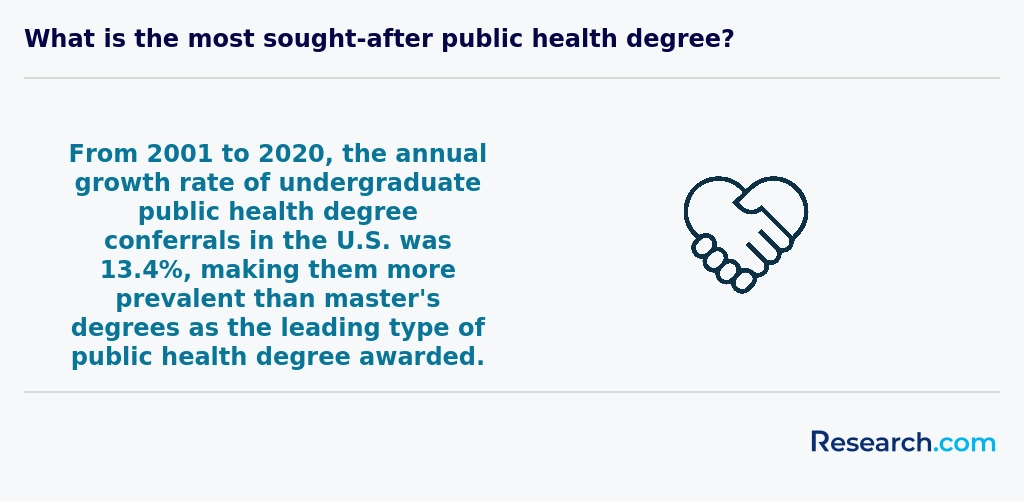
Students pursuing a public health degree in Portland often find financial support that makes their education both accessible and rewarding. Graduates from Portland State University frequently recall how applying for the Free Application for Federal Student Aid (FAFSA) unlocked Pell Grants, which can cover up to $7,395 annually-relieving much of their tuition burden and allowing them to focus on their studies and community impact.
Many students also take advantage of low-interest federal loans that provide a manageable way to fund their education without overwhelming debt. Local scholarships, such as those offered by the Oregon Public Health Association, have helped aspiring public health professionals stay motivated by easing costs through targeted awards tailored to Portland's unique health landscape.
Hands-on experience through graduate assistantships and work-study programs at Portland universities brings both financial relief and meaningful involvement in research or teaching, enriching the learning journey. Additionally, employer-sponsored tuition programs in Portland's healthcare and nonprofit sectors empower working students to grow their careers while pursuing their degrees.
Enrolling in a public health degree in Portland starts with meeting clear and achievable prerequisites that open doors to a rewarding journey. Many students choosing programs at Portland State University have found that a strong academic foundation in science and math from high school creates confidence and success in their initial courses. For graduate programs like the Master of Public Health, universities often look for applicants who hold a bachelor's degree with coursework relevant to biology, statistics, or social sciences, reflecting a genuine passion for bettering community health.
Graduates often share how their personal statements and letters of recommendation highlighted their commitment to social impact, making their applications stand out. Completing prerequisite courses and gaining volunteer experience in local health organizations not only strengthens applications but builds invaluable skills and connections in Portland's vibrant public health community.
From submitting official transcripts showing a solid GPA to preparing a purpose-driven essay, these steps shape an inspiring path toward becoming a powerful advocate for health equity and positive change in Oregon and beyond.

Portland’s unique social and environmental landscape shapes the competencies required of graduates with a Public Health degree in Portland, OR. By understanding and addressing these local challenges, students can tailor their education and practical experience toward the greatest community needs:
- Homelessness and Housing Instability Portland has one of the nation’s highest rates of unsheltered homelessness. Public Health professionals design outreach programs, conduct needs assessments and collaborate with social services to reduce health risks among unstably housed populations.
- Substance Abuse and the Opioid Crisis Rising rates of opioid use and overdose deaths demand expertise in harm reduction strategies, community-based interventions and policy advocacy to expand access to treatment and naloxone distribution.
- Environmental Health and Air Quality Seasonal wildfires and urban traffic contribute to hazardous air pollution. Graduates must be equipped to monitor air quality, develop intervention plans and educate vulnerable groups-particularly children and older adults-on exposure mitigation.
- Food Insecurity and Nutrition Disparities in food access persist in East Portland and other underserved neighborhoods. Public Health practitioners partner with community gardens, food banks and local policy makers to strengthen nutritional support systems.
- Health Equity and Racial Disparities Historical inequities have led to higher rates of chronic disease among communities of color. Effective programs require culturally competent outreach, data‐driven assessments and coalition building with community leaders.
- Aging Population and Chronic Disease Management As Portland’s senior population grows, there is an increased need for chronic disease prevention, management programs and age-friendly urban planning to promote healthy aging. To develop the specialized skills needed to tackle these pressing issues, many students opt for flexible graduate pathways-such as the best rated online masters degree in public health programs-that emphasize advanced epidemiology, policy development and community engagement in urban settings.
Students pursuing a public health degree in Portland engage with a dynamic curriculum designed to equip them for impactful careers. At renowned local universities, graduates share how foundational courses like Introduction to Public Health and Epidemiology brought their passion for community well-being to life, teaching them to analyze disease patterns and respond to real outbreaks.
Many reflect on Biostatistics and Environmental Health classes, where hands-on projects helped them understand how data and environmental factors shape health outcomes. Courses in Health Policy and Management enabled them to navigate Oregon's unique healthcare landscape, inspiring them to advocate for equitable systems.
Programs in Portland stand out by offering electives such as Global Health and Public Health Nutrition, which expand students' horizons beyond the city. Graduates recall how Social and Behavioral Sciences and Health Communication sharpened their ability to design targeted interventions-skills they apply when addressing health disparities in Portland's diverse communities.
Such courses empower students to turn knowledge into action, driving positive change locally and globally.

Students pursuing a public health degree in Portland can choose from inspiring specializations that deeply connect with the city's unique health challenges and vibrant communities. Graduates from Portland's universities often share how their focus on epidemiology equipped them to analyze disease trends and make impactful public health decisions in urban settings.
Environmental health is another popular path, reflecting Portland's commitment to sustainability. Learners enjoy hands-on experiences addressing air quality and climate change, feeling empowered to protect public well-being locally and beyond. Many express pride in how health policy and management courses prepare them to shape Portland's health systems and nonprofit initiatives, directly influencing positive change.
Community health education speaks to those eager to engage with diverse populations, crafting meaningful outreach programs that make a real difference. With Portland's increasing global connections, students also embrace global health studies, opening doors to international collaborations.
These specializations make Portland's public health degree an exciting choice for those seeking affordable public health programs Portland students value for practical experience and community impact. Consider exploring nursing degrees arizona scholarships to complement your healthcare career path.
Choosing the best public health degree programs Portland offers starts with finding a school that combines strong accreditation and real-world opportunities. Graduates from Portland State University and Oregon State University often share how their CEPH-accredited programs prepared them with the latest skills in epidemiology and health policy, opening doors to meaningful careers. Imagine yourself gaining hands-on experience through internships with local health departments or nonprofits, building connections that lead to rewarding jobs.
Affordability is another vital piece of the puzzle. Many students appreciate Portland State's in-state tuition rates near $11,000, which make affordable public health schools Portland especially attractive. By exploring scholarships, financial aid, and assistantships, you can focus on your studies without financial stress, much like those who have successfully balanced budgets while pursuing their goals.
The flexibility of part-time and online classes here also empowers busy adults to grow professionally without pausing their lives. For an inspiring example, consider how pursuing higher education alongside work can transform your future, just as it has for many public health graduates. To explore funding options for your health career, also check out nursing degrees fort worth scholarships.
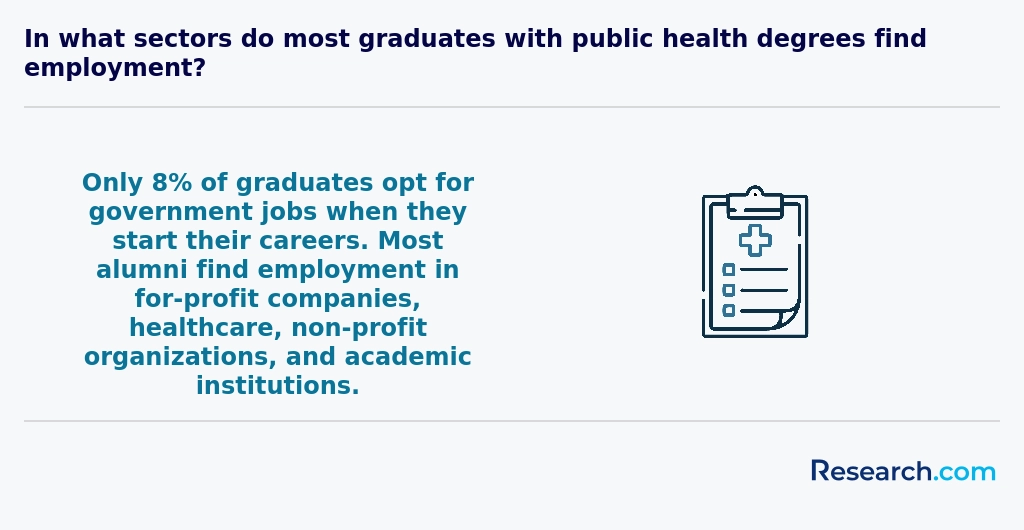
Graduates holding a public health degree in Portland find a wealth of inspiring career paths that connect them deeply with the community's health and well-being. Many step into roles at the Oregon Health Authority or local public health departments, where they create impactful programs addressing issues like substance abuse and infectious disease prevention. For example, graduates from Portland State University often share how their education empowered them to influence meaningful policy changes in these agencies.
Jobs with public health degree Portland Oregon also span healthcare facilities, where professionals thrive in hospital administration, health data analysis, and patient advocacy. Here, graduates describe a rewarding sense of purpose as they improve patient outcomes and streamline health services. Non-profit organizations in Portland seek compassionate leaders to manage maternal health, mental health services, and community outreach, offering careers that combine passion with real-world impact.
For research lovers, Portland's vibrant universities inspire graduates to explore epidemiology and environmental health, contributing vital data for public health progress. Many alumni appreciate the accessibility of local institutions, knowing the cost of public health programs aligns with their career goals. To continue supporting your future in health care, consider also maintaining nursing license in Washington as a valuable adjunct path.
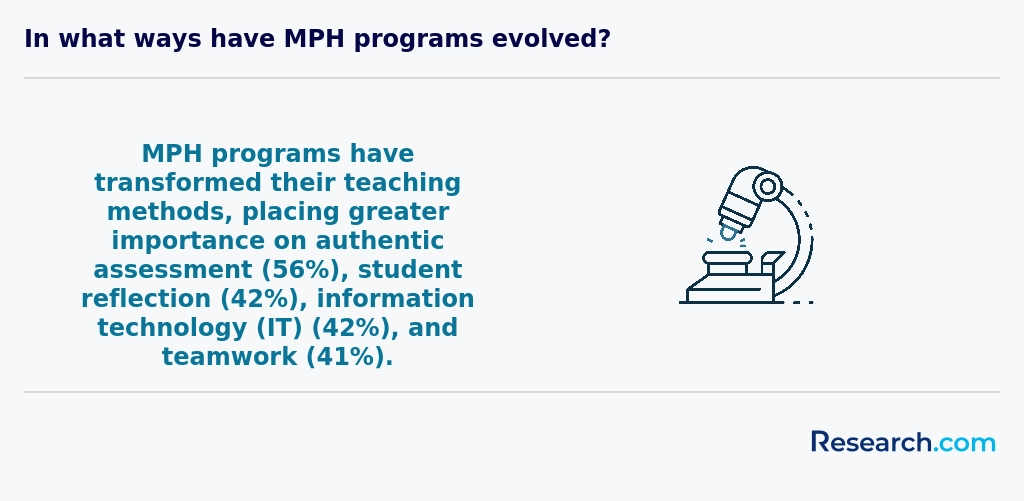
The job market for public health degree jobs Portland holds vibrant promise, fueled by a community deeply invested in health equity and environmental sustainability. Graduates from renowned institutions in the city often find themselves welcomed into diverse roles across local health departments, hospitals, and advocacy organizations. Many share inspiring stories of advancing community wellness through impactful projects, reflecting Portland's unique demand for skilled professionals who blend passion with expertise.
Portland public health career outlook is especially bright as employers seek specialists in environmental health and policy-fields that align well with the region's values. Entry-level salaries typically start around $65,000 and grow with experience, making it an encouraging path for new graduates. Universities here offer competitive programs, and students often highlight how practical experiences and community connections open doors to rewarding opportunities post-graduation.
For those concerned about finances, Portland provides options with some of the most affordable public health programs in Oregon, allowing students to pursue their ambitions without overwhelming debt.
2027 Most Affordable Public Health Degree Programs Ranking in Portland
Investing in your education is a significant decision, and the Research.com team is committed to helping you make well-informed choices. To support prospective students in Portland, we have carefully developed the "2027 Most Affordable Public Health Degree Programs Ranking in Portland." Our dedication to quality, credibility, and accuracy is demonstrated through thorough research and analysis behind this ranking.
We utilized the following reputable data sources to ensure a comprehensive evaluation of public health programs:
By exploring this ranking, readers will obtain valuable insights into affordable public health degree options in Portland, empowering them to choose programs that fit their needs and budgets. For more information on how our ranking was created, please visit our Research.com methodology page.

# 4 position
Oregon Health & Science University
Master of Public Health

# 5 position
Oregon Health & Science University
Public Health Doctoral
Frequently Asked Questions About public health
Public health degree students in Portland can maximize their learning experience by engaging with local health organizations, such as the Portland Public Health Division. These partnerships offer opportunities for internships and hands-on projects in areas like disease prevention and health equity. Portland's focus on environmental health and community well-being also provides relevant case studies and research topics.
Students should attend public health workshops and seminars offered by institutions like Oregon Health & Science University, which frequently hosts events on epidemiology and health policy. Networking with professionals in Portland's active public health sector can broaden career prospects.
Additionally, using resources like the Oregon Public Health Division's data can enhance understanding of regional health trends and challenges. Access to local health data helps students apply classroom knowledge to real-world issues affecting Portland residents.
Emerging niches within the public health field reflect changing societal needs and technological advances. In Portland, a key growth area is environmental health, focusing on pollution control and climate change impacts, driven by the city's green initiatives and proximity to diverse ecosystems. Another expanding niche is health informatics, which uses data analytics to improve healthcare delivery and population health management. Mental health promotion and substance abuse prevention programs are also gaining attention, addressing local challenges of rising opioid use and homelessness. According to the Oregon Public Health Institute, these specializations align with regional priorities for sustainable and equitable health solutions.
Graduates with a public health degree in Portland should focus on gaining practical experience to strengthen their job prospects. Participating in internships or practicum placements with local organizations such as the Oregon Health Authority or Multnomah County Public Health Division can provide valuable hands-on skills.
Networking is also essential. Joining professional associations like the Oregon Public Health Association connects graduates with employers and mentors. According to the Bureau of Labor Statistics, public health jobs in Oregon are expected to grow by 15% through 2031, emphasizing the importance of staying informed about industry trends.
Developing competencies in data analysis and health communication can further enhance employability in Portland's expanding public health sector.
Employers in Portland seek public health graduates with strong analytical skills to interpret health data effectively. Proficiency in biostatistics and epidemiology is essential, as local health agencies rely on data to address community health issues. Communication skills are also crucial for collaborating with diverse populations and stakeholders.
Knowledge of health policy and program planning is highly valued, enabling graduates to contribute to effective public health interventions. Additionally, familiarity with health equity and social determinants of health reflects Portland's focus on vulnerable populations, as noted by the Oregon Public Health Division.
Technical skills such as proficiency in GIS (Geographic Information Systems) and public health informatics are increasingly important in this region.
Finding internships in Portland relevant to a public health degree involves leveraging local resources and institutions focused on health initiatives. Portland hosts several public health organizations, including the Oregon Health Authority and Multnomah County Health Department, which often offer internship opportunities. Students should regularly check university career centers, such as those at Portland State University, which connect students with internships in local clinics, non-profits, and governmental agencies.
Networking at public health events and professional organizations like the Oregon Public Health Association can also reveal internship openings. According to the U.S. Bureau of Labor Statistics, internships improve employment chances by 15% in health-related fields.
In Portland, earning a public health degree can significantly enhance career mobility and advancement. Graduates often find opportunities in diverse sectors such as local government, healthcare organizations, and nonprofit agencies. According to the Oregon Employment Department, public health jobs in the Portland metro area grew by 8% between 2018 and 2023, indicating expanding demand.
Many employers prioritize candidates with formal public health education due to the complex nature of today's health challenges. A degree equips students with skills in epidemiology, health policy, and community outreach, which are highly valued locally.
Additionally, professional networking through Portland-based public health programs often leads to internships and job placements. These connections support faster career progression within the competitive regional market.
The salary for public health professionals in Portland ranges widely but typically exceeds the state average for entry-level roles, contributing to favorable long-term career prospects.
Studying for a public health degree in Portland equips students with interdisciplinary skills essential for tackling complex health challenges. Programs often integrate coursework from epidemiology, environmental health, health policy, and social sciences. This diverse curriculum mirrors Portland's multifaceted public health landscape, which includes urban health concerns, environmental justice, and community engagement.
Students benefit from collaborations with local health agencies like the Oregon Health Authority and nonprofit organizations. Internships and research projects emphasize practical experience and teamwork across various sectors. According to the Oregon Employment Department, interdisciplinary public health roles in the region are projected to grow by 15% by 2030, underscoring the demand for versatile graduates.
When choosing between a thesis and a non-thesis public health degree program in Portland, consider your career goals and learning preferences. A thesis option is research-focused and suits students aiming for academic, research, or doctoral paths. It involves conducting original research under faculty supervision, which can deepen subject expertise and improve analytical skills.
Conversely, a non-thesis program emphasizes coursework and practical experience, often featuring internships or projects. This path appeals to professionals seeking direct entry into the public health workforce, especially in Portland's growing healthcare sector, supported by local health organizations like the Oregon Health Authority.
Both formats typically require 40-50 credits, with thesis tracks dedicating 6-12 credits to research. Understanding these differences helps align your choice with professional ambitions and Portland's job market realities.
Students based in Portland seeking to study public health abroad have multiple pathways available through local universities with established exchange programs. Institutions like Oregon Health & Science University (OHSU) and Portland State University offer partnerships with global universities, facilitating study abroad opportunities in countries such as the United Kingdom, Australia, and the Netherlands. These programs often focus on global epidemiology, health policy, and environmental health, enriching students' academic experience.
Additionally, many Portland institutions support internships and fieldwork abroad in collaboration with organizations like the CDC and WHO, enhancing practical exposure. According to Portland State University data, approximately 15% of public health students engage in international study or practice components. Financial aid options may also be available to support these pursuits.
Portland offers several part-time job opportunities that align well with public health degree education. Positions such as community health workers, research assistants at local universities, and roles in public health departments provide practical experience relevant to the field. According to the Oregon Health Authority, the state's commitment to expanding public health programs has increased demand for skilled workers in preventative care and health education.
Local hospitals and nonprofit organizations frequently seek interns and part-time staff for outreach and health promotion projects. These roles enhance skills in data collection, epidemiology, and communication. Additionally, Portland's growing focus on environmental health opens roles in sustainability initiatives that complement public health studies.
Engaging in these opportunities helps students build professional networks while applying classroom knowledge to real-world public health challenges in the Portland area.
Public health students in Portland benefit from various networking opportunities through local universities and professional organizations. Portland State University, for example, hosts events and career fairs that connect students with public health professionals and potential employers. The Oregon Public Health Association (OPHA) offers workshops, conferences, and committee involvement to help students build relationships within the state's public health community.
Additionally, Portland's strong healthcare industry, including organizations like Oregon Health & Science University (OHSU), provides internships and volunteer opportunities to enhance practical connections. According to the Bureau of Labor Statistics, Portland's healthcare sector is growing faster than the national average, underlining the value of these networking channels.
Alumni networks offer significant advantages for public health degree students in Portland. Graduates from programs like those at Portland State University often join active alumni groups that provide mentorship, internship opportunities, and career guidance. According to the National Board of Public Health Examiners, connections developed through these networks can increase job placement rates by up to 20% in the public health sector.
These networks also facilitate access to local public health organizations such as the Oregon Public Health Division. This access is crucial for practical experience in a city addressing issues like air quality and infectious disease control. Alumni frequently share insights about job trends and funding opportunities in the Portland area, helping current students navigate their career paths effectively.
Customizing a public health degree program in Portland allows students to align their education with specific career goals. Many local institutions offer flexible curricula where students can choose concentrations such as epidemiology, health policy, or environmental health. These options help tailor skills to meet community needs in Oregon, where public health challenges include addressing rural health disparities and increasing access to mental health services.
Students often complete internships or practicums with Portland-area health organizations, providing valuable hands-on experience. According to the Oregon Health Authority, collaborative projects in public health research and community outreach are common, enhancing job readiness. Choosing electives related to data analysis or program management can also improve career prospects in this growing field.
Public health students in Portland often face several challenges related to balancing academics and practical experience. Many programs require internships or fieldwork within local health departments or nonprofits, which can be time-consuming alongside coursework. According to the Oregon Public Health Division, limited placement spots sometimes increase competition for quality internships.
Financial strain is another common issue. Tuition costs combined with living expenses in Portland, where the cost of living is approximately 36% higher than the national average (U.S. Bureau of Labor Statistics, 2023), can be a barrier.
Additionally, students sometimes report difficulty accessing up-to-date resources and data tailored to Portland's diverse populations, which is essential for relevant public health research and intervention planning.
With a public health degree in Portland, graduates can pursue several professional certifications that enhance career opportunities. The most recognized certification is the Certified in Public Health (CPH), offered by the National Board of Public Health Examiners, which validates foundational knowledge in public health practice.
Graduates may also consider becoming a Certified Health Education Specialist (CHES), focusing on community health promotion, or a Registered Environmental Health Specialist (REHS), especially relevant in Oregon's growing environmental sector.
According to Oregon Health Authority data from 2023, certified professionals in these areas are increasingly in demand in Portland's public and private health organizations.
Writing a winning application for a public health program in Portland starts with clearly demonstrating your passion for community health and understanding regional challenges. Highlight any relevant experience, such as internships with local organizations like the Oregon Public Health Division. Portland's public health programs often value applicants who show commitment to addressing urban health issues prevalent in the area, including chronic diseases and health equity.
Carefully craft your personal statement to align with Portland's focus on social determinants of health and environmental factors. Use data from sources like the Portland Health Authority to support your points.
Strong letters of recommendation and a competitive GPA also play key roles in admissions. If applicable, mention any research or volunteer work conducted within Portland's diverse communities.
Public health careers are increasingly valued worldwide due to global health challenges such as pandemics, climate change, and health disparities. In the US, including Portland, public health professionals often engage in policy development, disease prevention, and community health promotion with a global mindset.
Global perspectives emphasize collaboration across nations and disciplines. According to the Oregon Health Authority, Portland's public health workforce grows by about 5% annually, reflecting increased demand for professionals skilled in global health issues.
Additionally, many US public health programs, including those in Portland, incorporate global health topics like epidemiology and health equity, preparing graduates to work internationally or with diverse populations domestically.
Students pursuing a public health degree in Portland can gain practical experience through various local opportunities. Many universities collaborate with health departments, nonprofit organizations, and community clinics to provide internships and practicum placements. For example, the Oregon Health Authority and Multnomah County Public Health both offer programs where students can engage in public health research and community outreach.
Volunteering with Portland-based organizations such as the Oregon Public Health Institute can also build real-world skills. Additionally, students may participate in projects addressing urban health challenges, like air quality and infectious disease control. These experiences enhance resumes and deepen understanding of regional health issues.
Internships and hands-on projects are often required components of public health curricula, ensuring students graduate with applied knowledge relevant to the Portland context.
Choosing the right concentration within a public health degree program in Portland depends on your career goals and community needs. Portland's public health landscape emphasizes areas like environmental health, epidemiology, and health policy due to its urban and environmental challenges.
Research from Oregon Health Authority highlights a growing demand for experts in chronic disease prevention and environmental health, reflecting local public health priorities. Considering concentrations aligned with regional health issues increases employability.
Additionally, Portland's universities offer specialized tracks; reviewing program curricula and internship opportunities helps match your interests with practical experience. Connecting with local public health agencies can also guide your decision by revealing in-demand skills.
- 2027 Most Affordable Public Health Degree Programs Ranking in Corvallis
- 2027 Most Affordable Public Health Degree Programs Ranking in Seattle
- 2027 Most Affordable Public Health Degree Programs Ranking in Berkeley
- 2027 Most Affordable Public Health Degree Programs Ranking in San Francisco
- 2027 Most Affordable Public Health Degree Programs Ranking in Salt Lake City
- 2027 Most Affordable Public Health Degree Programs Ranking in Los Angeles
- 2027 Most Affordable Public Health Degree Programs Ranking in Irvine
- 2027 Most Affordable Public Health Degree Programs Ranking in La Jolla
- 2027 Most Affordable Public Health Degree Programs Ranking in San Diego
- 2027 Most Affordable Public Health Degree Programs Ranking in Phoenix
- Loading https://www.cpalms.org/PreviewResourceStudentTutorial/Preview/166485
- What do you learn in a bachelor's in public health? | edX https://www.edx.org/resources/what-do-you-learn-in-a-bachelors-in-public-health
- Public Health Degrees & Careers | How To Work In Public Health https://www.learnhowtobecome.org/medical-health-careers/public-health/
- Why study public health? https://phspot.org/why-study-public-health/
- For Academic Public Health https://globalnetworkpublichealth.org/
- Internships for MPH Students https://www.publichealthdegrees.org/careers/internships/
- Students and Alumni associations - Europubhealth https://www.europubhealth.org/students-alumni-associations/
- 2025 Most Affordable Online Public Health Degrees https://www.onlineu.com/most-affordable-colleges/public-health-degrees
- Areas in Public Health https://www.publichealthcareers.org/areas-in-public-health.html
- Dive deeper into public health topics. https://www.apha.org/topics-and-issues