
2027 Best Public Health Degree Programs Ranking in West Virginia

Co-Founder and Chief Data Scientist
Choosing the right public health degree program can feel overwhelming, especially in West Virginia's growing educational landscape. This article presents the 2027 Best Public Health Degree Programs Ranking in West Virginia, carefully created by the Research.com team of data scientists to guide you in making an informed decision.
Whether you're starting your academic journey or considering a career change, understanding which programs offer quality education and opportunities is essential.
Explore this ranking to discover programs that align with your goals and prepare you for a meaningful career in public health.
Key benefits of getting public health degree in West Virginia
- Graduates with a public health degree in West Virginia can earn competitive salaries, such as $86,710 annually for Environmental Health Specialists and $69,790 for Health Educators, reflecting strong earning potential in the field.
- Career paths are diverse, including roles like Community Health Worker or Occupational Health and Safety Specialist, giving graduates flexibility to find rewarding jobs that match their passions and skills.
- Online public health degrees offer convenience and flexibility, allowing students in West Virginia to balance work and study while gaining the same valuable skills as traditional programs.
- 2027 Best Public Health Degree Programs Ranking in West Virginia
- What can I expect from public health degree in West Virginia?
- Where can I work with public health degree in West Virginia?
What can I expect from public health degree in West Virginia?
The average cost of pursuing a public health degree in West Virginia typically ranges between $7,000 and $12,000 per year for in-state students at public universities such as West Virginia University (WVU). Graduates often share that this investment feels worthwhile, as practical learning opportunities and community-engaged internships deeply enrich their experience beyond the classroom. For example, a WVU public health student might find themselves working directly with local health departments to address opioid addiction or chronic disease challenges-real-world situations that foster confidence and preparedness.
Those studying at smaller colleges may face slight variations in tuition, yet the focus on hands-on training and state-specific health issues remains a common thread. Many graduates express pride in how their education prepares them for impactful careers, which can lead to strong job prospects in government agencies or nonprofits striving to improve health outcomes in Appalachia's rural communities.
With increasing demand for data-savvy public health professionals in West Virginia, students anticipate future programs will integrate more advanced technology and remote learning options while maintaining affordable tuition aligned with the region's economic context.
Where can I work with public health degree in West Virginia?
Graduates with a public health degree in West Virginia find themselves stepping into diverse and impactful career paths. Many begin their journeys with state agencies like the West Virginia Department of Health and Human Resources, tackling urgent issues such as the opioid epidemic and infectious disease control. For instance, alumni from West Virginia University describe the rewarding challenge of crafting policies that directly improve community health.
Healthcare systems, including WVU Medicine and Cabell Huntington Hospital, offer dynamic roles where graduates engage in epidemiology, community outreach, and preventive care-tasks often described as meaningful by recent graduates who see their work improving patient outcomes every day.
Non-profit sectors also appeal to many, as seen in graduates working with the West Virginia Primary Care Association or the American Heart Association's state chapter, focusing on health advocacy and social determinants of health. These roles nurture a strong sense of purpose and community connection.
Academic institutions like West Virginia University and Marshall University increasingly hire public health graduates for research and data analysis careers, highlighting a future rich with opportunities to influence health policy and outcomes. Private companies in health insurance and wellness programs offer tech-driven roles combining analytics with communication, an exciting prospect for forward-thinking graduates.
Graduates with a public health degree in West Virginia often begin their careers earning around $43,350 as medical assistants or approximately $52,610 as community health workers, according to recent U.S. Bureau of Labor Statistics data. Those who study at institutions like West Virginia University see these entry points as stepping stones toward rewarding careers with increasing pay. For example, a recent graduate working as a health educator can expect to earn about $69,790 annually, reflecting both specialized training and demand in the state.
Many graduates from local programs envision advancing into roles such as environmental health specialists or occupational health and safety specialists, where wages rise to about $86,710 and $85,570, respectively. These positions not only offer higher salaries but also involve tackling pressing public health challenges unique to West Virginia's communities, inspiring graduates with a strong sense of purpose and impact.
The evolving healthcare landscape suggests even more opportunities and growth in these fields. Graduates report feeling optimistic about how their education equips them to meet future needs, promising a career path that balances meaningful work with increasing earning power.
- Public health programs are available at both bachelor's and master's levels, with options such as epidemiology, environmental health, and health policy.
- Undergraduate tuition for in-state students at public universities ranges from $7,000 to $9,000 per year, while graduate programs cost between $10,000 and $18,000 annually.
- Starting salaries for public health graduates typically range from $40,000 to $50,000 per year, with mid-career salaries between $60,000 and $85,000.
- Key employers include government agencies like the West Virginia Department of Health and Human Resources, nonprofit organizations, healthcare facilities, and academic institutions.
- The demand for public health professionals is growing due to challenges such as rural health disparities and opioid addiction.
Completing a public health degree in West Virginia typically ranges from about four years for a Bachelor's to two years for a full-time Master of Public Health (MPH), with local universities like West Virginia University and Marshall University offering flexible options. Graduates often share how balancing studies with part-time work was manageable thanks to part-time and online MPH programs, which allow extending their timeline to three years or more without sacrificing quality.
Many find the credit requirements-typically 42 to 50 credit hours for an MPH-challenging but rewarding, as they align with national standards ensuring rigorous training. Doctoral candidates at these institutions navigate a lengthier journey of three to five years, embracing research and comprehensive exams that push them to new professional heights.
Looking ahead, evolving digital platforms and hybrid course offerings may reshape these timelines, granting future West Virginia students even greater control over pacing while maintaining strong community ties through local colleges known for their supportive environments.
Investing in a Public Health degree in West Virginia involves balancing tuition costs against potential earnings. On average, Master of Public Health programs in-state cost between $5,500 and $12,000 per year, while out-of-state students may pay up to $17,600 annually. Graduates report average starting salaries of $49,900 for Community Health Workers, $66,710 for Health Educators, and $83,820 for Environmental Health Specialists. When you calculate a typical two-year MPH program cost of $11,000 per year against a mid-career salary of $75,000, the break-even point often occurs within four to six years, depending on living expenses and financial aid. Factoring in scholarships, assistantships, and loan forgiveness programs can further shorten this payback period, making the degree a sound long-term investment. Comparing public health ROI to related fields highlights its competitiveness. For administrative careers like health services management, understanding how much does it cost to become a health services manager provides useful context on education expenses and income potential. Unlike many clinical paths that require additional certifications or residencies, Public Health graduates often begin earning immediately after completing internships, accelerating return on investment. When evaluating program value, consider not only tuition and salary data but also intangible benefits-such as networking opportunities, community impact, and eligibility for high-demand roles-that enhance both personal fulfillment and long-term career security.
Graduates from West Virginia University often describe online public health degrees as a flexible gateway, especially for those juggling jobs or family life. The ability to attend lectures asynchronously lets students tailor study times around busy schedules, removing stress and offering a sense of control over learning. This virtual model continues to evolve with advanced tech that simulates classroom interactions, hinting at a future where online students might feel even more connected than before.
Meanwhile, graduates from Marshall University highlight the energizing, face-to-face environment of on-campus programs. Immersed in campus life, they experience hands-on internships and collaborate in real time with professors and peers, which builds strong local networks and confidence. The close community ties with local health departments foster practical skills and inspire a shared mission in improving West Virginia's public health.
As these formats grow, students might soon enjoy hybrid models combining the best of both worlds-embracing the convenience of online learning with periodic in-person experiences that deepen community bonds and practical expertise, reflecting the dynamic needs of public health careers in West Virginia.
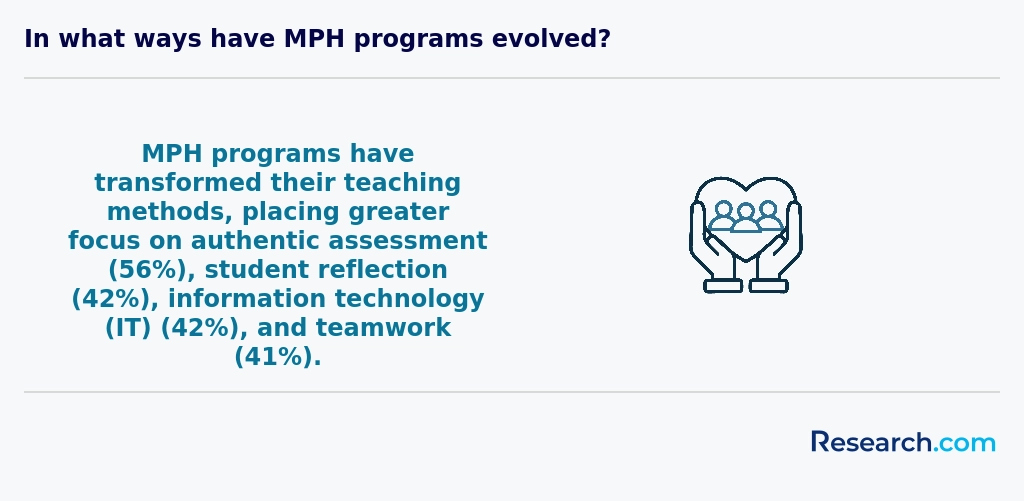
In recent years, public health education in West Virginia has embraced innovative teaching methods and curriculum changes to stay ahead of global health challenges. A growing emphasis on digital health technologies-including telehealth, AI-driven data analytics, and virtual simulations of epidemiological scenarios-has reshaped how students engage with theoretical and practical aspects of the field. Programs that integrate interdisciplinary approaches are increasingly using community-based projects and real-time data to mirror current public health trends. For instance, many institutions now offer flexible learning paths that blend in-person mentorship with interactive online platforms, ensuring that students receive a well-rounded and future-focused education. Additionally, affordability and accessible learning are key priorities, as prospective students can explore options such as the cheapest public health school in west virginia without compromising on quality. Through these emerging trends, public health programs are equipping graduates with the skills needed to drive innovation, improve community health outcomes, and adapt to a rapidly evolving healthcare landscape.
The average cost of a public health degree in West Virginia typically centers around $10,104 for in-state students, a figure that thoughtfully balances quality education with affordability. Graduates of programs at institutions like West Virginia University often share stories of manageable tuition paired with strong academic support, making the investment feel worthwhile and motivating for prospective students. The manageable tuition paired with local living costs allows many to pursue their degrees without overwhelming financial stress, creating a positive experience focused more on learning than debt.
For those considering out-of-state options or private colleges, costs may rise significantly, which has led many West Virginia residents to appreciate the value of in-state programs deeply. The public health degree tuition and fees West Virginia students face today reflect a broader trend toward fostering accessible education while maintaining rigorous programs that prepare students effectively for public health careers. This accessibility encourages a diverse range of students to imagine their future contributing to community health locally and beyond.
Looking forward, emerging trends such as expanded financial aid opportunities and scholarships specifically targeting public health students in West Virginia could further reduce the financial burden. Graduates often emphasize not just the education but the support networks that come with studying at renowned schools. For those still exploring options, exploring the cheapest public health school in west virginia remains a practical step toward a rewarding, affordable path in public health.
Students pursuing public health degrees in West Virginia often find financial aid options tailored to their unique needs, especially at institutions like West Virginia University and Marshall University. Graduates frequently share how completing the FAFSA unlocks access to vital federal aid such as Pell Grants, which can significantly lower tuition costs, making education feel more achievable. Many recall how the West Virginia Higher Education Grant offered crucial support, easing financial worries while studying.
Beyond government programs, state scholarships like the PROMISE Scholarship reward academic excellence and motivate students to excel. Several graduates emphasize how local organizations, including the West Virginia Public Health Association, provide scholarships that recognize commitment to community health, fostering a sense of purpose alongside financial relief.
Emerging trends suggest expanding fellowship and assistantship opportunities at West Virginia universities, allowing students to gain hands-on experience while receiving tuition waivers or stipends. This creates hopeful pathways for those eager to blend education with impactful, real-world public health work within the state.
Choosing a CEPH-accredited public health program ensures your degree meets rigorous national standards for curriculum, faculty expertise and student outcomes. Look for schools that:
- Hold current Council on Education for Public Health (CEPH) accreditation
- Employ faculty actively involved in local research and community initiatives
- Share transparent graduation rates and post-grad employment statistics
- Offer flexible delivery options-on-campus, online or hybrid
Verify each program’s accreditation status on the CEPH website before applying. For related accelerated healthcare credentials, consider the fastest medical assistant program.
Enrolling in a public health degree program in West Virginia often starts with meeting foundational prerequisites that prepare you for its interdisciplinary nature. Graduates from well-regarded institutions like West Virginia University recall how a strong background in biology, chemistry, and social sciences boosted their confidence when handling demanding coursework. Many programs expect applicants to hold a high school diploma with solid academic records or, for graduate studies such as the MPH, a bachelor's degree from an accredited school. While some schools still request standardized test scores, an increasing number are adopting test-optional policies, reflecting a shift toward holistic admissions.
Future students can anticipate submitting transcripts and letters of recommendation, sometimes accompanied by personal statements describing their commitment to public health challenges unique to West Virginia, such as opioid crises. Some programs may favor applicants with volunteer or work experience in community health settings, recognizing the value of real-world exposure. As one recent graduate shared, these prerequisites foster preparedness and a meaningful connection to the state's urgent health priorities, making the learning journey both challenging and deeply rewarding.
Courses in public health degree programs at West Virginia universities often include epidemiology, biostatistics, environmental health, behavioral sciences, and health policy. Graduates recall how epidemiology classes made the spread of diseases feel tangible, connecting lessons directly to local outbreaks they studied in real-time. At popular institutions like West Virginia University, students experience firsthand how their biostatistics skills help analyze state health data, preparing them to influence public health decisions.
Environmental health courses resonate deeply due to West Virginia's history with mining pollution, with many students describing a personal connection to the subject when exploring soil and air quality impacts on communities. Behavioral science classes often spark motivation, especially knowing these lessons target pressing issues here such as tobacco use and obesity. Graduates frequently highlight practicum opportunities working alongside rural health departments, where they apply policy and management knowledge to improve access in underserved Appalachian areas.
This curriculum not only builds critical analytical skills but also nurtures a sense of purpose, empowering students to champion innovative solutions tailored specifically to West Virginia's public health landscape.
Public health degree specializations in West Virginia typically include Epidemiology, Health Policy and Management, Environmental Health, and Community Health Education. Graduates from popular programs at universities like West Virginia University often share how studying Epidemiology helped them understand local disease patterns such as those found in rural Appalachian communities. This hands-on experience offers a sense of purpose and connection to real-world health issues. Health Policy and Management specialization prepares students to influence healthcare access, especially in underserved areas, fostering a positive outlook toward creating systemic change.
Environmental Health studies are particularly resonant here, given the state's history with coal mining and concerns about air and water quality. Graduates frequently describe a rewarding sense of advocacy when working on projects aimed at reducing occupational hazards. Community Health Education remains vital, where students learn to design inclusive health programs that address lifestyle diseases, a growing need as obesity rates rise. Those curious about how much does it cost to become a health services manager often find the integrated focus of these specializations highly motivating for future career paths in West Virginia public health career options.
To choose the best public health degree in West Virginia, consider programs that offer strong CEPH accreditation like those at West Virginia University, which graduates often praise for their rigorous preparation and local reputation. These programs combine affordability with practical exposure, crucial for a state where affordable public health degrees WV are a priority for many students balancing finances and future opportunities.
Graduates frequently highlight how flexible formats-such as part-time or online options-enable them to maintain work while advancing their studies. Exploring specialized tracks in epidemiology or health policy at popular West Virginia colleges allows students to tailor their education to emerging public health challenges, enhancing job readiness.
Networking opportunities through local health department partnerships are invaluable. Many graduates find internships within West Virginia's public health sector boost employment prospects and offer real-world impact. For those with time constraints, programs like the 1 year masters online can deliver quality and speed in degree completion, making them an appealing future trend for busy professionals.
Graduates with a public health degree in West Virginia find promising career paths within state agencies, hospitals, and nonprofit organizations. Many alumni from popular institutions like West Virginia University and Marshall University share how working in roles such as epidemiology or community outreach has given them a strong sense of purpose addressing rural health disparities and opioid misuse. These real-world challenges create meaningful opportunities to engage in health education, substance abuse prevention, and emergency preparedness, all vital to the state's wellbeing.
Emerging trends show growing demand for professionals skilled in health informatics and data analysis, supporting evidence-based policy-making to improve statewide health outcomes. This evolving landscape suggests diverse roles for those interested in public health career opportunities West Virginia offers, balancing traditional positions with innovative fields. Graduates often speak about the rewarding nature of tailoring health strategies to local communities, reinforcing hope for progress.
Those uncertain about their path can explore flexibility by researching what is the easiest degree to get to complement their public health studies, enhancing marketability in West Virginia's changing health sector.
The public health job outlook West Virginia reflects a growing demand fueled by persistent health challenges across the state. Graduates from institutions like West Virginia University and Marshall University often share excitement about entering a job market where they can make a meaningful impact in communities affected by chronic diseases and substance abuse. Many find roles in state health departments or rural outreach programs that connect underserved populations to critical healthcare resources, a unique opportunity not seen in more urbanized states.
Careers with public health degree West Virginia graduates emphasize include positions in government and nonprofit sectors that offer stability alongside meaningful work. Salary levels may be modest compared to national averages, but students appreciate the balance of job security and lower living costs. Alumni frequently highlight how accessible tuition and financial aid options at local universities make the investment in a public health degree worthwhile.
Looking ahead, the blend of educational support and a diverse job market suggests promising potential for future graduates. Exploring avenues such as online masters cheap programs could further expand career flexibility in this evolving field.
2027 Best Public Health Degree Programs Ranking in West Virginia
Investing in your education is a significant decision that can shape your future, and the Research.com team understands the importance of making informed choices. To assist prospective students in West Virginia, we have meticulously crafted the "2027 Best Public Health Degree Programs Ranking in West Virginia." Our commitment to quality, credibility, and accuracy is reflected in the extensive research and analysis conducted to compile this ranking.
We utilized the following reputable data sources to ensure a comprehensive evaluation of public health programs:
By exploring this ranking, readers will gain valuable insights into the best public health degree programs available in West Virginia, helping them make well-informed decisions about their educational paths. For more details on our approach, please visit our Research.com methodology page.


Frequently Asked Questions About public health
Public health degree students in West Virginia can maximize their learning by engaging with local health departments and community organizations. West Virginia faces unique health challenges such as high rates of opioid addiction and chronic diseases, giving students practical opportunities to apply classroom knowledge. Collaborating on state-funded programs or research projects provides hands-on experience and strengthens resumes.
Students should also seek internships through institutions like the West Virginia Department of Health and Human Resources. Networking with public health professionals in the state can lead to valuable mentorships and job prospects.
Finally, staying informed about regional health statistics from sources like the West Virginia University School of Public Health helps students grasp real-world health trends and policy impacts.
Emerging niches within the public health field reflect evolving challenges and innovations shaping community well-being. In West Virginia, areas such as rural health equity have gained prominence due to significant disparities in healthcare access and outcomes. According to the West Virginia Office of Health Statistics, rural populations face higher rates of chronic diseases, prompting new roles focused on targeted intervention strategy development.
Another growing niche is environmental health, emphasizing the impact of Appalachia's unique ecology on resident health. Climate change effects and pollution concerns are driving demand for specialists skilled in environmental risk assessment. Additionally, health informatics is rapidly expanding, as local agencies increasingly rely on data to tackle opioid addiction and COVID-19 recovery efforts. These niches offer promising career paths for students pursuing public health degrees in West Virginia.
Preparing for the job market after earning a public health degree in West Virginia involves several important steps. First, students should seek internships or practicum experiences with local health departments or organizations such as the West Virginia Department of Health and Human Resources. Practical experience is essential for building skills and professional networks.
Additionally, obtaining relevant certifications, like the Certified Health Education Specialist (CHES), can improve job prospects. According to the U.S. Bureau of Labor Statistics, West Virginia's demand for community health workers is projected to grow by 17% from 2022 to 2032, highlighting opportunities in the field.
Networking through professional associations and attending statewide public health events can further connect graduates with potential employers.
Employers in West Virginia value several key skills in graduates with public health degrees. Strong analytical abilities are essential, as professionals must interpret health data and identify community needs. Communication skills are equally important to effectively convey health information to diverse populations.
Additionally, leadership and project management capabilities are highly sought after, helping graduates to coordinate public health initiatives and work collaboratively across agencies. Knowledge of local health challenges, such as the opioid crisis and chronic disease prevalence documented by the West Virginia Department of Health and Human Resources, gives candidates an advantage.
Technical proficiency with health informatics tools and familiarity with policy development also enhance employability in the state's public health sector.
Finding internships in West Virginia related to public health involves several strategic steps. Students should begin by exploring opportunities at the West Virginia Bureau for Public Health, which frequently offers internships focused on disease prevention, health promotion, and community outreach. Local health departments across the state, such as those in Kanawha or Monongalia counties, also provide hands-on experiences valuable for public health careers.
Connections with universities offering public health programs, like West Virginia University (WVU), can facilitate access to internship listings and faculty recommendations. Additionally, the Council on Education for Public Health (CEPH)-accredited programs often maintain partnerships with health agencies.
Students may also check platforms like the Virginia Foundation for Public Health and the American Public Health Association's internship boards for regional listings. Internships in West Virginia typically emphasize practical skills due to the state's focus on addressing rural health disparities, including high rates of chronic diseases documented by the West Virginia Health Statistics Center.
In West Virginia, earning a public health degree significantly enhances career mobility and advancement opportunities. The state's growing need for qualified public health professionals-driven by challenges like opioid addiction and chronic disease-creates demand in both public and private sectors.
According to the U.S. Bureau of Labor Statistics, employment of health educators and community health workers in West Virginia is projected to grow by 15% from 2020 to 2030, faster than the national average. This growth opens doors to higher-level roles in government agencies, hospitals, and nonprofit organizations.
Public health degrees also provide essential skills in data analysis, policy development, and program management, which employers highly value for senior positions. Additionally, specialized certifications often become accessible only after obtaining a degree, further boosting advancement prospects.
Studying for a public health degree in West Virginia equips students with skills to work across multiple disciplines. Programs often emphasize collaboration with fields like healthcare, environmental science, and social services to address complex public health challenges.
West Virginia faces unique health concerns such as high rates of chronic diseases and substance abuse, encouraging students to adopt diverse approaches. Coursework and practical experiences integrate epidemiology, policy analysis, and community health strategies to prepare graduates for broad roles.
Universities partner with local health departments and organizations, offering students hands-on opportunities to develop critical thinking and teamwork abilities essential in interdisciplinary settings.
When choosing between thesis and non-thesis public health degree programs in West Virginia, consider your career goals and learning preferences. Thesis programs typically require original research and a formal thesis document, appealing to students aiming for doctoral studies or research-focused roles. Non-thesis tracks often emphasize practical skills through additional coursework and internships, suited for direct entry into public health practice.
West Virginia faces unique public health challenges, including a 15% higher obesity rate than the national average (CDC, 2023). Those interested in tackling such issues through data and policy may benefit from thesis research experience. Meanwhile, non-thesis options provide practical training valued by local health agencies and nonprofits.
Students in West Virginia interested in public health can explore studying abroad through partnerships often facilitated by their home institutions. Some West Virginia universities with public health programs offer study abroad opportunities in countries like the United Kingdom, Ireland, and select European nations. These programs enable students to gain international perspectives on health systems and global health issues.
The University of West Virginia and Marshall University occasionally provide exchange programs or faculty-led trips incorporating fieldwork or public health research overseas. Credits earned abroad can often be transferred back to degree requirements.
National organizations such as the Council on Education for Public Health (CEPH) provide guidance on accredited international experiences, ensuring students receive quality education aligned with U.S. standards.
Part-time job opportunities in West Virginia that complement public health degree education often involve roles in healthcare facilities, nonprofit organizations, and governmental agencies. Students may find positions as health educators or community outreach workers, which allow them to apply public health principles while gaining practical experience. The West Virginia Department of Health and Human Resources frequently offers internships or part-time roles focused on epidemiology and health promotion.
Additionally, local hospitals and clinics employ public health students as patient navigators or health program assistants. According to the U.S. Bureau of Labor Statistics, these roles provide valuable exposure to health data collection and community health needs assessment. Engaging in such jobs can enhance understanding of regional health challenges, including West Virginia's focus on chronic disease prevention and opioid crisis response.
Public health students in West Virginia benefit from several strong networking opportunities that connect them with professionals and organizations statewide. Programs at universities like West Virginia University often collaborate with the West Virginia Public Health Association (WVPHA), which hosts regular events, workshops, and conferences for students and professionals.
The state's public health community also includes partnerships with state agencies such as the West Virginia Bureau for Public Health. These agencies provide internships and practicum placements, giving students firsthand experience and professional contacts.
Additionally, students can participate in regional and national associations, including the American Public Health Association, to expand their network beyond the state.
Alumni networks offer significant advantages to public health degree students in West Virginia by providing valuable professional connections and mentorship opportunities. Graduates often stay engaged with programs at institutions like West Virginia University, which has one of the region's largest public health alumni networks. Such connections can lead to internships, job placements, and collaborative projects in state health departments or non-profits addressing West Virginia's leading health issues, including opioid addiction and chronic diseases.
Additionally, alumni events and online forums allow current students to learn about emerging trends in public health careers within the state. These networks often share job leads and advice on navigating West Virginia's health sector, strengthening students' practical knowledge and workforce readiness.
Customizing a public health degree program in West Virginia allows students to align their education with specific career goals. Many universities in the state offer concentrations like epidemiology, environmental health, or health policy. Choosing electives in these areas helps build relevant expertise. West Virginia University, for example, provides options for hands-on fieldwork and internships within local health departments, enhancing practical experience.
Students can also tailor research projects to address key public health challenges in West Virginia, such as the opioid crisis or rural healthcare access. According to the West Virginia Department of Health & Human Resources, focusing on region-specific health issues improves job readiness.
Additionally, flexible scheduling through online or hybrid courses supports working professionals seeking advancement.
Public health students in West Virginia face several challenges unique to the region. One major issue is the state's high burden of chronic diseases, such as diabetes and cardiovascular conditions, which increases pressure on students to develop effective intervention strategies while still studying. According to the West Virginia Department of Health and Human Resources, the state ranks among the highest in obesity and smoking rates nationwide, adding complexity to coursework and practical training.
Limited local funding for public health programs also restricts research opportunities and internships, often requiring students to seek experiences out of state. Additionally, rural healthcare delivery creates obstacles for students to gain diverse clinical exposure necessary for a well-rounded education.
Graduates with a public health degree in West Virginia can pursue several professional certifications to enhance their career opportunities. One widely recognized certification is the Certified Health Education Specialist (CHES), which validates expertise in health education and promotion. Another important credential is the Certified in Public Health (CPH) offered by the National Board of Public Health Examiners, signaling mastery of core public health competencies.
West Virginia's public health workforce is growing, with a need for certified professionals in rural and urban areas, according to the West Virginia Department of Health and Human Resources. Additionally, certifications in healthcare quality and epidemiology may be pursued to specialize further. These certifications improve job prospects and professional credibility across governmental and nonprofit sectors.
To write a winning application for a public health program in West Virginia, start by clearly expressing your motivation and understanding of local health challenges. West Virginia faces significant public health issues such as high rates of chronic diseases and opioid addiction, highlighted by the West Virginia Department of Health and Human Resources. Demonstrating awareness of these problems shows commitment and relevance. Include strong academic records, emphasizing any coursework or experience related to health sciences or social services. Personal statements should connect your goals with the program's offerings and community impact. Additionally, secure recommendation letters from professionals familiar with your dedication to public health or community work.
Highlight any volunteer or work experience in healthcare or community organizations, which is valued by admissions committees. West Virginia's public health programs often seek candidates who can demonstrate both academic ability and practical engagement. Finally, follow application instructions carefully and meet all deadlines, as thoroughness and professionalism reflect well on your candidacy.
The field of public health offers extensive global opportunities, especially for graduates from West Virginia. Public health professionals are essential worldwide in addressing health challenges such as infectious diseases, chronic illnesses, and health disparities. According to the U.S. Bureau of Labor Statistics, employment in public health occupations is expected to grow 17% from 2021 to 2031, driven by global health needs and aging populations.
West Virginia's public health workforce often collaborates with international organizations and applies global models to local problems. Graduates with public health degrees can work in global health agencies, NGOs, or government roles focusing on disease prevention and health promotion.
Globally minded graduates benefit from understanding worldwide health trends while applying practical skills learned in West Virginia's programs, which emphasize community health and epidemiology. This fusion makes West Virginia-trained public health professionals competitive in both national and international markets.
Gaining practical experience while studying for a public health degree in West Virginia is essential for developing real-world skills. Many West Virginia universities offer internship opportunities through partnerships with local health departments, hospitals, and community organizations. For example, internships at the West Virginia Department of Health and Human Resources provide students with hands-on public health work. Additionally, some programs include practicum requirements, allowing students to apply classroom knowledge in real settings.
Volunteer work and research projects at universities also offer valuable experience. Engaging in local public health initiatives, particularly in rural areas where health challenges are significant, can deepen understanding of statewide health issues.
Choosing the right concentration within a public health degree program in West Virginia requires careful consideration of your career goals and the state's specific health challenges. West Virginia faces significant public health issues such as high rates of chronic diseases, opioid addiction, and rural healthcare access disparities, according to the West Virginia Department of Health and Human Resources.
Focus areas like epidemiology, health education, or community health can prepare you to address these challenges effectively. Epidemiology, for example, involves studying disease patterns, crucial for managing West Virginia's opioid epidemic. Reviewing course offerings and internship opportunities at state schools will help align your interests with practical experience.
Consulting workforce data from the Bureau of Labor Statistics can also guide your choice by highlighting in-demand roles within the region.
- 2027 Best Public Health Degree Programs Ranking in Maryland
- 2027 Best Public Health Degree Programs Ranking in Indiana
- 2027 Best Public Health Degree Programs Ranking in Michigan
- 2027 Best Public Health Degree Programs Ranking in Alabama
- 2027 Best Public Health Degree Programs Ranking in Connecticut
- 2027 Best Public Health Degree Programs Ranking in Florida
- 2027 Best Public Health Degree Programs Ranking in Mississippi
- 2027 Best Public Health Degree Programs Ranking in Louisiana
- 2027 Best Public Health Degree Programs Ranking in Minnesota
- 2027 Best Public Health Degree Programs Ranking in Idaho
- Careers - WVU Health Affairs Institute https://healthaffairsinstitute.org/careers/
- Public Health - SUM Admission https://admission.sum.edu.pl/public-health/
- Public Health Jobs | How to Boost Your Public Health Experience When Starting Out https://publichealthjobs.co.uk/blog/how-to-boost-your-public-health-experience-when-starting-out
- Engaging students through service-learning opportunities in public health https://sneb.org/engaging-students-through-service-learning-opportunities-in-public-health/
- WVU axes four public health degree programs | WVU News | thedaonline.com https://www.thedaonline.com/news/university/wvu-axes-four-public-health-degree-programs/article_012f952e-6490-11ed-add6-1fe1f51e8d3a.html
- Why Public Health is the Ideal Career Path for Gen Z - Reach Out https://we-reachout.org/why-public-health-is-the-ideal-career-path-for-gen-z/
- Careers https://www.publichealthdegrees.org/careers/
- APHA Internships & Fellowships https://www.apha.org/professional-development/apha-internships
- Master of Science (M.S.) Major in Public Health Education and Promotion (Non-thesis Option) https://mycatalog.txstate.edu/graduate/education/health-human-performance/public-healthed-promo-nonthesis-ms/
- Best programs to become a health education specialist in West Virginia https://clema.ai/west-virginia/occupations/health-education-specialists











