2027 Best Public Health Degree Programs Ranking in Idaho

Co-Founder and Chief Data Scientist
Choosing the right public health degree program is an important step toward a rewarding career in improving community well-being. This article introduces the 2027 Best Public Health Degree Programs Ranking in Idaho, carefully developed by the Research.com team of data scientists to guide you in finding quality programs that fit your goals.
By exploring this ranking, you'll gain insight into top programs near you, helping to make your decision easier and more confident. A public health degree opens doors to meaningful work that truly makes a difference.
Key benefits of getting public health degree in Idaho
- Graduates with a public health degree in Idaho can expect strong earning potential, with roles like Environmental Health Specialists earning around $86,710 annually and Health Educators earning about $69,790 per year.
- Career paths are diverse, ranging from community health work to occupational safety specialists, offering flexibility and meaningful work in improving public health statewide.
- Online public health degrees from Idaho universities allow for flexible learning schedules, making it easier for working adults to advance their careers without relocating or pausing their jobs.
- 2027 Best Public Health Degree Programs Ranking in Idaho
- What can I expect from public health degree in Idaho?
- Where can I work with public health degree in Idaho?
What can I expect from public health degree in Idaho?
The average cost of pursuing a public health degree in Idaho varies depending on the institution and level of study, yet students find the investment well worth it. For instance, at Boise State University, tuition for an undergraduate public health program typically ranges between $7,000 and $9,000 per year for in-state students. Graduate programs like the Master of Public Health at Idaho State University might average around $10,000 to $13,000 annually for residents. These figures create exciting opportunities without overwhelming financial barriers, especially when compared to national averages.
Many graduates recall balancing coursework with engaging internships at local health departments, where real-world challenges like rural healthcare access come alive, making their education feel deeply meaningful. The manageable tuition encourages students to dive into vibrant community projects, knowing their education is affordable and directly linked to making a tangible difference in Idaho's public health landscape.
Financial aid options, scholarships, and part-time work through campus programs often lighten the cost further, giving students a sense of freedom to focus on their adventurous learning journey.
Where can I work with public health degree in Idaho?
Graduates from public health programs at Idaho State University or the University of Idaho often find themselves stepping into dynamic roles across the state's vibrant healthcare landscape. Imagine working at the Idaho Department of Health and Welfare, where recent grads contribute to shaping health policies or leading community outreach, feeling the real impact of their efforts on local populations.
Others embark on careers within major healthcare systems like St. Luke's Health System, engaging directly with patients and communities to promote wellness and prevent illness. These roles blend data skills learned in college with hands-on program development, making each day a new adventure.
Nonprofit organizations focused on substance abuse prevention or environmental health also welcome these graduates, where the work often involves organizing engaging public campaigns or managing vital projects. Picture yourself collaborating with passionate teams in Boise or smaller towns, forging meaningful change.
For those drawn to rural health, tribal clinics and community centers become exciting workplaces, where graduates tackle healthcare disparities head-on. The real-world challenges here connect college theories with heartfelt service, making every day rewarding.
Graduates from public health programs in Idaho often find themselves stepping into roles where salaries reflect both their education and the state's unique health needs. For instance, a recent graduate from Idaho State University working as a Community Health Worker might expect to earn around $52,610 annually, translating to roughly $25 per hour. This income provides a solid foundation for entry-level professionals eager to make a real impact locally.
Others who pursued degrees from Boise State University and become Health Educators can anticipate higher earnings-about $69,790 per year-enjoying the rewarding challenge of shaping community wellness. Imagine coordinating health workshops and outreach programs in Boise's neighborhoods with this kind of backing.
For those with a knack for technical detail and analysis, roles like Environmental Health Specialists or Occupational Health and Safety Specialists stand out with salaries nearing $86,000 annually. Graduates excited by the idea of inspecting workplaces or designing safe environments in Idaho's diverse regions will find these opportunities both lucrative and fulfilling.
These earning possibilities, combined with Idaho's affordable living and supportive public health community, create an adventurous career path full of meaningful experiences and growth.
- Tuition for public health programs in Idaho public universities ranges from $7,000 to $9,000 per year for in-state students, while private colleges may charge over $20,000 annually.
- Graduates typically start with salaries between $45,000 and $50,000, with median salaries reaching about $70,000 as they gain experience.
- Idaho's job market for public health focuses on rural health, aging populations, and prevention, with employers like the Idaho Department of Health and Welfare.
- Public health programs in Idaho offer practical experience through internships and partnerships with local health agencies.
- Bachelor's and Master's degrees, including MPH programs, are available and hold CEPH accreditation, ensuring recognized national quality standards.
Embarking on a public health degree adventure in Idaho often means dedicating around four years for a full-time Bachelor of Science at institutions like Boise State University or the University of Idaho. Graduates recall the thrill of diving into 120 to 130 credit hours filled with courses on epidemiology and community health, making each semester feel like a new exploration. Those seeking a Master of Public Health savor a slightly shorter journey-typically two years if studying full-time. Yet, many students embrace the flexibility offered by Idaho universities, stretching their studies over three or four years to balance life's demands while gaining rich internship experiences.
For the bold few venturing into doctoral programs like a PhD or DrPH, the timeline unfolds over three to five years beyond the master's, often weaving intense research with discovery. This path, though less common in Idaho, sparks excitement as students forge new knowledge ties through partnerships or online learning options, fueling their passion for making a real-world impact.
Accreditation is a key indicator of program rigor and employer recognition. In public health, look for Council on Education for Public Health (CEPH) accreditation. CEPH-accredited programs:
- Undergo regular review of curriculum, faculty qualifications, and student outcomes
- Ensure alignment with core competencies in epidemiology, biostatistics, and health policy
- Enhance eligibility for federal financial aid, internships, and professional certifications
Choosing a CEPH-accredited program guarantees educational quality and broader career opportunities. Similar to standards in top medical assistant programs, accreditation protects your investment and prepares you for a credentialed career in public health.
Choosing between online and on-campus public health degrees in Idaho opens a door to two unique adventures. Picture a student at Boise State University who thrives on the campus buzz-engaging in lively discussions with professors, collaborating in labs, and building strong local connections through internships with nearby health departments. This immersive experience fuels their passion and offers hands-on learning that feels vibrant and immediate.
Contrast that with another learner juggling family and work in a remote Idaho town, drawn to the University of Idaho's flexible online program. They savor the freedom to tune into lectures at midnight or during lunch breaks, discovering a self-driven rhythm that fits their busy lifestyle. Both graduates share pride in meeting rigorous academic standards and gaining practical experience, yet their journeys feel distinctly personal, shaped by choice and circumstance.
Tuition costs often blur the lines, as many Idaho institutions keep fees consistent across formats, encouraging students to focus on what truly matters-finding the path that sparks their curiosity and fits their life best.
When exploring the average cost of public health degree Idaho students face, in-state learners typically experience a total cost near $8,829. This makes pursuing a public health degree in Idaho not only a practical choice but an exciting investment in one's future. Graduates fondly recall their time at the University of Idaho, where combining solid tuition rates with a vibrant campus life made the educational journey both affordable and inspiring. The blend of quality academics and reasonable fees allows students to focus more on engaging projects and community health initiatives without constant financial worry.
For those venturing from beyond Idaho's borders, total costs soar, often reaching close to $39,796. However, this barrier can feel less daunting through programs like the Western Undergraduate Exchange, which offers neighboring state students reduced tuition, transforming the dream of a public health degree into an attainable reality. Additionally, many students find comfort in scholarships and financial aid that ease expenses linked to textbooks and housing.
Idaho public health degree tuition and fees invite curious minds to dive into this field with enthusiasm, knowing that strong local support and university resources help navigate cost concerns. For those seeking more detailed options on the cheapest public health programs in Idaho, exploring cheapest public health programs in idaho opens doors to affordable learning paths where passion meets practicality.
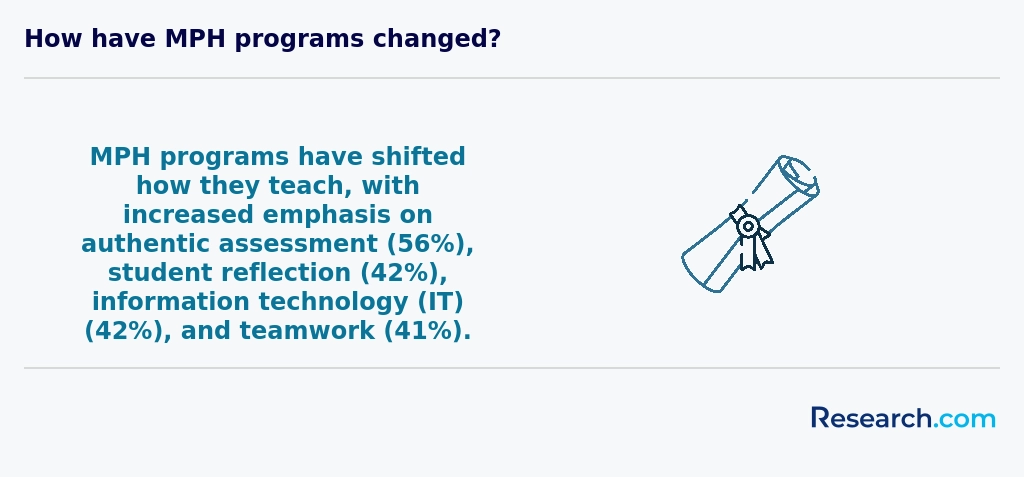
As the healthcare landscape continues to evolve, public health programs in Idaho are embracing innovative trends that shape both academic training and career opportunities. Institutions are rapidly integrating advanced technologies like telehealth, data analytics, and digital health tracking into their curricula to better prepare students for modern challenges. These emerging trends not only ensure that future professionals stay ahead of global health issues but also foster interdisciplinary research and community-driven solutions within the state. For students seeking a balance between quality education and affordability, it’s essential to stay updated on programs that offer competitive pricing and innovative learning experiences. In fact, you might want to explore the cheapest public health programs in idaho that are setting benchmarks for academic excellence. By keeping an eye on developments such as increased emphasis on health informatics, personalized learning experiences, and hands-on community engagement, prospective students can make informed decisions that align with both their career goals and the future demands of public health. Staying informed about these trends provides a strategic advantage, ensuring that your education remains relevant and impactful in addressing contemporary health challenges.
Imagine securing your public health degree in Idaho without the heavy burden of tuition costs weighing you down. Many students at Boise State University and the University of Idaho find financial aid to be a gateway to this dream. Federal aid, accessed through the FAFSA, opens doors to Pell Grants worth up to $7,395 a year, providing crucial support without the pressure of repayment.
State-level opportunities add extra sparkle, with scholarships like Idaho's Opportunity Scholarship offering between $1,000 and $4,000 annually to those pursuing in-demand fields like public health. Graduates often recall how these grants, alongside the Idaho College Assistance Program, transformed their educational journey by easing financial worries.
Boise State and the University of Idaho also shine with merit- and need-based scholarships tailored for health sciences students, sometimes covering full tuition. Plus, the excitement of programs like Public Service Loan Forgiveness keeps hope alive for those dreaming of impactful public health careers while erasing loan debt after ten years of service.
Employer tuition reimbursements further fuel this adventure, especially for healthcare workers ready to grow in Idaho's vibrant public health community.
Diving into public health programs in Idaho means preparing with the right academic foundation. Graduates from Boise State University often recall starting with solid basics like biology, chemistry, and math-courses that illuminate the real-world science behind health policies and community wellness. Imagine tackling data analysis in statistics classes just as you would interpret health trends affecting local neighborhoods.
For those aiming higher, such as the Master of Public Health at the University of Idaho, the journey includes proving your readiness through GRE scores, letters of recommendation, and personal statements that share your passion for making a difference. Some graduates speak about how their prior experience working in community clinics or healthcare admin shaped their applications and gave them a leg up in this competitive field.
Whether coming straight from high school or stepping up from a related bachelor's degree, Idaho's programs warmly welcome motivated individuals ready to explore innovative solutions to statewide health challenges. The prerequisites aren't just hurdles-they're gateways to an exciting public health adventure.
Understanding the return on investment (ROI) of a Public Health degree in Idaho involves examining alumni outcomes, career trajectories, and long-term earnings. Graduates from Boise State University, Idaho State University, and the University of Idaho consistently report strong job placement rates, with over 85% securing full-time roles within six months of graduation. Here’s a closer look: • Job Placement and Career Growth - Average placement rate: 88% within six months - Most common entry-level roles: Community Health Worker, Health Educator, Environmental Health Specialist - Mid-career advancement: 60% of alumni move into management or specialist positions within five years • Salary Progression - First-year median salary: $52,000 - Five-year median salary: $74,500 - Top 10% of alumni in specialized roles (e.g., Occupational Health and Safety) earn over $95,000 annually • Debt-to-Earnings Ratio - Average student loan debt at graduation: $28,000 - Debt-to-earnings ratio: 0.38, well below the national average of 1.0, indicating a favorable ROI • Continued Professional Development Many graduates enhance their skill set by integrating digital health competencies. For example, those interested in designing and managing health information systems often consult resources on health informatics career requirements to align their credentials with industry standards, boosting both employability and earning potential. • Employer Partnerships and Networking Universities in Idaho maintain strong ties with local health departments, non-profits, and research institutions. Over 70% of internships convert into paid positions, and alumni networks facilitate mentorship programs, webinars, and job fairs tailored to public health professionals. Assessing program ROI helps prospective students make data-driven decisions. By evaluating placement rates, salary data, and professional development opportunities, you can choose a Public Health degree program in Idaho that delivers both meaningful impact and financial value.
Diving into a public health degree in Idaho means immersing yourself in courses that bring the theory of community wellness to life. Imagine studying epidemiology at Boise State University, where graduates recall unraveling mysteries of disease spread to protect Idaho's rural towns. Biostatistics classes turn puzzling numbers into stories about real people's health challenges, making data feel like a powerful tool rather than just charts.
Environmental health courses at Idaho State University offer hands-on learning about how Idaho's mountains and farmlands affect well-being-graduates often mention exciting fieldwork that deepened their commitment to protecting natural surroundings. Health policy and management classes uncover the behind-the-scenes workings of Idaho's healthcare system, inspiring students to dream of improving rural health access.
Social and behavioral sciences add another layer, showing how habits and choices shape health outcomes, a topic classmates passionately explored through community outreach projects. Many students cherish courses on ethics and global health perspectives, broadening their vision beyond Idaho while staying rooted in local impact.
Exploring a public health degree specialization in Idaho offers an exciting journey through fields tailored to tackle real-world challenges. Graduates from Boise State University often recall how the Epidemiology track empowered them to analyze disease patterns in rural areas, directly impacting local healthcare strategies. Another thriving focus is Health Policy and Management, where students learn to reshape healthcare access in remote Idaho communities-this path brings a sense of purpose in improving lives through policy.
Environmental Health captivates those drawn to Idaho's natural beauty, with students engaging in projects related to water and air quality. Community Health and Health Promotion specializations inspire graduates to create grassroots programs combating chronic diseases and substance abuse, helping neighbors thrive. Many Idaho public health degree specializations include options like Biostatistics and Global Health as well, depending on the university.
For those interested in combining technology with health, programs often link to health informatics career requirements, blending data skills with public health expertise in Idaho's evolving landscape. This variety makes Idaho public health career options adventurous and deeply rewarding.
Choosing the best public health degree in Idaho means diving into programs that resonate with your ambitions and lifestyle. Graduates from Idaho State University often highlight how CEPH accreditation gave their degrees credibility, opening doors in local health departments. Meanwhile, Boise State University students appreciate specializations that address Idaho's rural health challenges, making their studies feel meaningful and directly applicable. When hunting for the best public health programs Idaho cost is a natural concern; state universities often offer affordable public health degrees Idaho students find manageable, especially with scholarships and assistantships.
Imagine juggling work and study-many Idaho programs provide flexible online or hybrid options suited for busy lives. One graduate mentioned how hands-on internships through local health agencies turned theory into real-world impact, cementing their passion for community health. If time is tight, consider exploring options like a 1 year masters degree online that blends convenience with quality education.

Graduates exploring public health career opportunities in Idaho often find themselves drawn to roles that blend community engagement with real-world impact. Working as an epidemiologist, for instance, places you on the frontline of understanding and managing disease patterns across Idaho's diverse landscapes, from urban centers to vast rural areas. Graduates from popular institutions like the University of Idaho describe how their academic experiences uniquely prepared them for challenges such as rural healthcare access and infectious disease monitoring.
Others passionate about community wellness take on jobs with public health degree Idaho that involve health education or outreach, crafting programs that tackle nutrition, substance abuse, and mental health. These roles bring true satisfaction as professionals witness the ripple effect of their work improving lives in familiar neighborhoods. Students often cite hands-on projects connecting classroom theory with Idaho's specific public health needs.
For those with a knack for leadership and organization, healthcare administration offers a vibrant path, managing facilities that serve growing rural populations. Environmental health is another dynamic field, where graduates help safeguard natural resources-a key concern in Idaho's agricultural and outdoor-loving communities.
If you're just starting to explore your options, Idaho's affordability and diverse local opportunities make public health a promising adventure. Many students benefit from attending open admissions colleges to begin their journey with flexibility and support.
Graduates with a public health degree in Idaho step into an expanding landscape of opportunity and meaningful impact. With the Idaho Department of Labor projecting a 16% growth in job openings for health educators and community health workers between 2020 and 2030, the public health job opportunities in Idaho are not just promising, but vibrant. Imagine joining a local health agency or nonprofit in Boise, applying skills learned at universities like Boise State or the University of Idaho to real-world challenges such as disease prevention and emergency preparedness.
Many graduates share that the combination of Idaho's affordable programs-where tuition ranges from $7,000 to $9,000 annually-and the chance to serve diverse communities creates a rewarding career start. The Idaho public health degree employment outlook sparks enthusiasm, as entry-level salaries range between $40,000 and $50,000, balanced by the state's lower cost of living.
For those curious about continuing education, exploring the online phd cost in public health offers further adventure. Graduates often find rural health roles especially exciting, where employment initiatives foster both professional growth and community well-being.
2027 Best Public Health Degree Programs Ranking in Idaho
Investing in your education is a significant decision that can shape your future, and the Research.com team understands the importance of making informed choices. To assist prospective students in Idaho, we have meticulously crafted the 2027 Best Public Health Degree Programs Ranking in Idaho. Our commitment to quality, credibility, and accuracy is reflected in the extensive research and analysis conducted to compile this ranking.
We utilized the following reputable data sources to ensure a comprehensive evaluation of public health programs:
By exploring this ranking, readers will gain valuable insights into the best public health degree programs available in Idaho, helping them make well-informed decisions about their educational paths. For more details on our methodology, please visit our Research.com methodology page.


# 4 position
Idaho State University
Master of Public Health

Frequently Asked Questions About public health
Public health degree students in Idaho can maximize their learning experience by engaging actively with local health organizations and community programs. Idaho's public health challenges, such as rural health access and rising chronic diseases, provide real-world contexts for applied learning. Students should seek internships or fieldwork opportunities with the Idaho Department of Health and Welfare or nonprofit agencies. According to the Idaho Office of Rural Health, participation in experiential learning boosts job readiness by 40%.
Additionally, Idaho public health programs often emphasize interdisciplinary collaboration, preparing students for diverse roles. Taking advantage of research projects focused on regional issues, such as opioid use and mental health, helps deepen understanding while making a community impact.
Emerging niches within the public health field reflect the evolving health challenges facing Idaho and the broader United States. One growing area is rural health equity, addressing disparities faced by Idaho's widespread rural communities. Specialists focus on improving access to care and chronic disease prevention in these underserved areas.
Another important niche is environmental health, specifically related to Idaho's natural resource management and the impact of climate change on public well-being. Professionals in this area work to mitigate health risks from pollution and environmental hazards.
Data analytics and health informatics also are expanding rapidly. The demand for experts who can analyze health data to guide policy and program decisions has increased, as digital health initiatives gain traction in Idaho's health systems.
The Idaho Department of Health and Welfare reports steady growth in jobs related to behavioral health, emphasizing mental health services integrated with general public health programs. This shows a trend toward holistic approaches in managing community health.
To prepare for the job market after completing a public health degree in Idaho, students should focus on gaining practical experience through internships or volunteer work. The Idaho Department of Health and Welfare offers opportunities that help build relevant skills and professional networks. Additionally, obtaining certifications such as Certified Health Education Specialist (CHES) can enhance employability. Understanding Idaho's specific public health challenges, like managing rural health disparities and infectious disease control, is crucial. According to the Idaho Office of Workforce Development, public health jobs in the state are projected to grow by 10% by 2030, highlighting increasing demand for qualified professionals.
Employers in Idaho prioritize several key skills when hiring public health degree graduates. Strong analytical abilities are essential for interpreting health data and guiding community health initiatives. Communication skills, both written and verbal, enable professionals to educate diverse populations effectively.
Knowledge of local health challenges, such as rural healthcare access and chronic disease prevention, is highly valued, reflecting Idaho's unique public health landscape. Proficiency in epidemiology and program planning helps graduates develop evidence-based interventions.
Familiarity with health policy and grant writing also enhances job prospects, as many roles involve securing and managing funding.
According to the Idaho Department of Health and Welfare, these skills directly contribute to improving statewide health outcomes.
Finding internships in Idaho related to public health involves several practical steps for students. Start by exploring opportunities at local public health agencies such as the Idaho Department of Health and Welfare, which frequently offers internships focused on vital issues like disease prevention and community health promotion.
Many universities in Idaho with public health programs have partnerships with organizations including hospitals, nonprofit groups, and government agencies. Contact your school's career services or public health department to access tailored internship listings and advisement.
Additionally, platforms like Handshake and the Idaho Public Health Association's website may list internships specifically targeting Idaho public health students.
Networking through local health conferences and volunteering can also open doors. Given Idaho's growing focus on rural health improvements, internships often emphasize community-based work.
A public health degree in Idaho significantly enhances career mobility and advancement opportunities. Graduates often qualify for diverse roles in government agencies, hospitals, and nonprofit organizations. The Idaho Department of Health and Welfare employs many public health professionals, offering pathways for promotion based on education and experience.
According to the U.S. Bureau of Labor Statistics, Idaho's health education and community health jobs are projected to grow about 11% through 2031, faster than average. This growth increases demand for qualified candidates with public health degrees.
Advanced degrees, such as a Master of Public Health (MPH), commonly lead to leadership positions with higher salaries and influence in shaping public health policies statewide.
Studying for a public health degree in Idaho offers a broad foundation essential for interdisciplinary roles across healthcare, policy, and community services. Idaho's programs emphasize collaboration between fields such as epidemiology, environmental health, and health education, reflecting the state's unique health challenges like rural healthcare access and infectious disease management.
Many Idaho public health curricula incorporate hands-on experiences with local health departments and organizations. This practical training prepares students to coordinate efforts among medical professionals, policymakers, and social services.
According to the Idaho Department of Health and Welfare, graduates trained in interdisciplinary approaches are better equipped to address diverse health issues affecting Idaho's population of over 1.9 million.
When deciding between a thesis and a non-thesis public health degree program in Idaho, students should consider their career goals and learning preferences. A thesis option typically involves conducting original research and writing a detailed paper, which is ideal for those planning to pursue doctoral studies or research-focused roles. Non-thesis programs usually require more coursework and practical experiences, appealing to professionals seeking leadership or applied public health positions.
According to the Idaho Department of Health and Welfare, Idaho faces unique rural health challenges, making applied skills valuable. Choosing a program that aligns with these local needs can enhance job prospects within the state.
Additionally, thesis students may need to allocate extra time for research, while non-thesis students might finish their degrees faster, which is a practical consideration. Checking program requirements at Idaho universities helps ensure the choice fits one's academic and professional plans.
Students based in Idaho who wish to study public health abroad often explore opportunities through their home institutions. Several Idaho universities with public health programs, such as Idaho State University, offer study abroad partnerships enabling students to gain international field experience or take courses related to global health.
These programs typically last from a few weeks to a full semester and focus on areas like epidemiology, health policy, and community health interventions. The Council on Education for Public Health (CEPH) accredits many U.S.-based programs, ensuring quality and facilitating transferable credits.
While Idaho itself does not host international campuses, students can access scholarships and exchange programs through national organizations supporting public health education abroad.
Students pursuing public health degrees in Idaho can benefit from part-time roles that enhance their practical knowledge. Positions such as community health workers, health educators, and research assistants are commonly available through local health departments and universities. According to the Idaho Department of Health and Welfare, these roles often provide exposure to epidemiology, data collection, and health promotion activities.
Additionally, part-time employment in non-profits focused on rural health or disease prevention can build relevant skills. The U.S. Bureau of Labor Statistics notes Idaho's health education and community health workforce is expected to grow by 12% through 2030, increasing opportunities for students.
Public health students in Idaho benefit from numerous networking opportunities that connect them with local professionals and organizations. The Idaho Public Health Association (IPHA) hosts regular events, workshops, and an annual conference that encourage networking among students, faculty, and practitioners. These gatherings offer a platform to meet public health leaders and explore career paths.
Additionally, Idaho's universities often partner with regional health departments and non-profits, providing internships that foster professional relationships. Students can also join student-led public health clubs, which frequently invite guest speakers from the Idaho Department of Health and Welfare.
Data from the Bureau of Labor Statistics reveals growing demand for public health roles in Idaho, emphasizing the importance of strong professional networks.
Alumni networks significantly benefit public health degree students in Idaho by providing valuable professional connections. These networks often include graduates working in Idaho's health departments, hospitals, and nonprofit organizations, offering mentorship and career guidance.
Engaging with alumni can open doors to internships and job opportunities within the state's growing public health sector. For example, Idaho Bureau of Vital Records and Health Statistics frequently collaborates with local universities' alumni to recruit talent.
Moreover, alumni events and online groups foster knowledge sharing about emerging public health challenges in Idaho, such as rural health disparities and increasing chronic disease rates. This support builds student confidence and enhances employment prospects.
Customizing a public health degree in Idaho allows students to align their education with specific career goals. Many Idaho schools, like Boise State University, offer flexible curricula including concentrations in epidemiology, health promotion, and environmental health. This helps students build expertise in areas where Idaho faces unique challenges, such as rural health disparities and workforce shortages.
Students can also choose from a variety of elective courses, internships, and research projects tailored to local public health needs. Idaho's emphasis on community-based learning supports practical experience, preparing graduates for roles in government agencies, nonprofits, or private sectors.
Additionally, Idaho's public health programs often collaborate with the Idaho Department of Health & Welfare, providing networking and mentoring opportunities to further career aims.
Public health students in Idaho often face challenges related to limited local resources for practical experience. Idaho's rural nature means fewer large public health organizations and agencies compared to more populous states. This can constrain internship and networking opportunities crucial for hands-on learning and future employment.
Additionally, geographic isolation poses difficulties in accessing specialized courses or faculty expertise that urban centers typically offer. Students sometimes need to rely on online classes or travel long distances to attend workshops and seminars.
Financial constraints also affect many Idaho students. According to the Idaho Department of Health and Welfare, state health funding is comparatively lower, which can impact scholarships or state-supported education grants for public health programs.
With a public health degree in Idaho, you can pursue several professional certifications that enhance your career prospects. A common certification is the Certified in Public Health (CPH) credential, offered by the National Board of Public Health Examiners. It demonstrates knowledge in core public health areas and is valued by employers nationwide, including Idaho's health agencies.
In Idaho, many public health graduates also pursue certifications like the Certified Health Education Specialist (CHES), which focuses on health promotion and community education. Additionally, for those interested in emergency preparedness, the Certified Emergency Manager (CEM) is another valuable credential.
According to the Idaho Department of Health and Welfare, certified professionals tend to have higher job placement and leadership opportunities in local public health departments.
Writing a winning application for a public health program in Idaho requires clear communication of your passion and relevant experience. Highlight any community involvement or work in local health initiatives, as Idaho values candidates with practical insight into regional health challenges. According to the Idaho Department of Health and Welfare, public health priorities include rural health access and chronic disease prevention, so addressing how you will contribute to these areas can strengthen your application.
It is essential to provide a well-structured personal statement that connects your goals with the program's aims. Ensure your academic records and test scores meet the specific program requirements, and secure strong recommendation letters from professionals familiar with your skills. Demonstrating an understanding of Idaho's unique public health landscape will help your application stand out.
Public health careers are increasingly viewed through a global lens, emphasizing the interconnectedness of health challenges. Graduates with a public health degree from Idaho institutions can engage in efforts to address pandemics, chronic diseases, and environmental health issues worldwide. The United States, including Idaho, collaborates with organizations like the World Health Organization to align local practices with global standards.
According to the Idaho Dept. of Health and Welfare, Idaho's public health workforce is growing steadily, reflecting a broader national trend. Professionals trained in Idaho have opportunities to contribute in international settings, leveraging skills in epidemiology, health policy, and community health education.
This global perspective enhances career flexibility, allowing Idaho-trained graduates to work in diverse roles from rural health initiatives to global disease prevention programs.
Gaining practical experience while studying for a public health degree in Idaho is essential for career readiness. Many Idaho universities and colleges offer internship programs through partnerships with local health departments, hospitals, and community organizations. For example, the Idaho Department of Health and Welfare provides internship opportunities that allow students to work on real public health issues like infectious disease control and health promotion.
Students can also volunteer with state initiatives targeting rural health disparities, a significant concern in Idaho's diverse communities. According to the Idaho Bureau of Labor Statistics, hands-on internships boost employability in the state's growing public health sector.
Additionally, some programs include practicum requirements, ensuring students gain supervised, applied experience before graduation.
Choosing the right concentration within a public health degree program in Idaho involves understanding your career goals and the state's health priorities. Idaho's public health challenges include rural healthcare access and chronic disease management, making fields like epidemiology and health policy highly relevant.
Students should review program offerings at Idaho universities, such as Boise State University or the University of Idaho, which may focus on community health, environmental health, or health promotion. Checking faculty expertise and local internship opportunities can guide your choice.
Consult state health data from the Idaho Department of Health and Welfare to align your concentration with current needs and job market trends.
- 2027 Best Public Health Degree Programs Ranking in Washington
- 2027 Best Public Health Degree Programs Ranking in Minnesota
- 2027 Best Public Health Degree Programs Ranking in Louisiana
- 2027 Best Public Health Degree Programs Ranking in Mississippi
- 2027 Best Public Health Degree Programs Ranking in Michigan
- 2027 Best Public Health Degree Programs Ranking in Indiana
- 2027 Best Public Health Degree Programs Ranking in Alabama
- 2027 Best Public Health Degree Programs Ranking in Florida
- 2027 Best Public Health Degree Programs Ranking in Maryland
- 2027 Best Public Health Degree Programs Ranking in Connecticut
- Public Health Jobs | How to Boost Your Public Health Experience When Starting Out https://publichealthjobs.co.uk/blog/how-to-boost-your-public-health-experience-when-starting-out
- 2025 Most Affordable Online MPH Programs https://www.onlineu.com/most-affordable-colleges/public-health-masters-degrees
- Steps to take when applying for a graduate program | PH SPOT https://phspot.org/how-i-think-i-got-into-grad-school/
- Engaging students through service-learning opportunities in public health https://sneb.org/engaging-students-through-service-learning-opportunities-in-public-health/
- Public Health Degrees & Careers | How To Work In Public Health https://www.learnhowtobecome.org/medical-health-careers/public-health/
- Public Health: A Global Perspective https://www.routledge.com/Public-Health-A-Global-Perspective/Singh/p/book/9781032644226
- Public Health https://careerpath.byupathway.edu/careers/public-health
- Students and Alumni associations - Europubhealth https://www.europubhealth.org/students-alumni-associations/
- Today’s Guide to Public Health Certifications https://www.publichealthdegrees.org/resources/public-health-certifications/
- A Global Health Immersion Program for Nursing and Public Health Students | Annals of Global Health https://annalsofglobalhealth.org/articles/10.5334/aogh.4746