2027 Most Valuable Public Health Degree Programs Ranking in Ohio

Co-Founder and Chief Data Scientist
Choosing the right public health degree program can shape your future in meaningful ways. This article introduces the 2027 Most Valuable Public Health Degree Programs Ranking in Ohio, developed by the Research.com team of data scientists. It's designed to guide students like you toward programs that offer strong value and opportunities.
By exploring this ranking, you'll gain insights to make an informed decision. Pursuing a public health degree opens doors to impactful careers that improve communities and promote wellbeing. Discover the programs that align with your goals and aspirations.
Key benefits of getting public health degree in Ohio
- Salary: Graduates with a public health degree in Ohio can earn competitive salaries, such as $52,610 annually for Community Health Workers and up to $86,710 for Environmental Health Specialists, highlighting the financial rewards in this field.
- Career Paths: Ohio public health graduates often pursue diverse roles in community health, health education, and occupational safety, offering impactful opportunities across healthcare and government sectors.
- Online Degree Benefits: Earning a public health degree online in Ohio provides flexibility and convenience, allowing students to balance work and study while gaining the same respected credentials as traditional programs.
- 2027 Most Valuable Public Health Degree Programs Ranking in Ohio
- What can I expect from public health degree in Ohio?
- Where can I work with public health degree in Ohio?
What can I expect from public health degree in Ohio?
The average cost of earning a public health degree in Ohio varies depending on the institution and program level, but students often find it manageable relative to the opportunities it provides. For example, graduates from well-known schools like Ohio State University and University of Cincinnati report tuition ranging from $10,000 to $25,000 per year for in-state students, with total costs influenced by program duration and fees. Many find scholarships, assistantships, and internships offered through these universities help lessen financial burdens.
Students commonly share a sense of optimism about investing in their future, especially knowing the degree opens doors to growing public health careers in Ohio's diverse communities. Those enrolled in programs such as the Master of Public Health appreciate the availability of flexible online options, allowing them to balance work and study without sacrificing quality.
Hands-on experiences involving local health departments and real-world projects help many students feel deeply connected to Ohio's health challenges, making the cost of education feel worthwhile and motivating their commitment to community impact.
Where can I work with public health degree in Ohio?
Graduates from public health programs at Ohio State University or Kent State University often find themselves stepping into roles where their work directly impacts community wellness, such as designing health education campaigns or managing outbreak responses. Many feel excited by the chance to work with the Ohio Department of Health, developing policies that protect entire populations. A common story is of graduates helping shape local health initiatives in Columbus or Cleveland, applying what they learned in classrooms to real-world challenges.
Others imagine careers in healthcare systems like the Cleveland Clinic, where managing infection control protocols feels like a crucial and rewarding mission. Non-profit organizations in Ohio offer passionate graduates opportunities to champion causes like addiction recovery and health equity, bringing hope to underserved neighborhoods. Graduates frequently describe their time at Ohio universities as inspiring, where collaborations with researchers on rural health projects open doors to new innovations.
Looking ahead, the increasing integration of data analytics and technology in public health roles across private sectors suggests future graduates could create more personalized wellness programs and advance health communication strategies statewide, fueling both professional growth and community impact.
Graduates from public health programs in Ohio, such as those at Ohio State University or University of Cincinnati, often find rewarding career opportunities with competitive salaries. Entry-level roles like Community Health Workers typically start around a mean annual wage of $52,610, offering a solid foundation for those fresh out of school. Health Educators, a common path for public health graduates, earn significantly more with mean salaries near $69,790, reflecting both the impact and responsibility of their work.
More specialized positions such as Environmental Health Specialists and Occupational Health and Safety Specialists command even higher earnings, with average annual wages of $86,710 and $85,570 respectively. Graduates often describe feeling motivated by the real-world impact of their roles, especially when working in places like Cleveland or Columbus where public health demand is rising.
Many Ohio public health alumni find value in certifications and continued education to boost their earning potential. The evolving healthcare landscape and growing emphasis on preventive care suggest salary growth and exciting career developments are likely in the near future, making a public health degree a promising investment in Ohio's dynamic job market.
- Ohio offers public health programs accredited by the Council on Education for Public Health at bachelor's, master's, and doctoral levels.
- In-state tuition for undergraduate public health degrees at public universities ranges from $10,000 to $15,000 per year.
- Graduate public health programs cost between $20,000 and $35,000 for in-state students, with private colleges sometimes charging over $40,000.
- Ohio's public health job market is expected to grow about 5% from 2022 to 2032 for health educators and community health workers.
- Starting salaries average $45,000 for bachelor's graduates and $55,000 to $60,000 for those with a master's in public health.
- Experienced public health professionals can earn $75,000 or more within 5 to 10 years, working in roles like epidemiologist, health educator, or public health analyst.
Completing a public health degree in Ohio typically fits within clear timelines, but emerging trends are reshaping these expectations. Graduates from Ohio State University and University of Cincinnati often recall their four-year full-time BSPH journey as both intense and rewarding, blending core sciences with hands-on community projects that made learning vibrant and relevant.
For those pursuing an MPH, the two-year traditional path remains common, yet accelerated programs have empowered some enthusiastic learners to graduate within 12 to 18 months. Imagine juggling a fast-paced schedule while applying public health principles directly to real-world challenges-a thrilling yet demanding experience that many find deeply fulfilling.
Ohio's expanding online and part-time options reflect a growing trend for flexibility, allowing working professionals to stretch their studies over three or more years without sacrificing career growth. Doctoral candidates at Kent State University often embark on a four-to-six-year journey filled with groundbreaking research and personalized mentorship, fueling a profound sense of accomplishment and contribution.
These shifting durations highlight Ohio's commitment to adapting education to diverse lifestyles while maintaining rigorous public health standards.
As you pursue a Public Health degree in Ohio, leveraging networking and career development resources is key to maximizing your potential. Engaging with alumni associations, attending job fairs, and seeking targeted internships can provide firsthand insights into your field while building valuable professional connections. Students should explore mentorship programs offered by many institutions-these initiatives help bridge the gap between academic learning and real-world challenges. Additionally, participating in regional conferences and online forums can further enhance your understanding of emerging public health trends and employment opportunities. For instance, integrating your education with practical experiences at the most affordable public health schools in ohio can significantly ease the transition from the classroom to a fulfilling career. Emphasizing continuous learning through webinars and professional workshops not only strengthens your resume but also ensures you remain competitive in this evolving industry.
Ohio public health students often weigh the contrast between online and on-campus programs, and both offer unique advantages that shape their experiences. Graduates from Ohio State University who chose on-campus study frequently share how engaging face-to-face discussions and hands-on internships at nearby health research centers deepened their understanding and fueled their passion for community impact. Meanwhile, online students balance careers and family by accessing lectures anytime, from anywhere-whether they live in Cleveland or a rural small town-praising the flexibility that lets them study without sacrificing daily responsibilities.
The evolving digital platforms make online learning more interactive, bridging gaps with virtual simulations and peer forums, but on-campus learners at institutions like the University of Cincinnati often mention the energizing atmosphere of campus networking events and spontaneous collaborations. Cost remains comparable, though online students appreciate savings on commuting and campus fees. Both paths maintain rigorous CEPH accreditation, ensuring Ohio's future public health workforce is well-prepared no matter how they learn, ultimately reflecting the state's commitment to accessible and quality education.
The average cost of a public health degree in Ohio generally centers around $13,976 for in-state students, making it a manageable investment for those committed to improving community health. Graduates from Ohio State University's College of Public Health often share how their tuition, close to this median, allowed them to focus deeply on their studies without overwhelming financial stress. For many, this balance between cost and quality education fosters a strong sense of optimism and motivation throughout their academic journey.
Out-of-state students and those attending private institutions face a higher total cost, commonly around $35,692. Despite these higher prices, many students find the experience rewarding, citing valuable networking opportunities and diverse coursework that justify the investment. Looking ahead, emerging trends suggest flexible program structures, like online MPH degrees, may help reduce costs while maintaining educational rigor. Those interested in learning more about the average cost of public health degree in Ohio might explore options offered by the most affordable public health schools in ohio, which can provide both excellent training and financial advantages.
Students also consider expenses beyond tuition, such as fees, books, and living costs, which can add $5,000 to $8,000 annually. Many find that scholarships, assistantships, and federal aid play a crucial role in managing these costs, enabling them to pursue their passions with less financial anxiety. This mix of predictable tuition and available support encourages a hopeful outlook among current and prospective students in Ohio's public health programs.

Calculating the return on investment (ROI) for a Public Health degree in Ohio involves comparing total tuition expenses with projected career earnings. In-state tuition for top programs like Ohio State University’s MPH averages around $12,000 per year, while the University of Cincinnati offers online options near $7,500 annually. With most master’s programs requiring 45 credit hours, total tuition can range from $22,500 to $36,000. When juxtaposed against median salaries-$66,710 for Health Educators and $83,820 for Environmental Health Specialists-the break-even point often occurs within two to three years post-graduation, depending on specialization and employment sector. Beyond tuition, students should factor in ancillary costs such as textbooks, technology fees, and living expenses. Many graduates leverage stipend-supported internships or graduate assistantships that offset these costs, effectively lowering their total investment. Additionally, accelerated online formats can reduce time-to-degree, enabling professionals to return to the workforce sooner and start earning earlier. Prospective students must evaluate these variables to optimize their personal ROI and career trajectory. For further perspective on cost-effective pathways, consider how regional tuition differences can impact long-term earnings. Reviewing the Inexpensive Online Public Health Degree Programs Ranking in Alabama highlights alternative models where program costs are significantly lower, offering benchmarks for maximizing value without compromising on quality. Ultimately, informed decision-making requires balancing upfront costs against expected salary growth, licensure or certification expenses, and professional advancement opportunities. By analyzing these elements, Ohio students can confidently select a program that delivers both academic excellence and strong financial returns.
Students pursuing public health degrees in Ohio frequently find significant financial support through federal Pell Grants, offering up to $7,395 annually, which many alumni from Ohio State University recall as a vital stepping stone. These grants, along with federal student loans featuring low interest rates and flexible repayment options, create accessible pathways for those balancing work and study.
State programs like the Ohio College Opportunity Grant help in-state students at institutions such as the University of Cincinnati reduce tuition burdens, turning dreams of public health careers into reality without overwhelming debt.
Merit-based scholarships from Ohio public health organizations and universities further lift students by recognizing excellence and commitment. Graduate students, especially at research-intensive schools like Case Western Reserve University, often gain assistantships and fellowships, combining tuition waivers with practical research experience, which graduates describe as invaluable for both finances and career readiness.
Looking ahead, more integrated financial advising at these universities promises to personalize aid strategies, giving future Ohio public health students ever-greater confidence in managing costs while focusing on transformative health work.
Deciding between a public health and a health administration degree hinges on your career goals and interests.
- Public Health: Emphasizes disease prevention, community health programs, epidemiology and policy analysis.
- Health Administration: Focuses on healthcare operations, finance, leadership and organizational management (explore health administration degree online).
- Career Paths: Public health graduates work in health education, research and community outreach; administration grads manage hospitals, clinics and health systems.
- Curriculum: Public health programs cover biostatistics, environmental health and social determinants; administration programs include healthcare law, budgeting and strategic planning.
- Skill Set: Choose public health for research, policy and population-level impact; choose administration for management, business acumen and strategic leadership.
Prospective public health students in Ohio are increasingly preparing to meet evolving prerequisites that reflect the region's dynamic healthcare challenges. Graduates from Ohio State University recall how a strong foundation in biology and algebra made early coursework feel approachable, boosting their confidence as they tackled public health concepts. For many undergraduate applicants, having completed high school science and math courses remains a basic expectation, but universities are also starting to value community engagement and problem-solving skills demonstrated through extracurricular activities.
At the graduate level, institutions like Kent State University emphasize not only a relevant bachelor's degree but also practical experience. Graduates often share how volunteer work in local clinics or data collection projects helped them stand out during admissions and shaped their real-world understanding, making their MPH studies feel immediately applicable and rewarding.
Looking ahead, standardized test requirements may continue to relax, while portfolios showcasing professional growth and personal statements reflecting passion for public health could become even more critical. This shift encourages applicants to envision their future role in improving Ohio's health landscape, blending academic readiness with hands-on impact.
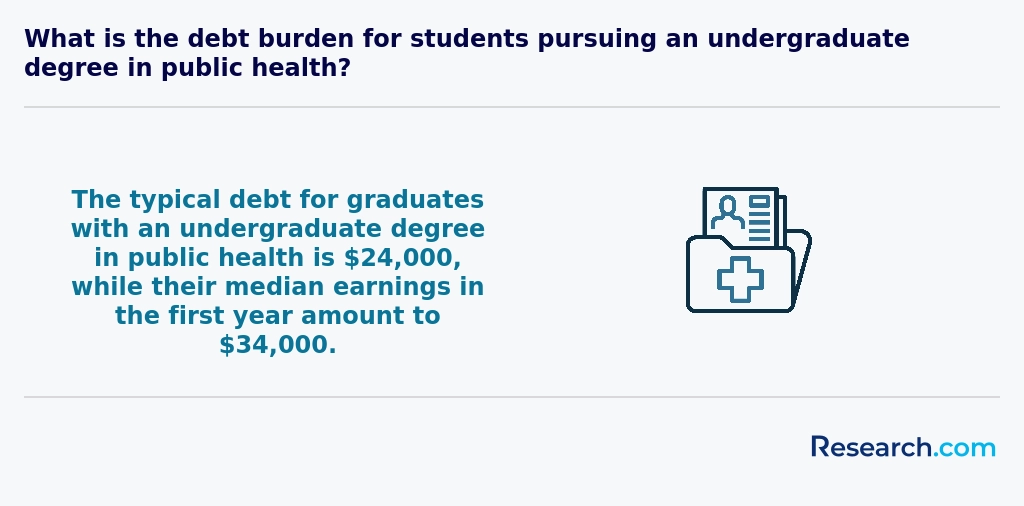
The return on investment (ROI) for a Public Health degree in Ohio is a critical factor for prospective students evaluating program value. Considering tuition rates, fees, and potential earnings, Ohio’s public health graduates often recoup their educational investment within 3–5 years. For example, the average tuition for a four-year Bachelor of Public Health program in Ohio ranges from $10,000 to $28,000 per year for in-state students, while Master of Public Health programs typically cost between $7,000 and $12,000 annually. With a median undergraduate debt of approximately $24,000, understanding how quickly this debt can be offset through career earnings is paramount. Ohio Public Health graduates enter the workforce with competitive salaries. Entry-level Health Educators earn a mean annual wage of around $66,710, and Environmental Health Specialists command nearly $83,820 per year. Occupational Health and Safety Specialists similarly report average salaries of $82,110. Assuming a conservative median salary of $70,000, graduates can expect to cover their $24,000 debt in under two years, making Public Health one of the more financially rewarding liberal-arts disciplines. For those exploring how a Public Health degree ROI compares to allied fields, consider examining the highest paying jobs in medical field, where many roles require public health competencies and offer advanced compensation. Careers such as epidemiologists, healthcare administrators, and biostatisticians not only leverage public health training but also broaden earning potential, further improving long-term ROI. When evaluating programs, prospective students should weigh tuition costs, financial aid opportunities, and projected salary outcomes to make informed decisions. By focusing on both the tangible and intangible benefits-such as community impact and professional fulfillment-a Public Health degree in Ohio presents a robust ROI that aligns financial considerations with meaningful career trajectories.
Students pursuing public health degrees in Ohio often engage deeply with core courses like Biostatistics and Epidemiology, where graduates from Ohio State University recall analyzing real-world health data affecting local communities. These foundational classes equip students with skills to tackle emerging health crises through precise data interpretation and disease tracking.
Courses such as Environmental Health and Health Policy and Management are particularly impactful at institutions like Cincinnati and Cleveland State, where learners explore how evolving policies and environmental changes influence population health. Graduates describe feeling empowered by understanding how to advocate for effective health policies that can transform Ohio neighborhoods.
Social and Behavioral Sciences courses bring human stories into focus, often involving community projects or partnerships with Ohio health departments. Students from Miami University share how these experiences enhanced their empathy and practical skills in supporting diverse groups, preparing them for future leadership in health promotion.
Looking ahead, Ohio public health programs are expected to integrate advanced technology and interdisciplinary electives, expanding opportunities for innovation in areas like global health and digital communication-building on the state's commitment to blending theory with hands-on practice.
In Ohio, public health degree specializations often include Epidemiology, Health Policy and Management, Environmental Health, Community Health Education, and Global Health. Graduates from popular Ohio universities frequently share how studying Epidemiology helped them analyze disease outbreaks in urban and rural settings, making a tangible impact on local communities. This tailored approach shows how Ohio public health program focus areas evolve to meet regional challenges like opioid addiction and disparities in rural healthcare access.
Specializations such as Health Policy attract students passionate about shaping effective health systems, blending classroom learning with real-world internships throughout Ohio's diverse healthcare institutions. Environmental Health students often express enthusiasm about tackling pollution and workplace safety, inspired by Ohio's industrial history and regulatory demands.
Community Health Education graduates emphasize the fulfillment they find creating programs that improve health behaviors directly in Ohio neighborhoods. With growing interest in cross-border health threats, Global Health specialization is becoming increasingly relevant for those envisioning careers beyond state lines. For students considering their future income potential, exploring these fields alongside understanding the highest paying jobs in medical field can provide valuable insight.
Choosing the best public health degree in Ohio means looking beyond simple program rankings to consider real-world impact and future growth. Graduates from institutions like Ohio State University or Kent State reflect on hands-on internships that shaped their confidence and opened local career doors, especially in state agencies and nonprofits. A degree rooted in CEPH accreditation and strong community connections supports this success. Reflect on your own needs: many students now seek programs with flexible online or hybrid options, allowing work-life balance without relocating. With affordable public health degrees Ohio 2027 still emerging as a priority, comparing costs and support resources among Ohio universities becomes crucial for your financial peace of mind. Studying at a place with faculty focused on local health disparities can offer a rewarding chance to make a measurable difference in communities nearby. Students enthusiastic about combining their degree with research may also explore Inexpensive Online Public Health Degree Programs Ranking in Alabama for ideas on cost-effective pathways beyond Ohio.
Graduates with a public health degree in Ohio find themselves at the forefront of dynamic career paths, from epidemiology to health policy. Many graduates from popular programs like those at Ohio State University share how their roles investigating disease patterns, especially amid the opioid crisis, allow them to make tangible impacts in communities. These experiences highlight promising public health career opportunities in Ohio where skills in data analysis and community outreach converge.
Others pursue roles as health educators or community health workers, designing programs that respond to both urban and rural health challenges. Such positions are emphasized by the Ohio Department of Health, shaping a future where robust public wellness initiatives are vital. Graduates often describe the rewarding nature of these jobs and the strong sense of connection to local health improvement efforts.
Additionally, the Ohio public health degree job prospects extend to environmental health specialists and healthcare management, with institutions across the state offering diverse opportunities. For those balancing education with other commitments, finding a top associate degree in 6 months online accredited can complement their public health ambitions and accelerate their entry into Ohio's expanding health sector.
Graduates holding public health degrees in Ohio find a dynamic and promising job market ahead. With institutions like Ohio State University and Case Western Reserve University leading in public health education, many alumni share experiences of seamless entry into roles within state and local government health agencies. The expanding presence of nonprofit organizations and hospitals further diversifies career opportunities, catering to those passionate about community well-being. This growth is a key factor in the optimistic public health job outlook Ohio offers.
Ohio's evolving healthcare landscape encourages graduates to explore specialized fields such as epidemiology and environmental health. Employers in metropolitan areas like Columbus provide vibrant settings for hands-on work in health education and policy development. Many graduates appreciate how practical internships and research projects at Ohio universities prepare them for these challenges, fueling hopeful anticipation for their future impact.
Affordability plays a crucial role, with public universities offering competitive in-state tuition rates, making investment in public health studies accessible. For those considering fast credential-building options, exploring what is the easiest certification to get that pay well can complement their degree path and accelerate career growth.
Increasing health crises and governmental initiatives in Ohio signal sustained demand and expanding roles, spotlighting career opportunities for public health graduates Ohiowide. This momentum inspires many students to envision rewarding paths where they can contribute meaningfully to improving public health outcomes in their communities.
2027 Most Valuable Public Health Degree Programs Ranking in Ohio
Investing in your education is a significant decision that can shape your future, and the Research.com team understands the importance of making informed choices. To assist prospective students in Ohio, we have meticulously crafted the "2027 Most Valuable Public Health Degree Programs Ranking in Ohio." Our commitment to quality, credibility, and accuracy is reflected in the extensive research and analysis conducted to compile this ranking.
We utilized the following reputable data sources to ensure a comprehensive evaluation of public health programs:
By exploring this ranking, readers will gain valuable insights into the most valuable public health degree programs available in Ohio, enabling them to make well-informed decisions about their academic and professional futures. For more details on our methodology, please visit our Research.com methodology page.

.webp)


# 8 position
Bryant & Stratton College-Parma
Bachelor of Science in Public Health


# 20 position
Northeast Ohio Medical University
Master of Public Health

Frequently Asked Questions About public health
Public health degree students in Ohio can maximize their learning experience by engaging in diverse practical opportunities such as internships and community-based projects. Ohio offers numerous partnerships with local health departments and organizations, including the Ohio Department of Health, where students can apply theoretical knowledge in real-world settings.
Participating in research initiatives at universities like Ohio State University or Case Western Reserve is another effective strategy. These programs often focus on pressing health concerns in Ohio, such as opioid addiction and chronic diseases, providing valuable data and experience.
Additionally, students should seek networking opportunities through professional groups like the Ohio Public Health Association. Developing strong connections can enhance career prospects and broaden understanding of public health challenges specific to Ohio.
Emerging niches within the public health field in Ohio reflect evolving health challenges and technological advances. One growing area is health informatics, which combines data analysis with healthcare to improve public health outcomes. Ohio universities increasingly incorporate this specialization to meet industry demand. Another expanding niche is environmental health, focusing on issues like air and water quality, crucial for Ohio's urban and industrial regions. Additionally, epidemiology remains vital, especially with recent attention to infectious disease control. Mental health and substance abuse prevention also gain prominence, aligning with Ohio's efforts to combat opioid addiction, supported by organizations such as the Ohio Department of Health.
To prepare for the job market after earning a public health degree in Ohio, students should start by gaining practical experience through internships or practicums. Many Ohio universities require these, which connect students with local health departments or nonprofit organizations. According to the Ohio Department of Health, networking with public health professionals in Ohio's major cities like Columbus and Cleveland improves job prospects significantly.
Students should also consider obtaining certifications such as Certified Health Education Specialist (CHES), which is recognized nationally and valued by Ohio employers. Staying informed on Ohio-specific health challenges, like the opioid crisis, through state reports can guide job seekers toward in-demand roles.
Additionally, developing skills in data analysis and grant writing is crucial, given rising demand for public health program management in Ohio's growing healthcare sector.
Employers in Ohio seek public health graduates with strong analytical and communication skills. The ability to interpret health data and apply it to community health interventions remains essential. According to the Ohio Department of Health, proficiency in data analysis software and epidemiological methods is particularly valued in local health departments.
Interpersonal skills are also critical, as graduates often collaborate with diverse populations and stakeholders. Leadership and project management capabilities help graduates succeed in coordinating health programs across Ohio's urban and rural regions.
Additionally, knowledge of Ohio's public health policies and experience with grant writing improve job prospects. These skills align with the state's focus on addressing chronic diseases, opioid addiction, and health disparities, as reported by the Ohio Public Health Association.
Finding internships in Ohio relevant to public health degrees involves exploring multiple avenues. Many universities, such as Ohio State University and University of Cincinnati, offer structured internship programs that connect students with local health departments and organizations.
The Ohio Department of Health frequently posts internship opportunities focusing on epidemiology, environmental health, and community outreach. According to the Bureau of Labor Statistics, Ohio's public health sector is expanding, increasing demand for practical experience.
Students should also check professional groups like the Ohio Public Health Association, which often lists internships and volunteer roles. Networking through academic advisors and attending public health conferences in Ohio can further enhance chances of securing internships.
A public health degree in Ohio significantly enhances career mobility and advancement opportunities. Graduates gain skills that are in demand across various sectors, including government agencies, hospitals, and nonprofit organizations. According to the Ohio Department of Health, the need for public health professionals is projected to grow by 12% through 2030, faster than the average for all occupations.
Professionals with advanced degrees, such as a Master of Public Health (MPH), often secure leadership roles in health policy, epidemiology, and community health planning. These positions typically offer higher salaries and more responsibility.
Additionally, Ohio's public health infrastructure supports continuous professional development, which helps graduates stay competitive. Access to local internships and practicum experiences further boosts employability and career progression.
Public health degree programs in Ohio emphasize interdisciplinary training to prepare students for diverse roles across healthcare, policy, and community services. Coursework typically integrates biology, sociology, statistics, and environmental science, allowing students to address health issues from multiple perspectives.
Ohio institutions often partner with local health departments and organizations, giving students hands-on experience in real-world settings. This practical exposure fosters skills in collaboration and systems thinking, key to interdisciplinary work.
According to the Ohio Department of Health, graduates with public health degrees contribute significantly to initiatives in chronic disease prevention and health equity, highlighting the importance of broad skill sets for effective public health practice.
Choosing between a thesis and a non-thesis public health degree program in Ohio depends largely on your career goals and learning preferences. A thesis option usually suits students interested in research or pursuing a PhD, as it involves conducting original research and writing a detailed project. This can enhance analytical skills and may improve chances for academic or research-based jobs.
On the other hand, non-thesis programs typically focus more on practical knowledge and coursework, appealing to those aiming for immediate careers in public health practice, policy, or administration. Ohio's public health job market is growing, with a 7% projected increase through 2030 according to the Ohio Department of Job and Family Services.
Additionally, non-thesis paths often require internships or applied projects, providing hands-on experience. Consider program requirements, faculty expertise, and your long-term plans when deciding. Reviewing specific Ohio university offerings and speaking with academic advisors can also guide your choice.
Students pursuing public health degrees in Ohio have several opportunities to gain international experience through study abroad programs. Many Ohio universities with accredited public health programs partner with institutions overseas, allowing students to engage in global health projects and internships.
For example, Ohio State University offers exchange programs in countries such as Ghana and Ireland, focusing on infectious diseases and community health. These programs enhance students' understanding of public health challenges worldwide and prepare them for diverse careers.
According to the Association of Schools and Programs of Public Health (ASPPH), globally minded graduates have higher employment prospects in Ohio's growing public health sector, which anticipates a 15% job growth through 2030.
Students pursuing public health degrees in Ohio have access to various part-time job opportunities that can enhance their academic experience. Common roles include community health worker, health educator, and research assistant positions. Ohio's healthcare sector employed over 1.2 million workers in 2023, making experiential learning accessible through roles in hospitals, local health departments, and nonprofit organizations, according to the Ohio Department of Job and Family Services.
Part-time work in public health settings provides practical exposure to epidemiology, health promotion, and data analysis. For example, research assistant roles at universities like Ohio State or Cincinnati offer valuable experience with population health studies. These jobs help students develop skills directly applicable to their future careers while balancing coursework.
Public health students in Ohio benefit from multiple networking opportunities that connect them with professionals and peers. Many universities, such as Ohio State University and University of Cincinnati, host events and career fairs specifically for public health majors. These gatherings enable students to engage with local health departments and nonprofit organizations.
Ohio's strong public health infrastructure allows students to intern at places like the Ohio Department of Health, which supports workforce development and networking. Additionally, organizations like the Ohio Public Health Association offer memberships and conferences that facilitate connections.
These opportunities help students build relationships that can lead to job placements and collaborations in a growing state health sector.
Alumni networks provide valuable support to public health degree students in Ohio by fostering connections that can lead to internships and job placements. These networks often include graduates working in state agencies like the Ohio Department of Health, creating direct pathways for mentorship and career guidance.
According to the Ohio Public Health Association, nearly 70% of recent graduates found jobs through alumni referrals or networking events. Engaging with alumni allows students to gain insights into current public health challenges specific to Ohio, such as opioid epidemic responses or chronic disease prevention.
Moreover, alumni networks offer access to professional development opportunities including workshops, conferences, and job fairs tailored for the Ohio public health sector.
Public health degree programs in Ohio offer numerous opportunities to tailor your education according to your career goals. Many institutions provide elective courses and specialized tracks such as epidemiology, health policy, environmental health, and community health. This allows students to focus on areas that align with their professional interests.
Internships and fieldwork opportunities are commonly integrated into curricula, enabling practical experience within Ohio's diverse health departments and organizations. For example, collaborating with the Ohio Department of Health or local health agencies can provide valuable real-world exposure.
Some programs also support dual degrees or certificate options in areas like health informatics or global health, broadening career prospects. According to the Association of Schools and Programs of Public Health, Ohio's multidisciplinary approach prepares graduates for roles in public, private, and nonprofit sectors.
Public health students in Ohio often face several challenges during their academic journey. One common issue is balancing rigorous coursework with practical fieldwork requirements, as many programs demand hands-on experience in local health departments or community organizations. According to the Association of Schools and Programs of Public Health, Ohio students report time management struggles due to these dual demands.
Financial strain is another hurdle. While Ohio offers various scholarships, tuition costs for some public health programs remain high, especially for out-of-state students, which can limit choices and increase debt. Additionally, navigating the evolving landscape of public health amid COVID-19 has introduced complexities in adapting to online learning and shifting practicum opportunities.
Graduates with a public health degree in Ohio have various professional certification options to enhance their careers. One widely recognized credential is the Certified in Public Health (CPH) certification, administered by the National Board of Public Health Examiners. This certification validates expertise and commitment to the field.
Additionally, Ohio public health professionals often pursue certifications like Certified Health Education Specialist (CHES) or Registered Environmental Health Specialist (REHS), which can expand job opportunities in health education and environmental health sectors, respectively.
According to the Ohio Department of Health, these certifications improve employability in state and local health departments, where public health roles are expected to grow by 16% through 2030, mirroring national trends from the U.S. Bureau of Labor Statistics.
To write a winning application for a public health program in Ohio, start by carefully researching each university's specific requirements. Emphasize your passion for community health, using concrete examples such as volunteer work or internships in Ohio's extensive public health networks. Programs like those at Ohio State University commonly seek clear career goals and evidence of leadership.
Highlight relevant academic achievements, especially in biology, statistics, or social sciences, which are foundational for public health studies. According to the Ohio Department of Health, Ohio faces pressing public health challenges, so demonstrating awareness of these local issues can strengthen your application.
Finally, write a compelling personal statement focused on how you plan to contribute to Ohio's communities, using data and facts to support your commitment.
The field of public health offers a truly global perspective, reflecting how interconnected health challenges have become worldwide. Professionals with public health degrees in Ohio can engage with issues that transcend borders, from infectious diseases to environmental hazards.
According to the Ohio Department of Health, partnerships with international organizations strengthen local responses and provide students with opportunities to work on global health initiatives. U.S. public health graduates often find careers in global agencies like the CDC, WHO, or NGOs focusing on health equity.
This global outlook enhances skills in epidemiology, policy, and communication, making graduates valuable in diverse settings beyond Ohio or the U.S.
Gaining practical experience while studying for a public health degree in Ohio is essential for career readiness. Many Ohio universities offer internships and cooperative education opportunities through partnerships with local health departments, hospitals, and non-profit organizations. For example, the Ohio Department of Health frequently collaborates with students to provide hands-on experience in community health initiatives.
Students can also participate in service-learning projects that address public health challenges specific to Ohio, such as opioid crisis response and infectious disease control. According to the Bureau of Labor Statistics, Ohio's healthcare sector employs over 300,000 professionals, creating numerous opportunities for real-world exposure.
Further, students may engage in research projects, often guided by faculty members, to work on data analysis and public health policy development. These practical experiences complement classroom learning and build valuable skills for future public health careers.
Choosing the right concentration within a public health degree program in Ohio involves assessing your career goals and regional health priorities. Ohio's public health challenges include chronic diseases, substance abuse, and maternal health, which influence demand for specialists in epidemiology, health policy, and community health (Ohio Department of Health, 2023).
Students should consider concentrations that align with local workforce needs. For example, Ohio's opioid crisis increases job prospects in addiction and behavioral health. According to the Bureau of Labor Statistics, Ohio expects a 10% growth in public health jobs through 2030.
Additionally, evaluate program accreditation and partnerships with local health departments to gain practical experience. Concentrations with strong fieldwork components often enhance employability in Ohio's diverse health agencies.
- 2027 Most Valuable Public Health Degree Programs Ranking in Indiana
- 2027 Most Valuable Public Health Degree Programs Ranking in Missouri
- 2027 Most Valuable Public Health Degree Programs Ranking in Georgia
- 2027 Most Valuable Public Health Degree Programs Ranking in Alabama
- 2027 Most Valuable Public Health Degree Programs Ranking in Arkansas
- 2027 Most Valuable Public Health Degree Programs Ranking in Florida
- 2027 Most Valuable Public Health Degree Programs Ranking in Connecticut
- 2027 Most Valuable Public Health Degree Programs Ranking in Minnesota
- 2027 Most Valuable Public Health Degree Programs Ranking in Arizona
- 2027 Most Valuable Public Health Degree Programs Ranking in Idaho
- Medical University of GdaÅsk https://publichealth.mug.edu.pl/
- What do you learn in a bachelor's in public health? | edX https://www.edx.org/resources/what-do-you-learn-in-a-bachelors-in-public-health
- Online Degrees https://www.publichealthdegrees.org/online/
- For Academic Public Health https://globalnetworkpublichealth.org/
- Public Health Salaries: What Can You Earn with an MPH? https://masterspublichealth.com/masters-in-public-health-salary/
- Work Experience Opportunities - Everyone Health Careers https://careerseveryonehealth.co.uk/work-experience/
- Areas in Public Health https://www.publichealthcareers.org/areas-in-public-health.html
- Public Health Challenges – IPA SDG Dashboard https://sdg.internationalpublishers.org/sdgaction/public-health-challenges/
- Public Health https://disabroad.org/program/public-health/
- Letter of Intent for Admissions to Masters of Public Health - how this program fits to my goals? https://essayforum.com/graduate/intent-admissions-masters-public-health-64817/