
2027 Fastest Online Bachelor's in Public Health Degree Programs Ranking in Ohio

Co-Founder and Chief Data Scientist
Choosing the right online public health degree can feel overwhelming, especially when time is a priority. This article introduces the 2027 Fastest Online Bachelor's in Public Health Degree Programs Ranking in Ohio, developed by the Research.com team of data scientists to guide students toward smart decisions.
By exploring this ranking, you'll discover programs that balance speed with quality education, helping you launch or advance your career efficiently. Earning a public health degree opens doors to meaningful work that positively impacts communities, making your efforts truly worthwhile.
Key benefits of getting online public health degree in Ohio
- Public health degree graduates in Ohio can expect rewarding salaries, such as $52,610 annually for Community Health Workers and up to $86,710 for Environmental Health Specialists, reflecting strong financial potential in diverse roles.
- Career paths often include roles like Health Educator or Occupational Safety Specialist, with examples showing graduates from Ohio State University securing meaningful jobs that impact community well-being.
- Online public health degrees offer flexibility and convenience, enabling students from places like Cincinnati State to balance work and study while gaining the same respected credentials as traditional programs.
- 2027 Fastest Online Bachelor's in Public Health Degree Programs Ranking in Ohio
- What can I expect from online public health degree in Ohio?
- Where can I work with online public health degree in Ohio?
What can I expect from online public health degree in Ohio?
The average cost of an online public health degree in Ohio varies but generally remains affordable, especially for in-state students. Graduates from institutions like Ohio State University or the University of Cincinnati often mention that tuition rates hover around $10,000 to $15,000 per year for online programs, making it a practical choice. Many Ohio public universities offer competitive in-state tuition, which significantly reduces the financial burden compared to out-of-state options.
Several students share that applying for scholarships and financial aid further eases the expenses, allowing them to focus on balancing work, family, and studies. One common scenario involves working adults who use employer tuition reimbursement combined with university scholarship programs to manage costs effectively.
It's important to verify CEPH accreditation for your chosen program; graduates report that this credential impacts their eligibility for licensure and improves job prospects. Institutions like Kent State University provide flexible scheduling alongside affordable tuition, helping students progress without overwhelming debt.
Where can I work with online public health degree in Ohio?
Graduates with an online public health degree in Ohio often find job opportunities in state and local public health departments, where they contribute to community health projects and disease prevention efforts. For example, graduates from Ohio State University have stepped into roles like epidemiologists and health educators at the Ohio Department of Health, gaining valuable hands-on experience while supporting statewide initiatives. These positions offer a rewarding way to impact public well-being directly.
Hospitals and healthcare systems such as the Cleveland Clinic and OhioHealth also employ public health graduates for roles in patient education and health services administration. Graduates from Kent State University frequently share how these positions allow them to apply their skills in real-world settings, helping improve patient outcomes through data-driven programs.
Nonprofits focusing on maternal health and substance abuse prevention represent another common path. Many University of Cincinnati alumni have thrived in grant writing and community engagement roles at local nonprofit agencies, finding fulfillment in making a tangible difference.
Additionally, Ohio's manufacturing and corporate sectors offer opportunities in occupational health programs, where graduates can build careers promoting workplace wellness. Educational institutions and research centers further expand options, involving graduates in policy analysis and health research to advance public health knowledge in the state.
Graduates with an online public health degree in Ohio can expect starting salaries around $52,610 as community health workers, according to the latest data. For those aiming higher, health educators in Ohio earn on average $69,790 annually, reflecting the value of roles teaching and guiding community wellness. Many Ohio graduates from institutions like Ohio State University or Kent State University have found these figures encouraging as they advance in their careers.
Specialized roles like environmental health specialists or occupational health and safety specialists offer even stronger earning potential, with mean annual wages of $86,710 and $85,570 respectively. These positions often require advanced skills or certifications but provide rewarding pay that matches Ohio's increasing demand for health experts.
By leveraging experience and continuing education-such as gaining certifications or pursuing a master's degree-Ohio public health graduates can position themselves for these competitive salaries. Real-world graduates report that practical internships and networking through their colleges significantly boosted their job prospects and income, making the degree a powerful investment.
- Multiple accredited Ohio universities offer fully online public health programs covering epidemiology, biostatistics, health policy, and environmental health.
- In-state tuition for online bachelor's degrees in public health ranges from approximately $8,000 to $15,000 per year, with financial aid and scholarships available.
- Job growth for public health roles in Ohio is strong, especially in community health, outreach, and policy advocacy sectors.
- Starting salaries in Ohio for new public health graduates are about $45,000 to $50,000 annually, with mid-career salaries often rising to $65,000 or more.
- Programs are regionally accredited to ensure eligibility for licensure or certification when needed for specialized public health fields.
Completing an online public health degree in Ohio typically takes between two to four years, depending on your commitment and course load. For full-time students at schools like Ohio State University or Kent State University, the four-year timeline is common and aligns with standard undergraduate study periods. Graduates often find this pace manageable, balancing coursework with other responsibilities.
If you need more flexibility, part-time study options extend your timeline to five or six years, which suits those working or managing family obligations. Many Ohio programs offer asynchronous classes, allowing you to complete assignments when it fits your schedule-ideal for busy adults striving to keep progress steady without stress.
Accelerated tracks appeal to driven students aiming to finish sooner, sometimes in just two to three years by taking extra credits or summer classes. Graduate-level online public health degrees often take about two years full-time, but part-time students may take longer.
This flexible approach, used by many Ohio students, helps you tailor your degree path to fit your life while meeting accreditation standards and credit requirements necessary for a quality education.
As the public health landscape evolves, staying abreast of emerging trends has become essential for both students and professionals. Today’s online degree programs are not only expanding their curriculum to include innovative topics like telehealth, digital epidemiology, and big data analytics, but they are also forging stronger partnerships with community organizations and industry leaders. These partnerships ensure that the skills graduates acquire are directly aligned with market demands-preparing them for cutting-edge roles in a dynamic workforce. Innovative approaches in online learning, such as interactive virtual simulations and real-time analytics projects, have transformed how students gain practical experience. In addition, industry collaborations are paving the way for internships that immerse students in current challenges, ranging from managing public health crises to implementing effective disease prevention campaigns. For those mindful of cost while pursuing advanced education, exploring the cheapest public health programs in ohio can offer both affordability and access to modern, technology-driven curricula. Emphasizing competencies that blend technical expertise with community engagement, these trends set the stage for graduates to step confidently into roles that require adaptability, strategic thinking, and a commitment to improving community well-being. Adapting to these evolving standards not only enhances employability but also reinforces the overall credibility and authority of public health professionals in today's fast-paced environment.
Online public health degrees in Ohio offer flexibility ideal for working adults or those managing family commitments. Graduates from online programs at public universities appreciate being able to study remotely on their own schedules while still covering key topics like epidemiology and health policy. This flexibility is a huge advantage when balancing classes with jobs or childcare.
On the other hand, on-campus programs at institutions like Ohio State University and Kent State University provide in-person interaction and hands-on experiences. Graduates often mention the value of face-to-face discussions, immediate feedback from faculty, and access to campus labs and health centers. These programs also facilitate internships and group projects that help build strong peer networks.
Tuition costs in Ohio are similar for both formats, around $10,000 to $13,000 per year for in-state students, but on-campus students should prepare for extra expenses such as housing and commuting. Both online and traditional degrees hold the same accreditation standards, ensuring quality education regardless of delivery method.
Understanding ROI (return on investment) is crucial when choosing an online Public Health degree in Ohio. By comparing total program costs against potential earnings, students can gauge how quickly they’ll recoup tuition and start generating a net gain. Calculating Your ROI • Total Investment: For a four-year bachelor’s program, average online tuition in Ohio ranges from $30,000 to $40,000. Add $3,000–$5,000 for fees and materials. • Estimated Earnings: Entry-level Community Health Workers earn about $49,900/year, while Health Educators start near $66,710/year. Environmental Health Specialists often exceed $80,000/year within a few years. • Payback Period: Dividing total costs by annual salary shows that graduates typically recover their investment within 1–2 years of full-time work. Factors That Improve ROI • Financial Aid: Federal Pell Grants, state scholarships, and employer tuition reimbursement can reduce out-of-pocket costs. • Accelerated Pathways: Ohio’s fastest online programs allow completion in as little as 3 years, cutting tuition and accelerating entry into the workforce. • Career Advancement: Specializations in epidemiology or health policy can boost salaries by 10%–20% within 3–5 years. Maximizing Your Investment • Compare Programs on Cost and Outcomes: Review graduation rates, average debt, and job placement stats. • Leverage Internships and Capstone Projects: Real-world experience can lead to higher starting salaries and faster promotions. • Network Through Alumni and Professional Associations: Connections often translate into higher-paying roles shortly after graduation. For a broader view on affordability, explore our Affordable Public Health Degree Programs Ranking in Washington to see how Ohio’s ROI measures up against other states.
The average cost of an online public health degree in Ohio typically ranges around $65,880 for in-state students. This median figure reflects expenses across various public and private institutions, combining tuition and additional fees over the course of the program. Graduates often share that while the sticker price may seem significant, opportunities for financial aid and scholarships specifically targeted at public health students in Ohio can make completing the degree feel more manageable and rewarding.
Ohio residents pursuing an online bachelor's in public health tuition fees generally find in-state options at universities like Ohio State University, which charge approximately $12,000 per year, or Wright State and Kent State, where annual costs range between $9,000 and $14,000. These schools balance affordability with strong academic reputations, enabling students to advance their careers without an overwhelming financial burden. Many students appreciate how the flexibility of online programs allows them to maintain jobs or family responsibilities while steadily progressing toward their degrees.
Practical planners will consider the total credit hours needed-often between 120 and 130-and account for any additional online course fees or technology costs. Understanding these factors early helps avoid surprises, making budgeting more precise. It's also worth noting that the in-state advantage significantly lowers costs in Ohio compared to out-of-state rates, which tend to be higher.
Completing an online public health degree in Ohio means investing wisely in your future, joining a field with a positive job growth rate. For those balancing career progress with education, exploring tailored financial aid packages at reputable schools is key to success beyond just tuition expenses. For more insights on related career trends, check out job growth rate data relevant to health professions.
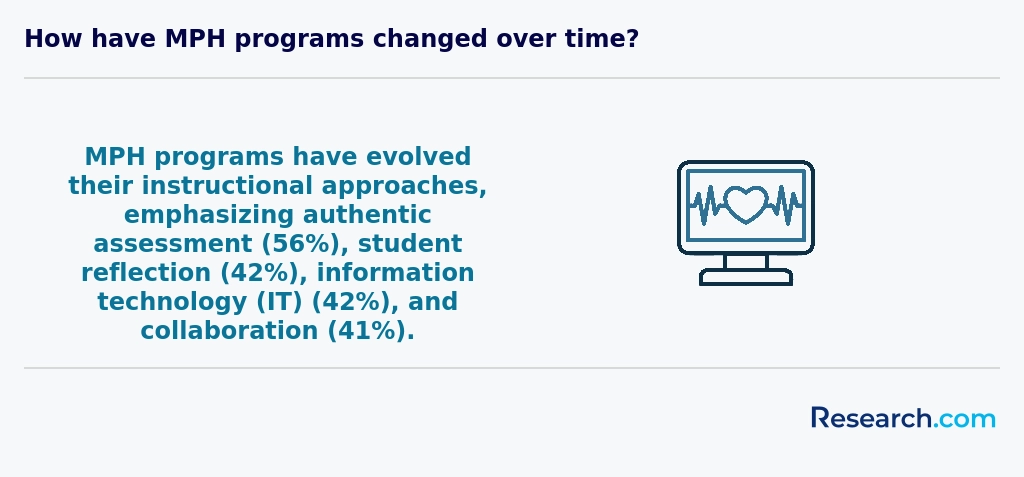
After earning your online Bachelor’s in Public Health, many graduates choose to deepen their expertise-and boost their earning potential-by pursuing a Master of Public Health (MPH). An MPH not only opens doors to leadership roles in epidemiology, policy analysis, and global health, but also equips you with advanced skills in program evaluation, biostatistics, and health management. For a comprehensive look at post-bachelor’s pathways and potential job outcomes, see what can i do with mph degree. Key advantages of adding an MPH to your credentials include: • Expanded Career Options: MPH graduates often secure positions as health policy advisors, outbreak investigators, and public health directors, roles that typically require graduate-level training. • Higher Earning Potential: Salaries for MPH holders can exceed those of bachelor’s-only professionals by 20–30%, especially in federal agencies and global NGOs. • Specialized Expertise: Many programs offer concentrations-such as infectious disease, maternal and child health, or health informatics-allowing you to tailor your degree to in-demand sectors. Tips for selecting the right MPH program: 1. Accreditation: Choose a CEPH-accredited school to ensure your degree meets industry standards. 2. Format & Flexibility: Evaluate part-time, full-time, synchronous, and asynchronous options to match your work and life commitments. 3. Field Experience: Look for programs with practicum or capstone requirements that connect you directly with public health agencies. 4. Financial Aid & Assistantships: Explore graduate assistant positions and scholarships to offset tuition costs. By strategically planning your transition to an MPH program, you’ll maximize both your impact on community health and your professional growth.
Students enrolled in online public health programs in Ohio can access several financial aid options to ease costs, often ranging from $11,000 to $14,000 annually for in-state learners. First, completing the FAFSA is essential to qualify for federal aid like the Pell Grant, which offers up to $7,395 for eligible undergraduates. Many public health graduates from Ohio University and Kent State have noted how these federal grants significantly lowered their tuition burden.
State aid is another key resource. The Ohio College Opportunity Grant (OCOG) provides need-based funds to students at Ohio public colleges, sometimes covering large tuition portions. Plus, the Choose Ohio First Scholarship supports students focused on health fields, including public health-helping many learners stay motivated and financially secure.
Beyond grants, schools often award merit or need-based scholarships specifically for public health students. Workforce development programs and employer tuition assistance further reduce expenses, especially for graduates working in community health roles.
Completing your degree faster lets you enter the public health workforce sooner and reduces tuition costs. Apply these strategies to fast-track your online bachelor’s program:
- Maximize transfer credits by submitting official transcripts from prior college courses and professional certificates
- Earn additional credits through CLEP or DSST exams in subjects like sociology, statistics, and biology
- Choose accelerated eight-week or term-based courses to maintain continuous enrollment
- Leverage Prior Learning Assessments (PLA) to convert relevant work experience or military training into academic credit
- Enroll full-time and include summer sessions to shorten the overall timeframe
- Collaborate with academic advisors early to align prerequisites, electives, and graduation milestones
For a broader look at accelerated healthcare pathways, explore the cheapest online acute care nurse practitioner programs.
To enroll in an online public health degree in Ohio, start by securing a high school diploma or GED for undergraduate programs. Many programs at well-known schools like Ohio State University expect a minimum GPA around 2.5 to 3.0. One graduate recalls how maintaining a solid GPA eased the admission process and boosted confidence. While some colleges may ask for SAT or ACT scores, this is often flexible, especially for those with work or volunteer experience in health-related fields.
Transcripts play a crucial role; graduates from institutions such as Kent State University highlight the importance of showing completed coursework in biology, chemistry, and math to handle core public health topics later.
Applicants should also prepare recommendation letters and a personal statement to demonstrate dedication-graduates share that expressing genuine motivation helped them stand out during admissions. For those applying to Ohio's MPH programs, holding a bachelor's degree and relevant experience in healthcare or community service can greatly strengthen the application.
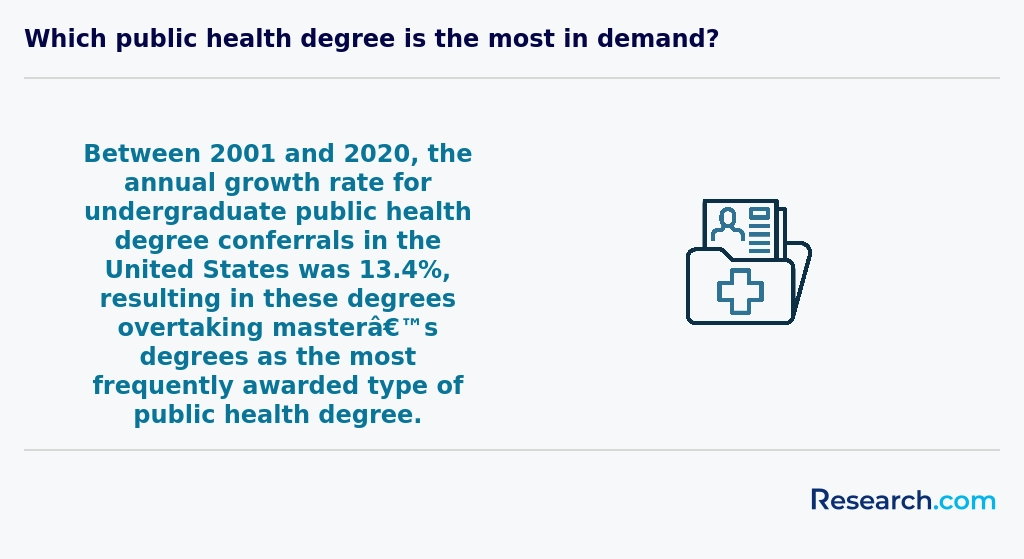
When pursuing an online public health degree in Ohio, expect to engage deeply with courses tailored to local and national health priorities. Graduates from popular programs at universities like Ohio State University often mention the value of starting with an introduction to public health, which covers essential concepts and the role of agencies like the Ohio Department of Health.
Core courses typically include epidemiology, where students analyze disease patterns-imagine working on projects related to Ohio's opioid crisis, a real challenge many alumni found motivating. Biostatistics is another key subject, teaching you to work confidently with health data to inform policy decisions.
Environmental health courses focus on how Ohio's industrial areas influence community well-being, while health policy and management classes offer practical training in navigating Ohio's public health systems and regulations. Social and behavioral sciences demonstrate how everyday behaviors impact health outcomes, helping you design effective community interventions.
Practical experiences like capstone projects or local practicum placements are common, allowing students to apply their knowledge directly to Ohio's unique health landscape. Graduates often describe these hands-on moments as highlights of their education, providing skills that translate directly to the workforce.
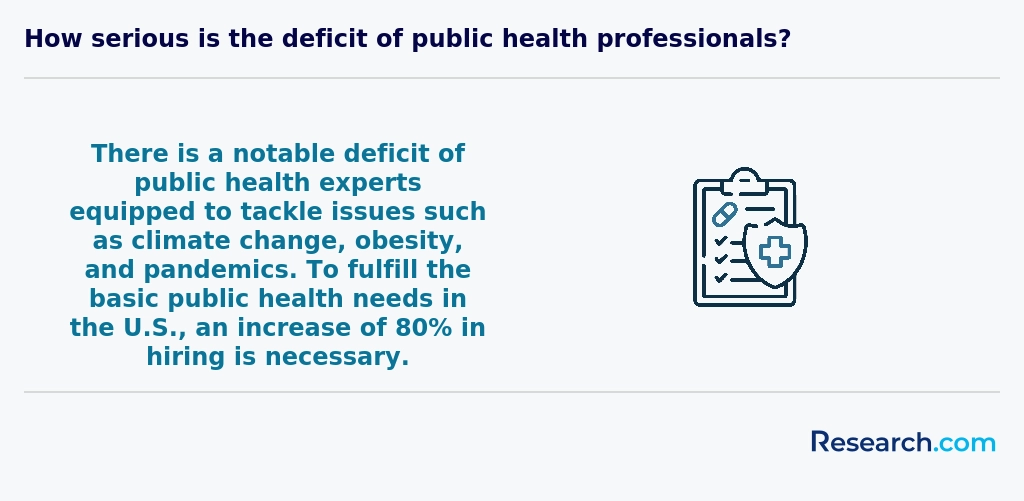
Ohio's online public health degree specializations offer practical paths tailored to career goals. For example, epidemiology tracks let students study disease trends and outbreak responses-graduates from popular universities report feeling empowered tackling Ohio's public health crises like opioid addiction. Health Promotion and Education is another common concentration, preparing students to design real-world programs addressing chronic diseases such as heart disease, a major issue in Ohio communities. Many students appreciate how flexible coursework supports these targeted goals.
Health Policy and Management specializations equip learners with skills in budgeting and policy analysis, crucial for navigating Ohio's varied healthcare systems. Graduates often share satisfaction from influencing policy that benefits local populations. Environmental Health focuses on urban and industrial risks, familiar to students from colleges near Ohio's manufacturing hubs, offering a hands-on approach to pollution and water safety.
Those exploring Ohio online public health concentration options should consider programs at institutions known for adaptability. Some students pursuing concurrent interests explore online colleges for nursing leadership degrees to broaden leadership skills alongside public health.
Start by ensuring the online public health degree you choose in Ohio is accredited by the Council on Education for Public Health (CEPH). Graduates from Ohio University and Kent State University praise their programs for meeting national standards and helping them confidently pass the Certified in Public Health exam. This accreditation is crucial for credibility and job readiness.
Next, prioritize programs offering flexibility with asynchronous classes. This setup fits well with busy schedules, allowing you to balance work and study efficiently. Many Ohio students appreciate being able to specialize in areas like epidemiology or health policy, which gives them a clearer career path aligned with local health needs.
Affordability matters-Ohio's public institutions charge between $7,000 and $12,000 annually for in-state students. Be mindful of extra costs such as technology fees. Financial aid and employer tuition reimbursement can ease the burden. Some graduates have found value in exploring the benefits of multistate LPN license to complement their public health knowledge.
Finally, look for strong student support like academic advising and career services. Alumni from popular Ohio schools highlight how internship connections within the state's health departments helped them secure rewarding jobs with median salaries near $60,000. These resources bridge education and career success, making your public health degree in Ohio both affordable and practical.
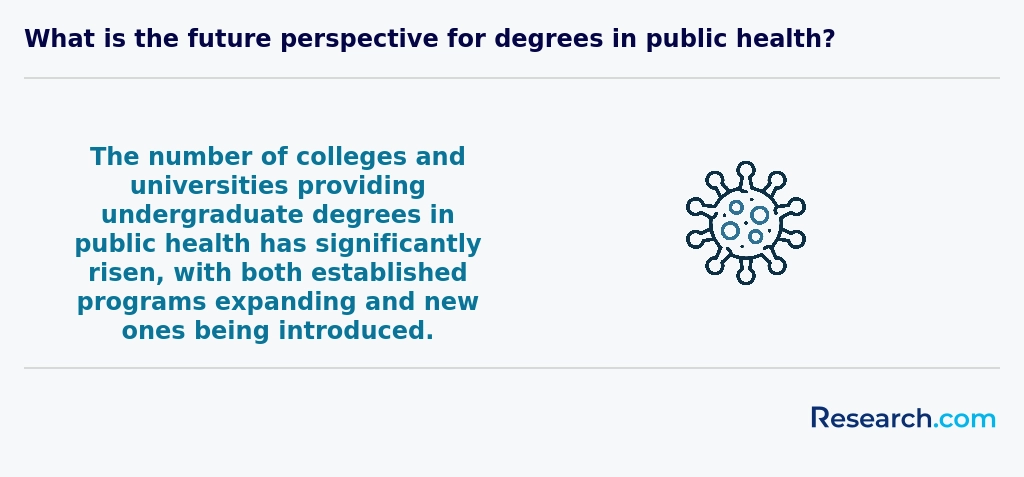
Graduates with an online public health degree in Ohio find career paths in roles like epidemiologists, health educators, and community health workers. Ohio's universities equipped many graduates with skills to analyze disease trends, a vital function for managing local and state outbreaks. For example, epidemiologists employed across Ohio contribute to controlling epidemics by interpreting data crucial for timely responses.
Health educators often collaborate with organizations such as the Ohio Department of Health, creating programs that promote healthier lifestyles. These roles typically offer salaries averaging $55,000, and graduates share stories of meaningful community impact, especially when working in urban and rural areas throughout the state. Community health workers fill essential roles in underserved Ohio regions, with starting salaries near $40,000 and opportunities for growth as credentials increase.
Ohio public health degree job opportunities extend to healthcare administration within prominent systems like Cleveland Clinic and OhioHealth, where managing compliance and operations is critical. Many graduates from Ohio's public colleges appreciate the affordability and flexibility of online programs compared to traditional on-campus options, aiding them in balancing work and study. For practical preparation, exploring local nursing programs in San Francisco alongside public health can broaden career options in healthcare.
The job market for online public health degree graduates in Ohio is robust and expanding steadily. Graduates from well-known Ohio colleges often secure positions within state and local health departments, hospitals, and nonprofit organizations. These roles frequently involve working as health educators, community health workers, or epidemiologists, with salaries typically ranging from $45,000 to $75,000 annually. Many students appreciate the flexibility of online programs, allowing them to balance work and study while pursuing career opportunities throughout Ohio's urban centers like Columbus, Cleveland, and Cincinnati.
Ohio public health career opportunities also exist in rural areas, where smaller communities rely heavily on professionals to handle pressing local health needs. Graduates report positive experiences transitioning directly into these roles, utilizing skills acquired through their online coursework. For those balancing financial concerns, some find helpful strategies by exploring nursing schools gilbert arizona financial aid as a reference point for managing educational expenses effectively.
2027 Fastest Online Bachelor's in Public Health Degree Programs Ranking in Ohio
Investing in your education is a significant decision that can shape your future, and the Research.com team understands the importance of making informed choices. To assist prospective students interested in Public Health degrees in Ohio, we have meticulously crafted the "2027 Fastest Online Bachelor's in Public Health Degree Programs Ranking in Ohio." Our commitment to quality, credibility, and accuracy is reflected in the extensive research and analysis conducted to compile this ranking.
We utilized the following reputable data sources to ensure a comprehensive evaluation of public health programs:
By exploring this ranking, readers will gain valuable insights into the fastest online bachelor's in public health programs available in Ohio, helping them make confident and informed decisions about their educational journeys. For more details on our methodology, please visit our Research.com methodology page.



Frequently Asked Questions About public health
Online public health degree students in Ohio can maximize their learning by actively engaging with their course materials and peers. Taking advantage of virtual office hours and discussion forums enables deeper understanding and networking with fellow students and faculty. Ohio offers several accredited institutions providing online public health programs, allowing flexibility without sacrificing quality. Students should seek internships or volunteer opportunities with local health departments, such as the Ohio Department of Health, to gain practical experience. Utilizing resources like the CDC's Ohio-specific public health data can enrich coursework and research projects. Staying organized and setting a consistent study schedule greatly improves retention and success.
The public health field is rapidly evolving, with several emerging niches gaining importance. In Ohio, areas like epidemiology, health informatics, and environmental health are growing due to increasing public health challenges. According to the Ohio Department of Health, the rise of chronic diseases and environmental concerns has driven demand for specialists who can analyze data and develop targeted interventions.
Health informatics, which combines data science and health care, is a particularly promising niche. The Bureau of Labor Statistics forecasts a 17% growth nationwide in related roles through 2030. Additionally, community health workers specializing in underserved Ohio populations are increasingly essential to address health disparities.
After completing an online public health degree in Ohio, graduates should focus on gaining practical experience to enhance employability. Internships and volunteer opportunities within organizations like the Ohio Department of Health provide valuable exposure to real-world challenges. Networking through professional groups such as the Ohio Public Health Association can connect graduates with potential employers.
Ohio's public health sector often seeks candidates with skills in data analysis, community outreach, and epidemiology, so building proficiency in these areas is crucial. According to the U.S. Bureau of Labor Statistics, Ohio's demand for public health professionals is projected to grow by 10% through 2031, indicating a positive job market.
Certification, such as the Certified Health Education Specialist (CHES), can further boost job prospects by validating expertise and commitment to the field.
Employers in Ohio's public health sector prioritize several key skills when hiring graduates with online public health degrees. Data analysis and interpretation are crucial, as professionals must understand local health trends to design effective interventions. According to the Ohio Department of Health, epidemiology skills are especially valued due to ongoing disease tracking needs.
Strong communication skills are essential for educating diverse communities and collaborating with stakeholders. Additionally, proficiency in health policy and program planning helps graduates address regional health disparities. Familiarity with Ohio's Medicaid system and public health regulations can give candidates an advantage when applying to government or nonprofit roles.
Leadership and cultural competency remain important, reflecting Ohio's varied population and community health challenges. These skills ensure public health graduates are equipped to make impactful contributions across the state.
Finding internships in Ohio relevant to a public health degree involves exploring opportunities through multiple channels. Many Ohio universities with public health programs maintain partnerships with local health departments, hospitals, and nonprofits. For example, the Ohio Department of Health often offers internships focused on epidemiology and community health. Additionally, organizations like the Columbus Public Health and Cleveland Clinic provide valuable placements.
Students should also use platforms like Handshake or the OhioMeansJobs portal, which list internships tailored to Ohio residents. Networking through professional associations such as the Ohio Public Health Association can further expand opportunities.
Internships in public health prepare students for careers in a state continually addressing issues like opioid use and chronic disease, monitored by the Ohio Department of Health's statistics and programs.
Obtaining an online public health degree in Ohio can substantially enhance career mobility and advancement within the state. Ohio's growing public health sector, supported by the Ohio Department of Health, highlights a 7% projected increase in public health job openings through 2030, faster than many other fields (Ohio Bureau of Labor Market Information, 2023).
Online degrees allow flexibility for working professionals, improving access to higher education without relocating. Graduates with relevant credentials frequently qualify for roles in epidemiology, health education, and public policy, which often require at least a bachelor's degree. This credential is increasingly preferred by employers in Ohio's major healthcare hubs.
Moreover, public health professionals with a degree often see higher earning potential and more leadership opportunities. According to the U.S. Bureau of Labor Statistics, those holding degrees in public health tend to advance faster into supervisory or specialized roles statewide.
Studying for a public health degree in Ohio offers strong preparation for interdisciplinary roles by integrating courses across multiple fields such as biology, social sciences, and health policy. Ohio's online programs emphasize collaboration skills, critical for addressing complex health challenges involving various sectors.
According to the Ohio Department of Health, the state faces diverse public health issues, including chronic disease management and health disparities, requiring professionals to work with medical, environmental, and community organizations. This context encourages programs to equip students with broad competencies.
Ohio universities often include practical experiences and teamwork-focused projects, helping students develop adaptability essential for roles that intersect with government agencies, healthcare providers, and nonprofits.
Choosing between a thesis and a non-thesis public health degree program in Ohio largely depends on your career goals and learning preferences. Thesis programs typically emphasize research skills, requiring students to conduct original research and write a detailed paper. This path suits those interested in academic, clinical, or research careers. Non-thesis programs focus more on practical skills through coursework and often include internships or capstone projects, appealing to students aiming for immediate public health practice.
In Ohio, public health jobs are growing by around 7% annually, with many employers valuing practical experience over research (Ohio Department of Health, 2023). Consider whether you prefer hands-on training or scholarly research when selecting your program.
Students based in Ohio who wish to study public health abroad while enrolled in online programs have several pathways to explore. Many Ohio universities with accredited online public health degrees offer study abroad partnerships or exchange programs with institutions worldwide. These options allow students to gain international experience without interrupting their online coursework.
For example, Ohio State University's College of Public Health emphasizes global health perspectives and sometimes integrates international practicum opportunities. According to the Ohio Department of Higher Education, around 25% of public health students participate in international learning experiences, reflecting growing interest.
Students should consult their online program advisors to explore available global options and ensure these experiences align with accreditation standards such as CEPH.
Students pursuing online public health degrees in Ohio can benefit from various part-time job opportunities that align with their academic goals. Positions such as community health worker, health educator, and research assistant are commonly available in Ohio's healthcare organizations, nonprofits, and universities. According to the Ohio Department of Health, community health workers play a vital role in outreach and education, which complements academic studies in epidemiology and health promotion.
Additionally, research assistant roles at institutions like The Ohio State University offer students practical experience in data collection and analysis, enhancing their public health skills. These part-time jobs also provide networking opportunities within Ohio's public health sector.
Online public health students in Ohio benefit from a variety of networking opportunities tailored to their needs. Many universities offer virtual career fairs and online student organizations focused on public health, which help connect students with professionals and peers statewide.
The Ohio Public Health Association (OPHA) provides online events, webinars, and forums that allow students to engage with public health practitioners across the state. Ohio also has a strong network of local health departments where students may find virtual internships or mentor programs.
According to the Ohio Department of Health, public health jobs in the state grew by 5% from 2019 to 2022, indicating increasing demand and networking prospects for students.
Alumni networks offer valuable support to students pursuing online public health degrees in Ohio. They connect current students with experienced graduates who provide mentorship and career guidance. According to the Association of Schools and Programs of Public Health, strong alumni connections can improve job placement rates by up to 20% after graduation.
In Ohio, public health alumni often share insights on local health challenges, such as opioid addiction and chronic disease prevention, which are priorities for the Ohio Department of Health. This localized knowledge helps students understand real-world applications of their studies.
Networking events and online forums maintained by alumni also provide opportunities to find internships and employment within Ohio's public health sector.
Students pursuing an online public health degree in Ohio can tailor their education through elective courses that focus on areas such as epidemiology, health policy, and community health. Many Ohio universities offer concentrations or specializations, allowing learners to align their studies with specific career paths. For example, the Ohio Department of Health highlights growing opportunities in chronic disease management and health promotion, which may influence course selection.
Advisors often help customize degree plans to meet professional goals, including options for internships or capstone projects with local health organizations. This hands-on experience is vital in Ohio's public health job market, where employers value practical skills and regional expertise.
Online public health students in Ohio often face challenges balancing coursework with work and family responsibilities. Many learners are working professionals, which makes time management crucial. According to the Ohio Department of Health, the ongoing demand for qualified public health workers adds pressure to complete studies efficiently. Technological issues such as unreliable internet or limited access to academic resources can hinder progress, especially in rural areas of Ohio.
Another common difficulty is the lack of hands-on experience, since internships and practicums may be harder to arrange remotely. This can affect skill development crucial for Ohio's growing public health sector.
With an online public health degree from Ohio, graduates can pursue several valuable professional certifications to enhance their career prospects. The Certified Health Education Specialist (CHES) credential, offered by the National Commission for Health Education Credentialing, is popular among public health professionals. It validates expertise in health education and promotion.
Additionally, Ohio public health graduates may seek the Certified in Public Health (CPH) certification through the National Board of Public Health Examiners. This credential covers broad public health knowledge and is respected nationwide.
For those interested in emergency preparedness, the Certified Emergency Manager (CEM) credential is another option. It is recognized in Ohio and beyond.
Such certifications improve job competitiveness in Ohio's growing public health sector, which reported a 7% employment increase between 2019 and 2024, according to the Ohio Department of Job and Family Services.
To craft a winning application for an online public health program in Ohio, start with a clear, well-organized personal statement. Highlight your motivation, relevant experience, and career goals in public health, emphasizing Ohio's specific health challenges, such as addressing chronic diseases and improving community health initiatives. Demonstrating knowledge of local public health concerns shows your preparedness.
Ensure your academic records reflect strength in science and social science courses. Many Ohio programs require a minimum GPA-often around 3.0-for competitive admission. Include any volunteer work or employment related to health services.
Secure recommendation letters from professionals familiar with your dedication to public health. Finally, carefully follow each program's application instructions to avoid errors that might delay or diminish your chances.
Public health careers are increasingly viewed through a global lens, reflecting the interconnected nature of health challenges worldwide. Professionals trained in the United States, including Ohio, often engage with issues like infectious diseases, chronic illness prevention, and health equity, which are shared across nations. The U.S. Bureau of Labor Statistics projects a 12% growth in public health jobs from 2022 to 2032, highlighting rising demand.
Ohio's public health workforce contributes to global efforts by applying research from institutions like the Ohio Department of Health, which collaborates internationally to improve community health outcomes. Understanding global trends can enhance the impact of local initiatives.
Online public health degrees in Ohio equip students with knowledge relevant both locally and globally, preparing them to address diverse health concerns with a broad perspective.
Gaining practical experience while studying for an online public health degree in Ohio is vital to build job-ready skills. Many Ohio universities collaborate with local public health agencies, hospitals, and nonprofit organizations to offer virtual or in-person internship opportunities. These placements allow students to apply classroom knowledge to real-world health challenges, such as infectious disease control or community health promotion.
Students should explore connections through the Ohio Department of Health and local health districts, which often welcome interns to support public health programs. Additionally, capstone projects and service-learning courses incorporated into programs provide hands-on experience.
According to the Association of Schools and Programs of Public Health, internships improve employment prospects by up to 25% for public health graduates nationwide.
When choosing the right concentration within an online public health degree program in Ohio, consider your career goals and the state's specific health needs. Ohio faces challenges such as opioid misuse and chronic diseases, making concentrations like epidemiology or health policy highly relevant. Align your choice with industries that are growing locally, such as healthcare administration or community health. Research program curricula carefully to ensure they cover skills in demand by Ohio employers, including data analysis and program management.
Consult Ohio Department of Health reports for current trends and job outlooks. Many programs offer flexible online options tailored to working professionals, so select a specialization that fits your schedule and learning style. Practical experience opportunities, even virtual internships, can also influence your decision.
- Steps to take when applying for a graduate program | PH SPOT https://phspot.org/how-i-think-i-got-into-grad-school/
- Public Health https://disabroad.org/program/public-health/
- Dive deeper into public health topics. https://www.apha.org/topics-and-issues
- Top 15 Places to Look For M.P.H. Jobs - Benedictine University Online https://online.ben.edu/programs/public-health/mph/resources/top-places-to-find-mph-jobs/
- Public Health https://www.neomed.edu/graduatestudies/academics/mph/
- Letter of Intent for Admissions to Masters of Public Health - how this program fits to my goals? https://essayforum.com/graduate/intent-admissions-masters-public-health-64817/
- Careers in Public Health. Life’s Work https://www.publichealthcareers.org/
- The Networking Guide for Public Health Professionals https://www.publichealthdegrees.org/resources/professional-networking/
- Is an Online MPH Right for You? | University of Bridgeport https://www.bridgeport.edu/news/is-an-online-mph-right-for-you/
- What is the Salary Outlook with MPH Degree? https://mphprogramslist.com/what-is-the-salary-outlook-for-mph-program-grads/










