
2027 Most Affordable Public Health Degree Programs Ranking in Illinois

Co-Founder and Chief Data Scientist
Are you considering a public health degree in Illinois but concerned about affordability? This article presents the 2027 Most Affordable Public Health Degree Programs Ranking in Illinois, created by the Research.com team of data scientists to guide you through the best budget-friendly options.
Choosing the right program can shape your future career and impact your community. By exploring this carefully crafted ranking, you'll discover quality programs that fit your financial needs and ambitions.
Investing in a public health degree is a meaningful step toward making a real difference in society while securing a promising career path.
Key benefits of getting public health degree in Illinois
- Graduates with a public health degree in Illinois can expect rewarding salaries, such as a Community Health Worker earning around $52,610 annually and an Environmental Health Specialist making up to $86,710.
- Career paths in Illinois include roles in health education, safety, and environmental health, with graduates from the University of Illinois often finding diverse opportunities in hospitals, government agencies, and nonprofit organizations.
- Online public health degrees, like those offered by Southern Illinois University, provide flexibility for working students and allow you to earn your degree without relocating, making education more accessible and convenient.
- 2027 Most Affordable Public Health Degree Programs Ranking in Illinois
- What can I expect from public health degree in Illinois?
- Where can I work with public health degree in Illinois?
What can I expect from public health degree in Illinois?
The average cost of a public health degree in Illinois varies depending on the institution and level of study. Many students pursuing a Bachelor of Science in Public Health at the University of Illinois at Chicago find tuition typically ranges from $15,000 to $25,000 per year for in-state residents, while Master of Public Health (MPH) degrees often start around $20,000 annually. Graduates recall managing expenses with a mix of scholarships, part-time work, and paid internships, which provide both financial relief and hands-on experience crucial for careers in community health settings.
Students attending Northern Illinois University emphasize the value they found in affordable tuition combined with strong local health partnerships, which helped them feel more connected and motivated. Looking ahead, many believe that expanding online and hybrid programs will make public health degrees even more accessible and cost-effective, especially for working professionals balancing education with other responsibilities. This evolving flexibility underscores the excitement among Illinois students about pursuing meaningful public health careers without overwhelming financial strain.
Where can I work with public health degree in Illinois?
Graduates with a public health degree in Illinois often find themselves stepping into dynamic roles across government agencies like the Illinois Department of Public Health, where they contribute to disease prevention and emergency readiness. Many who studied at the University of Illinois at Chicago describe the excitement of joining community health initiatives, leveraging their training to create impactful programs in Chicago's diverse neighborhoods.
Hospitals and healthcare systems in cities like Peoria and Springfield also hire these graduates to develop outreach campaigns and analyze health data, helping improve patient care outcomes. Alumni from Northwestern University recall feeling fulfilled when designing health education tailored for underserved populations, knowing their efforts directly support community well-being.
Nonprofit organizations focusing on nutrition and substance abuse prevention offer meaningful careers, especially in urban centers tackling health disparities. Others find rewarding jobs in academia or private companies, where they apply skills gained during research projects to innovate wellness programs and promote health equity in businesses statewide.
Graduates with a public health degree in Illinois find promising earning opportunities. For example, those starting as community health workers can expect a mean annual wage of around $52,610, a solid entry point reflected in local workforce reports. At institutions like the University of Illinois Chicago, many alumni step into such roles with a sense of purpose, knowing their work supports vital community wellness programs.
Health educators, who often hold bachelor's or master's degrees, enjoy higher median salaries near $69,790 annually. This figure, typical across Illinois, reinforces the value of additional training from schools such as DePaul University. Graduates describe the satisfaction of making an impact on public knowledge while receiving competitive compensation.
Specialized roles like environmental health specialists or occupational health and safety specialists command even greater pay, averaging $86,710 and $85,570 respectively. Graduates pursuing these paths from institutions such as Northern Illinois University imagine careers influencing workplace safety and environmental health policies across the state.
Looking ahead, demand for skilled public health professionals in Illinois is expected to grow, supporting not only financial stability but also the rewarding experience of community impact-a compelling motivation for future students.
- Illinois offers public health degree programs from associate to doctoral levels at universities like the University of Illinois at Chicago (UIC).
- In-state tuition for bachelor's degrees at public universities ranges from $10,000 to $15,000 per year; graduate MPH programs cost between $15,000 and $25,000 annually.
- Private institutions typically charge over $30,000 per year, excluding additional fees, books, and living expenses.
- Starting salaries for public health graduates in Illinois range from $50,000 to $60,000 annually, with mid-career salaries often exceeding $80,000.
- Employment opportunities include government agencies, hospitals, non-profits, and research organizations, with steady job growth expected.
- Licensure varies by role, but many positions prefer certification from the National Board of Public Health Examiners and programs accredited by CEPH.
Completing a public health degree in Illinois often spans distinct time frames depending on the level pursued, with many students feeling both challenged and excited by the journey. Undergraduates at the University of Illinois at Chicago typically spend around four years full-time, balancing core courses like biology and health policy with dynamic field placements that bring real-world public health issues to life. Graduates frequently describe their time as transformative, fueled by hands-on projects that deepen their understanding of community health.
For those diving into graduate studies, an MPH usually takes about two years of full-time study at institutions such as Northwestern University, though some embrace part-time paths that flex around professional commitments. Many feel empowered by this flexible pacing, which allows them to apply lessons directly in their current jobs while steadily advancing toward their degree.
Doctoral candidates exploring public health research report a more extended commitment of four to six years, especially at research hubs like the University of Illinois. The prolonged timeline stems from immersive research and personalized mentorship, sparking both intellectual growth and professional fulfillment that shapes future leaders in the field.
Comparing public health degree programs across states can help students gauge affordability, curriculum strengths, and career outcomes. Illinois offers competitive tuition rates-ranging from $6,000 to $25,000 annually for in-state students-paired with robust internship networks in Chicago and Springfield. By contrast, neighboring states like Indiana and Wisconsin often have slightly higher in-state tuition but may provide more extensive rural health opportunities. For those exploring options outside Illinois, the Most Affordable Public Health Degree Programs Ranking in Texas highlights institutions where annual tuition can be as low as $4,500, making Texas an attractive alternative for cost-conscious learners. Employment outcomes also vary by region. Illinois graduates report a 98% job placement rate within one year, driven by demand in urban health departments and nonprofit organizations. In Texas, rising public health funding and a growing Latino population have created new positions in community outreach, potentially improving salary prospects for graduates focusing on epidemiology or health education. When evaluating program value, consider not only tuition but also state-specific grants, professional licensure requirements, and local public health challenges. Prospective students should review state health department resources and alumni networks to determine which environment aligns best with their career goals and financial constraints.
Online public health degrees in Illinois, such as those offered by the University of Illinois at Chicago, bring a level of flexibility that many graduates describe as life-changing. Imagine balancing a full-time job or family while completing coursework on your own schedule through virtual lectures and discussion boards. This format appeals especially to those who thrive in self-directed learning environments but also admits challenges, like fewer opportunities for spontaneous campus networking.
Conversely, students attending on-campus programs like Northeastern Illinois University often share the energizing experience of face-to-face collaboration. Group projects, hands-on lab work, and direct access to public health research centers create tangible connections and practical skills linked to community engagement. Many recall lively debates after class or mentorship moments with faculty as pivotal to their growth.
With Illinois public universities balancing tuition differences and technology fees, these two paths ultimately prepare graduates equally for certification like the Certified in Public Health exam while catering to diverse student lifestyles and learning preferences.
The average cost of a public health degree in Illinois reflects a balance between quality education and affordability, especially for in-state students. Graduates from well-regarded institutions like the University of Illinois at Chicago often share how managing an average in-state total cost of around $16,004 made pursuing their degree feel achievable without overwhelming debt. This median cost covers tuition and fees, revealing a more accessible path compared to many other states.
Those attending private universities or studying as out-of-state students typically face higher expenses. However, many find that exploring affordable public health programs Illinois tuition options eases the financial burden. Scholarships and assistantships are frequently highlighted by alumni as key to making their educational journey more manageable, allowing them to focus on their studies and community impact.
Students often navigate additional costs such as housing, books, and transportation, but even these can fit into a carefully planned budget. These real-life examples demonstrate that, while there is a financial commitment, strategic choices make a public health degree within reach for many in Illinois.
For prospective students eager to discover alternatives, programs listed among the affordable online public health programs in illinois offer innovative pathways that blend flexibility and cost savings, opening doors to more diverse learning experiences.
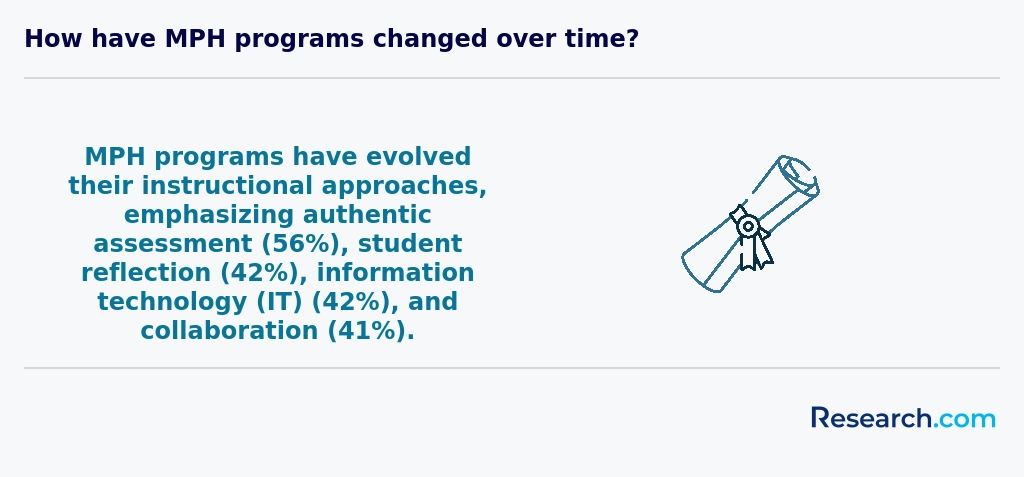
Obtaining professional certifications and licensure can significantly enhance credibility and job prospects for Public Health graduates in Illinois. The Certified in Public Health (CPH) credential, administered by the National Board of Public Health Examiners (NBPHE), validates mastery of core public health sciences and is increasingly preferred by employers in government agencies and healthcare systems. Health Educators can pursue the Certified Health Education Specialist (CHES) or Master Certified Health Education Specialist (MCHES) credentials through the National Commission for Health Education Credentialing, demonstrating expertise in program planning and community outreach. Environmental health specialists may seek credentials such as the Registered Environmental Health Specialist/Registered Sanitarian (REHS/RS) offered by the National Environmental Health Association, ensuring compliance with state regulations and industry best practices. For professionals aiming at leadership positions-whether in hospital administration or community health organizations-combining a Public Health degree with targeted certifications lays the groundwork for advancement. For example, understanding the fastest way to become a hospital ceo can guide graduates toward executive-level roles, complementing their public health expertise with strategic management skills. Before applying, verify certification prerequisites, such as relevant work experience, continuing education units (CEUs), and successful completion of standardized examinations. By strategically selecting credentials aligned with career goals, Public Health graduates in Illinois can command higher salaries, influence policy, and drive impactful health initiatives across diverse settings.
Students pursuing public health degrees in Illinois often benefit from a range of financial aid options that help ease the cost of tuition and living expenses. Many recall feeling relieved upon receiving Federal Pell Grants or FSEOG awards, which provide crucial support based on financial need. At institutions like the University of Illinois at Chicago, graduates have shared how the Illinois Monetary Award Program (MAP) Grant significantly lowered their out-of-pocket costs, allowing them to focus more on studies and community projects.
Scholarships remain a cornerstone for many Illinois public health students, with merit and need-based awards reflecting personal dedication and leadership. One graduate described how receiving a scholarship funded by alumni partnerships made their education feel valued and motivated continued excellence. For those pursuing graduate studies, assistantships or fellowships open doors to research opportunities while covering tuition and providing stipends-turning what might have been financial stress into professional growth.
Looking ahead, expanding employer tuition assistance programs could become even more influential, especially for working students in healthcare and government roles eager to advance without sacrificing income. These evolving financial aid pathways fuel optimism and accessibility for Illinois public health students ready to make a difference.
Public health degrees train you to assess community needs, design prevention programs and influence health policy. Healthcare administration programs emphasize managing operations, finance and compliance within hospitals or clinics. Comparing these tracks ensures your education matches career ambitions.
- Public Health: Focus on epidemiology, biostatistics, policy analysis and community outreach
- Healthcare Administration: Emphasis on budgeting, human resources, strategic planning and quality improvement
- Career Settings: Public health grads work in government agencies, nonprofits or research; administrators lead hospitals, clinics and health systems
- Key Skills: Public health builds analytical and program-design expertise; administration develops leadership, financial and organizational competencies
- Alternative Path: Explore the cheapest online healthcare management degree for a management-focused career trajectory
Enrolling in a public health degree in Illinois often starts with a solid academic foundation, typically a high school diploma for undergraduates or a bachelor's degree for graduate applicants. Graduates from universities like the University of Illinois at Chicago frequently share how biology and social sciences classes in high school made the transition smoother. Many programs expect a respectable GPA, often around 2.5 to 3.0, signaling readiness for demanding coursework ahead.
For those pursuing a Master of Public Health, having experience or coursework in statistics and epidemiology is increasingly valued. Graduates recall how submitting GRE scores or relevant volunteer experiences at Chicago-area health nonprofits strengthened their applications, connecting them to real community challenges like urban health disparities.
Applicants also prepare personal statements and gather recommendation letters, painting a vivid picture of their passion and career goals. International students at Illinois State University, for example, find demonstrating English proficiency through TOEFL essential to navigating academic conversations confidently.
A growing trend hints at holistic evaluations blending academic metrics with practical exposure, highlighting the importance of internships or work in health settings throughout Illinois.
As the field of public health continues to evolve, emerging trends are not only reshaping academic programs but also redefining career opportunities. Today’s educators and industry leaders emphasize the importance of integrating innovative technologies, data analytics, and interdisciplinary approaches into public health curricula. For instance, advancements in digital health tools are transforming how communities receive care and monitor health outcomes, making digital literacy and data management essential skills for graduates. This focus on technology has also led to the proliferation of remote learning options; many institutions now offer affordable online public health programs in illinois designed to provide flexibility and access to cutting-edge resources. Additionally, the ongoing challenges posed by global health crises have underscored the value of crisis management, sustainable practices, and policy innovation in public health education. Institutions are increasingly incorporating modules on emergency preparedness and environmental sustainability, ensuring that graduates are well-equipped to respond to both local and global health emergencies. These developments not only enhance the academic experience but also prepare students for leadership roles that address complex public health issues through research, community partnerships, and technology-driven interventions. In summary, by staying abreast of these emerging trends, prospective students can better position themselves for success in a constantly evolving field-ensuring that their education remains relevant and impactful in the face of new challenges and opportunities.
Students pursuing public health degrees in Illinois typically engage with courses covering epidemiology, biostatistics, environmental health, health policy, and health behavior. At institutions like the University of Illinois at Chicago, graduates often reflect on how epidemiology classes gave them practical skills to analyze disease patterns during community outbreaks, making the content feel immediate and impactful.
Biostatistics courses introduce the essential tools for interpreting health data, which graduates describe as empowering when working on real projects that influence local health decisions. Environmental health studies explore issues familiar to Illinois residents, such as urban pollution or workplace safety, making the learning deeply relevant and motivating for many.
Health policy and management content often connects students to ongoing Illinois healthcare reforms, sparking enthusiasm about influencing future policy. Graduates from schools like Southern Illinois University recall how health behavior classes helped them understand diverse social factors shaping wellness in both Chicago neighborhoods and rural areas, fueling their passion to create inclusive programs.
Many programs also adapt to emerging public health trends, integrating electives on infectious diseases or maternal health tailored to Illinois's unique challenges. This dynamic mix of courses often leaves students feeling prepared and hopeful about their ability to make a tangible difference locally and beyond.
Illinois public health degree specializations are evolving to address future health challenges by combining traditional and emerging fields. Graduates from renowned universities in Chicago often highlight how courses in epidemiology prepare them to analyze disease outbreaks with real-time data, especially relevant in urban settings prone to rapid public health shifts. Others find the environmental health concentration eye-opening, as it tackles industrial pollution issues unique to Illinois, empowering students to advocate for cleaner air and safer communities.
Programs offering Illinois public health program concentrations such as health policy and management enable students to envision leadership roles in healthcare systems. Many graduates express excitement about applying these skills in collaborations with local hospitals, even sharing insights on the fastest way to become a hospital ceo. Meanwhile, specializations in community health and education inspire students to design adaptive wellness programs for diverse populations, and biostatistics prepares learners to transform numbers into impactful health decisions, making their roles crucial in future evidence-based public health solutions.
Choosing the best public health degree in Illinois means balancing accreditation, curriculum focus, and financial considerations to fit your future goals. Graduates from universities like the University of Illinois at Chicago often recall how CEPH accreditation gave them confidence in their education, knowing it met national standards and opened doors for federal aid. Many found that selecting programs offering concentrations aligned with their passions-whether epidemiology, environmental health, or health policy-was key to feeling motivated and confident in their careers.
Cost transparency is vital, especially for those seeking the best affordable public health degrees Illinois offers. In-state public universities typically keep tuition between $15,000 and $30,000 annually, but private institutions can be significantly pricier. Several graduates highlight leveraging scholarships and assistantships as game-changers for reducing expenses. For those interested in comparing cost options, exploring the Most Affordable Public Health Degree Programs Ranking in Texas can provide additional perspective on affordability trends.
Location impacts experience too. Chicago-based programs give students hands-on opportunities with the Illinois Department of Public Health and community projects. One recent graduate noted how urban internships boosted their networking and practical skills, emphasizing the advantage of programs embedded in city environments. Considering program flexibility-especially online or hybrid formats-also allows students juggling work or family to progress without sacrificing quality, making Illinois a dynamic choice for top public health programs cost Illinois students find worthwhile.

Graduates with a public health degree in Illinois find themselves poised for an array of rewarding career paths that are evolving alongside the state's diverse health landscape. From metropolitan hubs like Chicago to smaller communities, students from universities such as the University of Illinois at Chicago often step into roles as epidemiologists tracking emerging health threats or as community health workers leading grassroots wellness initiatives. These experiences foster a sense of purpose and adaptability, essential for addressing Illinois' unique public health challenges.
Many graduates embrace positions as health services managers or policy analysts within local government agencies, where they influence impactful decisions to reduce health disparities. For those passionate about environmental health, Illinois' industrial zones provide crucial work environments to safeguard air and water quality. Reflecting on future trends, careers with public health degree Illinois are expanding, shaped by increasing demand for professionals skilled in data analytics and health technology integration.
Students seeking to accelerate these career opportunities often turn to the best accelerated online bachelor's degree for working adults, which opens doors while balancing real-world responsibilities.
The public health job opportunities in Illinois are rapidly evolving, fueled by growth in urban centers like Chicago and expanding healthcare initiatives statewide. Graduates from popular institutions such as the University of Illinois at Chicago and Northwestern often find themselves well-positioned to enter roles in state and local health departments, nonprofit organizations, and hospitals, where demand for skilled professionals continues to rise. Many recent graduates express enthusiasm about applying their academic experience directly to community health projects that address local disparities, blending policy and practice.
Illinois employment outlook for public health graduates is particularly favorable given the state's investment in workforce development and a projected 10% increase in health-related jobs over the next decade. For example, a graduate working as a health educator or epidemiologist in Chicago often shares how competitive salaries, ranging from $60,000 to $80,000, align well with Illinois' living costs, making the field both rewarding and sustainable.
Students contemplating their educational path can consider options like an accelerated associates degree for quicker entry into the workforce, which some Illinois community colleges support. This flexibility boosts accessibility and helps address staffing demands across public health sectors.
2027 Most Affordable Public Health Degree Programs Ranking in Illinois
Investing in your education is a significant decision that can shape your future, and the Research.com team understands the importance of making informed choices. To assist prospective students in Illinois, we have meticulously crafted the "2027 Most Affordable Public Health Degree Programs Ranking in Illinois." Our commitment to quality, credibility, and accuracy is reflected in the extensive research and analysis conducted to compile this ranking.
We utilized the following reputable data sources to ensure a comprehensive evaluation of public health programs:
By exploring this ranking, readers will gain valuable insights into the most affordable public health degree programs in Illinois, helping them make informed decisions about their educational paths. For more details on our methodology, please visit our Research.com methodology page.


Frequently Asked Questions About public health
Public health degree students in Illinois can maximize their learning by engaging actively in community-based projects and internships. Illinois offers many opportunities through partnerships with state health departments, hospitals, and nonprofits like the Illinois Public Health Association. Practical experience helps students apply classroom knowledge to real-world challenges.
Networking is also crucial. Students should attend conferences such as the Illinois Public Health Institute's annual summit to connect with professionals and peers. Research shows Illinois has had a steady increase in public health funding, which enhances learning resources and job prospects.
Finally, taking advantage of online and hybrid course options offered by Illinois universities can provide flexibility while accessing expert faculty across the state.
Emerging niches within the public health field in Illinois reflect growing national trends and local needs. One key area is epidemiology and infectious disease control, especially after COVID-19 heightened demand for disease surveillance experts. The Illinois Department of Public Health highlights workforce growth in this segment, projecting a 15% increase by 2030.
Another developing area is environmental health, focusing on urban pollution and lead poisoning prevention-a concern in cities like Chicago. Illinois public health programs increasingly emphasize sustainability and environmental justice.
Additionally, health informatics has gained importance as more agencies adopt data-driven decision-making. This niche blends technology and health policy and offers high growth potential in Illinois' expanding healthcare systems.
Preparing for the job market after earning a public health degree in Illinois involves strategic steps tailored to the state's health sector. Illinois has a strong demand for public health professionals, with the Illinois Department of Public Health reporting over 100,000 jobs in healthcare and social assistance as of 2023. Gaining practical experience through internships or community-based projects during your studies is crucial. Many Illinois universities offer partnerships with local health departments and organizations, providing valuable networking opportunities.
Certification can boost employability; for example, the Certified in Public Health (CPH) credential is recognized nationally and valued by Illinois employers. Additionally, staying informed about state-specific health issues, such as chronic disease management in Chicago and rural health challenges, can help tailor your job search effectively.
Employers in Illinois highly value specific skills in public health degree graduates. Key competencies include data analysis and epidemiology, which are essential for addressing local health concerns like chronic diseases and infectious outbreaks. According to the Illinois Department of Public Health, familiarity with biostatistics enables professionals to interpret health trends accurately.
Communication skills are equally critical, as graduates must convey complex health information clearly to diverse populations. Project management abilities help in organizing community health initiatives efficiently.
Additionally, proficiency with health policy and program planning is sought after to support Illinois' efforts in expanding access to care and reducing health disparities, per recent regional workforce assessments. These skills collectively prepare graduates to impact public health outcomes effectively.
Finding public health internships in Illinois involves exploring opportunities through universities, local health departments, and nonprofit organizations. Many Illinois institutions with public health programs have partnerships offering placements. For example, the Illinois Department of Public Health provides internships focusing on epidemiology and community health.
The Illinois Public Health Association lists internships and job openings regularly, which can be valuable for students. Additionally, urban centers like Chicago offer a wide range of placements in hospitals, research institutes, and government agencies.
Utilizing online platforms such as Handshake or internships.gov can also help identify current openings tailored to public health students in Illinois.
A public health degree in Illinois significantly enhances career mobility and advancement opportunities. The Illinois Department of Public Health reports steady growth in healthcare and public health jobs, with a projected 12% increase in employment from 2020 to 2030. Degrees such as a Bachelor's or Master's in Public Health prepare graduates for diverse roles, including epidemiology, health policy, and community health management.
Professionals with public health credentials often access higher salaries and leadership positions in state agencies, hospitals, and nonprofits. According to the U.S. Bureau of Labor Statistics, Illinois averages above the national median salary for public health workers, supporting upward mobility. Additionally, networking with local health organizations and certification opportunities further boost career advancement within the state.
Studying for a public health degree in Illinois equips students with skills necessary for interdisciplinary roles by integrating coursework across multiple fields such as epidemiology, health policy, environmental health, and biostatistics. Illinois universities often emphasize collaboration with medical, social work, and urban planning departments, reflecting real-world public health challenges.
Illinois faces diverse health issues, from urban pollution to rural access disparities. This environment offers students practical experience working alongside professionals in various sectors.
According to the Illinois Department of Public Health, graduates benefit from internships in healthcare systems, government agencies, and nonprofits, preparing them to address complex health problems with a broad skill set.
When choosing between a thesis and a non-thesis public health degree program in Illinois, consider your career goals and learning preferences. Thesis programs focus on research, suitable for those aiming for doctoral studies or research roles. Non-thesis programs emphasize practical skills and may include internships or capstone projects, appealing to students targeting immediate employment in health agencies or nonprofits.
Illinois houses top public health schools like the University of Illinois at Chicago, known for its research impact. According to the Illinois Department of Public Health, the state faces significant workforce needs in epidemiology and health education, making hands-on experience valuable.
Thesis tracks often require 2-3 additional semesters, potentially increasing costs and time to graduation. Evaluate your readiness to commit to sustained research versus applied practice.
Students based in Illinois who wish to study public health abroad have several pathways through university partnerships and study abroad programs. Many Illinois institutions offering public health degrees, such as the University of Illinois at Chicago (UIC), participate in exchange programs with international universities. These programs allow students to earn credits toward their degree while gaining global experience.
The Global Health Certificate at UIC emphasizes international perspectives, often incorporating study opportunities abroad. Additionally, programs accredited by the Council on Education for Public Health (CEPH) frequently maintain collaborations worldwide, which can be explored through academic advisors.
Illinois ranks within the top 10 states for public health workforce size, indicating strong local and international connections for students aspiring to global careers in this field, according to the Illinois Department of Public Health. Such options offer valuable exposure to diverse health systems and policies.
In Illinois, part-time job opportunities that complement public health degree education often focus on community engagement and health promotion. Popular roles include working as health educators, community health workers, or research assistants. These positions enable students to apply classroom knowledge while gaining hands-on experience.
According to the Illinois Department of Public Health, the state employs thousands in public health support roles, many of which are open to part-time work. Hospitals and nonprofit organizations in urban centers like Chicago frequently seek part-time workers to assist with outreach programs and data collection.
Students can also find part-time internships with local health departments, which provide valuable exposure to public health policy and epidemiology. These opportunities strengthen resumes and networking prospects for future full-time employment.
Public health students in Illinois benefit from numerous networking opportunities that connect them with professionals in the field. Universities like the University of Illinois at Chicago and Northwestern University offer access to public health associations and campus events. These include guest lectures, career fairs, and alumni networking sessions.
Illinois also hosts state-wide organizations such as the Illinois Public Health Association (IPHA), which provides student memberships and local conferences. Participation in IPHA events allows students to meet public health practitioners and policy makers active within the state.
Additionally, Illinois houses a growing public health workforce, with over 12,000 employed in state and local health departments as of 2023, according to the Bureau of Labor Statistics. This density of professionals means networking can extend to internships and job shadowing.
Students are encouraged to pursue volunteer roles or practicum placements within Chicago's extensive healthcare system, offering direct exposure to urban public health challenges and professional networks.
Alumni networks play a significant role in supporting public health degree students in Illinois. These networks provide access to experienced professionals who can offer mentorship, guidance, and career advice tailored to the state's unique public health landscape. In Illinois, where public health challenges such as urban health disparities and infectious disease management are prominent, these connections help students gain insight into local priorities and employment opportunities.
Networking through alumni can also open doors to internships and job placements within Illinois' public health departments and organizations. According to the Illinois Public Health Association, over 70% of job openings in the state's health sector are filled through professional contacts, highlighting the practical value of these networks.
Furthermore, alumni events and online platforms encourage ongoing professional development and collaboration, which are critical in a field that frequently evolves. For students, being part of a strong network enhances both educational experiences and future career prospects in Illinois' public health system.
In Illinois, customizing a public health degree allows students to align their education with specific career goals. Many universities offer concentrations such as epidemiology, health policy, environmental health, or global health. Choosing electives related to these areas helps tailor expertise. Additionally, students can pursue certificate programs alongside their degrees to gain specialized skills.
Internships and practicum experiences with local health departments or organizations like the Illinois Department of Public Health provide practical training and networking opportunities. According to the Illinois Department of Public Health, over 60% of public health graduates find employment within the state, highlighting the value of local experience.
Public health students in Illinois often face several challenges throughout their education. One common difficulty is balancing rigorous coursework with practical fieldwork, especially since many programs emphasize community-based experience. According to the Illinois Department of Public Health, internships and hands-on projects can demand significant time, causing stress for students managing jobs or family responsibilities.
Additionally, funding remains a concern. While scholarships exist, many students struggle with tuition costs and related expenses. Public health programs vary in price, but students must plan carefully to avoid excessive debt.
Another issue involves adapting to the evolving public health landscape, particularly with ongoing COVID-19 impacts that require updated knowledge and skills. This dynamic environment can be both challenging and demanding for students aiming to stay current.
With a public health degree in Illinois, graduates can pursue several nationally recognized professional certifications that enhance career prospects. The Certified in Public Health (CPH) credential, administered by the National Board of Public Health Examiners, is widely respected and often sought by employers.
Other certifications include Certified Health Education Specialist (CHES), which focuses on health promotion and education skills. Illinois public health professionals may also pursue the Registered Environmental Health Specialist (REHS) credential through the Illinois Environmental Protection Agency for careers in environmental health.
According to the Illinois Department of Public Health, certified professionals are often favored for leadership roles in the state's health departments and community organizations, reflecting the significance of these credentials in the local job market.
Writing a winning application for a public health program in Illinois starts with a clear understanding of the program's requirements. Most universities look for strong academic records, typically a minimum GPA of 3.0, and relevant extracurricular or work experience in health-related fields.
Applicants should craft a compelling personal statement that highlights their passion for public health issues affecting Illinois, such as access to healthcare and chronic disease prevention. Citing local statistics, like Illinois' adult obesity rate of 32.3% reported by the CDC in 2022, can demonstrate awareness and commitment.
Letters of recommendation from professionals who can attest to your skills and dedication are essential. Additionally, many Illinois programs value community service experience, particularly in underserved areas.
A career in public health offers valuable global perspectives that emphasize improving health outcomes worldwide. In Illinois, studying public health provides a foundation for understanding diverse challenges like infectious diseases, environmental health, and health policy in a global context. The U.S. Bureau of Labor Statistics projects a 17% growth for health education specialists through 2031, reflecting increasing demand for public health professionals both locally and globally.
Illinois is home to institutions collaborating on international health initiatives, enhancing students' exposure to cross-cultural public health issues. Global health competencies developed here align with trends outlined by the Council on Education for Public Health (CEPH), ensuring graduates are prepared to address worldwide public health concerns.
Gaining practical experience is essential when pursuing a public health degree in Illinois. Many universities, including the University of Illinois and Southern Illinois University, offer internship programs in partnership with local health departments and community organizations. These internships provide hands-on experience in epidemiology, health promotion, and policy analysis.
Illinois has one of the largest public health systems in the US, employing over 12,000 professionals, which creates numerous opportunities for students to engage in fieldwork and research projects. Students can also participate in service-learning courses that combine classroom knowledge with community-based work.
Additionally, public health students can benefit from Illinois' extensive network of hospitals and nonprofit agencies focused on health equity and disease prevention. According to the Illinois Public Health Association, practical training significantly improves job prospects after graduation.
Choosing the right concentration in a public health degree program in Illinois depends on your career goals and local community needs. Illinois offers diverse options such as epidemiology, health policy, environmental health, and community health. According to the Illinois Department of Public Health, the state faces ongoing challenges like chronic disease management and infectious disease prevention, which influence demand for specialists in these areas.
Evaluate concentrations based on job placement rates and alignment with Illinois' public health priorities. For instance, epidemiology and health policy are growing due to efforts in COVID-19 response and healthcare reform. Consider internships and practicum opportunities within Illinois healthcare agencies to gain practical experience.
- 2027 Most Affordable Public Health Degree Programs Ranking in Michigan
- 2027 Most Affordable Public Health Degree Programs Ranking in Minnesota
- 2027 Most Affordable Public Health Degree Programs Ranking in Arkansas
- 2027 Most Affordable Public Health Degree Programs Ranking in Nebraska
- 2027 Most Affordable Public Health Degree Programs Ranking in Alabama
- 2027 Most Affordable Public Health Degree Programs Ranking in New Jersey
- 2027 Most Affordable Public Health Degree Programs Ranking in Connecticut
- 2027 Most Affordable Public Health Degree Programs Ranking in New Hampshire
- 2027 Most Affordable Public Health Degree Programs Ranking in New Mexico
- 2027 Most Affordable Public Health Degree Programs Ranking in Arizona
- Young WFPHA Initiative – Empowering Young Public Health Professionals https://www.wfpha.org/young-wfpha/
- How to Get Your First Public Health Job - PHERN https://phern.communitycommons.org/early-career-professional-learning-series/how-to-get-your-first-public-health-job/
- Jobs in Public Health https://www.publichealthcareers.org/jobs/us-il/
- Public Health Degrees & Careers | How To Work In Public Health https://www.learnhowtobecome.org/medical-health-careers/public-health/
- The Networking Guide for Public Health Professionals https://www.publichealthdegrees.org/resources/professional-networking/
- Loading https://www.cpalms.org/PreviewResourceStudentTutorial/Preview/166485
- 2025 Most Affordable Online MPH Programs https://www.onlineu.com/most-affordable-colleges/public-health-masters-degrees
- Public Health Salaries: What Can You Earn with an MPH? https://masterspublichealth.com/masters-in-public-health-salary/
- Letter of Intent for Admissions to Masters of Public Health - how this program fits to my goals? https://essayforum.com/graduate/intent-admissions-masters-public-health-64817/
- Dive deeper into public health topics. https://www.apha.org/topics-and-issues










