
2027 Most Affordable Public Health Degree Programs Ranking in North Dakota

Co-Founder and Chief Data Scientist
Choosing the right public health degree program can feel overwhelming, especially when looking for affordable options in North Dakota. This article introduces the 2027 Most Affordable Public Health Degree Programs Ranking in North Dakota, created by the Research.com team of data scientists to guide you toward the best value choices.
By exploring this ranking, you'll gain clarity on programs that balance cost with quality education. Earning a public health degree opens doors to meaningful careers that improve community well-being, making it a rewarding investment in your future.
Key benefits of getting public health degree in North Dakota
- Graduates with a public health degree in North Dakota can expect strong earning potential, with roles like Environmental Health Specialists averaging $86,710 annually and Health Educators around $69,790 per year.
- Career paths include diverse options such as Community Health Worker, Medical Assistant, or Occupational Health and Safety Specialist, offering meaningful work that improves community health and safety.
- Online public health degrees from popular North Dakota universities provide flexible learning schedules, allowing you to balance studies with personal life while still accessing quality education and career support.
- 2027 Most Affordable Public Health Degree Programs Ranking in North Dakota
- What can I expect from public health degree in North Dakota?
- Where can I work with public health degree in North Dakota?
What can I expect from public health degree in North Dakota?
The average cost of earning a public health degree in North Dakota is notably more affordable than many might expect. Graduates from institutions like the University of North Dakota and North Dakota State University often reflect on how tuition rates remain below the national average, significantly easing financial burdens. One graduate shared how flexible payment plans and state financial aid made pursuing their degree possible without accumulating overwhelming debt.
Contrary to assumptions that quality education demands high price tags, North Dakota's programs blend affordability with rigor. Students attending these universities experience less financial strain, allowing them to focus on hands-on internships with local health departments and community projects, which foster both learning and personal fulfillment.
This balance between cost and quality not only opens doors for more diverse groups of students but also encourages a deep commitment to serving rural and Native American populations-communities often overlooked elsewhere. By making a public health degree accessible, North Dakota's institutions empower graduates to return as effective change-makers in their own backyards.
Where can I work with public health degree in North Dakota?
Graduates with a public health degree in North Dakota often find themselves shaping the health of entire communities, not just filling office roles. Those from the University of North Dakota describe entering county and city health departments where they lead disease prevention campaigns and engage directly with local populations, creating a tangible sense of impact. This engagement extends to positions at the North Dakota Department of Health, where alumni manage programs on immunizations and maternal health, stepping into roles that influence statewide well-being.
Others recount careers within major healthcare systems like Sanford Health, where public health knowledge fuels innovative patient outreach and wellness initiatives, transforming clinical environments into community health hubs. Meanwhile, non-profit sectors, including local chapters of national organizations, offer graduates meaningful work in education and support, blending advocacy with critical research partnerships.
For those who pursued public health at North Dakota State University or the University of North Dakota, research and teaching roles emerge naturally, inviting deeper inquiry and evidence-based policy development. Even corporate wellness and consulting in the private sector appear as pathways where graduates drive healthier workplaces and navigate complex regulations. The spectrum of careers here challenges the notion that a public health degree leads to a single "type" of job-North Dakota's ecosystem demands flexibility, passion, and a community-first mindset.
Graduates from public health programs at institutions like the University of North Dakota frequently find themselves navigating a diverse salary landscape rooted in their chosen careers. With a degree in public health, entry into roles such as community health workers can yield mean annual wages around $52,610, a figure that reflects both the rewarding nature and community impact of these positions.
Health educators, another popular path, command higher earnings with mean salaries near $69,790 annually, offering graduates a balance of influence and financial stability. For those moving toward more specialized roles, such as environmental health specialists or occupational health and safety specialists, the compensation climbs further-averaging $86,710 and $85,570 respectively-demonstrating the tangible benefits of advanced expertise cultivated in North Dakota's supportive learning environments.
Graduates often share how these salary prospects, paired with meaningful work in state agencies or rural health initiatives, create a fulfilling professional journey. The real-life satisfaction from contributing to healthier communities complements the financial gains, affirming that pursuing public health in North Dakota is both a strategic and deeply personal investment.
- Undergraduate public health tuition for in-state students in North Dakota ranges from $7,500 to $10,000 per year, while graduate programs cost between $10,000 and $15,000 annually.
- Entry-level public health salaries typically range from $45,000 to $55,000 annually, with mid-career wages between $60,000 and $75,000.
- Senior public health roles can earn over $80,000 per year, reflecting alignment with the state's cost of living.
- Job opportunities are stable and growing in fields like community health, epidemiology, health education, and emergency preparedness.
- Rural health initiatives create additional demand for graduates willing to work in less populated areas.
- Licensing and certification options after graduation help improve job prospects and career growth within North Dakota.
Completing a public health degree in North Dakota often fits within well-established timelines, yet the real experience offers more than mere durations. For example, graduates from North Dakota State University who pursued the bachelor's degree talk about spending four dynamic years immersed in foundational health sciences and community projects, making the time feel purposeful rather than just mandatory. The University of North Dakota's MPH students usually complete the program in two years full time, balancing demanding courses like biostatistics with meaningful practicum opportunities that bring theory to life.
Some accelerated MPH students recount the intensity of finishing in 12 to 18 months, which requires a strong commitment but also fuels a sense of accomplishment and readiness to impact public health swiftly.
Doctoral candidates at UND reflect on the flexible 3 to 5-year span not just as a waiting period but a journey of intellectual growth and discovery tied to their unique research pursuits.
Such timelines highlight that public health education in North Dakota is not just about how long it takes but about how enriching the experience is, shaping dedicated professionals ready for real-world challenges.
The landscape of public health education in North Dakota is evolving rapidly as emerging trends continue to reshape both learning environments and career opportunities. Future public health professionals are increasingly required to integrate digital tools and data analytics into their work, as technology becomes essential for understanding and addressing community health challenges. Institutions are now focusing on interdisciplinary approaches that combine traditional public health topics with modern technological advancements, preparing students to address health issues such as climate change, pandemics, and chronic disease management with innovative solutions. Students can expect new specializations to emerge, including digital health, health informatics, and biotechnological applications in disease prevention. These developments not only enhance the academic curriculum but also open up additional career pathways that align with the evolving needs of the healthcare sector. Networking and mentorship initiatives are also gaining prominence, connecting students with local health leaders and innovators who offer practical insights into how these trends are being implemented in real-world settings. For those interested in gaining an edge in this dynamic field, evaluating the curriculum updates and added support services can be invaluable. Prospective students are encouraged to research further by exploring data-backed insights and program comparisons-visit best public health program in north dakota to find detailed rankings and additional information on innovative public health education. Embracing these trends not only enhances professional skills but also positions graduates to drive significant improvements in community health outcomes as the sector continues to evolve.
Choosing between online and on-campus public health degrees in North Dakota often challenges assumptions about what education should look like. Graduates from the University of North Dakota's online MPH program frequently praise the flexibility to juggle family life and work while engaging with interactive discussion boards and virtual group projects. This digital format opens doors without the daily commute, yet retains the rigor expected from a CEPH-accredited curriculum.
Meanwhile, students attending North Dakota State University in person describe the energy of face-to-face collaboration and immediate access to campus labs and libraries as irreplaceable. They value the chance to build relationships with professors and peers during real-time discussions and community internships in Fargo's health departments-opportunities that embed them deeply in the local public health network.
Cost-wise, many find that while tuition ranges similarly-around $8,000 to $12,000 yearly-the extra expenses differ. Online learners often save on travel yet sometimes pay tech fees, whereas campus students invest more in on-site activities and logistics, which enrich their learning experience.
Ultimately, it's not just where you study but how you engage and grow within North Dakota's unique public health landscape that shapes your journey.
Graduates of Public Health degree programs in North Dakota consistently report strong returns on their educational investment. By comparing average student debt with early-career salaries, prospective students can make data-driven choices about where and how to study. Key Alumni ROI Metrics:
- Average Student Debt: $28,500 upon graduation, based on recent NDSU and UND alumni surveys.
- Early-Career Median Salary: $55,000 within two years of graduation, reflecting roles in community health, epidemiology, and health education.
- Break-Even Point: Most graduates recoup tuition costs within 3–4 years through full-time employment in public health roles. Long-Term Career Growth:
- 5-Year Salary Increase: Alumni report an average 25% salary growth after gaining field experience and professional certifications.
- Leadership and Management Roles: Nearly 30% of MPH graduates advance to supervisory positions within five years, boosting earning potential and career stability. For those aiming to further enhance their credentials and maximize their ROI, exploring flexible mph online programs can provide accelerated pathways to leadership roles and specialized public health careers.
The average cost of obtaining a public health degree in North Dakota is surprisingly accessible, especially when compared to national figures. Graduates from schools like North Dakota State University and the University of North Dakota often reflect on their journey with a sense of accomplishment and relief, noting that their median total costs hovered around $27,760. This figure encapsulates tuition, fees, and living expenses, presenting a balanced picture of affordability without sacrificing educational quality.
In reality, the median in-state total cost sits significantly lower, around $10,951, which reinforces North Dakota's reputation for affordable public health programs in North Dakota. Many students describe the financial burden as manageable, often aided by scholarships or assistantships tailored for public health candidates. This economic balance allows them to focus more fully on practical, community-focused learning rather than being overwhelmed by debt.
For prospective students weighing their options, it's enlightening to consider the lived experience of those pursuing this degree locally. The affordability opens doors to pursuing career goals without excessive financial stress. Plus, as more learners explore flexible pathways like online options, the cost-effectiveness only increases. For anyone seeking to understand the average public health degree cost North Dakota, these insights highlight that cost and quality can coexist. For more on public health studies that combine affordability and impact, see https://research.com/degrees/public-health-degree.

Many students pursuing public health degrees in North Dakota discover that financial aid is not just a possibility but a lifeline. Graduates from the University of North Dakota and North Dakota State University often recall how Federal Pell Grants, offering up to $7,395 annually, substantially eased their financial burden, allowing them to focus on studies rather than constant worry over tuition.
Local state grants averaging $1,500 per year supplement these federal supports, specifically benefiting residents committed to contributing to North Dakota's health sector. Merit scholarships offered by public health departments recognize academic excellence, rewarding dedication in a way that feels both personal and motivating.
Many recall how work-study programs provided not just income but invaluable hands-on experience, making education feel purposeful and immediate. Programs like the Health Care Workforce Scholarship further inspire students by aligning financial aid with meaningful service in underserved communities, blending support with opportunity for real societal impact.
A thorough return on investment (ROI) analysis helps prospective students evaluate the long-term value of an affordable Public Health degree in North Dakota. By comparing total program costs against median starting salaries and career growth trajectories, you can estimate how quickly tuition expenses will be recouped through employment earnings. Graduates entering roles such as Community Health Workers (mean annual wage: $49,900) or Health Educators ($66,710) often reach break-even on tuition within 3–5 years, assuming full-time employment and average living expenses. Environmental Health Specialists, with median salaries of $83,820, may see ROI in as little as 2–3 years. When assessing these timelines, consider factors like in-state vs. out-state tuition and potential scholarship offsets. For a comparative ROI perspective across regions, explore the Most Affordable Public Health Degree Programs Ranking in North Carolina, which highlights cost-to-salary ratios in a neighboring state. Understanding how North Dakota’s affordability and earning potential stack up regionally can guide your decision on where to pursue a Public Health degree. Key metrics to include in an ROI calculation:
- Total tuition and fees vs. projected annual salary growth
- Estimated time to repayment of student loans
- Availability of employer tuition reimbursement or loan forgiveness
- Long-term salary increases linked to advanced certifications or graduate degrees By quantifying these elements, you’ll gain a clear picture of the economic benefits of an affordable Public Health education in North Dakota, ensuring you make a data-driven choice that aligns with both your budget and career aspirations.
Enrolling in a public health degree in North Dakota demands more than just a high school diploma or bachelor's degree; it requires a blend of academic rigor and practical readiness that students often underestimate. Graduates from the University of North Dakota recall early challenges mastering core sciences like biology and chemistry, realizing these subjects are essential stepping stones rather than mere formalities. Many also found their test scores and GPA opened doors, but it was their ability to demonstrate communication and critical thinking skills through personal statements that truly set them apart.
For graduate hopefuls, holding a bachelor's degree with relevant coursework and sometimes GRE scores might seem straightforward, yet real-life experiences like volunteering in local health clinics reveal a deeper layer of preparation. These encounters illuminate how theoretical knowledge translates to community impact, an aspect North Dakota programs emphasize.
Furthermore, navigating immunization requirements and practicum demands challenges students to grasp the tangible responsibilities of public health work. Such prerequisites at institutions within North Dakota architect not only academic success but cultivate resilient, empathetic professionals ready to address the state's unique health concerns.
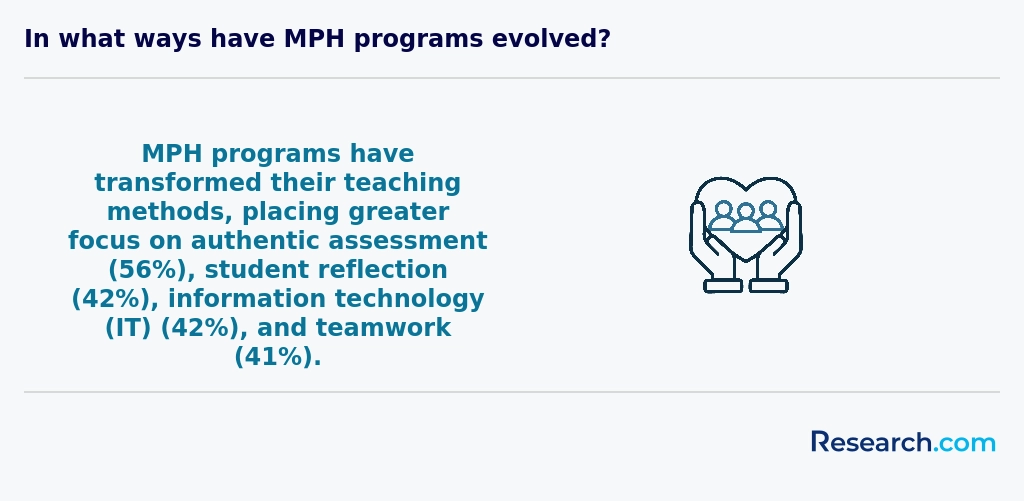
Public health degrees in North Dakota don't just teach theory-they immerse students in courses that reflect real community challenges. Graduates from institutions like the University of North Dakota share how foundational classes such as Introduction to Public Health and Epidemiology opened their eyes to patterns of disease right in their own backyards. These courses aren't abstract; they're lenses through which students observe local health trends and prepare to intervene effectively.
Biostatistics and Environmental Health courses give students hands-on tools to analyze data and understand how North Dakota's unique environment shapes health outcomes. Imagine working through case studies on rural health, where access to care is limited, or exploring health communication strategies to connect with Native American populations-a reality many graduates express pride in mastering.
Health Policy and Management classes challenge students to rethink the organization of services in sparsely populated areas, fostering innovative solutions. Coupled with Social and Behavioral Sciences, these courses nurture empathy and practical skills vital for making a measurable difference in communities across North Dakota.

Public health degrees in North Dakota challenge students to engage deeply with specializations vital to their communities. Graduates from well-known institutions like the University of North Dakota often find themselves drawn to Epidemiology, where they analyze disease patterns impacting rural populations. This specialization is not just academic-it's a powerful tool against outbreaks in close-knit towns. Exploring top public health concentration options North Dakota offers reveals other paths such as Health Policy and Management, where students learn to navigate and improve healthcare delivery systems strained by geographic and economic barriers.
Environmental Health attracts many who want to safeguard communities affected by the state's agricultural and energy sectors, clearly illustrating how local industry shapes public health careers. Behavioral health also remains integral, especially as students confront real-world struggles with mental health resources in rural settings. Students inspired by their public health degree specializations in North Dakota share how these focused studies enable them to create meaningful change. For those seeking flexible options, some even compare their path with the online msn to dnp programs program rankings to find the best fit for their future.
Choosing the best public health degree programs North Dakota offers means more than just picking a school with a good name. Graduates from North Dakota State University often reflect on how the affordability combined with a CEPH-accredited curriculum shaped their trust in the education they received-knowing it met national standards without breaking the bank. It's vital to consider how flexible learning options, like online or hybrid formats from the University of North Dakota, enable students balancing jobs or family to still advance professionally.
Students who pursued affordable public health schools in North Dakota frequently highlight the impact of real-world experiences, such as internships arranged through local health departments. These opportunities don't just build resumes-they build confidence and local connections, helping graduates navigate the uniquely rural public health landscape here. Before choosing, weigh whether the program's career support truly aligns with your goals, ensuring your degree opens doors rather than just filling a bookcase.
Those exploring health fields might also consider how a public health degree complements other careers in the state, just as some have blended their studies with a nursing career in Oregon to expand their impact across healthcare sectors.

Graduates of public health programs in North Dakota quickly discover that career paths stretch far beyond typical expectations. Many find themselves working in state and local health departments, directly impacting disease prevention and health promotion. Those who studied at popular institutions like the University of North Dakota recount how immersive internships led them to fulfilling roles in emergency preparedness, especially crucial in rural communities. Exploring North Dakota public health degree job opportunities reveals a strong presence in healthcare settings, where hospitals and clinics depend on graduates to manage programs that tackle rural health challenges, improving patient outcomes amid an aging population. Others are drawn to nonprofit organizations and tribal health services, where community health education efforts address pressing issues such as diabetes and heart disease, resonating deeply with public health graduates who experienced these challenges firsthand during their studies.
In addition, North Dakota's smaller population allows health policy analysts and researchers a unique opportunity to influence statewide healthcare delivery directly. Graduates from colleges like North Dakota State University often mention the rewarding experience of shaping policies that respond to the state's specific needs. For prospective students weighing career potential against educational investment, salary prospects are encouraging, with entry-level positions starting around $40,000 and experienced professionals reaching upwards of $75,000 annually. This range offers a compelling incentive when combined with affordable in-state tuition. Those curious about related healthcare professions can compare their prospects with the nurse salary in Georgia.
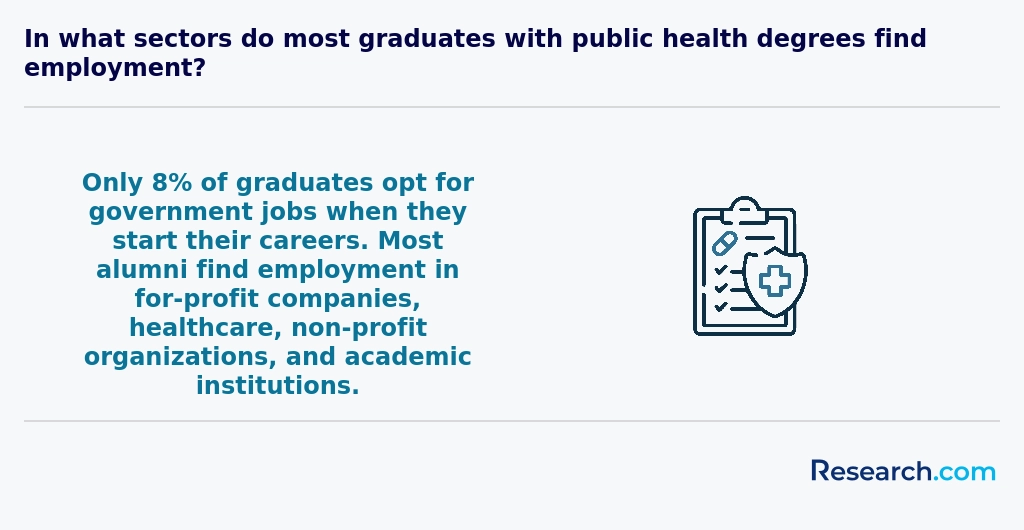
Graduates holding a public health degree in North Dakota face a dynamic job market shaped by the state's unique rural landscape and community health needs. Unlike larger metropolitan regions, public health career opportunities here often involve direct engagement with rural populations, tribal health services, and initiatives spearheaded by institutions like North Dakota State University and the University of North Dakota. Many graduates describe their early careers as deeply rewarding, contributing to programs that tackle persistent health disparities with innovative approaches.
Salary expectations align closely with national averages, typically ranging from $45,000 for entry-level roles up to $70,000 for experienced professionals, reflecting the region's economic context and its emphasis on breadth of responsibility rather than specialization. Considering the affordable in-state tuition rates at North Dakota's public universities, investing in a public health degree locally can be an economically sound choice, especially when weighed against the job market for public health job outlook North Dakota offers.
Students often discover the importance of versatile skills through their education and internships, especially in community health promotion and disease surveillance. Those exploring educational pathways can find related programs here. The steady demand and diverse employer base provide a landscape rich with potential for meaningful, impactful work in North Dakota public health career opportunities.
2027 Most Affordable Public Health Degree Programs Ranking in North Dakota
Investing in your education is a significant decision that can shape your future, and the Research.com team understands the importance of making informed choices. To assist prospective students in North Dakota, we have meticulously crafted the "2027 Most Affordable Public Health Degree Programs Ranking in North Dakota." Our commitment to quality, credibility, and accuracy is reflected in the extensive research and analysis conducted to compile this ranking.
We utilized the following reputable data sources to ensure a comprehensive evaluation of public health programs:
By exploring this ranking, readers will gain valuable insights into affordable and quality public health degree programs in North Dakota, helping them make well-informed decisions about their educational paths. For more details on our methodology, please visit our Research.com methodology page.


Frequently Asked Questions About public health
Public health degree students in North Dakota can maximize their learning experience by engaging closely with local health agencies such as the North Dakota Department of Health. Practical experience through internships or community-based projects strengthens understanding of regional health challenges, including rural healthcare access and chronic disease prevention.
Utilizing resources from state universities, many of which collaborate on research addressing state-specific issues like mosquito-borne illnesses and opioid misuse, provides valuable real-world learning. According to the North Dakota Public Health Association, connecting with local professionals at workshops and conferences also enhances networking and career prospects.
Students should take advantage of online courses and certification programs offered by accredited institutions to complement in-person studies, broadening their expertise while accommodating diverse schedules.
Emerging niches within the public health field in North Dakota are increasingly shaped by local and national trends. One growing area is rural health, focusing on addressing healthcare disparities faced by residents outside urban centers. According to the North Dakota Department of Health, rural populations experience higher rates of chronic diseases, making specialized public health expertise essential.
Another expanding niche is environmental health, driven by concerns over agriculture-related chemical exposures and water quality. Public health professionals skilled in environmental risk assessment are in demand.
Data science is also gaining importance. The ability to analyze health data effectively supports disease prevention efforts and resource allocation.
These niches offer promising career paths for students pursuing public health degrees in North Dakota.
Preparing for the job market after earning a public health degree in North Dakota involves strategic steps tailored to the local employment landscape. Students should pursue internships with state agencies like the North Dakota Department of Health, offering valuable hands-on experience and networking opportunities. According to the U.S. Bureau of Labor Statistics, public health jobs in North Dakota are projected to grow moderately by 5% through 2030, emphasizing the need for practical skills alongside academic knowledge.
Certifications such as the Certified Health Education Specialist (CHES) can enhance job prospects. Additionally, attending regional public health conferences can increase connections with employers in rural and urban areas. Focusing on skills in data analysis and community outreach aligns well with North Dakota's public health priorities.
Employers in North Dakota seek public health graduates with strong analytical and communication skills. Graduates must be able to interpret data clearly and convey health information effectively to diverse populations. Critical thinking and problem-solving abilities are essential, especially given the state's focus on rural health challenges.
Knowledge of epidemiology and health policy is highly valued. According to the North Dakota Department of Health, understanding community health trends helps address prevalent issues like chronic disease and substance abuse. Furthermore, proficiency in program planning and evaluation is important to implement effective health interventions.
Technical skills such as data management and familiarity with health information systems also enhance employability in public health roles across the state.
Finding internships in North Dakota relevant to a public health degree involves tapping into local health departments, hospitals, and nonprofit organizations. The North Dakota Department of Health offers internship programs that allow students to gain hands-on experience in community health initiatives. Additionally, facilities like Sanford Health and CHI St. Alexius Health often provide internship opportunities for public health students.
Universities in North Dakota, such as the University of North Dakota, frequently have partnerships with local agencies to help students secure placements. The North Dakota Public Health Association also lists internship openings and resources on their website. Utilizing these contacts enhances practical learning and career prospects.
According to the Bureau of Labor Statistics, North Dakota's growing healthcare sector increases demand for public health interns, particularly in rural health outreach and disease prevention programs. Exploring these sectors can provide valuable experience and network opportunities essential for public health careers.
A public health degree in North Dakota significantly enhances career mobility and advancement opportunities. Graduates are prepared for diverse roles in government agencies, healthcare settings, and community organizations. The state's Bureau of Labor Statistics data shows steady demand for public health professionals, forecasting a 9% growth in health educator and community health worker positions by 2030.
Employers in North Dakota highly value the skills acquired through accredited public health programs, especially in epidemiology, health policy, and program management. This qualification often leads to higher salaries and promotion potential.
Moreover, North Dakota's expanding public health infrastructure, supported by agencies like the Department of Health, offers numerous opportunities for career development through specialized certifications and leadership training.
Studying for a public health degree in North Dakota equips students with skills to work effectively across multiple disciplines. Programs emphasize collaboration with fields like healthcare, environmental science, and social services. This interdisciplinary approach reflects North Dakota's diverse public health challenges, from rural healthcare access to environmental concerns. According to the North Dakota Department of Health, understanding these connections is vital for improving community health outcomes.
Courses often include training in data analysis, policy, and communication, preparing students to address complex health issues. Partnerships with local health organizations provide practical experience in integrated settings. This prepares graduates to contribute meaningfully in roles requiring coordination among diverse professional groups.
Choosing between a thesis and a non-thesis public health degree program in North Dakota depends largely on your career goals and educational preferences. A thesis option emphasizes research, requiring students to design and complete original studies, which is ideal if you aim for a PhD or research-based role.
Conversely, non-thesis programs focus on practical skills and coursework, appealing to students seeking immediate employment in public health practice. According to the North Dakota Department of Health, the state's public health workforce increasingly values applied skills in areas like epidemiology and health promotion.
Consider also the typical time commitment: thesis programs may take longer due to research demands, while non-thesis tracks often allow faster completion. Your choice should align with both your professional objectives and learning style.
Students based in North Dakota interested in studying public health abroad have several options through their home institutions and external programs. North Dakota universities, such as the University of North Dakota, often partner with international universities to offer exchange or study abroad opportunities focused on global health. These programs allow students to gain practical experience in diverse health environments.
Additionally, third-party providers organize short-term fieldwork and internships abroad, which are valuable for hands-on public health training. Many programs in Europe, Asia, and Latin America attract US students looking to broaden their perspectives. According to the Institute of International Education, about 1.7% of US public health students participate in study abroad programs, highlighting a growing trend.
Funding for these experiences can come from federal scholarships, university grants, or public health-specific awards, which help reduce financial barriers. North Dakota's focus on rural and Indigenous health also encourages programs that include global health aspects applicable to local populations.
In North Dakota, part-time job opportunities that complement public health degree education often include roles in healthcare facilities, nonprofit organizations, and government agencies. Many students find work as health educators or community outreach assistants, gaining practical experience while supporting local health programs. Organizations like the North Dakota Department of Health frequently offer internships or part-time positions related to disease prevention and health promotion initiatives.
Working in clinics or hospitals as patient services assistants or medical records clerks can also provide valuable exposure to public health systems. According to the U.S. Bureau of Labor Statistics, the demand for healthcare support roles in North Dakota is expected to grow moderately through 2030, benefiting students seeking relevant employment.
Public health students in North Dakota have access to several networking opportunities across the state. Key connections can be made through organizations like the North Dakota Public Health Association, which hosts events and seminars focused on current public health topics. These gatherings enable students to meet professionals working in government agencies, healthcare, and community programs.
Many universities collaborating with the North Dakota Department of Health offer internships and fieldwork placements, providing hands-on experience and direct contact with local experts. Additionally, conferences such as the annual Upper Midwest Public Health Conference draw regional professionals, fostering broader connections.
Students can also engage with alumni networks that help facilitate mentorship and career guidance tailored to the public health sector within North Dakota.
Alumni networks provide valuable support to public health degree students in North Dakota by offering connections to professionals working in state and regional health agencies. These networks often facilitate internships and job placements, which are crucial given North Dakota's focus on rural health challenges and preventive care.
The University of North Dakota, a prominent institution for public health education, boasts an active alumni association that helps students access mentorship and career advice. According to the North Dakota Department of Health, partnerships between graduates and employers contribute to filling workforce gaps in critical public health roles.
Through alumni events and online platforms, students build relationships that can lead to collaborative projects and employment opportunities, strengthening their chances in a competitive job market.
Public health degree programs in North Dakota offer several ways to tailor studies toward specific career paths. Many universities provide electives in areas like epidemiology, environmental health, health policy, and community health that allow students to focus their expertise based on interests and job goals.
Students can also select from different degree levels, including bachelor's, master's, and certificate programs, to meet their professional needs. For example, a Master of Public Health (MPH) with a concentration in rural health can prepare graduates for North Dakota's unique population health challenges, as about 40% of residents live in rural areas (U.S. Census Bureau, 2020).
Internships and practicum opportunities through local health departments or tribal health agencies further customize learning and provide practical experience directly relevant to the state's public health workforce demands.
Public health students in North Dakota often face challenges related to limited local internship opportunities. Because the state has a smaller population and fewer large urban centers, finding diverse practical experiences can be difficult. According to the North Dakota Department of Health, rural communities dominate the state, which may restrict exposure to some public health issues common in more urbanized areas.
Another challenge is access to specialized coursework. Not all universities in North Dakota offer extensive public health programs, which may require students to supplement their education online or through out-of-state resources. The need to balance work, study, and sometimes travel can be stressful for many students.
Finally, while tuition in North Dakota tends to be affordable compared to the national average, financial aid and scholarships specifically for public health students remain competitive. This sometimes causes additional pressure on students to secure funding as they progress through their degrees.
A public health degree in North Dakota opens pathways to several respected professional certifications, enhancing career opportunities in the field. One commonly pursued credential is the Certified in Public Health (CPH) certification, offered by the National Board of Public Health Examiners. This certification validates foundational public health knowledge and skills.
Graduates may also consider becoming a Registered Health Education Specialist (CHES), which focuses on health promotion and education expertise. For those leaning toward epidemiology or biostatistics, certificates such as the Certified Epidemiologist can be relevant, though often requiring additional experience.
In North Dakota, where public health challenges include rural healthcare access and chronic disease prevention, these certifications support professionals in addressing local health needs effectively. The North Dakota Department of Health provides resources to help guide public health professionals toward certification options aligned with state workforce demands.
To write a winning application for a public health program in North Dakota, start by clearly demonstrating your commitment to improving community health. Admissions committees value applicants with well-articulated goals aligned with public health challenges in the region, such as rural health disparities and Native American community wellness.
Highlight relevant experience, including volunteering or working with local health departments or organizations like the North Dakota Department of Health. Quantify your impact where possible to strengthen your case.
Strong letters of recommendation from professionals familiar with your dedication and skills add credibility. Additionally, tailor your personal statement to emphasize knowledge of North Dakota's unique health issues, showing you have done your research.
Finally, maintain a competitive GPA-most programs prefer at least a 3.0-and prepare for any required standardized tests. Refer to data from the Council on Education for Public Health for national and regional admission trends.
Public health careers are increasingly valued worldwide for addressing complex health challenges. Globally, public health professionals focus on disease prevention, health promotion, and improving quality of life. In the United States, including North Dakota, public health degrees prepare students to work in diverse settings, from local health departments to international organizations.
North Dakota has seen steady growth in public health jobs, with employers valuing skills like epidemiology and health education. According to the Bureau of Labor Statistics, public health-related roles in the U.S. are projected to grow 12% from 2020 to 2030, reflecting global demand for trained experts.
Studying public health with a local perspective can open doors to global opportunities, as many health challenges require cross-border collaboration. Understanding North Dakota's unique rural health issues also aligns with global efforts to improve health equity in underserved communities.
Gaining practical experience while studying for a public health degree in North Dakota is essential for career readiness. Many universities in the state encourage internships with local health departments, hospitals, and community organizations. For example, the North Dakota Department of Health regularly partners with students to provide hands-on learning in areas like epidemiology and health promotion.
Students can also participate in research projects focused on rural health, a key public health challenge in North Dakota, where 41% of the population lives in rural areas (U.S. Census Bureau, 2022). Additionally, service-learning opportunities with tribal health programs or non-profits offer valuable field experience. These options help bridge classroom theory and real-world public health practice.
Choosing the right concentration within a public health degree in North Dakota involves understanding both your career goals and the regional health priorities. North Dakota faces specific challenges such as rural healthcare access and chronic disease management, which influence available specializations. Popular concentrations include epidemiology, health policy, and community health, each addressing unique public health needs.
Students should review program options at institutions like the University of North Dakota, which offers tailored tracks according to local health data from the North Dakota Department of Health. Understanding labor market demands through sources such as the Bureau of Labor Statistics can also guide concentration selection.
Consider internships and practicum opportunities within North Dakota's public health departments to gain practical experience aligned with your focus area.
- 2027 Most Affordable Public Health Degree Programs Ranking in Minnesota
- 2027 Most Affordable Public Health Degree Programs Ranking in Michigan
- 2027 Most Affordable Public Health Degree Programs Ranking in Arkansas
- 2027 Most Affordable Public Health Degree Programs Ranking in Alabama
- 2027 Most Affordable Public Health Degree Programs Ranking in New Jersey
- 2027 Most Affordable Public Health Degree Programs Ranking in Arizona
- 2027 Most Affordable Public Health Degree Programs Ranking in Connecticut
- 2027 Most Affordable Public Health Degree Programs Ranking in Washington
- 2027 Most Affordable Public Health Degree Programs Ranking in California
- 2027 Most Affordable Public Health Degree Programs Ranking in New Hampshire
- Public Health Jobs | Public Health Jobs in the UK | Publichealthjobs.co.uk https://publichealthjobs.co.uk/
- Group Training - North Dakota Public Health Training Network https://www.ndphtn.com/group-training
- Internships for MPH Students https://www.publichealthdegrees.org/careers/internships/
- North Dakota https://www.publichealth.org/online-degrees/north-dakota/
- Global Health Perspectives https://globalhealthperspectives.com/
- Public Health in North Dakota: Degree programs designed to prepare the next generation of public health leaders https://www.healthcarepathway.com/public-health/north-dakota-public-health/
- Careers https://www.hhs.nd.gov/careers
- Young WFPHA Initiative – Empowering Young Public Health Professionals https://www.wfpha.org/young-wfpha/
- Steps to take when applying for a graduate program | PH SPOT https://phspot.org/how-i-think-i-got-into-grad-school/
- Public Health Degree in North Dakota | MPH Programs https://www.publichealthonline.org/north-dakota/









