2027 Most Valuable Public Health Degree Programs Ranking in Indiana

Co-Founder and Chief Data Scientist
Choosing the right public health degree program can shape your future and open doors to meaningful career opportunities. This article introduces the 2027 Most Valuable Public Health Degree Programs Ranking in Indiana, developed by the Research.com team of data scientists to guide you in making an informed decision.
By exploring this ranking, you'll discover programs valued for quality education, career outcomes, and opportunities in the health sector. Pursuing a public health degree offers the chance to impact communities positively while building a rewarding profession.
Whether you're just starting or considering a change, this guide can help you take the next confident step.
Key benefits of getting public health degree in Indiana
- Graduates with a public health degree in Indiana can expect competitive salaries, such as $52,610 annually for Community Health Workers and up to $86,710 for Environmental Health Specialists.
- Career paths are diverse, including roles in health education, safety, and environmental health, as demonstrated by graduates from Indiana University who find rewarding jobs addressing community needs.
- Getting a public health degree online from institutions like Indiana State University offers flexibility, allowing students to balance work and study while gaining the same valuable knowledge as traditional programs.
- 2027 Most Valuable Public Health Degree Programs Ranking in Indiana
- What can I expect from public health degree in Indiana?
- Where can I work with public health degree in Indiana?
What can I expect from public health degree in Indiana?
The average cost of a public health degree in Indiana is generally lower than the national average, making it an affordable choice for many students. Graduates from universities such as Indiana University and Purdue University report tuition costs ranging from about $8,000 to $12,000 per year for in-state students. This price difference often helps reduce financial stress compared to out-of-state or private institution rates.
Many students in Indiana benefit from scholarships, assistantships, or state-funded grants focused on public health fields. For example, a graduate from a CEPH-accredited MPH program recalled securing a teaching assistantship that covered tuition and provided a modest stipend, allowing full focus on studies without excessive debt.
In practical terms, enrolling at popular institutions in Indianapolis or Bloomington means access not only to lower tuition but also to hands-on internships partnered with local health departments. This real-world experience adds value beyond cost, helping graduates feel confident they are gaining relevant skills for Indiana's unique public health challenges.
Where can I work with public health degree in Indiana?
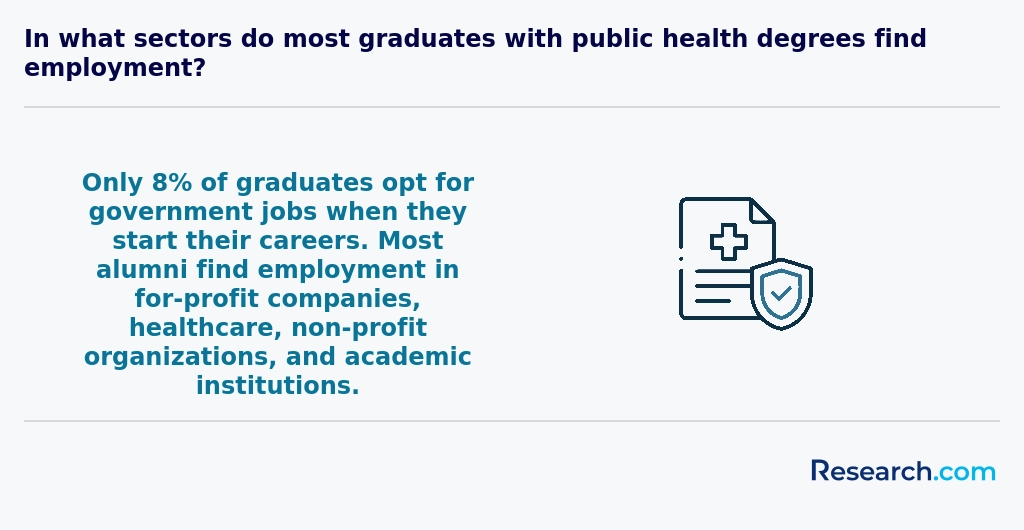
Graduates with a public health degree from Indiana University or Purdue face strong job opportunities across several sectors in the state. Many find positions with the Indiana State Department of Health, working hands-on in epidemiology or health education-roles that recently hired their peers to monitor disease outbreaks and run statewide wellness campaigns.
Others move directly into healthcare systems like IU Health or Ascension St. Vincent Health, managing community outreach programs or analyzing health data to improve patient outcomes. These roles often involve collaborating with clinical teams to implement practical solutions.
Nonprofits such as the Indiana Primary Health Care Association offer careers focused on health equity and grassroots advocacy, where graduates apply skills learned in community engagement courses at local colleges to real-world challenges in underserved neighborhoods.
For graduates interested in research or industry, Indianapolis-based pharmaceutical and biotech firms provide roles emphasizing policy analysis and public health communication, leveraging their university research training.
Finally, many public health alumni join educational programs such as Purdue Extension, engaging rural communities with practical health promotion activities they remember from internships during their studies.
Graduates from public health programs in Indiana, including those from well-known schools like Indiana University and Ball State University, often start with salaries ranging from about $45,000 to $55,000 annually. Community Health Workers typically make around $52,610 on average, while Health Educators can earn closer to $69,790 nationwide, although Indiana salaries tend to be slightly lower due to local cost-of-living factors.
Early-career graduates taking roles as Medical Assistants might expect earnings near $43,350 annually, a practical entry point while gaining experience. Those advancing to specialized fields such as Environmental Health Specialists earn significantly more, with mean salaries about $86,710. Occupational Health and Safety Specialists have similarly strong earning potentials, averaging $85,570 per year.
Indiana graduates who continue education or seek certifications often find even higher-paying opportunities, especially in health management or policy roles, where salaries can reach $65,000 to $75,000 or more. Real-life graduates appreciate how these figures align with regional demand, providing steady career growth prospects after school.
- Tuition at public universities in Indiana for public health programs ranges from $10,000 to $12,000 per year for in-state students, while private institutions may charge over $20,000 annually.
- Starting salaries for public health graduates typically range from $50,000 to $55,000, with mid-career professionals earning between $70,000 and $85,000 per year.
- Indiana's job market for public health is growing, with strong demand in healthcare and social assistance sectors driven by community health initiatives and emergency response needs.
- Accredited public health degrees available in Indiana include Bachelor of Science in Public Health (BSPH) and Master of Public Health (MPH), often featuring practical training and internships.
- Several Indiana schools offer online public health programs, providing flexibility for students balancing other commitments.
Completing a public health degree in Indiana depends largely on the level of study and whether you attend full-time or part-time. For example, associate degrees at community colleges usually take about two years if enrolled full-time, allowing graduates to enter the workforce quickly or build credits toward a bachelor's.
At Indiana University or Purdue University, most bachelor's degrees in public health require around four years of full-time study, encompassing about 120 credit hours. Graduates often share how managing coursework alongside part-time jobs stretched their completion time to five or six years, but also provided valuable real-world experience.
Master's programs like the MPH usually take two years of full-time study at schools such as IUPUI, though part-time options extend this to three to five years. Graduates appreciate the flexibility to balance internships and practicum hours while working.
Doctoral programs typically last four to six years, reflecting time spent on research and dissertation work. Many graduates value the depth of expertise gained despite the longer timeframe, especially when pursuing academic or leadership roles within Indiana's public health sector.
When choosing between online and on-campus public health degrees in Indiana, consider how each fits your lifestyle and goals. Graduates from Indiana University Bloomington often praise the on-campus experience for its rich face-to-face interactions with professors and peers, making networking feel natural. Access to labs and career services enhances learning but requires daily commuting or relocating, which adds costs and time.
Online programs, favored by many Purdue University graduates juggling jobs or family, offer flexibility by allowing coursework completion anywhere. This format uses recorded lectures and virtual discussions, making it easier to study around your schedule, though it requires reliable technology. Tuition differences are modest, with in-state on-campus programs averaging around $11,000 yearly, but online students save on housing and transport.
Hands-on practicums are often simpler to coordinate locally on campus, while online students may need to plan carefully to secure nearby placements. Choose based on whether you value in-person engagement or scheduling freedom the most.
Achieving success in a Public Health program in Indiana extends beyond classroom learning. Students can maximize their potential by actively seeking mentorship, engaging in community partnerships, and taking advantage of internship opportunities. Embracing a proactive mindset-such as developing strong study routines, attending career fairs, and participating in networking events-can help build valuable professional relationships and enhance practical skills within the field. Additionally, staying up-to-date on industry trends and best practices is essential for a competitive edge in the job market. For those looking for cost-effective options while still receiving quality education, consider exploring affordable public health programs in indiana as a pathway to both academic and career success. Overall, by blending academic excellence with real-world experience and strategic career planning, students can pave a smoother road toward rewarding Public Health careers.
The average cost of a public health degree in Indiana is around $11,453 for in-state students, making it a financially feasible option compared to many other states. For instance, graduates from well-known institutions like Indiana University Bloomington often report managing tuition costs near this median amount. These costs cover the entire program, which typically lasts two to four years depending on whether you pursue an undergraduate or graduate public health degree. Knowing these figures helps you plan your budget wisely and reduce financial stress.
Out-of-state students face significantly higher tuition fees, sometimes two to three times the in-state rate, often exceeding $30,000 annually at popular schools such as Purdue University. Many students from outside Indiana find it beneficial to explore scholarship opportunities or consider residency status changes to take advantage of the more affordable in-state tuition. Keeping track of all tuition fees and living expenses helps you avoid surprises and ensures you can maximize your investment in education.
Additional costs beyond tuition-including housing, books, and supplies-typically add $12,000 to $14,000 annually. Many Indiana public health students share how budgeting for these expenses alongside tuition helps create a more manageable financial roadmap. If you are weighing your options, check out listings of affordable public health programs in indiana to discover practical alternatives tailored to your financial situation.
Whether pursuing an MPH or a Bachelor of Science in Public Health, understanding the average cost of public health degree Indiana offers allows for insightful financial planning. Planning ahead and seeking assistance through scholarships and grants can make the dream of a public health career completely achievable and rewarding.
Hands-on fieldwork is a cornerstone of any high-quality Public Health degree program in Indiana, bridging classroom theory with real-world impact. Most accredited programs require a minimum of 200–300 practicum hours, during which students collaborate with local health departments, non-profit organizations, hospitals, and community clinics. These placements often focus on: • Community Health Assessment – Designing surveys, conducting focus groups and analyzing social determinants of health under the mentorship of county health officials. • Epidemiological Investigations – Assisting with outbreak response, data collection and statistical modeling alongside state epidemiologists. • Health Education Campaigns – Developing and delivering culturally appropriate workshops on topics such as vaccination, nutrition or workplace safety. • Environmental Health Inspections – Partnering with environmental health specialists to evaluate air and water quality in residential and industrial zones. Indiana University Bloomington’s practicum office maintains partnerships with the Indiana State Department of Health and the Marion County Public Health Department, ensuring students gain exposure to both urban and rural health challenges. Purdue University’s online MPH program integrates virtual simulations and weekend-intensive site visits, enabling working professionals to complete fieldwork without sacrificing job commitments. Prospective students exploring flexible or cost-effective options may also review our Inexpensive Online Public Health Degree Programs Ranking in Ohio to compare practicum structures and affordability. Completion of a robust internship often yields measurable benefits: 85% of students report job offers from their practicum sites, and many credit their field supervisors as key professional references. By selecting a program with well-established field placements, you not only satisfy accreditation requirements but also cultivate the practical skills and networks essential for a successful public health career.
Students pursuing public health degrees in Indiana can tap into multiple financial aid sources to ease tuition costs, which range from about $10,000 to $12,000 annually for in-state attendees. Start by completing the FAFSA to access federal aid such as Pell Grants, which can cover up to $7,395 yearly without repayment, a relief many Indiana University public health grads have appreciated.
State programs like the 21st Century Scholars Program offer tremendous support by covering four years of undergraduate tuition at Indiana public universities, a benefit especially valuable for first-generation students aiming for schools like Purdue University.
Merit-based scholarships at these universities reward strong academic records or community health involvement, helping reduce loan dependency. Graduate students often secure assistantships or fellowships linked to faculty research, providing both tuition coverage and a stipend, which has helped many master's and doctoral students feel financially secure while focusing on their studies.
Professional groups including the American Public Health Association occasionally offer competitive scholarships for those actively engaged in public health work locally, adding another layer of financial support that public health students have found encouraging and motivating.
Choosing a CEPH-accredited program ensures you meet industry standards and qualify for top roles across public health agencies, hospitals and nonprofits. Indiana schools accredited by the Council on Education for Public Health (CEPH) also hold regional accreditation through the Higher Learning Commission (HLC).
Key benefits of CEPH accreditation:
- Curriculum aligned with core public health competencies
- Eligibility for the Certified in Public Health (CPH) exam
- Streamlined credit transfer and graduate school admission
Professional certifications boost credibility and career prospects:
- Certified in Public Health (CPH) – Recognized nationwide for mastery of public health knowledge
- Certified Health Education Specialist (CHES) – Ideal for community health educators
- Specialized credentials (e.g., RAC for research administration)
For those interested in administrative leadership, complement your public health expertise with a healthcare administration degree online to strengthen both policy and operations skills.
To enroll in a public health degree program in Indiana, start by ensuring you meet the basic academic requirements. For bachelor's programs at institutions like Indiana University Bloomington or Purdue University, a high school diploma with a solid GPA around 2.5 to 3.0 is essential. Graduates often mention how having taken courses in biology, chemistry, and statistics helped them feel confident during admissions.
For a Master of Public Health (MPH), universities such as IUPUI expect applicants to hold a bachelor's degree, preferably in health or science fields. However, graduates from diverse backgrounds found success by highlighting coursework in social sciences or related experiences, such as volunteering at local health clinics. Some programs might ask you to complete prerequisite classes if your undergrad degree wasn't directly related.
Many MPH candidates have shared how preparing strong personal statements and gathering meaningful recommendation letters really made their applications stand out. GRE requirements vary; some schools waive them based on professional experience or academic excellence, a positive relief for busy working professionals. Practical experience through internships is highly valued and often opens doors to networking within Indiana's public health sector.
Pursuing recognized certifications and specialized training can significantly enhance your career prospects after earning a Public Health degree in Indiana. Many graduates opt for the Certified Health Education Specialist (CHES) credential, which validates expertise in planning, implementing, and evaluating health education programs. To prepare, students often enroll in review courses covering epidemiology, program planning, and community assessment, ensuring they meet eligibility requirements set by the National Commission for Health Education Credentialing (NCHEC). Another valuable credential is the Certified in Public Health (CPH) exam, offered by the National Board of Public Health Examiners (NBPHE). Achieving CPH status demonstrates mastery of public health sciences and is increasingly preferred by employers in state health departments and nonprofit organizations. Indiana University and Purdue University alumni frequently share how CPH certification opened doors to leadership roles in health policy and program management. For those focused on environmental and workplace safety, the Registered Environmental Health Specialist/Registered Sanitarian (REHS/RS) credential provides rigorous validation of skills in inspecting, regulating, and improving environmental health standards. Local chapters of professional bodies such as the Indiana Environmental Health Association offer workshops and continuing education units (CEUs) to help candidates satisfy licensure renewal requirements. Specialized certificates in areas like global health, infectious disease control, and maternal and child health are increasingly popular among graduates seeking niche roles. Online certificate programs can be pursued part-time, allowing professionals to balance work and study. For individuals interested in exploring related high-earning pathways, check out highest paying medical jobs, which highlight roles that often intersect with public health expertise. Investing in these certifications not only boosts credibility but also positions graduates for accelerated advancement and higher salary brackets in Indiana’s competitive public health landscape.
Indiana public health degree programs typically include courses that combine theory with practical skills, preparing you effectively for the workforce. Graduates from popular schools like Indiana University and Purdue have described how courses such as Introduction to Epidemiology and Biostatistics for Public Health gave them strong analytical tools to understand disease patterns in local communities.
Environmental Health Sciences classes take on special importance in Indiana, where concerns about pollution and rural occupational hazards are real. Students have shared how these courses helped them identify health risks in their own neighborhoods, making the learning feel immediate and relevant.
Health Behavior and Promotion courses focus on influencing community practices, often involving projects that reflect the diverse population of Indiana's urban and rural areas. Those who completed Health Policy and Management coursework found it vital for navigating the complex healthcare systems that serve Indiana's extensive rural population.
Many programs also include a Practicum or Capstone Experience, providing hands-on work with local health departments or nonprofits, which Indiana graduates value for the confidence it builds in real-world problem-solving.
When exploring public health degree specializations Indiana students often find epidemiology to be a foundational choice, focusing on tracking and controlling disease outbreaks. Graduates from major programs like Indiana University appreciate how this specialization prepared them to respond effectively during health crises, making their daily work both impactful and rewarding. Another frequent option is health policy and management, ideal for those eager to shape healthcare systems and lead public health organizations.
Environmental health attracts practical-minded students fascinated by studying the effects of pollution and safety regulations across Indiana's varied urban and rural settings. Many graduates reflect on hands-on projects analyzing local water quality, which provided clear links between coursework and community wellbeing. Community health education and global health concentrations also appeal to students driven to promote wellness and tackle diverse health challenges, reflecting Indiana's growing cultural diversity. For a realistic career outlook, these programs align well with workforce needs in epidemiology, health informatics, and outreach roles.
Prospective students should weigh these options carefully to find a specialization that fits their strengths and interests, balancing passion with the demand for public health professionals. For those curious about high-earning career paths post-graduation, consulting the list of highest paying medical jobs can provide valuable guidance.
Begin by verifying the program's accreditation status, focusing on CEPH-accredited degrees like those at Indiana University's Richard M. Fairbanks School of Public Health. Graduates often highlight how accreditation boosted their confidence in the quality of education and career readiness. Next, weigh tuition costs carefully-Indiana residents typically pay between $8,000 and $12,000 annually at public universities, whereas private or out-of-state options can be over $20,000. This financial factor is crucial for many students who want affordable public health degrees Indiana offers without sacrificing quality.
Consider what specialization fits your career goals. Whether it's epidemiology or health policy, programs that incorporate local public health challenges appeal to students eager to make an impact in Indiana's diverse communities. Many graduates share positive experiences with hands-on internships, especially through strong partnerships with the Indiana State Department of Health.
For flexible learning, review course delivery options including evening, weekend, or online classes. For those seeking value and convenience, the Inexpensive Online Public Health Degree Programs Ranking in Ohio may offer comparable pathways nearby.
Graduates with a public health degree in Indiana find a variety of career paths that match their interests and strengths. Many build careers in local or state government health departments, focusing on roles like epidemiologists or community health educators, where they contribute directly to disease prevention and public well-being. For instance, graduates from public health programs at popular Indiana universities often describe the satisfaction of helping manage outbreak responses or launching community health campaigns.
Others pursue opportunities in Indiana's expansive healthcare systems, such as hospital networks, taking on positions as health program coordinators or healthcare policy analysts. These roles blend administrative skills with health knowledge, appealing to students who thrive in dynamic, collaborative environments. Many find the steady career progression in these roles reassuring and motivating.
Many graduates also explore the growing nonprofit and private sectors focused on health promotion, wellness programs, and communication strategies that address social determinants of health. For students unsure about the long-term path, exploring 6 month courses that pay well provides practical options to boost credentials and enter the workforce swiftly. Indiana's diverse public health career opportunities ensure graduates can connect their degrees to real community impact.
Graduates with a public health degree in Indiana find their skills in steady demand, particularly in local health departments, hospitals, and nonprofit organizations. Those studying at popular institutions like Indiana University or Purdue University often share how internships with the Indiana Department of Health provided hands-on experience, directly linking their education to vaccination drives or opioid crisis initiatives. This practical exposure helps new graduates confidently step into roles addressing pressing community health needs, a positive reality for anyone researching the public health degree job outlook Indiana.
Indiana's public health career opportunities stretch beyond traditional roles, offering chances in corporate wellness and agricultural health sectors. Starting salaries for graduates typically hover around $40,000 to $54,000 annually, which aligns with regional living costs, while experienced professionals can earn upwards of $75,000. For students concerned about affordability, in-state tuition at public universities ranges from $10,000 to $15,000 per year and is often offset by scholarships or financial aid, making this a realistic path. For further guidance, consider exploring options among the top online degrees for seniors to complement your studies.
2027 Most Valuable Public Health Degree Programs Ranking in Indiana
Investing in your education is a significant decision that can shape your future, and the Research.com team understands the importance of making informed choices. To assist prospective students, we have meticulously crafted the "2027 Most Valuable Public Health Degree Programs Ranking in Indiana." Our commitment to quality, credibility, and accuracy is reflected in the extensive research and analysis conducted to compile this ranking.
We utilized the following reputable data sources to ensure a comprehensive evaluation of public health programs:
By exploring this ranking, readers will gain valuable insights into the most valuable public health degree programs in Indiana, empowering them to make well-informed educational choices aligned with their career goals. For more details on our methodology, please visit our Research.com methodology page.


# 8 position
Purdue University Global
Master of Public Health


Frequently Asked Questions About public health
Public health degree students in Indiana can maximize their learning experience by engaging in both academic and practical opportunities. Indiana's universities often provide access to internships with the Indiana State Department of Health, which plays a key role in managing statewide health programs affecting over 6.7 million residents as of 2023.
Students benefit from involvement in community-based projects targeting local issues such as opioid misuse and chronic disease prevention, supported by Indiana's comprehensive health data systems. Participating in student organizations and attending regional public health conferences further enrich learning by exposing students to real-time challenges and innovations in the field.
Additionally, taking advantage of Indiana's growing network of healthcare providers and nonprofit agencies for volunteer work or research collaborations helps develop practical skills highly valued by Indiana employers, where public health jobs are projected to grow about 8% through 2030, according to the Bureau of Labor Statistics.
Emerging niches within the public health field reflect changing health challenges and technological advances. In Indiana, areas like epidemiology, health informatics, and environmental health are gaining prominence. For example, Indiana's focus on controlling infectious diseases after COVID-19 increased demand for epidemiologists.
Health informatics, which combines data science and healthcare, helps manage patient information and improve public health decision-making. Indiana's growing tech sector supports this niche, creating new opportunities.
Additionally, environmental health specialists are crucial due to the state's agricultural and industrial activities, which can impact community health.
According to the Indiana State Department of Health, these areas showed above-average job growth over the past five years.
To prepare for the job market after completing a public health degree in Indiana, graduates should focus on gaining practical experience through internships or volunteer positions. The Indiana State Department of Health and local health departments often offer placement opportunities that provide valuable hands-on skills. Networking is also crucial; joining organizations like the Indiana Public Health Association can connect students to professionals and job leads.
Indiana's public health sector employs thousands, with an expected 7% growth rate through 2030, according to the Bureau of Labor Statistics. Enhancing skills in data analysis, epidemiology, and health education improves employability. Additionally, obtaining certifications such as Certified Health Education Specialist (CHES) can increase job prospects in the region.
Employers in Indiana seeking public health graduates prioritize strong analytical and communication skills. Graduates must be proficient in data collection, interpretation, and applying statistical methods to address health issues.
Knowledge of community health strategies and health policy is also critical, as Indiana faces challenges like opioid-related disorders and chronic diseases, according to the Indiana State Department of Health (ISDH).
Additionally, adaptability and cultural competence are vital, enabling graduates to effectively work with Indiana's diverse populations.
Proficiency in public health software and grant writing enhances employability, while experience in program planning remains highly valued by employers statewide.
Finding internships relevant to a public health degree in Indiana involves exploring opportunities offered by local health departments, hospitals, and nonprofit organizations. The Indiana State Department of Health frequently partners with universities to provide internship placements focused on community health and epidemiology. Students can also check listings at Indiana University's Public Health programs, which maintain active internship boards.
The Indiana Public Health Association offers resources to connect students with internships statewide. According to recent data, Indiana employs over 20,000 public health workers, creating many practical learning environments. Networking through professional associations and university career centers enhances internship prospects.
Online platforms such as Handshake and LinkedIn also list internship opportunities specific to Indiana's public health sector, helping students gain hands-on experience critical for employment after graduation.
A public health degree in Indiana significantly enhances career mobility and advancement opportunities. Graduates gain credentials valued by employers in government agencies, hospitals, and nonprofit organizations throughout the state. According to the Indiana Department of Workforce Development, employment in health education and community health positions is projected to grow by 12% through 2030.
Completing a bachelor's or master's in public health often leads to higher starting salaries and eligibility for leadership roles. Many employers prefer candidates with specialized knowledge in epidemiology, health policy, or environmental health-common focuses in Indiana's degree programs.
Additionally, Indiana's expanding healthcare infrastructure creates steady demand for skilled public health professionals, providing diverse pathways for career advancement across urban and rural areas.
Studying for a public health degree in Indiana equips students with skills to work across multiple disciplines. Indiana's programs emphasize collaboration among fields like epidemiology, health policy, environmental health, and social sciences. This interdisciplinary approach reflects the complexity of health challenges faced statewide, including chronic diseases and substance abuse crises.
According to data from the Indiana State Department of Health, public health professionals in Indiana increasingly work with diverse teams to design community-based interventions. Degree curricula often include practical experiences, such as internships with local health departments or nonprofit organizations, which build essential teamwork skills.
The integration of coursework and real-world training prepares graduates to analyze data, implement policies, and communicate effectively with various stakeholders, addressing Indiana's unique public health needs.
Choosing between a thesis and a non-thesis public health degree program in Indiana depends on your career goals and learning preferences. Thesis programs focus on research, requiring students to conduct original studies and write a detailed thesis. This path suits those planning to pursue doctoral studies or research-intensive roles.
Non-thesis programs emphasize practical skills and coursework, ideal for students targeting public health practice, policy, or administrative careers.
In Indiana, institutions like Indiana University offer both options with curricula aligned to state health priorities. According to the Indiana State Department of Health, research skills are valuable for tackling issues like opioid addiction, while practical experience is crucial for community health roles.
Consider your professional ambitions before selecting.
Students based in Indiana who wish to study public health abroad have several pathways through their home institutions. Many Indiana universities with accredited public health programs, such as Indiana University-Bloomington and Purdue University, offer study abroad opportunities or exchange programs in countries with strong public health systems. These programs often include placements in Europe, Asia, and Latin America, focusing on global health challenges.
According to the Association of Schools and Programs of Public Health (ASPPH), nearly 40% of US public health students participate in some international experience during their studies. Indiana students benefit from these trends, gaining exposure to diverse health systems and epidemiology practices.
Partnering schools sometimes provide dual degrees or certificates emphasizing global health, enhancing career prospects in an increasingly interconnected field.
Students pursuing public health degrees in Indiana can benefit from various part-time job opportunities that enhance their education and professional skills. Positions such as health educators, community outreach workers, and research assistants are prevalent in the state's healthcare and nonprofit sectors. The Indiana Department of Health and local hospitals frequently offer internships or part-time roles focused on communicable disease prevention and health promotion, which align with core public health competencies.
Additionally, data from the U.S. Bureau of Labor Statistics indicates growing demand for epidemiologists and health program coordinators in Indiana, creating further opportunities for practical experience. Engaging in these roles helps students apply classroom knowledge to real-world public health challenges within the state.
Public health students in Indiana have access to various networking opportunities that can enhance their career prospects. Many universities encourage involvement in student organizations, such as the American Public Health Association (APHA) student chapters, which connect students to professionals statewide. Indiana also hosts the Indiana Public Health Association (IPHA), offering conferences and workshops where students meet experts and potential employers. According to the IPHA, their annual conference attracts hundreds of public health professionals from across the state. Additionally, field placements and internships in Indiana health departments and community agencies provide hands-on experience while building local professional relationships.
Alumni networks play a crucial role for public health degree students in Indiana by providing valuable professional connections and mentorship opportunities. Graduates from Indiana's public health programs often remain active in these networks, helping students access internships, job openings, and collaborative projects within local health departments and nonprofit organizations.
Indiana's public health workforce, which includes over 11,000 professionals according to the Indiana Public Health Association, benefits from strong alumni engagement. This active network helps students navigate career paths specific to the state's health challenges, such as managing chronic diseases and improving rural health access.
Furthermore, alumni events and online platforms facilitate ongoing knowledge sharing and career development, critical for a rapidly evolving field like public health.
Customizing your public health degree program in Indiana often begins with choosing the right concentration that aligns with your career goals. Common specializations include epidemiology, health policy, environmental health, and community health.
Many Indiana universities offer flexible course options, allowing students to tailor their curriculum by selecting electives or pursuing certificates alongside core subjects. For example, Indiana University's School of Public Health provides opportunities to focus on rural health, a vital area given that over 21% of Indiana's population lives in rural settings (U.S. Census Bureau, 2023).
Internships and fieldwork are integral to customization. Indiana programs typically partner with local health departments and organizations like the Indiana State Department of Health. These experiences build practical skills relevant to the state's pressing health concerns, such as opioid addiction and chronic disease management.
Additionally, students can align their studies with Indiana's workforce needs; the Indiana Department of Workforce Development projects a 13% job growth for health educators and community health workers through 2030, emphasizing the importance of specialized training in public health education and outreach.
Public health students in Indiana often face several challenges during their studies. One major issue is limited access to diverse internship opportunities within the state, which can affect practical experience development. According to the Indiana Public Health Association, many students struggle to find placements that cover rural health concerns, despite that over 30% of Indiana's population lives in rural areas.
Another challenge is balancing coursework with fieldwork, especially in programs that require hands-on community engagement. Additionally, funding constraints and rising tuition fees make it difficult for some students to complete their degrees without financial stress. Data from the National Center for Education Statistics shows the average public health graduate tuition in Indiana increased by 15% over the past five years.
Finally, evolving public health issues such as opioid addiction and COVID-19 demand continual adaptation, requiring students to stay updated with rapidly changing information and policies to remain relevant in the workforce.
With a public health degree in Indiana, you can pursue several professional certifications that enhance your career prospects. One of the most recognized credentials is the Certified Public Health (CPH) certification, offered by the National Board of Public Health Examiners. It validates your knowledge across key public health areas. Another valuable certification is the Certified Health Education Specialist (CHES), which focuses on community health promotion and education.
Indiana's growing healthcare sector, driven by data from the Indiana State Department of Health, supports demand for professionals holding such certifications. Additionally, certifications in epidemiology, health administration, and environmental health are available to specialize further in the field.
To write a winning application for a public health program in Indiana, start by thoroughly researching the specific schools and their admission requirements. Many Indiana programs value a clear statement of purpose that explains your passion for public health and how the program fits your career goals. Highlight any relevant experience, such as internships, volunteer work, or employment in health-related fields.
Indiana's public health workforce continues to grow, driven by initiatives through the Indiana State Department of Health, which makes demonstrating awareness of state-specific health challenges advantageous. Strong letters of recommendation from academic or professional contacts familiar with your commitment to public health can strengthen your application.
Be sure to maintain a competitive GPA; many programs look for a minimum of 3.0. Additionally, preparing for and performing well on the GRE, if required, can improve your chances. Lastly, tailor each application carefully and proofread thoroughly to present a professional, well-rounded profile.
Public health careers offer a global outlook as they address health challenges that cross borders. Professionals with degrees from Indiana institutions engage with worldwide concerns such as infectious diseases, environmental health, and health equity. According to the CDC, global health threats directly impact communities in Indiana, making this career relevant beyond local boundaries.
Many public health programs in Indiana emphasize collaboration with international organizations, preparing students to work in diverse settings. The degree equips graduates to participate in programs supported by the World Health Organization and the U.S. Centers for Disease Control and Prevention, both influential globally.
Graduates often find opportunities in global health agencies or NGOs, highlighting the importance of global perspectives to public health roles in Indiana and beyond.
Students pursuing a public health degree in Indiana can gain practical experience through internships and fieldwork integrated into many programs. Indiana universities often partner with local health departments, hospitals, and community organizations to offer hands-on opportunities. For example, Indiana University's School of Public Health connects students with the Indiana State Department of Health for applied projects.
Additionally, students may participate in research assistantships, contributing to ongoing studies on public health issues specific to Indiana, such as opioid use and chronic disease prevention. According to the Indiana State Department of Health, these real-world experiences enhance employment prospects in the state's growing healthcare sector.
Volunteering with nonprofit groups addressing public health challenges also provides valuable exposure, complementing academic knowledge with community engagement.
Choosing the right concentration within a public health degree program in Indiana involves considering local health challenges and workforce demands. For instance, Indiana faces significant issues with chronic diseases and substance abuse, which makes concentrations like epidemiology and community health particularly relevant.
Research from the Indiana State Department of Health highlights a growing need for professionals skilled in health policy and management to improve healthcare delivery across the state.
Students should also evaluate concentrations based on career goals and internship opportunities. Indiana universities often have partnerships with local health departments and hospitals, providing practical experience.
Finally, reviewing job market data from the Bureau of Labor Statistics can help identify which concentrations offer robust employment prospects within Indiana's public health sector.
- 2027 Most Valuable Public Health Degree Programs Ranking in Missouri
- 2027 Most Valuable Public Health Degree Programs Ranking in Minnesota
- 2027 Most Valuable Public Health Degree Programs Ranking in Arkansas
- 2027 Most Valuable Public Health Degree Programs Ranking in Georgia
- 2027 Most Valuable Public Health Degree Programs Ranking in Alabama
- 2027 Most Valuable Public Health Degree Programs Ranking in Florida
- 2027 Most Valuable Public Health Degree Programs Ranking in Connecticut
- 2027 Most Valuable Public Health Degree Programs Ranking in Idaho
- 2027 Most Valuable Public Health Degree Programs Ranking in Arizona
- 2027 Most Valuable Public Health Degree Programs Ranking in California
- Financing Your Degree https://aspph.org/student-journey/financing-your-degree/
- Know more about thesis vs non- thesis: what is the difference? https://studyfans.com/en/blogs/816
- Public Health Challenges – IPA SDG Dashboard https://sdg.internationalpublishers.org/sdgaction/public-health-challenges/
- Students and Alumni associations - Europubhealth https://www.europubhealth.org/students-alumni-associations/
- The Networking Guide for Public Health Professionals https://www.publichealthdegrees.org/resources/professional-networking/
- For Academic Public Health https://globalnetworkpublichealth.org/
- Public Health/Global perspective - Wikiversity https://en.wikiversity.org/wiki/Public_Health/Global_perspective
- Public Health Degrees & Careers | How To Work In Public Health https://www.learnhowtobecome.org/medical-health-careers/public-health/
- Top 15 Places to Look For M.P.H. Jobs - Benedictine University Online https://online.ben.edu/programs/public-health/mph/resources/top-places-to-find-mph-jobs/
- How to Get Your First Public Health Job - PHERN https://phern.communitycommons.org/early-career-professional-learning-series/how-to-get-your-first-public-health-job/