2027 Most Affordable Online Doctorate in Public Health Degree Programs Ranking in the Midwest

Co-Founder and Chief Data Scientist
Choosing the right online doctorate in public health program can feel overwhelming, especially when balancing costs and quality. For Midwest students, finding an affordable and reputable option is key to advancing your career while managing expenses.
This article features the 2027 Most Affordable Online Doctorate in Public Health Degree Programs Ranking in the Midwest, thoughtfully compiled by the Research.com team of data scientists. It offers clear insights to help you make an informed choice about programs that truly stand out.
Pursuing a public health doctorate opens doors to meaningful work and personal growth. This guide supports your journey with honest, research-backed information tailored just for you.
Key benefits of getting online public health degree in the Midwest
- Graduates with a public health degree in the Midwest can earn competitive salaries, such as $134,440 annually for Government Health Program Managers or $129,330 for Environmental Health & Safety Directors, offering financial stability and rewarding careers.
- Career paths are diverse, including roles like Safety Director, Government Affairs Director, or Senior Public Health Consultant, allowing graduates from universities like the University of Michigan to explore impactful opportunities across many sectors.
- Online public health degrees provide flexibility and access, enabling students from institutions like Indiana University to balance work, life, and education while gaining the same valuable skills as traditional programs.
- 2027 Most Affordable Online Doctorate in Public Health Degree Programs Ranking in the Midwest
- What can I expect from online public health degree in the Midwest?
- Where can I work with online public health degree in the Midwest?
What can I expect from online public health degree in the Midwest?
The average cost of an online public health degree in the Midwest feels like a breath of fresh air compared to other regions. Imagine enrolling at a well-known institution like a public university in Ohio or Indiana, where in-state tuition often hovers around a more manageable figure, significantly easing financial worries. Graduates often recall how this affordability made it possible to juggle family, work, and education without plunging into debt.
These programs don't just offer a number-they offer peace of mind. Many students take advantage of scholarships and assistantships tailored to public health, lightening the load even further. Picture a learner from Illinois who balanced a day job and an online internship, all while feeling supported by a tuition plan designed to keep education within reach.
The story here is clear: the Midwest makes room for ambition, with costs that let students focus on mastering epidemiology or biostatistics-not stressing over tuition bills.
Where can I work with online public health degree in the Midwest?
Graduates armed with an online public health degree from institutions like the University of Michigan or the University of Illinois step into a vibrant Midwestern workforce hungry for their skills. Picture joining a bustling state health department in Ohio, where you're tracking infectious disease outbreaks with the same tenacity that fueled your late-night study sessions. You're not just crunching data-you're safeguarding entire communities, a calling echoed by many alumni thriving in these roles.
Others find themselves in cutting-edge hospitals such as the Cleveland Clinic, transforming complex health data into empowering patient education programs. Imagine the satisfaction as you see firsthand how your efforts improve lives across neighborhoods, blending science and compassion like a true Midwestern artisan.
Nonprofits also beckon, offering a stage to craft outreach programs battling substance abuse or boosting health literacy-missions that spark passion and purpose. Your peers speak of the joy in weaving together grant funding from the CDC with grassroots initiatives that ripple through communities.
The private sector, with its fast-paced health consulting and insurance giants, offers dynamic roles analyzing trends and designing workplace wellness programs-perfect for graduates ready to innovate beyond traditional boundaries while keeping the heartland's health thriving.
Imagine graduating from the University of Illinois or the University of Michigan with your online public health degree and stepping into the Midwest job market. You could be earning approximately $134,440 a year as a Government Health Program Manager, turning community health visions into reality with impressive paychecks. Or picture yourself as an Environmental Health & Safety Director or Safety Director, commanding about $129,330 annually while safeguarding workplaces and public spaces - roles that bring both purpose and financial stability.
Some graduates with a knack for influence might climb even higher as Government Affairs Directors, fetching a staggering $258,900 yearly, shaping policies that ripple through entire states. Meanwhile, those carving out careers as Senior Public Health Management Consultants often enjoy salaries near $95,600, blending strategic insight with tangible impact.
Midwest grads often share how their degrees opened doors to competitive salaries in cities like Chicago and Minneapolis, where demand amplifies both opportunity and reward. These numbers aren't just digits-they're milestones marking journeys of determination, skill-building, and community dedication.
- Tuition for online master's public health programs in the Midwest ranges from about $12,000 to $25,000, while doctoral programs start around $30,000 and can go over $50,000.
- In-state tuition rates often apply at public universities, making online degrees more affordable for local students.
- The Midwest job market is strong for public health roles, especially in Illinois, Ohio, and Michigan, with openings in government, non-profits, and corporate sectors.
- Early-career salaries with a master's degree range from $55,000 to $65,000, increasing to $75,000-$90,000 with experience; doctoral graduates often earn over $100,000 annually.
- Many online programs are accredited by the Council on Education for Public Health (CEPH), ensuring quality and eligibility for certifications.
- Programs typically offer flexible schedules and include practical experience or capstone projects to support real-world skills.
Imagine juggling a full-time job in Chicago while tackling your online public health bachelor's degree at the University of Illinois. For many Midwest students, finishing that degree feels like navigating a steady, rhythmic dance over four years, pacing through eight semesters and about 120 credit hours. The rhythm slows when life throws in part-time hours-stretching the journey to six years or more-but the steady beat never stops.
Graduate students chasing the MPH dream at places like Ohio State University often find themselves riding a wave of momentum that can last anywhere from 18 months up to three years. Full-timers sail through in about two years, balancing coursework and family life, while part-timers extend this voyage to three or beyond, fueled by sheer determination.
Doctoral candidates across Midwestern universities-working on their DrPH or PhD-embrace a more fluid, marathon pace lasting three to six years. Their voyage includes research quests and dissertation odysseys, often personalized to fit their unique rhythms.
Graduates often celebrate the flexibility Midwest schools offer, allowing them to weave education seamlessly into their lives, feeling proud of balancing ambition with real-world responsibilities.
Online Public Health degree programs in the Midwest not only offer rigorous curricula and flexible learning environments, but they also provide robust student support services designed to enhance academic success and career readiness. These programs typically include comprehensive support systems that cater to both academic and personal needs. Prospective students can expect a range of resources such as: • 24/7 Technical Assistance: Dedicated help desks and online chat support to resolve platform or connectivity issues promptly, ensuring a seamless learning experience. • Academic Advising and Tutoring: Personalized guidance from experienced advisors and access to tutoring services that help clarify complex public health topics and assignments. • Career and Internship Counseling: Strategic career services, including resume workshops, networking events, and internship placement assistance, tailored to build professional skills and expand industry connections. • Digital Libraries and Research Databases: Extensive online repositories and journal access that empower students to conduct in-depth research and stay updated with the latest public health trends. • Mental Health and Wellbeing Resources: Virtual counseling sessions, stress management workshops, and wellness programs that support student well-being throughout their academic journey. By emphasizing these support services, online Public Health programs in the Midwest ensure that students receive a holistic education, equipping them with both the technical knowledge and the professional competencies needed to excel in the dynamic field of public health.
Imagine sitting in a cozy Chicago café, laptop open, diving into the latest epidemiology case study from your online University of Illinois public health program. Flexibility wraps around you like a warm blanket, letting you learn between work shifts or family dinners. Online students in the Midwest often praise this freedom, especially when rural life stretches miles between resources, turning the digital classroom into a village hub.
Contrast that with the buzzing energy of an on-campus cohort at the University of Minnesota, where mornings start with face-to-face debates on health policy and afternoons unfold in labs filled with microscopes and lively chatter. Graduates recall how that tactile experience-hands-on environmental health projects, spontaneous hallway discussions-sparked friendships and professional connections that shaped their careers.
Both paths share the same rigorous CEPH curriculum, yet the on-campus route demands daily presence, kindling immediate feedback and peer camaraderie. Online learners, meanwhile, cultivate self-discipline and savor synchronous virtual meetups that echo the pulse of community despite scattered geography.
The average cost of an online public health degree in the Midwest often lands around $61,560, a figure reflecting the median total cost for those committed to advancing their expertise without uprooting their lives. Imagine a graduate from a well-known Midwest university sharing how the affordable tuition combined with local in-state options made a daunting degree feel within reach. This financial accessibility transforms ambition into reality, inviting learners from Iowa, Illinois, or Ohio to invest without overburdening themselves.
Graduates frequently recall how the balance of tuition plus manageable fees-think technology and course materials-crafted a smoother journey than expected. Midwest institutions are known for their relatively modest pricing, standing out in the landscape of affordable online doctorate public health programs Midwest, where the cost variances often surprise hopeful doctorates. This affordability pairs with the quality education that public universities in the region consistently provide, making the investment feel rewarding and wise.
One common narrative involves students who leveraged scholarships or assistantships while tapping into the strong support systems that Midwest colleges offer, a strategy that curbed expenses while enriching their academic experience. For those considering multiple pathways, connecting their public health degree journey with complementary fields, such as nursing, opens the door to various options like RN to BSN degrees, which share similarly approachable price points and flexible online formats.

While a doctorate in Public Health sharpens your expertise in population health and policy, pairing it with a clinical or allied health qualification can expand your professional impact and open interdisciplinary roles. Many graduates supplement their DPH with specialized credentials-such as nursing, nutrition, or health informatics-to bridge gaps between community interventions and direct patient care. For those exploring additional pathways, it’s helpful to review what are some medical degrees i can get online, which outlines accredited programs in fields like nursing (BSN to DNP), health administration, and clinical research. Key benefits of pursuing a complementary online medical degree alongside your Public Health doctorate include: • Expanded Career Options: Clinical qualifications empower you to lead multidisciplinary teams in hospitals, NGOs, and government agencies. • Enhanced Research Opportunities: Dual training facilitates clinical trials, translational research, and evidence-based practice initiatives. • Integrated Skill Sets: Combining policy analysis with hands-on patient care expertise boosts your value in program design, grant writing, and community health leadership. By strategically aligning your doctorate with an online medical credential, you’ll position yourself at the nexus of research, policy, and practice-driving innovative health solutions across the Midwest and beyond.
Imagine juggling work, family, and your online public health degree from a school like the University of Michigan or Ohio State University - the financial aid landscape suddenly becomes your best ally. Many graduates recall how the Free Application for Federal Student Aid (FAFSA) unlocked Pell Grants, offering up to $7,500 that felt like a lifeline each academic year, easing tuition burdens that can run from $10,000 to $25,000 annually.
Picture the relief of snagging federal student loans with flexible income-driven repayment plans, especially the Direct Unsubsidized Loan tailored for grad students pursuing public health. At Northern Illinois University, scholars have leveraged state-specific programs like Illinois' Monetary Award Program - a beacon cutting down costs just for Illinois residents.
On top of that, assistantships at universities often provide tuition remission in exchange for research contributions, turning hard work into both experience and savings. Private groups and employers in healthcare sectors frequently boost eager learners with scholarships or tuition reimbursement, transforming aspirations into accessible realities.
A hallmark of any reputable online doctorate in public health program in the Midwest is the depth and structure of its research training and dissertation support. Prospective doctoral students should look for programs that: • Offer dedicated research seminars: Leading institutions provide a series of virtual workshops on advanced epidemiological methods, biostatistical modeling, qualitative research design, and grant writing. These seminars often simulate real-world data challenges, preparing candidates to address complex public health questions from day one. • Provide faculty mentorship teams: Rather than assigning a single advisor, top programs assemble multidisciplinary mentorship committees. Faculty experts in environmental health, health policy, and community-based participatory research guide students through every phase of proposal development, IRB approval, and data collection. • Facilitate peer review and writing cohorts: Structured dissertation writing groups foster accountability and feedback. Regular peer review sessions, moderated by faculty, ensure manuscripts meet publication standards and integrate cutting-edge public health debates. • Ensure robust technical support: From access to statistical software licenses to virtual data laboratories, candidates receive the tools needed to analyze large datasets securely and collaborate with international research partners. In addition to these core elements, students benefit from connected resources such as our Inexpensive Online Public Health Degree Programs Ranking in Ohio, which highlights regional options known for combining affordability with high-impact research opportunities. By choosing a program that prioritizes structured dissertation committees, comprehensive research modules, and peer collaboration networks, doctoral candidates in the Midwest can confidently produce rigorous, publishable work that advances both their careers and public health practice.
Ready to dive into an online public health degree in the Midwest? First, you'll likely need a bachelor's degree-ideally in health sciences, biology, or social sciences-just like many graduates from universities such as Indiana University and the University of Michigan have done. Some found that even with different undergraduate backgrounds, completing key prerequisite courses opened the door to these programs.
Picture this: a graduate juggling a full-time job in community health while preparing personal statements that share their passion for public well-being. At institutions like the University of Minnesota, candidates often bring one to three years of relevant experience, which adds real-world grit to their applications. That hands-on exposure not only reinforces theoretical learning but fuels their motivation during study.
Letters of recommendation and, at times, test scores (though increasingly optional) are part of the gateway. Some schools require foundational courses in epidemiology or statistics if your prior studies lack these essentials-think of it as gearing up with the right toolkit to tackle public health challenges head-on.
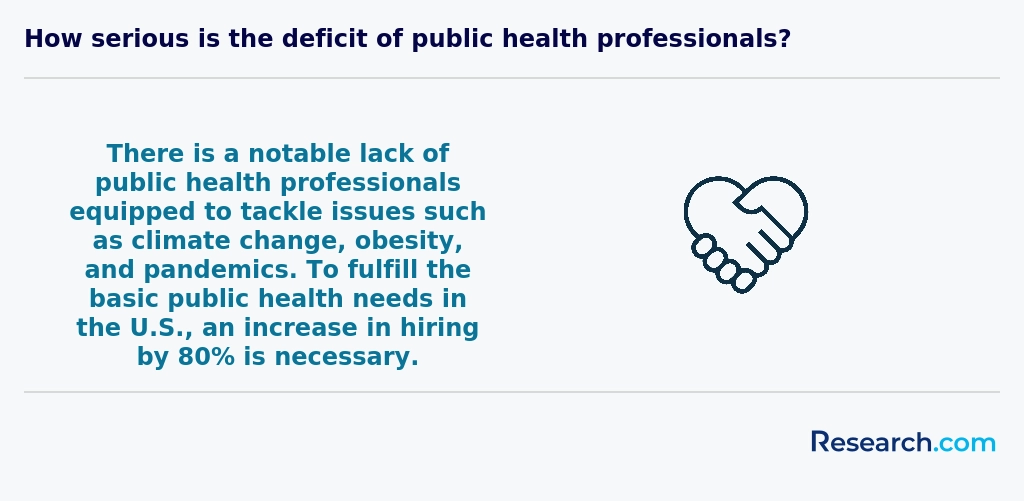
Diving into an online public health degree in the Midwest means stepping into a curriculum as dynamic and grounded as the communities it serves. Graduates from prominent Midwest institutions often recall how epidemiology courses transformed their view of health patterns-imagine tracking disease outbreaks that ripple through rural towns where neighbors look out for each other. Biostatistics then becomes their trusty compass, helping them decode complex health data and make decisions that actually matter in those Midwestern heartlands.
Health policy and management classes reveal the behind-the-scenes choreography of hospitals and public programs navigating regional challenges-often shaped by the mix of agriculture and industry unique to the Midwest. Environmental health courses bring to life issues like how crop dust and factory emissions influence local wellness, a reality Midwest students feel close to home.
Social and behavioral sciences open doors to understanding the very fabric of community life, where gritty stories of resilience and hope among diverse populations unfold. Electives like rural health or infectious disease control allow aspiring public health heroes to tailor their journey, reflecting the 20% of Midwestern populations living away from urban centers. Hands-on projects help students connect theory with the real pulse of their neighborhoods, fueling a genuine passion for making a difference.
Within the tapestry of online public health specializations Midwest, graduates often find themselves navigating dynamic realms like Epidemiology or Health Policy and Management. One recent graduate from a prominent Midwestern university described diving into epidemiology as stepping into the detective world of disease patterns that ripple through both bustling cities and quiet rural towns. Others, drawn to Community Health, feel the genuine pulse of regional wellness projects, crafting initiatives that bridge cultural gaps in places where healthcare is often a distant hope.
Students specializing in Environmental Health relish connecting their studies to tangible local challenges such as agricultural contaminants or industrial emissions affecting heartland communities. Midwest colleges known for practical approaches empower graduates to tackle these pressing concerns with innovative solutions well beyond textbooks.
Emerging technologies spark excitement too-whether in Infectious Disease Control or Health Informatics-where graduates thrive by merging tech-savvy skills with global insights. For those whose paths veer toward healthcare leadership, combining specialization with credentials like lpn licensure Minnesota offers an accessible route to influence real change in hospitals and public systems. These pursuits, shaped by the region's unique health landscape, make Midwest doctorate in public health focus areas rich with promise and purpose.
Imagine balancing a full-time job in Chicago while diving into epidemiology courses from a top Midwest university, all without leaving your home. Graduates from popular programs appreciate how accreditation by the Council on Education for Public Health (CEPH) ensures their degree holds weight - opening doors to licensure and career moves. Cost plays a huge role too; many Midwestern public schools offer affordable online public health degrees Midwest, sometimes letting you pay in-state tuition rates even when studying remotely, saving hundreds monthly.
Flexibility is the magic ingredient that turns ambition into achievement. Students juggling family life and work rave about asynchronous classes and multiple start dates, smoothing the path toward advanced degrees without burnout. One graduate shared how a Midwestern college's focus on community wellness helped them tailor their studies to local health challenges, blending passion with practicality in real time.
If you're eyeing the best online public health doctorate Midwest programs, seek out faculty with active research portfolios and robust student support; these connect theory to today's urgent health issues. And if you're pondering career change options, some explore lpn to rn programs Florida to expand their healthcare skillset alongside public health studies.
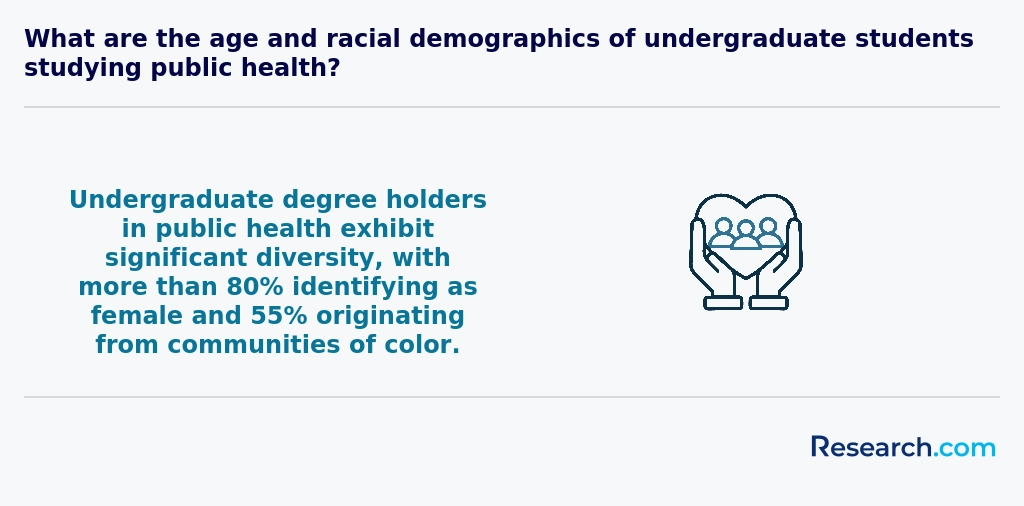
From bustling college towns in Illinois to the heartlands of Ohio and Michigan, graduates armed with an online public health degree in the Midwest dive into richly varied career paths that spark both passion and purpose. Picture a community health worker designing vibrant wellness programs that ripple through neighborhoods or an epidemiologist tracing viral trails with detective-like precision-careers that feel alive with impact in real time. These paths aren't just theoretical; alumni from renowned Midwest universities step confidently into roles as public health analysts, turning data into decisions that shape policy and save lives.
Midwest students often recount how their education unlocked doors to careers as environmental health specialists fighting pollution or health services managers steering healthcare hubs toward excellence. The region's focus on practical, affordable programs enhances not only knowledge but a heartfelt drive to serve local populations. For those exploring public health career options Midwest cohorts emphasize how the blend of online flexibility and regional opportunities fuels success.
Many who aspire to these futures combine their studies with other healthcare interests, occasionally linking their journey to an onlinephysical therapy associates degree, expanding their skillset and job prospects across the caring professions.
The landscape of online public health jobs in the Midwest ripples with opportunity as graduates from institutions like the University of Michigan and Ohio State navigate a market buoyed by pressing community health needs. Imagine a graduate from a Chicago-based online program stepping into a local health department role, contributing to pandemic recovery efforts with both agility and purpose. This market buzzes with demand for epidemiologists and health communication specialists, roles perfectly suited to those flexible, self-driven learners flourishing in digital classrooms.
Midwest job outlook for public health graduates is fueled by steady growth in state and local health initiatives, making this region a fertile ground for those craving meaningful impact. Tuition rates, much friendlier than coastal counterparts, combined with employers often offering tuition reimbursement, ease the path for ambitious students. For curious minds wondering what are some medical degrees i can get online, public health stands out as a purposeful choice paired with promising career trajectories.
2027 Most Affordable Online Doctorate in Public Health Degree Programs Ranking in the Midwest
Investing in your education is a significant decision that can profoundly impact your career and future. The Research.com team recognizes this responsibility and has dedicated extensive effort to ensure the quality, credibility, and accuracy of the "2027 Most Affordable Online Doctorate in Public Health Degree Programs Ranking in the Midwest." To create this ranking, we relied on multiple trusted data sources to provide a thorough and reliable evaluation.
We utilized the following reputable data sources to compile this ranking:
By using this ranking, readers gain critical insights into affordable and quality online doctorate programs in public health across the Midwest, empowering them to make well-informed educational decisions. For more information on our methodology, please visit our Research.com methodology page.

# 2 position
Walden University
Doctor of Public Health


Frequently Asked Questions About public health
Online public health degree students in the Midwest can maximize their learning by actively engaging with regional public health issues. States like Illinois and Ohio have unique health challenges such as rural health disparities and opioid use, which form excellent case studies. Incorporating local statistics from sources like the Midwest Public Health Association allows students to connect theory with practice.
Networking with professionals through virtual Midwestern public health conferences also enhances understanding and career prospects. Additionally, balancing coursework with internships or volunteer work at local health departments offers practical experience that complements online learning.
Utilizing university-provided resources, including writing centers and academic advisors familiar with Midwest public health, supports student success throughout the program.
Emerging niches within the public health field reflect evolving challenges and opportunities, especially for students pursuing online degrees in the Midwest. One growing area is epidemiology, focusing on infectious disease tracking and prevention, which gained attention during recent pandemics. Environmental health is another expanding niche, addressing pollution and climate impacts in industrial Midwestern states like Illinois and Ohio. Additionally, health informatics-which uses data to improve healthcare outcomes-is advancing rapidly, supported by regional investments in digital health technologies. Mental health promotion and health equity also stand out due to increasing public focus and policy changes. According to the Association of Schools and Programs of Public Health, these specialties align closely with workforce demands in the region.
Preparing for the job market after completing an online public health degree in the Midwest involves strategic steps. Graduates should focus on gaining relevant experience through internships or practicum opportunities offered by their programs. These placements often connect students with local health departments or non-profits.
Networking is crucial; joining professional organizations like the American Public Health Association (APHA) Midwest Region can provide valuable contacts. According to the Bureau of Labor Statistics, public health jobs in the Midwest are expected to grow by 13% from 2022 to 2032.
Additionally, obtaining certifications such as Certified in Public Health (CPH) improves employability. Tailoring resumes to highlight skills in epidemiology, health education, and data analysis is essential in this competitive field.
Employers in the Midwest prioritize several key skills when hiring graduates with online public health degrees. Analytical skills are crucial, as professionals must interpret complex data to address regional health disparities. Communication skills also rank highly, enabling clear public messaging and collaboration with diverse communities.
Project management and leadership abilities are valued due to the increasing need for coordinated health initiatives across states like Illinois and Ohio. Familiarity with policy development is important, reflecting the Midwest's focus on improving rural health outcomes, as reported by the CDC.
Additionally, proficiency in technology and health informatics supports efficient data tracking and reporting, which are essential in pandemic preparedness and chronic disease prevention efforts within the region.
Finding internships in the Midwest relevant to a public health degree involves strategic research and networking. Many universities with online public health programs maintain partnerships with local health departments and nonprofit organizations that offer internships. For example, states like Illinois and Michigan report robust public health activities, supported by agencies such as the Illinois Department of Public Health and the Michigan Public Health Institute.
Students should also utilize job boards like the Midwest Public Health Training Center and university career services. According to the U.S. Bureau of Labor Statistics, public health employment in the Midwest is expected to grow by 12% through 2030, illustrating expanding internship opportunities.
Finally, reaching out directly to regional healthcare providers and government entities can uncover valuable placements aligned with your online studies.
Online public health degrees significantly enhance career mobility and advancement opportunities for professionals in the Midwest. Due to the flexibility of online programs, individuals can balance work and study while gaining essential skills that meet regional employer demands. According to the Bureau of Labor Statistics, the Midwest states show a steady 7% growth in public health-related jobs through 2031.
The convenience of accredited online degrees from Midwestern universities enables graduates to qualify for leadership roles in healthcare organizations, government agencies, and nonprofits. Research from the Association of Schools and Programs of Public Health highlights that online graduates often report faster promotions and salary increases compared to non-degree holders.
This trend aligns with the public health challenges faced by the Midwest, including chronic disease management and rural healthcare access, which require skilled professionals trained in contemporary methods.
Studying for a public health degree in the Midwest offers strong preparation for interdisciplinary roles by integrating diverse fields such as epidemiology, health policy, environmental science, and social work. Midwest programs often emphasize collaboration across sectors, reflecting regional health challenges like rural healthcare access and chronic disease management.
Universities in states like Illinois and Michigan incorporate practical experiences linking public health with economics, community planning, and data analytics. According to the Association of Schools and Programs of Public Health (ASPPH), nearly 60% of Midwest public health graduates engage in multidisciplinary teams after graduation.
This approach ensures students develop versatile skills suited for addressing complex health issues through multiple perspectives.
Choosing between a thesis and a non-thesis public health degree in the Midwest depends on your career goals and learning preferences. Thesis programs involve conducting original research, which suits students aiming for careers in academia, research, or doctoral studies. Non-thesis options focus on coursework and practical skills, ideal for those pursuing leadership or administrative roles in public health agencies.
In the Midwest, schools like the University of Iowa and University of Minnesota offer both formats, reflecting the region's strong emphasis on applied public health work. According to the Association of Schools and Programs of Public Health (ASPPH), nearly 60% of public health doctoral students in the Midwest choose non-thesis paths to enter the workforce faster.
Consider your long-term plans and preferred learning style when making a choice.
Students in the Midwest seeking to study public health abroad have several pathways through their online degree programs. Many Midwestern institutions offer international field experiences or virtual collaborations with global health organizations, allowing students to gain cross-cultural public health insights without leaving their home state.
Some programs partner with universities or health agencies overseas to facilitate research or internship opportunities. For example, the University of Iowa and University of Michigan have established agreements enabling online students to engage in supervised international projects.
Data from the Council on Education for Public Health (CEPH) highlights that about 30% of accredited public health programs in the Midwest integrate global health components, reflecting growing interest in international public health careers.
Students pursuing online public health degrees in the Midwest can benefit from various part-time jobs that enhance their educational experience. Common roles include community health worker positions, which help bridge gaps between healthcare providers and communities. The Bureau of Labor Statistics notes that the Midwest has a growing demand for these roles due to regional health disparities.
Other opportunities include research assistantships in university public health departments or local health departments. These positions allow students to gain hands-on experience with data collection and program evaluation. Additionally, jobs with organizations like the Midwest Public Health Training Center provide practical exposure to public health initiatives.
Working in nonprofit health education or outreach programs also complements coursework by developing communication and organizational skills critical in public health careers.
Online public health students in the Midwest benefit from various networking opportunities despite their remote status. Many universities organize virtual events, webinars, and discussion forums where students connect with faculty, peers, and regional public health professionals. The Midwest is home to numerous public health associations, such as the Midwest Public Health Association (MPHA), offering memberships, conferences, and job fairs accessible to online learners.
Additionally, Midwestern states often have strong public health departments partnering with universities for internships and practicum placements. For example, Illinois and Minnesota offer extensive public health workforce networks that online students can tap into. According to the Association of Schools and Programs of Public Health (ASPPH), graduates with regional connections experience a 20% higher employment rate.
Alumni networks play a crucial role for online public health degree students in the Midwest by providing valuable connections within the region's healthcare sector. According to the Midwest Public Health Training Center, these networks increase access to job opportunities in state and local health departments, which employ over 40% of public health professionals in states like Illinois, Ohio, and Michigan.
Engaging with alumni helps students gain mentorship and career guidance tailored to regional public health challenges such as rural health disparities and urban health policy. Professional networking events and online forums hosted by alumni associations also enable sharing of resources and local internship opportunities.
Strong alumni communities contribute to higher graduate employment rates and facilitate collaboration on public health initiatives relevant to Midwestern populations.
Customizing an online public health degree in the Midwest allows students to align education with specific career goals. Many programs offer concentrations such as epidemiology, health policy, or community health, enabling you to focus on areas in demand regionally. For example, the Midwest has seen a growing need for expertise in rural health, reflecting its population distribution, according to the CDC.
Students can also select electives related to data analysis or global health, enhancing skills applicable in diverse work environments. Additionally, engaging in practicums or partnerships with local health departments offers practical experience tailored to regional public health challenges.
Advising services in Midwestern universities often help design personalized study plans, ensuring coursework matches professional aspirations while meeting accreditation standards set by CEPH.
Online public health students in the Midwest face several common challenges. Limited internet access remains a top barrier in rural areas, with about 22% of households lacking reliable broadband, according to the Federal Communications Commission. This issue can hinder consistent participation in virtual classes and access to digital resources.
Time management is another difficulty, as many students juggle work, family, and coursework simultaneously. Additionally, some programs offer fewer in-person networking opportunities, which can impact professional connections critical in public health careers. Finally, students may find fewer local practicum placements, complicating the acquisition of hands-on experience within their communities.
With an online public health degree, graduates in the Midwest can pursue several key professional certifications to enhance their careers. The Certified in Public Health (CPH) credential, offered by the National Board of Public Health Examiners, is widely recognized and demonstrates mastery of core public health knowledge.
Additionally, the Certified Health Education Specialist (CHES) certification is useful for professionals focused on health promotion and education. This certification is governed by the National Commission for Health Education Credentialing.
Midwestern public health professionals also benefit from regional opportunities, such as the Illinois Public Health Association's certifications and Michigan's Accredited Public Health Departments model, which values these credentials highly. These certifications often lead to improved job prospects and salary growth.
Writing a winning application for an online public health program in the Midwest begins with a clear, focused statement of purpose. Applicants should highlight their commitment to addressing regional health issues, such as rural healthcare disparities, which are prevalent in Midwestern states according to the CDC.
Strong letters of recommendation from professionals familiar with your academic or work experience significantly boost your profile. Reflecting on relevant experiences like community health projects or research strengthens your application.
Many universities also require a resume outlining your education and work history, so emphasize any public health-related roles. Lastly, ensure your application meets each program's specific requirements and deadlines to avoid disqualification.
Public health careers increasingly emphasize global awareness, even for students studying online in the Midwest. Professionals trained in the U.S. often engage with worldwide health concerns such as pandemics, chronic diseases, and health disparities. The Association of Schools and Programs of Public Health highlights that global health knowledge enhances job opportunities and impact.
Midwestern universities offering online public health degrees integrate international case studies and policies into their curriculum. This prepares graduates to work in global organizations, NGOs, or local agencies addressing international health challenges.
According to the U.S. Bureau of Labor Statistics, the demand for public health specialists is growing by 17% through 2030, partly driven by global health threats. This growth benefits Midwestern students, as many employers seek professionals with global perspectives paired with regional expertise.
Gaining practical experience while studying for an online public health degree in the Midwest is essential to complement academic knowledge. Many online programs require or facilitate internships with local health departments, nonprofit organizations, or healthcare facilities. According to the Association of Schools and Programs of Public Health (ASPPH), internships in Midwest states like Illinois and Ohio often focus on chronic disease prevention and community health initiatives.
Students can also participate in virtual practicums and service-learning projects that address regional health challenges, such as rural healthcare access and opioid crisis management. Collaborating with agencies in these areas helps build valuable skills and networks.
Additionally, some universities partner with state public health agencies to provide hands-on research opportunities. Leveraging these resources allows online students to gain experience without relocating.
Choosing the right concentration in an online public health degree program in the Midwest depends on your career goals and local health priorities. For example, the Midwest faces unique rural health challenges; concentrations in epidemiology or community health might be ideal if you want to work on disease prevention or health education in these areas. Data from the CDC highlights higher rates of chronic conditions in Midwest populations, making health policy or management valuable for those interested in systemic change.
Consider programs that offer flexibility and relevant practicum opportunities aligned with Midwest public health needs. Reviewing state health department reports can guide your decision.
Accreditation and faculty expertise in your concentration area also impact educational quality and job prospects.
- The Networking Guide for Public Health Professionals https://www.publichealthdegrees.org/resources/professional-networking/
- Degree Programs – Iowa Public Health Association | IPHA https://iowapha.org/degree-programs/
- Yes, the Public Health Job Market is Tough, But You’re Tougher! | PH SPOT https://phspot.org/yes-the-public-health-job-market-is-tough-but-youre-tougher/
- Letter of Intent for Admissions to Masters of Public Health - how this program fits to my goals? https://essayforum.com/graduate/intent-admissions-masters-public-health-64817/
- Loading https://www.cpalms.org/PreviewResourceStudentTutorial/Preview/166485
- Public Health Jobs https://publichealthjobs.aspph.org/
- Dive deeper into public health topics. https://www.apha.org/topics-and-issues
- For Academic Public Health https://globalnetworkpublichealth.org/
- Admissions - Master of Public Health (Online) https://www.midwestern.edu/academics/degrees-programs/college-graduate-studies/master-public-health-program/master-public-health-online/admissions-master-public-health-online
- Public Health Online | Online Public Health Degrees https://www.publichealthonline.org/