
2027 Most Popular Public Health Degree Programs Ranking in Puerto Rico

Co-Founder and Chief Data Scientist
Choosing the right public health degree program is a big step toward a rewarding career in improving community well-being. This article presents the 2027 Most Popular Public Health Degree Programs Ranking in Puerto Rico, created by the Research.com team of data scientists to help you make a well-informed decision.
Discover which programs stand out for quality and impact. Whether you're starting your educational journey or considering further studies, understanding your options can boost your confidence and success.
Getting a public health degree opens doors to meaningful work that truly makes a difference.
Key benefits of getting public health degree in Puerto Rico
- Salary benefits: Graduates with a public health degree in Puerto Rico can pursue roles like Health Educator, earning a mean annual wage of $69,790 or Environmental Health Specialist with a mean wage of $86,710, offering rewarding financial opportunities.
- Career paths: A public health graduate from the University of Puerto Rico found diverse options, including community health work and occupational safety roles, showcasing the degree's versatility and regional relevance.
- Online degree advantages: Completing a public health degree online through a university like Ana G. Méndez University provides flexibility and convenience, helping students balance work and study while advancing their careers effectively.
- 2027 Most Popular Public Health Degree Programs Ranking in Puerto Rico
- What can I expect from public health degree in Puerto Rico?
- Where can I work with public health degree in Puerto Rico?
What can I expect from public health degree in Puerto Rico?
The average cost of getting a public health degree in Puerto Rico is pretty reasonable compared to many places on the mainland. Most students at popular schools like the University of Puerto Rico's Medical Sciences Campus or other well-known institutions find that tuition for a Master of Public Health (MPH) runs somewhere between $5,000 to $10,000 per year. Graduates often mention feeling relieved that they can get quality education without the crazy price tag you might expect.
One great thing about studying locally is that you also save on living expenses, and some programs offer flexible schedules or part-time options to keep costs manageable. Plus, the experience feels personalized-you're studying health issues that hit close to home, like managing diabetes or responding to hurricanes, which makes every class feel super relevant and motivating.
Many grads talk about how the bilingual instruction helped them connect better with communities during internships and projects. That hands-on, culturally tuned approach makes the cost feel like a smart investment for a meaningful career.
Where can I work with public health degree in Puerto Rico?
If you're studying public health in Puerto Rico, you've got a bunch of cool places to work once you graduate. Many grads find jobs right at the Puerto Rico Department of Health, where they jump into programs fighting chronic diseases and responding to emergencies. It's rewarding to be part of something that directly improves people's lives on the island.
Others land roles in hospitals, like those in the Puerto Rico Medical Center in San Juan, helping with infection control or community outreach. Imagine coordinating with doctors and nurses to prevent illnesses-that's hands-on and impactful work.
Lots of public health students from the University of Puerto Rico share how they love working with local NGOs focusing on stuff like HIV awareness or substance abuse prevention. You get to create programs that really matter to real communities. And if you're into research or teaching, universities like UPR's School of Public Health give you a chance to dig into data and make a difference on a bigger scale.
Plus, corporate wellness and pharma companies are growing in Puerto Rico, so if you like mixing health and business, there's a spot for you too!
If you've earned a public health degree in Puerto Rico, you might be wondering, "How much can I actually make?" Well, entry-level gigs like community health workers typically bring in about $30,000 to $40,000 a year here on the island. That's a bit lower than the U.S. mainland, but keep in mind the cost of living is different, and these roles are super important for local communities.
Graduates from popular schools like the University of Puerto Rico or Ana G. Méndez University often land jobs as health educators, where the average salary is closer to $69,790 stateside. While salaries in Puerto Rico might be somewhat more modest, having that degree opens doors to roles like environmental health specialists or occupational health and safety specialists, which can earn roughly $85,000 to $87,000 in the U.S.
Many grads find real pride working in government or nonprofits, tackling big health challenges on the island. Plus, with a Master of Public Health and some experience, leadership roles paying over $70,000 aren't out of reach-especially when linked to federal funding or collaboration with U.S. agencies. It's rewarding work that truly makes a difference.
- Public health degrees in Puerto Rico are offered by universities recognized under the U.S. higher education system.
- Annual tuition ranges from $3,000 to $5,000 at public institutions and $6,000 to $12,000 at private universities for a bachelor's degree.
- Graduate programs like the Master of Public Health (MPH) cost between $8,000 and $15,000 per year.
- Entry-level salaries for public health graduates typically range from $30,000 to $40,000 annually, with long-term earnings averaging $50,000 to $65,000.
- Demand exists for professionals skilled in environmental health, health education, and emergency preparedness due to local health challenges.
- Some programs are accredited by the Council on Education for Public Health (CEPH), and bilingual skills in English and Spanish are valuable.
If you're thinking about diving into a public health degree in Puerto Rico, the timeline is pretty straightforward but also flexible depending on your pace. For example, if you enroll full-time at a popular spot like the University of Puerto Rico, you're looking at about four years to finish your bachelor's degree. Many grads say that balancing general courses with public health topics makes those years fly by, especially when you start spotting real health issues around the island that you want to tackle.
Going for a Master of Public Health (MPH) usually takes around two years if you stick with full-time classes. Some students choose to go part-time, stretching it out to three years or so, which is great if you're juggling work or family. Graduates often share how the program's designed with Puerto Rico's unique health challenges in mind - it really feels relevant and keeps you motivated.
For those aiming higher with a PhD or DrPH, plan on a longer ride - about four to six years. People who have been there say the research and dissertation work can be intense but incredibly rewarding, especially when focused on local issues like disease control or chronic illness management.
If you're thinking about a public health degree in Puerto Rico, one of the big questions is whether to go online or stick with the traditional on-campus vibe. Online programs, like those from some well-known Puerto Rican universities, really shine when it comes to flexibility. Graduates often say it's a lifesaver if you're juggling work, family, or living far from campus. Imagine logging in to catch a lecture while sipping coffee at home or on a break at your job-that's the kind of freedom online offers.
On the flip side, campus life, such as at the University of Puerto Rico's public health programs, brings that priceless face-to-face connection. Graduates talk about the energy from real-time discussions, the buzz of collaborating on group projects, and easy access to labs and health centers. This in-person setup can be a game-changer for getting hands-on experience, especially in practicum placements working with local communities or hospitals.
Both routes cover the core stuff-biostatistics, health policy, and social sciences-thanks to CEPH accreditation. But if you want the full on-campus experience with lab work or field visits, being physically present definitely helps, especially in Puerto Rico's unique post-Hurricane Maria health landscape.
The average cost of a public health degree in Puerto Rico is pretty reasonable compared to many places in the mainland U.S. Graduates from popular schools like the University of Puerto Rico often share how manageable tuition fees can be, especially for residents. Typically, in-state students spend around $7,750 for their entire public health degree, which is a fraction of what you'd pay elsewhere. Out-of-state students might see totals near $17,450, still quite competitive when you consider the quality of education offered.
Many students appreciate how tuition and fees for public health programs Puerto Rico stay affordable without sacrificing academic rigor. One graduate recalled balancing studies with part-time work, helped by the lower costs and access to federal grants and scholarships. This makes investing in your education feel less overwhelming and more achievable.
On top of tuition, living expenses on the island tend to be lower, so your overall budget stretches further. In fact, some public health students even note that affordable day-to-day costs allow them to focus more on their studies and less on financial stress. If you're considering advanced public health credentials, there are CEPH-accredited MPH programs that keep tuition in a reasonable range. You might also want to explore financial aid options available to students here.
For those juggling work or other commitments, checking out quickest online degree programs for working adults could be a smart move, offering flexibility without breaking the bank.
If you're diving into a public health degree in Puerto Rico, there's a bunch of financial aid that can seriously lighten the load. Many students at places like the University of Puerto Rico have gotten great help from federal Pell Grants, which don't need to be paid back and can cover a nice chunk of tuition-up to $7,395 for the 2023-2024 year. This is a huge relief since tuition at public schools here usually runs around $2,500 a year, way lower than many states but still something to manage.
On top of that, federal Direct Loans with low interest rates give you a bit more breathing room if you need it. Some grads also mention how important PREDAF scholarships are, especially if you're sticking around Puerto Rico. Those local grants and university scholarships for leadership or community work really reward the kind of students public health programs love: those eager to give back.
Work-study gigs connected to your field are a real win too. Imagine earning some cash while getting hands-on experience on campus or in community health settings-many graduates say this kind of support made a huge difference. Plus, some employers and government programs offer tuition reimbursements if you commit to working in Puerto Rico's health departments after you finish, which is pretty motivating.
If you're thinking about jumping into a public health degree in Puerto Rico, you'll want to have your high school diploma ready if you're going for undergrad. Many students who've graduated from popular schools like the University of Puerto Rico mention how important a solid background in science classes-think biology, chemistry, and stats-was for surviving the coursework. For grad programs like the Master of Public Health, most folks had already finished their bachelor's in fields like biology, social sciences, or health sciences before applying.
A few grads recall how letters of recommendation and a personal statement made their applications stand out, sharing their passion for making a difference in local health communities. Some programs also ask for relevant volunteer or work experience, which adds a real-world touch to your application. If English isn't your first language, be ready to prove your skills with a TOEFL or IELTS test, since classes often mix bilingual instruction.
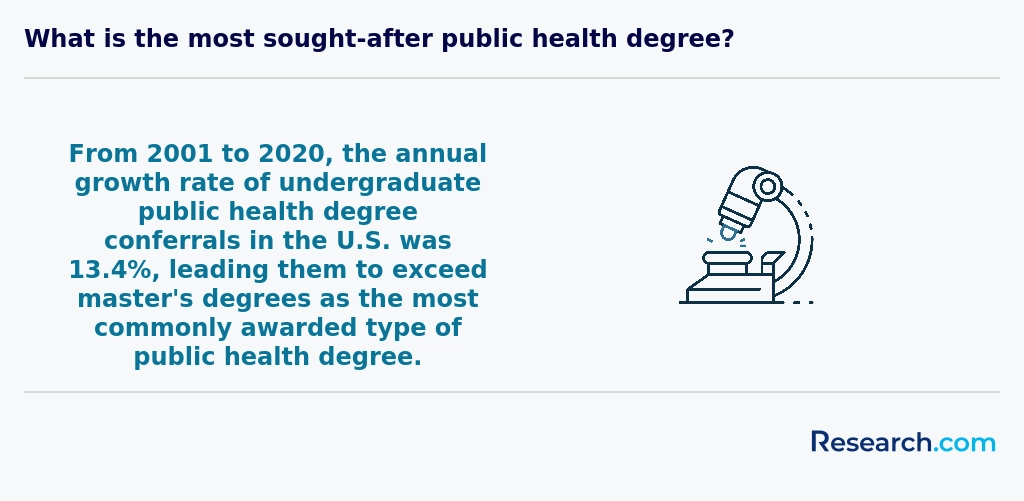
If you're studying public health in Puerto Rico, expect courses that really connect with what's going on around you. Graduates from universities like UPR Río Piedras say epidemiology classes are a favorite because they dive into studying diseases like dengue or Zika-things that actually affect the island. It's pretty cool knowing what you learn has real impact.
Biostatistics is another key course, where you get to crunch real-world data from Puerto Rico's health reports. It might sound tough, but grads say it's empowering to use those numbers to make better health choices for your community. Environmental health classes are super relevant too, especially with local issues like water quality and pollution that everyone talks about.
And don't forget health policy and management, which equip you with leadership skills to help run health programs or agencies. Many students appreciate courses exploring how culture and social factors influence health here-making their education feel personal and meaningful.
If you're diving into a public health degree in Puerto Rico, you'll find a bunch of cool specializations designed to tackle the island's unique health challenges. Popular tracks include Epidemiology, where you study disease patterns-which is super relevant given Puerto Rico's mix of infectious and chronic diseases. Then there's Health Promotion and Education, perfect if you like helping communities stay informed and healthy. Environmental Health is another big one, focusing on pollution and climate issues that personally affect Puerto Rican neighborhoods.
Many graduates from the University of Puerto Rico's Graduate School of Public Health talk about how the Health Policy and Management specialization gave them tools to navigate the island's complex healthcare system. Plus, Global Health trains students to handle disaster preparedness, something Puerto Rico definitely needs with hurricanes always looming. These specializations are tailored to give you real, practical skills for a rewarding Puerto Rico public health career options.
And hey, if you're curious about extending your expertise, check out certifications online that pay well to boost your career even more.
Picking the best public health degree programs Puerto Rico has to offer means looking closely at what fits your life and goals. Many graduates from local universities love how their programs focus on real Puerto Rican health issues like asthma and diabetes, making the learning super relevant and exciting. Accreditation really matters here-degrees from CEPH-accredited schools give you more confidence and open doors both on the island and in the US mainland job market.
Cost is a big deal too. Graduates often share how affordable public health degrees in Puerto Rico made it easier to balance work and school without drowning in debt. Plus, the living expenses are friendlier compared to many states. If juggling work or family, you'll find many public health programs now offer part-time or online options, which was a game-changer for some students.
Don't forget to check out opportunities for hands-on experience. Many campuses partner with local health agencies, giving students practical internships that make the classroom lessons come alive. If you want to finish faster, some go for shortest master degree programs blending speed and flexibility-perfect for busy lifestyles.

If you're wondering about public health career options Puerto Rico offers, there's a good variety waiting once you graduate. Many grads from the University of Puerto Rico and other local schools jump right into government health roles, helping run vaccination drives or analyzing disease data to keep communities safe. Their work really feels meaningful, especially in a place where health challenges like mosquito-borne illnesses are real concerns.
Others find their calling in epidemiology, digging into the causes of outbreaks - it's hands-on and super impactful. A lot of graduates talk about how rewarding it is to contribute directly to Puerto Rico's health resilience. Environmental health specialist jobs also attract grads who want to tackle issues like water pollution or hurricane recovery efforts, areas where Puerto Rico needs experts.
Plus, there are cool roles as health promotion coordinators or community health workers connecting with diverse neighborhoods in the island. If you want options that fit your vibe, check out this fastest degree to get that pays well for some ideas on speedy paths too.
If you're eyeing public health careers in Puerto Rico, the demand for skilled professionals is definitely on the rise. Graduates from well-known schools like the University of Puerto Rico often land jobs in government agencies or local healthcare organizations, tackling issues from hurricane preparedness to chronic illness prevention. Many share that working in community programs feels rewarding because you see the real impact of your efforts around the island.
The job outlook for public health graduates Puerto Rico shows promising growth, thanks to unique local challenges such as higher diabetes rates and frequent natural disasters. While salaries may be lower than on the mainland, cost of living balances things out, making it a viable path if you want a meaningful career close to home. Plus, studying at public schools here keeps tuition affordable compared to U.S. mainland options.
A bunch of grads also highlight how strong community ties help open doors-whether coordinating health programs or advising on policies. For those exploring study options, checking out the top accredited universities in the us can offer insight on where to get a solid foundation for these roles.
2027 Most Popular Public Health Degree Programs Ranking in Puerto Rico
Investing in your education is a significant decision that can greatly impact your future, and the Research.com team recognizes the importance of making well-informed choices. To support prospective students in Puerto Rico, we have carefully developed the "2027 Most Popular Public Health Degree Programs Ranking in Puerto Rico." Our dedication to quality, credibility, and accuracy is evident through the thorough research and analysis behind this ranking.
We utilized the following reputable data sources to ensure a comprehensive evaluation of public health programs:
By consulting this ranking, readers will receive valuable insights into the top public health degree programs in Puerto Rico, empowering them to make confident decisions about their educational journeys. For more information about how this ranking was created, please visit our Research.com methodology page.

# 3 position
San Juan Bautista School of Medicine
Master of Public Health
# 4 position
University of Puerto Rico-Medical Sciences
Master of Public Health
# 5 position
Ponce Health Sciences University
Master of Public Health in International Health

# 6 position
Atenas University
Master of Public Health
# 7 position
Ponce Health Sciences University
Doctor of Public Health
# 8 position
Universidad Ana G. Mendez-Gurabo Campus
Bachelor of Science in Public Health
# 9 position
Universidad Ana G. Mendez-Cupey Campus
Bachelor of Science in Public Health
# 10 position
Universidad Ana G. Mendez-Carolina Campus
Bachelor of Science in Public Health
Frequently Asked Questions About public health
Public health students in Puerto Rico can maximize their learning by engaging actively with local health departments and community organizations. Puerto Rico faces unique public health challenges, including managing chronic diseases and responding to natural disasters, which offer valuable real-world learning opportunities. Internships and fieldwork with entities like the Puerto Rico Department of Health provide practical experience. Additionally, students should take advantage of research facilities at institutions such as the University of Puerto Rico, which conducts extensive public health studies.
Networking with professionals through conferences or local public health events helps build career connections. Staying updated with the Centers for Disease Control and Prevention (CDC) reports specific to Puerto Rico further enriches knowledge relevant to the island's health landscape.
The field of public health is evolving rapidly, with several emerging niches gaining prominence in Puerto Rico and across the US. One key area is health informatics, which combines data analysis with health care to improve community health outcomes. The integration of technology allows for better disease tracking and management.
Another growing niche is environmental health, critical for Puerto Rico due to its vulnerability to hurricanes and climate change. Professionals focus on disaster preparedness and mitigation to protect public health.
Global health is also expanding, emphasizing collaboration to tackle infectious diseases and improve health equity, which is highly relevant given Puerto Rico's unique status as a US territory.
According to the CDC, chronic disease prevention remains a priority, highlighting the need for experts in epidemiology and health policy, making these niches promising career paths for local public health graduates.
Preparing for the job market after earning a public health degree in Puerto Rico involves strategic planning and skill development. Graduates should seek internships and practicums during their studies to gain local experience and build networks.
Familiarity with Puerto Rico's unique health challenges, such as managing chronic diseases and disaster response, is crucial. The Puerto Rico Department of Health reports that chronic conditions affect nearly half of adults, highlighting areas for public health intervention.
Certification such as Certified in Public Health (CPH) can improve job prospects. Networking through organizations like the Puerto Rico Public Health Association helps connect with employers.
Strong communication and data analysis skills are highly valued by employers in both government and nonprofit sectors. Keeping updated with U.S. public health policies and local health statistics strengthens a graduate's candidacy.
Employers in Puerto Rico seek several key skills in public health degree graduates that align with the region's health challenges. Strong analytical abilities are essential, as professionals must interpret health data to manage issues like dengue fever and chronic diseases. Communication skills are highly valued for educating diverse communities in both Spanish and English. Additionally, knowledge of health policy and program management is crucial due to ongoing efforts to improve healthcare infrastructure on the island. According to the Centers for Disease Control and Prevention (CDC), familiarity with emergency preparedness also stands out, especially given Puerto Rico's vulnerability to natural disasters.
Finding internships in Puerto Rico for public health students involves connecting with local health departments, hospitals, and community organizations. The Puerto Rico Department of Health often offers internship opportunities, especially in programs addressing chronic diseases and environmental health, reflecting the island's unique health challenges reported by the CDC.
Universities such as the University of Puerto Rico may assist students with placement by partnering with agencies like the Puerto Rico Primary Care Association. Additionally, the U.S. Public Health Service has initiatives on the island providing experiential learning. Networking through local public health events can also help identify openings.
Many internships are unpaid but provide valuable experience for those entering public health careers within Puerto Rico's evolving healthcare landscape.
Obtaining a public health degree in Puerto Rico significantly enhances career mobility and advancement within the island's healthcare sector. Graduates gain qualifications recognized across both local and U.S. mainland institutions, facilitating job opportunities in government agencies, non-profits, and private organizations. According to the Puerto Rico Department of Health, professionals with formal public health education have better prospects for leadership roles, especially in epidemiology, health policy, and community health programs.
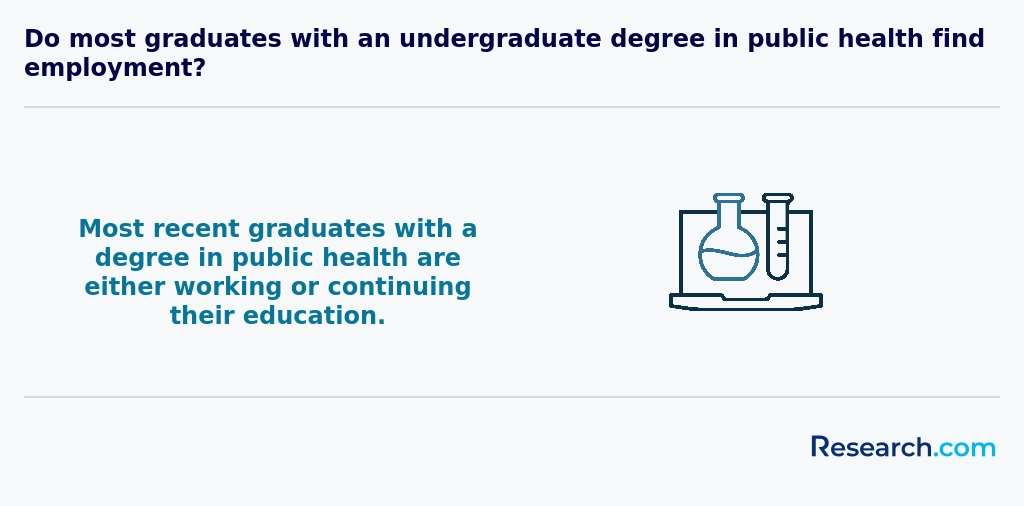
Moreover, the U.S. Bureau of Labor Statistics reports that public health-related jobs in Puerto Rico are expected to grow by approximately 7% from 2022 to 2032. This growth supports increased demand for skilled professionals, making advanced degrees important for upward career movement. Employers frequently prioritize candidates with accredited degrees for positions tied to disease prevention, health education, and emergency preparedness.
Studying for a public health degree in Puerto Rico equips students with skills to address health challenges using an interdisciplinary approach. Programs typically integrate courses from fields like epidemiology, environmental health, health policy, and social sciences. This combination reflects the complexity of health issues on the island, such as high rates of asthma and diabetes reported by the Puerto Rico Department of Health.
Students learn to collaborate with professionals in medicine, sociology, and environmental science. Many universities emphasize community-based projects, preparing graduates to work in diverse settings, from government agencies to nonprofit organizations.
Such training is essential, as public health solutions often require coordination across multiple sectors to improve population health effectively.
Choosing between a thesis and a non-thesis public health degree program in Puerto Rico depends on your career goals and academic interests. Thesis programs typically require original research and are ideal if you plan to pursue a doctorate or work in research-intensive roles. Non-thesis options focus more on practical skills and coursework, fitting students aiming for direct public health practice or administrative positions.
The University of Puerto Rico reports that public health has grown notably on the island, with over 60% of graduates entering workforce roles rather than academic research (UPR, 2023). Consider program structure, faculty expertise, and available resources when making your choice.
Students in Puerto Rico interested in studying public health abroad can explore numerous programs within the U.S. mainland. Many U.S. universities offer accredited Master of Public Health (MPH) and related degrees through online and on-campus options, providing accessibility without relocating initially. Institutions like Johns Hopkins University and University of North Carolina consistently rank highly for public health programs.
Due to Puerto Rico's status as a U.S. territory, students qualify for federal financial aid like FAFSA, which supports studying anywhere in the U.S. The Association of Schools and Programs of Public Health lists over 60 accredited programs spanning various states.
Studying abroad within the U.S. also allows exposure to diverse public health challenges beyond those faced in Puerto Rico, where chronic conditions like diabetes and obesity continue to demand strong public health expertise, according to the CDC's 2022 report.
Students pursuing public health degrees in Puerto Rico can find valuable part-time opportunities that enhance their education and professional skills. Positions such as community health workers or research assistants at local health departments and universities are common. These roles provide direct experience in public health outreach, data collection, and program evaluation, aligning with coursework.
Additionally, internships with organizations like the Puerto Rico Department of Health offer exposure to epidemiology and health promotion. Given Puerto Rico's unique health challenges, including high rates of chronic diseases, these experiences build practical skills needed for future careers. According to the U.S. Bureau of Labor Statistics, employment in health education roles is expected to grow 10% by 2031.
Public health students in Puerto Rico benefit from a variety of networking opportunities essential for professional growth. Universities such as the University of Puerto Rico offer access to active student organizations and public health clubs that host events connecting students with local health agencies.
Students can also engage with governmental bodies like the Puerto Rico Department of Health, which frequently collaborates on internships and workshops. These experiences provide direct contact with public health professionals working on island-specific challenges, including chronic disease management and disaster response.
Conferences and seminars, including those hosted by regional chapters of the American Public Health Association, further expand networking possibilities. These events allow students to meet experts and peers from the broader Caribbean and mainland US public health communities.
According to a 2023 report by the Puerto Rico Public Health Association, over 70% of surveyed students stated that networking markedly enhanced their employment prospects.
Alumni networks in Puerto Rico offer significant advantages to public health degree students. These networks create connections between current students and experienced professionals who have graduated from local universities, such as the University of Puerto Rico. Such links can lead to internships, job placements, and mentorship opportunities, which are crucial for career development in public health.
Given Puerto Rico's unique health challenges, alumni often share region-specific knowledge, making guidance more relevant. According to the Puerto Rico Public Health Trust, alumni engagement has helped improve employment rates for graduates by connecting them to local health agencies.
Participation in these networks also fosters professional growth by providing access to workshops and conferences tailored to the island's public health landscape.
Customizing a public health degree program in Puerto Rico allows students to align their education with specific career goals. Many universities offer concentrations such as epidemiology, environmental health, or health policy. These focus areas enable students to develop expertise in local health challenges like vector-borne diseases or disaster response, which are prominent in Puerto Rico.
Students can also choose elective courses or internships that connect theory with practical experience in Puerto Rican communities. This hands-on approach helps build relevant skills and professional networks.
According to the Puerto Rico Department of Health, tailoring education to address regional health concerns prepares graduates for impactful roles in both public and private sectors.
Public health students in Puerto Rico face several distinct challenges that impact their educational experience. One major issue is limited funding for higher education, which affects resources and research opportunities. According to the Puerto Rico Institute of Statistics, public university budgets have seen frequent cuts in recent years.
Another challenge is the island's vulnerability to natural disasters, such as hurricanes. These events often disrupt academic schedules and strain community health systems where students complete fieldwork.
Additionally, students must navigate the complexities of a bilingual health system, requiring proficiency in both Spanish and English to engage effectively with diverse populations.
Access to internships and employment can also be limited compared to mainland US programs, which may affect practical training.
With a public health degree in Puerto Rico, you can pursue several professional certifications recognized across the United States. One of the most common is the Certified in Public Health (CPH) credential, offered by the National Board of Public Health Examiners. This certification demonstrates mastery of core public health knowledge and skills.
Other valuable certifications include the Certified Health Education Specialist (CHES), which focuses on health education and promotion, and the Registered Environmental Health Specialist (REHS), suitable for those interested in environmental health roles.
Obtaining these certifications can improve job prospects in Puerto Rico, where public health challenges such as chronic diseases and disaster preparedness are critical concerns, as noted by the Puerto Rico Department of Health.
To write a winning application for a public health program in Puerto Rico, start by highlighting your commitment to community health challenges specific to the island, such as chronic diseases and disaster response. Emphasize any relevant experience, including volunteer work or internships related to Puerto Rico's public health system.
Strong recommendation letters from professionals familiar with your abilities can add significant value. Also, craft a clear personal statement that outlines your career goals and how studying public health in Puerto Rico aligns with your aspirations.
Applicants should showcase their understanding of local health disparities, referencing data from sources like the Puerto Rico Department of Health or CDC reports specific to the region.
Meeting all application deadlines and submitting complete, error-free documents is critical. Finally, consider reaching out to program advisors to tailor your application effectively to specific public health schools in Puerto Rico.
Public health careers are increasingly recognized for their global importance, especially after the COVID-19 pandemic highlighted the need for skilled professionals worldwide. In the U.S. and its territories like Puerto Rico, public health experts focus on preventing disease and promoting wellness across diverse populations. According to the U.S. Bureau of Labor Statistics, employment in public health occupations is expected to grow 17% from 2022 to 2032, much faster than average.
In Puerto Rico, public health professionals address unique challenges such as chronic diseases and disaster response. The CDC reports that the island faces higher rates of diabetes and heart disease compared to the mainland, emphasizing the need for specialized education and training. This global perspective underscores public health's role in managing health disparities and improving population outcomes locally and internationally.
Gaining practical experience while studying for a public health degree in Puerto Rico is essential to develop relevant skills and enhance employability. Many universities in Puerto Rico, such as the University of Puerto Rico, offer internship opportunities in collaboration with local health departments and community organizations. These internships allow students to work on projects addressing public health challenges specific to the island, including dengue fever prevention and chronic disease management.
Students can also engage in community service programs and fieldwork, gaining hands-on experience in data collection and health promotion. Networking with professionals during these activities can open doors to employment after graduation.
Choosing the right concentration within a public health degree program in Puerto Rico involves evaluating local health priorities and your career goals. Popular concentrations include epidemiology, community health, and environmental health, each addressing different aspects of public well-being.
Puerto Rico faces unique public health challenges, such as high rates of asthma and diabetes, as reported by the Puerto Rico Department of Health. Selecting a concentration that aligns with these needs can increase your relevance in the job market.
Consider programs accredited by the Council on Education for Public Health (CEPH), as they ensure quality education based on US standards.
Additionally, analyze faculty expertise, available internships, and research opportunities related to Puerto Rico's health context to guide your decision.
- How to carve a niche in your public health career | PH SPOT https://phspot.org/carvinganiche/
- Financial Aid Guide https://www.publichealth.org/resources/financial-aid/
- Scholarships https://phsu.edu/admissions-and-aid/tuition-fees-scholarships/scholarships.php
- For Academic Public Health https://globalnetworkpublichealth.org/
- Public Health: A Global Perspective https://www.routledge.com/Public-Health-A-Global-Perspective/Singh/p/book/9781032644226
- Public Health https://disabroad.org/program/public-health/
- Online Degrees https://www.publichealthdegrees.org/online/
- Why Public Health is the Ideal Career Path for Gen Z - Reach Out https://we-reachout.org/why-public-health-is-the-ideal-career-path-for-gen-z/
- Honors Society https://www.honorssociety.org/colleges/puerto-rico/puerto-rico-department-of-health.html
- Public Health Career Salaries: What to Expect Across Roles https://www.scuhs.edu/bshs-article/public-health-career-salaries-what-to-expect-across-roles/









