2027 Fastest Online Public Health Degree Programs Ranking in North Carolina

Co-Founder and Chief Data Scientist
Choosing the right public health degree program is an important step toward a rewarding career in improving community health. For students in North Carolina, finding fast, quality options online can be challenging.
This article features the 2027 Fastest Online Public Health Degree Programs Ranking in North Carolina, developed by the Research.com team of data scientists. It is designed to help you make an informed choice by spotlighting programs that balance speed and quality.
Exploring these programs can open doors to meaningful work and personal growth in public health.
Key benefits of getting online public health degree in North Carolina
- Salary for public health degree graduates: Graduates in North Carolina can expect competitive salaries, such as $52,610 for Community Health Workers and up to $86,710 for Environmental Health Specialists, reflecting strong earning potential in this field.
- Career paths: Public health graduates from universities like UNC Chapel Hill often find diverse roles in health education, safety, and environmental health, allowing for impactful work in various community and government settings.
- Benefits of online degrees: Earning a public health degree online through schools like East Carolina University offers flexible schedules, helping students balance work and study while gaining the same quality education as traditional programs.
- 2027 Fastest Online Public Health Degree Programs Ranking in North Carolina
- What can I expect from online public health degree in North Carolina?
- Where can I work with online public health degree in North Carolina?
What can I expect from online public health degree in North Carolina?
Curious about the cost of pursuing an online public health degree in North Carolina? Students often find that tuition varies depending on the university and program level, but on average, you can expect to invest between $300 and $600 per credit hour. For example, graduates from well-known institutions like the University of North Carolina or East Carolina University describe balancing affordability with quality education as a rewarding experience.
One student shared how earning their Master of Public Health online allowed them to work full-time in Raleigh's healthcare sector while gaining valuable skills through interactive virtual classrooms and real-world case studies. This blend of flexible learning and practical application brings the campus to your living room without extra commuting costs.
Another graduate appreciated how the reasonable tuition rates at North Carolina State University enabled them to pursue further specialization without overwhelming debt. With financial aid options and scholarships tailored for public health students, many find funding their education more accessible than expected.
Where can I work with online public health degree in North Carolina?
Graduates with an online public health degree in North Carolina find thrilling opportunities that spark a real sense of purpose. Imagine working alongside experts at the North Carolina Department of Health and Human Services, where you might dive into epidemiology or lead policy analysis to protect communities. Many alumni from UNC Chapel Hill and East Carolina University recall the excitement of stepping into county health departments, engaging directly in immunization drives or health education programs that touch hundreds of lives.
Others have ventured into bustling hospitals and healthcare facilities around the state, focusing on patient education and disease management-roles that are growing fast as North Carolina's healthcare scene expands. Nonprofit organizations like the North Carolina Public Health Association attract graduates eager to champion health equity and environmental causes, crafting research-backed campaigns that create genuine change. Some even thrive within corporate wellness programs, shaping employee health initiatives in major companies, proving public health expertise is versatile and in demand across the entire state.
Graduates from online public health programs in North Carolina find themselves stepping into roles with rewarding salaries that often reflect their passion for making a difference. For instance, community health workers, many of whom began their journeys at universities like UNC Chapel Hill or East Carolina University, earn an average annual wage of around $52,610. Picture yourself working in a local clinic or community center, earning a solid salary while directly impacting lives.
Health educators, another popular path, can expect to make about $69,790 yearly. Imagine delivering vital health information in schools or workplaces across Raleigh or Charlotte, fueled by the knowledge gained through your degree and excited by the difference you create. On the more specialized side, environmental health specialists earn approximately $86,710 each year, navigating challenges that protect entire communities' well-being.
These figures show that North Carolina's vibrant mix of urban hubs and rural outreach offers graduates diverse opportunities with salaries that match their dedication. Studying locally, while embracing the flexibility of online programs, opens doors to careers where financial stability meets meaningful impact.
- Online public health degrees in North Carolina are accredited by recognized agencies like the Council on Education for Public Health (CEPH).
- Tuition typically ranges from $15,000 to $35,000 for bachelor's or master's programs, with public universities generally offering more affordable options.
- Entry-level salaries for graduates average around $50,000 annually, increasing to $75,000 or more with experience and advanced degrees.
- Job growth in the state's public health sector is projected at 8% over the next decade, driven by investments in healthcare and community health programs.
- Online students often participate in practicum or internships in North Carolina to meet graduation requirements and gain practical experience.
Master's programs, such as the MPH offered by institutions like Duke University's online platform, often take two years full-time, but many candidates delight in stretching this to three or four years part-time, savoring each course while pursuing other passions simultaneously. Some bold individuals even dive into accelerated one-year tracks, leveraging their prior health experience to fast-forward their journey.
Doctorate seekers in North Carolina's online DrPH or PhD programs often embrace an exciting challenge, navigating flexible timelines that span three to six years. Graduates recall the thrill of blending online research with occasional on-campus residencies, shaping their expertise at their own pace while absorbing the unique culture at campuses like NC State University.
Imagine pursuing a public health degree from the University of North Carolina at Chapel Hill while balancing a full-time job and family life. Online programs unlock this flexibility, letting you dive into video lectures and virtual group projects whenever your schedule allows. Graduates often describe a sense of freedom, exploring coursework without the constraints of commuting or relocating.
In contrast, students attending on-campus programs at North Carolina State University relish the vibrant campus atmosphere-face-to-face interaction sparks lively discussions and networking that feel immediate and engaging. They experience hands-on internships and lab work woven seamlessly into their days, creating lasting connections with faculty and peers.
Though tuition for in-state students across these universities hovers between $7,000 and $14,000 annually, the real difference surfaces in living costs and lifestyle. Online learners avoid the hustle of campus life expenses but might invest in tech tools, while on-campus students embrace the full college environment with its rich resources.
Both paths nurture public health passions, each offering unique adventures tailored to the diverse lives of North Carolina's aspiring public health professionals.
Embarking on an online public health degree in North Carolina brings a fascinating dive into both education and budgeting. The average cost often hovers around $17,281 for in-state students, making it an accessible path for many eager learners. Public universities like the University of North Carolina at Chapel Hill and East Carolina University attract students with their reputable programs and reasonable tuition. Graduates recall how maintaining in-state residency helped keep their tuition affordable, a crucial detail when plotting financial steps toward their dream of improving community health.
Out-of-state students, however, often find costs rise significantly, sometimes close to $51,980 total, reflecting the premium of out-of-state tuition fees. This wide gap sparks curiosity about how environment factors intertwine with education prices. Prospective learners sense that choosing a public institution coupled with eligibility for financial aid or scholarships can soften these costs, making the challenge feel more like an achievable adventure than a barrier.
One student shared excitement about balancing their coursework online while appreciating the competitively priced education North Carolina institutions offer. They explained how understanding the average cost online public health degree North Carolina helped them plan ahead with confidence. Extra expenses such as technology fees and textbooks are part of the journey but manageable with proper preparation.
Many prospective students also explore connections to fields like nursing school facilities California for broader health insights. This openness to learning, paired with a clear view of tuition fees, crafts a dynamic and hopeful pathway for North Carolina's future public health professionals.

Imagine starting your online public health degree at a well-regarded school in North Carolina, like the UNC system, and uncovering a treasure trove of financial aid options designed just for you. Graduates often recall how applying for federal aid through FAFSA unlocked Pell Grants, covering up to $7,395 annually, easing the weight of tuition fees that typically range from $7,000 to $15,000 a year. This grant, not needing repayment, felt like finding hidden gold.
Many students also tap into federal student loans-especially subsidized ones with low interest-allowing them to focus on studies without the immediate pressure of repayments. For those aiming higher, Grad PLUS loans become an option, albeit with a cautious approach. State-specific supports, like the North Carolina Need-Based Scholarship, offer a similar sense of relief for eligible undergraduates attending online programs across the state.
Schools like UNC extend institutional scholarships rewarding academic and service excellence, turning financial challenges into opportunities. Plus, working professionals often celebrate employer tuition reimbursement programs, breathing life into dreams of career growth in public health. The North Carolina Public Health Association's scholarships add a final spark, rewarding commitment to the state's health future, making the path to degree completion as adventurous as the field itself.
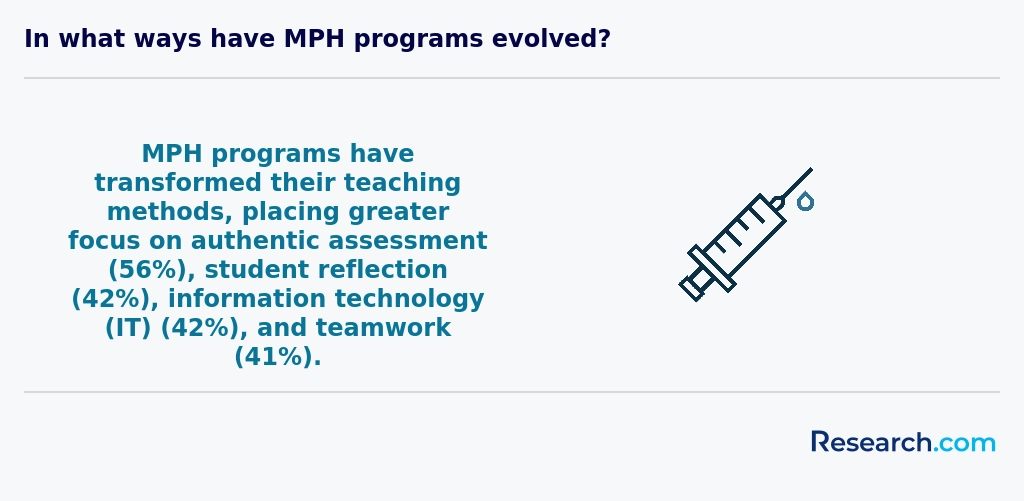
Diving into an online public health degree in North Carolina, students quickly encounter core courses like epidemiology, where graduates recall thrilling moments tracking disease outbreaks-imagine analyzing real COVID-19 trends from the comfort of your home. Biostatistics classes spark curiosity as students learn to decode complex health data, empowering future public health leaders to turn numbers into impactful decisions that influence communities across the state.
Environmental health courses connect learners to pressing local issues, from monitoring pollution near bustling industrial areas to ensuring safety in rural workplaces. Graduates often describe a sense of purpose developing solutions for North Carolina's unique environments.
Health policy and management courses offer eye-opening insights into how laws and administration shape access to care. Many have felt a newfound confidence knowing they can affect policies that touch millions across the Tar Heel State. Electives like maternal health or community education add adventure by letting students tailor their journey to deeply personal or regional priorities.
These experiences make studying public health online in North Carolina not just educational, but a hands-on mission to improve lives statewide.
Diving into online public health specializations in North Carolina reveals exciting paths tailored to fit diverse passions and career goals. Graduates from top institutions like the University of North Carolina and East Carolina University often share how choosing a focus such as epidemiology transformed their understanding of infectious disease trends shaping local communities.
For those drawn to leadership and influence, Health Policy and Management provides the tools to drive change across public health systems-graduates frequently describe the thrill of crafting policies that impact thousands. Environmental Health captivates students curious about safeguarding North Carolina's unique coastal environments and industrial hubs, turning concerns about pollution into actionable solutions.
Global Health, embraced by adventurous learners, opens windows to worldwide health challenges beyond state lines. Meanwhile, Community Health Education specializes in mobilizing grassroots efforts to bridge local health disparities, a rewarding experience shared by many involved in outreach. If you're balancing a career and want flexibility, it's worth exploring pharmacy technician education alongside public health concentrations, expanding your toolkit for serving community needs.
Whether you're intrigued by data-driven public health trends or passionate about community impact, North Carolina's online public health specializations offer an inspiring and practical journey.
Choosing the best online public health degree North Carolina offers feels like embarking on a meaningful journey. Imagine studying at a well-known university where graduates share stories of flexible courses that fit around busy lives, from caring for family to managing jobs. Many find programs with CEPH accreditation especially rewarding, knowing their education meets high standards that open doors in the state's growing healthcare sector.
Think about how curriculum choices, like focusing on epidemiology or community health education, shape real-world skills. Graduates often mention how this helped them connect theory to local public health challenges. Some highlight how faculties with active research and local expertise brought classes to life, turning abstract ideas into inspiration.
For those seeking affordable public health programs NC online, in-state tuition often feels like a practical advantage, offering quality without breaking the bank. Plus, it's wise to explore programs that offer practicum opportunities close to home, enhancing networks in North Carolina's expanding health landscape. If you're curious about related fields, consider how an exercise science degree might complement your public health studies.

Graduates of an online public health degree in North Carolina embark on diverse career paths filled with meaningful impact. Many find themselves working within government agencies like the North Carolina Department of Health and Human Services, designing effective health policies or tackling local health disparities. Others thrive in non-profit organizations, where they engage in community outreach or lead global health projects-turning passion into action.
Students from well-known institutions such as the University of North Carolina and East Carolina University often share how rewarding it is to manage healthcare programs at hospitals or insurance companies, coordinating care while applying public health principles in real time. For those fascinated by data, roles as biostatisticians or health data analysts allow graduates to transform numbers into life-saving insights. Exploring online public health careers North Carolina offers is an adventure in itself, opening doors to policy advising, environmental health, and more.
For those weighing options, public health degrees complement pathways in allied health fields and sometimes intersect with registered nurse jobs, expanding professional opportunities.
The job outlook for online public health degree North Carolina graduates is vibrant and full of promise, especially for those energized by hands-on community work or cutting-edge research. Imagine earning your degree from a well-known North Carolina university, where graduates frequently find roles in cities like Raleigh or Charlotte, renowned for their bustling healthcare sectors. These urban hubs welcome public health professionals eager to tackle challenges from chronic diseases to substance abuse, making every day an opportunity to make a difference.
Employment opportunities for public health graduates NC reach beyond metropolitan areas: in rural communities, graduates engage in vital outreach and preventative care, bringing health solutions directly to neighborhoods that often lack easy access to services. Many recent graduates from popular online programs share stories of their rewarding experiences bridging data analysis and community engagement to improve lives.
Tuition affordability and practical experience are key. With competitive program costs below traditional degrees and hands-on certification opportunities, students feel equipped to dive into North Carolina's expanding public health landscape. For those curious about balancing work and study, check out insights about living in Louisiana and how adaptable public health careers can be.
2027 Fastest Online Public Health Degree Programs Ranking in North Carolina
Investing in your education is a significant decision that can shape your future, and the Research.com team understands the importance of making informed choices. To assist prospective students in North Carolina, we have meticulously crafted the "2027 Fastest Online Public Health Degree Programs Ranking in North Carolina." Our commitment to quality, credibility, and accuracy is reflected in the extensive research and analysis conducted to compile this ranking.
We utilized the following reputable data sources to ensure a comprehensive evaluation of online public health degree programs:
By exploring this ranking, readers will gain valuable insights into the fastest online public health degree programs available in North Carolina, supporting informed decisions about their education and career advancement. For more details on our methodology, please visit our Research.com methodology page.


Frequently Asked Questions About public health
Students pursuing online public health degrees in North Carolina can enhance their learning by actively engaging with local health organizations. North Carolina's public health sector employs over 10,000 professionals, offering ample opportunities for virtual internships and networking. Utilizing state resources such as the North Carolina Public Health Association allows students to stay updated on regional health trends and policies.
Additionally, leveraging university support services like academic advising and online tutoring improves knowledge retention. Staying informed about North Carolina's pressing health issues-like rural health disparities and opioid misuse-adds practical context to coursework. Regular participation in webinars and virtual conferences hosted by North Carolina health agencies also broadens professional perspectives.
The public health field is rapidly evolving, with several emerging niches gaining importance in North Carolina and beyond. One key area is epidemiology, especially following the COVID-19 pandemic, which highlighted the need for expert disease tracking and prevention. Another growing niche is health informatics, where professionals analyze data to improve community health outcomes.
Environmental health continues to gain attention, focusing on issues like air and water quality affecting North Carolina's diverse ecosystems. Additionally, global health and health equity are essential, as the state addresses disparities among its multicultural populations.
These specialties reflect the dynamic nature of public health careers today, offering diverse opportunities for online degree students in North Carolina.
Graduates with an online public health degree in North Carolina should focus on building relevant experience and professional networks to strengthen their job prospects. Internships and volunteer opportunities with local health departments or organizations like the North Carolina Department of Health and Human Services can provide valuable skills. According to the U.S. Bureau of Labor Statistics, employment of health educators in North Carolina is projected to grow by 12% through 2031, reflecting robust job opportunities.
Certification, such as the Certified Health Education Specialist (CHES), enhances employability and demonstrates commitment to the profession. Additionally, attending state public health conferences supports networking with employers and peers. Staying updated on regional health challenges, including chronic disease and rural health disparities, can help target job searches effectively.
Employers in North Carolina seeking graduates with online public health degrees prioritize several key skills. First, data analysis and interpretation are essential due to the increasing focus on evidence-based decision-making in health policies. Proficiency in tools like SAS, SPSS, or R is highly valued.
Strong communication abilities are also crucial. Graduates must clearly convey health information to diverse communities, which supports public health initiatives across the state's urban and rural areas.
Additionally, knowledge of epidemiology and community health is important given North Carolina's varied population and health challenges, including managing chronic diseases prevalent in the region, as noted by the North Carolina Department of Health and Human Services.
Leadership and project management skills enable graduates to coordinate health programs efficiently. Finally, cultural competency ensures effective interaction with North Carolina's diverse demographic groups, enhancing program success.
Finding internships in North Carolina related to a public health degree involves multiple strategies. Start by exploring partnerships that universities often have with local health departments, hospitals, and community organizations. The North Carolina Department of Health and Human Services (NCDHHS) is a key resource, frequently offering internships focused on epidemiology, health education, and policy.
Many public health programs in the state provide dedicated career services platforms with internship listings. Additionally, professional organizations like the North Carolina Public Health Association offer networking events and internship opportunities.
Online internship portals such as Handshake or Internships.com sometimes feature listings specific to North Carolina's health sector, helping students connect with relevant organizations.
Obtaining an online public health degree in North Carolina can significantly enhance career mobility and advancement. The state's growing public health sector, driven by organizations like the North Carolina Department of Health and Human Services, values candidates with formal education. Graduates with online degrees often meet qualifications for roles in epidemiology, health education, and policy development.
According to the Bureau of Labor Statistics, employment for public health professionals in North Carolina is projected to grow faster than the national average through 2030. An online degree provides flexible access to accredited programs, allowing students to balance work while gaining essential skills.
Additionally, many certifications required for advancement, such as Certified Health Education Specialist (CHES), are more attainable with formal public health education. Employers in North Carolina increasingly recognize online degrees from regionally accredited universities as equivalent to on-campus programs.
Studying for an online public health degree in North Carolina equips students to handle interdisciplinary roles by integrating knowledge from diverse fields, including epidemiology, environmental health, policy, and social sciences. North Carolina's programs emphasize collaborative skills, critical for addressing complex health challenges that span multiple sectors.
Students gain experience working with data analysis and community engagement, preparing them to partner effectively with healthcare providers, government agencies, and nonprofit organizations. According to the North Carolina Department of Health and Human Services, interdisciplinary approaches have been pivotal in managing statewide public health issues such as opioid addiction and infectious diseases.
This practical framework ensures graduates are ready to contribute across various industries, promoting improved population health outcomes through coordinated efforts.
Choosing between a thesis and a non-thesis online public health degree in North Carolina depends on your career goals and learning preferences. Thesis programs require conducting original research and writing a detailed paper, which suits students aiming for research or doctoral studies. Non-thesis options focus more on practical skills through coursework and projects, ideal for professionals seeking faster completion and applied knowledge.
North Carolina's public health workforce is growing, with a 10% increase in demand by 2028, according to the NC Department of Health and Human Services. This suggests practical skills gained in non-thesis programs can be valuable in local health departments and agencies.
Accreditation, faculty expertise, and program length should also influence your decision, alongside your willingness to engage in intensive research.
Students in North Carolina seeking to study public health abroad while enrolled in online programs have several pathways available. Many North Carolina universities with accredited online public health degrees, such as the University of North Carolina system, offer study abroad options or international fieldwork components integrated into their curricula.
These opportunities may include partnerships with global institutions or virtual collaborations, allowing students to gain practical experience addressing international health issues. According to the Association of Schools and Programs of Public Health, global health competencies are increasingly emphasized in public health education nationwide.
North Carolina's Department of Health and Human Services notes a growing interest in international public health careers, which enhances the value of such experiences.
Part-time job opportunities that complement public health degree education in North Carolina include roles such as community health worker, health educator assistant, and research assistant. North Carolina employs over 10,000 public health workers, according to the North Carolina Department of Health and Human Services (NCDHHS), creating diverse opportunities for practical experience. Community health workers help bridge gaps in healthcare by connecting residents with services, while health educator assistants support program outreach and patient education efforts. Research assistant positions, often available at universities or public agencies, provide hands-on experience in data collection and analysis, crucial for evidence-based public health practice.
Online public health students in North Carolina benefit from multiple networking opportunities that connect them with professionals and peers statewide. Many universities offer virtual events, webinars, and discussion forums that facilitate interaction between students and public health experts. For example, institutions like the University of North Carolina provide access to alumni networks and professional organizations focused on county and state public health challenges.
Additionally, students can join the North Carolina Public Health Association, a key resource for networking, conferences, and career development. North Carolina employs over 6,000 public health workers, providing a broad network for students to engage with industry professionals.
Alumni networks play a crucial role for students earning online public health degrees in North Carolina. These networks connect current students with graduates who have real-world experience and professional insights.
Strong alumni communities often provide mentorship opportunities, career advice, and job leads within North Carolina's growing public health sector. According to the North Carolina Department of Health and Human Services, the state expects a 12% increase in public health-related jobs by 2030, making connections vital for career advancement.
Many programs also use alumni networks for virtual events and workshops, which enhance learning beyond the classroom. This support system helps online students build professional relationships despite the distance learning format.
In North Carolina, online public health degree programs often offer customizable tracks that allow students to align their studies with specific career goals. Many universities provide concentrations in areas such as epidemiology, health policy, environmental health, and community health education. This flexibility helps learners tailor coursework to match in-demand skills recognized by the North Carolina Department of Health and Human Services.
Students may select electives based on their interests or professional needs, enabling them to pursue roles in government agencies, hospitals, or nonprofit organizations. Additionally, some programs incorporate practicum or capstone projects that focus on local public health challenges, further enhancing practical experience relevant to the state's priorities.
Customization options are important, given that North Carolina ranks among the top states for public health job growth, with a projected 11% increase by 2030 (Bureau of Labor Statistics). Choosing a program with flexible pathways supports graduates in meeting regional workforce demands effectively.
Online public health students in North Carolina often face challenges related to balancing coursework with personal and professional responsibilities. Many are working adults who must manage jobs, family, and study simultaneously. According to the North Carolina Department of Health and Human Services, time management is a critical hurdle for students in the state's growing public health field.
Technical issues can also impede progress, especially for those in rural areas with limited internet access. Despite improvements, some counties still report connectivity below national averages, affecting online learning quality.
Additionally, maintaining engagement and motivation without in-person interaction presents difficulties, requiring students to develop strong self-discipline and communication skills.
With an online public health degree in North Carolina, you can pursue several professional certifications that enhance your career opportunities. The most recognized certification is the Certified in Public Health (CPH) credential offered by the National Board of Public Health Examiners. This certification validates your knowledge and skills in core public health areas.
Additionally, you may consider becoming a Registered Environmental Health Specialist (REHS), which is important in North Carolina's growing environmental health sector. The state's Department of Environmental Quality supports professionals with this credential.
Other certifications include the Certified Health Education Specialist (CHES) and Certified Epidemiologist credentials, which are valuable in community health and disease prevention roles. According to the North Carolina Institute of Medicine, demand for public health professionals with these certifications is expected to grow by 16% through 2030.
When applying to an online public health program in North Carolina, start by carefully reviewing the program's requirements. Many schools look for a solid academic background in health sciences, biology, or related fields. Highlight relevant experience in healthcare or community service. According to NC Department of Health and Human Services, public health jobs in the state are expected to grow by over 10% through 2030, so emphasizing your commitment to this field is key.
Use your personal statement to clearly explain why you want to study public health online and how you plan to contribute to North Carolina's communities. Be concise, specific, and genuine.
Also, obtain strong recommendation letters from professionals familiar with your skills or academic work. These add credibility to your application. Finally, ensure all transcripts and test scores (if required) are submitted accurately and on time to meet deadlines.
Public health careers are increasingly recognized worldwide for their critical role in improving health outcomes, controlling disease outbreaks, and promoting wellness. In the United States, including North Carolina, public health professionals address global issues such as pandemics, chronic diseases, and health equity.
The U.S. Bureau of Labor Statistics projects a 17% growth in public health jobs through 2031, reflecting growing demand. North Carolina, with its diverse population and healthcare challenges, offers unique opportunities for public health graduates to engage with local and global health issues.
Global perspectives emphasize interdisciplinary skills and cultural competence, which are essential in online public health programs based in North Carolina. Students learn to analyze data, design interventions, and collaborate internationally to improve health standards.
Gaining practical experience while studying for an online public health degree in North Carolina is essential for career readiness. Many accredited programs include practicum or internship requirements that connect students with local health departments, nonprofits, or hospitals. For instance, North Carolina's Department of Health and Human Services often partners with universities to provide hands-on opportunities.
Students can also seek remote internships with organizations such as the North Carolina Public Health Association, which supports public health initiatives statewide. Additionally, volunteer positions in community health outreach or data analysis projects offer valuable field experience.
The practical exposure enhances skills and may improve employment prospects in a state facing ongoing public health challenges, including disparities highlighted by the North Carolina Institute of Medicine.
Choosing the right concentration within an online public health degree in North Carolina depends on your career goals and the region's health priorities. North Carolina faces challenges like rural health disparities and infectious disease management, suggesting areas such as epidemiology or community health could be valuable. The state's Department of Health and Human Services highlights a growing need for experts in health policy and management due to evolving healthcare laws.
Consider your background and interests: some programs offer concentrations in environmental health, biostatistics, or global health. Look at employment trends; for example, the NC Public Health Workforce Assessment reports high demand for professionals in health education and behavioral science. Aligning your focus with local needs enhances job prospects after graduation.
- 2027 Fastest Online Public Health Degree Programs Ranking in South Carolina
- 2027 Fastest Online Public Health Degree Programs Ranking in Virginia
- 2027 Fastest Online Public Health Degree Programs Ranking in Florida
- 2027 Fastest Online Public Health Degree Programs Ranking in Maryland
- 2027 Fastest Online Public Health Degree Programs Ranking in Pennsylvania
- 2027 Fastest Online Public Health Degree Programs Ranking in Ohio
- 2027 Fastest Online Public Health Degree Programs Ranking in Missouri
- 2027 Fastest Online Public Health Degree Programs Ranking in New York
- 2027 Fastest Online Public Health Degree Programs Ranking in Massachusetts
- 2027 Fastest Online Public Health Degree Programs Ranking in Illinois
- Financial Aid Guide https://www.publichealth.org/resources/financial-aid/
- Public Health Degree Programs in North Carolina https://www.publichealthdegrees.org/st/north-carolina/
- The 14 Fastest Online MPH Programs https://www.mphonline.org/fastest-online-mph-programs/
- MPH Programs in North Carolina | Public Health Degrees https://www.publichealthonline.org/north-carolina/
- MPH Programs in North Carolina: A Complete Guide https://masterspublichealth.com/mph-programs-in-north-carolina/
- New Professionals Program https://www.ncphpathways.org/new-professionals
- Engaging students through service-learning opportunities ... https://sneb.org/engaging-students-through-service-learning-opportunities-in-public-health/
- Public Health Internships https://www.wake.gov/departments-government/public-health/public-health-internships
- 2026 Most Affordable Online MPH Programs https://www.onlineu.com/most-affordable-colleges/public-health-masters-degrees
- Start Your Public Health Career in North Carolina https://www.dph.ncdhhs.gov/about-us/careers-and-jobs/start-your-public-health-career-north-carolina