2027 Fastest Online Public Health Degree Programs Ranking in Missouri

Co-Founder and Chief Data Scientist
If you're considering advancing your career with a public health degree, this article is made for you. It presents the 2027 Fastest Online Public Health Degree Programs Ranking in Missouri, carefully compiled by the Research.com team of data scientists.
Our goal is to help you make an informed decision by highlighting the top programs that combine quality and speed. Earning a degree in public health opens doors to meaningful work that impacts community well-being and promotes positive change.
Explore this guide to find a path that fits your ambitions and lifestyle.
Key benefits of getting online public health degree in Missouri
- Graduates with a public health degree in Missouri can expect competitive salaries; for example, Environmental Health Specialists earn around $86,710 annually, while Health Educators make about $69,790, offering strong financial stability.
- Career paths are diverse, including roles like Community Health Workers or Occupational Safety Specialists, which provide meaningful work helping communities and improving public safety.
- Completing a public health degree online offers flexibility, ideal for busy students in Missouri balancing work or family, while still gaining quality education from recognized institutions.
- 2027 Fastest Online Public Health Degree Programs Ranking in Missouri
- What can I expect from online public health degree in Missouri?
- Where can I work with online public health degree in Missouri?
What can I expect from online public health degree in Missouri?
The average cost of getting an online public health degree in Missouri can vary quite a bit depending on the school and program level. For example, students pursuing an online Master of Public Health (MPH) at popular universities like the University of Missouri or Saint Louis University typically report paying somewhere between $15,000 and $30,000 for the whole program. This price point feels pretty reasonable considering you get accredited coursework that really prepares you for real public health challenges in Missouri's communities.
Many graduates appreciate how affordable it feels, especially since online formats let them keep working or managing family life while studying. They often share how the mix of live sessions and flexible classwork helps them stay engaged without the stress of campus commutes. Plus, hands-on projects with local health departments add practical experience without extra costs.
So, if you're eyeing a degree that won't break the bank but still equips you with valuable skills to make a difference in Missouri, these online programs strike a great balance.
Where can I work with online public health degree in Missouri?
If you're earning an online public health degree in Missouri, you've got plenty of solid job options waiting for you. Lots of grads find themselves working for the Missouri Department of Health and Senior Services, jumping into roles that focus on disease prevention or emergency preparedness. Imagine partnering with professionals there to protect your local community during a health crisis-that's the kind of impact you can make.
Other grads land jobs at big medical centers like BJC HealthCare in St. Louis, where they support community health projects and help shape public health policies. It's a hands-on way to use what you learned online in places that really need it. Many also enjoy working with nonprofits focused on helping underserved rural areas-especially since about 30% of Missouri's population lives in those parts, giving you a chance to tackle real health disparities.
Plus, there are opportunities with health insurers or biotech firms if you're into data and program development. And if research or teaching calls you, universities like Washington University or the Uni of Missouri have openings that can turn your online degree into a career influencing health outcomes statewide. Graduates often share how rewarding it is to see their work make a difference right here in Missouri.
If you're earning an online public health degree in Missouri, you can expect some pretty solid earning potential once you graduate. For example, graduates who step into roles like community health workers typically see salaries around $52,600 a year. That's a nice starting point and matches well with what many online students at universities like the University of Missouri report. Moving up the ladder, health educators earn closer to $69,700 annually, which feels rewarding for those who want to focus on educating communities and making real impacts.
Some grads who dive into specialized fields such as environmental health can see salaries jump to around $86,700, which is a big win for those who went the extra mile during their studies at schools like Missouri State University. For folks interested in occupational health and safety, the average salary is about $85,570. These numbers reflect real-life opportunities in cities like St. Louis and Kansas City, where demand and pay are often higher. Overall, Missouri's online public health degrees open doors to careers that pay well and truly matter.
- Online public health degrees in Missouri are offered by accredited universities and include bachelor's, master's, and doctoral programs.
- Bachelor's tuition generally ranges from $20,000 to $35,000, master's from $15,000 to $30,000, and doctoral programs can cost over $40,000.
- Jobs for public health professionals in Missouri are expected to grow by about 10% through 2030.
- Starting salaries for public health graduates range from $45,000 to $55,000, increasing to $65,000-$90,000 or more with experience.
- Many programs are flexible, allowing students to study on their own schedules, and are accredited by the Council on Education for Public Health (CEPH).
If you're looking to earn an online public health degree in Missouri, how long it takes really depends on the level you're aiming for and how you want to study. For example, getting a bachelor's degree usually takes about four years if you're going full-time, just like students at big names like the University of Missouri or Saint Louis University. Graduates often say that the flexible online classes helped them juggle work and school without feeling overwhelmed.
On the grad side, a Master of Public Health (MPH) typically takes between 1.5 to 3 years. Many find part-time options perfect, stretching their studies over a few years while keeping their jobs. Some Missouri schools offer accelerated MPH tracks that finish in about a year and a half, but those are intense and need serious dedication.
Graduates from popular programs across the state highlight that online formats offer freedom to study on their own schedule, making those long hours feel way more manageable.
Beyond your online public health degree, targeted certifications can boost your skills and marketability:
- Certified in Public Health (CPH): National board certification demonstrating core public health competencies.
- Certified Health Education Specialist (CHES): Validates expertise in designing and implementing health promotion programs.
- Lean Six Sigma Green Belt: Equips you with process-improvement tools for healthcare settings.
- Certified in Public Health Informatics (CPHI): Focuses on data systems and analytics to support community health decisions.
- Certified Coding Specialist (CCS): Strengthens health data management capabilities with the cheapest medical coding certification online.
If you're thinking about a public health degree in Missouri, online and on-campus programs each offer a pretty different vibe. Online classes are a lifesaver if you're juggling work or family-many students love the flexibility to study on their own schedule, especially with schools like the University of Missouri offering asynchronous courses. You can finish a lecture after putting the kids to bed or during a lunch break, which feels like a huge win.
On the flip side, on-campus programs at places like Saint Louis University give you that in-person buzz-think face-to-face chats with professors, quick access to campus resources, and chances to dive into local public health projects in Kansas City or St. Louis. Graduates often mention how internships with city health departments made their careers pop.
Cost-wise, Missouri universities usually charge less for residents, but online might save you some campus fees. Just keep in mind, online learners sometimes pay tech or exam-proctoring fees. Either way, both routes stick to solid accreditation standards, so you're getting legit training either way.
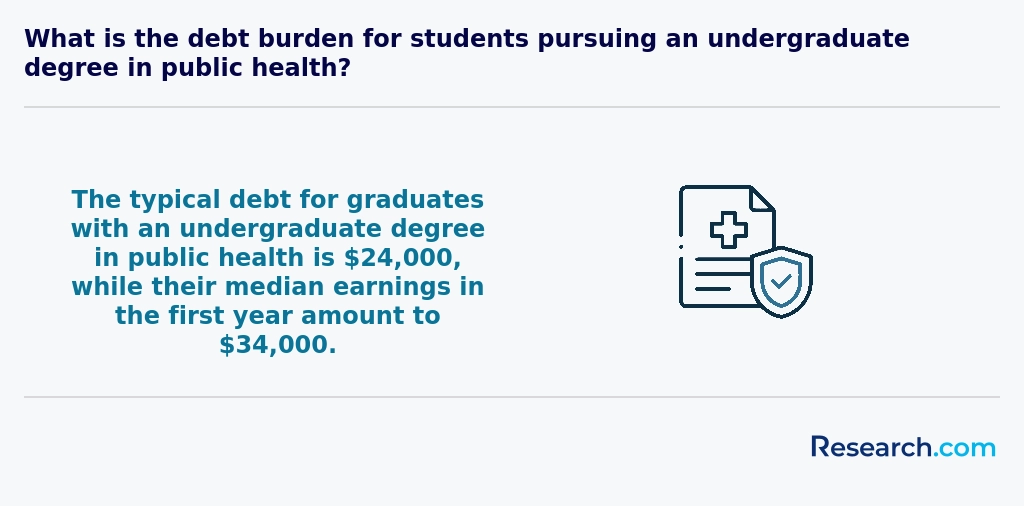
When evaluating an online Public Health degree in Missouri, understanding the return on investment (ROI) can help you balance educational costs with future earning potential. On average, in-state tuition for online MPH programs in Missouri ranges from $4,500 to $12,000 per semester, while graduates see starting salaries between $49,900 (Community Health Workers) and $83,820 (Environmental Health Specialists). This translates to a debt-to-income ratio well below the national average for graduate degrees, especially when federal aid and scholarships are factored in. To maximize affordability, prospective students should compare total program costs-including fees and materials-against median earnings in their desired role. Many Missouri institutions offer payment plans, merit-based scholarships, and teaching/research assistantships that can reduce out-of-pocket expenses by up to 50%. For those seeking even more budget-friendly options, explore our Low Cost Online Master's in Public Health Degree Programs, which highlight top programs nationwide that balance quality with cost efficiency. By focusing on ROI-considering both the short-term financial outlay and long-term salary prospects-you can confidently choose an online Public Health program in Missouri that aligns with your career goals and keeps your debt manageable.
When it comes to the average cost of an online public health degree in Missouri, you're looking at about $13,265 for in-state students. This figure fits right into what many graduates from popular Missouri schools experience, especially those who chose well-known programs like those offered by the University of Missouri system. Many students find that staying in-state makes a huge difference, helping keep tuition manageable while still receiving a quality education.
One graduate mentioned how the cost felt like a smart investment, considering the flexibility and career growth opportunities the degree unlocked. Since online programs reduce commuting and housing expenses, many feel the overall cost is even more reasonable. If you're curious about specific options or need to find an affordable public health school in missouri, doing some research will surely pay off.
The average tuition fees for public health programs in Missouri vary a bit depending on whether you pursue a bachelor's or master's degree, but generally, online master's degrees fall between $15,000 and $30,000 total. Many students planning for the MPH appreciate the balance of tuition cost, program flexibility, and the career boost they've heard about from alumni. Plus, Missouri's public universities tend to offer competitive pricing versus private schools, which often charge more.
For prospective students ready to take the leap into an online Public Health degree program in Missouri, understanding the application process and planning ahead is essential. Begin by researching each program’s unique offerings, paying close attention to accreditation, curriculum structure, and flexibility. Reach out to admissions counselors and current students to gain firsthand insights into how each program accommodates work, family, and financial needs. Additionally, consider scheduling informational interviews with program representatives to clarify any uncertainties regarding course structure, internship opportunities, and potential career outcomes. Budgeting and financial planning should be part of your decision-making process-identifying scholarships, grants, and affordable payment plans can ease the financial burden. For guidance on cost-effective options, check out our listing for affordable public health school in missouri, which offers a closer look at programs combining value and quality. Finally, create a checklist that includes important deadlines, required application materials, and standardized test dates to ensure a smooth application experience. By taking these proactive steps, you can confidently pursue a degree that not only advances your education but also sets you on the path for a rewarding career in public health.
When you're diving into an online public health degree in Missouri, there's good news-lots of financial aid options that make the journey way less stressful. Many students at places like the University of Missouri or Saint Louis University share how FAFSA has been a game-changer, unlocking Pell Grants that can cover a big chunk of tuition-up to $7,395! That kind of support really keeps the bills manageable.
State programs like the Access Missouri Financial Assistance Program are also favorites because they offer grants and scholarships specifically for Missouri residents aiming at public health careers. Some graduates have had luck getting these since they're geared to support folks committed to giving back to Missouri's health sector.
And don't forget about scholarships! Lots of universities offer merit-based awards, plus outside groups like the Missouri Public Health Association pitch in with funding to students really passionate about community health.
Many who work full-time mention how employer tuition reimbursements helped them keep their finances steady while studying. And for those juggling school and work, federal work-study gigs linked to health departments provide extra cash and valuable experience.
Planning ahead is essential when applying to online Public Health degree programs in Missouri. Below is a step-by-step timeline and key considerations to ensure your application stands out: 1. Research and Accreditation (12–9 months before start date) - Identify programs accredited by the Council on Education for Public Health (CEPH). - Compare tuition, specializations, and support services. - Review sample admissions essays and connect with current students or alumni for firsthand insights. 2. Gather Required Documents (9–6 months before start date) - Official transcripts from all postsecondary institutions. - Standardized test scores (if required), such as ACT/SAT or GRE. - Updated resume highlighting relevant public health experience, volunteer work, or internships. 3. Craft a Compelling Personal Statement (6–4 months before start date) - Articulate your passion for public health and career aspirations. - Highlight leadership goals by referencing standards like health department director career requirements to demonstrate long-term vision. - Showcase problem-solving experiences, such as community outreach or research projects. 4. Secure Letters of Recommendation (4–3 months before start date) - Choose recommenders who can speak to your academic abilities and commitment to public health. - Provide each recommender with a résumé summary and prompt deadlines to ensure timely submissions. 5. Submit Application and Financial Aid Forms (3–1 month before start date) - Complete online application portals, double-checking for accurate program codes and term selections. - File the FAFSA and any state-specific aid applications, such as the Access Missouri Financial Assistance Program. - Review scholarship opportunities through your institution’s website and external public health foundations. 6. Finalize Enrollment and Orientation (1 month before start date) - Confirm acceptance and submit any required deposits. - Attend virtual orientation sessions to familiarize yourself with learning platforms, library services, and career resources. - Plan your class schedule and explore internship or practicum placements well before your first semester begins. By following this timeline and tailoring each component of your application, you’ll maximize your chances of admission and position yourself for success in Missouri’s competitive online public health landscape.
If you're thinking about enrolling in an online public health degree in Missouri, getting a handle on the prerequisites is key. Most programs will want you to have at least a high school diploma or GED if you're aiming for a bachelor's. For graduate programs like the MPH, you'll usually need a bachelor's degree, often from a related field like biology or health sciences. Missouri schools such as the University of Missouri and Saint Louis University tend to expect this to make sure you have the basics down before jumping into advanced stuff.
Many grads mention that colleges here expect a decent GPA - typically around 2.5 to 3.0 - so it pays off to keep your grades solid. Some universities might ask for GRE scores, but lots are flexible if you have strong work experience or a good academic record. Don't forget about letters of recommendation and personal statements; these helped recent students showcase their motivation and landed them spots in competitive online programs.
Finally, having a reliable internet connection and being comfortable with online tools is a must. Whether it's virtual internships or live classes, Missouri's online public health courses move fast, so being prepared makes a big difference!
Considering different career goals, you may also explore these cost-effective online programs in Missouri:
- Health Administration: Develop leadership, policy and operations skills for hospitals, clinics and nonprofits.
- Medical Billing and Coding: Streamline your entry into healthcare revenue management with the cheapest medical billing and coding program.
- Health Informatics: Focus on data analytics and digital systems to enhance patient care and public health research.
If you're diving into an online public health degree in Missouri, you'll quickly notice the courses cover all the essentials to get you ready for real-world impact. Most students at popular schools like the University of Missouri or Saint Louis University start with basics like Introduction to Public Health, where you'll learn the big-picture ideas that shape the field.
From there, you move into courses like Biostatistics-don't worry, it's all about understanding health data, which grads say really changed the way they see daily news about outbreaks and health trends. Epidemiology is another favorite, teaching you how to track and respond to disease patterns, which feels super relevant living through recent health scares.
Environmental Health and Health Policy classes help you connect the dots between local Missouri concerns and broader systems. Many grads enjoy Social and Behavioral Sciences too, because it dives into how lifestyle choices affect entire communities. Plus, hands-on projects like practicums give you a chance to tackle real health issues, whether in Kansas City or smaller towns, making it all feel very doable and meaningful.
If you're diving into an online public health degree in Missouri, you'll find plenty of cool specializations to choose from that fit exactly what you want to do. For example, many grads from top schools like the University of Missouri love the Epidemiology track. It's all about tracking diseases and figuring out how to control outbreaks - super relevant here with Missouri's history of dealing with flu seasons and chronic illness spikes.
Others find their groove in Health Policy and Management, learning how to fix healthcare systems and make policies that actually help people across both city and rural areas. It's no surprise that graduates feel pretty empowered knowing they can boost healthcare access right in their hometowns.
Then there's Environmental Health, which is perfect if you're interested in pollution or workplace safety-important for Missouri's mix of factories and farms. Community Health and Health Promotion is another popular choice; students often mention how rewarding it is to design programs that directly improve local communities, which really matches the Missouri public health concentration options online.
You might also spot a few programs offering Global Health or Biostatistics, preparing you for data analysis and worldwide health issues. And if you're curious about your future job path, check out the health department director career requirements to see where these specializations can take you!
Choosing the best online public health degree in Missouri means looking at a few key things that really matter. Graduates from popular places like the University of Missouri often share how important it was to pick a program accredited by the Council on Education for Public Health (CEPH). This accreditation means the program meets high standards and offers real-world skills that helped them land jobs.
Cost is also a big deal. Many students find affordable public health programs Missouri offers at public universities are easier on the wallet, especially with financial aid or scholarships. Comparing tuition rates alongside these opportunities can save you a lot.
Flexibility plays a huge role, too. Working adults love programs that offer asynchronous classes so they can study when it fits their busy schedules. Support services like career counseling and tech help make a big difference, just like grads from private schools in the area have said.
Look for programs with curriculum focused on Missouri's public health needs, including capstone projects or practicums. Those hands-on experiences helped many students step confidently into the local job market, where public health roles are growing.
For balancing cost and quality, check out Low Cost Online Master's in Public Health Degree Programs. It's a good starting spot to find the program that fits your life and goals.
If you're earning an online public health degree in Missouri, you've got plenty of exciting career paths ahead. Graduates from popular schools like the University of Missouri have found meaningful work as health educators or community health workers, helping people stay healthy right in their neighborhoods. It's rewarding and makes a real difference. Others dive into epidemiology, tracking disease outbreaks and keeping the public safe-imagine working with state health departments right here in Missouri!
Missouri's growing need for public health pros means opportunities in health policy and management are booming too. Graduates often step into roles shaping how programs run and making healthcare more effective across the state. Some have even shared how their time at Missouri-based colleges prepared them for these dynamic roles.
For those interested in more niche options, fields like environmental health, biostatistics, nonprofit program coordination, and occupational health offer solid jobs that impact everyday lives. If you want to explore different types of college majors, public health is definitely a versatile choice.
By choosing an online public health career in Missouri, you're stepping into a field that's growing and truly making a local impact.
The job market for online public health degree in Missouri is looking pretty solid right now. Graduates from popular schools like the University of Missouri or Saint Louis University find plenty of opportunities in state agencies, non-profits, and healthcare providers focused on community wellness. Many grads share how their degrees helped them land roles as health educators or epidemiologists, especially in underserved rural areas where skilled workers are in high demand.
Missouri public health degree career outlook is bright, with local initiatives pushing for better disease prevention and health promotion. This means more jobs and competitive salaries, with health educators earning around $53,000 and epidemiologists closer to $70,000 a year. Online students appreciate the flexibility, and employers really value these programs, making it easier to switch to public health later on or start right after graduation.
If you're weighing your options, you might check out programs that are considered the easiest bachelor degree to get in this field-many of Missouri's online public health degrees balance affordability with strong career support, setting you up nicely for a growing job market.
2027 Fastest Online Public Health Degree Programs Ranking in Missouri
Investing in your education is a significant decision that can shape your future, and the Research.com team understands the importance of making informed choices. To assist prospective students in Missouri, we have meticulously crafted the "2027 Fastest Online Public Health Degree Programs Ranking in Missouri." Our commitment to quality, credibility, and accuracy is reflected in the extensive research and analysis conducted to compile this ranking.
We utilized the following reputable data sources to ensure a comprehensive evaluation of public health programs:
By exploring this ranking, readers will gain valuable insights into the fastest online public health degree programs available in Missouri, helping them make well-informed decisions about their educational paths. For more details on our methodology, please visit our Research.com methodology page.


# 3 position
A.T. Still University
Master of Public Health


Frequently Asked Questions About public health
Online public health degree students in Missouri can maximize their learning by actively engaging with their coursework and utilizing available resources. Missouri ranks 38th nationally in public health funding according to the Missouri Foundation for Health, so students should seek internships and volunteer opportunities in local health departments to gain practical experience.
Building connections through virtual study groups or professional networks like the Missouri Public Health Association helps deepen understanding and opens career pathways. Additionally, students benefit from staying current with Missouri Department of Health & Senior Services updates, which inform state-specific public health challenges and policies.
Time management and consistent communication with faculty also enhance academic success in online formats.
The public health field is evolving rapidly, creating new opportunities for professionals in Missouri. Emerging niches include health informatics, which uses data analysis to improve healthcare outcomes. According to the Missouri Department of Health and Senior Services, integrating technology into health management has become crucial. Another growing area is environmental health, focusing on addressing local issues like air and water quality. Additionally, behavioral health is increasingly important, particularly due to rising mental health concerns statewide. These niches require specialized skills and knowledge often available through online public health degrees. Students pursuing these areas can expect strong job growth, supported by trends in state healthcare priorities and funding.
After completing an online public health degree in Missouri, graduates should focus on building relevant skills to enter the job market effectively. Missouri's public health sector is growing, with the Missouri Department of Health and Senior Services offering many entry-level opportunities. Networking through internships or volunteer roles in local health departments can increase employability. The Missouri Economic Research and Information Center reports that healthcare occupations are expected to grow by 13% through 2030, indicating strong demand. Certification like Certified Health Education Specialist (CHES) can enhance a candidate's resume. Familiarity with the state's health policies and data, including issues like rural health disparities, is also valuable.
Employers in Missouri value public health graduates with strong analytical and communication skills. Graduates must be adept at interpreting data to address health challenges in diverse communities. According to the Missouri Department of Health and Senior Services, proficiency in epidemiology and biostatistics is essential for tracking disease trends and managing outbreaks. Additionally, cultural competence is critical, as Missouri's population includes numerous rural and urban groups with varying health needs.
Leadership and teamwork skills are also highly sought after, enabling graduates to coordinate preventive programs effectively. Knowledge of health policy and program planning supports the implementation of community health initiatives. Employers expect graduates to be familiar with local health regulations and ethics, ensuring compliance and promoting public trust.
Finding internships in Missouri relevant to a public health degree involves multiple approaches. Start by contacting the Missouri Department of Health & Senior Services, which offers internship opportunities directly related to public health initiatives. Many universities in Missouri also maintain partnerships with local health departments and hospitals that provide practical experience.
The Missouri Public Health Association and local nonprofit organizations often post internship listings on their websites. Additionally, platforms like Handshake and internships.com can help connect students with opportunities specific to Missouri.
Networking at public health events and career fairs within Missouri's public health sector is crucial for securing competitive placements.
In Missouri, earning an online public health degree can significantly enhance career mobility and advancement opportunities. The state's public health sector is growing due to increased demand for health services and disease prevention programs, supported by data from the Missouri Department of Health and Senior Services.
Graduates with online public health credentials qualify for roles in government agencies, nonprofits, and healthcare organizations. According to the U.S. Bureau of Labor Statistics, public health-related jobs in Missouri are projected to grow by 8% through 2030.
Online degrees offer flexible access to advanced training, helping professionals meet certification requirements and pursue leadership roles. This flexibility is especially important for working adults seeking career advancement without relocating or interrupting employment.
Studying for a public health degree in Missouri prepares students for interdisciplinary roles by integrating knowledge from fields such as epidemiology, health policy, social sciences, and environmental health. Missouri universities emphasize collaboration across these areas to address complex health issues effectively. For example, Missouri's Department of Health and Senior Services frequently partners with academic programs to align curricula with local public health needs, ensuring students engage with real-world challenges.
Online programs also focus on skills like data analysis and community engagement, which are essential in diverse settings. According to the Missouri Public Health Association, 65% of public health jobs require cross-sector collaboration, highlighting the importance of interdisciplinary training.
Choosing between a thesis and a non-thesis online public health degree program in Missouri depends on your career goals and learning preferences. Thesis programs emphasize research, requiring students to complete a substantial project, which suits those aiming for doctoral studies or research roles.
The Missouri Department of Health & Senior Services highlights growing needs for public health researchers and epidemiologists in the state, making thesis options valuable for those paths.
Non-thesis programs focus on practical skills through coursework and often include internships, fitting professionals seeking applied roles in health departments or community organizations.
Consider program length and workload; non-thesis degrees generally take less time to complete, which may align better with working adults.
Students based in Missouri seeking to study public health abroad while enrolled in online programs have several options through partnerships and exchange programs. Many Missouri universities offering online public health degrees collaborate with international institutions, enabling students to participate in virtual global coursework or short-term study abroad opportunities.
For example, the University of Missouri's School of Health Professions includes global health perspectives in its curriculum and occasionally provides study tours or internships abroad. These experiences enhance understanding of worldwide health challenges without requiring full relocation.
According to the Missouri Department of Higher Education & Workforce Development, over 30% of Missouri students in health-related fields engage in international study or research experiences, reflecting growing support for global learning initiatives.
Such options allow Missouri students to gain valuable global public health insight, complementing their local education while benefiting from flexible online degree formats.
Part-time jobs in Missouri that complement public health education often involve roles in healthcare facilities, non-profits, and community organizations. Positions such as health educators, community outreach workers, or assistants in local health departments provide practical experience alongside studies.
According to the Missouri Department of Health & Senior Services, many local health agencies offer part-time or internship opportunities that help students gain skills in data collection, health promotion, and epidemiology. Additionally, roles in hospitals or clinics focusing on patient education align well with public health coursework.
These jobs strengthen communication, organizational, and research skills, critical for public health careers while allowing flexibility for online learners in Missouri.
Online public health students in Missouri benefit from a variety of networking opportunities tailored to the state's healthcare landscape. Many Missouri universities offering online programs encourage participation in professional associations like the Missouri Public Health Association (MPHA), which hosts regular events and webinars connecting students with local public health professionals.
Students can also engage virtually with the broader public health community through the American Public Health Association's Missouri affiliate. These platforms provide access to conferences, workshops, and job fairs specifically focused on Missouri's public health issues.
Additionally, Missouri's healthcare system, including the Department of Health and Senior Services, frequently partners with academic programs to offer internships, which foster direct networking and practical experience for online students. The state's growing public health sector, which was highlighted in the 2023 Health Workforce Report from the Missouri Department of Higher Education, continues to expand opportunities for online students seeking professional connections in areas like epidemiology and health policy.
Alumni networks play a crucial role for online public health degree students in Missouri by providing valuable professional connections. These networks often include graduates working in Missouri's growing public health sector, which is projected to expand by 11% through 2030 according to the U.S. Bureau of Labor Statistics.
Students gain access to mentorship opportunities, career advice, and job leads within local health departments and nonprofit organizations. Networking events and online platforms foster collaboration and knowledge sharing. Given Missouri's emphasis on combating health disparities, alumni connections support practical engagement in community health initiatives.
Such networks also enhance employment prospects, as 73% of Missouri public health professionals found jobs through referrals, per a 2023 Missouri Department of Health survey.
Students pursuing an online public health degree in Missouri can tailor their education through elective courses and specialized tracks. Many programs offer concentrations in areas like epidemiology, health policy, or community health, allowing students to align their studies with specific career goals. For example, Missouri State University's program provides options to focus on rural health or healthcare administration, addressing regional workforce needs.
Additionally, some schools encourage practical experiences such as internships or capstone projects, which help apply classroom knowledge to real-world public health challenges in Missouri communities. According to the Missouri Department of Health & Senior Services, public health roles are growing by 10% statewide, emphasizing the value of such customization for career advancement.
Online public health students in Missouri often face challenges balancing coursework with personal and professional responsibilities. Many students are working adults, which makes time management a crucial skill. According to the Missouri Department of Higher Education, more than 60% of online learners juggle employment alongside their studies.
Another common challenge is limited access to local internship or practicum opportunities critical for public health training. Missouri's rural areas, where public health needs are significant, may present fewer nearby placements, requiring students to seek remote or distant options.
Technical difficulties and varying levels of digital literacy can also impede progress. Reliable internet access remains inconsistent in parts of Missouri, notably in rural counties, impacting synchronous learning and timely communication.
Finally, some students report difficulty engaging with peers and faculty, which can affect motivation and academic success. Developing virtual networking skills is essential for overcoming isolation in online programs.
With an online public health degree in Missouri, graduates can pursue several professional certifications to enhance their career opportunities. The Certified in Public Health (CPH) credential, offered by the National Board of Public Health Examiners, is widely recognized and validates core competencies in public health practice.
Other relevant certifications include the Registered Environmental Health Specialist (REHS) and Certified Health Education Specialist (CHES). These credentials demonstrate specialized knowledge and can increase job prospects within Missouri's public health departments and agencies.
According to the Missouri Department of Health and Senior Services, obtaining certifications may improve salary potential and eligibility for leadership roles in the state's growing public health workforce.
To write a winning application for an online public health program in Missouri, start by carefully researching programs accredited by CEPH (Council on Education for Public Health). Missouri offers several reputable options, including the University of Missouri and Washington University in St. Louis. Admissions committees value clear personal statements that explain your motivation and career goals in public health.
Emphasize any relevant experience, such as work in healthcare or community outreach, which Missouri ranks highly in according to the Missouri Department of Health and Senior Services. Also, maintain a strong academic record-most programs require a GPA of 3.0 or higher. Finally, submit well-organized recommendation letters highlighting your aptitude for public health and capacity for online learning.
A public health career offers a broad, global perspective as professionals address health challenges worldwide. This field involves improving health outcomes through research, policy, and community programs. According to the U.S. Bureau of Labor Statistics, employment of health educators and community health workers, including in states like Missouri, is expected to grow by 17% from 2022 to 2032, reflecting increasing demand.
Missouri, in particular, sees a rising need for public health experts due to diverse urban and rural health issues. Globally, public health specialists work on preventing disease outbreaks, improving sanitation, and ensuring equitable healthcare access.
Online public health degrees in Missouri prepare students for roles in global health agencies, non-profits, and government organizations. Skills gained can be applied to international crises, demonstrating the global relevance of this career path.
Gaining practical experience while pursuing an online public health degree in Missouri is crucial for career readiness. Many programs require a practicum or internship, which students can complete locally with health departments, hospitals, or community organizations.
Missouri's Department of Health and Senior Services offers partnerships and placement opportunities for students seeking hands-on work. Such experiences expose students to real-world public health challenges in areas like disease prevention and health education.
Networking through Missouri-based public health associations can also help students find volunteering or part-time roles, enhancing practical skills while studying. According to the Missouri Economic Research and Information Center, employment for public health professionals in Missouri is expected to grow, underscoring the value of practical experience.
Choosing the right concentration within an online public health degree in Missouri depends on your career goals and local health needs. Missouri faces challenges such as rural health disparities and chronic diseases, so concentrations like Epidemiology, Health Policy, or Community Health may be particularly relevant. According to the Missouri Department of Health & Senior Services, areas like substance abuse and infectious disease control remain priorities.
Research the curriculum and course flexibility of each concentration. Consider programs accredited by the Council on Education for Public Health (CEPH), which ensures quality education and better job prospects.
Connect your interests with Missouri's public health workforce demands and growth sectors to make an informed choice.
- 2027 Fastest Online Public Health Degree Programs Ranking in Iowa
- 2027 Fastest Online Public Health Degree Programs Ranking in Illinois
- 2027 Fastest Online Public Health Degree Programs Ranking in South Dakota
- 2027 Fastest Online Public Health Degree Programs Ranking in Minnesota
- 2027 Fastest Online Public Health Degree Programs Ranking in Wisconsin
- 2027 Fastest Online Public Health Degree Programs Ranking in Ohio
- 2027 Fastest Online Public Health Degree Programs Ranking in Michigan
- 2027 Fastest Online Public Health Degree Programs Ranking in Texas
- 2027 Fastest Online Public Health Degree Programs Ranking in Florida
- 2027 Fastest Online Public Health Degree Programs Ranking in Virginia
- Internships for MPH Students https://www.publichealthdegrees.org/careers/internships/
- Is an Online MPH Right for You? | University of Bridgeport https://www.bridgeport.edu/news/is-an-online-mph-right-for-you/
- Effective Networking Strategies for Public Health Professionals | PH SPOT https://phspot.org/effective-networking-strategies-for-public-health-professionals/
- Public Health Challenges – IPA SDG Dashboard https://sdg.internationalpublishers.org/sdgaction/public-health-challenges/
- Pre-Professional Health Experience Guide | PublicHealthOnline.org https://www.publichealthonline.org/pre-professional-experience/
- Students and Alumni associations - Europubhealth https://www.europubhealth.org/students-alumni-associations/
- What do you learn in a bachelor's in public health? | edX https://www.edx.org/resources/what-do-you-learn-in-a-bachelors-in-public-health
- Loading https://www.cpalms.org/PreviewResourceStudentTutorial/Preview/166485
- For Academic Public Health https://globalnetworkpublichealth.org/
- The Interdisciplinary Nature of Public Health https://www.cune.edu/news/interdisciplinary-nature-public-health