2027 Occupational Therapy Career Outcomes by Degree Level Report: Pay, Employment, and Advancement Patterns

Co-Founder and Chief Data Scientist
Understanding these nuances impacts earning potential and long-term career growth more than surface credentials alone. This article analyzes pay, employment, and advancement patterns by degree level to inform practical occupational therapy education decisions.
Key Things to Know About Occupational Therapy Career Outcomes by Degree Level
- Master's degrees dominate employer preferences for clinical occupational therapist roles, reflecting a workforce trend where bachelor's holders face limited direct employment but potential in support or assistant positions.
- Advancement to supervisory or specialized roles frequently requires doctoral credentials, signaling significant tradeoffs in time and cost against potential for leadership or research career pathways.
- Certificate and associate-level credentials offer faster entry but restrict access to credential progression, often necessitating a return to school for full professional licensure and broader job-market mobility.
- Key Things to Know About Occupational Therapy Career Outcomes by Degree Level Key Things to Know About Occupational Therapy Career Outcomes by Degree Level
- What Career Outcomes Can Students Expect From Each Occupational Therapy Degree Level? Career Outcomes by Degree
- How Much Do Occupational Therapy Graduates Earn by Degree Level? Salary by Degree Level
- Which Occupational Therapy Degree Level Offers the Strongest Employment Prospects? Best Degrees for Employment
- What Entry-Level Jobs Can You Get With a Occupational Therapy Degree? Entry-Level Career Opportunities
- How Do Occupational Therapy Degree Levels Affect Career Advancement and Promotion Opportunities? Career Growth by Degree
- Is a Occupational Therapy Degree Worth It Based on Salary, Employment, and ROI? Salary, ROI, and Value
- How Do Associate, Bachelor's, Master's, and Doctoral Occupational Therapy Degrees Compare? Comparing Degree Levels
- Which Industries and Employers Hire Occupational Therapy Graduates by Degree Level? Which Industries and Employers Hire Occupational Therapy Graduates by Degree Level?
- What Skills, Credentials, and Experience Improve Occupational Therapy Career Outcomes? What Skills, Credentials, and Experience Improve Occupational Therapy Career Outcomes?
- Which Occupational Therapy Degree Level Is Best for Your Career Goals? Choosing the Right Degree
What Career Outcomes Can Students Expect From Each Occupational Therapy Degree Level?
Career outcomes in occupational therapy degree programs differ sharply by credential level, shaping employment access, role readiness, and advancement prospects. Associate degrees and entry-level certificates generally restrict graduates to support or aide positions with less autonomy and clinical responsibility, limiting immediate licensure opportunities. In contrast, bachelor's degree holders gain somewhat broader access within rehabilitation support roles but often encounter credentialing barriers; independent clinical practice remains out of reach without further graduate education. For working adults or transfer students balancing time and cost, these distinctions critically influence decisions about whether to pursue accelerated pathways or align transfer credits toward graduate programs that better match licensure requirements and employer expectations.
Master's degrees remain essential for those targeting direct occupational therapy roles, as state licensing boards and the American Occupational Therapy Association require this level for clinical practice. Graduates at this stage benefit from robust clinical internships and typically enter a job market with relatively stable demand, reflecting labor projections around aging populations and expanded healthcare services. While doctoral degrees-whether clinical (OTD) or research-focused (PhD)-do not guarantee immediate pay premiums, they enable long-term career mobility into leadership, policy, or academic positions, demanding greater time investment but unlocking broader advancement avenues. Individuals weighing these options must consider program flexibility, such as online formats or part-time study, which may facilitate ongoing employment but extend time to degree.
Data from the Integrated Postsecondary Education Data System highlights how employment and advancement patterns in occupational therapy degrees favor graduate education for longevity and leadership opportunities, distinguishing master's and doctoral pathways from bachelor's and associate routes marked by greater volatility. This trend emphasizes the importance of strategic credential alignment, especially for military-affiliated students or career changers seeking substantive clinical roles. Adult learners exploring occupational therapy options must also factor in the impact of credential mandates on progression, recognizing that higher degree attainment correlates with access to more specialized, stable roles, while shorter credentials often require supplementary education for upward mobility. Those integrating occupational therapy studies with other relevant fields might explore connections to healthcare administration degree programs to optimize their interdisciplinary value.
How Much Do Occupational Therapy Graduates Earn by Degree Level?
Wage differences among occupational therapy graduates closely align with credential levels, but interpreting these figures requires attention to licensure demands, job function, and geographic variables. Entry-level therapists holding a master's or doctorate typically earn median salaries near $86,000, reflecting not only their clinical responsibilities but also state licensure requirements that confine independent practice to these degrees. By contrast, those with bachelor's or associate degrees generally find roles as assistants or aides earning closer to $50,000, often with less job security and fewer routes to specialized certifications or leadership roles. For working adults weighing further education, the additional time and cost to earn an advanced degree must be balanced against the practical benefits of higher initial pay, stronger employment prospects-such as the over 90% placement rate for master's graduates reported by the National Center for Education Statistics-and expanded career pathways.
Advanced degrees broaden access to specialized clinical areas and nonclinical positions, such as management, research, or academia, which typically offer both increased financial rewards and longer-term career stability. Yet prospective students should consider how location, employer preferences, and program flexibility influence the real value of these credentials. For example, urban healthcare markets may offer premiums for master's level therapists with pediatric or geriatric specializations, whereas rural settings might have limited demand, affecting wage growth and mobility. Those holding associate-level qualifications must anticipate potentially more volatile employment scenarios, fewer advancement options, and questions about transfer credits or time investment if pursuing a master's later, making strategic planning essential for aligning educational choices with both financial outcomes and career goals.
A graduate who initially pursued an associate degree in occupational therapy assistance recalls being surprised by the disparity between local job postings and median salary data. Conversations with employers revealed a strong preference for hiring master's-level therapists for full-time clinical roles, pushing the graduate to reevaluate the cost and feasibility of returning to school for a professional degree despite the challenges of managing family obligations and work. The decision was complicated by uncertainty over how prior credits would transfer and whether the delayed entry into a higher-paying role would offset the additional debt. This nuanced experience highlighted the importance of analyzing both market realities and personal circumstances before committing to advanced study.
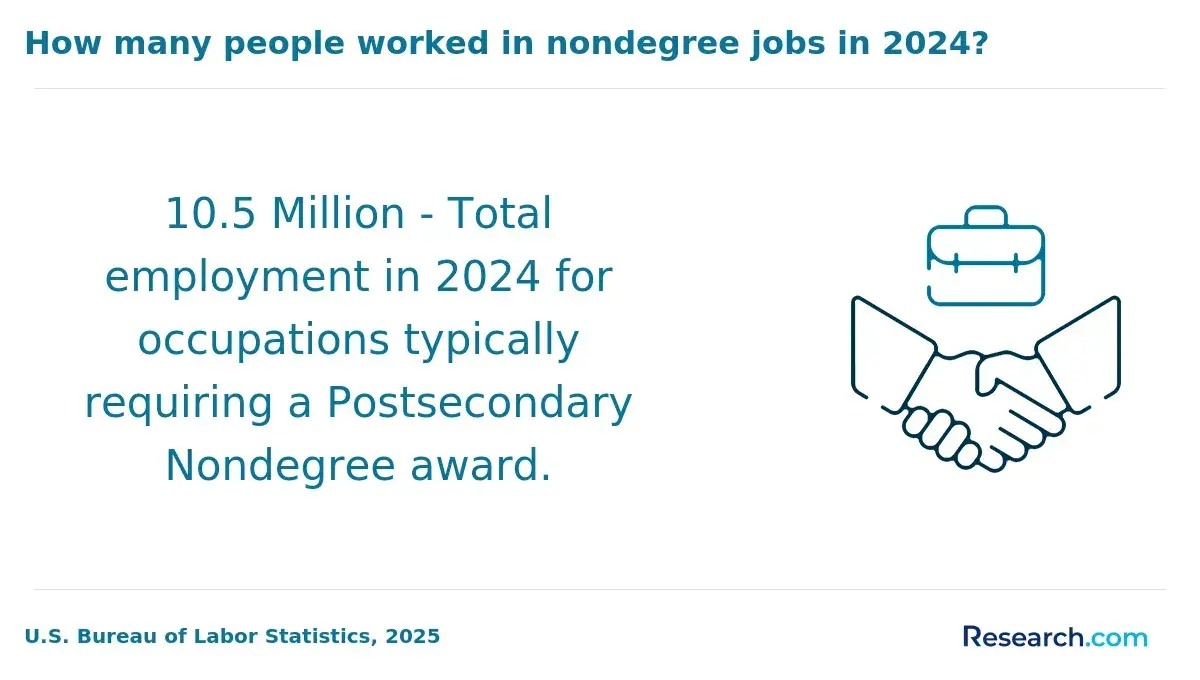
Which Occupational Therapy Degree Level Offers the Strongest Employment Prospects?
Master's degrees remain the most practical credential for individuals aiming to enter licensed occupational therapy practice due to prevailing state licensure requirements and employer preferences. Nearly 90% of practitioners hold a master's or higher degree, underscoring its critical role in meeting regulatory standards and securing stable clinical positions. While associate and certificate programs enable quicker workforce entry-primarily in assistant roles with roughly 18% projected growth-they often restrict advancement and command lower compensation, reflecting their limited scope compared to graduate qualifications.
Those holding bachelor's degrees typically encounter a bottleneck for independent practice, as licensure boards commonly mandate at least a master's degree. Bachelor's credentials may open allied health or administrative positions but rarely translate into sustainable clinical careers or leadership roles. Conversely, doctoral degrees (OTD) provide expanded opportunities in specialization, academic, and research settings, though they represent a smaller share of the workforce. Graduates with doctorates often experience greater mobility and compensation, but pursuing an OTD requires weighing the investment against marginal benefits for direct clinical employment versus the master's.
Decisions between entering the workforce early with an associate or bachelor's versus continuing toward a master's or doctorate involve careful consideration of long-term goals and regional labor market conditions. In areas with clinician shortages, advanced degrees can enhance job security and promote upward mobility. Ultimately, the master's degree balances licensure eligibility, employer expectations, and career flexibility best, while doctoral credentials increasingly suit those targeting leadership or specialized academic roles. This landscape highlights the importance of aligning educational choices with specific role ambitions and marketplace realities.
What Entry-Level Jobs Can You Get With a Occupational Therapy Degree?
Entry-level occupational therapy jobs in the United States vary notably by degree level, shaping both immediate responsibilities and longer-term prospects. Candidates with a master's or doctoral degree, accredited by the American Occupational Therapy Association (AOTA), typically qualify for licensed occupational therapist roles, requiring successful completion of national certification and state licensure. These positions often allow autonomy in patient care and access to specialization or leadership tracks, contrasting sharply with roles available to those holding an associate degree or certificate. For example, occupational therapy assistants (OTAs), who comprise about 10% of the workforce per 2024 U.S. Bureau of Labor Statistics data, provide critical support but work under licensed therapists without independent practice authority.
The decision between pursuing an OTA pathway versus a higher degree influences employment stability and advancement potential. Employers increasingly expect candidates to complete supervised fieldwork or internships, recognizing hands-on experience as essential to bridging academic knowledge and clinical skill. Job listings also highlight communication and adaptability as key competencies. Students weighing occupational therapy degree job opportunities for beginners should consider that assistant roles offer a shorter, more direct route into healthcare, but with limited upward mobility compared to master's or doctoral education. Understanding these distinctions helps clarify whether immediate workforce entry or eventual professional growth aligns better with their goals.
For those aiming to navigate complex certification landscapes, familiarity with credentials such as CCS medical coding may augment administrative and documentation skills valuable in both assistant and therapist roles, strengthening candidacy in competitive settings. Geographic factors, including rural healthcare shortages, may also affect job availability and scope of practice, with broader responsibilities often expected in underserved areas. Such trade-offs underscore the importance of strategic credential planning tailored to both immediate employment and longer-term career trajectories.
How Do Occupational Therapy Degree Levels Affect Career Advancement and Promotion Opportunities?
Advanced degree levels in occupational therapy significantly impact eligibility for supervisory and specialized roles, with many employers prioritizing candidates holding master's or doctoral credentials for leadership tracks. Recent data from the Bureau of Labor Statistics and NBCOT indicate that practitioners with post-professional doctorates like the OTD often move faster into senior positions, especially where clinical expertise and program development skills are critical. However, this progression comes with a timing tradeoff; doctoral programs extend training periods compared to master's degrees, which may delay workforce entry for some students. Licensure requirements typically cap at the master's level for entry but advancing into niche or administrative roles increasingly demands higher or additional certifications, affecting mobility within healthcare organizations and eligibility for promotion.
Adult learners and those with prior credits must weigh the benefits of immediate employment against potential long-term advantages from advanced qualifications, since not all promotion pathways strictly require doctoral degrees but advanced credentials often enhance competitive positioning. Employer screening often favors candidates with demonstrated leadership readiness, which correlates with graduate-level training involving research and administrative competencies. Workforce trends reflect growing demand for occupational therapists equipped to lead policy and program initiatives, highlighting the value of specialized education in conjunction with clinical experience. A 2024 Lightcast analysis confirms the rising frequency of job listings requesting doctorates for senior occupational therapy roles, underscoring the evolving credential landscape and its influence on career trajectories.
One student reflected on choosing between pursuing a master's versus an OTD while working part-time in a rehabilitation center. They noted hesitation about delaying full-time employment but recognized that despite holding a master's, leadership roles were limited without the doctorate. "I kept seeing positions requiring that advanced degree for supervisory work," they said, describing frustration balancing immediate income needs with longer-term career goals. This experience highlighted how degree level affected not only promotion eligibility but also self-confidence when applying for roles with administrative responsibilities in a competitive environment.
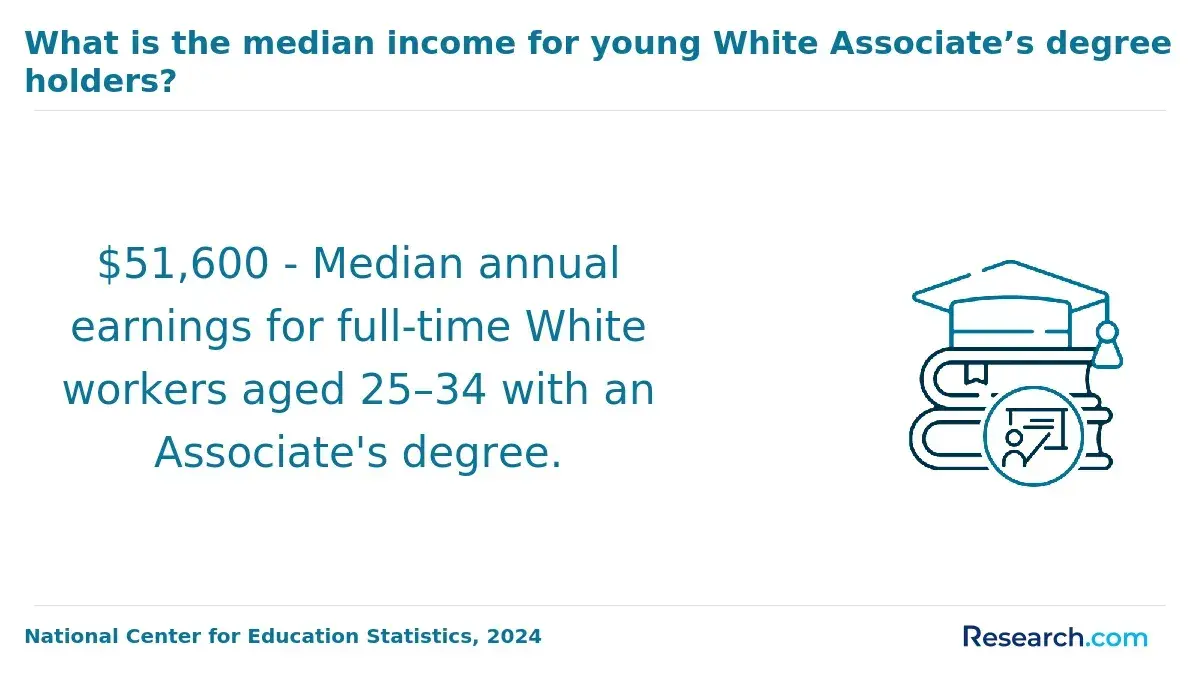
Is a Occupational Therapy Degree Worth It Based on Salary, Employment, and ROI?
Salary outcomes and employment stability in occupational therapy vary significantly by degree level and regional labor demand, which complicates straightforward assessments of worth. Practitioners with a master's degree, the typical entry-level credential, generally find more robust positions and higher wages compared to bachelor's degree holders, who face limited licensure and clinical practice options. This differentiation matters practically: for working adults or those transferring credits, the time and expense of completing a master's degree must be weighed against local job availability and potential salary increases, especially given that some regions experience saturation while others show strong growth.
The practical return on investment for occupational therapy degree holders depends on credential requirements, salary levels, and completion timelines, which also affect career mobility. Students who extend study with post-professional doctorates or certifications often gain access to higher-paying administrative or academic roles, though these require additional time and financial commitment. For many learners balancing work or family obligations, choosing part-time enrollment or transferring credits can mitigate opportunity cost, but such decisions can delay entering the workforce and deferring salary gains, thus impacting the overall financial calculus.
Employment projections remain favorable, with growth surpassing many fields, signaling job security for properly credentialed graduates. However, those evaluating occupational therapy employment rates and return on investment should consider institutional costs and regional demand variations carefully. Learners exploring practical pathways might also examine adjacent options like the MA to LPN transition, which could align better with specific career timelines. Ultimately, the decision to pursue an occupational therapy degree benefits from detailed scrutiny of salary by education level alongside personal and market conditions.
How Do Associate, Bachelor's, Master's, and Doctoral Occupational Therapy Degrees Compare?
The decision to enter the occupational therapy workforce with an associate or bachelor's degree often restricts candidates to supporting roles without licensure eligibility or significant advancement. Associate degrees enable faster job entry as assistants but typically require further certification for upward mobility. In contrast, the bachelor's credential mainly functions as a stepping stone-either for transferring into accredited master's programs or branching into allied health areas-since it does not meet licensure requirements for primary therapist roles in most states. Students pursuing these pathways face tradeoffs involving credit transfer uncertainties and potentially extended timeframes if advancing, which affect both cost and career trajectory.
Master's degrees remain the practical threshold for full occupational therapy licensure, with programs accredited by ACOTE and alignment to fieldwork and certification mandates that employers expect. Graduates at this level tend to secure employment rapidly-often achieving over 90% placement within six months-and gain access to clinical specialization and leadership tracks that are largely closed to those without a graduate credential. Doctoral programs, including entry-level and post-professional OTDs, focus more on advanced practice, research, and administrative leadership but come with longer time commitments and higher student debt without guaranteed salary premiums. For many, the doctoral path might best serve those targeting academic or niche clinical roles rather than immediate workforce entry, highlighting the importance of weighing extended educational investment against tangible career benefits.
Which Industries and Employers Hire Occupational Therapy Graduates by Degree Level?
Employers across healthcare and public sectors distinctly differentiate occupational therapy graduates by degree level, reflecting critical licensure, responsibility, and specialization requirements. Entry-level clinical roles in hospitals and outpatient care predominantly demand a master's degree due to state licensure rules, positioning this credential as the baseline for independent therapeutic practice. In contrast, associate and bachelor's degree holders typically secure assistant or supportive roles within long-term care or community health settings, where scope and advancement remain limited without further graduate training. For example, a bachelor's degree holder employed in a public school system may perform therapy support tasks but face a career ceiling without pursuing a master's degree, underscoring the practical tradeoff between early entry and long-term mobility.
Doctoral degrees, notably the OTD, increasingly serve as gateways to leadership, research, and academic positions, especially in private rehabilitation clinics and major research institutions. These roles demand advanced clinical expertise and evidence-based practice skills, with about 25% of advanced occupational therapy positions favoring or requiring a doctorate, according to the American Occupational Therapy Association. Certificate programs, often pursued by licensed therapists, focus on niche specialization, enhancing expertise without affecting initial hiring. Regional labor markets also influence employer preferences, with urban centers showing stronger demand for doctoral credentials in administrative and complex clinical capacities, highlighting the interplay between geography, degree level, and occupational therapy career trajectory.
What Skills, Credentials, and Experience Improve Occupational Therapy Career Outcomes?
Licensure remains the most critical credential for occupational therapy credential requirements for career advancement, especially for those with bachelor's or master's degrees. Employers view state-specific licensure as a minimum competency barrier to clinical roles, and lacking it can severely restrict job prospects and upward mobility. Candidates who pair licensure with specialty certifications-such as in pediatrics or hand therapy-demonstrate targeted expertise that aligns with employer demands and often accelerate advancement, a clear tradeoff compared to general practice roles. For working professionals and military-affiliated students, stacking credentials while leveraging existing experience is essential to transition smoothly or speed promotion in this field.
Practical experience through internships, field placements, and apprenticeships is indispensable, as it embeds both technical skills and workplace-ready soft skills valued by hiring managers. The National Center for Education Statistics shows graduates who accumulate over 500 supervised clinical hours enjoy a 20% higher employment rate, emphasizing experiential learning as more than a formality. Additionally, technical proficiency with electronic health records and digital outcome measurement tools increasingly differentiates candidates in an evolving, data-driven environment. Transfer students or adult learners evaluating degree pathways must weigh these factors when assessing how to combine prior credits and applied experience effectively.
For those analyzing pathways or considering moving from a bachelor's to a master's degree or higher, leadership experience and documented project or advocacy work function as critical portfolio evidence for senior or administrative roles. This experiential portfolio, paired with license and certification, reinforces readiness for roles beyond entry-level practice. Prospective students pursuing direct entry MSN programs and other pathways should critically evaluate how program offerings balance credential requirements with applied skill-building to meet their diverse career goals.
Which Occupational Therapy Degree Level Is Best for Your Career Goals?
Deciding on the best occupational therapy degree for career advancement hinges on balancing licensure requirements, employer expectations, and long-term professional goals. Entry-level bachelor's degrees usually do not meet state licensure standards essential for clinical work, limiting access to direct patient care roles. Master's degrees remain the primary credential for clinical licensure and employment accessibility, with over 90% of occupational therapists holding at least a master's according to the Bureau of Labor Statistics 2024. For working adults or career switchers, master's programs often offer a pragmatic blend of moderate cost, shorter completion times, and clinical placement opportunities, making them a common choice for immediate workforce entry.
Doctoral degrees cater to professionals targeting advanced specialization, supervisory roles, academic careers, or research positions, but involve higher costs and longer time commitments. Many employers, especially in hospitals or research-intensive settings, prefer doctoral qualifications for leadership or niche practice areas, underscoring the need for additional education beyond licensure minimums. Program flexibility, transfer credit acceptance, and specialization options should be carefully weighed by adult learners and transfer students to minimize opportunity costs and completion risks. Evaluating these aspects alongside employment outcomes provides a clearer perspective on occupational therapy degree level career outcomes.
Incorporating such considerations helps prospective students plan effective pathways without unnecessary delays or financial strain. Those researching complementary healthcare degrees may also find valuable insights from best online health information management degree CAHIIM accredited programs, which share parallels in licensure and employment dynamics within the health sciences. This broader outlook supports informed decisions aligned with individual circumstances and workforce demands.
References
- Employment pathways for OT grads in Australia | Blog https://medijobs.com/employment-pathways-ot-grads/
- Occupational Therapy Career Paths: From Entry-Level To Advanced Roles https://www.tripodpartners.com/career-advice/allied-healthcare/occupational-therapy-career-paths-from-entry-level-to-advanced-roles/
- Routes into occupational therapy https://www.rcot.co.uk/learn-about-occupational-therapy/become-an-ot/routes
- Occupational Therapist - Explore Healthcare Careers - Mayo Clinic College of Medicine & Science https://college.mayo.edu/academics/explore-health-care-careers/careers-a-z/occupational-therapist/
- Occupational Therapy Career Path: Specializations and Advancement https://www.scuhs.edu/otd-article/occupational-therapy-career-path-specializations-and-advancement/
- Career Opportunities for Occupational Therapists https://www.css.edu/about/blog/ot-career-opportunities/
- Occupational Therapy Degrees (OT, OTD, PPOTD, OTR/L, and more) https://www.otmastery.com/resources/occupational-therapy-degrees
- 5 Ways Occupational Therapy Can Be a Fulfilling Career Path https://mariacollege.edu/blog/5-ways-occupational-therapy-can-be-a-fulfilling-career-path
- How Do Students Come Across Occupational Therapy and ... https://encompass.eku.edu/cgi/viewcontent.cgi
- Find Your Dream Non-Clinical OT Job • OT Potential https://otpotential.com/blog/non-traditional-ot-jobs
Other Things You Should Know About Occupational Therapy
Advanced degrees such as the master's or doctoral levels require significantly more time and financial commitment compared to associate or bachelor's programs. This extended duration can delay entry into the workforce, which may affect income accumulation early in one's career. However, graduates of longer programs often enter with qualifications favored for specialized roles, potentially offsetting initial delays with faster advancement opportunities later. Prospective students should weigh whether immediate employment or longer-term specialization better aligns with their financial needs and career ambitions.
In 2027, occupational therapists with advanced degrees can expect an average salary increase of $10,000 to $20,000 compared to those with only a bachelor's degree, reflecting the demand for specialized expertise and higher qualifications in the field.
A master’s degree or an entry-level doctoral degree in occupational therapy is required for licensure. Programs must also include a supervised fieldwork component, and graduates must pass the NBCOT national certification exam before applying for state licensure.
In 2027, job growth projections for occupational therapists vary by degree level. Master's degree holders may see a growth rate of approximately 16%, while doctoral degree holders might experience a 19% increase, reflecting a higher demand for advanced qualifications in specialized roles.