2027 Occupational Therapy Degree Oversupply or Undersupply? Student Volume vs Employer Demand

Co-Founder and Chief Data Scientist
Deciding whether to pursue an occupational therapy degree in 2024 requires careful analysis of graduate output versus employer demand, especially as regional disparities grow. For example, the Bureau of Labor Statistics projects a 11% job growth for occupational therapy assistants nationally through 2032, yet states like California report increasing employer difficulty filling clinical positions, while others face graduate surpluses. This imbalance affects career entry timelines and underemployment risk, with credential inflation pushing firms to prefer candidates with specialized skills or certifications beyond entry-level degrees. Understanding these dynamics helps gauge how degree value fluctuates amid evolving industry expectations and labor market pressures.
This article contrasts occupational therapy student volume with employer demand, job growth, regional hiring conditions, and skill gaps to assess whether sustainable opportunities or heightened competition lie ahead.
Key Things to Know About Occupational Therapy Graduate Supply and Employer Demand
- Graduate output exceeded entry-level openings by 18% in 2024, signaling tighter competition that pressures new graduates to secure specialized skills or geographic flexibility for employment success.
- Employer surveys highlight growing demand for sub-specializations in pediatric and geriatric occupational therapy, indicating that supply imbalances vary strongly by niche, affecting hiring preferences and salary negotiations.
- Rising program costs combined with longer completion times create access barriers, disproportionately impacting diverse applicants and potentially constraining future workforce diversity despite steady overall enrollment growth.
- Key Things to Know About Occupational Therapy Graduate Supply and Employer Demand Key Things to Know About Occupational Therapy Graduate Supply and Employer Demand
- Is There an Oversupply or Undersupply of Occupational Therapy Graduates? Graduate Oversupply or Shortage
- How is Occupational Therapy Degree Enrollment Changing? Degree Enrollment Trends
- How Many Occupational Therapy Graduates Enter the Workforce Each Year? Annual Graduate Workforce Entry
- Does Job Growth Support the Rising Supply of Occupational Therapy Graduates? Job Growth Versus Supply
- How Competitive is the Entry-Level Market for Occupational Therapy Graduates? Entry-Level Market Competition
- Which Industries Have the Greatest Demand for Occupational Therapy Graduates? Top Hiring Industries
- Where are Occupational Therapy Graduates Most in Demand? Top Geographic Demand
- Which Occupational Therapy Specializations and Degree Levels Face the Strongest Demand? Which Occupational Therapy Specializations and Degree Levels Face the Strongest Demand?
- Are Employer Skill Gaps Affecting Demand for Occupational Therapy Graduates? Are Employer Skill Gaps Affecting Demand for Occupational Therapy Graduates?
- What is the Future Supply-and-Demand Outlook for Occupational Therapy Graduates? Future Supply-Demand Outlook
Is There an Oversupply or Undersupply of Occupational Therapy Graduates?
The supply of occupational therapy graduates generally aligns with current employer demand at a national level, reflecting a balanced labor market rather than a clear oversupply or undersupply. Even though degree completions in occupational therapy programs have increased steadily, regional variations cause disparities where certain metropolitan areas show stronger job openings relative to graduates, while some rural regions report more candidates than available positions. This means that while entry-level competition in generalist roles may be moderate to high in some markets, specialized niches such as pediatric occupational therapy and geriatrics still experience persistent shortages due to demographic trends and fewer qualified candidates meeting those specific requirements.
The 2024 Bureau of Labor Statistics projections indicating an 11% growth in occupational therapy employment through 2032 underscore a continued need for practitioners, especially as aging populations drive demand in rehabilitation, schools, and mental health services. However, the increasing number of graduates does not always translate simply into job availability because employers often seek candidates with relevant practical experience, doctoral credentials, or specialized skills, making credential and experience mismatches a common barrier to immediate placement. Therefore, prospective students evaluating occupational therapy graduate job market projections should carefully assess geographic location and specialty focus to avoid oversaturated segments and to better navigate employer expectations.
For those considering educational investments, it is important to balance program cost and career outlook, as some may be drawn to less expensive options to minimize debt, such as cheap nursing programs, though these differ significantly from occupational therapy pathways in outcomes and demand. Workforce planners and educators must account for evolving occupational therapy graduate supply and demand trends to fine-tune enrollment targets and curriculum design that reflect actual employer needs, rather than relying solely on graduate volume metrics. This nuanced approach helps avoid misleading conclusions about oversupply while addressing local and specialty-specific deficits in the occupational therapy labor market.
How is Occupational Therapy Degree Enrollment Changing?
Enrollment growth in occupational therapy degree programs, particularly at the master's level, is gradually increasing graduate numbers but not uniformly easing regional workforce shortages. This trend is influenced by a notable expansion in online and hybrid formats, which attract diverse and often non-traditional students balancing education with work or family duties. While the flexibility increases access, clinical training's in-person requirements still constrain reach and limit cohort size expansion in some areas. National data from the National Center for Education Statistics highlights a steady rise in master's enrollment since 2020, yet this does not always translate into reduced local competition, especially in saturated urban healthcare markets where employer demand remains consistent but hiring pools grow more crowded.
The uneven distribution of growth across credential levels adds complexity to supply-demand dynamics. Post-professional doctoral enrollments are rising modestly as practicing therapists pursue specialization, while bachelor's and entry-level doctoral numbers fluctuate without strong growth. Employers increasingly prioritize clinical competence alongside advanced credentials, yet the influx of new graduates may heighten job market congestion in regions with mature healthcare infrastructures. Using aggregate national figures to gauge local opportunity risks oversimplification, as workforce needs differ by geography and specialization. Graduates and prospective students must consider whether growing enrollment signals widening opportunity or intensifying competition, factoring in program delivery, local employment trends, and personal flexibility in job location.
An occupational therapy master's student recently noted that cohort sizes had increased noticeably over the past two years, partly driven by new online components allowing students outside the immediate area to enroll. While they appreciated the program's flexibility, they also expressed concern about entering a field where more graduates might compete for a limited number of clinical placements and entry-level positions. The student questioned whether rising enrollment represented genuine growth in job possibilities or simply a more crowded pipeline, reflecting real uncertainty about balancing educational access with market realities.
How Many Occupational Therapy Graduates Enter the Workforce Each Year?
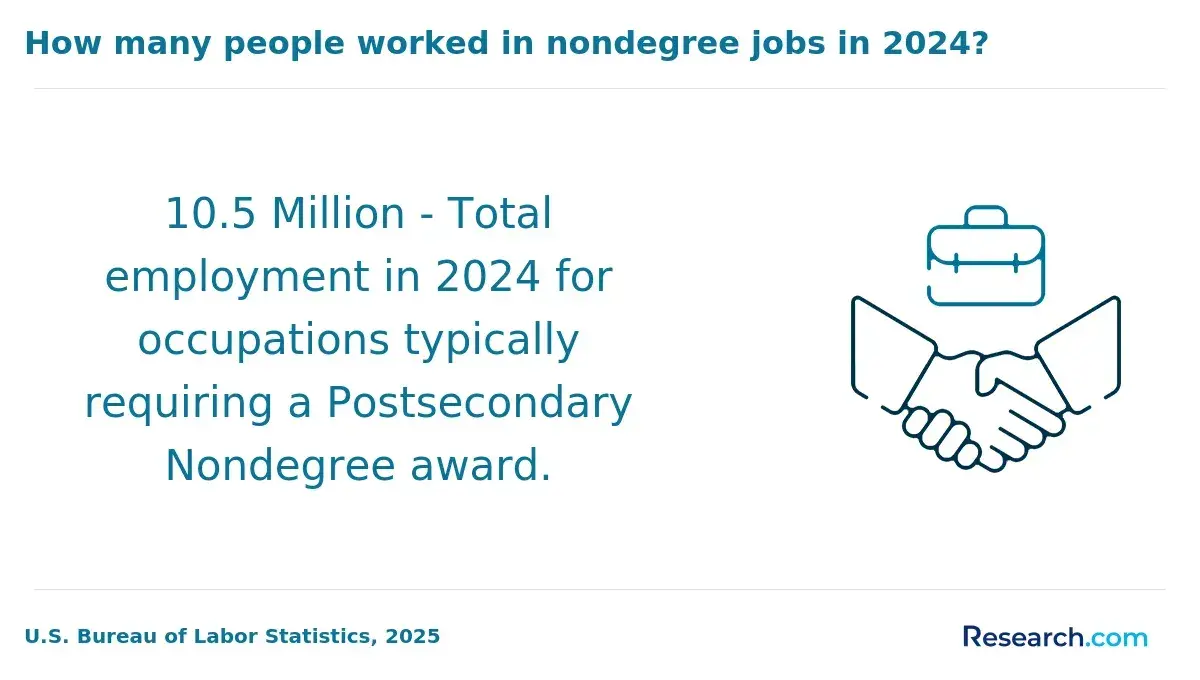
Annual graduate numbers alone cannot fully determine whether the occupational therapy field is oversupplied or undersupplied, as multiple factors affect workforce entry beyond degree conferral. Data from sources like the National Center for Education Statistics and the Integrated Postsecondary Education Data System classify graduates by degree type and modality, but not all immediately pursue roles in occupational therapy. Variations in licensure exam pass rates—typically around 80% to 90%—along with geographic job availability and employer preferences, significantly influence how many graduates effectively enter the labor market within a year of graduation.
While approximately 5,000 to 6,000 occupational therapy graduates receive master's or doctoral degrees annually in the U.S., only about 85% to 90% secure employment in related roles within 12 to 18 months, according to licensure boards and employment surveys. This discrepancy arises partly from individuals delaying practice due to personal circumstances or career changes, as well as regional differences in demand that create localized oversupply or shortages. Employers' skill expectations and the distribution of job openings also alter competition levels; not every graduate applies for the same positions simultaneously, making straightforward volume-to-demand comparisons misleading when evaluating job market conditions.
Employers face nuanced challenges in aligning supply with demand, influenced by factors such as population aging, reimbursement structures, and healthcare system concentration. Although the number of graduates has steadily increased, growth in employer demand is uneven, notably favoring metropolitan and institutional environments. For prospective students and stakeholders, understanding licensure success rates and local labor market dynamics is more critical than focusing solely on total graduate counts, as these provide clearer signals of realistic employment prospects and help anticipate regional workforce imbalances.
Does Job Growth Support the Rising Supply of Occupational Therapy Graduates?
The labor market for occupational therapy graduates reveals important tensions between steady job growth and an accelerating graduate base. While the U.S. Bureau of Labor Statistics forecasts a 17% increase in demand for occupational therapy assistants and therapists from 2024 to 2034, the rise in master's degree completions outpaces this expansion. This imbalance suggests that new graduates may face intensified competition for entry-level positions, particularly where employers favor candidates with clinical experience or specialized certifications. For instance, a recent graduate focusing on pediatrics might find fewer openings in a saturated urban area but better prospects in regions experiencing retirements or clinical shortages.
Regional demand for occupational therapy graduates varies considerably, complicating a uniform assessment of workforce sufficiency nationwide. Some states and metropolitan areas report persistent vacancy rates due to replacement needs and specific specialization shortages, while others show signs of supply saturation. Geographic mobility and willingness to develop niche skills often become decisive for employability. Consequently, graduates must weigh these realities carefully; misreading projected growth as unequivocal opportunity risks underemployment or delayed career starts despite promising job growth data. For those evaluating the landscape, understanding these nuances is as critical as considering factors like degree level or access to experience-building pathways, sometimes compared with other health-related fields where employer demand aligns more closely with graduate volume.
Occupational therapy job growth trends in the US indicate dynamic conditions rather than a simple oversupply. Prospective professionals seeking to improve their prospects might benefit from assessing local market conditions and investing in relevant clinical experience or certifications. Additionally, exploring allied avenues like medical coding pay pathways can provide alternative or complementary career options in healthcare, reflecting a pragmatic approach to navigating evolving labor market demands across the sector.
How Competitive is the Entry-Level Market for Occupational Therapy Graduates?
The entry-level job market for occupational therapy graduates in 2024 reflects a moderate level of competition shaped by uneven regional demand, employer expectations, and the practical skills required beyond academic credentials. Although the U.S. Bureau of Labor Statistics projects an 8% growth in occupational therapy jobs through 2032, suggesting steady long-term demand, immediate openings vary significantly by location and sector.
Many recent graduates encounter challenges securing positions quickly, particularly where clinical experience or certifications are priorities. This environment calls for strategic decisions regarding geographic flexibility, practical preparation, and specialty focus.
The key factors influencing competitiveness include:
- Applicant Volume Concentration: Urban centers and specialty healthcare employers tend to attract more applicants, leading to increased competition. Graduates should assess local job posting data to gauge market saturation and consider less crowded regions.
- Experience Expectations: Employers frequently require clinical rotations or internships beyond degree completion. This prerequisite elevates barriers for candidates lacking hands-on exposure and informs the value of targeted experiential learning.
- Geographic Demand Imbalance: Labor shortages in rural or underserved areas contrast with tight pools in metropolitan regions. Willingness to relocate or serve in lower-demand settings can improve employment prospects.
- Specialization Preferences: Candidates with certifications or bilingual capabilities gain advantage in specific sectors such as community care or school-based therapy, reflecting varying employer priorities.
- Sector Growth Variability: Expanding health systems and educational institutions drive uneven job creation, compelling graduates to monitor trends by industry subset.
- Skill Demonstration: Practical competencies and soft skills increasingly differentiate candidates during hiring, making portfolio and interview preparation critical.
- Delayed Entry Rates: Approximately 15% of graduates may require three to six months post-graduation to secure roles aligned with their training, indicating transient underemployment periods.
One recent occupational therapy graduate shared their experience navigating such a landscape: after graduation, they encountered numerous listings demanding multiple clinical placements, yet found that many positions in preferred urban areas were highly competitive, with dozens of applicants per opening. Faced with repeated interview setbacks, they refocused their search on suburban and rural clinics where fewer candidates applied, despite the challenge of relocating.
They also pursued additional specialized certifications, which eventually helped secure a role, though only after nearly four months of persistent effort. This narrative illustrates the importance of adaptability, realistic expectation-setting, and continuous skills development in confronting a labor market marked by geographic and experiential disparities rather than simple oversupply.
Which Industries Have the Greatest Demand for Occupational Therapy Graduates?
Demand for occupational therapy graduates is most concentrated in sectors with intensive patient care needs and evolving service models. Healthcare settings dominate due to their volume of complex cases requiring rehabilitation after injury or chronic illness, particularly in hospitals and outpatient centers. However, regional occupational therapy job growth sectors reveal notable diversification, as demographic shifts and service innovation shape employer priorities.
Graduates weighing opportunities must consider not only job volume but also competition levels, specialized skill requirements, and pathways for career advancement. For example, a new graduate might find more entry-level openings in skilled nursing facilities but face stiffer competition and fewer advancement options compared to mental health settings, where psychosocial skills are prized but demand is more niche.
The following industries currently present the strongest employer demand for occupational therapy graduates:
- Hospitals and Outpatient Care: These settings lead in job postings due to extensive rehab needs across adult and pediatric populations. Advanced roles often involve interdisciplinary team leadership and specialization in surgical recovery or neurological disorders. Employers seek clinicians with broad clinical competency and adaptability.
- Long-Term Care Facilities: Driven by aging populations, these centers emphasize geriatric therapy and adaptive technology. Entry-level positions are plentiful, but experience with elder care protocols and regulatory compliance enhances hiring prospects.
- Educational Services: Special education schools require therapists skilled in developmental, sensory, and educational interventions. Demand hinges on navigating educational regulations and collaborating with multidisciplinary teams, differentiating this sector's skillset from clinical pathways.
- Mental and Behavioral Health: This niche sector values expertise in psychosocial intervention and community integration, with opportunities for advanced practice in therapeutic program design. Job volume is smaller, but competition is less intense.
- Telehealth and EHR Integration: Across industries, proficiency with electronic health records and telehealth delivery increasingly shapes employer preferences, rewarding graduates who align training with digital health trends.
Graduates exploring options beyond traditional clinical roles should also consider programs like the ASN program, which illustrate how credential choices impact employability and sector alignment. Balancing supply against the realities of occupational therapy employer demand by industry involves analyzing both short-term openings and sustained growth within distinct labor markets.
Where are Occupational Therapy Graduates Most in Demand?
National demand for occupational therapy graduates often obscures substantial regional disparities shaped by local healthcare infrastructure, population demographics, and education pipeline dynamics. States with large, aging populations and well-developed medical facilities generally show higher employer demand, but these markets can also exhibit intense applicant competition and elevated living costs that dilute apparent opportunity. For example, graduates from densely populated states with several occupational therapy programs might face oversaturation, compelling relocation to metros with fewer local graduates but persistent workforce shortages, despite potentially higher expenses or competitive job entry requirements.
Metropolitan areas with concentrated healthcare sectors—especially hospitals, outpatient centers, and home health agencies—tend to generate the bulk of job openings, yet this volume does not guarantee easy placement. Many employers in these hubs seek specialized skills or experience in home-based rehabilitation or chronic care, which can influence employability beyond mere graduate counts. Rural and smaller states may offer fewer total positions but face less saturated markets and potentially lower living costs, posing a different set of tradeoffs for recent graduates. Therefore, students and degree holders need to weigh the balance between market size, salary expectations, cost of living, and specialization alignment rather than relying on headline job numbers alone.
Which Occupational Therapy Specializations and Degree Levels Face the Strongest Demand?
Employer demand within occupational therapy is far from uniform, showing clear concentration around specific degree levels and specializations. Entry to mid-level positions overwhelmingly require a master's degree, reflecting accreditation standards, while roles for bachelor's holders remain scarce. Meanwhile, doctoral-level therapists command attention in competitive, urban, or academic medical environments but face limited availability despite their advanced qualifications.
Geographic factors and specialization significantly influence hiring dynamics, with rural and underserved regions showing persistent workforce shortages regardless of credentials. Consider two recent graduates: one with a master's in pediatric occupational therapy may find steady openings in schools and pediatric clinics, whereas another with a bachelor's in general occupational therapy may encounter limited opportunities and higher competition.
Specializations and degree levels exhibiting the strongest employer demand include:
- Pediatric Occupational Therapy: Driven by sustained needs for developmental support in educational settings and pediatric healthcare, practitioners typically require master's-level credentials and pediatric-specific experience, with strong hiring demand in school districts and outpatient clinics.
- Geriatric Rehabilitation: Focused on aging populations, this area addresses activities of daily living and post-acute care, necessitating master's degrees plus clinical training in eldercare environments, reflecting demographic trends driving growth in healthcare systems.
- Hand Therapy: Specialized in fine motor skills rehabilitation, mainly in outpatient clinics, demand centers on certified therapists holding at least a master's degree with advanced competency in upper extremity disorders.
- Neurological Rehabilitation: Serving stroke, brain injury, and spinal cord injury patients, hospitals and rehabilitation centers seek master's-level therapists with expertise in neurological conditions, often requiring additional certifications or supervised clinical hours.
- Doctoral-Level Clinicians (OTDs): These therapists differentiate themselves through research capabilities and leadership in complex care settings, with selective hiring concentrated in academic medical centers and research institutions despite fewer total positions available.
- Assistive Technology Specialists: An emerging niche focused on adaptive equipment integration in treatment plans, combining clinical knowledge with technological proficiency, typically requiring master's credentials and continual skill updating to meet evolving healthcare technologies.
According to the U.S. Bureau of Labor Statistics and LinkedIn Workforce Insights data from 2024, the most robust hiring demand aligns with occupational therapy specializations that integrate advanced clinical skills and cater to growing demographic healthcare needs, while generalist roles face tighter competition and localized shortages persist.
Are Employer Skill Gaps Affecting Demand for Occupational Therapy Graduates?
Labor-market data reveal that employer skill gaps are not a straightforward shortage of occupational therapy graduates but rather a shortage of candidates who meet targeted technical and industry-specific competencies. Despite a steady pipeline of graduates, many open positions remain hard to fill due to mismatches in applied experience, digital literacy, and specialization alignment. For example, a hiring manager may pass over candidates lacking proficiency in electronic health record management or telehealth service delivery, even when application volume is high, skewing perceptions of oversupply in some regions.
Regional skill shortages in occupational therapy job market segments reflect this nuanced dynamic, where volume alone cannot address employer expectations for demonstrated communication ability, certifications, and familiarity with interdisciplinary collaboration. This selective demand intensifies competition, especially for entry-level roles, creating a scenario where graduates with internships, hands-on projects, or advanced credentials stand out more effectively. Prospective students and degree holders should thus consider program features that emphasize these practical competencies to enhance effective employability.
The interplay of supply and demand also underscores the importance of program choice and targeted skill development as factors contributing to alignment with employer needs. For those exploring pathways, understanding how to become nurse practitioner or related healthcare roles can offer context for pacing career development strategically. Ultimately, recognizing the skill-focused hiring landscape enables more informed decision-making about educational investments and career positioning within occupational therapy.
What is the Future Supply-and-Demand Outlook for Occupational Therapy Graduates?
Targeted job searches outperform high-volume, unfocused applications because they allow graduates to align their credentials more closely with employer expectations and labor market realities. For example, a recent occupational therapy graduate focusing solely on urban settings may face stiff competition, whereas one who prioritizes underserved regions with persistent demand will likely find more opportunities.
Prioritizing specific entry-level job titles, tailoring resumes to reflect the specialized skills employers seek, and demonstrating relevant competencies through clinical projects or volunteer experience improves interview call rates. Additionally, allocating effort toward roles that match one's qualifications and timing applications to hiring cycles strengthens overall job search effectiveness in the occupational therapy field.
The future supply and demand for occupational therapy graduates varies notably by region and specialization, with some urban areas nearing saturation while rural locations report shortages. Graduates who research these regional job market trends in occupational therapy and adjust their strategies accordingly tend to fare better in securing positions. Employers increasingly value specialization in pediatrics, geriatrics, or assistive technologies, making skills alignment critical.
Evidence from the U.S. Bureau of Labor Statistics projects a 9% growth in occupational therapy employment by 2034, but rising graduate program enrollments heighten competition, underscoring the importance of focused applications supported by credible market data and compliance with evolving healthcare demands. For prospects exploring allied health options, examining programs such as the best military friendly online speech pathology degrees can offer complementary pathways.
References
- Occupational Therapy Degrees (OT, OTD, PPOTD, OTR/L, and more) https://www.otmastery.com/resources/occupational-therapy-degrees
- Occupational Therapy Careers: Unlock Your Potential and Transform Lives https://www.whitworth.edu/cms/academics/occupational-therapy-doctorate/about-the-program/career-salary-outlook-ot/
- Your Occupational Therapy Salary Guide (2025) • OT Potential https://otpotential.com/blog/occupational-therapy-salary-guide
- Different Types of Occupational Therapists | OT Degrees https://www.css.edu/about/blog/different-types-of-occupational-therapists-explore-your-career-path-in-ot/
- Factors Influencing Occupational Therapy Doctorate ... https://encompass.eku.edu/cgi/viewcontent.cgi
- How To Land Your First Occupational Therapy Job After Gradua https://www.healthcarelink.com.au/article/how-to-land-your-first-occupational-therapy-job-after-graduation-in-australia/2086
- Why the Job Outlook Looks Bright for a Career in Occupational Therapy https://otdeducation.com/article/why-the-job-outlook-looks-bright-for-a-career-in-occupational-therapy
- Occupational Therapy Career Paths: From Entry-Level To Advanced Roles https://www.tripodpartners.com/career-advice/allied-healthcare/occupational-therapy-career-paths-from-entry-level-to-advanced-roles/
- Strategic direction 1: Strengthening occupational therapy workforce data https://workforcehub.wfot.org/global-strategy/strategic-direction-1/
- 9 Occupational Therapy Specialties for the Best Career Path https://www.masmedicalstaffing.com/blog/occupational-therapy-specialties/
Other Things You Should Know About Occupational Therapy
Given employer preferences for hands-on skills, candidates benefit more from programs emphasizing integrated clinical rotations and real-world patient care exposure than from purely academic-heavy curricula. While broader academic offerings may enrich theoretical understanding, the practical skillset directly influences early employability and workplace readiness. Students aiming for smoother job placement should prioritize programs that embed substantial supervised fieldwork within their degree path.
Occupational therapy degrees with accelerated or highly intensive coursework often demand significant time and emotional investments, sometimes reducing opportunities for part-time work or extracurricular engagement. However, this rigorous training tends to produce graduates who are better prepared for the complexities of clinical environments, potentially improving early career adaptability. Prospective students must weigh the stress and time commitment against the benefit of completing a more demanding program that yields greater hands-on competence.
Programs lacking diverse or advanced specialization tracks may restrict graduates' ability to enter niche clinical fields or advanced practice areas favored by some employers. This can narrow early-career opportunities, making graduates more reliant on generalist roles with potential for slower advancement. Students targeting long-term career growth or specialized settings should prioritize programs offering multiple specialization pathways aligned with market demand.
Employers increasingly rate interpersonal communication, teamwork, and adaptability as critical, often as much as clinical proficiency. Graduates from programs that explicitly integrate soft skills development alongside hands-on training tend to perform better during hiring and workplace integration. Those selecting educational paths should favor programs with structured mentorship, group work, and client interaction to enhance these non-technical capabilities, which affect both job acquisition and career progression.