2027 Occupational Therapy Job Market Report: Open Roles, Salary Bands, and Hiring Momentum

Co-Founder and Chief Data Scientist
The occupational therapy labor market reflects shifting employer priorities shaped by evolving regulatory frameworks and expanding technological integration in care delivery. Open roles and salary bands reveal adaptation to specialized skill demands, such as proficiency in telehealth platforms and patient data management systems. Hiring momentum varies across regions, influenced by demographic pressures and organizational restructuring that recalibrate workforce size and composition.
These employment patterns expose underlying constraints in sourcing clinicians versed in emerging domains, alongside credential standardization challenges. The age distribution of occupational therapy students indicates a trend toward greater educational accessibility for nontraditional learners, signaling a gradual reshaping of workforce demographics and professional pathways within the field.
Key Things to Know About Occupational Therapy Job Market
- Open roles in occupational therapy remain concentrated in elder care and pediatric specialties, signaling higher competition in these segments but fewer opportunities in outpatient and mental health fields.
- Salary growth is modest despite demand, reflecting institutional budget constraints; this requires realistic expectations about income progression and may affect retention incentives for early-career therapists.
- Hiring momentum rose 5% in 2024, yet entry-level positions often require extensive clinical hours pre-licensure, meaning longer time-to-employment and increased educational cost burdens for new graduates.
- Key Things to Know About Occupational Therapy Job Market Key Things to Know About Occupational Therapy Job Market
- How Strong Is Demand for Occupational Therapy Graduates in Today's Job Market? Demand for Graduates
- Which Occupational Therapy Careers Have the Most Open Job Opportunities? In-Demand Careers
- What Salary Bands Are Employers Offering Across Occupational Therapy Careers? Offered Salary Bands
- Which Industries Are Hiring the Most Occupational Therapy Graduates? Top-Hiring Industries
- How Does Hiring Demand Vary by State, Region, and City? Hiring Demand by Location
- What Skills Are Employers Prioritizing in Occupational Therapy Job Postings? In-Demand Skills
- Which Certifications Increase Employability and Salary Potential? High-Value Certifications
- How Do Remote and Hybrid Opportunities Affect the Occupational Therapy Job Market? How Do Remote and Hybrid Opportunities Affect the Occupational Therapy Job Market?
- Which Occupational Therapy Careers Show the Strongest Long-Term Hiring Momentum? Strongest Careers
- How Can Students Use Job Market Data to Make Better Career Decisions? How Can Students Use Job Market Data to Make Better Career Decisions?
How Strong Is Demand for Occupational Therapy Graduates in Today's Job Market?
Recent labor market data from the U.S. Bureau of Labor Statistics (2024) indicates that occupational therapy graduate job demand trends remain robust, with employment expected to grow approximately 17% between 2022 and 2032. This growth rate outpaces many healthcare professions but conceals regional hiring outlook for occupational therapy graduates that varies significantly based on location and specialty. Metropolitan areas with aging populations generate a larger volume of openings, yet face intensified candidate competition, while rural or underserved regions often present faster hiring opportunities albeit with tradeoffs in compensation and available resources. Employers increasingly highlight clinical experience, practical skills, and adaptability alongside academic credentials, reflecting insights from LinkedIn Workforce Reports that underscore the need for well-rounded capability beyond formal degrees.
Driving this dynamic are several factors including an aging demographic requiring expanded rehabilitative care and the integration of evolving healthcare technologies that reshape clinical practices. Demand also fluctuates across specialized sectors such as pediatric or mental health therapy, where varying financial models and service frameworks influence compensation and job availability. The regional hiring outlook for occupational therapy graduates is further shaped by healthcare infrastructure distribution and economic shifts, including increased investment in outpatient and community-based care settings. These forces combine with a skills focus on applied patient communication and versatility in care environments, signaling a workforce trend that rewards experiential learning and technological fluency.
For prospective students and early-career professionals, understanding these demand patterns is critical for informed decision-making. While salary growth tends to be gradual initially, long-term stability is linked to strategic positioning within high-demand specialties and regions. Navigating these factors alongside practical training opportunities or related fields-such as medical billing and coding courses-can enhance employability and adaptability. This multifaceted labor market requires graduates to evaluate demand signals carefully and prepare for continuous skill development in a landscape shaped by demographic, technological, and economic evolutions.
Which Occupational Therapy Careers Have the Most Open Job Opportunities?
Job opportunity distribution within occupational therapy careers is shaped by broad industry expansion, persistent skill shortages, and evolving employer expectations that reflect demographic and technological shifts. These dynamics make certain roles notably more abundant, driven by specific sector demands and competencies. Open positions should be viewed as part of larger labor market adjustments, where care models, regulatory frameworks, and population health needs continuously influence hiring patterns. Understanding these forces clarifies why some occupational therapy job openings nationwide outpace others and how practitioners can strategically position themselves.
- Home Health Occupational Therapist: The aging Baby Boomer population is a primary driver for demand in home health care settings, which consistently show the highest vacancy levels. Employers seek therapists skilled in chronic condition management and rehabilitation that supports independence, reflecting a shift to community-based care and reducing hospital reliance.
- Pediatric Occupational Therapist: Rising needs within schools and outpatient clinics stem from legislative mandates like the Individuals with Disabilities Education Act, which requires occupational therapy as a related service. Providers increasingly value expertise in sensory processing and developmental interventions, aligning with growth in early intervention and expanded pediatric service models.
- Mental Health Occupational Therapist: Behavioral health facilities and integrated care systems have amplified hiring to address cognitive and emotional rehabilitation demands. This area requires competencies in client-centered, holistic care approaches as mental health gains recognition as central to overall well-being and functional recovery.
- Skilled Nursing Facility Therapist: Long-term care facilities experience steady demand for occupational therapists due to high patient turnover and complex rehabilitation needs. Candidates demonstrating adaptability in post-acute care and interdisciplinary collaboration are most sought after, reflecting labor shortages across regions with older populations.
- Telehealth Occupational Therapist: The surge in telehealth roles, largely a lasting outcome of the COVID-19 pandemic, expands access for rural and underserved areas. Proficiency with remote assessment technologies and virtual treatment delivery is a distinctive requirement, positioning these therapists at the intersection of healthcare innovation and accessibility.
- Community-Based Rehabilitation Specialist: Emerging programs focused on social reintegration and disability support create job openings beyond traditional clinical settings. Employers emphasize skills in environmental modification, client advocacy, and interagency coordination, responding to broader public health efforts to promote autonomy.
The U.S. Bureau of Labor Statistics projects a growth rate near 17% for occupational therapy jobs through 2032, far exceeding the average for all occupations. This expansion underscores the strategic importance of aligning practitioner skills with the sectors exhibiting highest demand, such as home health care and pediatric practice, while adapting to evolving modalities like telehealth. Prospective professionals benefit from understanding these market signals and workforce trends as they prepare for entry and advancement within the field.
Resources on educational pathways and funding options, including financial aid for medical billing and coding online classes, can support related training needs necessary for navigating the occupational therapy job market's operational complexity.
What Salary Bands Are Employers Offering Across Occupational Therapy Careers?
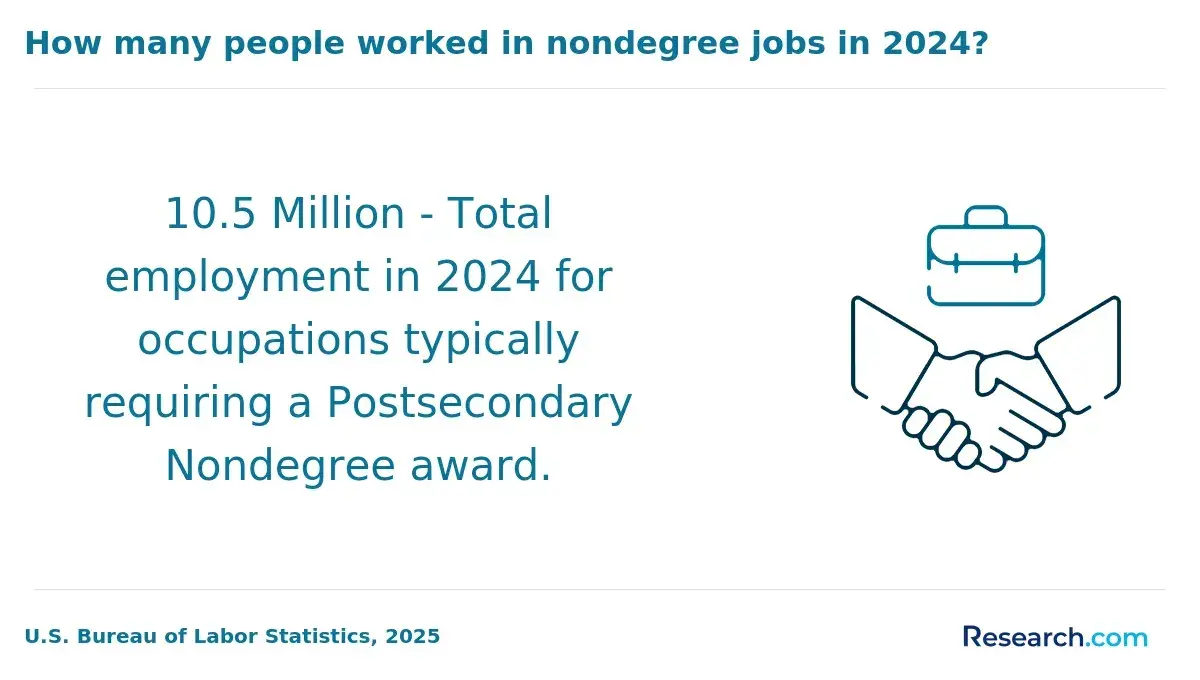
Compensation levels within occupational therapy careers exhibit distinct progression aligned closely with experience and responsibility, reflecting updated 2024 findings from the U.S. Bureau of Labor Statistics and LinkedIn Salary Insights. Entry-level therapists generally earn between $65,000 and $75,000 annually, a range shaped heavily by regional demand and the practice setting. As professionals advance to mid-level roles, typically after three to seven years, salaries rise substantially to between $75,000 and $95,000, recognizing the acquisition of specialized clinical skills and growing autonomy. Senior-level remunerations, encompassing supervisors, advanced clinicians, and specialists with certifications or managerial duties, span from roughly $95,000 to upwards of $120,000, depending on employer scale and metropolitan versus rural location influences.
Variability in pay across occupational therapy roles is driven by several interrelated factors. Specialization intensity-such as expertise in pediatric or geriatric care or clinical research-commands premium wages due to the relative scarcity of those skill sets in competitive healthcare markets. Geographic disparities persist, with urban centers typically offering higher salaries to offset cost of living and demand pressure, whereas rural or underserved areas sometimes provide enhanced incentives to attract practitioners. Organizational settings like hospitals versus private clinics also impact compensation through differences in funding, case complexity, and scope of service. Ultimately, salary bands mirror nuanced labor market forces balancing skill supply, clinical responsibility, and local economic conditions rather than merely following tenure or credentialing alone.
After completing her occupational therapy degree, a recent graduate experienced the uncertainty of rolling admissions firsthand. She hesitated to commit to early acceptance offers, weighing whether waiting for later decisions might yield stronger clinical placement access or financial packages. This waiting period was marked by a mix of urgency and cautious optimism as she navigated incomplete information and changing timelines. Eventually, the offer she accepted fell within expected salary bands but underscored how timing and strategic preparation during admissions can influence not only program entry but also eventual employment terms and career readiness.
Which Industries Are Hiring the Most Occupational Therapy Graduates?
Demand for occupational therapy graduates is heavily centered in industries experiencing either rapid workforce growth, structural skill shortages, or shifts driven by technological and demographic changes. These sectors increasingly rely on occupational therapy professionals to address complex patient needs, adapt to aging populations, and integrate rehabilitation services within evolving care models. The concentration of roles in certain fields reflects broader healthcare system transformations and the deepening interface between medical, educational, and community-based supports.
- Healthcare Facilities, Especially Hospitals: Hospitals, encompassing general medical and surgical centers, sustain the largest share of occupational therapy vacancies due to the critical role therapists play in post-operative recovery, injury rehabilitation, and chronic disease management. Employers prioritize candidates with strong clinical reasoning, interdisciplinary collaboration skills, and the ability to navigate fast-paced acute care environments. Labor statistics for 2024 indicate hospitals represent about 35% of open occupational therapy positions, underscoring their continued prominence as primary employers.
- Skilled Nursing and Rehabilitation Centers: Growth in this sector is largely driven by demographic trends, notably an aging population requiring long-term care and rehabilitation for chronic conditions. Facilities typically seek occupational therapy graduates with competencies in geriatric care, adaptive equipment training, and individualized intervention planning. This industry accounts for roughly 25% of occupational therapy job openings, reflecting expanded demand for sustained recovery and daily living support services.
- Outpatient Care and Community-Based Rehabilitation: Outpatient clinics and community programs have increased hiring to provide flexible, patient-centered rehabilitation outside institutional settings. Here, graduates must demonstrate skills in tailored therapeutic techniques, preventative care, and patient education across diverse populations. Approximately 20% of occupational therapy roles are concentrated in these settings, which align with trends emphasizing reduced hospital stays and home/community integration.
- Educational Services: The integration of occupational therapy within special education programs is growing, targeting developmental and injury-related challenges in school-age children. Employers in this field value professionals adept in developmental assessment, collaboration with educators, and individualized support plans. Educational services constitute around 10% of roles, a niche reflecting policy shifts toward inclusive education and early intervention.
How Does Hiring Demand Vary by State, Region, and City?
Hiring demand for occupational therapy graduates shows marked variation across states and broader regions, influenced heavily by demographic patterns, healthcare infrastructure, and local economic conditions. States with pronounced aging populations such as Florida, California, and Texas tend to generate stronger demand due to increased needs for rehabilitation and long-term care services.
Regional occupational therapy hiring trends further reflect clustering effects, with metropolitan hubs in the Northeast and West Coast demonstrating concentrated openings tied to extensive hospital networks and affluent suburban markets that benefit from greater healthcare funding. Conversely, more rural parts of the Midwest and South generally experience fewer roles overall but may present attractive salaries to draw professionals willing to serve underserved populations, as revealed by workforce analytics and labor market data from sources like the U.S. Bureau of Labor Statistics.
City-level demand diverges further based on the concentration of healthcare systems, employment density, and cost-of-living pressures. Large urban centers such as New York City, Los Angeles, and Chicago typically offer substantial occupational therapy roles but come with increased competition and higher living expenses. Mid-sized cities like Raleigh, NC, and Boise, ID, often balance promising hiring momentum with more moderate costs, appealing to early-career practitioners aiming to solidify their footing.
Localized demand is also shaped by the availability of talent pipelines, specialized healthcare clusters, and the need for licensure reciprocity, which influence employer expectations and salary bands. Understanding these dynamics alongside factors such as work-life balance and career longevity is essential, especially when comparing occupational therapy job demand by state with other healthcare professions, such as those analyzed via psych NP salary reports, to make informed decisions on geographic employment prospects.
What Skills Are Employers Prioritizing in Occupational Therapy Job Postings?
Employer expectations for occupational therapy professionals are shifting in response to ongoing technological integration, evolving healthcare delivery models, and the rising complexity of patient needs. Job postings from 2024 reflect a demand for dynamic skill sets that balance technical proficiency with collaborative, adaptive approaches. This shift underscores the need for occupational therapists who not only master clinical tools but also navigate interdisciplinary environments and digital platforms efficiently.
- Clinical Assessment and Intervention Expertise: Employers prioritize advanced skills in standardized assessments and tailored therapeutic techniques to deliver evidence-based, patient-centered care. Mastery in these areas is critical as healthcare systems emphasize measurable outcomes and customized interventions, directly influencing employability and the ability to meet diverse patient requirements.
- Electronic Health Records (EHR) and Telehealth Proficiency: Familiarity with EHR systems and telehealth modalities has become essential due to the digital transformation accelerated by the pandemic. Proficiency here allows therapists to maintain accurate documentation and extend care remotely, aligning with broader shifts toward technology-enabled service delivery and improving workforce versatility.
- Communication and Interdisciplinary Collaboration: Effective verbal and written communication skills are central, reflecting the necessity to engage not only patients and families but also multidisciplinary teams. These abilities facilitate coherent care planning and adjustment in complex clinical settings, enhancing job performance and professional integration.
- Adaptability and Critical Thinking: The unpredictable nature of patient cases and regulatory changes require occupational therapists to think critically and adjust interventions on the fly. Employers value this flexibility as it correlates with improved problem resolution and the ability to implement innovative approaches within evolving practice landscapes.
- Time Management and Organizational Skills: Balancing clinical caseload demands with comprehensive documentation is a notable expectation, given that nearly 60% of postings highlight this competency. Strong organizational abilities ensure efficient workflow and compliance, boosting both quality of care and administrative reliability.
Which Certifications Increase Employability and Salary Potential?
Certifications in the occupational therapy field function as important indicators of specialized knowledge, technical competence, and professional readiness. They extend beyond foundational education to signal to employers a candidate's targeted expertise, often filling specific clinical or leadership roles. In competitive hiring environments, these credentials act as strategic differentiators that align with evolving industry needs and demand-driven skill shortages, thereby enhancing employability and wage prospects.
- National Board for Certification in Occupational Therapy (NBCOT): As the baseline credential, NBCOT certification validates essential competency for licensure and practice. Its widespread recognition establishes candidates as meeting rigorous professional standards, which translates into a roughly 15% higher average salary compared to uncertified peers, reflecting employer preference for guaranteed foundational skills.
- Certified Hand Therapist (CHT): This specialty certification addresses a niche with high clinical demand, validating advanced proficiency in musculoskeletal and neurological hand conditions. Employers value CHT holders for their ability to improve patient outcomes in hand therapy, leading to salary increases of up to 20%, as their expertise reduces treatment time and enhances care quality.
- Board Certified in Gerontology (BCG): With an aging population driving demand for specialized elder care, the BCG credential signals targeted knowledge in geriatric assessment and intervention. Occupational therapists holding this certification are sought by skilled nursing facilities and home health agencies, where their skills meet critical workforce gaps, contributing to higher hiring rates and premium pay.
- Certified Driving Rehabilitation Specialist (CDRS): This credential taps into a smaller, underserved segment that requires expertise in evaluating and training individuals for safe driving post-injury or illness. Its rarity and niche focus provide competitive advantage in hiring processes and access to leadership roles where salary scales exceed generalist tracks.
Many occupational therapists pursuing these certifications report that while the time and financial investment can be significant, the resulting job market advantages often justify the effort. A 2024 industry analysis noted that professionals holding one or more advanced credentials experience approximately a 25% increase in hiring likelihood compared to those without.
For example, one recent graduate navigated a rolling admissions process while debating the timing of certification exams. Faced with uncertainty about test preparation duration and potential scheduling delays, they hesitated to commit before being accepted into a preferred clinical role. Ultimately, the decision to prioritize early NBCOT certification after securing their position facilitated smoother entry into the workforce, reinforcing the practical benefit of aligning credential acquisition with employment milestones rather than waiting for ideal timelines.
How Do Remote and Hybrid Opportunities Affect the Occupational Therapy Job Market?
Remote and hybrid occupational therapy job opportunities are reshaping hiring patterns by allowing employers to integrate telehealth and virtual consultative tasks alongside traditional clinical duties. In 2024, workforce analytics highlight a growing number of job postings emphasizing hybrid roles that balance onsite patient care with remote documentation and follow-ups, reflecting broader healthcare flexibility trends. This shift expands the candidate pool beyond local markets, as employers tap into talent across wider geographic areas to fill positions in outpatient and school-based settings. While fully remote roles remain scarce due to the profession's hands-on nature, hybrid arrangements increasingly require therapists to demonstrate proficiency in both clinical skills and digital communication platforms.
The broader implications of these flexible work models include leveling salary differences between regions and intensifying competition for skilled occupational therapists capable of navigating digital health tools and in-person care. Employers now expect seamless collaboration despite physical distance, which challenges established team dynamics and supervision structures. Long-term, hybrid models are likely to solidify as employers prioritize agility in service delivery, influencing job accessibility and workforce distribution in occupational therapy careers. For early-career professionals, understanding these evolving demands is as critical as clinical mastery, and adapting in a similar manner to the transition from FNP to ACNP careers-as discussed in resources such as FNP to ACNP-can provide a useful framework for managing technological and clinical skill sets effectively.
Which Occupational Therapy Careers Show the Strongest Long-Term Hiring Momentum?
Long-term hiring momentum in occupational therapy careers is closely tied to structural shifts in healthcare and demographic trends rather than short-term fluctuations. This momentum reflects enduring economic and technological forces shaping sustained workforce demand, necessitating specialized skills that adapt to evolving patient needs and healthcare delivery models. As labor markets adjust to aging populations and technological integration, certain occupational therapy roles show durable growth driven by systemic industry evolution.
- Geriatric and Elder Care Occupational Therapy benefits from the aging Baby Boomer generation, creating persistent demand within nursing homes and outpatient rehabilitation. This sector's growth is reinforced by increased chronic illness prevalence and long-term care needs, making these roles less vulnerable to economic downturns and tied to demographic inevitabilities.
- Pediatric Occupational Therapy for Developmental Disabilities experiences steady demand due to rising awareness and diagnosis of sensory integration and developmental disorders. Regulatory changes and expanded early intervention programs sustain employer needs, while the complexity of pediatric care ensures specialized, stable job opportunities.
- Neurological Rehabilitation in Hospital and Outpatient Settings maintains strong hiring momentum powered by advances in medical technology and post-acute care protocols for stroke and brain injury survivors. Employers increasingly require therapists proficient in evidence-based interventions aligned with evolving standards of neurological rehabilitation.
- Occupational Therapy with Telehealth Capabilities is growing as healthcare systems adopt remote care models. The integration of telehealth expands access and offers cost efficiencies, prompting organizations to seek adaptable therapists skilled in virtual assessment and intervention, which secures a foothold for remote roles in occupational therapy careers.
The U.S. Bureau of Labor Statistics projects employment growth of 17% for occupational therapists from 2022 to 2032, underscoring these trajectories. Prospective students should evaluate these long-term hiring trends in occupational therapy careers with strongest long-term growth to align education with sustainable employment prospects. Those seeking specialized pathways might also consider complementary options such as an online speech pathology bachelor degree for veterans, which shares overlapping skills and expanding care opportunities within allied health fields.
How Can Students Use Job Market Data to Make Better Career Decisions?
Students can utilize up-to-date labor market data from sources like 2024 hiring reports, employment platforms, and salary databases to evaluate occupational therapy career prospects more accurately. Such data highlights geographic areas of high demand, compensation ranges by experience level, and emerging specialties with growth potential. This information assists students in identifying which program emphases align with real-world needs and help prioritize skills employers currently seek. By analyzing ongoing hiring momentum along with compensation trends, students gain a clearer picture of both entry-level opportunities and long-term earning trajectories within occupational therapy fields.
Interpreting this data effectively requires balancing quantitative indicators with individual priorities such as location flexibility and personal aptitude. Students should weigh projected industry stability against short-term spikes in demand to avoid choices based solely on transient trends. Matching employer expectations for certifications and competencies with one's academic focus improves job market readiness, while maintaining awareness of potential regional relocation is critical. Ultimately, integrating labor market insights with personal goals and realistic career assessments fosters strategic planning, reducing the risk of relying on passion alone without operational alignment.
References
- A Look Inside the Occupational Therapy Job Market - Clinicient https://www.clinicient.com/blog/a-look-inside-the-occupational-therapy-job-market/
- Best Cities in Australia for Occupational Therapy Jobs in 2026 | Globe Healthcare » News | Globe Healthcare https://www.globehealthcare.com.au/news/best-cities-in-australia-for-occupational-therapy-jobs
- Navigating the job market as a Graduate Occupational Therapist. What to do when there are so many choices? | Thrive Human Connections https://www.thrivehumanconnections.com.au/news/navigating-the-job-market-as-a-graduate-occupational-therapist-what-to-do-when-there-are-so-many-choices/
- OT Jobs board https://www.rcot.co.uk/discover-membership/ot-jobs-board
- Explore Endless Opportunities with White Glove Placement – Your Partner in Healthcare Careers https://whiteglovecare.com/occupational-therapist-salary/
- Occupational Therapy Jobs! (Near You, Hybrid, & Remote) https://otpotential.com/occupational-therapy-jobs
- Occupational Therapist - Explore Healthcare Careers - Mayo Clinic College of Medicine & Science https://college.mayo.edu/academics/explore-health-care-careers/careers-a-z/occupational-therapist/
- The Future Career Outlook for Occupational Therapists and Assistants - Supplemental Health Care https://shccares.com/blog/allied-health/the-future-career-outlook-for-occupational-therapists-and-assistants/
- Occupational Therapy Employment Trends 2026: Key Insights https://healthcareaustralia.com.au/news/occupational-therapy-employment-trends-2026/
- « Back to Blog https://therapeuticresource.com/blog/ot-pt-and-slp-job-market-outlook-how-to-navigate-job-search-challenges-in-2024-and-beyond
Other Things You Should Know About Occupational Therapy
Higher salaries often correspond to roles with increased specialization or supervisory responsibilities, which may limit exposure to diverse patient populations or treatment approaches. If broad clinical experience is a priority early in your career, you might accept a position with a comparatively modest salary but greater variety in daily tasks. Conversely, pursuing higher pay at the expense of job diversity could narrow your skill set, affecting long-term flexibility. Prioritizing role variety can build a stronger foundation for advancement, especially in evolving healthcare settings where adaptability is key.
In markets where hiring momentum is strong, employers may be less inclined to negotiate terms beyond salary due to steady candidate flow. When momentum slows, there's often more leverage to secure flexible schedules, additional professional development funding, or other benefits. Candidates should assess regional and specialty-specific hiring velocities before negotiations; in tight markets, emphasizing non-salary benefits can be a pragmatic strategy to improve job satisfaction without risking the offer.
Geographic flexibility significantly expands job opportunities and can affect salary outcomes. Regions with lower hiring momentum or fewer roles may offer higher salaries or better advancement prospects but come with tradeoffs like relocation costs or unfamiliar professional networks. Candidates able to consider multiple locations increase their chances of landing roles aligned with desired workloads and employer reputations. However, personal and financial circumstances should be weighed carefully, as geographic flexibility may not be feasible for everyone.
Positions with fewer openings and higher salaries often reflect niche or advanced roles requiring specialized skills or experience, which can accelerate earning potential but delay exposure to the broader clinical and administrative functions. Early-career therapists who accept these roles might face limited mentorship opportunities and slower skill diversification. When entering the workforce, balancing salary with role accessibility and learning environments is critical; prioritizing growth opportunities may yield better long-term career mobility than immediate financial gain.