
2027 Most Affordable Public Health Degree Programs Ranking in Fort Lauderdale

Co-Founder and Chief Data Scientist
Exploring public health degree options in Fort Lauderdale? This article presents the 2027 Most Affordable Public Health Degree Programs Ranking in Fort Lauderdale, thoughtfully compiled by the Research.com team of data scientists. It's designed to guide you in making smart, well-informed decisions about your education journey.
Investing in a public health degree opens doors to meaningful careers that contribute to community wellness and global health. By reviewing this ranking, you can find affordable programs that align with your goals and budget, helping you take confident steps toward a rewarding future.
Key benefits of getting public health degree in Fort Lauderdale
- Salary for public health degree graduates: Graduates in Fort Lauderdale can expect competitive salaries such as $52,610 annually for Community Health Workers and up to $86,710 for Environmental Health Specialists, providing financial stability and growth opportunities.
- Career paths: Many Fort Lauderdale public health graduates pursue diverse roles like Health Educators or Medical Assistants, benefiting from the city's expanding healthcare sector and strong community health programs.
- Online degree benefits: Earning a public health degree online offers flexible scheduling and the ability to balance work and study, making it ideal for busy adults or those looking to advance without relocating.
- 2027 Most Affordable Public Health Degree Programs Ranking in Fort Lauderdale
- What can I expect from public health degree in Fort Lauderdale?
- Where can I work with public health degree in Fort Lauderdale?
What can I expect from public health degree in Fort Lauderdale?
The average cost of pursuing a public health degree in Fort Lauderdale generally ranges between $15,000 and $35,000 per year, depending on the institution and the level of the program. Many students at popular local universities find that this investment unlocks thrilling opportunities, from hands-on internships with the Florida Department of Health in Broward County to immersive studies in epidemiology and community health right in their own backyard.
Graduates often recall the excitement of applying classroom knowledge to real-world challenges, like tracking mosquito-borne illnesses such as Zika, which makes their studies feel immediately impactful. Flexible scheduling and part-time courses offered by Fort Lauderdale colleges help working students keep their balance, making the cost feel worthwhile as they build careers while learning.
Imagine navigating your journey alongside like-minded peers in vibrant urban campuses, gaining both practical skills and strong networks-all within a price range that aligns with many local tuition rates. This blend of affordability and rich experience excites students ready to make a difference in public health locally and beyond.
Where can I work with public health degree in Fort Lauderdale?
With a public health degree in Fort Lauderdale, graduates dive into a vibrant job market brimming with opportunities. Imagine working alongside experts at Broward County Health Department, crafting programs that monitor and prevent community diseases, or teaming up with hospitals like Broward Health Medical Center to educate patients and promote healthier lifestyles.
Many alumni from local universities find excitement in non-profits such as Hispanic Unity of Florida, where they design outreach projects tackling homelessness and nutrition challenges. Others discover thrilling research roles through partnerships with Florida Atlantic University, analyzing health data to shape impactful policies.
Some find their calling in health policy, collaborating with the Florida Department of Health in Broward County to create inclusive healthcare programs that improve access for diverse populations. The variety of paths offers a dynamic career playground, inviting graduates to explore different facets of public health while making a tangible difference close to home.
If you've earned a public health degree from a Fort Lauderdale institution, such as local universities renowned for their health programs, you're stepping into an exciting salary landscape. Graduates working as community health workers can anticipate mean annual wages around $52,610, offering a solid start as they engage directly with communities.
Those who become health educators, a common path after studying public health in Fort Lauderdale, enjoy higher earnings with a mean annual wage near $69,790. Graduates often share how applying their skills in local nonprofit organizations or public health departments brings not only rewarding experiences but also financial stability.
More specialized roles like environmental health specialists and occupational health and safety specialists stand out with mean annual wages of approximately $86,710 and $85,570 respectively. Imagine exploring South Florida's vibrant urban environment, protecting populations and ecosystems, all while earning competitive pay.
Many Fort Lauderdale graduates reflect on how this salary potential perfectly complements their passion for improving community well-being with real-world impact right at their doorstep.
- Tuition for public health programs in Fort Lauderdale ranges from $8,000 to $18,000 per year for in-state students at public colleges and $20,000 to $30,000 annually at private institutions.
- Entry-level public health professionals can expect salaries between $45,000 and $55,000 annually, with experienced specialists earning up to $90,000 or more.
- The job market for public health graduates is growing faster than the national average due to high demand from healthcare providers and public agencies.
- Local public health roles include community health education, disease prevention, and health policy analysis.
- Internships and fieldwork in Fort Lauderdale offer practical experience because of the city's diverse population and unique health challenges.
Completing a public health degree in Fort Lauderdale invites you on a vibrant journey shaped by your pace and passion. For instance, a bachelor's degree from a well-known local institution like Florida International University typically takes about four years of full-time study, giving you just enough time to immerse yourself in campus life and neighborhood communities while mastering the curriculum.
Graduate students often find themselves balancing studies with real-world responsibilities. Many at FIU's public health program choose a flexible Master of Public Health track that spans one to two years full-time but can extend to three or more years if studying part-time or online. This flexibility sparks a sense of freedom-graduates cherish how they could pursue their degree while maintaining jobs or families.
Meanwhile, doctoral candidates dive deep into research and practice, often spending three to five intense years after their master's degree. Those who embraced this path recall a thrilling mix of discovery and challenge, exploring complex health issues impacting Fort Lauderdale's diverse population.
Factors like program format, transfer credits, and personal commitments shape each student's timeline, making the degree feel uniquely theirs, whether accelerated or more leisurely paced.
Embarking on your journey toward a public health degree can feel overwhelming, but planning your next steps is essential for success. Start by assessing your career goals and aligning them with the program’s curriculum, accreditation, and real-world opportunities for hands-on experience. Make a checklist of application requirements, prepare a standout personal statement, and connect with alumni or current students to gain deeper insights into their experiences. Additionally, explore financial aid options and scholarship opportunities-resources that can significantly reduce your educational burden. For more detailed guidance on choosing the right program, consider reviewing our insights on affordable public health programs in florida. Finally, schedule campus visits or virtual tours if available, and attend information sessions to ask questions directly from faculty and admissions counselors. Taking these proactive measures will help ensure that you are well-informed and confident as you move forward in your educational and career endeavors.
Choosing between online and on-campus public health degrees in Fort Lauderdale sparks a world of possibilities. Imagine diving into your studies anytime, anywhere-online programs offer this freedom, perfect for juggling work or family life. Graduates often recount how this flexibility helped them balance real-world demands with learning, all while saving on commuting and housing costs. Institutions like Nova Southeastern University provide such options, making education accessible without leaving your home.
On the flip side, stepping onto Florida International University's campus immerses you in vibrant face-to-face interactions. Students share how engaging directly with professors and peers fuels motivation and deepens understanding through lively discussions and group projects. The chance to connect with local public health organizations through internships here brings classroom theory to life, sparking enthusiasm through hands-on experience.
Costs can sway your choice too. While online paths typically range from $9,000 to $15,000 annually, on-campus programs might reach $20,000 with extra campus fees. Yet, many find the energetic learning atmosphere and networking worth the investment, igniting passion for public health amid Fort Lauderdale's dynamic community.
Many public health professionals in Fort Lauderdale bolster their career trajectory by pursuing recognized certifications and ongoing training beyond their degree. Earning these credentials demonstrates expertise, enhances employability, and often leads to higher salaries. Common certifications include:
- Certified in Public Health (CPH): Administered by the National Board of Public Health Examiners, this credential validates mastery of core public health knowledge.
- Certified Health Education Specialist (CHES/MCHES): Offered by the National Commission for Health Education Credentialing, ideal for those focusing on health promotion and education.
- Registered Environmental Health Specialist/Registered Sanitarian (REHS/RS): Recognized by state health agencies, it’s essential for professionals assessing environmental hazards.
- Certified in Infection Prevention and Control (CIC): Suited for roles in hospitals and community health settings, emphasizing evidence-based infection control practices. Continuing education pathways:
- Graduate certificates in specialized areas like epidemiology, biostatistics, or global health.
- Short courses in health informatics, GIS mapping for public health, and emergency preparedness.
- Professional workshops and webinars hosted by organizations such as the American Public Health Association (APHA). Many programs now offer flexible formats-including online public health degrees and certificate courses-enabling working professionals to balance study with job responsibilities. By strategically combining a degree with certifications and targeted continuing education, Fort Lauderdale graduates can remain competitive, adapt to emerging health challenges, and maximize their impact on community well-being.
The average cost of public health degree Fort Lauderdale students encounter can be an exciting discovery, blending affordability and opportunity. Graduates often recall the rewarding journey at schools like Florida International University, where the median in-state total cost hovers near $38,700. This makes pursuing a public health degree here a feasible adventure, especially when considering the commitment to accessible education for residents.
For those exploring out-of-state options, the median total cost climbs to about $58,846, a larger investment but one often balanced by the potential for scholarships or assistantships. These financial aids transform the challenge into a pathway filled with promise, inspiring many grads who remember managing their budgets creatively while gaining invaluable skills for safeguarding communities.
Imagine sitting in a lively classroom discussing the impacts of health policy while knowing your tuition resembles a wise, thoughtful choice rather than a burden. The public health degree tuition and fees Fort Lauderdale reflect this balance, especially compared to private institutions where costs might soar even higher. This hands-on, real-world preparation excites students who keep a sharp eye on both costs and life-changing experiences.
For those intrigued by flexible learning options, online or part-time programs further diversify the ways to manage expenses and build a career at your pace. To dive deeper, check out https://research.com/degrees/public-health-degree for insightful guidance on navigating these options seamlessly.
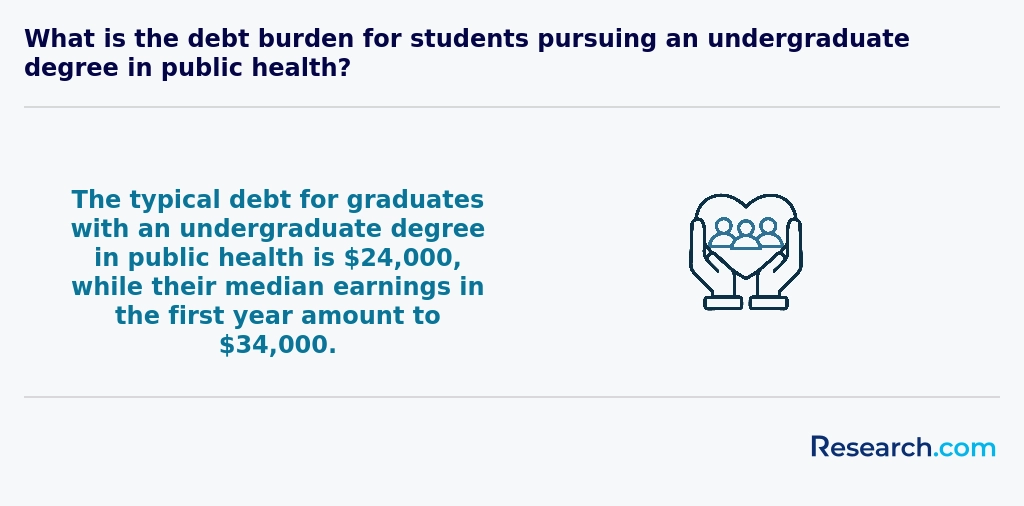
Fort Lauderdale’s vibrant coastal lifestyle comes with specific living expenses that Public Health students should factor into their budgets. On average, rent for a one-bedroom apartment near campus ranges from $1,800 to $2,200 per month, while utilities (electricity, water, internet) add roughly $150. Groceries and dining out can cost around $300–$400 monthly, and local transportation-whether via Tri-Rail, Broward County buses, or rideshare-averages $80–$100. Altogether, a full-time graduate student can expect a monthly living cost of approximately $2,500–$2,900, depending on lifestyle choices and housing arrangements. To manage expenses, many students opt for shared housing in neighborhoods like Victoria Park or Sailboat Bend, where splitting rent can cut individual costs by 30–40%. On-campus housing at institutions such as Florida Atlantic University may include meal plans and utilities, offering predictable monthly payments. Part-time campus jobs and graduate assistantships not only provide income but also valuable hands-on Public Health experience. For students considering alternative study destinations with lower living expenses, it’s worth exploring programs outside Florida. For example, the Low Cost Public Health Degree Programs Ranking in New Mexico highlights institutions where both tuition and local living costs can be significantly more affordable, helping you weigh all financial factors before committing to your educational journey.
Exploring the world of financial aid for public health degrees in Fort Lauderdale reveals a wealth of opportunities that truly make education accessible. At institutions like Nova Southeastern University, many graduates share how Pell Grants eased their undergraduate journey, covering a substantial slice of tuition costs. Federal aid doesn't stop there-graduate students often tap into Direct Unsubsidized Loans or Grad PLUS Loans, which come with manageable repayment plans, easing financial stress while diving deep into their studies.
State pride shines through the Florida Bright Futures Scholarship, frequently celebrated by undergraduates at Florida Atlantic University for rewarding academic excellence with generous tuition support. Fort Lauderdale's colleges further sweeten the deal with institution-specific merit scholarships, often awarded to those who shine academically or give back to the community, sparking motivation and hope.
Imagine landing a research assistantship at a Fort Lauderdale public health program, with a stipend that not only helps cover living costs but also offers invaluable hands-on experience. Plus, national organizations like APHA extend scholarships encouraging dedication to underserved communities, fueling both passion and practical growth on this exciting educational path.
Diving into public health programs in Fort Lauderdale means meeting some clear but exciting prerequisites. Most undergraduates share that having a high school diploma with strong science and math skills-think biology, chemistry, and statistics-makes the journey smoother. For example, graduates from popular local colleges often mention how their early grasp of these subjects helped them confidently tackle courses like epidemiology and biostatistics.
Those aiming for a Master of Public Health (MPH) here usually need a bachelor's degree, with some recommending a background in health sciences or social sciences. Many remember applying with letters of recommendation and compelling statements of purpose that reflect their passion for community health.
Fort Lauderdale programs may ask for GRE scores, but often, relevant volunteer work or professional experience shines just as brightly. International students thrive by showing strong English skills through tests like TOEFL, embracing the city's diverse and welcoming environment.
Overall, meeting these requirements in vibrant local institutions makes the path to becoming a public health advocate feel adventurous and attainable.
Diving into a public health degree in Fort Lauderdale means immersing yourself in courses that truly connect theory with the vibrant challenges of this unique community. Imagine exploring Introduction to Public Health at Florida International University, where graduates recall their excitement unraveling how public health shapes society. They move on to Epidemiology, tracing outbreaks and understanding disease patterns like detectives solving real-life puzzles relevant to Florida's diverse population.
Biostatistics classes teach you to interpret data that guides crucial health decisions-something many students found empowering when analyzing local health trends. Meanwhile, courses in Environmental Health bring to life issues like pollution and how they affect coastal communities, a topic especially poignant studying near Fort Lauderdale's beaches.
In Health Policy and Management, learners engage with the mechanics behind healthcare systems, sparking passionate discussions about policy impact on vulnerable groups. Social and Behavioral Sciences open minds to the cultural influences on health, with electives often focusing on tropical disease prevention-a pressing concern in this sunny region.

Eager minds diving into a public health degree in Fort Lauderdale often find themselves exploring a variety of exciting specializations tailored to the region's unique challenges. Graduates from popular local universities recount hands-on experiences investigating Epidemiology, where spotting disease trends within diverse communities feels like solving a vital puzzle. Environmental Health captures the adventurous spirit too-imagine addressing climate change effects and water quality issues under the Florida sun, a pressing reality here.
Many students are drawn to Health Policy and Management, navigating the complexities of healthcare systems to improve the lives of Florida's large elderly population. Others explore Global Health, taking on international challenges from Fort Lauderdale's vibrant multicultural hub, which broadens their horizons far beyond state lines. Behavioral and Community Health fascinates those passionate about crafting community-based programs to tackle chronic illnesses common in this sunny locale.
For those curious about balancing ambition with cost, it's worth checking out public health degrees financial aid options, as students consistently highlight the value and affordability found in local programs focused on public health degree specializations Fort Lauderdale truly supports.
Choosing the best public health degree in Fort Lauderdale means diving into programs that blend rigorous academics with real-world experiences unique to this vibrant city. Graduates from popular colleges speak highly of the hands-on opportunities addressing tropical diseases and urban health challenges right in the community. Look for accredited programs that align with your passion, whether it's epidemiology or environmental health, and consider how flexible the schedules are-many schools offer evening or online classes perfect for busy professionals.
Affordability plays a big role, too-public institutions in Fort Lauderdale often provide more accessible tuition compared to private schools, fitting well within the scope of affordable public health colleges in Fort Lauderdale. Exploring financial aid options and scholarships can ease the journey. Students often rave about strong faculty connections within South Florida's public health sector that open doors for internships and networking.
For those balancing career shifts, checking out related fields can be eye-opening-some turn to nurse practitioner degrees illinois professional development for complementary opportunities that merge healthcare and public health in exciting ways.
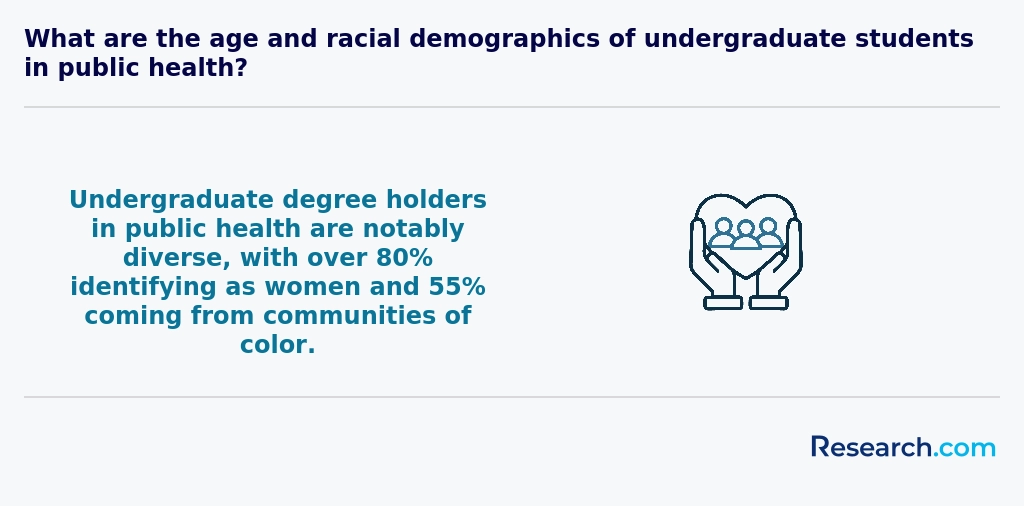
Graduates with a public health degree in Fort Lauderdale find thrilling career options that tap into the city's vibrant diversity and pressing health challenges. Imagine yourself working as an epidemiologist, deciphering disease patterns alongside researchers at local hospitals or research centers, where real-world impact fuels daily motivation. Many alumni from popular Fort Lauderdale colleges describe their hands-on experiences investigating outbreaks and shaping community health strategies, finding the work both rewarding and dynamic in this unique urban environment. These public health job opportunities Fort Lauderdale extend to health education and promotion roles, where graduates design inspiring programs to empower schools and neighborhoods towards healthier living.
Others dive into environmental health, focusing on air quality or waste management, often through connections made at universities or internships. Exploring the best online environmental health and safety programs also widens the horizon for those passionate about this path. Likewise, careers in health policy and management beckon, offering chances to influence healthcare systems amid Fort Lauderdale's dynamic healthcare industry. The sense of purpose shared by graduates stepping into these roles shines brightly, proving the city's landscape is fertile ground for aspiring public health professionals.
The job market for public health degree holders in Fort Lauderdale bursts with opportunity, especially for those eager to dive into dynamic community roles. Graduates from local colleges often find themselves stepping into roles within government agencies or hospitals, tackling real-world challenges like infectious disease control and health education. For many, starting salaries range from $45,000 to $60,000 annually, making entry-level positions both promising and rewarding. Exploring beyond the classroom, students frequently secure internships with the Florida Department of Health in Broward County, enriching their resumes while connecting with vital local health initiatives, a great example of what public health careers in Fort Lauderdale can offer.
Those who pursue advanced degrees often find an even greater breadth of roles in leadership or research. The city's growing elderly population and focus on chronic disease prevention create a ripe environment for innovation and meaningful impact. Many graduates from Fort Lauderdale universities highlight the value of networking through organizations like the Broward County Medical Association. For curious minds considering the financial investment, exploring affordable public health programs in Florida within Fort Lauderdale is a smart choice that blends education with hands-on experience in a thriving local market.
2027 Most Affordable Public Health Degree Programs Ranking in Fort Lauderdale
Investing in your education is a significant decision that can shape your future, and the Research.com team understands the importance of making informed choices. To assist prospective students in Fort Lauderdale, we have meticulously crafted the "2027 Most Affordable Public Health Degree Programs Ranking in Fort Lauderdale." Our commitment to quality, credibility, and accuracy is reflected in the extensive research and analysis conducted to compile this ranking.
We utilized the following reputable data sources to ensure a comprehensive evaluation of public health programs:
By exploring this ranking, readers will gain valuable insights into the most affordable and reputable public health degree options available in Fort Lauderdale, empowering them to make well-informed decisions about their educational journey. For more details on our methodology, please visit our Research.com methodology page.


Frequently Asked Questions About public health
Public health degree students in Fort Lauderdale can maximize their learning by actively engaging with local health organizations. Fort Lauderdale, part of Broward County, offers numerous internship opportunities, including with the Broward County Health Department, which serves over 1.9 million residents. Gaining practical experience through internships or volunteer work helps students apply classroom knowledge to real-world challenges.
Students should also participate in community health initiatives addressing local issues such as diabetes and obesity, which are prevalent in Broward County. Networking with professionals at conferences hosted in South Florida enhances career prospects. Consistently utilizing university resources, like research centers and faculty expertise, further enriches the academic journey.
Emerging niches within the public health field reflect evolving community needs and technological advances. In Fort Lauderdale, a growing focus is on health informatics, which uses data analytics to improve population health outcomes. According to the Florida Department of Health, integrating digital tools to track disease outbreaks is becoming essential in the region.
Another niche is environmental health, particularly addressing coastal pollution and climate change impacts on Fort Lauderdale's urban areas.
Additionally, there is increased demand for experts in global health security, largely due to lessons learned from recent pandemics.
These growing areas expand career possibilities for public health graduates in Fort Lauderdale and beyond.
After completing a public health degree in Fort Lauderdale, preparing for the job market involves building both practical skills and professional connections. Fort Lauderdale's health sector is growing, with an increasing demand for public health professionals in government agencies, hospitals, and non-profits, according to the Florida Department of Health.
Internships and volunteer work are vital for gaining hands-on experience and improving your resume. Local organizations such as Broward County Health Department offer opportunities relevant to the community's needs. Networking through professional associations like the American Public Health Association chapter in Florida can also open job prospects.
Additionally, acquiring certifications such as Certified Health Education Specialist (CHES) can boost employability. Keep updated on public health trends and learn relevant data analysis tools to align with employer expectations in the Fort Lauderdale job market.
Employers seeking public health graduates in Fort Lauderdale prioritize strong analytical skills to interpret health data effectively. Given the region's diverse population, cultural competency is essential for designing inclusive health programs. Communication skills, both written and verbal, enable professionals to engage communities and collaborate with local health agencies.
Knowledge of epidemiology and biostatistics is highly valued, as these areas support disease prevention efforts prominent in Florida's public health agenda, according to the Florida Department of Health. Additionally, proficiency in health policy and management prepares graduates for roles in local government and nonprofit sectors.
Technical skills related to public health software and GIS mapping are increasingly in demand to track outbreaks and resource distribution in Broward County.
Finding internships in Fort Lauderdale relevant to a public health degree begins with exploring local healthcare agencies and non-profit organizations focused on community health. The Broward County Health Department offers various internship opportunities that give hands-on experience in epidemiology, emergency preparedness, and health education. Fort Lauderdale's strong emphasis on public health challenges such as HIV prevention and environmental health creates diverse placements.
Additionally, students should connect with universities in the area like Nova Southeastern University, which often provide guidance and partnerships with local health services.
Utilizing online internship platforms specific to Florida and networking at professional public health associations can increase chances of placement. According to the Bureau of Labor Statistics, internships improve employability by up to 15% in health fields, highlighting their importance.
A public health degree significantly enhances career mobility and advancement opportunities in Fort Lauderdale. With the city's growing focus on healthcare and community wellness, graduates find increasing demand for professionals skilled in epidemiology, health education, and policy advocacy. According to the Florida Department of Health, the region saw a 12% growth in public health-related jobs from 2020 to 2023, reflecting a strong labor market.
Holding at least a bachelor's degree is often required for many government and nonprofit roles, while a master's degree can open doors to managerial and specialized positions. Fort Lauderdale houses multiple health agencies and nonprofits that value formal education in public health, offering pathways for salary growth and leadership roles. Additionally, credentialing opportunities tied to advanced degrees improve competitiveness in this evolving sector.
Studying for a public health degree in Fort Lauderdale offers strong preparation for interdisciplinary roles due to the city's unique health challenges and diverse population. Local programs emphasize collaboration across fields like epidemiology, environmental health, and health policy, reflecting the integrated nature of public health work. Fort Lauderdale's strategic location in Broward County exposes students to real-world case studies involving tropical diseases and urban health issues, enhancing practical skills.
Courses often include partnerships with local health departments and hospitals, promoting teamwork with other health professionals. This hands-on approach builds abilities in communication, data analysis, and program management, vital for interdisciplinary careers.
According to the Florida Department of Health, Broward County's ongoing efforts to reduce chronic disease demonstrate the need for professionals skilled in multiple disciplines.
Choosing between a thesis and a non-thesis public health degree program in Fort Lauderdale depends on your career goals and learning preferences. Thesis options typically require original research, ideal for students aiming for doctoral studies or research roles. Non-thesis programs focus on practical skills and coursework, better suited for those pursuing public health practice or administration.
In Fort Lauderdale, public health graduates often work in local health departments or community organizations, where applied knowledge is crucial. According to the Florida Department of Health, Fort Lauderdale has seen growing demand for public health professionals, especially in epidemiology and health education.
Cost and duration matter too: thesis programs may take longer due to research commitments. Ultimately, weigh your career goals, available time, and interest in research when deciding.
Students in Fort Lauderdale seeking to study public health abroad have several pathways within the U.S. higher education framework. Many universities in Florida and nationwide offer study abroad programs, internships, or exchange partnerships with institutions in countries known for public health research.
Programs often include options in Europe, Asia, and Latin America, allowing students to gain global perspectives on health systems and epidemiology. Fort Lauderdale students may access these opportunities through local colleges like Nova Southeastern University, which provides connections to partner schools abroad.
Additionally, the U.S. Department of Education's Institute of International Education reports that health-related study abroad participation is increasing, reflecting growing interest in global public health careers.
Financial aid and scholarships are frequently available for eligible students, which can offset the costs of international study.
Fort Lauderdale offers several part-time job opportunities that can complement a public health degree education effectively. Roles such as community health workers, health educators, and patient navigators are commonly available and provide practical experience in local health promotion.
Hospitals and clinics in Fort Lauderdale, including Broward Health and Holy Cross Health, often recruit part-time assistants for public health initiatives. These roles help students apply classroom knowledge to real-world settings while developing skills in data collection, outreach, and program coordination.
Additionally, public health students can find positions with nonprofit organizations focused on Miami-Dade and Broward County health issues, supporting efforts in disease prevention and health equity. According to the Florida Department of Health, these organizations frequently seek part-time staff to manage community projects.
Such jobs not only build valuable experience but also expand professional networks in the region's growing public health sector.
Public health students in Fort Lauderdale benefit from a variety of strong networking opportunities that connect them to local health organizations and professionals. The city hosts events organized by the Florida Public Health Association, helping students engage with experts and peers.
Several universities in the area, such as Nova Southeastern University, offer career fairs and alumni networking sessions tailored to public health careers. Students often access internships at institutions like Broward Health and the Florida Department of Health, which provide practical experience and valuable contacts.
Moreover, Fort Lauderdale's proximity to Miami expands networking through regional conferences and workshops focused on tropical and urban health challenges.
Alumni networks play a significant role for public health degree students in Fort Lauderdale by providing valuable career support and professional connections. Graduates often share job leads, internship opportunities, and insights into local organizations like the Florida Department of Health in Broward County. Strong alumni connections can increase the chances of employment after graduation, as networking is crucial in the competitive public health field.
These networks also offer mentorship, allowing current students to receive guidance from experienced professionals who understand regional health challenges, such as tropical diseases and urban health disparities common in South Florida.
Participating in alumni events helps students build relationships that might lead to collaborative research or community projects, enhancing their academic and practical experience.
Customizing a public health degree in Fort Lauderdale often involves selecting concentrations that align with local health priorities. Many universities allow students to focus on areas like epidemiology, health policy, or community health, which reflect the region's needs. Fort Lauderdale faces challenges such as tropical disease prevention and aging population care, making these tracks highly relevant.
Students can also pursue internships with local health departments, hospitals, or non-profits, providing hands-on experience tailored to career aspirations. Additionally, elective courses let learners develop skills in data analysis or health education, enhancing job readiness.
According to the Florida Department of Health, internship participation improves employment chances in the area significantly.
Public health students in Fort Lauderdale often face challenges related to balancing rigorous coursework with practical fieldwork. Many programs require internships within local health departments or community organizations, which can be difficult to schedule alongside class commitments. Additionally, Fort Lauderdale's diverse population demands cultural competency, requiring students to adapt quickly to varied public health issues, such as tropical diseases and environmental health concerns.
Financial stress is another hurdle, as tuition and living expenses in Broward County are above the national average. According to the Florida Department of Education, public health graduates must also stay updated with rapidly evolving guidelines related to COVID-19 and other emerging health threats, which adds to academic pressure.
With a public health degree, graduates in Fort Lauderdale can pursue various professional certifications to enhance their careers. One of the most recognized is the Certified in Public Health (CPH) credential, offered by the National Board of Public Health Examiners. This certification validates knowledge across key public health domains and is valuable for securing roles in community health and policy. Another option includes the Certified Health Education Specialist (CHES) credential, which focuses on health education and promotion.
For those interested in epidemiology or biostatistics, the Association of Public Health Laboratories offers specialized certifications. These credentials support employment in research and public health departments, crucial in Fort Lauderdale's growing healthcare landscape.
Applying to a public health program in Fort Lauderdale requires a clear, focused approach. Strong applications highlight relevant experience, such as internships or volunteer work in local health agencies. Applicants should emphasize their understanding of health issues affecting South Florida, like tropical diseases or aging population concerns, which are common in the region.
Moreover, Fort Lauderdale schools often value applicants who demonstrate community engagement and cultural competence, considering the area's diverse population. A compelling personal statement should connect your goals with local public health challenges, supported by recent regional data from sources like the Florida Department of Health.
Letters of recommendation from healthcare professionals familiar with the local context can strengthen applications. Lastly, maintaining a competitive GPA and preparing for any required standardized tests remain essential to success.
Public health careers are increasingly viewed through a global lens, reflecting the interconnected nature of health challenges worldwide. In the U.S., including Fort Lauderdale, public health professionals are trained to address issues like infectious diseases, chronic conditions, and environmental health with an understanding of international trends.
The World Health Organization highlights that nearly 1 in 4 global deaths are linked to preventable health risks, emphasizing the importance of global cooperation. Graduates with public health degrees often work in roles that require cross-border collaboration, such as epidemiology and health policy.
Fort Lauderdale's growing diversity and its role as a gateway for international travel emphasize the need for globally informed public health experts. According to Florida's Department of Health, local public health efforts include pandemic preparedness aligned with global standards.
Gaining practical experience while studying for a public health degree in Fort Lauderdale is essential for career readiness. Many local institutions offer internships and fieldwork opportunities through partnerships with health departments and community organizations. For example, Broward County's Department of Health frequently collaborates with universities to provide students with hands-on experience in epidemiology, health education, and policy.
Students can also engage in research projects addressing regional health concerns such as mosquito-borne diseases, highlighted in recent reports by the Florida Department of Health. Practical learning is often integrated into curricula through service-learning courses, which are common in Fort Lauderdale's public health programs.
Volunteering with nonprofits focused on issues like substance abuse and mental health provides additional exposure to community health challenges. Through these combined experiences, students build valuable skills and expand professional networks before graduation.
Choosing the right concentration within a public health degree program in Fort Lauderdale involves understanding both local health challenges and your career goals. Fort Lauderdale faces specific public health issues such as high rates of chronic diseases and environmental health concerns related to its coastal location, according to the Florida Department of Health.
Popular concentrations include epidemiology, environmental health, and health policy. Epidemiology focuses on disease prevention, crucial given recent regional efforts against infectious diseases. Environmental health addresses the impact of climate change and pollution, a growing concern for this coastal city.
Consider your interests, the job market, and specialized faculty expertise in Fort Lauderdale's institutions before deciding.
- 2027 Most Affordable Public Health Degree Programs Ranking in Charleston
- 2027 Most Affordable Public Health Degree Programs Ranking in Columbia
- 2027 Most Affordable Public Health Degree Programs Ranking in Atlanta
- 2027 Most Affordable Public Health Degree Programs Ranking in Charlotte
- 2027 Most Affordable Public Health Degree Programs Ranking in New Orleans
- 2027 Most Affordable Public Health Degree Programs Ranking in Chapel Hill
- 2027 Most Affordable Public Health Degree Programs Ranking in Greensboro
- 2027 Most Affordable Public Health Degree Programs Ranking in Lynchburg
- 2027 Most Affordable Public Health Degree Programs Ranking in Nashville
- 2027 Most Affordable Public Health Degree Programs Ranking in Washington
- Steps to take when applying for a graduate program | PH SPOT https://phspot.org/how-i-think-i-got-into-grad-school/
- Careers in Public Health. Life’s Work https://www.publichealthcareers.org/
- Work Experience Opportunities - Everyone Health Careers https://careerseveryonehealth.co.uk/work-experience/
- Master of Public Health Specializations: What are they and how should you navigate the decision? https://masterspublichealth.com/master-of-public-health-specializations/
- Public Health Jobs | Public Health Jobs in the UK | Publichealthjobs.co.uk https://publichealthjobs.co.uk/
- Medical University of GdaÅsk https://publichealth.mug.edu.pl/
- Students and Alumni associations - Europubhealth https://www.europubhealth.org/students-alumni-associations/
- Program Fees And Payment Options - PublicHealthU.org https://phu.nextgenu.org/program-fees/
- 10 Best MPH Programs in Florida - MPH Online https://www.mphonline.org/best-mph-programs-florida/
- Pre-Professional Health Experience Guide | PublicHealthOnline.org https://www.publichealthonline.org/pre-professional-experience/











