2027 Most Valuable Online Doctorate in Public Health Degree Programs Ranking in the USA

Co-Founder and Chief Data Scientist
Choosing the right online doctorate in public health degree can feel overwhelming. That's why this article introduces the 2027 Most Valuable Online Doctorate in Public Health Degree Programs Ranking in the USA, carefully crafted by the Research.com team of data scientists.
This ranking helps you identify programs that truly stand out, making it easier to find the best fit for your goals. Earning a public health doctorate opens doors to impactful careers focused on community well-being and health innovation.
Explore this guide to make a confident, informed decision about your future.
Key benefits of getting online public health degree in America
- Public health degree graduates can earn competitive salaries, such as a Government Health Program Manager making around $134,440 annually or a Government Affairs Director earning up to $258,900, reflecting strong financial opportunities.
- Graduates from popular universities often pursue diverse careers such as Environmental Health & Safety Director or Senior Public Health Management Consultant, showing the degree's versatile career paths in health and safety leadership.
- Online public health degrees offer flexibility and accessibility, allowing graduates from universities like the University of Florida to balance work and study effectively, accelerating career growth without sacrificing income.
- 2027 Most Valuable Online Doctorate in Public Health Degree Programs Ranking in the USA
- What can I expect from online public health degree in America?
- Where can I work with online public health degree in America?
What can I expect from online public health degree in America?
Tuition for online public health degrees in America varies significantly depending on the type of institution and residency status. Graduates from well-known universities report costs ranging between $15,000 and $45,000 for a full Master of Public Health (MPH) program. Public institutions often offer reduced rates for in-state students, sometimes nearly half the price of out-of-state tuition, making a degree more attainable for local applicants. Private universities typically have higher tuition but may provide extensive financial aid packages that many students find helpful in managing expenses.
Students share that budgeting for tuition alongside living costs is essential, especially during programs lasting 18 months to three years. Those enrolled at popular schools like the University of North Carolina or Johns Hopkins highlight the value of flexible payment options and scholarship opportunities that ease financial pressure. The ability to study remotely while working or managing family commitments adds to the positive experience, balancing education quality with cost-effectiveness in real life.
Where can I work with online public health degree in America?
Graduates with an online public health degree in America often secure roles across diverse sectors, reflecting the field's versatility and growing demand. For example, many find rewarding employment in government agencies like the CDC or state health departments, where they engage in disease prevention and health policy initiatives. These positions offer the chance to impact community health directly, a frequent highlight in alumni feedback from universities such as Johns Hopkins and the University of North Carolina.
Healthcare institutions and hospitals also actively recruit public health professionals to support epidemiology, patient education, and health program management. Graduates from programs like the University of Michigan share how these roles provide meaningful contributions to improving patient outcomes in real-world settings.
Nonprofit organizations focusing on health advocacy and disease prevention employ many graduates, offering opportunities to work on causes that resonate on a personal level. The private sector's growth in health technology and insurance analytics further expands career options, providing dynamic work environments with flexible schedules.
Additionally, graduates with advanced degrees often join academia or research centers, particularly those affiliated with top public health schools, leveraging data to influence public health strategies nationwide.
Graduates with an online public health degree in America can anticipate a range of salaries, influenced heavily by their role and experience. For example, graduates working as Government Health Program Managers typically earn a mean annual wage of $134,440, a strong incentive for those pursuing leadership roles after studying at reputable programs like Johns Hopkins or the University of North Carolina.
Specialists who advance to Environmental Health & Safety Director or Safety Director roles earn around $129,330 annually, reflecting the importance of safeguarding public environments. These positions offer graduates a rewarding career path, making the investment in an online degree from schools such as George Washington University or the University of Michigan particularly worthwhile.
More senior roles like Senior Public Health Management Consultants earn roughly $95,600 yearly, while Government Affairs Directors, often operating at the intersection of health policy and administration, command salaries up to $258,900. This wide salary range underscores the positive career prospects that public health graduates from institutions with strong online curricula can enjoy.
- Online public health degrees in the US are offered by accredited universities and usually take two to four years to complete depending on the degree level.
- Tuition for a master's program ranges from $20,000 to $60,000, with public institutions generally being more affordable than private ones.
- Entry-level salaries for Master of Public Health graduates are about $55,000 to $65,000 per year, increasing to $75,000 to $105,000 with experience.
- The job market for public health careers is expected to grow by 17% over the next decade, faster than average for all occupations.
- Career options include epidemiologists, health educators, community health workers, and health policy analysts, with strong demand for professionals managing public health crises and programs.
- Online programs offer flexibility for working professionals and provide access to experienced faculty along with networking opportunities.
Completing an online public health degree in America varies by level and student commitment. Undergraduates at reputable institutions such as the University of North Carolina or Arizona State University commonly finish their Bachelor of Public Health in 3 to 4 years full-time, though part-time learners might take up to 6 years. Graduates often express satisfaction with the program flexibility, balancing coursework alongside work and family.
Masters in Public Health (MPH) students from well-known schools like Johns Hopkins or the University of Michigan typically complete their degrees within 18 months to 3 years. Many appreciate that part-time pathways accommodate their professional responsibilities while progressing steadily toward graduation.
Doctoral candidates pursuing an online Doctor of Public Health (DrPH), often from universities like George Washington or Harvard, face 3 to 5 years of intense study and dissertation work. Graduates recall the challenge but value the meaningful integration of research and practical experience that sets them apart in the field.
Accelerated options can shorten timelines but require rigorous time management. Overall, these programs offer a blend of flexibility and quality that meets the needs of diverse learners aiming for impactful careers in public health.
Embarking on an online Doctorate in Public Health involves more than choosing the right program – it’s about adopting strategies that promote academic excellence and personal growth. Successful students often emphasize the importance of setting a structured study schedule, creating a dedicated workspace free from distractions, and leveraging online discussion forums to engage with peers and professors. Time management is essential; integrating regular review sessions, breaking down complex topics, and setting realistic study goals can make a significant difference. Additionally, participating in virtual networking events and online conferences further enhances your learning experience by connecting you with industry professionals and alumni. For those balancing professional responsibilities with academic pursuits, exploring options at the cheapest public health schools can offer both quality education and cost-effective solutions. Ultimately, a proactive approach that includes utilizing digital resources, seeking mentorship, and continuously updating your technical skills will empower you to excel in your program and prepare you for a competitive career in public health.
Online and on-campus public health degree programs in the U.S. differ primarily in delivery and student experience. Online programs, offered by universities like the University of North Carolina at Chapel Hill and Johns Hopkins, provide flexibility through asynchronous lectures and virtual discussions. This enables students-often around 30 years old and balancing work or family-to study at their own pace, fostering a positive, manageable learning environment.
Conversely, on-campus programs at institutions such as the University of Michigan or Emory University deliver face-to-face interactions, hands-on labs, and immediate access to campus resources. Graduates report that this direct contact enhances networking and practical skill development, crucial for engaging with complex community health projects.
Cost differences also affect student choices. While average annual tuition can range from $15,000 to over $40,000, some online students appreciate reduced fees due to lower facility expenses. However, prestigious schools may charge similar rates regardless of format. Both formats maintain CEPH accreditation, ensuring eligibility for certifications like the Certified in Public Health (CPH), reinforcing career advancement opportunities.
Pursuing an online Doctorate in Public Health not only equips you with advanced research and leadership skills but also lays the groundwork for specialized certifications that can elevate your credibility in the field. Many graduates aim to earn the Certified in Public Health (CPH) credential through the National Board of Public Health Examiners, demonstrating mastery of core public health competencies. Preparation often involves dedicated review courses, practice exams, and study groups-activities supported by professional organizations such as the American Public Health Association (APHA) and the Society for Public Health Education (SOPHE). In addition to the CPH, public health professionals may pursue specialty certificates like the Certified Health Education Specialist (CHES) or Maternal and Child Health (MCHES) credentials, each requiring ongoing continuing education credits to maintain active status. Engaging in workshops, webinars, and annual conferences ensures you stay current on emerging public health challenges-from pandemic preparedness to climate change mitigation strategies. For those evaluating cost-effective pathways to certification preparation and degree completion, consider our Affordable Online Public Health Degree Programs Ranking in Kansas, which highlights programs that balance rigorous academics with accessible tuition rates. Investing in these credentials can significantly boost your competitive edge, signaling to employers your commitment to lifelong learning and evidence-based practice.
The average cost of an online public health degree in America varies notably by degree level and university type. Data from numerous graduates across well-known public universities, such as those in large state systems, indicate that the median total cost is approximately $49,464. In-state students benefit significantly with costs averaging around $30,787, reflecting lower tuition fees at public institutions. Out-of-state students, however, face higher expenses, averaging about $54,716. This range aligns with findings from many students who pursued their degrees at reputable institutions known for accessible public health programs.
Online master's and doctoral public health students often highlight the importance of understanding these financial commitments early on. For example, graduates from competitive universities have shared how budgeting for tuition alongside fees like technology and course materials helped them manage their finances effectively. The total expenses for online doctorate in public health programs tend to be on the higher end of the scale, often exceeding $60,000 due to program length and credit requirements. Bachelor's degree holders pursuing public health online report more affordable costs, which makes such programs appealing for those beginning their careers.
The financial investment reflected in these figures is supported by many students who recognize the lifelong value of a public health education. By researching specific programs carefully, prospective learners can explore options for tuition discounts and scholarships. Those interested in finding more affordable choices can visit resources showcasing the cheapest public health schools in America, which often include public universities offering competitive rates for in-state residents.

Completing an online Doctorate in Public Health hinges on a rigorous dissertation and research phase that cements your expertise.
- Coursework and credit load: Typically 30–40 credits of advanced theory and methods.
- Qualifying exams: Written or oral assessments to confirm readiness for independent research.
- Proposal development: Craft a clear research question and defend your plan to a faculty committee.
- Data collection and analysis: Gather quantitative or qualitative evidence, applying biostatistics or epidemiological tools.
- Dissertation writing and defense: Present findings, address committee feedback, and finalize your document.
- Publication and dissemination: Aim to publish in peer-reviewed journals or present at conferences.
Many programs offer virtual workshops, one-on-one mentoring and optional short residencies to support each phase. For alternative flexible research pathways, review models at affordable online medical billing and coding schools.
Students pursuing online public health degrees in America generally rely on several key financial aid sources to manage costs. Typical annual tuition ranges from $10,000 to $20,000 at public universities for in-state students, making federal aid essential. Many secure funding through the FAFSA, accessing low-interest Federal Direct Unsubsidized Loans or Graduate PLUS Loans, which help cover tuition and living expenses.
State-specific programs further ease burdens; for instance, students attending institutions like the University of North Carolina or University of Washington often benefit from state grants tied to commitments in local public health roles. Institutional scholarships and assistantships are also common, with graduates from schools such as Johns Hopkins finding merit-based awards or assistantships that provide tuition remission and stipends in exchange for teaching or research.
Professional organizations like the American Public Health Association offer competitive scholarships fostering leadership and research excellence. Additionally, working professionals enrolled in online programs frequently use employer tuition assistance, reinforcing career and financial growth simultaneously.
Public health administration is a vital field that bridges policy, program management, and community engagement, offering roles from health program coordinator to executive director. Graduates of online Doctorate in Public Health programs often start as health services analysts or program specialists, applying their expertise in data-driven decision-making and strategic planning. As they gain experience, professionals can advance to positions such as policy advisor, program manager, and director of community health initiatives. The Bureau of Labor Statistics projects a steady growth in health services management roles over the next decade, driven by increasing demand for efficient healthcare delivery and population health strategies. Essential skills include financial management, stakeholder engagement, regulatory compliance, and the ability to interpret epidemiological data to inform program design and evaluation. Building proficiency in these areas positions candidates for leadership roles within government agencies, nonprofit organizations, and healthcare systems. Early-career professionals should actively seek practical experiences-internships with health departments, fellowships at nonprofit advocacy groups, or assistant roles in hospital administration-to develop a robust portfolio. For a comprehensive roadmap on credentialing requirements, salary expectations, and step-by-step career advice, consult how to start as a public health administrator. Sustained professional growth relies on ongoing education and networking. Engaging in leadership workshops, earning certifications (e.g., Certified in Public Health), and attending conferences like the American Public Health Association’s annual meeting help administrators stay current with best practices. By strategically combining advanced education, hands-on experience, and continuous skill development, aspiring public health administrators can drive meaningful change and secure long-term career advancement.
To enroll in an online public health degree program in America, candidates must meet specific academic prerequisites aligned with the degree level. Bachelor's programs typically require a high school diploma with a GPA around 2.5 to 3.0; students often benefit from strong backgrounds in biology, chemistry, or math, which prepare them for rigorous coursework. Graduates of programs at universities such as the University of Michigan report that this foundational knowledge made adapting to complex public health topics more manageable.
For master's degrees like the MPH, applicants need a bachelor's degree, preferably with a GPA of 3.0 or higher. Relevant professional or volunteer experience in healthcare enhances acceptance chances. Graduates from schools such as Johns Hopkins emphasize how practical experience deepened their understanding and passion for public health.
Doctoral candidates generally hold an MPH or related master's degree and present substantial research or professional work. Competitive GRE scores and research proposals are often required to demonstrate scholarly potential. Many students at institutions like Harvard observe that meeting these prerequisites builds confidence and readiness for advanced study.
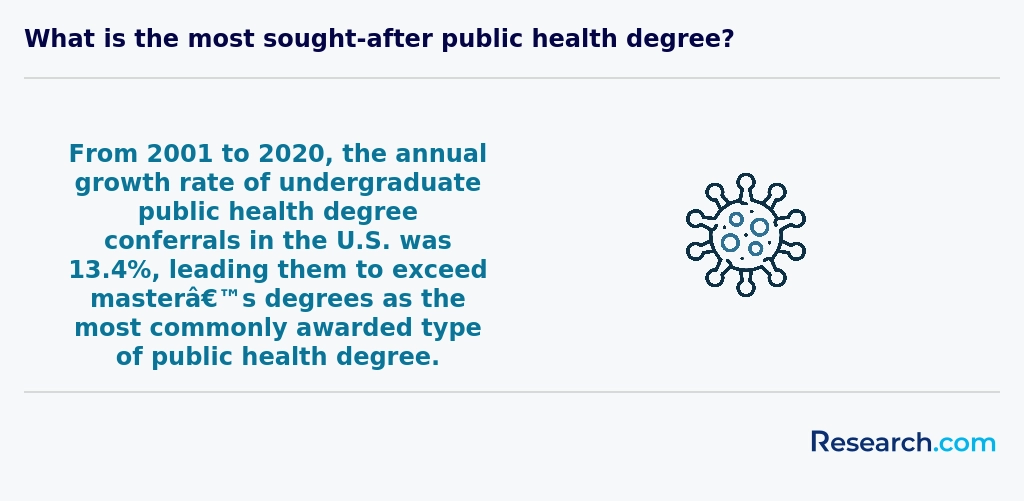
Calculating ROI helps you choose an online doctorate in public health that balances cost, career impact, and long-term gains. Consider the following factors:
- Total program investment: include tuition, fees, materials and travel for residencies
- Projected salary uplift: compare current earnings to average wages for doctoral graduates in public health
- Payback period: estimate how many years of salary increase it takes to recoup your net costs
- Career advancement value: leadership roles, research grants and higher-level positions unlocked by a doctorate
- Financial strategies: leverage scholarships, employer tuition assistance or federal loans for more efficient budgeting
For insights on cutting costs in related health fields, explore our low-cost medical coding and billing online program.
Online public health degree programs in America typically include core courses such as epidemiology, biostatistics, health policy and management, environmental health, and social and behavioral sciences. For instance, graduates from well-known public health schools often recount how epidemiology helped them decode disease outbreaks while biostatistics enabled them to interpret complex health data effectively. These foundational subjects prepare students to analyze real-world health patterns and influence policy decisions.
Health policy and management courses immerse students in the intricacies of U.S. healthcare systems, encouraging an understanding of how regulations impact diverse communities. Environmental health classes address pressing issues like pollution and climate change-topics that graduates recall seeing directly affect vulnerable populations in states like California and Florida.
Additionally, social and behavioral sciences focus on cultural behaviors influencing health outcomes, an area that students find especially relatable when designing meaningful public health campaigns. Electives such as global health and maternal and child health offer customization, allowing students from universities like Johns Hopkins or UNC to pursue specific career pathways while completing internships that solidify their knowledge.
Online public health degrees in America commonly offer specializations tailored to distinct career paths and pressing health concerns. Popular focal areas include epidemiology, which equips graduates to analyze disease patterns and lead outbreak investigations, essential skills highlighted by many alumni from reputable public health colleges. Health Policy and Management trains students to develop and implement health systems improvements, a specialization favored by those seeking leadership roles in government or healthcare organizations.
Other prevalent tracks include Environmental Health, emphasizing pollution and occupational safety, and Social and Behavioral Sciences, which explores community health influences for effective health promotion. Graduates from well-known programs often appreciate the opportunity to combine specializations, enhancing their interdisciplinary expertise. Many students choose programs known for robust online public health specializations USA, enabling them to address complex challenges like pandemics and health disparities.
Such concentrations empower students, whether pursuing a degree from regional state universities or nationally ranked schools, to align their studies with personal passions and market needs. For those curious about career options, especially how to start as a public health administrator, these specializations provide a practical foundation for advancement.
When choosing the best online public health degree in America, prioritize programs accredited by the Council on Education for Public Health (CEPH) to ensure high academic standards and employer recognition. Graduates from renowned universities often highlight how CEPH accreditation enhanced their career opportunities and built trust with hiring managers. Specialization options are also crucial; selecting concentrations like epidemiology or health policy allows you to tailor your education to specific career goals, mirroring real-world demands.
Cost efficiency plays a significant role-public universities typically offer in-state tuition ranging from $10,000 to $25,000 annually, which many students find manageable compared to private institutions. Accessing resources such as experienced faculty, virtual libraries, and career services enriches the learning experience, often making a difference for students balancing work and study. For those seeking flexibility, many programs provide asynchronous courses and part-time options.
To explore cost-effective choices, consult the Affordable Online Public Health Degree Programs Ranking in Kansas. This guide can help narrow down options among top accredited online public health degrees America offers, combining quality and value.
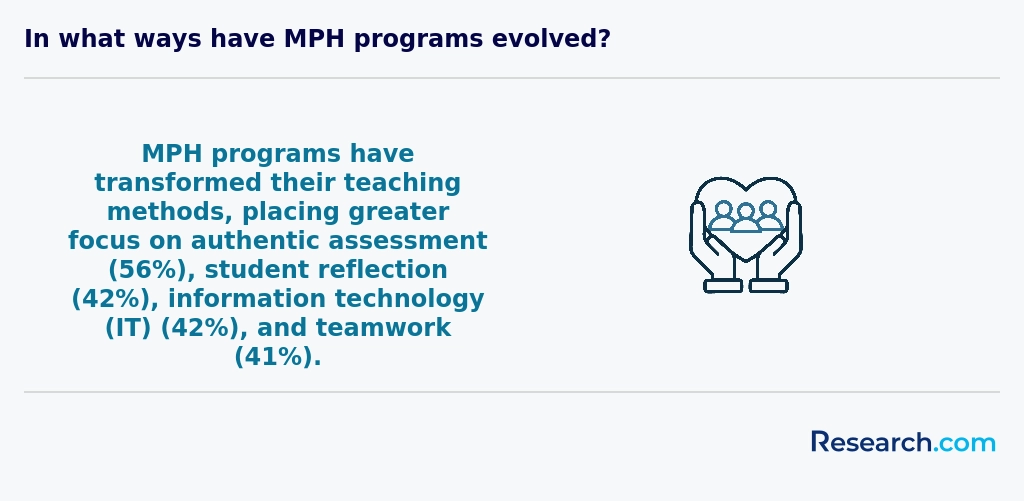
Graduates of online public health programs in America find diverse career paths, notably in epidemiology, health education, and healthcare administration. Epidemiologists, for example, investigate disease outbreaks and design prevention strategies; the U.S. Bureau of Labor Statistics (BLS) anticipates a 5% growth in this profession from 2021 to 2031. Health educators and community health workers, often trained at prominent institutions like Johns Hopkins or the University of Florida, play essential roles in chronic disease prevention and wellness promotion within communities. Healthcare administrators manage facilities with a leadership focus, and this field is projected to grow by 28% over the next decade, a rate much faster than average. Public health policy roles enable graduates to influence national health regulations and equity through agencies such as the CDC. Many students from these programs cite strong job prospects in America and positive impacts on health outcomes, making these degrees a practical choice. Those seeking accelerated pathways may consider the best accelerated online degree for working adults to balance study and career.
The job market for online public health degree graduates in America remains robust, with employment for health educators and community health workers expected to grow 13% from 2022 to 2032, surpassing the average growth of all occupations. Graduates from well-known schools like the University of Michigan and Johns Hopkins University often secure roles as epidemiologists or health policy analysts, drawn to sectors including government, non-profits, and healthcare corporations.
Many graduates highlight the flexibility offered by online programs, which allows them to balance careers or family commitments while earning their degrees. This adaptability aligns with the evolving job market trends, making the degree attractive to a diverse range of students. Those with advanced degrees such as MPH or DrPH report higher salary potentials and leadership opportunities, which enhances the appeal of pursuing further education.
For those weighing options, tuition can vary widely. Public universities often charge $12,000 to $30,000 annually, with online study sometimes offering slightly reduced costs. The expanding federal and state investment in public health jobs adds to this degree's value, especially for students seeking remote or hybrid positions. For students curious about easier pathways, check out what's the easiest bachelor's degree as a related guide.
The job market for public health graduates in America is increasingly favorable. Employers value strong skills in health communication and data analysis, and graduates frequently express satisfaction entering a field that actively contributes to pandemic preparedness and health equity.
2027 Most Valuable Online Doctorate in Public Health Degree Programs Ranking in the USA
Investing in your education is a significant decision that can influence your career and personal growth. The Research.com team recognizes the importance of making well-informed choices and has worked diligently to ensure the quality, credibility, and accuracy of the "2027 Most Valuable Online Doctorate in Public Health Degree Programs Ranking in the USA." Our analysis is based on rigorous research and reliable data to provide prospective students with trustworthy information.
We utilized the following reputable data sources to create this ranking:
By consulting this ranking, readers will gain insightful guidance to identify top online Doctorate in Public Health programs that align with their goals. For further information on how the ranking was compiled, please visit our Research.com methodology page.

# 2 position
Walden University
Doctor of Public Health





Frequently Asked Questions About public health
Online public health degree students in America can maximize their learning experience by actively engaging with course materials and participating in virtual discussions. Research from the Association of Schools and Programs of Public Health shows students who collaborate regularly with peers tend to retain information better. Additionally, leveraging university resources like online libraries and career services can provide crucial support.
Balancing studies with real-world practice is essential. Many programs encourage internships or practicum experiences, especially as public health emphasizes practical skills. According to the CDC, applied experience increases job readiness significantly. Setting a structured schedule also helps students manage deadlines effectively while maintaining work-life balance.
The public health field in America is rapidly evolving, with several emerging niches gaining prominence. One of the fastest-growing areas is data science and informatics, where experts use big data to track disease outbreaks and improve health outcomes. According to the U.S. Bureau of Labor Statistics, jobs for healthcare data analysts are expected to grow by 20% from 2022 to 2032.
Another vital niche is environmental health, focusing on how pollution and climate change affect communities. This field has gained traction due to increased awareness of environmental justice issues. Additionally, global health remains critical, as pandemics like COVID-19 revealed the need for skilled professionals in disease prevention worldwide.
Health equity and social determinants of health also attract attention, emphasizing the need to address disparities among different populations. As a result, public health programs increasingly integrate these specialties into their curricula to prepare future leaders in these key areas.
After completing an online public health degree in America, graduates should focus on building relevant experience to succeed in the job market. Engaging in internships or fellowships with organizations like the Centers for Disease Control and Prevention (CDC) or local health departments can provide practical skills highly valued by employers.
Networking is essential. Joining professional groups such as the American Public Health Association (APHA) offers access to job listings and industry events. According to the U.S. Bureau of Labor Statistics, employment in health education and community health fields is expected to grow 17% from 2020 to 2030, reflecting strong demand.
Developing skills in data analysis, epidemiology, and health policy increases employability across government, nonprofit, and private sectors. Certification options, like the Certified in Public Health (CPH) credential, can also enhance job prospects by demonstrating expertise and commitment to the field.
Employers in America highly value a range of skills in graduates with public health degrees. Strong analytical abilities are essential, enabling professionals to interpret complex health data and influence policy decisions effectively. According to the Bureau of Labor Statistics, proficiency in epidemiology and biostatistics remains a priority for many organizations.
Communication skills also rank prominently, as public health workers often educate diverse communities and collaborate across sectors. Leadership and project management capabilities help graduates manage health programs and drive initiatives.
Finally, technological competence, including familiarity with health informatics systems and data software, is increasingly important as the field embraces digital tools for better population health outcomes.
Finding internships relevant to a public health degree in America begins with exploring university resources. Many online public health programs have partnerships with local health departments, hospitals, and nonprofit organizations. According to the Association of Schools and Programs of Public Health (ASPPH), more than 80% of accredited programs encourage or require internships, helping students gain practical experience.
Students should also use online platforms such as Handshake or USAJobs to locate government or private sector opportunities. Networking through professional organizations like the American Public Health Association can open doors to internships. Starting early and applying broadly increases chances of securing a position in this competitive field.
An online public health degree in America significantly enhances career mobility by offering flexibility and accessibility to working professionals. Graduates can enter diverse roles such as epidemiologists, health educators, or public policy advisors, often experiencing a 10-15% faster promotion rate compared to those without advanced degrees, according to the U.S. Bureau of Labor Statistics (BLS).
Employers value the specialized skills gained through these programs, including data analysis and community health strategies, which improve leadership opportunities in government and nonprofit sectors. Additionally, the demand for public health professionals is projected to grow 17% from 2022 to 2032, a rate much faster than average.
This growth supports career advancement as positions become more specialized and competitive, requiring credentials like those offered online. Online degrees also provide networking via virtual platforms, enhancing visibility across states without geographic constraints.
Studying for a public health degree in America equips students with diverse skills essential for interdisciplinary roles. Programs emphasize collaboration across fields such as epidemiology, health policy, biostatistics, and environmental health. This approach mirrors the real-world challenges faced by public health professionals who work alongside medical experts, social scientists, and policymakers.
According to the Association of Schools and Programs of Public Health (ASPPH), over 70% of public health graduates engage in cross-sector teamwork within their first year of employment. Online degrees often include case studies and group projects that build communication and leadership skills across disciplines.
These degrees also address current U.S. health issues by integrating data analysis, ethics, and community engagement, preparing graduates to navigate complex health systems effectively.
Choosing between a thesis and a non-thesis public health degree program in America depends on your career goals and learning preferences. Thesis programs typically involve original research and are ideal if you plan to pursue a PhD or work in academia. The thesis helps develop strong analytical and writing skills.
Non-thesis programs focus more on coursework and practical skills, appealing to professionals aiming for leadership roles in public health agencies or nonprofit organizations. The Council on Education for Public Health notes that many online programs offer both formats, allowing flexibility.
Consider your time commitment and whether you prefer research or applied practice. Cost, program length, and faculty expertise also matter when making a decision.
Students based in America looking to study public health abroad via online programs have several options. Many American universities offer partnerships with international institutions, allowing for global learning experiences while completing an online degree. Additionally, some U.S.-accredited schools provide fully online doctoral programs that include international research components or virtual exchange opportunities.
According to the Council on Education for Public Health (CEPH), over 60 schools in the U.S. offer online public health degrees, some with global health specializations. These programs often address worldwide health challenges from an American public health perspective, helping students gain cross-cultural understanding.
Moreover, scholarship programs, such as the Fulbright Program, support Americans interested in research or study abroad to complement their online degrees.
Part-time job opportunities that complement online public health degrees in America often focus on community engagement and health education. Positions such as health educators, community health workers, and research assistants provide practical experiences aligned with academic learning.
Health educators earn an average hourly wage of $22 according to the U.S. Bureau of Labor Statistics (BLS), offering valuable skills in program planning and communication.
Community health workers assist in outreach and connect underserved populations to care, a role expected to grow by 17% from 2022 to 2032 (BLS).
Research assistant roles at universities or public health organizations help students apply epidemiological methods and data analysis while studying.
Online public health programs in America offer several valuable networking opportunities despite the virtual format. Many universities provide access to exclusive student groups, webinars, and virtual conferences that connect students with alumni and industry professionals. For example, the American Public Health Association hosts events where students can engage with leaders across the nation.
Additionally, platforms like LinkedIn and school-affiliated forums help students build professional networks. Networking is crucial in public health, where 68% of professionals find jobs through connections (Source: US Bureau of Labor Statistics). Students often collaborate on research projects, internships, and community-based initiatives, fostering meaningful relationships.
Alumni networks play a significant role in supporting online public health degree students in America. They provide access to professional connections that can lead to internships, job opportunities, and mentorship. According to the National Association of Schools of Public Health, around 85% of graduates secure employment through networking within the first six months after graduation.
These networks also foster knowledge sharing, enabling students to stay informed about industry trends, funding opportunities, and research developments. Many universities offer dedicated online platforms where alumni engage in discussions and career development events. This community support enhances learning and career growth for online public health students across the United States.
Customizing your online public health degree in America allows you to align your education with specific career goals. Many accredited programs offer concentrations such as epidemiology, health policy, or environmental health. This focus lets you build expertise tailored to your interests and job market demands.
Elective courses and practicum opportunities provide additional ways to enhance your skills. For example, collaborating with local health departments can offer practical experience. According to the Council on Education for Public Health, over 70% of U.S. public health programs emphasize applied learning to improve career readiness.
Flexible scheduling and part-time options also help balance education with professional commitments, supporting diverse learner needs.
Online public health students in America often confront challenges related to balancing coursework with personal and professional responsibilities. Many learners are working professionals, making time management a critical issue. According to the American Public Health Association, nearly 60% of public health graduate students are employed while studying.
Another common challenge is limited access to hands-on experiences. Practical training in fields like epidemiology and community health is essential but harder to achieve remotely. Students may also face technical difficulties, such as inconsistent internet connectivity or unfamiliarity with digital learning platforms.
Additionally, online learners sometimes report feelings of isolation due to limited peer interaction, which can impact motivation and engagement.
Graduates with an online public health degree in the U.S. can pursue several professional certifications that enhance career opportunities. One of the most recognized is the Certified in Public Health (CPH) credential, offered by the National Board of Public Health Examiners. This certification demonstrates mastery of core public health knowledge and is highly valued by employers.
Other valuable certifications include the Certified Health Education Specialist (CHES) for professionals focusing on community education and promotion. Additionally, some graduates may seek certifications in epidemiology or health informatics, depending on their specialization.
These credentials often require passing an exam and meeting educational and work experience criteria.
Writing a winning application for an online public health program in America requires clear demonstration of your passion and relevant experience. Admissions committees look for candidates who understand the challenges and opportunities in U.S. public health, which is a sector expected to grow by 11% from 2022 to 2032, according to the U.S. Bureau of Labor Statistics.
Highlight academic achievements, especially in health-related fields, and include any work experience in community health, policy, or research. Strong letters of recommendation from professors or public health professionals are crucial. Focus your personal statement on your career goals and how the program aligns with them, emphasizing any commitment to underserved populations or epidemiology, which are key fields in public health.
Include standardized test scores if required, and tailor your application to each program's unique values. Keeping the application clear, concise, and error-free enhances its impact.
The global perspective on a public health career highlights its growing importance in addressing worldwide health challenges. Professionals with public health degrees, especially those earned online in the USA, are increasingly valued for their ability to work across borders. The World Health Organization emphasizes public health's role in preventing disease and promoting wellness globally.
According to the U.S. Bureau of Labor Statistics, employment for health educators and community health workers in America is projected to grow 17% from 2022 to 2032, reflecting rising demand. Online Doctorate programs equip students with skills relevant both domestically and internationally, fostering leadership in global health initiatives.
Public health careers often involve adapting to diverse cultural contexts and varied healthcare systems, making cross-country collaboration essential. U.S. graduates benefit from curricula that integrate global health principles, preparing them for roles in international agencies, NGOs, or governmental organizations.
Gaining practical experience while studying for an online public health degree in America is essential to building skills and advancing your career. Many programs offer virtual internships with public health organizations, allowing students to work on projects related to epidemiology, health policy, or community outreach. According to the Association of Schools and Programs of Public Health (ASPPH), about 85% of online public health students participate in internships or practicum experiences during their studies.
Additionally, students can engage in research collaborations or volunteer with local health departments. These opportunities provide real-world exposure and networking benefits without disrupting online learning schedules. Some schools also partner with agencies to offer credit-earning fieldwork tailored to online learners.
Choosing the right concentration within an online public health degree in America begins with understanding your career goals and interests. Public health offers various specializations such as epidemiology, health policy, environmental health, and community health education. According to the Bureau of Labor Statistics, roles in epidemiology are expected to grow 5% from 2021 to 2031, reflecting strong demand. Research from the Association of Schools and Programs of Public Health highlights that students should also consider program accreditation and faculty expertise in their area of interest. Additionally, evaluating curriculum focus on practical skills versus research can guide your decision.
- The 14 Fastest Online MPH Programs - MPH Online https://www.mphonline.org/fastest-online-mph-programs/
- The Interdisciplinary Nature of Public Health https://www.cune.edu/news/interdisciplinary-nature-public-health
- Students and Alumni associations - Europubhealth https://www.europubhealth.org/students-alumni-associations/
- Careers in Public Health. Life’s Work https://www.publichealthcareers.org/
- How to carve a niche in your public health career | PH SPOT https://phspot.org/carvinganiche/
- 2025 Most Affordable Online MPH Programs https://www.onlineu.com/most-affordable-colleges/public-health-masters-degrees
- Financial Aid Guide https://www.publichealth.org/resources/financial-aid/
- What do you learn in a bachelor's in public health? | edX https://www.edx.org/resources/what-do-you-learn-in-a-bachelors-in-public-health
- A Medical Student's Perspective: Why I'm Studying Public Health, Too - Northern Area Health Education Center, Inc. https://northernahec.org/a-medical-students-perspective-why-im-studying-public-health-too/
- For Academic Public Health https://globalnetworkpublichealth.org/