
2027 Best Online Public Health Degree Programs Ranking in Baltimore, MD

Co-Founder and Chief Data Scientist
Choosing the right public health degree program can shape your future and impact your community. This article presents the 2027 Best Online Public Health Degree Programs Ranking in Baltimore, MD, developed by the Research.com team of data scientists to guide you in making an informed decision.
Discover top programs that fit your lifestyle and career goals, especially if you need flexible online options. Earning a public health degree opens doors to meaningful work and personal growth.
Explore this ranking to find a program that inspires and empowers you to make a difference.
Key benefits of getting online public health degree in Baltimore
- Public health degree graduates in Baltimore can earn competitive salaries, with roles like Health Educator averaging $69,790 annually and Environmental Health Specialists earning about $86,710 a year, providing strong financial motivation.
- Career paths include community health work, safety specialization, and health education; graduates from popular local schools have successfully entered these fields with diverse and rewarding opportunities.
- Online public health degrees offer flexibility and convenience, allowing graduates from Baltimore to balance work and study while gaining the same respected credentials as traditional programs.
- 2027 Best Online Public Health Degree Programs Ranking in Baltimore, MD
- What can I expect from online public health degree in Baltimore?
- Where can I work with online public health degree in Baltimore?
What can I expect from online public health degree in Baltimore?
The average cost of an online public health degree in Baltimore varies primarily based on residency status and institution type. Graduates from Maryland public universities report paying significantly less when qualifying for in-state tuition, which can be a substantial financial relief. For instance, online programs from well-known institutions like the Johns Hopkins Bloomberg School of Public Health often have higher tuition rates but include financial aid packages and scholarships targeted at Baltimore residents, making costs more manageable.
Students who juggle work and study appreciate the online format's flexibility, which often translates into savings on commuting and housing. Graduates recall that thorough financial planning, such as applying early for aid or choosing schools with CEPH accreditation, proved critical to balancing expenses with educational goals.
Many find that investing in an accredited online program aligns well with career advancement, especially when internships with local organizations such as the Baltimore City Health Department are part of the curriculum. This practical experience supports graduates in securing roles without incurring extra costs for unpaid internships.
Where can I work with online public health degree in Baltimore?
Graduates with an online public health degree in Baltimore often find employment with local government agencies like the Baltimore City Health Department, where they manage programs tackling infectious diseases and environmental health. Many alumni from institutions such as the Johns Hopkins Bloomberg School of Public Health share how their work directly improved community health through education and policy implementation.
Hospital systems including Johns Hopkins Hospital and the University of Maryland Medical Center also employ public health graduates. Typical roles involve epidemiology, health data analysis, and program coordination. One graduate described stepping into a role at a major hospital, helping analyze data to reduce patient readmission rates.
Nonprofits are another practical option, especially those addressing health equity and chronic disease prevention. Graduates have reported rewarding experiences designing outreach initiatives to support addiction recovery and HIV/AIDS awareness in Baltimore neighborhoods.
Research institutes and universities in Baltimore provide opportunities in grant writing and study coordination. Many find satisfaction working on projects investigating urban health issues, often collaborating with peers from local programs. Graduates entering health informatics startups highlight how technology-driven roles allow them to innovate and expand access to care.
In Baltimore, an online public health degree opens doors across key sectors-government, healthcare, nonprofits, academia, and health tech-offering diverse, impactful career paths tailored to community needs.
Graduates with an online public health degree in Baltimore often find themselves earning competitive salaries that reflect their education and experience. For example, community health workers typically make around $52,610 annually, while health educators can expect closer to $69,790 per year, according to the latest U.S. Bureau of Labor Statistics data.
Many students from institutions like the Johns Hopkins Bloomberg School of Public Health report feeling encouraged by these figures, as they align with the local demand for skilled public health professionals. Graduates aiming for specialized roles-such as environmental health specialists or occupational health and safety specialists-can earn significantly more; average salaries for these roles are about $86,710 and $85,570 respectively.
Starting salaries might hover near $45,000 for entry-level positions, such as research assistants or outreach coordinators, but the pathway to supervisory or analytic roles is clear and rewarding. Applying skills learned through online coursework to real-world community settings boosts confidence and helps graduates negotiate better salaries in Baltimore's diverse public health job market.
- Tuition for online public health degrees in Baltimore ranges from $15,000 to $30,000 for a full bachelor's or master's program.
- Baltimore's public health job market is growing steadily, with related occupations expected to increase by about 17% nationally over the next decade.
- Starting salaries for graduates average around $50,000 per year, with experienced professionals earning over $70,000 in advanced roles.
- Accreditation by bodies like the Council on Education for Public Health (CEPH) is important to ensure program quality and employer recognition.
- Practical learning opportunities, such as internships and practicum experiences, are available through community health initiatives in Baltimore.
Completing an online public health degree in Baltimore typically varies based on the degree level and your personal schedule. For example, at popular institutions like the University of Maryland, Baltimore County or Johns Hopkins University, a bachelor's degree usually takes about four years of full-time study, just like traditional campuses. Graduates often share how part-time options helped them juggle jobs and family commitments without feeling overwhelmed.
Master's programs in public health here typically last 18 months to three years. Many students appreciate flexible course loads allowing them to take 9 to 12 credits per semester, making the workload manageable. Some even complete accelerated tracks in just over a year, which appeals to those eager to advance their careers quickly.
Doctoral candidates often spend three to six years balancing research and practice. Lifelong learners in Baltimore mention that the extended timeline feels rewarding, letting them dive deep into public health challenges unique to the city's urban environment.
These online options in Baltimore offer you freedom to progress at your own pace, reflecting real-life demands without sacrificing educational quality.
Embarking on an online public health degree is both an exciting and challenging journey. To help you thrive, consider these practical strategies: start by creating a structured study schedule that mirrors in-person classes to maintain consistency and accountability. Leverage interactive course platforms and discussion forums to actively engage with both peers and instructors, which not only enriches your learning but also builds a network of support. Regularly set realistic goals and reflect on your progress to adjust your study methods effectively. Additionally, use available academic resources such as virtual tutoring sessions and career counseling services offered by your institution. Balancing coursework with professional and personal life is key; therefore, explore options like affordable online public health programs in maryland that provide flexible learning opportunities while delivering quality education. Prioritizing time management, self-discipline, and active engagement will ensure that you not only succeed academically but also prepare effectively for a flourishing career in public health.
Choosing between online and on-campus public health degrees in Baltimore hinges on your lifestyle and learning preferences. Online programs offer the flexibility many working professionals appreciate, letting you access lectures and complete assignments around family or job commitments. Graduates from online tracks at local universities often mention the relief of avoiding daily commutes and housing costs in Baltimore's busy neighborhoods, while still receiving quality education comparable to in-person offerings.
On-campus students benefit from direct access to faculty and peers, fostering immediate interaction that some find essential for networking. Experiential learning through local internships with institutions like the Baltimore City Health Department is easier to navigate when studying on-site. Graduates frequently highlight how these hands-on opportunities helped them build strong career foundations.
However, online learners must be self-disciplined and have reliable internet-factors institutions in Baltimore help address through technical support. Deciding depends on whether you prefer a structured classroom environment or the autonomy to balance public health studies with your unique daily routine.
Planning your application well in advance can make the difference between a smooth enrollment and missed deadlines for an online Public Health degree in Baltimore, MD. Most programs offer fall, spring, and summer start dates, with application windows typically opening nine months before the term. For fall admission, aim to submit your materials by late November to early December; spring deadlines often fall between August and September; and summer intakes usually close by March. Be sure to verify each school’s specific cutoff dates on their admissions page. Required materials generally include official transcripts, a current resume or CV, two to three letters of recommendation, and a personal statement that highlights your passion for public health and community impact. If you’re an international applicant, you may also need TOEFL or IELTS scores. Some master’s programs waive the GRE requirement, but if yours does not, schedule your exam at least six months before your first application deadline. Gathering recommendations early-ideally from professors or supervisors familiar with your analytical and leadership skills-will give your application an extra boost. To strengthen your candidacy, tailor your personal statement to align with program specializations, such as epidemiology or health policy, and showcase relevant volunteer, internship, or work experiences. Reach out to program advisors with specific questions about practicum placements and faculty research interests; demonstrating genuine interest can set you apart. If cost is a key factor, consult the Most Affordable Online Public Health Degree Programs Ranking in the Northeast to discover competitively priced alternatives and potential scholarship opportunities.
The average cost of an online public health degree in Baltimore typically centers around $29,130, reflecting both in-state and out-of-state tuition averages, with some variation depending on the specific school and program. Graduates from local universities often recall that public institutions in Maryland offer competitive tuition, generally falling between $400 and $600 per credit hour, which keeps costs manageable when completing around 40 credit hours for a Master of Public Health (MPH) degree. These rates make it a practical choice for many students balancing budget and ambition.
Private institutions in Baltimore, however, can significantly raise the tuition bar, charging between $800 and $1,200 per credit hour for similar online public health programs. Students who chose this route often emphasize the enhanced networking opportunities and specialized courses that justified their higher investment, though they also recommend budgeting carefully for additional fees such as technology and course materials.
Many online public health students in Baltimore find that financial aid plays a crucial role in offsetting expenses. More than 70% of public health students nationwide receive some form of assistance, which can make attending even private schools more accessible. When evaluating online public health degree tuition fees Maryland, it helps to compare aid packages and consider how your own finances fit into the broader cost picture.
Cost-conscious students also report appreciating Baltimore's relatively low cost of living, which reduces expenses for any campus visits or hybrid study options. Exploring options across different programs can provide clarity, and prospective applicants might look beyond public health to other health-related fields, just as some have explored nurse practitioner programs in Utah for comparison when planning their education paths.

Choosing a CEPH-accredited program ensures rigorous standards, comprehensive coursework and industry recognition.
Accreditation guarantees:
- Alignment with national public health competencies
- Eligibility for federal financial aid and scholarships
- Preference by employers and graduate schools
Key professional certifications:
- Certified Health Education Specialist (CHES): Validates expertise in health promotion and education
- Certified in Public Health (CPH): Demonstrates mastery of foundational public health knowledge
- Specialty certificates: Focus on areas like epidemiology or environmental health
While each healthcare field has unique requirements, quality education is universal-much like a pharmacist degree, accredited public health programs set you on a trusted path to career advancement.
When pursuing an online public health degree in Baltimore, start by applying for federal aid through the FAFSA. Graduates from the University of Maryland, Baltimore, often emphasize how Pell Grants and federal Direct Loans helped ease upfront costs. These grants don't need repayment, which can drastically reduce financial stress.
Next, explore Maryland-specific options like the Educational Assistance Grant (EAG), managed by the Maryland Higher Education Commission. Many Johns Hopkins University online students have found this grant invaluable for lowering tuition expenses based on financial need.
Don't overlook scholarships directly from Baltimore institutions. Universities frequently offer awards that reward academic achievement or community service-many Baltimore-based graduates mention these scholarships made advanced study affordable and motivating.
Working students should check if their employers provide tuition reimbursement, especially those in healthcare roles. Many in the local public health field rely on employer aid to balance work and study smoothly. Additionally, local agencies offer loan forgiveness programs encouraging graduates to serve underserved Baltimore neighborhoods, a practical route to reduce long-term debt.
To maximize your learning and career readiness, follow these proven strategies:
- Plan a consistent weekly schedule, dedicating set blocks for readings, lectures, and assignments.
- Engage actively in discussion boards and group projects to deepen your understanding and build peer support.
- Attend virtual office hours and use academic resources for personalized feedback and guidance.
- Ensure you have reliable internet access and updated software for a seamless online experience.
- Network with classmates, alumni and local public health organizations to expand professional connections.
- Enhance your skill set by exploring complementary credentials through affordable online medical billing and coding schools.
To enroll in an online public health degree program in Baltimore, start by securing a high school diploma or GED for undergraduate admission. Many local programs, such as those offered by Baltimore's top public universities, expect a minimum GPA of around 2.5 to 3.0 and may require SAT or ACT scores, though some schools have moved toward test-optional policies to reduce barriers.
For those aiming for a Master of Public Health (MPH) online, having a bachelor's degree is essential. Graduates from Baltimore institutions often found that degrees in health sciences or social sciences strengthened their applications, along with a 3.0 GPA or higher. Practical experience in health-related work or volunteering in Baltimore's community clinics or health departments can be a real advantage.
Application packages usually ask for letters of recommendation, a personal statement explaining your passion for public health, and a resume outlining your relevant experience. Baltimore's connection to public health agencies, like the Baltimore City Health Department, allows students to reference meaningful local partnerships that enhance learning and career goals.
Reliable internet and basic computer skills are crucial since the program's entirely online. Many students appreciated how Baltimore's affordable tuition rates for in-state learners made pursuing their public health dreams feasible without heavy financial strain.
Courses in online public health degrees offered by universities in Baltimore focus first on core areas like epidemiology, biostatistics, environmental health, and health policy. Graduates often recall how epidemiology classes helped them understand real local health issues, such as tracking asthma outbreaks in Baltimore neighborhoods. These foundational courses equip students to analyze data and craft evidence-based strategies tailored to Baltimore's unique urban health challenges.
Programs also include social and behavioral sciences, which dive into how lifestyle and economic factors influence health outcomes. Students have found health promotion classes especially rewarding, as they designed community programs aimed at preventing lead poisoning in Baltimore's at-risk youth. Such coursework brings classroom lessons directly into community settings.
Practical application is key, with classes in public health practice and program planning providing hands-on skills. Many graduates appreciated opportunities to collaborate on projects with Baltimore's health departments or local nonprofits, applying lessons in real time to improve public health equity and outreach within underserved populations.
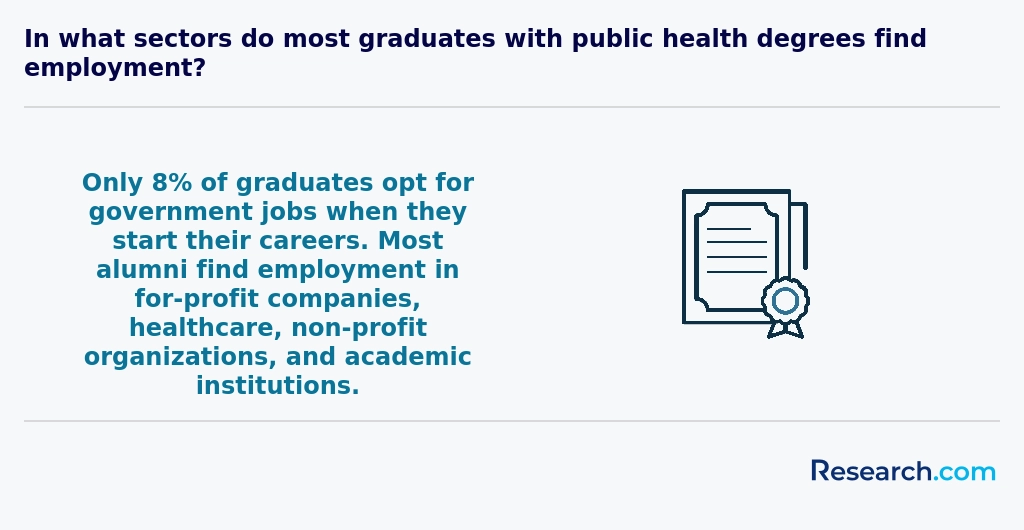
Online public health degree specializations Baltimore students find most relevant include Epidemiology, Health Policy and Management, Environmental Health, Global Health, and Community Health Education. Graduates from well-regarded Baltimore universities often mention how Epidemiology courses prepare them to tackle urban health challenges like infectious disease tracking, crucial in a city with diverse population dynamics. Those pursuing Health Policy and Management appreciate the direct application of classroom lessons to improving local healthcare systems and policies, making their work immediately impactful.
Environmental Health specialization resonates with students concerned about Baltimore's industrial and port-related pollution issues, equipping them to design interventions addressing real environmental risks. Other students enjoy the Global Health and Community Health Education tracks, finding the practical examples taught online easy to connect with Baltimore's vibrant, multicultural communities. Many who balance work and study find the flexibility of online programs in Baltimore ideal, especially when complemented by competitive tuition rates and financial aid options.
For those considering related fields, some students explore accredited nursing programs riverside to complement their public health expertise and expand career opportunities.
To choose the best online public health programs Baltimore offers, start by verifying accreditation through the Council on Education for Public Health (CEPH). Graduates from local universities often praise CEPH accreditation for enhancing their job prospects and ensuring quality education. Next, assess program flexibility: some Baltimore schools provide fully asynchronous courses, ideal for working professionals balancing busy schedules, while others include live sessions to foster interaction. Consider your own learning style when deciding.
Affordability matters-explore affordable public health degrees Baltimore MD options by comparing in-state tuition and available financial aid. Many students find public universities in Baltimore deliver excellent value without sacrificing quality. Look for programs emphasizing areas you care about, such as epidemiology or environmental health, to keep motivation high. Practical experience also counts; programs partnered with Baltimore health agencies offer crucial internships that alumni credit for boosting career readiness. Finally, tailor your choice by reviewing student support and graduation rates, which graduates often link to their academic success. For insights on related fields, see counseling programs in West Virginia.

Graduates with an online public health degree in Baltimore find clear paths into roles like epidemiologists, health educators, and public health administrators. Many have leveraged connections fostered through Baltimore institutions such as Johns Hopkins University to gain hands-on experience tracking disease outbreaks or leading community wellness initiatives. These opportunities uniquely prepare them to address urban health challenges with practical solutions.
For those interested in environmental factors, positions as environmental health specialists are vital, especially in Baltimore's neighborhoods facing pollution concerns. Biostatisticians also play a crucial role by analyzing health data for local research centers, enhancing evidence-based policy decisions. Real-life experiences from public health students highlight how Baltimore's diverse population strengthens cultural competency, particularly when serving as community health workers.
To explore career options more broadly and supplement your training, consider networking through local resources or schools well known for their health programs. Some graduates have also found value in branching out via nursing colleges riverside alumni network for interdisciplinary connections. Practical steps like internships with the Baltimore City Health Department significantly improve job opportunities in the region's competitive market for online public health careers in Baltimore.
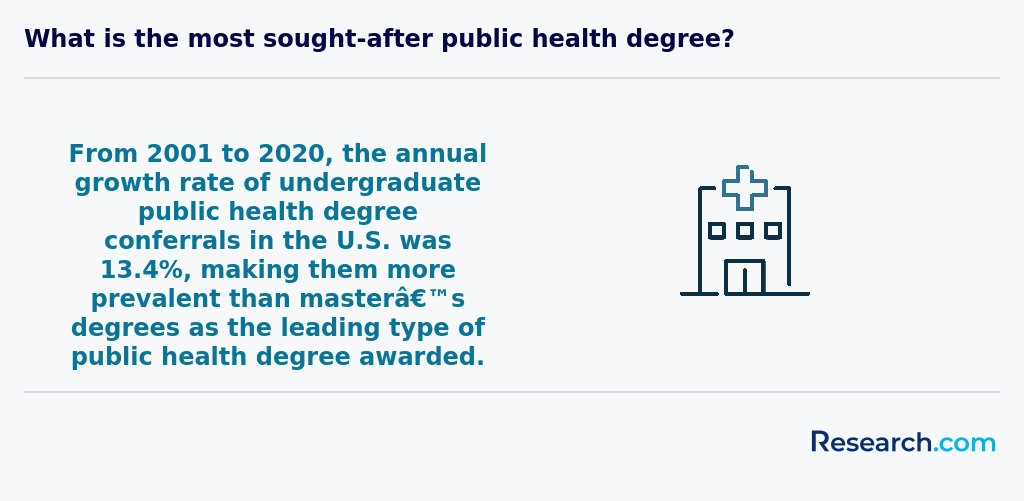
The job market for online public health degree holders in Baltimore is strong, reflecting a growing demand across healthcare institutions, government agencies, and nonprofit organizations. Graduates from local programs, such as those at the University of Maryland's Baltimore campus, often find themselves well-positioned to tackle urban health challenges like infectious disease control and chronic disease prevention. These roles align with the city's commitment to improving community health, supported by steady public funding.
Those exploring online public health career opportunities in Baltimore will benefit from a network of hospitals and policy-focused companies actively seeking skilled professionals. Employment growth for health educators and community health workers is expected to be robust nationally, and Baltimore's urban environment offers practical opportunities to apply data analysis and health education expertise.
Graduates frequently report positive experiences transitioning into roles that offer competitive salaries in Maryland, often higher than the national median. For those balancing education and work, tuition costs typically remain manageable for online degrees. Students aiming for a practical career pathway should also consider related options like nursing career training as a complementary step.
2027 Best Online Public Health Degree Programs Ranking in Baltimore, MD
Investing in your education is a significant decision that can shape your future, and the Research.com team understands the importance of making informed choices. To assist prospective students in Baltimore, MD, we have meticulously crafted the "2027 Best Online Public Health Degree Programs Ranking." Our commitment to quality, credibility, and accuracy is reflected in the extensive research and analysis conducted to compile this ranking.
We utilized the following reputable data sources to ensure a comprehensive evaluation of public health programs:
By exploring this ranking, readers will gain valuable insights into the best online public health degree programs available in Baltimore, helping them make informed decisions about their educational paths. For more details on our methodology, please visit our Research.com methodology page.

# 3 position
University of Maryland, Baltimore
Master of Health Science

Frequently Asked Questions About public health
Online public health degree students in Baltimore can enhance their learning by actively engaging with both digital coursework and local public health initiatives. Baltimore's rich public health landscape, including challenges like urban health disparities and disease prevention, offers valuable real-world context, as noted by the Johns Hopkins Bloomberg School of Public Health.
Students should seek opportunities for virtual networking with Baltimore-area professionals and alumni to build connections that support career growth. Utilizing local data repositories such as Maryland's Department of Health databases can also deepen understanding of regional health trends.
Time management and disciplined study routines remain essential, especially when balancing online classes with work or family commitments. Finally, participating in online forums and webinars led by Baltimore's public health experts can provide up-to-date knowledge and practical insights to complement academic study.
Emerging niches within the public health field respond to evolving societal needs and technological advances. In Baltimore, key growth areas include epidemiology focused on urban health challenges such as infectious disease outbreaks and chronic disease management. Precision public health, which uses data analytics and geographic information systems (GIS), is gaining importance to target health interventions more effectively.
Mental health and substance abuse prevention are also critical, driven by Baltimore's ongoing efforts to address opioid addiction and behavioral health disparities. Environmental health careers increasingly concentrate on urban pollution and climate change impacts. These specialized areas offer promising paths for online public health students seeking careers in Baltimore's diverse health landscape.
After completing an online public health degree in Baltimore, preparing for the job market involves strategic steps. Start by gaining practical experience through internships or volunteering with local health departments like the Baltimore City Health Department, which handles key initiatives on chronic disease and infectious control. Networking is crucial; professional groups such as the Maryland Public Health Association offer valuable connections and job leads. Additionally, consider obtaining certifications like the Certified in Public Health (CPH) credential to improve your marketability. Stay updated on Baltimore's public health challenges, including high asthma rates and substance abuse, to align your expertise with community needs.
Employers in Baltimore seek public health graduates with strong analytical and communication skills. The ability to interpret data and apply it effectively is critical, especially in a city facing diverse health challenges. According to the Maryland Department of Health, workforce demands increasingly favor graduates proficient in epidemiology and health informatics.
Additionally, cultural competence is vital. Baltimore's diverse population requires public health professionals to adapt interventions to varied community needs. Leadership and project management skills also rank highly, as many roles require coordinating health programs.
Familiarity with policy development and grant writing enhances employability, as local organizations depend on funding and legislation knowledge to drive health initiatives.
Finding internships in Baltimore relevant to a public health degree involves leveraging local resources and connections. Baltimore hosts key public health organizations such as the Baltimore City Health Department and the Johns Hopkins Bloomberg School of Public Health, which often offer internship opportunities. Students can explore Baltimore's government and nonprofit sectors, where around 14% of the city's workforce is employed in health-related jobs, according to the U.S. Bureau of Labor Statistics.
Additionally, many online public health programs partner with local agencies to facilitate internships. Websites like Maryland Nonprofits and local government job portals frequently list internships. Networking through professional groups in Baltimore's extensive public health community also increases chances of finding suitable placements.
Obtaining an online public health degree can significantly enhance career mobility and advancement in Baltimore. The city has a growing demand for skilled public health professionals, driven by local health initiatives and a strong presence of healthcare organizations such as Johns Hopkins and the Maryland Department of Health.
According to the U.S. Bureau of Labor Statistics, employment for public health workers in Maryland is expected to grow by 15% from 2022 to 2032, faster than the national average. This trend translates into increased job opportunities and potential salary growth for graduates.
Online degrees provide flexibility, allowing working professionals in Baltimore to upgrade their credentials without interrupting their careers. This flexibility is particularly important in a competitive field where advanced qualifications often lead to leadership roles or specialized positions.
Additionally, networking opportunities through online programs can connect students to Baltimore's extensive public health community, further supporting career advancement.
Studying for a public health degree in Baltimore offers a strong foundation for interdisciplinary roles by integrating knowledge from healthcare, policy, social sciences, and environmental studies. Many Baltimore institutions emphasize collaborative learning, reflecting the city's diverse health challenges such as high rates of asthma and diabetes. According to the Maryland Department of Health, partnerships between universities and local health agencies provide students with real-world experience.
Online programs in Baltimore also focus on skills like data analysis, communication, and program management, essential for working across different sectors. This approach equips graduates to address complex public health issues with a broad perspective and practical tools.
When choosing between a thesis and a non-thesis online public health degree in Baltimore, consider your career goals carefully. Thesis programs require original research and are ideal if you plan to pursue a PhD or work in academia. Non-thesis options focus on practical skills and are suited for professionals aiming to enter public health practice or administration.
Baltimore's public health workforce is large and diverse, with demand growing due to ongoing community health challenges, as reported by the Maryland Department of Health. A thesis could enhance your research credentials, while a non-thesis degree often enables faster completion.
Also, think about your time availability. Thesis programs typically take longer because of the research and writing commitment involved. Non-thesis programs offer more flexibility, which is beneficial for working students. Check if Baltimore's local schools provide support tailored to online learners in either track.
Ultimately, weigh academic aspirations against practical needs to decide the best fit for your professional path in Baltimore's public health landscape.
Students in Baltimore interested in studying public health abroad have several options through U.S.-based universities. Many institutions offer online public health degrees with international fieldwork or practicum components, enabling immersive experience without relocating permanently. For example, some programs coordinate global internships or research opportunities in partnership with organizations worldwide.
Baltimore's own universities, like Johns Hopkins, offer renowned online MPH programs that prepare students for global health careers through virtual coursework combined with optional international experiences.
According to the Baltimore City Health Department, addressing global health issues is crucial given the city's diverse population. This context supports demand for flexible programs that offer global perspectives.
Students should consult program advisors to explore available overseas study options integrated into online public health degrees.
In Baltimore, part-time jobs that complement public health education often involve direct community engagement. Positions such as health educators, community outreach workers, and research assistants provide practical experience. The Baltimore City Health Department frequently hires part-time workers to support local health initiatives, including vaccination programs and chronic disease prevention.
Additionally, Baltimore is home to notable organizations like the Johns Hopkins Bloomberg School of Public Health, offering research assistant roles that align with public health studies. These jobs allow students to apply classroom knowledge to real-world challenges.
According to the Maryland Department of Labor, employment in healthcare support roles in Baltimore is expected to grow 12% through 2030, creating ample opportunities.
Online public health students in Baltimore benefit from diverse networking opportunities tied to the city's robust healthcare sector. Universities often facilitate virtual events, connecting students with Baltimore-based public health professionals. The Maryland Public Health Association hosts conferences and webinars, which are accessible online and valuable for networking.
Baltimore's strong public health infrastructure, including institutions like the Johns Hopkins Bloomberg School of Public Health, offers online students access to guest lectures and mentorship programs. Additionally, students can join local chapters of organizations such as the American Public Health Association to meet peers and experts.
These opportunities enable students to build connections critical for employment in Maryland's evolving public health landscape.
Alumni networks provide significant advantages to online public health degree students in Baltimore by fostering professional connections and career opportunities. Through these networks, students gain access to mentors who offer guidance on navigating Baltimore's distinct public health challenges, such as urban health disparities highlighted by the Baltimore City Health Department.
These connections can lead to internships and job placements within local agencies like the Maryland Department of Health or Baltimore's nonprofit sector.
Moreover, alumni often share insights on emerging public health trends and resources, enhancing students' practical knowledge. Studies show that strong alumni engagement correlates with higher employment rates within six months post-graduation, emphasizing the networks' role in career development.
Online public health degree programs in Baltimore offer various ways to tailor your education to meet specific career goals. Many programs allow students to choose concentrations such as epidemiology, health policy, or community health.
Students can often select elective courses that align with local health challenges like Baltimore's high rates of asthma and diabetes, enabling targeted expertise. Additionally, some programs provide opportunities for virtual internships or practicum experiences with Baltimore-area health organizations, enriching practical skills.
Flexible scheduling and part-time options help working professionals balance studies with careers. Accreditation by CEPH ensures the curriculum meets current public health standards in the U.S.
Online public health students in Baltimore face several challenges that impact their academic success. One common issue is balancing coursework with work and family responsibilities, especially since Baltimore's public health workforce often includes working professionals seeking advancement. According to the Baltimore City Health Department, nearly 20% of residents live below the poverty line, which can increase stress and limit access to necessary technology for online learning.
Connectivity and technological barriers remain significant, as reliable internet access is essential for online programs. Additionally, students may experience limited opportunities for hands-on experience, which is vital in public health education. Access to local internships can be competitive and affected by ongoing public health demands in the city.
Finally, motivation and time management challenges persist, as online learners must self-direct their studies without the immediate support of in-person interaction. These factors together create a complex environment for Baltimore's online public health students.
An online public health degree can open doors to several respected professional certifications that enhance career prospects. Graduates often pursue the Certified in Public Health (CPH) credential, which demonstrates mastery of foundational public health knowledge and ethics. This certification is nationally recognized and supported by the National Board of Public Health Examiners.
Additionally, Baltimore-based professionals might consider certifications in specialized areas such as epidemiology, health education, or environmental health. For example, becoming a Certified Health Education Specialist (CHES) can bolster skills in community health promotion.
These certifications complement online degrees well, providing practical validation of expertise in Maryland's growing public health sector, where challenges like urban health disparities highlight the need for qualified professionals (Baltimore City Health Department, 2023).
Applying to an online public health program in Baltimore requires a clear, focused approach. Start by researching programs accredited by the Council on Education for Public Health (CEPH) to ensure quality education. Highlight your connection to Baltimore's public health needs, such as its ongoing efforts to address urban health disparities according to the Maryland Department of Health.
Craft a personal statement demonstrating your motivation, experience, and how you plan to impact local communities. Provide strong letters of recommendation from supervisors or professors familiar with your commitment to health equity.
Maintain a competitive GPA, and if applicable, include relevant work or volunteer experience in Baltimore's healthcare sector.
The global perspective on a public health career emphasizes its vital role in addressing worldwide health challenges. Public health professionals work to control infectious diseases, improve health systems, and promote wellness on large scales. In Baltimore, a city with diverse populations and health disparities, understanding these global issues is crucial for effective local interventions.
According to the Johns Hopkins Center for Health Security, the city's public health workforce is increasingly connected to global networks combating pandemics, such as COVID-19. This reflects the need for public health graduates to adopt a worldwide view.
Online public health degrees offer Baltimore students flexibility while preparing them to engage with global health policies and strategies, granting career opportunities beyond the local context.
Gaining practical experience while studying for an online public health degree in Baltimore is essential for career readiness. Many programs encourage internships at local public health organizations, such as the Baltimore City Health Department, where students can engage in community health initiatives.
Students often participate in virtual or in-person practicum experiences designed to connect theoretical knowledge with real-world public health challenges.
Baltimore's active public health sector provides opportunities for collaboration with hospitals, non-profits, and government agencies. The Johns Hopkins Bloomberg School of Public Health, locally recognized, frequently partners with online learners for research projects and fieldwork.
According to Baltimore health statistics, practical skills in data analysis and community outreach are critical due to ongoing urban health challenges. This makes hands-on experience invaluable for understanding the city's complex health environment.
Choosing the right concentration within an online public health degree in Baltimore depends on your career goals and local health needs. Baltimore faces challenges such as high rates of chronic diseases and substance abuse, so concentrations like epidemiology, health policy, or community health may be particularly relevant.
Research local job market data from sources like the Maryland Department of Health to identify growing fields. For example, health informatics and environmental health are emerging areas in Maryland's public health sector.
Also, consider your background and interests. Some concentrations require strong data analysis skills, while others focus on program management or advocacy.
Finally, examine if the program offers practicum opportunities connecting you to Baltimore's public health agencies to gain practical experience.
- 2027 Best Online Public Health Degree Programs Ranking in Norfolk, VA
- 2027 Best Online Public Health Degree Programs Ranking in Boston, MA
- 2027 Best Public Health Degree Programs Ranking in College Park
- 2027 Best Public Health Degree Programs Ranking in Washington
- 2027 Best Public Health Degree Programs Ranking in Philadelphia
- 2027 Best Public Health Degree Programs Ranking in New Brunswick
- 2027 Best Public Health Degree Programs Ranking in New York
- 2027 Best Public Health Degree Programs Ranking in Bronx
- 2027 Best Public Health Degree Programs Ranking in Lynchburg
- 2027 Best Public Health Degree Programs Ranking in Pittsburgh
- A Medical Student's Perspective: Why I'm Studying Public ... https://northernahec.org/a-medical-students-perspective-why-im-studying-public-health-too/
- Engaging students through service-learning opportunities ... https://sneb.org/engaging-students-through-service-learning-opportunities-in-public-health/
- Best Online MPH Programs in Maryland | 2026 Guide https://publicadministrationpolicy.org/public-health/maryland/
- Public Health Schools and MPH Programs in Maryland https://www.publichealthdegrees.org/st/maryland/
- Financing Your Degree - Scholarships and Financial Aid https://aspph.org/student-journey/financing-your-degree/
- Public Health Careers.org: Home https://www.publichealthcareers.org/
- University of Maryland 4+1 B.A./M.P.H. Public Health https://www.goucher.edu/learn/academic-partnerships/university-maryland-baltimore-ba-master-public-health-4-plus-1/
- Public Health Major https://www.towson.edu/chp/departments/health-sciences/undergrad/public-health/
- Careers - MPH Online https://www.mphonline.org/careers/
- 2026 Most Affordable Online MPH Programs https://www.onlineu.com/most-affordable-colleges/public-health-masters-degrees














