
2027 Most Affordable Online Public Health Degree Programs Ranking in the Northeast

Co-Founder and Chief Data Scientist
Choosing the right public health degree can feel overwhelming, especially when balancing quality and affordability. That's why the Research.com team of data scientists created the 2027 Most Affordable Online Public Health Degree Programs Ranking in the Northeast. This ranking helps students in the region discover programs that offer real value without sacrificing excellence.
By exploring this article, you'll gain clarity on which online degrees fit your goals and budget. Pursuing a public health degree opens doors to meaningful careers that positively impact communities. Let this guide support your journey toward a rewarding future.
Key benefits of getting online public health degree in the Northeast
- Graduates with a public health degree in the Northeast can expect strong earning potential, with roles like Environmental Health Specialists earning around $86,710 annually and Health Educators making approximately $69,790 per year.
- Career paths are diverse, from becoming a Community Health Worker to an Occupational Health and Safety Specialist, providing many opportunities to make a positive impact in local communities.
- Online public health degrees offer flexible schedules and the ability to study from anywhere in the Northeast, making it easier for students to balance work and personal life while earning a respected credential.
- 2027 Most Affordable Online Public Health Degree Programs Ranking in the Northeast
- What can I expect from online public health degree in the Northeast?
- Where can I work with online public health degree in the Northeast?
What can I expect from online public health degree in the Northeast?
Online public health degrees in the Northeast offer accessible pricing that encourages students to pursue their passion without financial burden. Graduates from popular institutions like SUNY Albany and Boston University often share how public universities provide substantially lower tuition, especially for in-state learners, making quality education affordable. Those attending private schools appreciate competitive online rates designed for flexibility and career advancement.
Many students find scholarships and federal financial aid invaluable in easing tuition costs, which typically vary but generally remain within a manageable range compared to other regions. This financial accessibility allows working professionals in health care or policy roles to confidently invest in their future without sacrificing stability.
One graduate explained how balancing coursework and a full-time job was possible thanks to affordable tuition paired with flexible online formats. This blend of reasonable costs and tailored learning helps Northeast students turn their commitment to community health into impactful careers, supported by programs that understand both regional needs and financial realities.
Where can I work with online public health degree in the Northeast?
Graduates with an online public health degree in the Northeast find inspiring opportunities across vibrant sectors dedicated to improving community health. From dynamic government agencies in New York and Massachusetts to leading hospitals throughout the region, these professionals bring vital expertise to roles in policy development, epidemiology, and health data management. For example, graduates from universities like Harvard and Johns Hopkins frequently join initiatives that shape public health policies or launch impactful outreach programs in bustling cities such as Boston and Philadelphia.
Many find themselves thriving at nonprofits that tackle health disparities, where their skills in program management and community engagement drive meaningful change. Imagine working alongside passionate teams in Newark or Philadelphia, crafting grants that fund life-saving projects and empowering underserved populations. Others pursue rewarding careers in the pharmaceutical industry or private health companies located in New Jersey and Pennsylvania, contributing valuable insight in regulatory affairs and health policy analysis.
The journey through an online public health degree in the Northeast becomes a gateway to careers focused on real-world impact, blending academic learning with hands-on roles that nurture healthier communities across the region.
Graduates with an online public health degree from popular Northeast institutions often find rewarding career opportunities with strong earning potential. For example, community health workers typically earn a mean annual wage of $52,610, bringing meaningful change to communities while enjoying a stable income. Health educators, leveraging their skills gained from schools like Boston University or the University of Massachusetts, can expect to earn around $69,790 annually, empowering others through vital health programs.
More specialized roles offer even greater financial rewards. Environmental health specialists in the Northeast earn an impressive average of $86,710 per year, applying their expertise to safeguard public health in urban and rural settings alike. Occupational health and safety specialists command salaries near $85,570, ensuring workplaces remain safe and healthy.
Graduates often share how their online degrees provided flexibility to work while studying, ultimately opening doors to fulfilling leadership roles. These salary figures reflect the Northeast's commitment to public health, inspiring future students to pursue impactful careers with confidence and purpose.
- Online public health degrees in the Northeast are offered by many accredited universities with fully online Bachelor's and Master's programs.
- In-state undergraduate tuition ranges from $15,000 to $25,000 per year, while out-of-state tuition can be $25,000 to $40,000 annually.
- Master's in Public Health programs typically cost between $20,000 and $50,000 total, with financial aid and scholarships widely available.
- Employment for health educators and community health workers in the region is expected to grow about 11% through 2032.
- Starting salaries vary from $50,000 to $60,000 for bachelor's graduates and $60,000 to $75,000 for MPH graduates.
- Many programs include internships or practicum opportunities within local communities, improving practical experience and job prospects.
Completing an online public health degree in the Northeast is an achievable and rewarding journey, tailored to fit diverse lifestyles. Graduates from schools like the University of Massachusetts and SUNY often share how balancing work, family, and study became manageable thanks to flexible program schedules. For those pursuing a bachelor's degree, expect around four years of full-time study, with part-time pathways extending up to six years-ideal for professionals advancing at their own pace.
Master's students, especially those in MPH programs across New York or Massachusetts, commonly complete their degrees within two years full-time. The excitement of accelerated options lets highly motivated learners finish in as little as 12 to 18 months, turning ambitions into reality faster than imagined. Part-time learners appreciate the option to extend studies up to five years, creating a balanced approach that fits personal circumstances.
Doctoral candidates embarking on their DrPH or PhD journeys often experience a deeper, more immersive commitment of four to seven years, frequently combining online and hybrid formats found in Northeast institutions. This blend empowers them to grow academically while staying grounded in daily life.
Students often describe this flexibility as a catalyst for perseverance and success, proving that with determination and the right program, earning an impactful public health degree in the Northeast is truly within reach.
Proper accreditation and hands-on experience ensure your degree is both respected and career-ready. Most online public health programs in the Northeast hold CEPH accreditation-the gold standard for public health education-guaranteeing that coursework meets national competency benchmarks.
Practicum and Capstone Experience
- CEPH-approved field placement, often 200–300 supervised hours with health departments, NGOs or community clinics
- Capstone project applying epidemiology, policy analysis or program evaluation in real-world settings
- Faculty support for site selection, preceptor matching and professional networking
Many graduates also boost administrative skills by pairing their public health degree with a medical billing and coding certification online, expanding opportunities in both clinical and non-clinical roles.
Choosing between an online or on-campus public health degree in the Northeast opens exciting possibilities tailored to your lifestyle. Online programs, like those offered by the University of Massachusetts, grant you the freedom to learn at your own pace, perfect for balancing work, family, and studies. Graduates often describe a strong sense of accomplishment mastering self-discipline while engaging with coursework anytime and anywhere.
On-campus options, such as Drexel University's vibrant program, immerse you in a lively learning community, where face-to-face interactions foster deep connections and hands-on experiences through labs and internships. Students cherish this direct access to faculty and campus resources, creating lifelong professional networks.
- Online students enjoy flexible schedules and virtual collaboration tools that support their growth.
- On-campus learners benefit from interactive group projects and immediate peer support.
Whichever path you choose, Northeast institutions ensure accredited, high-quality education, empowering you to make a meaningful impact on public health challenges in your community and beyond.
As the landscape of public health evolves alongside rapid technological advancements, understanding emerging trends is key for prospective students and professionals. Future online public health programs are increasingly integrating innovations such as telemedicine simulation, data analytics tools, and interactive virtual labs to bridge the gap between theory and practice. This progressive approach not only enhances the learning experience but also better prepares graduates for a dynamic job market that values digital literacy and adaptable problem-solving skills. Moreover, institutions are deepening their focus on interdisciplinary collaboration, enabling students to work on cross-sector projects that mirror real-world public health challenges. For example, many programs now partner with local and national health organizations to offer practical projects and mentorship opportunities. Prospective students interested in staying ahead of the curve should explore the evolving curriculum and student support models, like those offered by top online public health programs in new york, which are designed to foster both academic excellence and robust career growth in a digital era.
The average cost of an online public health degree in the Northeast typically centers around $35,000, offering a balanced investment for a high-quality education. Graduates from popular universities and colleges in the region often share how this investment has empowered them to advance their careers while managing financial commitments responsibly. For many, the cost reflects not only tuition but the flexibility and access to expert faculty, making the journey toward a meaningful public health career inspirational and attainable.
Affordable online public health programs in the Northeast provide opportunities for both in-state and out-of-state students, often with similar tuition rates, which helps simplify budgeting. Students appreciate that even with a comprehensive program, the price aligns well with the value of gaining skills to improve community health. For example, graduates from well-regarded public institutions highlight how their programs balanced cost and quality, allowing them to pursue their passion without overwhelming debt.
Those exploring options can find excellent value in programs that include about 42 credit hours, consistent with recommendations from the Association of Schools and Programs of Public Health. Many learners have found navigating the cost worthwhile, as these programs deliver real-world knowledge that opens doors to rewarding careers in public health.
To explore and compare options carefully, prospective students in the Northeast often turn to resources featuring the top online public health programs in new york, helping them identify affordable programs suited to their goals and budgets.
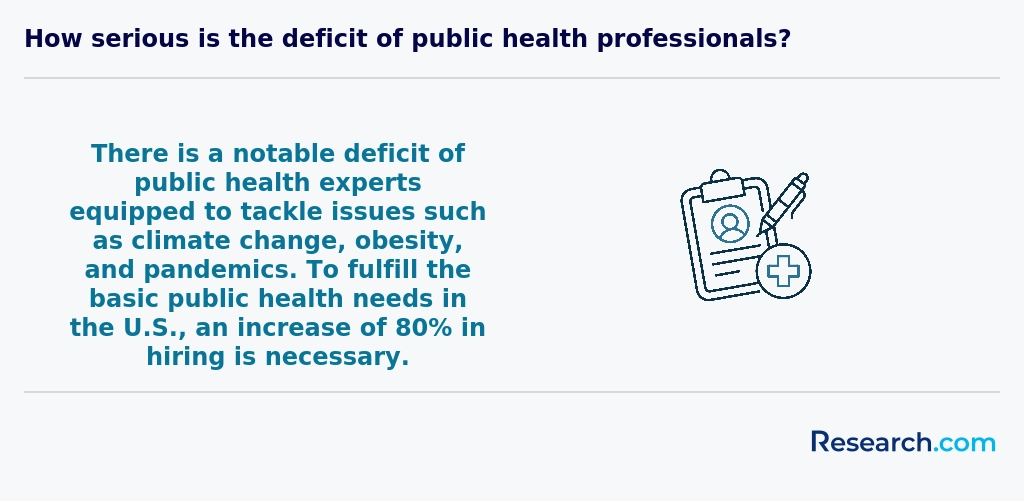
As the public health field adapts to new challenges, students with an online public health degree in the Northeast should be aware of emerging trends that will shape their career trajectories.
- Digital Epidemiology and Health Informatics: Advances in big data analytics and AI-driven disease surveillance are creating roles for public health professionals who can interpret large datasets and design predictive models.
- Telehealth and Remote Community Outreach: Growing demand for virtual care underscores the need for experts who can develop and manage online health promotion initiatives, improving access in rural and underserved areas.
- Climate Change and Environmental Health Resilience: With rising environmental threats, specialists in environmental epidemiology and disaster preparedness are increasingly sought after to design mitigation strategies.
- Equity, Social Determinants, and Community Engagement: A focus on health equity has expanded roles in policy advocacy, multicultural program design, and community-based participatory research.
- Interprofessional Collaboration and Leadership: Employers value graduates who can lead cross-sector teams, from local health departments to non-profit coalitions. For those interested in clinical pathways with a strong public health orientation, discover practical guidance on how to start as a public health nurse, blending nursing expertise with population-level impact. By aligning your online MPH focus with these future trends, you’ll position yourself for a dynamic and impactful career.
Students pursuing an online public health degree in the Northeast often find encouraging financial support that makes their educational journey achievable and rewarding. Graduates from respected institutions like Boston University and Columbia University frequently share how federal aid via FAFSA opened doors for them, providing essential grants and manageable loans that eased tuition expenses in high-cost states like Massachusetts and New York.
State grants and scholarships tailored for Northeast residents further light the path. For example, many who studied at the University of New Hampshire recall how state-funded awards helped bridge gaps in funding, allowing them to focus fully on their studies without financial stress. Institutional scholarships at schools such as Rutgers University also give students personalized aid based on merit or need, reinforcing their commitment and passion for public health.
Moreover, professional organizations and employers often step in with scholarships and tuition reimbursement options that reward dedication to public health careers. Stories from graduates benefiting from the Public Service Loan Forgiveness program highlight a hopeful future, where their service in nonprofit or government roles is recognized and supported financially.
Understanding ROI helps you gauge the value of your online public health degree against its cost and career outcomes.
- Estimate Total Investment
- Sum tuition, fees and learning materials
- Include expenses like technology or proctoring fees
- Project Earnings
- Use median starting salaries (e.g., $52,000–$70,000)
- Account for salary growth with experience and certifications
- Calculate Payback Period
- Divide net program cost (after aid) by annual salary increase
- A shorter payback (1–3 years) signals strong ROI
- Leverage Cost-Saving Options
- Compare low-cost credentials, such as the cheapest medical billing and coding program
- Maximize employer tuition assistance and scholarships
By systematically assessing costs, expected earnings and available funding, you can choose a program that delivers both affordability and career impact.
Enrolling in an online public health degree program in the Northeast is an exciting step that opens doors to meaningful career opportunities. Most bachelor's programs welcome applicants with a high school diploma or equivalent, while graduate programs like the MPH expect you to hold a bachelor's degree from an accredited school. Graduates from universities like the University of Massachusetts and Rutgers recall how meeting these prerequisites helped build a strong foundation for their success.
Applicants often submit standardized test scores such as the SAT or ACT, though many Northeast schools have embraced test-optional policies, making it easier to apply based on your unique strengths. Maintaining a GPA around 2.5 to 3.0 demonstrates readiness to tackle college-level studies, reflecting the promise you bring to these programs.
Graduate applicants will find that coursework in biology, chemistry, statistics, and social sciences prepares them well. Additionally, relevant work or volunteer experience in healthcare or public health sectors is highly valued and often encouraged to bring real-world insight into your studies.
Letters of recommendation, personal statements describing your passion and career goals, and sometimes resumes are key to showcasing your story. This holistic approach empowers you to demonstrate your enthusiasm and readiness for change-making work in the public health field.
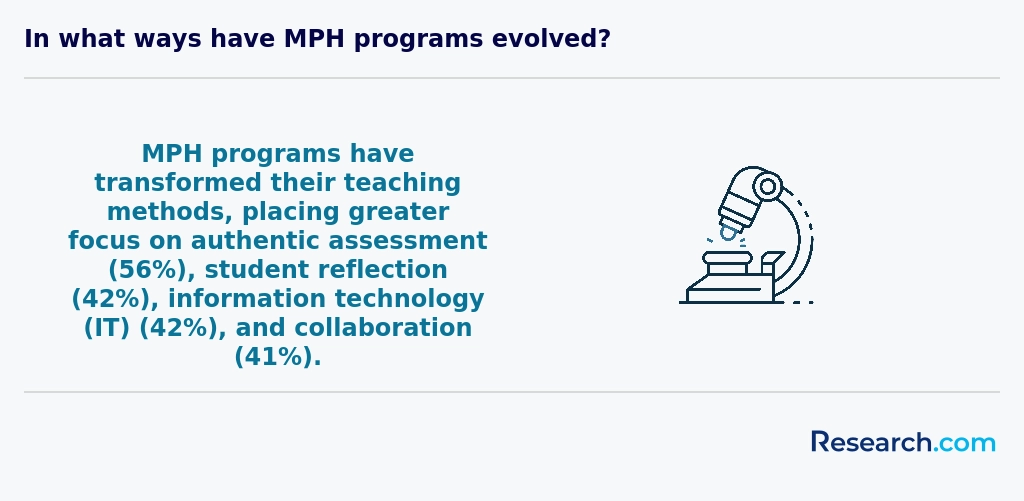
Evaluating the return on investment (ROI) for affordable online public health degrees in the Northeast can help prospective students make financially sound decisions. By comparing total program costs against average starting salaries and career growth, you can determine how quickly your degree will pay off. • Average Debt vs. Starting Salary: Graduates typically incur $30,000–$40,000 in tuition debt for an online MPH. With entry-level Health Educators earning $66,710 and Community Health Workers at $49,900, the estimated payback period ranges from 5 to 8 years. • Long-Term Earnings Growth: Mid-career Environmental Health Specialists earn $83,820, suggesting a 10-year ROI that outpaces many other master’s degrees. • Cost per Credit Hour: Programs charging $600 per credit (for 42 credits) result in a total tuition cost of $25,200-one of the most budget-friendly pathways. • Debt Management Strategies: Federal loan forgiveness for public health workers and income-driven repayment plans can shorten the payback timeline. • Comparative Affordability: For regional benchmarking, consult our Inexpensive Public Health Degree Programs Ranking in Georgia to see how Northeast programs stack up against other states. By quantifying costs and projected earnings, you’ll gain clarity on which program offers the optimal balance between affordability and long-term career value.
Online public health degree programs in the Northeast inspire students with a rich variety of courses that build essential skills to improve community well-being. Graduates from prominent institutions like those in Massachusetts or New York often recall how studying Epidemiology enabled them to unravel patterns of disease spread in urban environments. Courses such as Biostatistics empower learners to confidently analyze health data, turning numbers into meaningful action plans that can save lives.
Environmental Health classes bring a real-world perspective, helping students understand how pollution or climate factors impact neighborhoods around them. Health Policy and Management courses ignite a passion for shaping effective healthcare systems, while Social and Behavioral Sciences illuminate the powerful role of human behavior in public health outcomes. Many students cherish the introductory course because it lays the groundwork with inspiring stories and challenges faced by diverse populations in the Northeast.
These carefully designed courses not only provide knowledge but also foster hope and readiness, preparing students to make a genuine difference where it matters most.
Online public health degree specializations in the Northeast offer dynamic paths that empower students to make a real difference in their communities. Graduates from well-regarded institutions embrace areas such as Epidemiology, where they analyze disease patterns to protect urban and rural populations, or Health Policy and Management, shaping effective healthcare systems in complex environments like New York and Massachusetts. These specializations bring to life the challenges and triumphs of public health work, inspired by local stories and pressing needs.
Many students find inspiration in Environmental Health, addressing pollution and climate change impacts in their own neighborhoods. Others choose Global Health, preparing to collaborate across borders while serving the Northeast's diverse communities. Those passionate about education often focus on Community Health Education, designing outreach programs that improve wellness at a grassroots level. By pursuing affordable public health concentrations in Northeast programs, students gain flexible, impactful skills.
For those wondering how to start as a public health nurse, these specializations open doors to rewarding careers dedicated to advancing health for all.
Choosing the best online public health degree in the Northeast begins with aligning the program to your unique goals and lifestyle. Graduates from prominent universities in the region often share how flexible, asynchronous classes allowed them to balance work and family while advancing their careers. Focusing on programs with strong reputations and faculty expertise ensures you receive relevant, practical knowledge tailored to the Northeast's public health challenges.
Many students highlight the importance of accreditation, especially CEPH, which guarantees rigorous academic standards and opens doors for impactful careers. Cost is another key factor; Northeast programs often vary in price, but online options can be surprisingly affordable. For a helpful comparison, explore the Inexpensive Public Health Degree Programs Ranking in Georgia, offering insight into affordable routes that won't compromise quality.
If you're searching for the best affordable online public health degrees Northeast, consider programs that foster connections with local health departments for real-world practicum opportunities. These partnerships enrich your learning and boost your confidence as you prepare to make a difference in your community.

Graduates with an online public health degree in the Northeast find inspiring career paths in dynamic settings like state health departments, local public health offices, and renowned universities. These roles empower professionals to lead important initiatives in disease prevention and health education, transforming communities with real impact. Many graduates from prominent institutions embrace opportunities in epidemiology and health promotion, gaining fulfillment knowing their work improves countless lives.
Public health job opportunities in the Northeast also include roles in hospitals and healthcare organizations, where graduates manage programs targeting chronic diseases or community health outreach. These professionals often experience rewarding careers that blend hands-on support with strategic planning. Nonprofits further expand pathways, offering meaningful work in policy analysis and advocacy that shapes health equity for underserved populations across the region.
For those passionate about innovation, emerging fields like health informatics and global health provide exciting chances to combine technology with worldwide health challenges. Students considering flexible options can explore best online associate degrees in 6 months to launch their journey swiftly, proving that an online public health degree careers Northeast offers diverse and accessible routes to make a powerful difference.
The job market for online public health degree graduates in the Northeast is vibrant and full of opportunity. Many graduates from renowned universities in the region find themselves stepping confidently into roles with hospitals, local health departments, and nonprofits, where their skills in epidemiology and community health are highly valued. These professionals experience a rewarding sense of purpose as they contribute to managing chronic diseases and help shape vital health policies.
With the growing demand for public health expertise, especially in health education and emergency preparedness, online public health jobs Northeast offer a pathway to meaningful and stable careers. Graduates often share stories of balancing studies with work, appreciating the flexible online programs available through top Northeastern colleges. This balance empowers them to gain practical experience while advancing academically.
The public health career outlook Northeast is particularly positive, with competitive salaries surpassing national averages and many roles available across government and private sectors. To boost their credentials further, students are encouraged to explore certification programs that pay well without a degree, enriching their skill sets and enhancing job prospects.
2027 Most Affordable Online Public Health Degree Programs Ranking in the Northeast
Investing in your education is a significant decision that can shape your future, and the Research.com team understands the importance of making informed choices. To support prospective students seeking affordable public health degrees in the Northeast, we have carefully developed the "2027 Most Affordable Online Public Health Degree Programs Ranking in the Northeast." Our dedication to quality, credibility, and accuracy is demonstrated through rigorous research and thorough analysis underpinning this ranking.
We utilized the following reputable data sources to ensure a comprehensive evaluation of programs:
By reviewing this ranking, readers will gain valuable insights into affordable quality programs in public health, empowering them to make well-informed decisions about their educational investments. For more details on our methodology, please visit our Research.com methodology page.


# 4 position
John Jay College of Criminal Justice of the City University of New York
Master of Inspection and Oversight: Health Care Specialization


Frequently Asked Questions About public health
Students pursuing online public health degrees in the Northeast can enhance their learning by actively engaging with regional public health organizations. Partnerships with local health departments offer practical experience relevant to the Northeast's diverse population, which includes urban centers like New York City and rural areas in upstate New York.
Utilizing resources from the Association of Schools and Programs of Public Health (ASPPH) can connect students with internships and current research in the region. Research from the Northeast shows that students who participate in community-based projects improve their understanding of social determinants of health by 30% on average (ASPPH, 2023).
Networking through virtual conferences and regional public health forums strengthens professional ties and job prospects after graduation.
Emerging niches within the public health field are rapidly expanding, reflecting the evolving health challenges in the U.S. Northeast. One notable area is health informatics, which combines data analysis and technology to improve healthcare delivery. The Bureau of Labor Statistics projects a 17% growth in health informatics jobs nationwide through 2030, with strong demand in metropolitan centers like Boston and New York.
Environmental health is gaining attention due to increased concerns about climate change impacts, especially in coastal Northeast regions vulnerable to flooding. Additionally, community health and epidemiology are key focus areas, driven by recent public health crises such as COVID-19.
The integration of equity and social justice into public health strategies is also becoming essential, with many Northeastern schools incorporating these themes into their curricula, supported by data from the CDC and regional health departments.
After completing an online public health degree in the Northeast, preparing effectively for the job market involves strategic steps. Start by gaining practical experience through internships or part-time opportunities at local health departments or non-profits, many of which actively seek candidates with public health expertise.
Networking is essential; engage with professional organizations like the American Public Health Association Northeast Chapter to connect with industry leaders and potential employers.
Additionally, familiarize yourself with regional health challenges, as institutions in states like New York and Massachusetts prioritize candidates knowledgeable about urban and rural health disparities.
Obtaining certifications such as Certified Health Education Specialist (CHES) can improve job prospects. According to the Bureau of Labor Statistics, public health employment in the Northeast is expected to grow by over 10% through 2030, increasing opportunities for qualified graduates.
Employers in the Northeast highly value public health graduates who demonstrate strong analytical and communication skills. According to the Bureau of Labor Statistics, the region is seeing growing demand for professionals able to interpret complex health data and convey findings clearly to diverse audiences.
Proficiency in data management software and experience with community health initiatives also rank among the top requested skills. The Association of Schools and Programs of Public Health highlights that teamwork and cultural competence are vital when working with the Northeast's diverse populations.
Additionally, project management abilities and knowledge of regional health policies enhance employability, reflecting the area's focus on regulatory compliance and health equity efforts.
Finding internships in the Northeast relevant to a public health degree involves targeted research and networking. Start by exploring opportunities offered through your online program's career services; many schools partner with local health departments and nonprofits. The Northeast is home to key public health employers like the New York State Department of Health and Massachusetts Department of Public Health, providing numerous internship placements.
Utilize professional associations such as the Northeast Public Health Association (NEPHA) to access internship listings and networking events. According to the Bureau of Labor Statistics, public health roles in the Northeast are growing faster than the national average, increasing demand for interns.
Leverage websites like Handshake and the CDC's internship portal focused on state-level projects. Additionally, volunteering with local health clinics or community programs can open doors to formal internships.
Obtaining an online public health degree significantly enhances career mobility in the Northeast, where demand for public health professionals is growing rapidly. According to the U.S. Bureau of Labor Statistics, states like New York and Massachusetts project job growth for health educators and community health workers above the national average through 2030.
Online degrees provide flexible access to accredited programs from recognized institutions, allowing working professionals to upskill without relocating. This flexibility supports advancement into roles such as epidemiologists, health policy analysts, and program managers.
Employers in the region often prefer candidates with formal public health credentials, which correlate with higher earnings and leadership opportunities, as noted by the Council on Education for Public Health.
Studying for a public health degree online in the Northeast offers students a solid foundation to engage in interdisciplinary roles. Programs in this region often emphasize collaboration among fields like epidemiology, health policy, environmental science, and social work, reflecting the complex challenges of urban and rural communities. For example, the Association of Schools and Programs of Public Health reports that Northeast institutions prioritize integrated curricula to prepare graduates for diverse job markets.
Many degree plans incorporate case studies and real-world projects that mirror public health issues specific to Northeast states, such as opioid addiction and urban health disparities. This approach equips students with skills to work effectively across sectors, including healthcare, government, and nonprofit organizations.
Additionally, the Northeast is home to numerous public health agencies and research centers, providing students with opportunities for virtual internships and networking. According to the CDC, states like New York and Massachusetts rank high in public health initiatives, enriching academic training with local expertise and data resources.
Choosing between a thesis and a non-thesis public health degree in the Northeast often depends on a student's career goals and learning preferences. Thesis programs prioritize research, ideal for those aiming at academic roles or doctoral studies. They usually require completing original research and a written thesis, which can take additional time.
Non-thesis options focus more on practical skills and may include a capstone project or practicum. These are suited for professionals seeking to enter or advance in public health practice quickly.
The Association of Schools and Programs of Public Health reports that many Northeast programs offer both options, reflecting regional demand for varied career paths.
Students based in the Northeast interested in public health degrees have several options to study abroad while pursuing their online programs. Many accredited universities in the region offer international fieldwork or practicum opportunities within their online public health curricula. These experiences often take place in countries partnered with the institution, allowing students to gain global health perspectives without pausing their studies.
For example, schools like the University of Massachusetts and Johns Hopkins provide virtual global classrooms and sometimes short-term overseas placements. According to the Association of Schools and Programs of Public Health (ASPPH), nearly 40% of Northeast institutions encourage international experience to enhance practical learning.
Such options make it feasible for students to combine online coursework with valuable international exposure, aligning with growing global health job markets.
Students pursuing online public health degrees in the Northeast can benefit from part-time jobs that provide practical experience while supporting their studies. Common opportunities include roles as community health workers, which align with public health goals such as disease prevention and health education. According to the U.S. Bureau of Labor Statistics, the Northeast employs a significant number of health educators, offering flexible part-time roles.
Additionally, internships or assistant positions in local health departments, hospitals, or non-profit organizations can be valuable. These jobs often allow students to apply classroom knowledge to real-world public health challenges prevalent in the region, such as opioid addiction or urban health disparities reported by the CDC.
Online public health students in the Northeast benefit from diverse networking opportunities. Many programs offer virtual events, webinars, and discussion groups that connect students with faculty, alumni, and public health professionals across the region. Additionally, professional associations like the Northeast Public Health Association provide members with access to conferences and local chapter meetings, both online and in-person.
The Northeast region includes key public health hubs such as New York City and Boston, where students can access internships and practicums through affiliate partnerships. According to the Bureau of Labor Statistics, the area employs over 50,000 public health workers, creating broad networking potential.
Alumni networks provide valuable support for online public health degree students in the Northeast by fostering connections with professionals across the region's healthcare sector. These networks often offer mentorship opportunities, helping students navigate career paths in diverse public health fields such as epidemiology, health policy, and community health promotion.
In addition, alumni can provide job leads and internships, which are crucial in a competitive market where Northeast states report a growing demand for public health professionals, with a projected 16% increase in employment by 2030 according to the Bureau of Labor Statistics.
Participation in alumni events and online forums also broadens students' access to emerging public health research and regional health initiatives, enhancing practical knowledge beyond formal coursework.
Online public health degree programs in the Northeast offer various ways to customize your education to match career goals. Many programs provide specialized tracks such as epidemiology, health policy, or community health. This allows students to focus on areas with strong regional demand, such as urban health in New York or environmental health in New England.
Additionally, students can select electives aligned with specific interests and participate in virtual internships linked to local health departments. According to the National Center for Education Statistics, over 60% of online public health students in the Northeast choose concentrations that enhance employability in their target fields.
Flexible course scheduling also helps working professionals balance education and career advancement. Choosing accredited schools ensures that your customized curriculum meets industry standards, essential for credentialing in many public health roles.
Online public health students in the Northeast often face several challenges that can affect their academic success. A primary issue is balancing studies with work and family responsibilities, as many students enroll while maintaining full-time jobs or caregiving duties. According to the National Center for Education Statistics, 60% of graduate students report time management as a significant obstacle.
Additionally, students encounter difficulties with internet connectivity and access to reliable technology, especially in rural areas of states like Maine and Vermont, which can hinder participation in synchronous classes and research activities.
Another challenge involves limited opportunities for in-person networking, which is crucial in public health careers. This geographic isolation may impact professional growth and mentorship possibilities. Furthermore, variations in online program quality across institutions in the Northeast require students to carefully evaluate curriculum accreditation and faculty expertise.
With an online public health degree, professionals in the Northeast can pursue several respected certifications to advance their careers. The Certified in Public Health (CPH) credential, offered by the National Board of Public Health Examiners, is widely recognized and enhances credibility in various public health roles.
The region's strong focus on healthcare innovation supports demand for Certified Health Education Specialists (CHES), valuable for those aiming at community health promotion. Additionally, the Association of State and Territorial Health Officials highlights increased opportunities for Certified Public Health Informatics specialists in Northeastern states.
These certifications often require relevant degrees and passing rigorous exams, reinforcing the importance of accredited online programs. Pursuing such credentials can improve job prospects and salary potential in a competitive field.
To write a winning application for an online public health program in the Northeast, start by tailoring your personal statement to highlight your passion for public health challenges specific to this region. Emphasize any experience related to urban health, infectious disease control, or environmental health issues common in Northeastern states. According to the Northeast Public Health Workforce Network, demonstrating knowledge of local health disparities strengthens your application.
Next, secure strong recommendation letters from professionals familiar with your academic abilities and commitment to public health. Pay close attention to GPA requirements, often around 3.0, which many Northeastern schools consider competitive. Finally, clearly outline your career goals and how the program fits these plans, reflecting awareness of regional public health priorities noted by the CDC and local health departments.
The global perspective on a public health career emphasizes the rising importance of addressing health challenges across borders. Public health professionals are increasingly involved in global health security, pandemic response, and chronic disease prevention worldwide.
For students in the Northeast considering an online degree, it's helpful to know that many programs integrate global health topics. According to the Association of Schools and Programs of Public Health (ASPPH), about 70% of U.S. public health graduates pursue careers involving international collaboration or policy development.
In this region, institutions often highlight global health competencies, preparing graduates to work in diverse environments-from local communities to international agencies. This reflects growing demand for professionals skilled in cultural competence and global epidemiology.
Such skills are critical as public health challenges, such as infectious diseases and environmental health, transcend national boundaries, demanding a worldwide response.
Gaining practical experience while studying online for a public health degree in the Northeast is essential for applying academic knowledge to real-world settings. Many accredited online programs require or recommend internships with local health departments, hospitals, or nonprofit organizations. These opportunities allow students to engage in community health research, epidemiology projects, or health education initiatives.
Additionally, partnerships between universities and public health agencies in states like New York and Massachusetts facilitate placement of online students in relevant roles. According to the Association of Schools and Programs of Public Health (ASPPH), over 60% of Northeastern public health students participate in supervised fieldwork before graduation. This on-the-ground experience boosts skills and employability in the competitive public health sector.
Choosing the right concentration within an online public health degree in the Northeast begins with understanding your career goals and interests. Common concentrations include epidemiology, health policy, environmental health, and community health education. According to the Association of Schools and Programs of Public Health (ASPPH), epidemiology is the fastest-growing concentration due to rising demand for disease control specialists.
Consider the regional health challenges prevalent in the Northeast, such as urban pollution and opioid addiction, which might align well with environmental health or behavioral health tracks. Exploring local job market data from the Bureau of Labor Statistics can reveal which specialties are in demand in states like New York, Massachusetts, and Pennsylvania.
Look for programs offering applied training or internships that connect with local health departments or nonprofits, enhancing practical skills. Accreditation by CEPH (Council on Education for Public Health) ensures program quality and can affect certification eligibility. Finally, review faculty expertise and available resources tailored to your preferred concentration to make an informed decision.
- Public Health Online | Online Public Health Degrees https://www.publichealthonline.org/
- Yes, the Public Health Job Market is Tough, But You’re Tougher! | PH SPOT https://phspot.org/yes-the-public-health-job-market-is-tough-but-youre-tougher/
- Public Health Challenges – IPA SDG Dashboard https://sdg.internationalpublishers.org/sdgaction/public-health-challenges/
- Today’s Guide to Public Health Certifications https://www.publichealthdegrees.org/resources/public-health-certifications/
- Public Health Practice Master Degree | OHSU-PSU School of Public Health https://ohsu-psu-sph.org/degree-programs/master-public-health/mph-php/
- Loading https://www.cpalms.org/PreviewResourceStudentTutorial/Preview/166485
- Master of Science (M.S.) Major in Public Health Education and Promotion (Non-thesis Option) https://mycatalog.txstate.edu/graduate/education/health-human-performance/public-healthed-promo-nonthesis-ms/
- Public Health: A Global Perspective https://www.routledge.com/Public-Health-A-Global-Perspective/Singh/p/book/9781032644226
- Master of Public Health https://online.une.edu/public-health/master/
- Top 25 Online MPH Community Health Degree Programs - MPH Online https://www.mphonline.org/best-online-mph-community-health/










