2027 BS in Business Administration with a Healthcare Administration Focus vs. a Standalone Healthcare Administration Degree
Audited and Verified:
Our Editorial and Data Verification Process
Research.com uses government datasets, official education statistics and primary institutional information to support its career and degree guides. Our review process checks factual accuracy, occupational definitions, source dates and the requirements associated with the credentials discussed.
How This Article Was Fact-Checked
Our editorial team verifies salary estimates, employment projections, education requirements and program information against original data providers and official organizations. Salary figures are checked against the relevant occupational definitions and reporting periods. Information about licensure, accreditation and required in-person training is reviewed separately.
Fact-checked and verified on:

Co-Founder and Chief Data Scientist
If you want to work in healthcare operations, the degree name alone will not tell you which program is the better fit. A BS in Business Administration with a healthcare focus may offer broader business preparation; a standalone healthcare administration degree may devote more coursework to how healthcare organizations operate. That distinction matters when you are choosing courses, transferring credits, or preparing for a first healthcare role. This comparison shows what to look for in each curriculum, where graduates can realistically start, and which program details to verify before enrolling.
Key Things You Should Know
- Choose the business administration route for broader business options if its healthcare focus includes enough sector-specific coursework and applied work for your target role.
- Choose the standalone healthcare administration route when you want deeper preparation in healthcare operations, policy, finance, and compliance - but compare actual required courses, not degree titles.
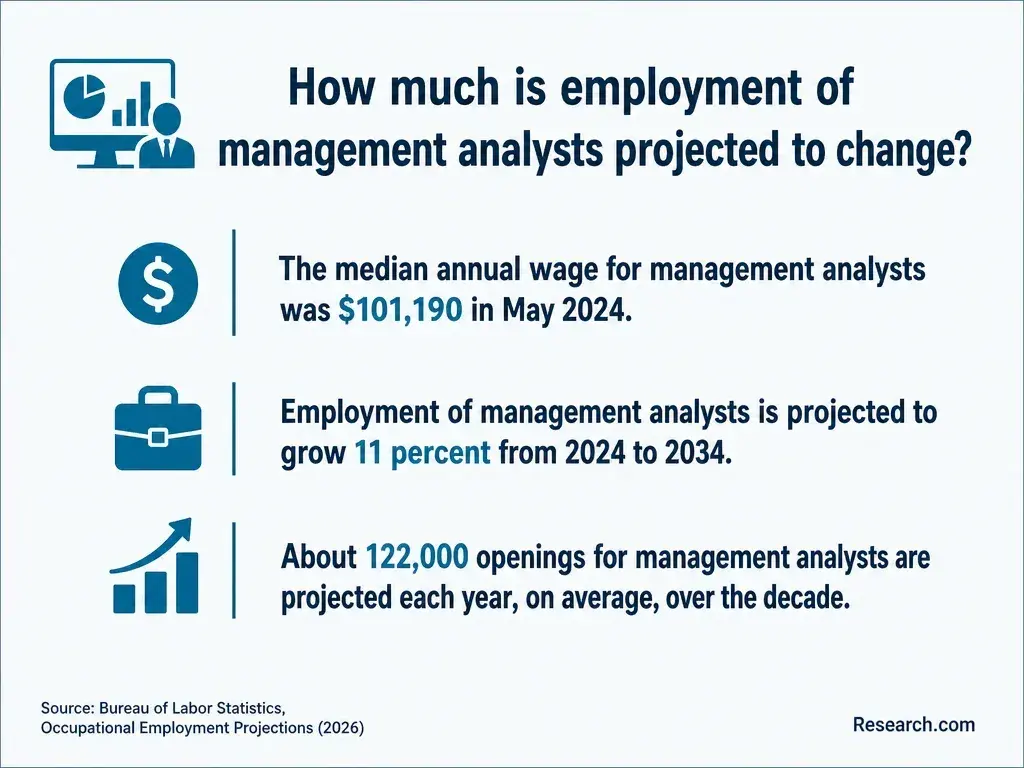
- Neither degree makes a new graduate a manager: the U.S. Bureau of Labor Statistics reports a $114,130 median annual wage for administrative services managers in May 2025, an occupation-wide figure that is not an entry-level healthcare graduate salary.
What is the difference between a business administration healthcare focus and a healthcare administration degree?
A BS in Business Administration with a healthcare focus is a general business degree with healthcare-related study added through an official concentration, track, or elective group. A standalone healthcare administration degree makes the administration of healthcare organizations the central subject of the major. Neither label establishes how many healthcare courses a student will take; that depends on the school's published degree requirements.
The distinction is breadth versus emphasis, not business skills versus healthcare skills. Both paths can teach budgeting, management, and operations. The standalone major may leave more room for healthcare payment systems, quality improvement, and regulation, while the business degree may offer more flexibility to move into another industry. If you are comparing American business schools offering online degree study, check whether the healthcare focus is formally recorded by the school or consists only of optional electives.
This comparison captures the likely trade-off; the course catalog, not the degree name, determines the actual one.
| Decision factor | Business administration with healthcare focus | Standalone healthcare administration |
| Primary academic identity | Business major with a healthcare component | Healthcare administration major |
| Likely strength | Transferable business foundation across industries | More sustained study of healthcare organizations |
| Main risk to check | Healthcare component may be too small for your goal | Fewer electives for a different business function or industry |
Which degree better prepares you for healthcare management careers?
For a student committed to hospital, clinic, or health-system administration, the standalone degree is often the stronger academic fit if it requires substantial work in healthcare finance, reimbursement, quality, and regulatory issues. For a student who wants healthcare exposure but may pursue operations, HR, or general business work elsewhere, the BS in Business Administration may be the more adaptable choice. A well-designed healthcare concentration with relevant projects or an internship can narrow that difference.
Preparation is not the same as qualification for a management job. Employers commonly look for evidence that a candidate can coordinate staff or processes, use operational data, communicate with clinical teams, and handle responsibility appropriately. Someone already working in a clinic may benefit more from filling specific finance or compliance gaps than from choosing a degree solely for its title. Likewise, a student without healthcare experience should look for supervised opportunities to learn the setting.
If your goal is broad people leadership rather than healthcare administration, compare the required courses and completion plan with faster bachelor's routes in organizational leadership. A shorter advertised timeline is useful only if your credits apply and the program supplies the healthcare preparation your target job needs.
What careers can you pursue with either healthcare administration degree?
Either degree can support applications for entry-level or early-career administrative work in hospitals, physician practices, outpatient centers, insurers, and other healthcare organizations. A graduate might pursue practice operations coordinator, patient access supervisor-in-training, administrative coordinator, scheduling lead, or healthcare project coordinator roles. Job titles vary, so compare the duties and experience requirements in actual postings rather than assuming a degree qualifies you for every position called "manager."
For each posting, look for the work behind the title: scheduling and staffing, claims or revenue-cycle coordination, purchasing, reporting, patient service, or process improvement. Prior healthcare employment can make the transition into those responsibilities more direct. Without it, an internship or relevant administrative job may be a practical first step.
If your interests are primarily purchasing, inventory, or distribution, healthcare administration may be less direct than supply chain study. Compare shorter supply chain degrees and career value against the healthcare courses you would give up; hospital supply chain work still benefits from understanding the care setting.
The most useful comparison is a side-by-side review of required courses. In a business administration program, expect to examine the depth of accounting, finance, analytics, operations, management, and communication, then identify which healthcare courses the focus actually adds. In a standalone program, examine the business foundation as carefully as the healthcare subjects: healthcare-specific knowledge does not replace budgeting or data interpretation.
Course names can conceal important differences. "Healthcare finance" might concentrate on provider budgets, reimbursement, or both; "quality improvement" might be a survey course or an applied project. Ask for course descriptions and identify prerequisites, elective availability, and whether an internship or capstone is required. A current workplace project is not automatically eligible for academic credit, and work involving patient information requires appropriate permission and privacy safeguards.
If logistics is your intended specialty, compare the sequence against fast undergraduate routes into supply chain management. Several healthcare-themed electives may not provide the procurement, inventory, and analytics depth of a supply chain major.
Online delivery does not, by itself, make a degree less credible. The more meaningful questions are whether the institution is appropriately accredited, whether the online students complete the stated curriculum, and whether they can access faculty, advising, and relevant applied opportunities. Employers may also value the healthcare experience a student gains alongside either online or campus study.
For working students, credibility and feasibility are separate tests. Confirm live-session times, group assignments, exam arrangements, internship rules, any campus visits, and whether required courses run often enough to support your plan. "Online" does not necessarily mean self-paced. If your goal is healthcare project coordination, you can compare affordable online project management degrees, but check whether they teach the healthcare payment, privacy, and operational context your intended employer expects.
Start with the institution's accreditation status and confirm that it applies to the school and location or delivery arrangement in which you would enroll. Then check any additional accreditation the school advertises. Business-school accreditation from AACSB, ACBSP, or IACBE has a defined scope; it should not be assumed to cover a healthcare administration major housed in another college. Conversely, a healthcare program's specialized accreditation should not be assumed to cover the business degree. Verify the named program directly with the accreditor and institution.
Accreditation is one consideration in federal aid eligibility, but it is not a promise that a particular student or program qualifies for aid. If financing affects your choice, review the school's eligibility and your application steps; guidance on project management bachelor's aid application planning illustrates questions to ask across online bachelor's options. Accreditation also does not, on its own, demonstrate job placement or guarantee that credits will transfer elsewhere.
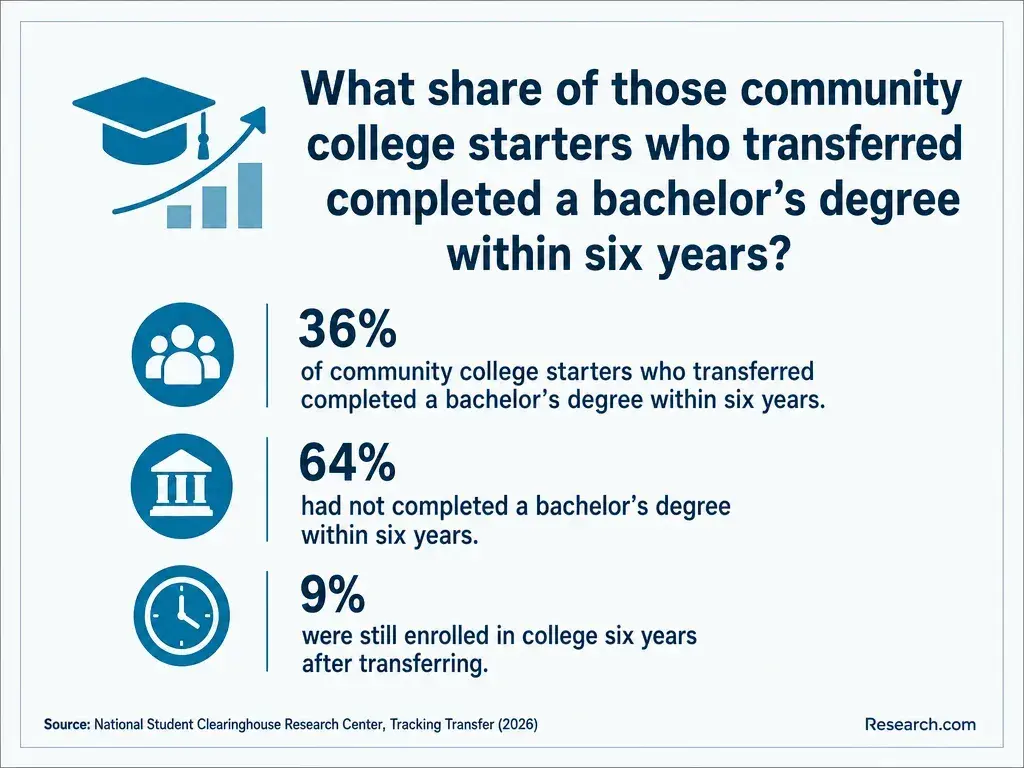
Requirements vary by institution and by whether you apply as a first-year, transfer, or returning student. Schools may request prior-school transcripts and may set separate conditions for entry into the business major or healthcare administration program. Some require foundational math, statistics, accounting, or general education courses before upper-level study; others incorporate them into the degree. Do not mistake admission to the university for admission to a particular major.
For transfer students, ask for a written evaluation showing which accepted credits satisfy general education, the major core, the healthcare focus, and electives. Also confirm residency requirements and the sequence of remaining courses. A prior healthcare job can strengthen your application or career preparation without automatically earning degree credit.
Application fees are a smaller consideration than total completion cost, but they matter when applying to several schools. You can investigate free application options at accredited online schools, then verify each school's current fee policy and program-specific admission rules.
Completion time depends less on which title you choose than on credits that actually apply, course sequencing, enrollment pace, and internship or capstone scheduling. A business administration program may be quicker for a transfer student whose previous accounting and management courses meet its core requirements. A healthcare administration program could be quicker for someone whose prior coursework fits its major. Only an official degree audit can establish the remaining path.
Neither degree type has a reliable universal price. Compare each school's written estimate for remaining tuition and mandatory fees, then account for books, software, travel or placement costs, and the earnings or work hours you may forgo. Online students should also ask about technology and assessment charges. A discussion of project management study costs beyond tuition offers a useful cost-checking approach, but obtain healthcare-program-specific charges from each school.
Compare offers using the same proposed course load and confirmed transferable credits. Separate the amount due now from eventual net cost: grants, loans, and employer reimbursement affect cash flow differently, and employer payment may arrive only after successful course completion.
There is no single salary for either degree. Pay depends on the occupation, responsibilities, experience, employer, and location - not on whether the diploma says business administration or healthcare administration. The U.S. Bureau of Labor Statistics reports a $114,130 median annual wage in May 2025 and 5% projected employment growth from 2025 to 2035 for administrative services managers. Those are figures for an occupation spanning industries and experience levels, not expected pay or growth specifically for new healthcare administration graduates.
Use labor-market figures to evaluate a target role, then review local postings for its required experience and likely entry route. A recent graduate entering scheduling or administrative coordination should not budget around a management occupation's median. When weighing return on investment, compare your realistic starting opportunities and total completion costs; cheaper business administration college programs are worth examining only if their healthcare coursework and career support fit your goal.
Do healthcare administration careers require licenses or certifications?
Most general healthcare administrative roles do not have a single license granted by either bachelor's degree. Requirements depend on the job and state. For example, nursing home administrator positions are subject to state licensure rules; a healthcare administration degree alone does not establish eligibility. Clinical licenses are separate from administrative education.
Employers may prefer relevant voluntary credentials for areas such as project management, healthcare quality, or revenue-cycle work. Check the credentialing body's education, experience, examination, and continuing-education rules before paying for preparation. A course or concentration is not a professional certification.
If your main aim is a specific credential rather than a bachelor's degree, compare its eligibility rules with your existing experience and the full cost of preparation. If you still need a degree, review business administration degree costs after FAFSA-based assistance rather than assuming a credential or a healthcare focus will reduce tuition.
Other Things You Should Know About Business Administration
Not necessarily. Schools differ in whether a concentration appears on the diploma, transcript, both, or neither. Ask the registrar how the completed focus is officially recorded.
Possibly, but shared courses may not satisfy both sets of major requirements. Request a revised degree audit before switching so you can see any added courses or delay.
No. Healthcare administration generally centers on running healthcare organizations; public health generally centers on population health. Programs can overlap, so compare required courses against the work you want to do.
Not automatically. If you already hold a bachelor's degree, compare targeted courses, employer training, and graduate-study options with the cost and remaining requirements of a second bachelor's. The best route depends on the role you are trying to enter.
- General Schedule Qualification Policies | U.S. Office of Personnel Management https://www.opm.gov/policy-data-oversight/classification-qualifications/general-schedule-qualification-policies/
- Cost of Attendance (Budget) | 2025-2026 Federal Student Aid Handbook https://fsapartners.ed.gov/knowledge-center/fsa-handbook/2025-2026/vol3/ch2-cost-attendance-budget
- Healthcare Administration Concentration, BA Online | New England College https://www.nec.edu/programs/business-administration-healthcare-administration-ba-online
- BBA in Health Care Administration | Texas Woman's University https://twu.edu/management-marketing/undergraduate-programs/bba-in-health-care-administration/
- Online Healthcare Administration Degree | Western Governors University https://www.wgu.edu/online-business-degrees/healthcare-administration-bachelors-program.html
- Healthcare Management, B.S. | Southern Connecticut State University https://www.southernct.edu/academics/programs/healthcare-management-bs
- MPH vs. MHA vs. MBA: Choosing the Right Path for Your Career in Healthcare - Purdue Online https://www.purdue.edu/online/mph-vs-mha-vs-mba-choosing-the-right-path-for-your-career-in-healthcare/
- Tuition & Fees | fit.edu https://www.fit.edu/student-financial-services/tuition-and-fees/
- Bachelor of Science in Healthcare Administration | NU.edu https://www.nu.edu/degrees/healthcare-leadership/programs/bachelor-science-healthcare-administration/
- Tuition & Expenses | Student Financial Services https://financialaid.wsu.edu/tuition-and-expenses/