
2027 Best Public Health Degree Programs Ranking in Lynchburg

Co-Founder and Chief Data Scientist
Choosing the right public health degree program is a crucial step toward a meaningful and impactful career. This article introduces the 2027 Best Public Health Degree Programs Ranking in Lynchburg, carefully crafted by the Research.com team of data scientists to guide you through your options.
By exploring this ranking, you'll gain clear insights into the top programs worth considering, making your decision easier and more confident. Earning a public health degree opens doors to rewarding opportunities that improve community well-being and personal growth.
Take the first step toward a brighter future today.
Key benefits of getting public health degree in Lynchburg
- Public health degree graduates in Lynchburg can enjoy strong earning potential, with roles like Environmental Health Specialists earning a mean annual wage of $86,710 and Health Educators making about $69,790 per year.
- Graduates often explore diverse career paths such as Community Health Workers, Medical Assistants, or Occupational Health Specialists, offering meaningful work that improves community well-being.
- Completing a public health degree online provides flexibility and convenience, allowing students in Lynchburg to balance studies with personal commitments while gaining skills valued by local employers.
- 2027 Best Public Health Degree Programs Ranking in Lynchburg
- What can I expect from public health degree in Lynchburg?
- Where can I work with public health degree in Lynchburg?
What can I expect from public health degree in Lynchburg?
The average cost of a public health degree in Lynchburg tends to orbit around $10,000 to $25,000 per year, depending on whether you're tapping into Lynchburg College's dynamic programs or venturing through other local institutions. Graduates often recall balancing tuition with internships embedded right in the city's heartbeat, turning fees into valuable hands-on experiences that ripple beyond the classroom.
Picture a student walking the historic Lynchburg campus, blending late-night studying with morning shifts at community health centers tackling diabetes and hypertension-a real, breathing classroom in the city streets. The investment doesn't just cover textbooks or lectures; it fuels engagement with real health crises and vibrant interdisciplinary teamwork across social determinants like housing and education.
For many, this makes the sticker price feel like a down payment on impact. They cherish how affordable tuition still opens doors to mentorships with public health leaders who hand down wisdom shaped by Virginia's unique tapestry of rural and urban challenges. The cost here is more than numbers; it's an entry into a shared mission to heal communities right where students live and learn.
Where can I work with public health degree in Lynchburg?
Graduates armed with a public health degree from Lynchburg's universities step into a landscape buzzing with opportunity. Imagine joining Centra Health, where your role as a community health worker evokes real smiles and spreads wellness through neighborhoods. Or picture yourself as a data analyst, sifting through patterns that shape life-saving prevention programs in local hospitals.
Many find their rhythm within Lynchburg's spirited government agencies, shaping the future by managing emergency preparedness or crafting programs that shield mothers and children. It's a place where your work transforms into tangible community strength, energizing you every day.
Nonprofits here act as fertile ground for innovation-graduates become architects of substance abuse prevention plans or pioneers of nutrition education, collaborating with the Lynchburg Regional Health Alliance to untangle local health challenges.
For those drawn to academia, Lynchburg's colleges become dynamic hubs of research and policy passion. Public health educators and assistants fuel studies that ripple beyond classrooms, diving into biostatistics and health communication. In Lynchburg, a public health degree ignites purpose and a network woven into the very fabric of the community.
Imagine stepping out of a classroom at a Lynchburg university, degree in hand, ready to dive into the world of public health-with a salary that matches your ambition. Graduates in Lynchburg often find themselves starting near $42,000-$50,000, especially if they land roles like health educators or community health workers. For example, a community health worker earns a mean annual wage around $52,610 nationally, and in Lynchburg, your paycheck might closely mirror this figure.
Visualize a former student of Lynchburg College, now thriving as a health educator, earning an average of $69,790. That's not just a number-it's a reflection of expertise, impact, and steady financial growth. Meanwhile, those who specialize dive into specialized roles: environmental health specialists can rake in about $86,710, and occupational health and safety specialists pull close to $85,570, blending public good with robust paychecks.
These figures speak volumes about value earned through dedication in Lynchburg's public health scene, where experience and credentials like an MPH open doors to salaries climbing toward $70,000 or more. Such success stories echo through local halls and offices, fueling dreams and rewarding passion with promising financial futures.
- Annual tuition for a bachelor's degree in public health in Lynchburg ranges from $18,000 to $25,000 for in-state students.
- Graduate public health programs, such as the MPH, typically cost between $20,000 and $30,000 per year.
- Entry-level public health professionals earn between $45,000 and $55,000 annually, with mid-career salaries rising to $65,000 to $75,000.
- Public health job opportunities in Lynchburg are projected to grow by about 10% over the next decade.
- Local programs emphasize practical skills like data analysis, health communication, and program management, with internships available for hands-on experience.
- Licensure is usually not required, but certification like Certified in Public Health (CPH) can improve job prospects.
In Lynchburg, chasing a public health degree often feels like embarking on an enriching journey rather than just ticking academic boxes. Undergraduates usually sail through in about four years at local institutions like Liberty University, diving deep into 120-130 credit hours that shape their futures. Imagine waking up in Lynchburg's charming campus mornings, energized by knowing you're building a foundation to impact communities.
Some Master's students share how their MPH experience transforms their lives within two years, balancing intense coursework with internships at nearby hospitals or community centers. Others choose slower, part-time routes stretching up to three or four years, blending study with career or family-turning the challenge into a rewarding dance of growth and learning. Lynchburg's options flex to your rhythm.
Doctoral candidates, meanwhile, immerse themselves for four to six years, often entwined with research that feels like solving a complex puzzle for real-world health crises. The blend of regional support, flexible program designs, and personal determination here creates stories of achievement that echo far beyond graduation day.
Graduates from Lynchburg’s top public health programs enjoy impressive career placement rates and professional trajectories. According to recent alumni surveys, over 90% of graduates secure full-time positions or continue their education within six months of graduation. Many enter roles such as Health Educator, Environmental Health Specialist, and Community Health Worker, reflecting the strong alignment between academic training and local workforce needs. • Employment Rates: 92% of 2023 graduates reported employment in public health roles within six months, with average starting salaries ranging from $50,000 to $65,000. • Graduate School and Certification: Nearly 70% pursue advanced credentials-Master of Public Health (MPH) or specialty certifications such as Certified Health Education Specialist (CHES). These credentials bolster credibility and open doors to leadership positions in government and nonprofit organizations. • Alumni Network Impact: Lynchburg alumni frequently mentor current students through career panels, internship referrals, and job shadowing opportunities. This network-driven support accelerates job searches and professional growth. • Continued Learning: For those seeking flexible pathways, programs like our Inexpensive Online Public Health Degree Programs Ranking in New York illustrate how affordable, high-quality online degrees can complement traditional on-campus learning, enabling graduates to advance their qualifications without interrupting their careers. These outcomes underscore Lynchburg’s commitment to career-focused public health education, ensuring graduates are well-prepared to meet evolving community health challenges.
Imagine rocking up to Liberty University's sprawling campus, where the buzz of in-person lectures blends with palpable connections to professors and peers. Graduates often speak fondly of hands-on experiences-diving into community health projects with Centra Health or stepping into internships right in downtown Lynchburg. This face-to-face vibe fuels a sense of belonging and real-time collaboration that sparks both confidence and camaraderie.
Contrast that with online learners juggling deadlines between shifts at local clinics or family dinners. For them, programs at Lynchburg College offer a lifeline-flexible schedules that flex around life's unpredictabilities without skimping on rigor. Practicum placements still anchor their learning, often at neighborhood health departments, making public health tangible even through a screen.
Cost dynamics add another layer: on-campus students enjoy in-state tuition and immersive local perks, while online folks navigate flat rates that may surprise the wallet but reward with time freedom. Both paths lead to the same goal-public health expertise shaped by Lynchburg's unique pulse.
As the field of public health continues to evolve, prospective students in Lynchburg, VA, can benefit from understanding the emerging trends and future opportunities that are shaping the industry. Modern public health education is increasingly incorporating digital health innovations, data-driven decision-making, and interdisciplinary approaches to address global challenges such as climate change, pandemics, and mental health. Students are now exposed to courses in digital epidemiology, telehealth management, and health informatics, which provide a competitive edge in an ever-changing job market. Moreover, institutions are enhancing their curricula to include real-world simulations, community-based projects, and research collaborations that prepare graduates to lead in dynamic public health environments. For example, programs are now partnering with local health departments and non-profit organizations to offer hands-on experience in crisis management and preventive care strategies. These initiatives not only prepare students for immediate challenges but also open pathways to advanced studies and leadership roles. For those looking to balance quality education with financial considerations, exploring the most affordable public health schools in virginia can provide valuable insights into programs that offer both excellent academic outcomes and cost-effective solutions. Embracing these trends helps students align their career goals with future industry demands while ensuring they invest wisely in a degree that promotes long-term professional growth.
Diving into the world of public health in Lynchburg, the average cost of a degree hovers around $44,140, a figure that many graduates find reflects a worthy investment in their future. For those who call Virginia home, in-state students benefit from a reduced median total cost near $29,607, lightening the financial load while still embracing the vibrant campus life and extensive resources offered by universities like Liberty University.
Imagine walking through the halls of a Lynchburg institution, surrounded by peers who've balanced part-time jobs and rigorous coursework, sharing stories of scholarships and grants that helped ease the burden. These narratives breathe life into the often abstract numbers tied to public health degree tuition and fees Lynchburg families consider carefully. The graduates reminisce about how each tuition dollar was transformed into real-world skills and network opportunities that ripple far beyond the classroom.
Some students choose online pathways, enjoying flexibility and slightly different tuition landscapes, but the heart of Lynchburg's public health education remains grounded in connection and practical impact. Prospective learners looking for the most affordable public health schools in virginia can find programs that balance cost with quality, turning investment into meaningful career foundations.
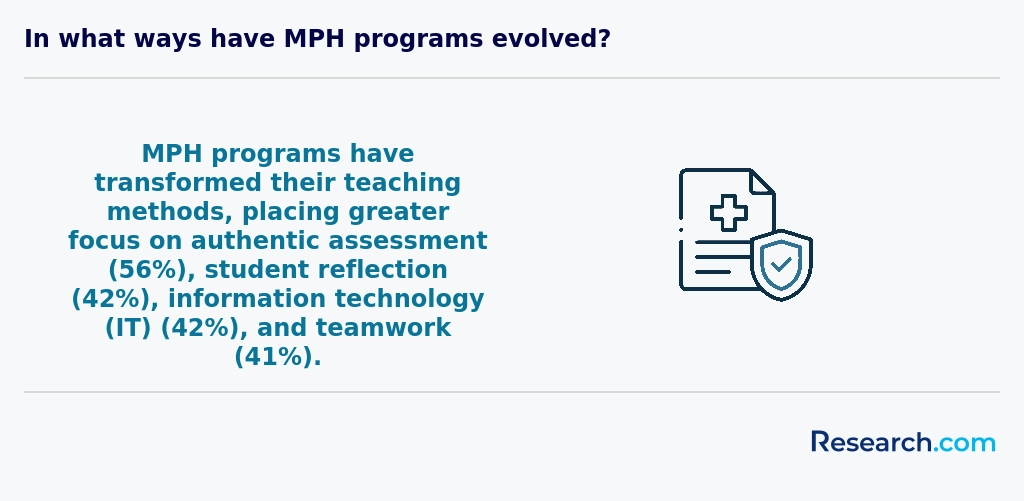
Diving into a public health degree in Lynchburg opens doors to a treasure trove of financial aid crafted just for you. Imagine a graduate from a Lynchburg university recounting how federal aid, starting with the trusted FAFSA, unlocked access to Federal Pell Grants-free money that felt like a windfall, sometimes up to $7,495 for the year. Federal Direct Loans, with their gentle repayment terms, helped spread the cost without the looming dread of debt. And the Federal Work-Study programs? Picture juggling a meaningful part-time job that not only eased expenses but built a resume in public health circles.
State perks add another layer: the Virginia Tuition Assistance Grant (VTAG) acting like a secret bonus for those attending Lynchburg-area private colleges. Local scholarships felt like personalized pats on the back, with awards ranging up to $5,000, often rewarding community service or health science excellence. One graduate's smile still glows recalling a Lynchburg community foundation's support.
Institutional aid at Lynchburg universities often means merit scholarships that honor your grit or need-based grants that recognize your journey. Professional bodies like APHA sprinkle occasional scholarships to lift promising students higher. And, if you're lucky to be working, employer tuition assistance sometimes becomes your unexpected ally, quietly cheering you on.
Imagine stepping into a bustling classroom at Lynchburg College, where a graduate recalls juggling biology quizzes and late-night study sessions, all fueled by a passion for community health. To join this vibrant journey, you'll need a high school diploma or its equivalent and a solid GPA hovering around 2.5 to 3.0. Courses in biology, chemistry, and math are your backstage pass, setting the stage for public health exploration.
Graduate hopefuls eyeing a Master of Public Health at Liberty University aren't strangers to academic rigor either. Most hold bachelor's degrees, often paired with experience in healthcare or research, lending real-world depth to their studies. A GPA near 3.0 and coursework in biology or statistics are common threads weaving through their applications.
Letters of recommendation and personal statements frequently become your voice in the review process-stories of volunteer moments or healthcare initiatives that sparked your public health calling. Though GRE scores sometimes peek in, many Lynchburg programs are waving them goodbye, focusing instead on your journey and passion.
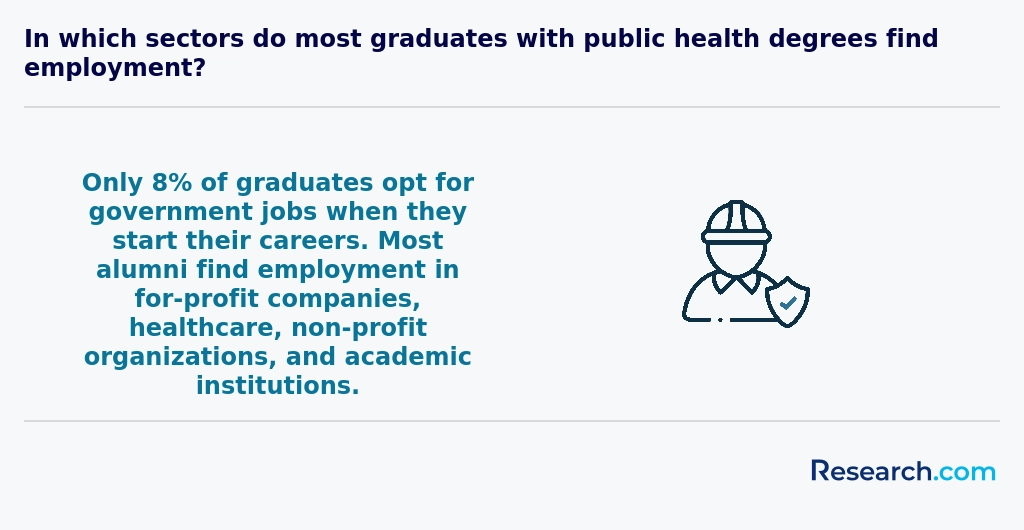
Graduates weighing the benefits of a Public Health degree in Lynchburg, VA, should consider the return on investment (ROI) as a key decision factor. By comparing total program costs-including tuition, fees, and living expenses-with post‐graduation earnings, students can estimate how quickly they will recoup their educational investment. On average, a bachelor’s in Public Health from a Lynchburg institution costs between $40,000 and $60,000 in tuition, while graduates report median starting salaries around $50,000–$66,000. This suggests a break‐even period of approximately one to two years, assuming full‐time employment and typical living expenses. For master’s‐level candidates, total expenses often approach $80,000–$85,000. However, with early‐career salaries in roles like Health Educator ($66,710) and Environmental Health Specialist ($83,820), many MPH graduates begin to see positive ROI within two to three years. Factoring in financial aid, scholarships, and assistantships can shorten this timeline significantly, making advanced degrees both affordable and impactful for long‐term career growth. ROI also varies by specialization. For example, graduates focusing on Biostatistics or Epidemiology often command higher entry‐level salaries, which accelerates payback. Conversely, those pursuing community‐based tracks may enjoy lower upfront costs if they leverage local partnerships and internships for tuition waivers or stipends. Prospective students seeking less competitive admission criteria-and potentially lower initial costs-should explore our ranking of easiest bachelors in public health programs. Aligning program affordability with projected salary data ensures that your Public Health degree in Lynchburg delivers both professional fulfillment and financial stability.
Diving into public health studies in Lynchburg means immersing yourself in courses that blend science with real-world impact. Graduates from Lynchburg's well-regarded universities recall how epidemiology classes felt like detective work-tracing disease patterns in both the bustling city and quieter rural towns around Virginia. Biostatistics was not just number crunching; it was the language unlocking hidden stories in health data, shaping how students understood community needs.
Environmental health takes on new meaning here, where local pollution and industrial legacies become case studies right outside the classroom windows. Many found health promotion courses transformational, crafting campaigns that would one day help neighbors adopt healthier lifestyles and tackle chronic illnesses common in the region.
Students also navigate health policy and management, stepping into leadership roles through simulations inspired by real decisions affecting Lynchburg's healthcare systems. Social and behavioral sciences deepen empathy, connecting theory to the diverse lives around the city. Global health rounds out the journey, urging learners to see Lynchburg as part of a vast health tapestry, ready to contribute solutions locally and globally.
In Lynchburg, public health degree specializations paint a vibrant mosaic of opportunity, inviting students to dive deep into fields like epidemiology or environmental health with hands-on relevance. Imagine a graduate from Liberty University excitedly analyzing local disease trends after witnessing firsthand how community outbreaks evolve, while another passionately tackles the environmental challenges unique to Lynchburg's blend of urban and rural landscapes. These types of public health programs Lynchburg offers also open doors to mastering health policy and management, where students joyfully navigate the behind-the-scenes world of healthcare administration right in local hospitals or agencies.
Community health specialists often find their rhythm in outreach programs addressing health disparities right in Lynchburg neighborhoods, transforming theory into visible impact. Meanwhile, global health enthusiasts from the area prepare for border-crossing health crises, guided by a curriculum that stretches beyond state lines. Curious learners looking for easier entry points mix these specializations with insights from the ranking of easiest bachelors in public health programs, broadening their options while staying grounded in Lynchburg's unique educational fabric.
Choosing the best public health degree programs Lynchburg offers means tuning into more than just textbooks-you tap into the heartbeat of the city itself. Imagine walking the halls of a local college, where graduates glow talking about hands-on internships at nearby health clinics, translating classroom theories into life-changing community projects. These programs don't just teach; they embed you in Lynchburg's vibrant public health ecosystem, combining flexibility with real-world impact.
Affordability here isn't a mere number; it's a doorway to less stress and more focus. Many affordable public health degrees in Lynchburg weave budget-conscious tuition with solid financial aid, launching students toward careers without being weighed down by debt. One graduate describes sprawling late-night study sessions balanced with practical fieldwork, made possible by part-time course options close to home.
Peeking beyond the classroom, programs nurture practical skills via partnerships across Lynchburg's nonprofits and health departments. Exploring these opportunities alongside peers offers a rich learning tapestry that textbooks alone can't create. For those curious about budget-friendly pathways elsewhere, take a look at the Inexpensive Online Public Health Degree Programs Ranking in New York.

Graduates from Lynchburg's public health programs often find themselves at the heart of vibrant community transformations, stepping into roles that feel both urgent and rewarding. Picture a graduate navigating as an epidemiologist, unraveling mysterious disease patterns within local neighborhoods, or another designing culturally rich health education programs tailored to Lynchburg's diverse schools and community centers. These real-world roles highlight the rich job tapestry waiting for holders of a Lynchburg public health degree job opportunities.
Some alumni become the unseen force behind cleaner water and safer parks as environmental health specialists, merging science and civic duty. Others thrive as health policy advisors, crafting bold local strategies that ripple across Virginia's public health landscape, or walk alongside underserved populations as community health workers, sparking trust and change from the ground up.
Healthcare administration graduates manage clinics and hospitals, blending compassion with leadership. Those exploring Lynchburg's universities often share excitement about connecting classroom theory to vibrant community challenges, making public health careers in Lynchburg feel immediate and impactful. For students drawn to a future where passion meets purpose, checking out these pathways aligns perfectly with the best college degrees for employment.
Graduates with a public health degree in Lynchburg find themselves stepping into a dynamic job market where demand hums with opportunity. Many graduates from popular colleges in Lynchburg recall landing internships with the Lynchburg City Health Department, where hands-on experience in disease prevention turned theory into impactful action. This real-world connection highlights how Lynchburg public health career opportunities bloom locally, anchored in the community's needs.
Salaries here feel encouraging, often starting near the Virginia state median of $50,000, with seasoned professionals reaching $90,000 or more. The journey feels practical as students benefit from lower-than-average education costs at Lynchburg institutions, making investing in their future more accessible. Their stories echo the stability and growth of public health roles, supported by emerging state initiatives expanding health infrastructure after recent pandemics.
For those curious about long-term prospects and financial rewards, exploring bachelor degrees that pay well can align with public health ambitions and reveal pathways where passion meets economic promise.
2027 Best Public Health Degree Programs Ranking in Lynchburg
Investing in your education is a significant decision that can shape your future, and the Research.com team understands the importance of making informed choices. To assist prospective students in Lynchburg, we have meticulously crafted the "2027 Best Public Health Degree Programs Ranking in Lynchburg." Our commitment to quality, credibility, and accuracy is reflected in the extensive research and analysis conducted to compile this ranking.
We utilized the following reputable data sources to ensure a comprehensive evaluation of public health programs:
By exploring this ranking, readers will gain valuable insights into the top public health degree programs in Lynchburg, enabling them to make well-informed decisions about their educational paths. For more details on our methodology, please visit our Research.com methodology page.


Frequently Asked Questions About public health
Public health degree students in Lynchburg can maximize their learning experience by engaging in local community health initiatives. Lynchburg's close-knit healthcare environment offers ample opportunities for internships and volunteer work at facilities like Centra Health, which serves diverse populations requiring public health interventions. Participating in these real-world settings enhances practical skills beyond classroom theory.
Students should also take advantage of partnerships between Lynchburg universities and regional health departments, gaining exposure to policy development and epidemiological research. According to the Virginia Department of Health, Lynchburg experiences specific challenges such as tobacco use and obesity, allowing students to focus on relevant, impactful projects.
Networking with professionals at local conferences and workshops further broadens understanding of public health trends in the region. Combining academic knowledge with hands-on experience creates a well-rounded education essential for future careers.
Emerging niches within the public health field reflect growing challenges and technological advancements. Areas such as epidemiology with a focus on infectious disease modeling have gained prominence after recent global health crises. Environmental health is another expanding niche, addressing pollution and climate change impacts, particularly relevant in regions like Lynchburg due to its mix of urban and rural environments.
Health informatics is rapidly developing, combining data science and public health to improve healthcare delivery. Behavioral health also continues to grow, emphasizing mental health and substance abuse prevention, crucial for communities experiencing opioid epidemics, including parts of Virginia.
According to the Virginia Department of Health, Lynchburg's public health workforce is increasingly adopting these specialties to meet local needs.
Preparing for the job market after earning a public health degree in Lynchburg involves practical steps aligned with local opportunities. Graduates should seek internships or volunteer roles with organizations like the Lynchburg Health Department to gain hands-on experience. Networking through local events and professional groups such as the Virginia Public Health Association can enhance job prospects. Understanding key health challenges in Lynchburg-such as chronic disease management and substance abuse-helps tailor skills to community needs. According to the U.S. Bureau of Labor Statistics, the demand for public health professionals in Virginia is projected to grow by 11% from 2022 to 2032, indicating a strong local job market.
Employers in Lynchburg seek public health graduates with strong analytical skills to interpret health data effectively. The ability to design and evaluate community health programs is highly valued, given the area's focus on preventive care. Communication skills, both written and verbal, are essential for conveying health information to diverse populations. Additionally, employers emphasize cultural competency to address Lynchburg's varied demographic needs. Knowledge of local health policies and regulations is also important, ensuring graduates can navigate Virginia's healthcare system effectively. According to the Lynchburg Regional Health Profile (2023), teamwork and problem-solving skills rank among the top attributes sought by local health departments and nonprofits.
Finding internships in Lynchburg relevant to a public health degree involves leveraging local healthcare organizations, government agencies, and community nonprofits. The Lynchburg Health Department often offers internship opportunities for students interested in epidemiology, health promotion, and community health, according to the City of Lynchburg official website. Additionally, Liberty University, a major local institution, provides connections and partnerships that facilitate internships for public health students.
Students should also explore opportunities at Centra Health, a regional healthcare system active in public health initiatives. Networking through local job fairs and the Virginia Public Health Association can increase internship prospects. These internships typically provide practical experience in health education, research, and policy.
A public health degree in Lynchburg can significantly enhance career mobility and advancement opportunities. Employers in the region, including local health departments and nonprofit organizations, often prioritize candidates with specialized public health training. According to the Virginia Employment Commission, health-related occupations in Lynchburg are projected to grow by 12% through 2030, driven by increased demand for community health services.
Graduates with public health degrees gain critical skills in epidemiology, health policy, and program management, making them competitive for leadership roles. Many local employers also value the practical experience gained through internships offered by Lynchburg-area universities.
Overall, a public health degree establishes a strong foundation for upward mobility within the region's expanding healthcare sector.
Studying for a public health degree in Lynchburg equips students with the skills needed for interdisciplinary roles by combining coursework in health sciences, social sciences, and policy analysis. Lynchburg's programs emphasize collaboration across fields such as epidemiology, health education, and healthcare management. This approach prepares graduates to work effectively with diverse teams including medical professionals, government agencies, and community organizations.
The city's public health initiatives, supported by local institutions and health departments, provide practical experience addressing real-world health challenges. According to the Virginia Department of Health, Lynchburg's focus on community health promotion enhances students' ability to integrate scientific data with social strategies, a vital skill in interdisciplinary public health roles.
When choosing between a thesis and a non-thesis public health degree program in Lynchburg, students should consider their career goals and interests. A thesis option involves conducting original research and is ideal for those who plan to pursue doctoral studies or research positions. Non-thesis programs focus on coursework and practical skills, suited for students aiming to enter the public health workforce directly.
Lynchburg's public health demand is growing, with regional data from the Virginia Department of Health showing a 6% increase in public health jobs over five years. Selecting the right track impacts both study length and learning approach.
Students should also consider faculty expertise and available resources at Lynchburg-area institutions, as thesis work requires access to mentors and research facilities.
Students in Lynchburg interested in studying public health abroad have several pathways through U.S. universities that offer international exchange programs. Many American institutions with public health degrees encourage participation in global health practicum or semester-long study abroad options. These programs often partner with universities in countries across Europe, Asia, and Latin America.
Liberty University in Lynchburg provides resources for students to engage in international public health experiences, though direct degree programs abroad are less common. According to the Association of Schools and Programs of Public Health, about 30% of U.S. public health students participate in some form of global study or research.
Such opportunities can enhance cultural competency and provide practical exposure to diverse health systems while earning credits transferrable toward a degree. Students interested should work closely with academic advisors and study abroad offices in Lynchburg institutions to identify suitable programs and scholarships.
Part-time jobs in Lynchburg that complement public health degrees often involve roles in healthcare facilities, local government, and community organizations. Students may find opportunities as health educators, assisting with awareness campaigns on topics like vaccination or nutrition. Hospitals and clinics in Lynchburg, including the Centra Health system, frequently offer part-time positions such as patient advocates or administrative support, providing valuable exposure to healthcare operations.
Additionally, roles within Lynchburg's public health department allow students to engage in data collection, contact tracing, and outreach activities. These jobs develop critical skills in communication and epidemiology. Nonprofits focusing on substance abuse prevention or mental health also seek part-time interns for program assistance. According to the Bureau of Labor Statistics, these experiences enhance employability in the growing public health sector nationwide.
Public health students in Lynchburg benefit from several local networking opportunities that support academic and professional growth. Liberty University, one of the prominent institutions in the area, hosts events and career fairs where students can connect with healthcare professionals and alumni working in public health sectors.
The city's proximity to various regional health departments and community organizations provides valuable internship and volunteer placements. These experiences often lead to professional connections and job opportunities. Additionally, Lynchburg's involvement in Virginia's public health initiatives allows students to attend workshops and conferences focused on local health challenges.
According to the Virginia Department of Health, ongoing partnerships between educational institutions and public agencies enhance networking possibilities for students seeking careers in epidemiology, health education, and policy.
Alumni networks in Lynchburg offer valuable resources to public health degree students by connecting them with experienced professionals in the field. These networks provide mentorship opportunities that help students navigate career pathways and gain insight into local public health challenges.
In Lynchburg, the presence of health organizations such as the Central Virginia Health District enhances these connections, giving alumni a platform to share job openings and internship opportunities with current students. This local focus is essential, as Lynchburg's public health workforce continues to grow.
Strong alumni involvement also promotes collaboration on community projects, allowing students to apply their learning and build practical skills. According to studies by the Association of Schools and Programs of Public Health, students with active alumni networks are 25% more likely to secure relevant employment within six months of graduation.
In Lynchburg, students pursuing public health degrees can tailor their studies through elective courses and specialized tracks that align with their career goals. Many programs offer concentrations such as epidemiology, health policy, or community health, allowing learners to develop expertise in targeted areas.
Internships and practicum experiences with local health departments or agencies provide practical skills and networking opportunities. According to the Virginia Department of Health, Lynchburg's focus on chronic disease prevention and rural health creates unique avenues for applied learning.
Students should also consider certification options like the Certified in Public Health (CPH) credential to enhance professional prospects.
Public health students in Lynchburg often face challenges linked to balancing rigorous coursework with practical field experience. Many programs require internships or community-based projects, which demand significant time alongside academic responsibilities. Access to diverse public health organizations in Lynchburg may be limited compared to larger metropolitan areas, potentially restricting hands-on opportunities.
Financial strain is another common concern. The average tuition for public health programs in Virginia can exceed $10,000 per year, which adds pressure on students, especially those balancing work and study. Additionally, adapting to evolving public health issues, such as the ongoing impact of COVID-19, requires students to stay current with rapidly changing information and protocols.
Networking opportunities and mentorship can also be less abundant locally, challenging students' professional growth. According to the Virginia Department of Health, Lynchburg's public health workforce is growing but remains smaller compared to urban centers, which may affect job placement after graduation.
Graduates with a public health degree in Lynchburg can pursue various professional certifications to enhance their career prospects. Among the most recognized is the Certified in Public Health (CPH) credential, offered by the National Board of Public Health Examiners. The CPH validates expertise in core public health sciences and practice. Another common certification is the Certified Health Education Specialist (CHES), which focuses on health promotion and education skills.
Additionally, depending on your specialization, you might consider becoming a Certified Epidemiologist or a Certified Public Health Microbiologist. These certifications require relevant experience and passing specific exams.
Many Lynchburg public health graduates find that these certifications help meet job requirements in government agencies, hospitals, and nonprofit organizations, improving employment opportunities and salary potential.
Applying to a public health program in Lynchburg requires careful preparation to stand out. Start by clearly articulating your motivation for studying public health. Programs value applicants who demonstrate a strong commitment to improving community health, especially in regions like Lynchburg, where public health initiatives have focused on addressing rural health disparities, according to the Virginia Department of Health.
Highlight relevant experience, such as internships or volunteer work in healthcare settings or community organizations. Data from Lynchburg's local health departments indicate that practical involvement can be a significant asset.
Additionally, polish your personal statement by connecting your goals to local public health challenges. Make sure to include concrete examples of leadership or teamwork. Finally, seek strong letters of recommendation from professionals familiar with your dedication to public health. Following these tips improves your chances in Lynchburg's competitive programs.
The global perspective on a public health career highlights its critical role in addressing worldwide health challenges, such as pandemics, chronic diseases, and environmental risks. In the United States, public health professionals often work alongside international agencies like the World Health Organization to develop strategies that improve health outcomes globally.
For students in Lynchburg pursuing public health degrees, understanding these global connections can enhance career prospects. According to the U.S. Bureau of Labor Statistics, employment for public health educators is expected to grow 17% from 2022 to 2032, reflecting increasing demand.
Moreover, Lynchburg institutions emphasize global health topics, preparing graduates to work in diverse environments. Public health careers often involve collaboration across countries, focusing on preventative care, policy development, and emergency response on international and local scales.
Gaining practical experience while studying for a public health degree in Lynchburg is essential for career readiness. Many local programs incorporate internships or practicum opportunities with health departments, community clinics, and nonprofits. For example, students often collaborate with the Lynchburg Health Department, which serves a population of about 80,000 and offers experience in disease prevention and health promotion. Additionally, partnerships with organizations such as Centra Health provide hands-on exposure to healthcare settings. Engaging in research projects or volunteering in public health campaigns also deepens students' skills. These experiences align with recommendations from the Council on Education for Public Health (CEPH) for accredited programs.
Choosing the right concentration within a public health degree program in Lynchburg involves understanding your career goals and local health priorities. Public health fields often include epidemiology, health policy, environmental health, and community health education. In Lynchburg, with its growing focus on rural health and chronic disease management, concentrations aligned with these areas may offer practical benefits.
Research local health data from sources like the Virginia Department of Health, which highlights challenges such as high rates of heart disease and diabetes in Lynchburg. Selecting a concentration linked to these trends can increase job opportunities after graduation. Additionally, consider program offerings at Lynchburg-area schools and available internships that provide hands-on experience in community settings.
Networking with local public health professionals and attending regional health conferences can also clarify which concentration aligns best with your interests and the needs of the Lynchburg community.
- 2027 Best Public Health Degree Programs Ranking in Washington
- 2027 Best Public Health Degree Programs Ranking in College Park
- 2027 Best Public Health Degree Programs Ranking in Baltimore
- 2027 Best Public Health Degree Programs Ranking in Columbia
- 2027 Best Public Health Degree Programs Ranking in Philadelphia
- 2027 Best Public Health Degree Programs Ranking in New Brunswick
- 2027 Best Public Health Degree Programs Ranking in Athens
- 2027 Best Public Health Degree Programs Ranking in New York
- 2027 Best Public Health Degree Programs Ranking in Bronx
- 2027 Best Public Health Degree Programs Ranking in Statesboro
- Young WFPHA Initiative – Empowering Young Public Health Professionals https://www.wfpha.org/young-wfpha/
- Master of Public Health (MPH) https://www.lynchburg.edu/academics/graduate/master-of-public-health/
- Effective Networking Strategies for Public Health Professionals | PH SPOT https://phspot.org/effective-networking-strategies-for-public-health-professionals/
- Online Degrees https://www.publichealthdegrees.org/online/
- Know more about thesis vs non- thesis: what is the difference? https://studyfans.com/en/blogs/816
- Dive deeper into public health topics. https://www.apha.org/topics-and-issues
- Pre-Professional Health Experience Guide | PublicHealthOnline.org https://www.publichealthonline.org/pre-professional-experience/
- Public Health/Global perspective - Wikiversity https://en.wikiversity.org/wiki/Public_Health/Global_perspective
- Students and Alumni associations - Europubhealth https://www.europubhealth.org/students-alumni-associations/
- What do you learn in a bachelor's in public health? | edX https://www.edx.org/resources/what-do-you-learn-in-a-bachelors-in-public-health










