
2027 Most Valuable Public Health Degree Programs Ranking in Saint Louis

Co-Founder and Chief Data Scientist
Choosing the right public health degree program in Saint Louis can shape your future in meaningful ways. This article features the 2027 Most Valuable Public Health Degree Programs Ranking in Saint Louis, created by the Research.com team of data scientists to guide you toward informed decisions.
By exploring this ranking, you'll discover which programs offer strong value and opportunities. Earning a public health degree opens doors to impactful careers dedicated to improving community well-being. Let this guide support your journey toward making a positive difference in the world.
Key benefits of getting public health degree in Saint Louis
- Salary for public health degree graduates: Graduates in Saint Louis can enjoy competitive wages, such as $86,710 annually for Environmental Health Specialists and $69,790 for Health Educators, reflecting strong earning potential in local public health careers.
- Career paths: A public health graduate from Saint Louis University can pursue diverse roles including Community Health Worker or Occupational Health and Safety Specialist, offering meaningful work that impacts community wellbeing.
- Online degree benefits: Choosing an online public health degree from a Saint Louis school provides flexibility to balance work and study, accelerating career advancement without sacrificing personal commitments.
- 2027 Most Valuable Public Health Degree Programs Ranking in Saint Louis
- What can I expect from public health degree in Saint Louis?
- Where can I work with public health degree in Saint Louis?
What can I expect from public health degree in Saint Louis?
On average, pursuing a public health degree in Saint Louis typically ranges from $20,000 to $50,000 per year, depending on whether you're attending a public or private institution. For example, graduates from Saint Louis University often mention budgeting carefully because tuition there leans toward the higher end, reflecting the comprehensive curriculum and hands-on internship opportunities offered in partnership with regional health agencies.
Graduates from public institutions highlight more affordable tuition costs, making it easier to manage without excessive debt. Many students supplement this by applying for federal aid, scholarships, or part-time work within local health departments. These real-world experiences not only boost resumes but also help offset living expenses.
When planning your finances, consider the additional costs for textbooks, fieldwork supplies, and transportation to local hospitals or non-profits where internships take place. Several Saint Louis public health students have found that the investment pays off through strong job placement in hospitals and government agencies, offering both a rewarding career and financial stability.
Where can I work with public health degree in Saint Louis?
Graduates from public health programs at Washington University in Saint Louis and Saint Louis University often find themselves employed by local government agencies, such as the Saint Louis City Department of Health or Saint Louis County Department of Public Health. These roles typically involve managing disease prevention, emergency preparedness, and health promotion programs-tasks that give graduates a strong sense of purpose as they impact their own communities directly.
Others secure positions within healthcare systems like BJC HealthCare or SSM Health, working on patient education and community health outreach. Alumni often share how rewarding it feels to improve population health through tangible initiatives inside these well-established organizations.
Nonprofits focused on advocacy and policy, such as the Missouri Foundation for Health, provide meaningful careers where graduates contribute to program evaluation and community engagement. Those aiming for research-driven jobs frequently join academic centers affiliated with local universities, applying skills in data analysis and biostatistics to real-world public health challenges.
For students interested in business, opportunities are growing in health technology and consulting firms in Saint Louis, blending data expertise with strategic solutions to complex health problems. This diverse job market ensures public health graduates can find a path matching their passion and strengths.
Graduates from public health programs in Saint Louis can expect starting salaries aligned with roles such as community health workers and health educators, with annual wages around $52,610 and $69,790 respectively, according to BLS data. For example, a recent graduate from a Saint Louis university found entry-level work as a health educator earning nearly $70,000, which helped cover living expenses while gaining critical field experience.
Those aiming for roles like environmental health specialists or occupational health and safety specialists in Saint Louis can anticipate salaries between $85,000 and $87,000 per year. Graduates pursuing these careers often leverage local internships in the city's healthcare institutions or government agencies to build expertise and boost earning potential.
Many Saint Louis graduates report that earning a master's degree or certifications in specialized areas can raise salaries further, with some senior public health professionals surpassing six figures. By combining formal education from respected colleges with hands-on experience, public health degree holders in Saint Louis successfully advance to well-paying positions that support community health and safety.
- Tuition for public health programs in Saint Louis ranges from $18,000 to $30,000 per year at public universities, with private schools charging over $40,000 annually.
- Starting salaries for public health graduates are around $50,000, with experienced professionals earning between $75,000 and $85,000.
- The job market is growing at about 10% over the next decade, especially in roles like epidemiology, health education, and policy analysis.
- Saint Louis has many hospitals, research centers, and public health agencies offering employment and internship opportunities.
- Many programs offer flexible options such as part-time and online formats, alongside financial aid and scholarships to assist students.
Completing a public health degree in Saint Louis depends mainly on your chosen level and study format. For example, graduates from Saint Louis University sharing their journeys often highlight that a bachelor's degree typically takes four years of full-time commitment. This period includes hands-on courses in epidemiology and health policy, essential for building a strong foundation. Meanwhile, students from the University of Missouri-St. Louis report that a Master of Public Health (MPH) usually requires two years when studied full time, though part-time and accelerated options extend up to four years to better fit working schedules.
Doctoral candidates pursuing a PhD or DrPH face a more flexible timeline, often ranging from four to six years, especially when research demands extend the process. Those balancing jobs with education appreciate the availability of hybrid programs, which, while offering some self-paced progress, generally align with these durations.
Graduates consistently express satisfaction with these timelines, especially knowing the programs are designed to blend rigorous coursework with real-world public health challenges unique to Saint Louis.
Choosing between online and on-campus public health degrees in Saint Louis hinges on your lifestyle and learning preferences. Graduates from Saint Louis University's on-campus program often describe hands-on experiences with local health departments that sharpened their skills through real-world internships and face-to-face collaboration. They value structured schedules that foster accountability but acknowledge less flexibility for balancing work or family.
In contrast, recent online graduates from institutions like Washington University praise the freedom to complete coursework asynchronously, fitting studies around jobs and personal commitments. They emphasize the need to independently arrange local internships, which can be rewarding but requires proactive planning.
On-campus programs connect you directly with campus resources and vibrant peer networks, which can enhance motivation and create lasting professional relationships. Meanwhile, online options offer similar academic rigor with CEPH accreditation, but rely on digital platforms for interaction, appealing to those who thrive in virtual communities.
Both paths in Saint Louis provide solid public health foundations; your choice depends on whether hands-on engagement or scheduling flexibility aligns better with your goals.
When evaluating a Public Health degree in Saint Louis, MO, understanding the return on investment (ROI) is crucial for making an informed choice. ROI measures the balance between program costs-tuition, fees, and living expenses-and the career earnings graduates can expect. By analyzing both sides of this equation, prospective students can project how long it will take to recoup their educational investment and start generating net financial gains. Typical MPH tuition in Saint Louis ranges from $500 to $1,500 per credit hour, resulting in total tuition costs between $7,000 and $21,000. Factoring in additional expenses-registration fees, textbooks, and technology-brings the average program cost closer to $25,000. However, financial aid packages, scholarships, and work-study opportunities can reduce out-of-pocket expenses by up to 50%, significantly improving ROI. On the earnings side, graduates enter roles that command competitive salaries. Community Health Workers earn around $49,900 annually, Health Educators make $66,710, and Environmental Health Specialists can exceed $83,820 per year. For a deeper look at national and regional trends, explore the latest data on mph degree salary forecasts, which highlight how an MPH can boost lifetime earnings and accelerate career advancement. By comparing net investment to salary gains, many graduates in Saint Louis recoup their costs within three to five years post-graduation. Accelerated programs and part-time employment in campus clinics or community organizations can shorten this payback period. Additionally, strategic internship placements not only enrich learning but often transition into paid roles, further enhancing ROI. To maximize your return, seek programs with robust career services, alumni mentorship, and strong industry partnerships. Engaging early with practicum opportunities and leveraging networking events can lead to higher-paying positions and faster progression, ensuring your Public Health degree pays dividends both financially and professionally.
The average cost of a public health degree in Saint Louis is around $72,110 for total expenses, according to recent data. Graduates from local universities like Saint Louis University and Washington University in St. Louis often reflect on managing tuition fees that can range from $39,000 to over $50,000 annually for graduate programs. Many find this investment worthwhile due to the quality of education and career opportunities it opens. Aspiring students should prepare for living expenses and supplies that add roughly $15,000 to $20,000 per year, creating a full picture of the financial commitment.
For residents, attending a public university in Missouri can be a practical way to reduce costs significantly, with in-state tuition averaging closer to $55,760 total. This option appeals to many who prioritize affordability without sacrificing regional program relevance. A number of students who chose public institutions appreciated the balance of quality and value it provided, allowing them to graduate with less debt.
Many public health students in Saint Louis strongly recommend exploring financial aid options, including scholarships and graduate assistantships offered by local schools. These supports often make an immediate difference in reducing expenses, making the cost more manageable. Researching the valuable public health programs in missouri can help pinpoint scholarships and funding opportunities targeted specifically for public health majors in the area.
Understanding the average cost of public health degree Saint Louis students face helps in setting realistic budget expectations. Planning ahead for tuition and related expenses makes the journey smoother and lets students focus on their studies and future careers in public health.
Public health students in Saint Louis have several financial aid options to ease the burden of tuition, which can range from $15,000 to $40,000 annually. Many graduates share how applying for federal aid, like Direct Unsubsidized Loans or Grad PLUS loans, was their first step in managing costs, especially since Pell Grants are mostly for undergraduates.
Students enrolled at well-known schools such as Saint Louis University or Washington University often highlight the value of scholarships. These range from $2,000 to $10,000 and are awarded based on merit or financial need, making a tangible difference in their budgets. Regular visits to university financial aid offices helped them stay informed on current scholarship opportunities.
Graduate assistantships are another practical route. Those who secured teaching or research roles in public health departments frequently received tuition waivers plus stipends. This not only lightened financial stress but also provided meaningful experience.
Missouri residents can look into state grants or loan forgiveness programs, particularly if planning to work in underserved communities, which was a relief often cited by graduates aiming to give back locally.
Additionally, nonprofit scholarships are competitive yet rewarding for applicants committed to improving community health, a motivation many students found inspiring throughout their studies.
Earning professional credentials and pursuing ongoing training can boost your public health career.
- After graduation, aim for the Certified in Public Health (CPH) credential from the National Board of Public Health Examiners to validate expertise in biostatistics, epidemiology, health policy and management.
- Enhance your profile with certifications like Certified Health Education Specialist (CHES) or Occupational Health and Safety Technician (OHST) to stand out in competitive job markets.
- Stay current by attending continuing education events: APHA annual meetings, local workshops with the St. Louis County Department of Public Health, and online webinars.
- Complement your public health credentials with administrative skills; enrolling in a recognized medical coding school can strengthen your resume and open doors in healthcare settings.
To enroll in a public health degree in Saint Louis, begin by securing a solid academic foundation. For undergraduates aiming at schools like Saint Louis University, a strong high school diploma with coursework in biology, chemistry, and math is essential. Graduates often recall how these subjects prepared them for complex public health topics and problem-solving in community settings.
Graduate programs, such as the Master of Public Health at the University of Missouri-St. Louis, require applicants to hold a bachelor's degree, ideally with relevant coursework in statistics and social sciences. Many alumni emphasize that even if their degree wasn't health-related, completing prerequisite science courses made them confident and competitive applicants.
Professional experience also plays a role. Some students share how working in local health clinics before applying boosted their understanding and strengthened their applications. Preparing a compelling personal statement and gathering strong letters of recommendation reflecting your passion for community health will further enhance your chances.

A strong alumni network can play a critical role in ensuring ongoing professional development and career success after graduation. Many public health programs in Saint Louis, MO, are committed to fostering long-term relationships among students, faculty, and industry professionals. These institutions often host networking events, career fairs, and alumni panels aimed at connecting current students with experienced professionals who have successfully navigated the job market. Mentorship programs are also commonplace, providing guidance that spans from academic advice to resume reviews and interview preparations. Engaging with alumni mentors can help prospective and current students better understand real-world challenges and opportunities within the public health sector. For example, learning directly from someone involved in valuable public health programs in missouri can offer insights into how to leverage your degree for impactful community work and career advancement. These networks not only enhance your learning experience while you’re still in school but also serve as a vital resource for building professional connections and exploring diverse career pathways throughout your career. With structured mentorship and regular alumni interactions, graduates can gain personalized support and maintain a competitive edge in an evolving public health landscape.
Public health degrees in Saint Louis typically include core courses that build a solid foundation for practical work in the field. Graduates from local universities often describe starting with classes like Introduction to Public Health, which covers essential concepts and the city's unique health challenges, such as urban disparities and opioid crises. Biostatistics and Epidemiology are commonly required, helping students analyze data and understand disease patterns relevant to Saint Louis communities.
Courses in Environmental Health are especially meaningful given Saint Louis's industrial background, allowing students to connect lessons to real-world local issues like air and water quality. Health Policy and Management classes teach how to navigate and influence health systems-knowledge graduates value when interning at local hospitals or nonprofits. Social and Behavioral Sciences explore community behavior and social factors, which many students find directly applicable when working on public health campaigns in Saint Louis neighborhoods.
This curriculum mix equips students to step confidently into roles addressing the city's pressing health needs, blending theory with hands-on experience.
Saint Louis public health degree programs commonly offer specializations such as epidemiology, environmental health, health policy and management, and community health education. Graduates from popular local universities often share how epidemiology allowed them to engage deeply with disease tracking and statistical analysis, preparing them for hands-on public health challenges in the city's urban environment. Those focusing on environmental health develop skills to tackle pollution and water safety, directly impacting Saint Louis communities.
Health policy and management specializations prepare students to create and implement effective health policies at local and state levels. Graduates who chose this path often highlight their ability to lead healthcare organizations or government agencies. Community health education programs attract students driven by a passion for grassroots outreach, designing campaigns that address the specific needs of Saint Louis neighborhoods. If you're curious about the career rewards from these options, exploring the mph degree salary can provide practical insights. These focused tracks position you well for a variety of Saint Louis public health career options with clear, community-centered impact.
Focus first on accreditation when selecting from the public health degree programs Saint Louis offers. Graduates from CEPH-accredited schools in the area consistently mention how this recognition assured them of a solid education aligned with national public health standards. Next, consider affordability carefully. Many students balance tuition costs with living expenses in Saint Louis, seeking affordable public health schools in Saint Louis to avoid overwhelming debt. Part-time and hybrid formats are popular for those working full-time jobs; graduates highlight how such flexibility allowed them to gain practical experience without sacrificing income or family time. Look for programs with strong ties to local public health agencies, like the Missouri Department of Health and Senior Services, as these connections often open doors to internships and jobs. To fit your life as a working adult, explore options through quickest online degree completion programs for working adults offered by some institutions in the city, which help you advance faster while managing responsibilities.
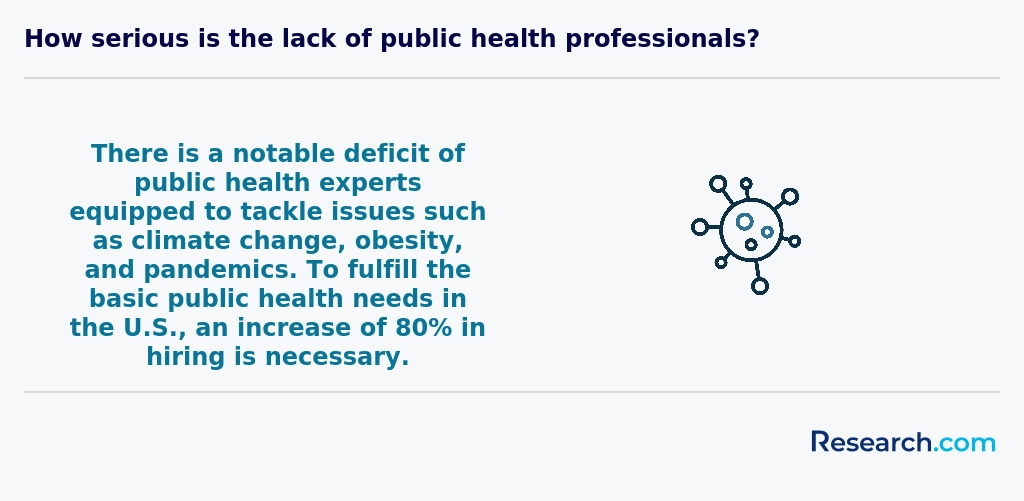
Graduates of public health degree programs in Saint Louis find career paths spanning local and state health departments, healthcare institutions, research centers, and nonprofit organizations. Working with agencies focused on community health programs, many professionals become epidemiologists or program coordinators, tackling pressing issues like chronic disease prevention and substance abuse. Saint Louis public health degree job prospects also include hospital outreach and patient advocacy roles at leading medical centers such as Washington University Medical Center, where real-world application of policy and health education skills is highly valued.
Research roles are abundant, given Saint Louis's reputation as a health sciences hub. Graduates often join universities and nonprofit research institutes as biostatisticians or research analysts, supported by grants from organizations such as the National Institutes of Health. Nonprofits focusing on environmental health or community wellness frequently seek program managers and communicators, providing graduates with rewarding chances to impact local populations. For those uncertain about advanced degrees, exploring easiest phd degree programs can be a practical step toward specialization. These opportunities reflect the dynamic and diverse public health career opportunities in Saint Louis.
Graduates holding a public health degree in Saint Louis find a steadily growing job market supported by diverse sectors like government agencies, nonprofit organizations, and healthcare institutions. Many public health students from Saint Louis University leverage internships at institutions such as the Missouri Department of Health and Senior Services to gain real-world experience, which leads to roles in community health programs and disease prevention. This practical exposure highlights the strong public health degree job outlook Saint Louis offers.
Public health career opportunities in Saint Louis often include work with nonprofits like the Saint Louis Effort for AIDS, which engages professionals in outreach and education-a path that recent graduates report as both rewarding and impactful. The average salaries in the region hover around $54,000 annually, with higher wages available for roles in epidemiology and management.
Considering education costs, attending local public universities provides an affordable route, with tuition ranging from $9,000 to $15,000 per year for in-state students. Many graduates recommend exploring affordable options like a cheap online doctorate to further boost career prospects while managing expenses effectively.
2027 Most Valuable Public Health Degree Programs Ranking in Saint Louis
Investing in your education is a significant decision that can shape your future, and the Research.com team recognizes the importance of making well-informed choices. To support prospective students in Saint Louis, we have carefully developed the "2027 Most Valuable Public Health Degree Programs Ranking in Saint Louis." Our dedication to quality, credibility, and accuracy is demonstrated through the rigorous research and thorough analysis behind this ranking.
We utilized the following reputable data sources to ensure a comprehensive evaluation of public health programs:
By exploring this ranking, readers will gain valuable insights into the highest quality and most valuable public health degree programs available in Saint Louis, empowering them to make informed decisions about their educational and career paths. For more information on how we created this ranking, please visit our Research.com methodology page.

Frequently Asked Questions About public health
Public health degree students in Saint Louis can maximize their learning by engaging with local institutions such as the Saint Louis University and University of Missouri-St. Louis, both offering accredited programs. These universities emphasize practical experience through internships and community projects, essential for applying theoretical knowledge.
Saint Louis presents unique public health challenges, including urban health disparities and a high prevalence of chronic diseases, making it a dynamic environment for hands-on learning. Students are encouraged to participate in research initiatives focusing on these local issues, which enhances critical thinking and problem-solving skills.
Networking with local health departments and nonprofit organizations can provide valuable professional connections and mentorship opportunities. According to the Missouri Department of Health & Senior Services, Saint Louis actively supports public health workforce development, which students can leverage during their studies.
Emerging niches within the public health field increasingly reflect the evolving health needs in areas like Saint Louis. One notable area is health equity and social determinants of health, which focuses on addressing disparities affecting vulnerable populations. Saint Louis, with its varied socioeconomic landscape, benefits from professionals trained in these topics.
Another growing specialty is data science and epidemiology. Public health programs increasingly emphasize skills in big data analysis to track and control disease outbreaks, a trend intensified by the COVID-19 pandemic. According to the Missouri Department of Health, Saint Louis has expanded its epidemiology workforce to meet ongoing community health challenges.
Environmental health, especially related to urban pollution and lead exposure, remains crucial. Public health professionals trained in this niche can contribute significantly given Saint Louis's industrial history.
Preparing for the job market after earning a public health degree in Saint Louis involves building relevant skills and connections. Local health departments, such as the Saint Louis County Department of Public Health, regularly seek graduates with expertise in epidemiology, health education, and policy analysis. Internships and practicum experiences offered through Saint Louis universities provide vital hands-on training and networking opportunities, significantly enhancing employability.
Graduates should also consider certification programs like the Certified in Public Health (CPH) credential, recognized nationally and valued by Missouri employers. According to the Missouri Department of Health & Senior Services, the region shows steady growth in public health jobs, particularly in community health and chronic disease management, making targeted preparation essential.
Employers in Saint Louis increasingly seek public health graduates with strong analytical and communication skills. According to recent reports from the Missouri Department of Health and Senior Services, proficiency in data analysis and interpretation is essential for addressing local health challenges such as chronic disease and infectious outbreaks.
Another top skill is cultural competency, reflecting the city's diverse population. Graduates must be prepared to engage effectively with various communities to promote health equity.
Project management abilities are also critical, as Saint Louis public health organizations often operate under tight budgets and timelines.
Lastly, familiarity with health policy and program evaluation enables graduates to contribute meaningfully to regional health initiatives.
Finding internships in Saint Louis related to a public health degree involves leveraging local institutions and organizations focused on community health. The city hosts several notable public health employers such as the Missouri Department of Health and Senior Services and St. Louis County Department of Public Health, which offer internship opportunities for students.
Many universities in Saint Louis, including Washington University's Brown School, feature internship programs integrated into their public health curriculum. Additionally, nonprofits like the St. Louis Regional Health Commission provide hands-on experience in public health initiatives.
Students are encouraged to use online platforms such as Handshake and check university career centers for updated internship listings. Networking through local public health events also significantly increases chances of securing internships.
A public health degree in Saint Louis significantly enhances career mobility and advancement opportunities. The city's expanding healthcare and public health sectors create a strong demand for skilled professionals. According to the Missouri Department of Health and Senior Services, the region expects a 12% growth in public health jobs by 2030, outpacing national averages.
Graduates with a public health degree often qualify for varied roles, including epidemiologists, health educators, and program managers, increasing their job flexibility. Saint Louis also hosts institutions like the Saint Louis University School of Public Health, whose local partnerships improve access to internships and networking.
Such connections boost promotion prospects and career shifts within healthcare organizations and government agencies.
Saint Louis offers public health degree programs designed to prepare students for interdisciplinary roles by integrating diverse fields such as epidemiology, environmental health, policy, and social sciences. Many local universities emphasize collaboration between departments, encouraging students to gain skills beyond traditional public health topics.
Students often engage in community-based research projects, working alongside healthcare providers, government agencies, and nonprofit organizations in the Saint Louis metropolitan area. This real-world experience is essential for understanding complex health challenges.
The St. Louis region faces unique public health issues, including urban health disparities and environmental concerns, enabling students to apply interdisciplinary methods to address these problems effectively.
According to the Missouri Department of Health and Senior Services, Saint Louis's public health workforce increasingly requires cross-sector expertise, reinforcing the importance of interdisciplinary education.
Choosing between a thesis and a non-thesis public health degree program in Saint Louis depends on your career goals and learning preferences. A thesis option typically appeals to students aiming for research roles or doctoral studies, as it requires conducting original research and writing a substantial paper. In contrast, a non-thesis path often focuses more on practical skills and may include additional coursework or internships instead of a research project.
Saint Louis is home to notable institutions like Washington University, known for its research emphasis, which may influence the availability and structure of thesis programs. Data from the Association of Schools and Programs of Public Health (ASPPH) shows that research-oriented graduates often have higher rates of doctoral program admission nationwide.
Consider your timeline and funding as thesis programs can be longer and more demanding. Non-thesis programs may allow faster completion, suitable for working professionals seeking advancement without a research focus.
Students based in Saint Louis interested in studying public health abroad have several avenues to explore. Many universities in the city, such as Saint Louis University and Washington University, offer strong study abroad programs through established partnerships with international institutions. These programs often include exchanges or short-term study opportunities focused on global health issues.
Additionally, students can access resources through organizations like the Council on Education for Public Health (CEPH), which recognizes global public health programs that may complement their Saint Louis coursework. This allows students to gain international exposure while earning credits toward their degrees.
Financial aid and scholarships specifically aimed at public health study abroad are increasingly available, helping reduce cost barriers for Saint Louis students. The CDC's local office in Saint Louis also provides networking opportunities for experiential learning internationally, supporting hands-on global health experience.
Students pursuing public health degrees in Saint Louis have access to various part-time jobs that enhance their academic knowledge and practical skills. Opportunities commonly include roles as community health workers, assisting local clinics and nonprofits in outreach and education programs. According to the Missouri Department of Health, Saint Louis has ongoing public health initiatives targeting chronic disease prevention and maternal health, providing relevant hands-on experience.
Internships or paid positions with organizations like the Saint Louis County Department of Public Health expose students to epidemiology and data analysis. Additionally, roles in healthcare facilities, such as patient navigators or health educators, help develop communication skills vital for public health careers.
Public health students in Saint Louis have robust networking opportunities through local universities and community organizations. Institutions like Saint Louis University and Washington University in St. Louis offer student groups and events that connect learners with public health professionals. These universities often host guest lectures, career fairs, and collaborative research projects that foster networking.
The city is also home to the Missouri Public Health Association, which organizes conferences and workshops providing direct contact with industry leaders. Saint Louis' role as a hub for health research institutions, such as the Saint Louis County Department of Public Health, creates further opportunities for internships and mentorship.
According to recent data from the Missouri Department of Health, Saint Louis supports numerous public health initiatives, enabling students to engage with real-world issues and professional networks early in their careers.
Alumni networks offer valuable benefits to public health degree students in Saint Louis by providing access to professional connections and mentorship opportunities. Graduates from local programs often share job openings through these networks, helping current students secure internships and employment in the region's diverse public health sector.
Saint Louis is home to numerous health organizations, including the Missouri Department of Health and Senior Services and the St. Louis County Department of Public Health, where alumni frequently work. Networking through alumni can give students insider knowledge about these agencies' hiring practices and workplace culture.
Additionally, alumni events and workshops foster skill development and offer guidance on emerging public health trends relevant to the Saint Louis community. According to the Association of Schools and Programs of Public Health, students linked to active alumni networks have higher employment rates within six months of graduation.
Public health degree programs in Saint Louis offer various options to tailor your education to your career goals. Many local universities provide concentrations such as epidemiology, health policy, or environmental health, allowing students to specialize in areas that match their interests. Additionally, experiential learning through internships and research partnerships with institutions like the Saint Louis County Department of Public Health helps develop practical skills.
Students can also choose between degrees at different levels-bachelor's, master's, or doctoral-depending on their career ambitions. According to the Missouri Department of Health, Saint Louis experiences a growing need for public health professionals, making such specialization valuable for future job prospects.
Public health students in Saint Louis often face several challenges during their studies. One common difficulty is balancing rigorous coursework with fieldwork requirements, as many programs include community-based projects demanding significant time and effort. According to data from the Missouri Department of Health, Saint Louis experiences persistent health disparities, which can complicate students' applied learning experiences.
Financial strain is another issue, with many students managing tuition costs and living expenses in a city where the median household income is around $45,000. Limited internship opportunities in specialized public health areas may further constrain practical experience.
Lastly, staying updated with evolving public health policies amid ongoing health crises requires continuous adaptation and critical thinking.
With a public health degree in Saint Louis, graduates can pursue several professional certifications to enhance their qualifications. The most recognized is the Certified in Public Health (CPH) credential, offered by the National Board of Public Health Examiners. It tests broad knowledge in public health practice and is highly valued by employers nationwide, including local health departments like the Saint Louis County Department of Public Health.
Another option is the Certified Health Education Specialist (CHES) certification, which focuses on health promotion and community education roles, relevant in St. Louis's many nonprofit organizations.
Specialized certifications in epidemiology, environmental health, or biostatistics may also be available, reflecting the city's growing demand for experts in disease prevention and environmental health management.
When applying to a public health program in Saint Louis, clarity and specificity are crucial. Programs often seek candidates who demonstrate a genuine understanding of public health challenges in the region.
Highlight your familiarity with local health issues, such as the disparities in cardiovascular disease and access to care documented by the Missouri Department of Health and Senior Services. Personalize your statement by connecting past experiences to these community needs.
Strong applications typically include clear academic goals, relevant volunteer or work history, and a demonstrated commitment to improving public health outcomes. Be sure to follow each program's application guidelines carefully.
Letters of recommendation should come from professionals who can speak to your potential in the field, ideally those familiar with public health practice in Saint Louis or Missouri.
The global perspective on a public health career emphasizes the increasing importance of addressing health issues that cross borders, such as pandemics, chronic diseases, and environmental challenges. Public health professionals are essential in creating policies, conducting research, and implementing programs that improve population health worldwide. In the United States, including Saint Louis, the demand for public health experts is growing due to local and global health threats.
Saint Louis, home to institutions like Washington University and Saint Louis University, benefits from strong public health education and research contributing to global health knowledge. According to the Bureau of Labor Statistics, employment for public health professionals nationwide is projected to grow 12% from 2022 to 2032.
This growth reflects a global trend where public health careers offer opportunities in diverse settings such as global health organizations, government agencies, and nonprofits.
Gaining practical experience while studying for a public health degree in Saint Louis is essential for career readiness. Many local universities offer internship opportunities with public health organizations like the Missouri Department of Health and Senior Services. These internships provide hands-on work in epidemiology, community health, and policy analysis.
The Saint Louis region hosts numerous nonprofits focused on health education and disease prevention, such as the Saint Louis County Department of Public Health, which often partners with students for fieldwork. These experiences help build critical skills and professional networks.
Additionally, students can engage in research assistant positions at institutions like Washington University in Saint Louis, which is renowned for public health research. Such roles typically expose students to current health challenges in urban communities.
Choosing the right concentration within a public health degree program in Saint Louis requires careful consideration of your career goals and local health needs. Saint Louis faces unique public health challenges, including high rates of respiratory illnesses and chronic diseases, according to the Missouri Department of Health and Senior Services. Specializations such as epidemiology or environmental health may offer targeted skills for addressing these issues.
Additionally, consider programs that provide hands-on experience through partnerships with city health departments or local hospitals. This practical exposure can be crucial for job readiness.
Review the curriculum carefully to ensure it aligns with your interests, whether in community health, biostatistics, or health policy.
Finally, consult local job market data from sources like the Bureau of Labor Statistics to identify in-demand specializations in the Saint Louis area.
- 2027 Most Valuable Public Health Degree Programs Ranking in Bloomington
- 2027 Most Valuable Public Health Degree Programs Ranking in Indianapolis
- 2027 Most Valuable Public Health Degree Programs Ranking in Chicago
- 2027 Most Valuable Public Health Degree Programs Ranking in Omaha
- 2027 Most Valuable Public Health Degree Programs Ranking in Columbus
- 2027 Most Valuable Public Health Degree Programs Ranking in Birmingham
- 2027 Most Valuable Public Health Degree Programs Ranking in Saint Paul
- 2027 Most Valuable Public Health Degree Programs Ranking in Minneapolis
- 2027 Most Valuable Public Health Degree Programs Ranking in Atlanta
- 2027 Most Valuable Public Health Degree Programs Ranking in Athens
- The Networking Guide for Public Health Professionals https://www.publichealthdegrees.org/resources/professional-networking/
- Financial Aid | University of Health Sciences and Pharmacy in St. Louis https://www.uhsp.edu/admissions/financial-aid/
- Yes, the Public Health Job Market is Tough, But You’re Tougher! | PH SPOT https://phspot.org/yes-the-public-health-job-market-is-tough-but-youre-tougher/
- Getting into Grad School- Public health version https://adabekee.com/2019/06/18/getting-into-grad-school-public-health-version/
- Work Experience Opportunities - Everyone Health Careers https://careerseveryonehealth.co.uk/work-experience/
- What do you learn in a bachelor's in public health? | edX https://www.edx.org/resources/what-do-you-learn-in-a-bachelors-in-public-health
- The Interdisciplinary Nature of Public Health https://www.cune.edu/news/interdisciplinary-nature-public-health
- Dive deeper into public health topics. https://www.apha.org/topics-and-issues
- How to Get Your First Public Health Job - PHERN https://phern.communitycommons.org/early-career-professional-learning-series/how-to-get-your-first-public-health-job/
- Public Health Challenges – IPA SDG Dashboard https://sdg.internationalpublishers.org/sdgaction/public-health-challenges/











