2027 Fastest Online Bachelor's in Public Health Degree Programs Ranking in the South

Co-Founder and Chief Data Scientist
Choosing the right public health degree can feel overwhelming, especially when balancing speed and quality. This article presents the 2027 Fastest Online Bachelor's in Public Health Degree Programs Ranking in the South, created by the Research.com team of data scientists to guide you in making an informed decision.
By exploring this ranking, you'll discover programs that combine flexibility and excellence, helping you advance your career quickly. Pursuing a public health degree opens doors to meaningful opportunities, and this guide is here to support your journey with trusted data.
Key benefits of getting online public health degree in the South
- Salary benefits: Graduates with a public health degree in the South can earn competitive salaries such as $69,790 annually for Health Educators and $86,710 for Environmental Health Specialists, reflecting strong earning potential in the field.
- Career paths: A public health graduate from the University of Florida often pursues diverse roles like Community Health Worker or Occupational Health and Safety Specialist, both offering fulfilling opportunities to impact community wellness.
- Online degree advantages: Earning a public health degree online from Louisiana State University provides flexible scheduling and access to quality education without relocating, making it easier to balance work and study commitments.
- 2027 Fastest Online Bachelor's in Public Health Degree Programs Ranking in the South
- What can I expect from online public health degree in the South?
- Where can I work with online public health degree in the South?
What can I expect from online public health degree in the South?
The average cost of an online public health degree in the South is notably affordable compared to national averages, often ranging from in-state tuition rates that reflect the region's lower cost of living. Graduates from Southern universities frequently share how this pricing accessibility allowed them to pursue their degrees without incurring overwhelming debt, balancing work and family commitments with ease. For example, students enrolled at well-known institutions like the University of South Carolina or the University of Florida often benefit from competitive tuition structures that support their ambition.
Many find the availability of scholarships and financial aid tailored specifically for Southern residents highly encouraging, easing the financial pressure even further. This creates an emotional sense of empowerment, making the dream of earning a public health degree more attainable and less stressful. Online learners describe how such practical financial options gave them the confidence to invest in their education, knowing they were supported through a transparent and region-conscious cost model.
Looking ahead, some Southern programs are exploring innovative partnerships with public health agencies to offer tuition compensation or apprenticeship models that could shift cost burdens further. This emerging trend could redefine affordability and accessibility for future students in the region.
Where can I work with online public health degree in the South?
Graduates with an online public health degree in the South often find themselves stepping into dynamic roles across government agencies, healthcare providers, and non-profits that uniquely address the region's health challenges. For instance, many alumni from the University of Alabama at Birmingham have shared how their work with state health departments involves managing programs targeting chronic diseases like diabetes and heart disease, which remain prevalent in Southern communities.
Others from Emory University highlight opportunities in hospitals and clinics where they design innovative wellness initiatives and analyze community health data to boost patient outcomes. The growing healthcare sector in states like Georgia continually welcomes such expertise.
Non-profit organizations focused on rural health and social equity also attract graduates eager to tackle healthcare disparities firsthand. Many find fulfillment partnering with local agencies to improve access and education, especially in underserved areas.
Looking ahead, Southern public health professionals may increasingly collaborate with tech companies developing data-driven solutions that shape policies and improve urban health landscapes, reflecting the evolving public health landscape tied to the South's expanding economy and diverse populations.
Graduates with an online public health degree in the South often find salaries that vary based on region and job role. For example, community health workers typically earn around $52,610 annually, while health educators can expect higher wages near $69,790. These figures reflect data from the U.S. Bureau of Labor Statistics and resonate with experiences shared by graduates from popular Southern institutions like the University of Alabama and the University of Florida.
Imagine a recent graduate working in Texas, earning between $52,000 and $58,000 as a health educator, enabling them to comfortably support their family and invest in further certifications. Meanwhile, a graduate from a university in Mississippi might start with slightly lower wages but benefit from a lower cost of living, turning their degree into a solid financial foundation.
Advanced roles such as environmental health specialists and occupational health and safety specialists offer even greater earning potential, with mean wages around $86,710 and $85,570 respectively. Many alumni pursuing leadership positions within Southern public health departments highlight the rewarding balance of meaningful work and competitive pay growth as they advance.
- Online public health degrees in the South offer Bachelor of Science and Bachelor of Arts options, designed for flexible study alongside work or family commitments.
- Tuition typically ranges from $12,000 to $25,000 for full bachelor's programs, with public universities offering lower in-state rates that may also apply to online students.
- Entry-level salaries for graduates start at about $45,000 to $50,000 annually, with experienced professionals earning between $65,000 and $85,000 depending on their role and location.
- The public health job market in Southern states like Texas, Florida, and Georgia is growing due to increased focus on disease prevention, emergency preparedness, and health equity.
- Many programs have accreditation from the Council on Education for Public Health (CEPH), ensuring quality education recognized by employers and advanced degree programs.
- Students often have access to practicum and internship opportunities, which may be completed remotely or locally, to gain essential real-world experience.
Completing an online public health degree in the South typically takes around four years for full-time students, mirroring many undergraduate programs nationwide. Graduates from universities such as those in Texas or Florida often recall balancing a 15-credit semester load to stay on track. For those embracing accelerated options, programs can shrink to three years by maximizing summer sessions and heavier course loads, a path many working adults in Georgia have found both challenging and rewarding.
Part-time students, especially those juggling work and family, may extend their studies to six years or more. Yet, these students often express satisfaction in maintaining steady employment while progressing at their own pace. Many reflect positively on the flexibility offered by Southern institutions.
Looking ahead, continued innovation in online scheduling and expanded credit-for-experience policies may further shorten these timelines. Veterans and professionals already active in public health anticipate quicker degree paths tailored to their backgrounds, suggesting an evolving landscape where completion times become more personalized and efficient.
Choosing a CEPH-accredited online public health program guarantees that your education meets rigorous standards set by the Council on Education for Public Health, the sole agency recognized by the U.S. Department of Education to accredit public health degrees. Accreditation ensures that curricula are up-to-date with industry best practices, faculty hold relevant expertise, and graduates are qualified for competitive roles and advanced study. A CEPH seal means:
- Curriculum Alignment: Core courses in epidemiology, biostatistics, health policy, and environmental health are continually reviewed to reflect emerging challenges, from pandemic response to climate-driven health risks.
- Faculty Excellence: Instructors possess both academic credentials and real-world public health experience, fostering a balance of theory and hands-on skills.
- Career Advantages: Employers and graduate institutions often require or prefer CEPH-accredited degrees, improving your prospects for roles in government agencies, hospitals, nonprofits, and research institutions.
- Seamless Credit Transfer: Accreditation facilitates smoother credit recognition should you pursue an MPH or related graduate programs, helping you avoid duplication and accelerate your timeline. To verify a program’s accreditation status, visit the CEPH directory and look for confirmation on the university’s site. When comparing costs, also consider value-programs listed in our Most Affordable Public Health Degree Programs Ranking in Indiana highlight both budget-friendly tuition and accredited quality, ensuring you invest wisely in an education that employers trust.
Graduates from public health programs at renowned Southern universities often describe on-campus experiences as vibrant hubs of collaboration, where face-to-face interactions with faculty and peers spark immediate engagement and dynamic group work. The hands-on labs and local community projects typical at institutions like the University of North Carolina or Emory University create a tangible connection to public health challenges unique to Southern populations, from rural health disparities to urban environmental concerns.
In contrast, online students from popular Southern colleges appreciate the freedom to customize their study schedules around family and work commitments, a crucial flexibility for many balancing life in widespread or rural areas. These learners often find video lectures and virtual discussions enrich their understanding while fitting comfortably into daily routines, a perk increasingly valued across the South's diverse demographics.
Looking ahead, innovative hybrid models are emerging, blending rigorous on-campus networking opportunities with the accessibility of online resources. Graduates foresee these trends broadening access, especially in states where travel to urban campuses remains a barrier, thereby enhancing the inclusivity and reach of Southern public health education.
The average cost of an online public health degree in the South typically centers around $77,925, though there is notable variation depending on residency and institution type. Graduates from Southern public universities often report paying significantly less when studying in-state, with total expenses hovering near $53,940, compared to out-of-state students who face costs around $91,260. This range reflects the wide spectrum of total expenses for Southern online public health programs, including tuition, fees, and additional study materials.
Many students appreciate the financial relief offered by public universities, such as the University of Florida or University of North Carolina system, where tuition rates per credit hour remain manageable for residents. One graduate shared that choosing in-state enrollment made completing their degree feel more attainable without sacrificing quality. Their experience underscores how exploring state reciprocity agreements or financial aid options can stretch limited budgets further, making the journey toward a public health career encouraging and realistic.
Looking ahead, prospective students may find that accelerated programs or competency-based models provide a promising alternative to the standard pace, potentially reducing the overall cost. For those interested in exploring options, the top online public health programs in florida provide a useful benchmark for balancing affordability with academic rigor in this evolving educational landscape.
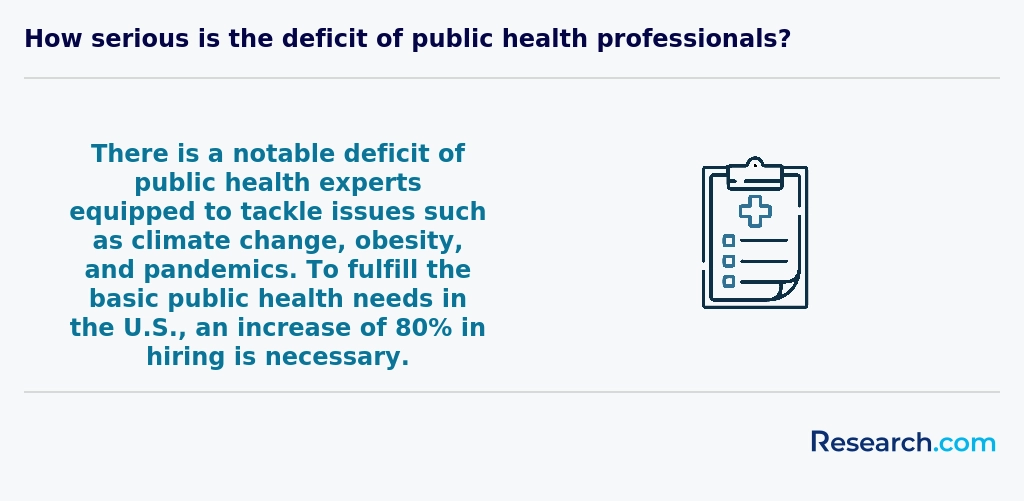
Accreditation ensures your online public health program meets rigorous academic and professional standards before you enroll. Look for:
- CEPH accreditation, which confirms a curriculum aligned with industry benchmarks
- Regional institutional accreditation (e.g., SACSCOC) for overall academic credibility
- Clear transfer-credit policies that recognize prior coursework and reduce time to degree
- Established practicum partnerships with local health agencies for real-world experience
Programs with robust accreditation often parallel quality found in other health fields, for example, many institutions offering CEPH-accredited public health programs also offer a pharmacy degree.
Federal aid continues to be a cornerstone for many Southern students pursuing online public health degrees, making dreams of advancing in this vital field feel more attainable. Graduates from universities known for strong public health programs in the South often recall how completing the FAFSA unlocked Pell Grants, relieving financial stress with awards up to $7,395 annually. These grants, combined with Direct Subsidized Loans, provide a safety net that keeps education affordable without immediate interest burdens.
State-specific scholarships give an exciting edge to Southern residents. For example, students at Texas public institutions have benefited from the Texas Public Educational Grant, which lightens tuition burdens and sparks hope for working professionals balancing studies and jobs.
Many graduates share how employer tuition reimbursement illuminated pathways to success, turning online classes into stepping stones within healthcare roles. Looking ahead, expanding partnerships between schools, states, and employers are poised to create even more tailored, accessible financial aid options that embrace the unique needs of online learners in the South.
Students aiming to enroll in online public health degree programs in the South generally start with a high school diploma or GED, a familiar stepping stone for many graduates from popular Southern universities. They often recall submitting official transcripts showing solid academic performance, meeting GPA thresholds commonly set between 2.5 and 3.0. For example, graduates from well-known colleges in Georgia or North Carolina describe how these requirements felt like achievable milestones fueling their confidence.
Many programs expect completion of prerequisite courses in biology, chemistry, and statistics, creating a foundation that graduates say made complex public health topics more approachable. Applicants sometimes share satisfaction in realizing how these courses prepared them for the analytical challenges of real-world health issues.
Though standardized tests like the SAT or ACT are less emphasized, some schools still consider them, especially for scholarship opportunities, motivating applicants to polish these scores when possible. Personal statements and recommendation letters also offer chances to express strong commitment to public health, a sentiment echoed among Southern online learners eager to make a positive community impact.
Graduate applicants typically reflect on holding prior degrees or relevant experience, which perfectly aligns with trends in Southern universities requiring demonstrated readiness. This blend of academic and personal preparedness shapes a welcoming pathway for future public health leaders in the region.

Earning professional certifications can significantly enhance your credentials and marketability after completing an online Public Health degree in the South. One of the most recognized credentials is the Certified Health Education Specialist (CHES) designation, awarded by the National Commission for Health Education Credentialing. CHES holders often report salary boosts of 10–15% and greater access to leadership roles in community outreach and program development. For those seeking an advanced credential, the Master Certified Health Education Specialist (MCHES) demonstrates specialized expertise and may command even higher compensation. Another valuable certification is the Certified in Public Health (CPH) credential, which validates your mastery of key public health domains such as biostatistics, epidemiology, and health policy. Employers-especially government agencies and research institutions-frequently prefer or require CPH-certified professionals for supervisory and managerial positions. Additionally, the Certified Health Data Analyst (CHDA) certification equips graduates to transform complex data into actionable insights, a skill increasingly in demand across non-profit organizations and healthcare systems. Continuing education courses and workshops, offered through professional associations like the American Public Health Association (APHA) and state health departments, allow you to stay current on emerging topics such as opioid crisis response, disaster preparedness, and telehealth strategies. These short-term programs not only deepen your expertise but also satisfy ongoing licensure or certification maintenance requirements. For comparison, many public health professionals pursue nursing certifications to diversify their skill sets, exploring the community health nursing salary alongside public health career pathways to understand the full spectrum of health-related earnings potential. By strategically selecting certifications aligned with your career goals-whether in community health education, environmental health, or health services administration-you position yourself for advancement, higher salaries, and greater trust from employers and communities alike.
Online public health degrees in the South typically include foundational courses like Introduction to Public Health, offering an essential look at healthcare systems and social determinants of health. Graduates from universities such as the University of North Carolina or Tulane often recall how this course illuminated local health challenges, making the content immediately relevant.
Epidemiology is key, teaching students to track disease patterns familiar to Southern states, such as diabetes and influenza outbreaks. Many find this skill empowering, as it directly connects classroom learning with urgent community health needs.
Biostatistics builds confidence in analyzing data, helping students translate numbers into actionable insights. Southern programs frequently emphasize chronic diseases prevalent in the region, making this course feel practical and impactful.
Courses in health policy and environmental health address governance and pollution issues specific to the South. Electives allow exploration of emerging trends like mental health and health communication, reflecting the dynamic future of public health education online.
Students often share enthusiasm about applying theory through remote internships or capstones, experiencing firsthand the tangible difference their education can make in their communities.
Online public health degree specializations in the South offer pathways that resonate deeply with the region's unique health challenges and evolving workforce demands. Graduates from prominent Southern universities often reflect on how specializations like Epidemiology provide vital insights into chronic diseases prevalent locally, such as diabetes and heart disease, enabling them to make a tangible impact in their communities. Others find Health Policy and Management appealing, especially as they work to improve healthcare access in underserved rural areas commonly found across Southern states.
Students pursuing Southern US public health program concentrations increasingly embrace Environmental Health, anticipating new challenges from climate change and industrial pollution affecting their home regions. Interdisciplinary fields like informatics and health communication prepare them to address future public health crises with innovative tools. Many also explore practical knowledge in Global/Public Health Education, developing culturally sensitive strategies suited for the South's diverse populations. One graduate recounted how the specialization helped navigate career options with strong links to the evolving community health nursing salary landscape, underscoring the degree's versatility.
Choosing the best online public health degree in the South often means balancing affordability with a program's ability to address regional health challenges. Graduates from popular universities appreciate how programs incorporate local issues like rural healthcare access and chronic disease prevalence, making learning relevant and inspiring. Flexibility emerges as a top priority-students juggling jobs find asynchronous courses and part-time options crucial to their success. For example, some Southern institutions offer accelerated tracks that allow motivated learners to finish in about three years, sparking enthusiasm and a sense of accomplishment.
Programs emphasizing fields such as epidemiology or health policy help students align their studies with future career goals in Southern communities. The best online public health degrees in the South also foster connections to local health departments, providing real-world internship experiences that graduates recall as pivotal moments. Investigating affordability is essential too; many seek out resources like the Most Affordable Public Health Degree Programs Ranking in Indiana for guidance on affordable public health programs Southern states offer.
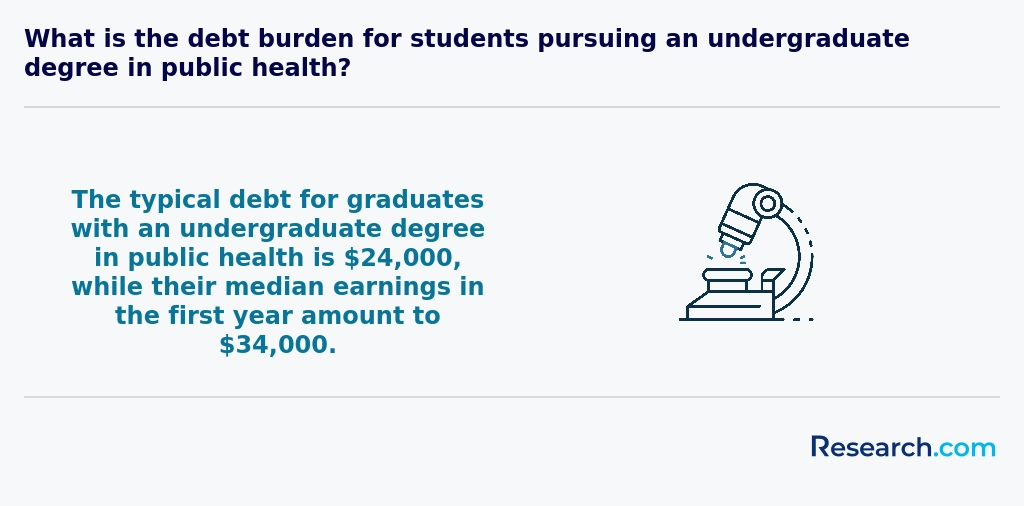
Graduates with an online public health degree in the South are stepping into a dynamic field with diverse career paths that align closely with regional health challenges. Many find fulfilling roles as public health educators or health promotion specialists, designing community programs that tackle prevalent issues like diabetes and heart disease common in Southern states. By enrolling at popular Southern universities, students have shared how they've applied their knowledge directly to local initiatives, earning rewarding experiences that boost both career prospects and personal growth.
Others pursue careers as epidemiologists or disease intervention specialists, essential for tracking outbreaks and advising government responses. Working with state health departments or federal agencies such as the CDC in Atlanta offers graduates hands-on opportunities to influence vital public health policies. These Southern online public health job opportunities reflect a commitment to protecting vulnerable populations, including the uninsured, through roles like policy analysts or community health workers.
Healthcare administration and program coordination are growing fields where graduates manage resources and improve service delivery, driven by evolving healthcare systems across the South. Many find that flexible online programs, including the best accelerated degree college options for working adults, allow them to balance their careers while advancing their education, positioning themselves for leadership in this expanding landscape.
The job market for online public health jobs in the South is poised for exciting growth as regional healthcare demands evolve. Graduates from popular Southern institutions often find themselves drawn to roles in state and local health departments, especially in states like Texas and North Carolina, where public health initiatives target chronic disease and rural healthcare access. Many recent graduates share stories of quickly securing positions within community health organizations, leveraging the flexibility of their online degrees to adapt to telehealth and remote service models.
Public health degree job outlook Southern US looks promising because employers increasingly value the technical skills and practical knowledge gained through accredited online programs. Graduates from universities known for their public health offerings report feeling confident navigating health policy and administration roles, directly contributing to improving the well-being of local populations. Salaries typically range from moderate to competitive, providing motivation for many to enter this impactful field.
For students considering their academic path, exploring what's the easiest doctorate degree to get can also serve as a strategic option for advancing within the public health sector while managing a busy lifestyle.
2027 Fastest Online Bachelor's in Public Health Degree Programs Ranking in the South
Investing in your education is a significant decision that can impact your professional trajectory, and the Research.com team recognizes the importance of providing trustworthy guidance. To support prospective students in the southern United States, we have carefully developed the "2027 Fastest Online Bachelor's in Public Health Degree Programs Ranking in the South." This ranking reflects our dedication to quality, credibility, and accuracy through thorough research and data analysis.
We utilized the following reputable data sources to ensure a comprehensive evaluation of degree programs:
By consulting this ranking, readers will gain valuable insights into the fastest online public health degree options in the South, empowering them to make well-informed education choices. For more information on how this ranking was created, please visit our Research.com methodology page.




# 5 position
Sullivan University
Bachelor of Healthcare Management

Frequently Asked Questions About public health
Online public health degree students in the South can maximize their learning by engaging actively with regional public health organizations. Connecting with local health departments or community groups enhances practical understanding beyond coursework. Students benefit from enrolling in programs accredited by the Council on Education for Public Health (CEPH), ensuring curriculum quality and recognition nationally.
Utilizing virtual internships or service-learning projects focused on Southern health issues like rural health disparities or chronic disease management offers relevant experience. According to the CDC, states in the South face higher rates of chronic illnesses, making regional knowledge crucial. Students should also participate in online discussions and webinars to expand their professional network.
Accessing library databases and staying current with research from institutions such as the Southern Public Health Association strengthens academic success. Time management and leveraging faculty expertise through virtual office hours further enhance learning outcomes for Southern online public health students.
Emerging niches in the public health field reflect growing societal needs and technological advances. In the Southern U.S., areas such as epidemiology and health informatics are expanding rapidly. According to the CDC, this region faces unique challenges like higher rates of chronic diseases, which fuels demand for specialists in disease prevention and community health.
Another rising focus is environmental health, driven by concerns over climate change impacts on vulnerable Southern communities. Behavioral health also gains attention as mental health disparities persist across the South. Professionals with skills in data analysis and digital health technologies are increasingly sought after, reflecting nationwide trends documented by the Association of Schools and Programs of Public Health (ASPPH).
To prepare for the job market after completing an online public health degree in the South, graduates should focus on gaining practical experience through internships or volunteer roles with local health departments or nonprofit organizations. The Southern U.S. faces unique public health challenges, such as higher rates of chronic diseases, making regional experience valuable.
Building a professional network by joining associations like the Southern Public Health Association can help connect graduates with job opportunities. Additionally, obtaining certifications such as Certified Health Education Specialist (CHES) can enhance employability. According to the Bureau of Labor Statistics, public health occupations in Southern states are projected to grow faster than the national average through 2031.
Employers in the Southern United States prioritize several key skills when hiring public health degree graduates. Strong analytical abilities are essential, as graduates often handle complex health data and need to interpret trends affecting diverse populations. Communication skills are equally critical, enabling professionals to effectively educate communities and collaborate with healthcare providers.
Understanding social determinants of health is especially important in the South, where disparities remain significant. According to the Southern Public Health Association, cultural competency helps graduates address these challenges sensitively. Additionally, proficiency in program planning and evaluation ensures graduates can design and assess public health initiatives effectively.
Technology skills, including familiarity with data management software, are increasingly demanded by employers adapting to digital health trends.
Finding internships in the South relevant to a public health degree involves targeted research and leveraging regional resources. Many universities partner with local health departments and nonprofit organizations, offering students practical experience. According to the Southern Public Health Association, state and local health departments in the South employ thousands of professionals, creating substantial internship opportunities.
Students should explore state health department websites in states like Texas, Georgia, and North Carolina, where public health initiatives often seek interns. Additionally, professional networks such as the American Public Health Association and regional career fairs can connect students with placements. Online platforms like Handshake also list Southern public health internships.
Timing matters-applying early for summer or semester internships increases chances, as many programs have strict deadlines. Active outreach and contacting supervisors directly can further enhance opportunities.
Obtaining an online public health degree significantly improves career mobility and advancement opportunities in the South. The region faces unique public health challenges like higher rates of chronic diseases and health disparities, which drives demand for skilled professionals. According to the U.S. Bureau of Labor Statistics, public health occupations in Southern states are projected to grow faster than the national average through 2030.
Employers in this region increasingly recognize accredited online degrees, valuing the flexibility and relevant competencies graduates bring. Graduates often find roles in government agencies, hospitals, and nonprofit organizations focused on improving community health outcomes.
Additionally, professional certifications following degree completion enhance prospects for leadership and specialized positions. This makes online public health education a practical choice for working adults seeking advancement without relocating.
Studying for a public health degree in the South offers a strong foundation for interdisciplinary roles by blending core public health principles with region-specific challenges. Southern programs often emphasize collaboration across fields such as medicine, social work, and environmental science to address issues like rural health disparities and chronic diseases, which are prevalent in the region.
Universities in the South align their curricula with guidelines from the Council on Education for Public Health (CEPH), ensuring students gain skills applicable in diverse sectors. According to the CDC, the South faces higher rates of obesity and diabetes, prompting schools to focus on integrative approaches.
This multidisciplinary training equips graduates to work effectively in varied roles, from policy making to community health education in complex settings.
Choosing between a thesis and a non-thesis public health degree program in the South depends on your career goals and learning preferences. Thesis programs require conducting original research, which suits students aiming for advanced study or research roles. Non-thesis options often focus more on practical skills and coursework, ideal for those pursuing immediate employment in public health organizations.
In Southern states, public health employment is growing at about 8% annually, according to the Bureau of Labor Statistics. Thesis programs may enhance opportunities in academia or specialized research centers prominent in the region. Non-thesis programs typically finish faster, appealing to working professionals needing timely credentials.
Consider your schedule, future plans, and interest in research to make the best choice.
Students based in the South seeking to study public health abroad have several options, often through partnerships between Southern US universities and international institutions. Many accredited online public health programs provide study-abroad opportunities or global health concentrations involving fieldwork overseas. Public health students can also participate in exchange programs or internships facilitated by their Southern schools.
According to the Association of Schools and Programs of Public Health (ASPPH), international experience enhances understanding of diverse health challenges. Schools in the South, such as the University of Florida and Emory University, emphasize global health through virtual or hybrid coursework, enabling students to engage with international public health practices without leaving the country.
Access to study abroad may vary depending on the program's focus and funding availability. However, many Southern public health programs encourage global perspectives, reflecting the region's increasing engagement in addressing health disparities both locally and worldwide.
Part-time job opportunities that complement public health degree education in the South often include positions in community health organizations, clinics, and local health departments. Many public health students work as health educators, where they help design and deliver wellness programs. This role aligns well with online coursework and offers practical experience.
The Southern states have a high demand for public health professionals due to persistent health disparities. According to the CDC, the South reports higher rates of chronic diseases, creating more opportunities in preventive health roles.
Other common part-time jobs include research assistantships at universities and nonprofits, data entry for health surveys, or administrative roles in hospitals. These experiences enhance understanding of public health systems while offering flexibility.
Online public health students in the South benefit from diverse networking opportunities tailored to their region. Many Southern universities with public health programs provide virtual events, webinars, and career fairs that connect students with local health organizations. For example, the Southern Public Health Association regularly hosts conferences and workshops accessible to online learners, fostering networking with professionals across multiple states.
The Southeastern U.S. has a high demand for public health expertise due to ongoing challenges like chronic diseases and health disparities, according to the CDC. This drives active collaboration among universities, government agencies, and nonprofits, creating internship and mentorship opportunities for students.
Additionally, student groups and alumni networks remain vital for career support and professional connections within the Southern public health community.
Alumni networks play a crucial role for students enrolled in online public health degree programs in the South. These networks provide access to professional connections within Southern states, which often experience unique public health challenges such as higher rates of chronic diseases and health disparities, according to the CDC.
Through alumni events, mentorship, and online platforms, students can gain insights into regional public health initiatives and job opportunities. For instance, graduates from Southern universities frequently work with agencies like the Southern Public Health Association, helping fellow students secure internships and employment.
Research shows that strong alumni engagement can increase job placement rates by up to 20%, making these networks valuable for career advancement in public health.
Customizing an online public health degree program in the South allows students to align their education with specific career goals. Many Southern universities offer concentrations such as epidemiology, health policy, or community health, enabling students to specialize. Elective courses and flexible scheduling further support tailored learning. According to the Association of Schools and Programs of Public Health, Southern states face unique health challenges, including higher rates of chronic diseases, which can shape program focus.
Students can also choose internships or practicum experiences in local health departments or nonprofits, gaining relevant hands-on skills. Online degrees often provide pathways for certification preparation, such as Certified Health Education Specialist (CHES).
Online public health students in the South often face challenges related to limited broadband access. According to the Federal Communications Commission, nearly 20% of rural Southern households lack high-speed internet, which can hinder participation in virtual classes.
Another common issue is balancing coursework with work and family responsibilities. Southern states tend to have higher poverty rates, leading many students to juggle multiple commitments while studying.
Additionally, students may encounter fewer local support networks compared to those on campus, affecting networking and mentorship opportunities. Understanding these challenges can help prospective students prepare accordingly.
With an online public health degree, graduates in the South can pursue several key professional certifications that enhance career prospects. The most recognized is the Certified in Public Health (CPH) credential offered by the National Board of Public Health Examiners. This certification validates a broad knowledge base in public health principles and is valued nationwide.
The South has seen growing demand for public health professionals, making certifications like the Certified Health Education Specialist (CHES) important for community health roles. Additionally, credentials such as the Registered Health Information Administrator (RHIA) can be pursued by those focusing on health data management.
These certifications often require a bachelor's degree and passing an exam, with some requiring continuing education to maintain status. According to the Association of Schools and Programs of Public Health, public health jobs in Southern states are projected to grow 16% through 2030, emphasizing the value of certification.
Writing a winning application for an online public health program in the South requires clear focus and preparation. Start by researching programs that align with your career goals, noting that Southern states have seen a 15% increase in public health job demand as reported by the U.S. Bureau of Labor Statistics. Highlight your commitment to improving community health, especially in Southeastern regions where chronic diseases remain a major concern.
Include a well-crafted personal statement emphasizing relevant experience or volunteer work in Southern communities. Strong recommendations from supervisors familiar with your dedication to public health strengthen your application. Lastly, ensure all transcripts and certifications are submitted on time to meet program deadlines.
The field of public health offers important opportunities worldwide, including for students in the Southern United States pursuing online degrees. Public health careers address global challenges such as infectious disease control, health equity, and disaster preparedness. According to the Association of Schools and Programs of Public Health (ASPPH), there is a rising demand for public health professionals both in the US and abroad.
Graduates with public health degrees from Southern institutions often contribute to efforts addressing regional issues like chronic disease prevalence and health disparities. The U.S. Bureau of Labor Statistics projects a 17% growth in public health jobs through 2030, reflecting a growing global and local need.
Many public health programs in the South emphasize global health perspectives and cultural competence to prepare students for diverse populations. This approach equips graduates for careers in international organizations, government agencies, and NGOs focused on improving health outcomes worldwide.
Gaining practical experience while studying for an online public health degree in the South involves engaging in internships, community projects, and applied research. Many Southern universities partner with local health departments, nonprofits, and hospitals to offer remote or in-person internships, allowing students to work on real-world public health issues.
Additionally, online students can participate in virtual simulations and case studies tailored to public health challenges in the South, such as rural healthcare access or chronic disease management. The Southern Public Health Association highlights that hands-on experience improves job readiness for graduates entering a region with diverse health disparities.
Finally, volunteering with local agencies provides valuable insights into regional health priorities during studies.
Choosing the right concentration within an online public health degree program in the South depends on your career goals and regional health priorities. The Southern US faces unique challenges such as higher rates of chronic diseases, obesity, and healthcare access disparities, as reported by the CDC. Concentrations like epidemiology, health policy, or community health can prepare you to address these issues effectively. Researching labor market demands in your state helps; for example, Texas and Florida show growing needs for health educators and policy analysts according to the Bureau of Labor Statistics. Consider accredited Southern schools offering specialized tracks aligned with your interests and local public health needs.
- Public Health Degrees & Careers | How To Work In Public Health https://www.learnhowtobecome.org/medical-health-careers/public-health/
- Dive deeper into public health topics. https://www.apha.org/topics-and-issues
- Pursue Your BS in Public Health Online with South University https://www.southuniversity.edu/online/degrees-programs/public-health/public-health-bs
- Master of Science (M.S.) Major in Public Health Education and Promotion (Non-thesis Option) https://mycatalog.txstate.edu/graduate/education/health-human-performance/public-healthed-promo-nonthesis-ms/
- My journey from medicine to public health | PH SPOT https://phspot.org/journey-medicine-public-health/
- Top 25 Online MPH Community Health Degree Programs - MPH Online https://www.mphonline.org/best-online-mph-community-health/
- Public Health Jobs https://publichealthjobs.aspph.org/
- What Can You Do With a Public Health Degree? https://www.publichealthdegrees.org/careers/what-can-you-do-with-public-health-degree/
- Public Health Challenges – IPA SDG Dashboard https://sdg.internationalpublishers.org/sdgaction/public-health-challenges/
- The Interdisciplinary Nature of Public Health https://www.cune.edu/news/interdisciplinary-nature-public-health