
2027 Most Popular Public Health Degree Programs Ranking in Milwaukee

Co-Founder and Chief Data Scientist
Choosing the right public health degree program in Milwaukee can feel overwhelming. That's why our article offers the 2027 Most Popular Public Health Degree Programs Ranking in Milwaukee, created by Research.com's team of data scientists. This ranking helps you identify programs that are highly regarded and suitable for your goals.
Reading this article will give you confidence in your decision, showing the value of pursuing a public health degree. It's an exciting step toward making a positive impact on community health and your future career.
Key benefits of getting public health degree in Milwaukee
- Graduates with a public health degree in Milwaukee can earn competitive salaries, such as $52,610 annually for Community Health Workers and up to $86,710 for Environmental Health Specialists, reflecting strong job market demand.
- Career paths include roles like Health Educator or Occupational Health and Safety Specialist, offering diverse opportunities to impact community well-being, as seen in local university alumni success stories.
- Online public health degrees from Milwaukee institutions provide flexible schedules and accessibility, helping students balance work and study while gaining valuable skills without disrupting their lives.
- 2027 Most Popular Public Health Degree Programs Ranking in Milwaukee
- What can I expect from public health degree in Milwaukee?
- Where can I work with public health degree in Milwaukee?
What can I expect from public health degree in Milwaukee?
The average cost of a public health degree in Milwaukee varies, with public institutions generally offering more affordable tuition for Wisconsin residents. Graduates from universities such as the University of Wisconsin-Milwaukee often report manageable tuition expenses combined with the availability of scholarships and assistantships that substantially reduce out-of-pocket costs. These financial supports are frequently tied to participation in public health research projects or community health initiatives, providing students both funding and practical experience.
Many public health students in Milwaukee appreciate how these programs balance cost-effectiveness with high-quality education tailored to local public health challenges. For example, engaging in internships with the Milwaukee Health Department or non-profits allows students to apply classroom theory to real community health issues, enriching their learning without incurring extra expenses.
By choosing a Milwaukee-based program, students benefit from lower tuition rates compared to national averages and meaningful hands-on opportunities that prepare them for careers in a city actively addressing health disparities and promoting equity.
Where can I work with public health degree in Milwaukee?
Graduates with a public health degree in Milwaukee find a range of employment opportunities across various sectors. Many step into roles at the Milwaukee Health Department, where they engage in vital public health initiatives such as disease control and health education-work that directly impacts their own communities. Alumni from the University of Wisconsin-Milwaukee often share how hands-on projects during their studies prepared them to contribute effectively in these city health programs.
Hospital systems like Froedtert Health and Aurora Health Care also actively recruit public health graduates. Here, professionals coordinate health programs and analyze data to improve patient outcomes, combining clinical insight with community health strategies. Graduates from nearby institutions express pride in bridging academic knowledge with practical impact within these healthcare environments.
Nonprofits focused on health equity and preventive care offer meaningful career paths, where graduates collaborate with policymakers and community leaders. Experiences from students at the Medical College of Wisconsin illustrate how their research and advocacy skills translate into roles supporting maternal-child health and substance abuse prevention efforts.
Finally, numerous graduates pursue careers in research or academic settings, contributing to public health advancements locally. Working with universities provides an intellectually rewarding environment that energizes many new professionals eager to make a difference in Milwaukee's health landscape.
Graduates with a public health degree in Milwaukee can typically expect to earn competitive salaries aligned with key roles in the region. For example, community health workers in Milwaukee generally earn around $52,610 annually, reflecting entry-level wages for those holding bachelor's degrees from institutions such as the University of Wisconsin-Milwaukee. Many graduates share that starting as a community health worker offers valuable hands-on experience while earning a solid entry salary of about $50,000, providing confidence as they begin their careers.
Health educators, another common path for public health graduates, earn a mean annual wage near $69,790. Graduates from local programs often find this role rewarding as it combines outreach with measurable community impact, and the salary supports a stable lifestyle in Milwaukee.
More specialized roles like environmental health specialists and occupational health and safety specialists command higher wages, averaging $86,710 and $85,570 respectively. Graduates with advanced skills or certifications, perhaps gained through continued study in Milwaukee's academic settings, often report positive experiences securing these roles, appreciating the higher compensation tied to their expertise and advanced training.
- Milwaukee offers public health degrees at bachelor's and master's levels with specializations like epidemiology and health policy.
- Tuition for in-state students ranges from $7,000 to $12,000 per year at public universities, while private schools charge $15,000 to $25,000 annually.
- Total yearly costs including fees, books, and living expenses can reach $20,000 to $30,000 depending on the student's situation.
- Entry-level salaries for public health graduates in Milwaukee start around $45,000 to $55,000 per year.
- Experienced professionals can earn median salaries between $65,000 and $80,000, influenced by role and qualifications.
- The region provides job opportunities in healthcare, government, nonprofits, and public health initiatives focused on urban health and chronic diseases.
Completing a public health degree in Milwaukee varies by degree level and enrollment status. An associate degree typically requires about two years of full-time study, often pursued at local community colleges or technical schools. Graduates appreciate this path as a practical start, enabling them to enter the workforce quickly or transition to further study.
Bachelor's degrees, such as those offered at the University of Wisconsin-Milwaukee, generally take four years of full-time enrollment with around 120 credit hours. Many students balancing work and school find this timeline manageable, while part-time attendance can extend the process.
Graduate programs like the Master of Public Health (MPH) usually span two years full-time. Some Milwaukee institutions provide accelerated tracks of 12 to 18 months, offering motivated students a faster path to career advancement. Part-time options extend up to four years, accommodating professionals who need flexibility.
Doctoral degrees require four to six years, focusing on intensive research and leadership development. Milwaukee students value the opportunity to engage deeply with public health challenges while contributing original insights to the field.
Flexible scheduling and online classes are common, making degree completion adaptable to diverse lifestyles in Milwaukee. This flexibility enhances student satisfaction and success in achieving their educational goals.
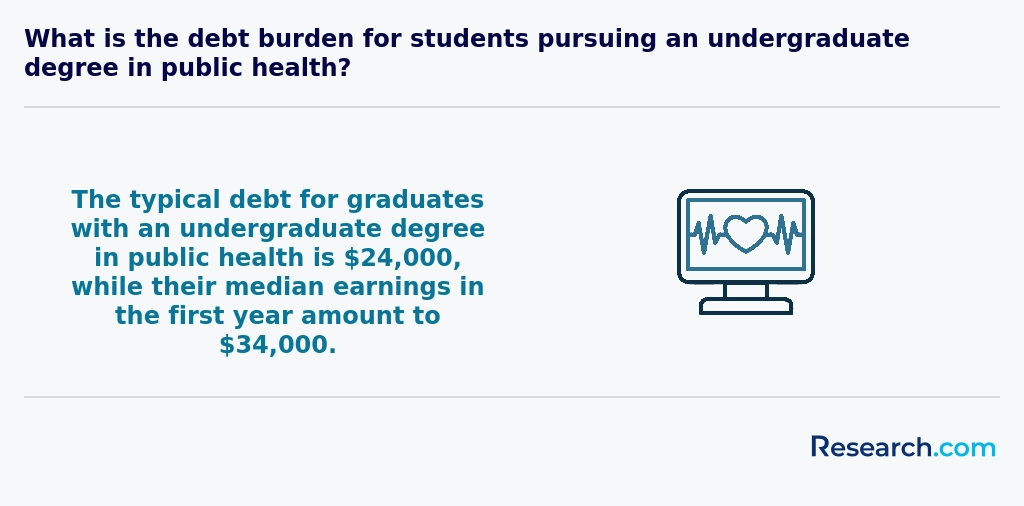
Investing in a Public Health degree in Milwaukee requires understanding both upfront costs and long-term earnings. On average, students graduate with $24,000 in debt while securing entry-level salaries around $34,000. By comparing tuition rates, living expenses, and expected wages, you can estimate a payback period of roughly 3–4 years. Key factors influencing ROI:
- Tuition and Fees: In-state bachelor’s programs average $4,500 per semester, while out-of-state and private institutions can exceed $12,000. Online options, including mph online programs, often offer lower rates and flexible payment plans.
- Salary Growth: Public Health roles such as Health Educator ($66,710) and Environmental Health Specialist ($83,820) see 15–25% salary increases within five years, accelerating debt repayment.
- Career Advancement: Graduates who pursue certifications or a master’s degree typically experience a 20–30% boost in salary and eligibility for leadership positions.
- Employer Tuition Assistance: Many local health departments and nonprofits provide loan forgiveness or tuition reimbursement for employees, reducing net education costs.
- Time to Break Even: With conservative estimates, most Milwaukee graduates recoup their education investment within four years through combined earnings and employer benefits. By evaluating these metrics, prospective students can make data-driven decisions, ensuring their Public Health degree delivers both personal fulfillment and financial stability.
Online public health degrees in Milwaukee offer significant flexibility, enabling students to manage work, family, and education simultaneously. Graduates appreciate this adaptability, especially those balancing jobs in Milwaukee's healthcare sector. The University of Wisconsin-Milwaukee's online program demonstrates how students can maintain career momentum while advancing their education from any location. Typically, these programs cost between $15,000 and $30,000 for a master's degree, often competing closely with on-campus tuition but benefiting from lower ancillary fees.
Conversely, on-campus programs at institutions like the University of Wisconsin-Milwaukee provide rich, hands-on experiences through direct interaction with faculty and community agencies. Graduates recall engaging in internships and community health projects that deepen practical skills and foster strong local networks. This immersive environment supports students in building valuable professional connections, often enhancing job placement prospects within Milwaukee's public health industry.
- Online programs emphasize scheduling flexibility and self-discipline suited for working professionals.
- On-campus programs prioritize experiential learning and local networking opportunities.
- Costs are comparable, with slight differences in ancillary fees favoring online options.
- Fieldwork opportunities in Milwaukee are more accessible to on-campus students.
Milwaukee’s public health programs boast faculty members who are leaders in epidemiology, environmental health, and health policy, ensuring students learn from experts actively shaping the field. Professors at the University of Wisconsin-Milwaukee and Marquette University regularly publish peer-reviewed studies on community health disparities and direct funded research projects, giving students hands-on experience in data collection, analysis, and dissemination. Through small seminar classes and one-on-one mentorship, you’ll collaborate on studies that influence local health initiatives and develop skills sought by employers and doctoral programs alike. In addition to faculty-led research, many institutions host dedicated centers-such as UWM’s Center for Urban Population Health and Marquette’s Institute for Health & Equity-where students can intern or serve as research assistants. These opportunities often lead to conference presentations and co-authorship on journal articles, bolstering your résumé and demonstrating expertise to future employers. To compare costs and funding models at other institutions, you may also find our Affordable Public Health Degree Programs Ranking in Maine useful for benchmarking financial and research support offerings. Finally, collaborative partnerships with Milwaukee’s health departments and non-profits mean research projects frequently translate into real-world interventions-whether designing vaccination outreach strategies or assessing environmental risk in underserved neighborhoods. By the time you graduate, you’ll have a portfolio of publications, presentations, and community-driven projects that set you apart in a competitive job market and exemplify the applied, impactful nature of Milwaukee’s public health education.
The average cost of a public health degree in Milwaukee typically centers around $34,882 for out-of-state students, while in-state students benefit from significantly lower tuition, averaging approximately $10,398. These figures offer prospective students a clear financial framework to plan their education at popular institutions such as the University of Wisconsin-Milwaukee (UWM) and Marquette University.
Graduates often recall the balance between affordability and academic quality, especially those attending UWM, where in-state tuition rates make earning a public health degree more accessible. This affordability enhances motivation and removes financial stress, allowing students to focus on impactful community health projects and internships that deepen their practical knowledge. Such experiences are vital in public health careers and underscore the appeal of studying locally.
While private universities like Marquette offer specialized programs with higher tuition, many students find value in the diverse funding options available across Milwaukee, including scholarships and assistantships. These opportunities help manage the total investment, which also includes additional costs like fees and materials. Professionals pursuing their degree part-time or online benefit from flexible scheduling that often affects overall expenses.
Understanding the average cost of public health degree Milwaukee offers helps students make informed decisions. For those researching the most suitable programs, viewing the best popular public health colleges in Milwaukee provides further insight into cost and program quality.

Students pursuing public health degrees in Milwaukee benefit from a variety of financial aid options tailored to ease the cost burden. Graduates from institutions like the University of Wisconsin-Milwaukee and Marquette University often recount how federal aid through FAFSA opened doors to Pell Grants, providing crucial need-based funds that do not require repayment, with awards up to $7,395 annually. This funding made it possible for them to focus on their studies rather than financial strain.
State support also plays a vital role, especially via the Wisconsin Grant Program, which offers non-repayable assistance to eligible students at both public and private Milwaukee colleges, often supplementing federal aid. Many local universities enhance affordability by offering merit-based scholarships for strong academic performers and need-based aid specifically for public health majors, reflecting the community's commitment to nurturing future healthcare leaders.
Additionally, Milwaukee students highlight the advantage of private scholarships from organizations like the American Public Health Association, as well as employer-sponsored tuition reimbursement and loan forgiveness programs. These real-world resources make pursuing public health more accessible and less stressful.
Enrolling in a public health degree in Milwaukee requires meeting clear academic and experiential criteria tailored to the city's unique health landscape. For undergraduate programs at well-known Milwaukee universities, applicants typically need a high school diploma and foundational coursework in biology, chemistry, math, and social sciences. These subjects prepare students to understand both the scientific and community dimensions of public health challenges seen in Milwaukee neighborhoods.
Graduate programs, such as the Master of Public Health offered locally, expect candidates to hold a bachelor's degree. Graduates often share that relevant work experience in health services or community outreach greatly enhances admission prospects, reflecting Milwaukee's practical focus on addressing healthcare disparities and chronic diseases.
Letters of recommendation and personal statements are essential components of the application. Some programs still request standardized test scores like the GRE, though this requirement has become less common. Public health students across Milwaukee frequently describe how these prerequisites ensure a diverse yet well-prepared cohort ready to engage with real-world issues affecting local populations.
For many prospective students, understanding the long-term benefits and community support available through a Public Health program is as crucial as the curriculum itself. Graduates of Milwaukee’s top Public Health programs often highlight the thriving alumni networks and robust career services that were instrumental in launching their professional journeys. These networks provide ongoing mentorship, exclusive job fairs, and collaborative projects that keep alumni connected long after graduation. Many programs host annual networking events, where current students and alumni come together to share insights and form valuable partnerships. Additionally, the career services offices work closely with students to arrange internships, co-op placements, and industry-specific workshops that ensure a smooth transition into the workforce. For example, exploring opportunities at the best popular public health colleges can further highlight the importance of these support systems in not only advancing career prospects but also fostering lifelong relationships in the field. Emphasizing these community-building aspects in a program not only enhances its appeal but also reinforces the role of continuous learning and professional growth in a rapidly evolving industry.
Public health degree programs in Milwaukee commonly include core courses such as Introduction to Public Health, Biostatistics, Environmental Health, Epidemiology, Health Behavior and Promotion, and Health Policy and Management. Graduates from universities like UW-Milwaukee often reflect on how these courses provided a solid foundation in understanding health systems, analyzing data, and addressing urban environmental health issues relevant to Milwaukee's communities.
For example, Environmental Health classes frequently incorporate local case studies that resonate with students' daily experiences, helping them connect theory with Milwaukee's ongoing efforts to improve urban health. Internships tied to the Milwaukee Health Department allow students to apply classroom knowledge in practical settings, fostering a sense of contribution and connection to their community.
Many students appreciate the inclusion of social determinants of health coursework, which deepens their awareness of disparities affecting Milwaukee's diverse populations. This real-world focus often inspires a strong commitment to public health careers aimed at making a tangible difference locally and beyond.
Typical public health degree specializations in Milwaukee include epidemiology, environmental health, health policy and management, community health, and global health. Graduates from well-regarded Milwaukee universities often share positive experiences in epidemiology, highlighting its relevance in tackling local health challenges such as diabetes and infectious diseases prevalent in the region. Environmental health specialization addresses urban issues like industrial pollution and water quality, preparing students to engage directly with community-centered initiatives aimed at improving public safety.
Health policy and management studies remain in high demand due to Milwaukee's expanding healthcare infrastructure, empowering graduates to lead and optimize health services in various settings. Community health concentration is especially impactful for students passionate about addressing Milwaukee's racial and socioeconomic disparities through outreach and education with local organizations. Meanwhile, global health programs blend local study with broader pandemic and health equity themes, reflecting the interconnected realities students witness firsthand.
For Milwaukee residents seeking flexible options, several institutions also offer well-rated mph online programs with these same public health program concentrations, enabling students to balance life and study effectively.
Choosing the best public health degree programs Milwaukee requires careful evaluation of accreditation, curriculum, and local opportunities. Graduates from Milwaukee's universities often emphasize the importance of selecting a Council on Education for Public Health (CEPH) accredited program, as this ensures a recognized and rigorous education that employers value. For example, students at popular local institutions benefit from specialized tracks like epidemiology and community health, paired with internships at Milwaukee health departments that enhance practical skills and job readiness.
Affordability is also crucial; many seek affordable public health schools in Milwaukee that combine competitive tuition with financial aid. Alumni frequently note how Milwaukee's programs offer flexible schedules, including part-time and online options, which accommodate working professionals and those balancing family commitments. Understanding program graduation rates and faculty engagement with city health initiatives can further guide your choice.
For a comprehensive comparison that highlights affordability alongside quality, consider consulting the Affordable Public Health Degree Programs Ranking in Maine as a model for assessing value in this competitive field.
Graduates with a public health degree in Milwaukee find diverse career paths aligned with the city's distinct health landscape. Many alumni from popular universities in Milwaukee pursue roles as epidemiologists or public health analysts, tackling challenges such as chronic diseases and infectious outbreaks prevalent in urban communities. Their work helps shape data-driven interventions critical to Milwaukee County's public health improvements.
Others engage in health education and promotion, developing community programs that encourage healthier lifestyles across Milwaukee's varied socioeconomic neighborhoods. These opportunities often arise within local schools, non-profits, or public health departments, where graduates apply their training to address social determinants of health effectively.
Environmental health also attracts Milwaukee public health degree job opportunities, focusing on protecting water quality and controlling pollution near Lake Michigan and industrial zones. Graduates frequently join organizations like the EPA or Wisconsin Department of Natural Resources, contributing to vital environmental monitoring efforts.
Healthcare administration is a further option, where public health professionals collaborate with hospitals and clinics to optimize program management and policy strategies amid rising healthcare costs. Milwaukee students often report fulfilling careers that merge leadership with community impact.
Those considering flexible study paths can explore the best accelerated online degree programs for working adults, balancing education with professional development in this rewarding field.
The public health job opportunities Milwaukee offers are robust, fueled by the city's diverse population and a strong network of healthcare providers and government agencies. Graduates from local institutions, such as the University of Wisconsin-Milwaukee, often find rewarding roles within community health initiatives and research projects addressing real urban challenges. These experiences not only build practical skills but also foster a deep connection to the city's public health needs. Many alumni have reported fulfilling careers working in local and state public health departments, hospitals, and nonprofit organizations dedicated to health equity and disease prevention.
The Milwaukee public health career outlook remains promising as employers prioritize expertise in epidemiology, health education, and program development. Salary prospects here are competitive, with experienced professionals often earning above $60,000 annually. For students concerned about education costs, Milwaukee's public universities provide affordable yet quality programs, supporting local students' ambitions without overwhelming debt. Those looking to advance quickly may also consider certifications you can get online that pay well, further enhancing employability in this expanding field.
2027 Most Popular Public Health Degree Programs Ranking in Milwaukee
Investing in your education is a significant decision that can shape your future, and the Research.com team understands the importance of making informed choices. To assist prospective students in Milwaukee, we have meticulously crafted the "2027 Most Popular Public Health Degree Programs Ranking in Milwaukee." Our commitment to quality, credibility, and accuracy is reflected in the extensive research and analysis conducted to compile this ranking.
We utilized the following reputable data sources to ensure a comprehensive evaluation of public health programs:
By exploring this ranking, readers will gain valuable insights into the best public health degree programs available in Milwaukee, empowering them to make well-informed decisions about their educational and professional futures. For more details on our methodology, please visit our Research.com methodology page.

# 4 position
Medical College of Wisconsin
Master of Public Health

Frequently Asked Questions About public health
Public health degree students in Milwaukee can maximize their learning experience by engaging with local community health initiatives. Milwaukee faces unique public health challenges, including higher rates of asthma and chronic diseases than the national average, as reported by the Milwaukee Health Department. Participating in internships and service-learning projects with organizations like the Milwaukee County Public Health Division provides practical experience. Additionally, students should take advantage of collaborations between Milwaukee universities and local health agencies, which often offer research opportunities focused on urban health disparities. Networking with professionals through local public health conferences also enhances understanding and career prospects in the region.
Emerging niches within public health are rapidly evolving to address modern challenges. In Milwaukee, increasing attention is paid to environmental health, driven by local concerns such as air and water quality issues documented by the Milwaukee Health Department.
Another growing area is health informatics, where data analysis improves disease tracking and healthcare delivery. This niche supports Milwaukee's expanding healthcare systems and their need for tech-savvy public health professionals.
Additionally, mental health promotion has gained prominence, especially following Milwaukee's efforts to combat rising rates of depression and substance abuse, as reported by local health surveys. These niches offer new career opportunities for those pursuing public health degrees in the city.
Preparing for the job market after earning a public health degree in Milwaukee involves several strategic steps. Start by gaining practical experience through local internships or volunteer roles with organizations such as the Milwaukee Health Department or non-profits focused on community wellness. These opportunities build your resume and professional network.
Milwaukee's public health sector is growing, with job prospects expanding in epidemiology, health education, and policy development, according to the Wisconsin Department of Workforce Development. Graduates should also consider obtaining additional certifications, like the Certified in Public Health (CPH) credential, to enhance employability.
Networking through local public health events and joining professional groups such as the Wisconsin Public Health Association can connect you with potential employers and mentors.
Employers in Milwaukee seeking graduates with public health degrees prioritize a mix of analytical and interpersonal skills. Key abilities include data analysis and interpretation, crucial for understanding local health trends documented by the Milwaukee Health Department. Candidates must demonstrate strong communication skills to effectively engage with diverse communities, particularly given Milwaukee's varied population.
Project management is another essential skill, as public health roles often involve coordinating community health initiatives with limited resources. Familiarity with public health software and systems, such as Epi Info or GIS tools, is highly valued based on job listings from local health agencies.
Finally, cultural competency and an understanding of social determinants of health are critical, reflecting Milwaukee's commitment to addressing health disparities. These combined skills ensure graduates are ready to support public health goals in the region.
Finding internships in Milwaukee relevant to a public health degree involves targeting local health departments, hospitals, and nonprofit organizations. The Milwaukee Health Department frequently offers internship programs focused on community health initiatives, providing practical experience in epidemiology and health education. Major hospitals like Froedtert & the Medical College of Wisconsin often host public health interns in their research and outreach divisions.
Additionally, organizations such as the United Way of Greater Milwaukee are valuable for internships centered on social determinants of health. Using resources like the Wisconsin Public Health Training Center can help students locate internship listings and training opportunities specific to Milwaukee.
Networking through university career centers also connects students with employers. According to the Milwaukee Health Department's 2023 Community Health Assessment, internships that involve data collection and health promotion are in growing demand locally.
A public health degree significantly enhances career mobility and advancement opportunities in Milwaukee. The city's growing focus on community health and epidemiology has increased demand for professionals with specialized knowledge in disease prevention, health policy, and health education. According to the Wisconsin Department of Health Services, public health roles in Milwaukee County are expected to grow by approximately 12% through 2030, outpacing many other sectors.
Graduates with a public health degree often qualify for diverse roles in government agencies, non-profits, hospitals, and private sectors. Advanced degrees also enable access to leadership positions, such as program directors or health administrators, which offer higher salaries and greater responsibility. Employers in Milwaukee prioritize candidates with formal education in public health due to the region's complex urban health challenges. Credentials from accredited US institutions provide a competitive advantage in this evolving job market.
Studying for a public health degree in Milwaukee equips students with skills essential for interdisciplinary roles through its focus on collaboration across fields such as epidemiology, social sciences, and health policy. Local universities emphasize experiential learning, connecting students with community organizations like the Milwaukee Health Department. This exposure helps students address complex health challenges in urban settings. According to the Wisconsin Department of Health Services, Milwaukee's diverse health concerns require coordinated efforts between professionals in medicine, education, and social work. Public health programs in Milwaukee also integrate data analysis and communication, preparing graduates to work effectively in diverse teams and influence public health outcomes.
Choosing between a thesis and a non-thesis public health degree program in Milwaukee depends on your career goals and learning preferences. Thesis programs generally emphasize research, preparing students for doctoral studies or research-intensive jobs. Non-thesis programs focus more on practical skills, appealing to those aiming for immediate work in public health practice or administration.
Milwaukee's public health labor market is growing by approximately 10% annually, highlighting the need for professionals with diverse training. Thesis students often engage in projects addressing local health issues, such as urban health disparities documented by the Milwaukee Health Department.
Consider your interest in conducting original research and plan accordingly. Employer feedback in Wisconsin suggests non-thesis graduates often transition faster into public health roles.
Students based in Milwaukee who wish to study public health abroad have several options through university exchange programs and study abroad partnerships. Many Milwaukee institutions with public health degree programs, such as the University of Wisconsin-Milwaukee, offer opportunities to study in countries with diverse health systems. These programs often last a semester or a full academic year and provide hands-on experience in global health practices.
According to the Institute of Public Health at UW-Milwaukee, approximately 10% of their public health students participate in international study experiences. Popular destinations include countries in Europe, Asia, and Latin America, where students can explore public health challenges different from those in the United States.
Financial aid and scholarships are frequently available to help offset travel expenses, making these programs more accessible to Milwaukee students. Collaboration between local public health departments and global partners also enhances practical learning abroad while addressing worldwide health issues.
Students pursuing public health degrees in Milwaukee can benefit from part-time roles that offer practical experience and community engagement. Local hospitals and health clinics often hire part-time health educators or outreach workers, allowing students to apply classroom knowledge in real-world settings. The Milwaukee Health Department frequently offers internships or part-time positions focused on disease prevention and health promotion.
Another opportunity lies in research assistant roles within institutions like the Medical College of Wisconsin, where students may support data collection and analysis related to local health issues, including chronic disease prevalence and vaccination efforts.
Nonprofits such as the Greater Milwaukee Foundation provide part-time jobs in program coordination, helping students develop skills in public health communication and community partnership. According to the Wisconsin Department of Health Services, Milwaukee's focus on addressing health disparities creates growing demand for such positions, giving students relevant work experience alongside their studies.
Milwaukee offers valuable networking opportunities for public health students through its strong connections to local healthcare organizations and government agencies. The city hosts several professional groups, such as the Milwaukee Area Public Health Partnership and the Wisconsin Public Health Association, which organize regular events and workshops for students and professionals.
Universities like the University of Wisconsin-Milwaukee collaborate with local health departments and nonprofits, providing students with internships and community engagement projects. According to the Milwaukee Health Department, over 60% of public health graduates find connections through these programs.
Additionally, career fairs and alumni networks in Milwaukee facilitate access to regional public health employers, enhancing students' prospects.
Alumni networks play a crucial role for public health degree students in Milwaukee by providing access to experienced professionals and localized job opportunities. Graduates from institutions like the University of Wisconsin-Milwaukee often remain active within these networks, sharing insights about the city's public health sector, which includes ongoing efforts to address Milwaukee's high rates of chronic diseases and health disparities.
Through alumni connections, students can secure internships and employment with local health departments and organizations such as the Milwaukee Health Department. Networking events and mentorship programs facilitate professional growth and practical learning experiences. According to recent data from the Wisconsin Department of Health Services, these connections enhance graduates' chances of entering Milwaukee's specialized public health workforce.
In Milwaukee, students pursuing public health degrees can tailor their education to align with specific career goals through various specialization options. Many local institutions offer concentrations such as epidemiology, health policy, community health, and environmental health. These focus areas allow students to develop expertise valuable to the city's unique health challenges, like Milwaukee's high rates of chronic diseases and health disparities identified by the Wisconsin Department of Health Services.
Flexible course formats, including part-time and online classes, help working professionals customize their schedules. Additionally, internships and community projects linked to Milwaukee's health agencies provide practical experience, strengthening career readiness. Prospective students should review each program's curriculum and partnerships to find the best fit.
Public health students in Milwaukee often face several challenges unique to the city's context. One major issue is balancing rigorous coursework with practical fieldwork, as Milwaukee has one of the highest poverty rates among US cities, contributing to complex community health problems students must understand.
Access to quality internships can be limited due to funding constraints in local health organizations. According to the Wisconsin Department of Health Services, chronic diseases like diabetes and heart disease are prevalent in Milwaukee, requiring students to navigate real-world health disparities during their training.
Additionally, many students manage financial pressures since public health programs at local universities often come with significant tuition and living costs. Juggling academic demands with part-time work leads to stress, impacting performance.
Graduates with a public health degree in Milwaukee have several professional certifications available to enhance their careers. One prominent certification is the Certified in Public Health (CPH) credential, administered by the National Board of Public Health Examiners. This certification validates core public health knowledge and can increase job prospects nationally, including in Wisconsin.
Additionally, the Certified Health Education Specialist (CHES) credential is widely recognized and supports roles in community health promotion. Milwaukee's growing focus on community health initiatives makes this especially relevant.
For those interested in epidemiology, the Certification in Infection Control (CIC) is valuable, particularly due to Milwaukee's attention to infectious disease control.
These certifications often require a public health degree and professional experience, offering greater employment opportunities within local health departments, nonprofits, and healthcare organizations.
Writing a winning application for a public health program in Milwaukee begins with clear, focused goals. Admissions committees seek candidates who demonstrate commitment to improving community health, especially given Milwaukee's unique challenges, such as higher rates of chronic diseases compared to the national average, reported by the Milwaukee Health Department in 2023.
Highlighting relevant experience, such as volunteering with local health initiatives or internships in urban health settings, strengthens your profile. Milwaukee's public health programs value applicants who understand local issues like health disparities and access to care.
Strong letters of recommendation from professionals familiar with your dedication to public health are essential. Additionally, a well-written personal statement explaining your motivation and career aspirations specific to Milwaukee's community health context can set you apart.
Public health careers are increasingly shaped by global challenges such as pandemics, climate change, and health disparities. Students pursuing degrees in Milwaukee can benefit from understanding how U.S. public health initiatives align with global efforts to improve population health.
Globally, public health professionals work on disease prevention, health promotion, and policy development-skills also emphasized in Milwaukee programs. For example, the Milwaukee County Health Department collaborates on international health projects, offering local students exposure to global health trends.
According to the Wisconsin Department of Health Services, Milwaukee faces unique health challenges that mirror issues in developing countries, such as high rates of chronic diseases and infectious illnesses. This similarity highlights the importance of gaining a global perspective.
Understanding global public health prepares graduates for diverse roles-from local community outreach to international agencies like the CDC. The demand for professionals with cross-cultural competence continues to grow in Milwaukee, reflecting broader global trends.
Gaining practical experience while studying for a public health degree in Milwaukee can significantly enhance your understanding and job prospects. Many Milwaukee institutions partner with local health departments, such as the Milwaukee Health Department, offering internships that provide hands-on community health work. Students often engage in projects addressing urban health challenges like asthma and lead poisoning, which are prevalent in Milwaukee neighborhoods.
Additionally, universities encourage participation in research studies focused on public health issues affecting Milwaukee's diverse populations, providing valuable real-world data experience. Volunteer opportunities with organizations like the Wisconsin Medical Society also help develop skills in health education and policy advocacy.
Choosing the right concentration within a public health degree program in Milwaukee involves evaluating local community health needs and career goals. Milwaukee faces specific public health challenges, including higher rates of chronic diseases like diabetes and heart disease, notably among African American populations, according to the Milwaukee Health Department's latest reports.
Concentrations such as epidemiology, community health, or health policy can prepare students to address these issues effectively. Prospective students should research which programs offer practical experiences or partnerships with local organizations, as Milwaukee houses a growing network of public health agencies and nonprofits.
Additionally, consider job market trends; Wisconsin's Department of Workforce Development highlights increasing demand for public health professionals specializing in data analysis and health education. Choosing a concentration aligned with these trends can enhance employability after graduation.
Finally, reviewing curriculum details and faculty expertise helps match a concentration to your interests and Milwaukee's specific health priorities.
- 2027 Most Popular Public Health Degree Programs Ranking in Chicago
- 2027 Most Popular Public Health Degree Programs Ranking in West Lafayette
- 2027 Most Popular Public Health Degree Programs Ranking in Ann Arbor
- 2027 Most Popular Public Health Degree Programs Ranking in Indianapolis
- 2027 Most Popular Public Health Degree Programs Ranking in Bloomington
- 2027 Most Popular Public Health Degree Programs Ranking in Saint Paul
- 2027 Most Popular Public Health Degree Programs Ranking in Minneapolis
- 2027 Most Popular Public Health Degree Programs Ranking in Cincinnati
- 2027 Most Popular Public Health Degree Programs Ranking in Saint Louis
- 2027 Most Popular Public Health Degree Programs Ranking in Columbus
- Students and Alumni associations - Europubhealth https://www.europubhealth.org/students-alumni-associations/
- What do you learn in a bachelor's in public health? | edX https://www.edx.org/resources/what-do-you-learn-in-a-bachelors-in-public-health
- Loading https://www.cpalms.org/PreviewResourceStudentTutorial/Preview/166485
- Steps to take when applying for a graduate program | PH SPOT https://phspot.org/how-i-think-i-got-into-grad-school/
- Areas in Public Health https://www.publichealthcareers.org/areas-in-public-health.html
- Pre-Professional Health Experience Guide | PublicHealthOnline.org https://www.publichealthonline.org/pre-professional-experience/
- APHA Internships & Fellowships https://www.apha.org/professional-development/apha-internships
- Today’s Guide to Public Health Certifications https://www.publichealthdegrees.org/resources/public-health-certifications/
- The Interdisciplinary Nature of Public Health https://www.cune.edu/news/interdisciplinary-nature-public-health
- Engaging students through service-learning opportunities in public health https://sneb.org/engaging-students-through-service-learning-opportunities-in-public-health/










