2027 Easiest Online Master's in Public Health Degree Programs Ranking in Baltimore, MD

Co-Founder and Chief Data Scientist
Choosing the right online public health master's program can feel overwhelming, especially when balancing life in Baltimore. This article offers a 2027 Easiest Online Master's in Public Health Degree Programs Ranking in Baltimore, MD created by the Research.com team of data scientists to guide you toward the best options.
By exploring this ranking, you'll discover programs that combine flexibility with quality education, helping you advance your career while managing your busy schedule.
Investing in a public health degree opens doors to meaningful work that makes a real difference in communities. This article is here to support your journey.
Key benefits of getting online public health degree in Baltimore
- Salary for public health degree graduates: Graduates in Baltimore can expect competitive pay, with roles such as Public Health Program Manager, Healthcare Administrator, and Health and Safety Manager earning a mean annual wage of about $134,440.
- Potential career paths: A public health graduate from Johns Hopkins University can pursue careers in epidemiology, health informatics, or program management, offering diverse options to impact community health positively.
- Benefits of an online degree: Earning a public health degree online from the University of Maryland Global Campus provides flexibility for working professionals in Baltimore, enabling skill-building without disrupting daily responsibilities.
- 2027 Easiest Online Master's in Public Health Degree Programs Ranking in Baltimore, MD
- What can I expect from online public health degree in Baltimore?
- Where can I work with online public health degree in Baltimore?
What can I expect from online public health degree in Baltimore?
The average cost of an online Master of Public Health (MPH) degree for Baltimore students typically ranges between $15,000 and $45,000 in total tuition. This wide range depends on factors like residency status, program length, and the specific institution you choose. Graduates from prominent Baltimore universities often speak about the value they found in these flexible, accredited programs that fit alongside their work or family commitments.
Many students appreciate how these programs connect them to local public health challenges, such as managing asthma or diabetes in Baltimore communities. Studying online through universities affiliated with the Baltimore area lets you engage with coursework designed around real city health issues, making what you learn both relevant and motivating.
Financial support-like scholarships, employer tuition reimbursement, and aid-is usually available, helping ease the investment and making your degree journey more achievable. For example, graduates often describe feeling empowered to build local connections with agencies and hospitals, even from a distance, enriching their professional and personal growth in public health.
Where can I work with online public health degree in Baltimore?
With an online public health degree in Baltimore, you open doors to impactful roles that truly make a difference in your community. Graduates from renowned institutions like Johns Hopkins Bloomberg School of Public Health often find rewarding jobs at the Baltimore City Health Department, working on programs that tackle disease prevention and maternal health. Imagine yourself as a program manager coordinating initiatives that improve the well-being of families across the city.
Many alumni also thrive in Baltimore's major hospitals such as Johns Hopkins Hospital or the University of Maryland Medical Center. These healthcare settings offer vibrant opportunities-whether analyzing health data to improve patient outcomes or supporting policy development to address urban health challenges. The hands-on experience gained through internships during your studies can give you a strong edge here.
Nonprofits and government agencies present another fulfilling path. Baltimore's nonprofits focused on substance abuse prevention or health equity regularly seek public health graduates to lead community engagement or grant writing efforts. Your work could directly support neighbors grappling with opioid addiction or HIV/AIDS, turning passion into purpose.
Finally, research roles tied to local universities let you explore health disparities with real community data while helping craft solutions for Baltimore's diverse neighborhoods. Many graduates find this blend of learning and service deeply motivating, proving that your online degree can be your launchpad for a meaningful career in the heart of Baltimore.
Graduates from online public health programs in Baltimore often discover promising salary opportunities that reflect their hard work and dedication. For example, those stepping into roles as Public Health Program Managers or Healthcare Administrators typically earn a mean annual wage around $134,440, according to the latest data. This figure highlights the valuable expertise gained from institutions like Johns Hopkins University or University of Maryland Baltimore, where students build practical skills that employers highly value.
Younger professionals entering the field as Health Informatics Specialists can expect a mean annual salary near $70,260, combining their passion for data and community health impact. Similarly, Epidemiologists-a popular career path for MPH graduates-earn about $90,430 annually in Maryland, showing that specialized knowledge pays off well locally. Many Baltimore graduates appreciate how these salaries provide financial stability while allowing them to contribute meaningfully to public health challenges in their communities.
Job seekers often find that Baltimore's moderate cost of living makes these earnings stretch further, enabling a balanced lifestyle focused on growth and community service. Students gain confidence knowing the degree opens doors to rewarding, well-paying positions that enhance health outcomes across the city and beyond.
- The cost of an online master's degree in public health in Baltimore ranges from $25,000 to $45,000 depending on the institution and residency status.
- Starting salaries for public health graduates in Baltimore are typically between $55,000 and $65,000 per year.
- Experienced professionals can earn between $75,000 and $95,000 annually within five to ten years.
- Maryland is projected to have a 12% growth in employment for health educators and community health workers by 2030.
- Many online programs offer flexibility for working professionals and require accreditation from bodies like CEPH for quality assurance and financial aid eligibility.
- Graduates often work in government health departments, hospitals, academic institutions, and private organizations focused on public health challenges.
Completing an online public health degree in Baltimore typically depends on your chosen level and pace of study. For many undergraduates at well-known institutions like Johns Hopkins University or University of Maryland, Baltimore, the Bachelor of Science in Public Health takes about four years of full-time commitment, matching the national norm for bachelor's degrees. Graduates often recall balancing their rigorous coursework with the flexibility these programs offer, a blend that made the journey both challenging and rewarding.
Graduate students pursuing an MPH, commonly through programs accredited by the Council on Education for Public Health (CEPH), usually spend one to two years studying full time. However, some Baltimore universities provide accelerated options that enabled graduates to finish in just 12 months. Others appreciated the option to stretch their studies over several years, often balancing work and family, without losing academic momentum.
Students often share how internships and practicums embedded in these programs gave them real-world experiences that enriched their understanding and prepared them for Baltimore's vibrant public health sector. Remember, the time you take can be customized to fit your lifestyle-whether you're a recent high school grad or a working professional. Your commitment today builds the foundation for a meaningful career tomorrow.
Ensuring that an online Master’s in Public Health program holds proper accreditation is the cornerstone of academic credibility and career success. In the United States, the Council on Education for Public Health (CEPH) is the primary accrediting body recognized by the U.S. Department of Education. CEPH accreditation guarantees that a program’s curriculum, faculty qualifications, and student outcomes have been rigorously evaluated against national standards. Key factors to verify when assessing accreditation and program quality: 1. CEPH Status • Confirm active CEPH accreditation on the program’s official website or through the CEPH directory. • Recognize that CEPH-accredited programs meet or exceed benchmarks for curriculum design, faculty research, and experiential learning opportunities. 2. Institutional Accreditation • Beyond CEPH, ensure the parent institution is accredited by a regional agency (e.g., Middle States Commission on Higher Education). • Regional accreditation affects transfer credits, financial aid eligibility, and employer recognition. 3. Continuous Improvement Processes • Look for evidence of annual program reviews, advisory board feedback, and student learning outcome assessments. • Programs that publish transparent accreditation self-studies and action plans demonstrate a commitment to quality enhancement. 4. Comparative Benchmarking • While affordability and ease of online delivery in Baltimore, MD are vital, it’s equally beneficial to compare program quality across regions. For insights into cost-effective options elsewhere, see our Most Affordable Public Health Degree Programs Ranking in Utah. By prioritizing accredited programs with robust quality assurance mechanisms, prospective students can trust that their online MPH degree in Baltimore, MD will be respected by employers, academic peers, and certification bodies nationwide.
Choosing between an online or on-campus public health program in Baltimore truly depends on your lifestyle and goals. Graduates from Johns Hopkins University often talk about the rich, face-to-face networking at local health seminars and internships, which help them build invaluable connections in Baltimore's vibrant public health community. This hands-on exposure, combined with access to campus resources like libraries and research centers, creates a dynamic learning experience that's hard to replicate remotely.
On the other hand, many who pursued the MPH online from institutions such as the University of Maryland, Baltimore, highlight the freedom to study anytime and anywhere. This flexibility is a game-changer for those balancing jobs or family-allowing them to progress without sacrificing important responsibilities. Online programs still provide practical local placements and valuable learning, though they demand strong self-discipline and excellent time management.
Both paths maintain rigorous standards backed by CEPH accreditation, ensuring quality education. For Baltimore-based students, the choice boils down to whether you thrive in immersive, in-person environments or need adaptability to integrate your studies into a busy, modern life.
In choosing an online Public Health degree program, prospective students should also consider the strength of student support and alumni services provided by the institution. Successful programs offer more than just an engaging curriculum-they ensure that students are equipped with essential academic and career resources throughout their educational journey and long after graduation. These support services can include: • Dedicated Academic Advising: Personalized guidance for course selection, degree planning, and balancing coursework with professional responsibilities, ensuring that each student stays on track. • 24/7 Technical Support: Reliable digital assistance that helps students navigate online learning platforms and troubleshoot any technical issues quickly, creating a seamless learning experience. • Career Counseling and Internship Placement: Expert career services that provide resume workshops, interview training, networking events, and connections to local internships or job opportunities. • Robust Alumni Networks: Active communities that foster mentorship, job referrals, and professional networking opportunities, empowering graduates to share experiences and open doors in the public health field. • Supplementary Learning Resources: Access to virtual libraries, online tutoring, and supplemental workshops that cater to diverse learning styles and reinforce core public health concepts. These comprehensive support systems not only help students overcome challenges unique to online learning but also build a strong foundation for future success in the ever-evolving field of public health. With an effective balance of academic rigor and supportive services, graduates can confidently transition into their chosen career paths and make a significant impact in their communities.
The average cost of an online public health degree in Baltimore typically centers around $29,130. This median total expense captures tuition, fees, and additional costs, providing a clear framework for budgeting your education. Graduates from well-known institutions like the University of Maryland, Baltimore County have shared how investing in their degree opened doors to fulfilling careers while being mindful of expenses.
Many students appreciate that public universities in Baltimore tend to offer more affordable tuition compared to private schools, especially if you qualify for in-state rates. This advantage can make a significant difference in total expenses for online MPH programs Baltimore MD, where program length and credit requirements contribute greatly to overall costs. Remember, some programs require 40 to 45 credits, so keeping track of these details early on helps manage financial expectations realistically.
Unique to online learning, additional fees for technology and course materials also add to costs but often keep you connected and engaged. Students often recommend exploring options for scholarships, employer tuition support, or factoring in financial aid to lessen the financial burden. For those interested in expanding their credentials beyond the MPH, pursuing certification for medical coding might offer added value and career flexibility.
Understanding the typical expenses for an online public health degree in Baltimore helps you confidently plan your educational journey while staying inspired by the rewarding outcomes graduates have experienced.
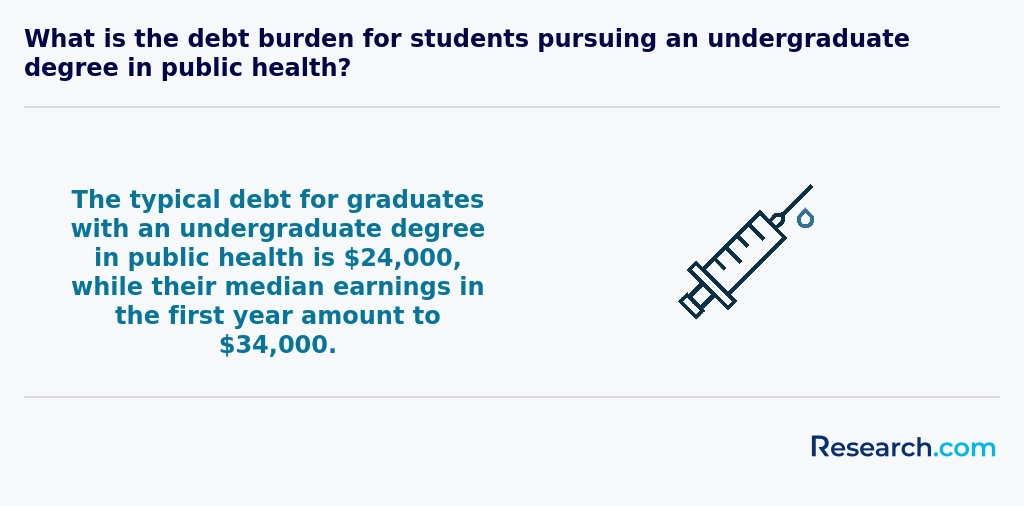
When pursuing an online public health degree in Baltimore, numerous financial aid options can ease the journey. Graduates from institutions like Johns Hopkins University and the University of Maryland have often shared how federal aid, accessed through FAFSA, became a vital lifeline. Grants such as Pell Grants-while primarily for undergraduates-occasionally support master's students facing financial hardships. Federal student loans like the Direct Unsubsidized and Grad PLUS Loans are popular too, offering manageable interest rates and repayment plans tailored to working professionals.
State-based help through the Maryland Higher Education Commission opens up scholarships and grants specific to Maryland residents. Many Baltimore public health employers also encourage their staff by providing tuition reimbursement or scholarships, creating a supportive community of learners balancing work and study.
National organizations and Baltimore universities themselves offer merit-based scholarships, giving motivated students an extra boost. Employers in healthcare often pitch in with tuition assistance, making the dream of advancing in public health more accessible than ever in Baltimore.
To enroll in an online public health degree program in Baltimore, you'll need a completed bachelor's degree from an accredited institution. Graduates from the city's well-regarded universities often found that having a background in health sciences or social sciences gave them a solid foundation, but many succeeded with diverse majors as well. Baltimore's programs, such as those at local colleges, sometimes require prerequisite courses in biology or statistics to ensure you're ready for the challenges ahead.
Maintaining a competitive GPA-often around 3.0-is important, though flexibility exists for applicants with meaningful public health work or volunteer experience. Many Baltimore students gained an edge by volunteering with local agencies like the Baltimore City Health Department, turning community involvement into powerful application assets.
While some schools may ask for GRE scores, many waive this if you bring strong professional experience. Admissions committees also look for a personal statement, recommendation letters, and a resume to understand your passion and potential fit. These requirements reflect the commitment and readiness that successful Baltimore public health students embody.
Ensuring that your online Master’s in Public Health program is fully accredited is crucial for credible education, eligibility for federal aid, and seamless career licensure. In Baltimore, MD, top institutions often hold both regional and programmatic accreditation, signaling adherence to rigorous academic and ethical standards. When evaluating “easiest” rankings, don’t let convenience override quality-always verify accreditation before enrolling. For example, you can explore related metrics on what are the easiest medical degree programs to see how rigor correlates with student outcomes. Key accreditation bodies and indicators to consider: • Council on Education for Public Health (CEPH) – Specialized accreditation for MPH programs, required by many employers and graduate schools • Middle States Commission on Higher Education (MSCHE) – Regional institutional accreditation, ensuring overall academic quality • State Authorization Reciprocity Agreements (SARA) – Approval to offer online courses across state lines • Professional certifications and licensure pathways – Verify that coursework meets prerequisites for CPH (Certified in Public Health) and state health department roles Accreditation benefits:
- Validates curriculum relevance to public health competencies
- Unlocks eligibility for federal financial aid and scholarships
- Enhances employability by meeting employer and certification requirements Before applying, always confirm accreditation status on the CEPH directory and your institution’s website to secure a recognized and impactful online education.
Online public health degrees in Baltimore typically include core courses such as epidemiology, where you learn how diseases spread within communities, and biostatistics, essential for analyzing health data. Imagine tackling real Baltimore health challenges like chronic disease trends or local infectious outbreaks with these skills-graduates from Johns Hopkins Bloomberg School of Public Health often recount how such courses prepared them to make a difference.
Environmental health and health policy courses are also common, helping you understand factors affecting Baltimore's neighborhoods and how to navigate health systems effectively. Many programs add social and behavioral health sciences, shining a light on how lifestyle and social conditions impact public health outcomes in diverse communities around Baltimore.
Global health topics expand your view beyond the city, which is vital in an interconnected world. Hands-on internships with organizations like Baltimore City's Department of Health transform theory into practice, giving you confidence and practical experience to serve your community.
Online public health degree specializations in Baltimore offer a variety of focused paths that help you tailor your education to your career aspirations. Graduates from popular Baltimore universities often highlight concentrations like Epidemiology, which trains you to analyze disease patterns-crucial in a city where combating asthma or opioid addiction is a daily task. Others choose Health Policy and Management to take on leadership roles shaping healthcare delivery in communities facing disparities.
Community Health and Education is another popular track, empowering students to promote healthier behaviors and improve access to services in Baltimore's diverse populations. Environmental Health focuses on tackling pollution and workplace hazards, something very relevant given the city's urban environment. Many students also consider certificates in global health or biostatistics for research-driven careers.
For practical exposure, online programs often connect you with local public health agencies for hands-on experience that truly roots your studies in Baltimore's unique challenges. If you're exploring options, consider how nursing universities washington dc offer interdisciplinary perspectives that can enrich your public health practice.
Choosing the best online public health degree in Baltimore means focusing on what truly matters: accreditation, curriculum, and how the program fits your life. Programs accredited by the Council on Education for Public Health (CEPH) guarantee quality and recognition, which graduates from well-known Baltimore universities appreciate when entering local job markets. Imagine yourself mastering epidemiology and health policy while addressing Baltimore's unique community health challenges-this practical approach makes your studies feel meaningful and directly connected to the city's needs.
Cost is another reality-affordable MPH degrees Baltimore MD offer options that don't break the bank. Graduates often share how scholarships or in-state tuition reduced their financial stress, allowing them to focus on learning. Flexibility also plays a big role; many programs let you learn fully online and on your schedule, just like those juggling work and family responsibilities.
Finally, don't overlook career services. Baltimore's healthcare sector is growing fast, and strong university partnerships enhance job prospects in epidemiology and health education. If you're curious about local healthcare trends, explore resources like the LPN job outlook as a complementary insight while planning your path.

If you're pursuing an online public health degree in Baltimore, a variety of rewarding career paths await you. Graduates from well-known universities and colleges in the city often find themselves working as epidemiologists, where they analyze disease trends to help local health departments respond swiftly to public health crises. This role is especially vital in Baltimore's urban environment, addressing real-time challenges like chronic disease outbreaks.
Others gravitate toward roles as health educators or community health workers, designing innovative programs that tackle issues such as tobacco use and obesity-both prominent concerns in Baltimore. These careers require strong communication and engagement skills, reflecting the city's diverse communities. Many Baltimore graduates appreciate how their online studies afford them flexibility, allowing them to continue working in healthcare or social services while advancing their education, which aligns with thriving public health job opportunities Baltimore MD offers.
Some graduates step into health administration, managing programs at hospitals or nonprofits with a focus on urban health. Bear in mind that understanding local salary data and employment growth is key-those curious about compensation might refer to the medical assistant salary trends to gauge related positions' financial prospects.

The job market for those completing online public health degrees in Baltimore is vibrant and full of opportunity. Graduates often find roles in hospitals, government agencies, and community organizations that serve the city's diverse populations. Many report feeling motivated by the real impact their work has on addressing chronic illnesses and health disparities specific to Baltimore's urban environment. The Johns Hopkins Bloomberg School of Public Health, a cornerstone institution in Baltimore, provides graduates with strong connections to research and public health initiatives that open doors across the city.
For students considering public health career opportunities Baltimore MD, the practical experience gained through partnerships with local clinics and health departments is invaluable. Salaries typically range from $50,000 to $90,000, with higher pay seen in research or state government positions. Many former students emphasize how their education prepared them for complex challenges, while also improving their confidence in leading community health projects.
Balancing cost and quality is crucial, and prospective students exploring online public health jobs Baltimore often benefit from programs offering competitive tuition. If you're contemplating future growth, consider exploring advanced degrees in healthcare to enhance your credentials and career trajectory.
2027 Easiest Online Master's in Public Health Degree Programs Ranking in Baltimore, MD
Investing in your education is a significant decision that requires careful consideration, and the Research.com team is dedicated to supporting you in this process. To help prospective students in Baltimore, MD, we have rigorously developed the "2027 Easiest Online Master's in Public Health Degree Programs Ranking." Our commitment to quality, credibility, and accuracy is evident in the comprehensive research and analysis behind this ranking.
We utilized the following reputable data sources to ensure a thorough evaluation of public health master's programs:
By consulting this ranking, readers will receive valuable insights into the easiest online master's in public health degree programs available in Baltimore, enabling them to make informed and confident educational choices. For more details about how this ranking was compiled, please visit our Research.com methodology page.

# 2 position
University of Maryland, Baltimore
Master of Health Science

Frequently Asked Questions About public health
Online public health degree students in Baltimore can maximize their learning by actively engaging with local health organizations and virtual networking opportunities. Baltimore is home to the Johns Hopkins Bloomberg School of Public Health, offering valuable resources and webinars open to the public. Connecting with these can enhance practical understanding. Additionally, Baltimore faces distinct public health challenges such as high rates of asthma and heart disease, as reported by the Maryland Department of Health. Students should focus on local health data to contextualize their studies and participate in online internships or volunteer projects within the city.
Utilizing digital libraries and Maryland's public health research databases will also strengthen academic research skills. Time management and consistent participation in discussion forums are crucial for success in online formats. Finally, leveraging Baltimore's diverse population through community-based case studies can deepen insights into health equity and policy development.
Emerging niches within the public health field reflect the evolving needs of communities, including those in Baltimore. One growing area is health informatics, which combines data analysis and technology to improve health outcomes. The Baltimore Health Department has emphasized digital tools to track and manage disease outbreaks, making this skill highly relevant locally.
Another key niche is environmental health. Baltimore faces unique challenges such as urban pollution and lead exposure, prompting demand for specialists focused on environmental risk reduction. According to recent Baltimore city reports, addressing these hazards is critical for community well-being.
Additionally, global health equity gains attention, with professionals working on systemic inequalities affecting vulnerable populations. Online public health degrees increasingly offer concentrations in these areas to prepare students for modern public health challenges.
After completing an online public health degree in Baltimore, preparing for the job market involves targeted steps. Start by gaining practical experience through internships or volunteer work with local health departments like the Baltimore City Health Department. These opportunities help build relevant skills and professional networks.
Many employers in Baltimore seek candidates familiar with urban health issues, including infectious disease control and health equity. According to the Maryland Department of Health, jobs in these areas have increased due to recent public health challenges.
Obtaining certifications such as Certified Health Education Specialist (CHES) can improve your job prospects. Additionally, leverage resources from Baltimore-based organizations like the Johns Hopkins Bloomberg School of Public Health's career center.
Networking through local public health events and online platforms also boosts employment chances.
Employers in Baltimore seek specific skills in graduates with public health degrees, reflecting the city's unique health challenges and workforce needs. Analytical skills are crucial, as professionals must interpret local health data to address issues like Baltimore's high rates of asthma and hypertension, according to the Maryland Department of Health. Strong communication abilities are also key for effectively working with diverse communities and health agencies. Additionally, proficiency in program planning and evaluation is important for managing public health initiatives. Familiarity with policy and healthcare systems supports advocating for underserved populations in Baltimore's urban environment, enhancing community health outcomes.
Finding internships in Baltimore relevant to a public health degree often involves connecting with local health departments and nonprofit organizations. The Baltimore City Health Department offers several internship opportunities that can provide hands-on experience in community health initiatives. Additionally, Maryland's leading hospitals, like Johns Hopkins and the University of Maryland Medical Center, frequently seek public health interns. Networking through university career centers and online platforms like Handshake can also help students find openings. According to the Baltimore Office of Employment Development, internship availability has grown by 15% in recent years, reflecting the city's focus on public health workforce development.
Obtaining an online public health degree can significantly enhance career mobility and advancement opportunities in Baltimore. The city's growing focus on public health, especially in areas like disease prevention and health equity, creates demand for qualified professionals.
Baltimore's public health sector employs over 4,000 workers, with a median salary of approximately $58,000, according to the U.S. Bureau of Labor Statistics. Earning a degree online allows students to gain relevant skills while continuing work locally.
Online degrees also provide flexibility to meet Baltimore's diverse community health needs, often leading to promotions in local health departments and nonprofit organizations. Employers increasingly value accredited online credentials for leadership roles.
Studying for a public health degree in Baltimore offers unique preparation for interdisciplinary roles due to the city's complex health landscape. Baltimore faces challenges like high rates of chronic disease and health disparities, which require collaboration across sectors such as healthcare, social work, and policy. Programs in Baltimore often emphasize applied learning, integrating public health with urban planning, law enforcement, and community development. According to the Maryland Department of Health, addressing local public health issues involves coordination among multiple disciplines, making interdisciplinary skills crucial. Online degrees here typically focus on teamwork, data analysis, and communication, crucial in diverse professional settings.
Choosing between a thesis and a non-thesis online public health degree program in Baltimore depends on your career goals and learning preferences. A thesis program requires independent research and may suit students interested in academic or research careers. In 2023, Baltimore's public health sector employed over 8,000 workers, highlighting growing research opportunities in areas like epidemiology and community health (Bureau of Labor Statistics).
Non-thesis programs often focus on practical skills and coursework, which can benefit professionals aiming for leadership or administrative roles in local health departments or nonprofits. Many Baltimore MPH programs also offer practicum experiences to build applied skills.
Consider your future plans carefully: thesis paths demand strong research commitment, while non-thesis programs emphasize hands-on training aligned with Baltimore's evolving public health needs.
Students based in Baltimore seeking to study public health abroad through online programs have several pathways. Many U.S. universities offer global public health concentrations within their online Master of Public Health (MPH) degrees. These programs provide curricula emphasizing international health systems, epidemiology, and policy, preparing students for work anywhere worldwide.
Baltimore's proximity to reputed public health institutions like Johns Hopkins University, which offers extensive global health research and collaborations, adds value for local students considering study abroad components or practicums. While fully overseas MPH degrees are less common for U.S. residents, many programs encourage or require international field experiences that can be completed abroad.
According to the Association of Schools and Programs of Public Health, approximately 30% of MPH programs have global health tracks, aligning well with Baltimore students' interests in international public health careers.
Baltimore offers several part-time job opportunities that complement an online public health degree. Roles such as community health worker, health educator assistant, and research assistant are commonly available at local hospitals and public health agencies. These positions provide valuable hands-on experience while studying.
The city's health department frequently hires part-time help for outreach programs targeting chronic diseases and immunization campaigns. According to the Baltimore City Health Department, public health jobs in these areas have grown by 8% over the past five years.
Nonprofit organizations focusing on vulnerable populations also seek part-time staff to support program implementation and data collection. Such roles enhance practical knowledge and networking within Baltimore's public health community.
Online public health students in Baltimore benefit from diverse networking opportunities despite studying remotely. Local universities often host virtual mixers and webinars connecting students with alumni and public health professionals. These events foster relationships that can lead to internships or job placements.
Baltimore's strong public health community includes organizations like the Maryland Public Health Association, which offers conferences and volunteer activities suitable for online learners. Participation helps students engage with regional health policymakers and practitioners.
Additionally, Baltimore's proximity to agencies such as Johns Hopkins Bloomberg School of Public Health allows access to lectures and research forums, often streamed online.
Public health employment in Baltimore grew by 5.2% between 2019 and 2023 (BLS), indicating active local industry to connect with.
Alumni networks offer significant benefits to students pursuing online public health degrees in Baltimore. These networks provide valuable connections with graduates working in local health departments, hospitals, and nonprofit organizations. Such links can lead to internships, job placements, and mentorship opportunities tailored to Baltimore's unique public health challenges.
Baltimore faces distinct health disparities, including high rates of chronic diseases, where alumni experience can guide new students navigating these issues professionally. According to the Baltimore City Health Department, collaborating with alumni helps students stay informed about ongoing community health initiatives and emerging industry trends.
Moreover, alumni often hold leadership positions in Maryland's healthcare sector, creating a supportive environment for career advancement and continued education. Engaging with this network enhances students' practical knowledge and professional visibility in Baltimore's public health field.
Customizing an online public health degree program in Baltimore allows students to tailor their education to match specific career goals. Many programs offer concentrations such as epidemiology, health policy, or community health, enabling focused expertise. Elective courses and practicum experiences often provide opportunities to gain practical skills relevant to Baltimore's public health challenges, including urban health disparities and infectious disease control.
The flexibility of online learning also supports working professionals in balancing studies with employment. According to the Maryland Department of Health, Baltimore faces unique public health concerns, so selecting a program emphasizing local health trends can enhance career readiness. Additionally, some programs connect students with Baltimore-based organizations for internships, strengthening community ties and job prospects.
Online public health students in Baltimore often face challenges related to time management, as many juggle full-time jobs or family responsibilities alongside coursework. Balancing these demands requires strong self-discipline and effective planning.
Limited local access to in-person resources can also impact learning, despite Baltimore's strong public health infrastructure. Students may find networking or practical experience harder to secure remotely, though some programs offer virtual internships or partnerships with Baltimore health agencies.
Technological readiness is another common hurdle. Reliable internet access and comfort with digital platforms are essential for success in online studies.
According to the Johns Hopkins Center for Public Health, maintaining motivation over time remains a concern for many online students nationwide.
With an online public health degree, you can pursue several respected professional certifications that enhance career opportunities. One widely recognized certification is the Certified in Public Health (CPH) credential offered by the National Board of Public Health Examiners. This certification signifies mastery of key public health competencies.
Additionally, graduates may seek credentials like the Certified Health Education Specialist (CHES) or the Master Certified Health Education Specialist (MCHES) from the National Commission for Health Education Credentialing. These focus on health promotion and education expertise.
For Baltimore professionals, certifications in epidemiology or health data analysis can also be valuable, given the city's ongoing public health initiatives and access to institutions like Johns Hopkins University.
Writing a winning application for an online public health program in Baltimore starts with understanding the city's health landscape. Baltimore faces unique public health challenges, such as high rates of chronic diseases and disparities in healthcare access, which you can highlight in your statement of purpose. Demonstrating awareness of local health issues from sources like the Baltimore City Health Department shows commitment and relevance.
Strong academic records, particularly in science or social science courses, strengthen your application. Many programs require GRE scores, but some waive this if you have relevant work experience. Letters of recommendation should come from professionals familiar with your academic abilities and dedication to public health.
Lastly, emphasize any community involvement or work in Baltimore's health sectors. Practical experience combined with a clear career plan aligns well with the goals of top online programs serving Baltimore students.
Public health careers are increasingly seen as vital worldwide due to global health challenges such as pandemics, chronic diseases, and health disparities. In the United States, including Baltimore, public health professionals play key roles in managing local and international health issues. According to the U.S. Bureau of Labor Statistics, employment in public health fields is projected to grow 13% through 2031, faster than many other occupations.
Global perspectives emphasize collaboration across countries to improve health outcomes, with organizations like the World Health Organization setting priorities that influence U.S. public health education and practice.
Baltimore's diverse population and health challenges offer practical learning opportunities for students pursuing online public health degrees, preparing graduates to work in global and community settings.
Gaining practical experience while studying for an online public health degree in Baltimore is possible through local internships and fieldwork opportunities. Baltimore hosts numerous public health organizations, including the Baltimore City Health Department, which frequently offers internships promoting health equity and community well-being. Students can also collaborate remotely with Baltimore-based nonprofits focused on chronic disease prevention or maternal health.
Many programs encourage participation in practicum placements, allowing students to apply classroom knowledge to real-world public health challenges. According to the Maryland Department of Health, such hands-on experience is crucial for developing skills in data analysis, program planning, and community outreach. Online students should explore partnerships between their institutions and Baltimore agencies to secure these placements.
Choosing the right concentration within an online public health degree program in Baltimore depends on your career goals and local health challenges. Baltimore faces significant public health issues, including high rates of asthma and HIV, according to the Maryland Department of Health. Concentrations like Epidemiology or Community Health could prepare you to address these directly.
Consider programs offering specializations aligned with Baltimore's needs, such as Environmental Health or Health Policy and Management. Research local job markets and employer demands to find concentrations with strong career prospects. Also, review faculty expertise and available practicum options to ensure relevant hands-on experience.
- Careers https://www.publichealthdegrees.org/careers/
- Steps to take when applying for a graduate program | PH SPOT https://phspot.org/how-i-think-i-got-into-grad-school/
- Public Health Degrees & Careers | How To Work In Public Health https://www.learnhowtobecome.org/medical-health-careers/public-health/
- Pre-Professional Health Experience Guide | PublicHealthOnline.org https://www.publichealthonline.org/pre-professional-experience/
- Epidemiology Jobs in Public Health https://www.publichealthcareers.org/jobs/epidemiology/us-md-baltimore/
- For Academic Public Health https://globalnetworkpublichealth.org/
- Loading https://www.cpalms.org/PreviewResourceStudentTutorial/Preview/166485
- Young WFPHA Initiative – Empowering Young Public Health Professionals https://www.wfpha.org/young-wfpha/
- How to Get Your First Public Health Job - PHERN https://phern.communitycommons.org/early-career-professional-learning-series/how-to-get-your-first-public-health-job/
- Public Health Jobs https://publichealthjobs.aspph.org/