2027 Best Public Health Degree Programs Ranking in Providence

Co-Founder and Chief Data Scientist
Choosing the right public health degree program is a big step toward a rewarding career in improving community well-being. This article introduces the 2027 Best Public Health Degree Programs Ranking in Providence, developed by Research.com's team of data scientists to guide you through your options with clear, trustworthy information.
By exploring this ranking, you'll gain insight into top programs that align with your goals, helping you make confident decisions about your education. A public health degree opens doors to meaningful work that truly impacts lives.
Key benefits of getting public health degree in Providence
- Public health graduates in Providence enjoy competitive salaries, with roles such as Environmental Health Specialists earning about $86,710 annually and Health Educators making around $69,790 per year.
- Career paths are diverse, including positions in community health, safety, and education, giving graduates the flexibility to work in local hospitals, government agencies, or nonprofit organizations.
- Online public health degrees offer great convenience for busy Providence students, allowing them to balance work and study while gaining the same respected credentials as traditional programs.
- 2027 Best Public Health Degree Programs Ranking in Providence
- What can I expect from public health degree in Providence?
- Where can I work with public health degree in Providence?
What can I expect from public health degree in Providence?
The average cost of pursuing a public health degree in Providence typically ranges from moderate to high, depending largely on the institution and level of study. Graduates from programs at Brown University, for example, often reflect on the investment as worthwhile despite the significant tuition fees, noting how the rigorous curriculum and extensive hands-on opportunities made the experience invaluable. Other local colleges may offer more affordable options that still provide quality education and meaningful community engagement.
Many students share that the true value lies not only in the classroom knowledge but also in internships and collaborations with Providence's health departments, which deepen understanding and foster connections. This practical exposure often leads to rewarding career paths, balancing the initial financial commitment. Graduates frequently highlight that the cost feels justified when considering the career support, networking opportunities, and specialized training available in Providence's unique public health landscape.
While tuition can be a concern, numerous scholarships and assistantships offered within Providence's institutions help lessen this burden, making a public health degree accessible to motivated students committed to making a local impact.
Where can I work with public health degree in Providence?
Graduates with a public health degree in Providence find themselves welcomed into a variety of fulfilling career paths. Many of them land positions at the Rhode Island Department of Health, working as epidemiologists or health education specialists, where they directly impact community wellness through data-driven public health policies. Others join local hospitals like Rhode Island Hospital or the Miriam Hospital, engaging in community outreach programs that bridge clinical care and public health, which brings a deep sense of purpose.
A number of graduates opt for nonprofit roles with organizations such as the Providence Center or United Way of Rhode Island, where their skills in program management and grant writing help shape initiatives tackling mental health and social determinants of health. Those drawn to research frequently collaborate with Brown University, contributing to studies in environmental health or epidemiology that influence policies at multiple levels.
From my experience, Providence offers a vibrant ecosystem for public health professionals eager to make a tangible difference. The city's focus on integrating health equity and community engagement creates rewarding opportunities to grow personally and professionally.
Graduates with a public health degree in Providence commonly encounter rewarding salary prospects that reflect the city's strong healthcare and academic presence. Those entering roles like community health workers can anticipate mean annual wages near $52,610, aligning with practical experiences shared by alumni from local institutions. Health educators often fare even better, with average salaries around $69,790, a figure many graduates from Providence-based colleges cite as a gratifying step toward a stable career.
Positions such as environmental health specialists and occupational health and safety specialists offer further financial growth, with average salaries reaching approximately $86,710 and $85,570 respectively. Graduates in Providence appreciate that these figures often surpass state averages because the city's dynamic public health ecosystem provides ample learning and professional opportunities.
Beyond the numbers, graduates emphasize the value of mentorships and internships available at Providence's medical schools and public health organizations, which enhance both skills and earnings potential. This practical experience, combined with Providence's supportive networks, often leads to fulfilling careers with salaries that reflect real impact on community health.
- Annual tuition for public health programs in Providence ranges from $15,000 to $35,000, varying by public or private institutions and degree level.
- The job market in Providence for public health graduates is expected to grow by about 10% over the next decade.
- Starting salaries for entry-level public health professionals average around $50,000 per year.
- Mid-career public health salaries in Providence typically range from $75,000 to $90,000, especially in healthcare administration, epidemiology, and health policy.
- Opportunities for internships and practical experience are common due to the presence of state health departments and research centers in the area.
Completing a public health degree in Providence typically takes time reflective of your commitment and program choice. Many undergraduates, especially those attending full-time at institutions like the University of Rhode Island, find that the degree takes around four years. This aligns with the traditional pace most students expect, allowing room for deep engagement with coursework and hands-on experiences that truly prepare you for the field.
Graduate students often appreciate the flexibility Providence programs offer, with a Master of Public Health usually completed in 1.5 to 2 years full-time. Some graduates recall the intensity of accelerated tracks, which finish in just a year but require laser focus and dedication. Part-time pathways, stretching over three to four years, offer balance for those managing work or family, reflecting the city's support for diverse student needs.
Doctoral candidates, pursuing research and leadership roles through programs like the DrPH or PhD, embrace a longer journey-anywhere between 3 to 5 years. Local graduates often share how immersive practicum opportunities and dissertation projects in Providence's public health landscape enrich their education, making the investment of time feel deeply rewarding.
Choosing between online and on-campus public health programs in Providence often comes down to learning style and life circumstances. Graduates from universities like the University of Rhode Island frequently reflect on the invaluable hands-on experiences they gained through face-to-face interactions, campus resources, and local health internships. These direct engagements helped deepen their understanding of community health challenges in real time, fostering a sense of connection and confidence in practical skills.
In contrast, graduates who pursued online degrees appreciate the flexibility to study around work and family commitments. They describe balancing busy days with asynchronous lectures and virtual discussions, which allowed them to progress at their own pace. However, many mention missing the spontaneous collaboration and in-person mentorship that on-campus students enjoy, especially for public health's community-driven work.
Cost and time commitment also differ. Online students often benefit from slightly lower tuition fees and the option to accelerate or slow down their studies. Yet, succeeding online demands strong self-discipline-a trade-off modern Providence students weigh carefully when considering what fits their personal and professional lives best.
Securing a spot in a Public Health degree in Providence, RI involves careful planning, timely submissions, and a compelling application package. Begin by marking key deadlines for fall and spring intakes at your target institutions-most programs at Brown University and the University of Rhode Island have application deadlines between December and February for fall admission, with rolling admissions for spring. To strengthen your candidacy: 1. Gather Transcripts and Test Scores • Request official transcripts from all previously attended colleges or universities. • If required, submit recent SAT or ACT scores-though many programs are now test-optional, strong scores can still enhance your profile. 2. Craft a Targeted Personal Statement • Highlight specific public health issues you’re passionate about, such as community health disparities in Providence. • Describe hands-on experiences-volunteer work, internships, or research projects-that demonstrate your commitment and practical skills. 3. Secure Strong Letters of Recommendation • Choose referees who can attest to your analytical abilities and community engagement, like faculty mentors or supervisors from health-related internships. • Provide your recommenders with a resume and personal statement draft to help them write detailed, supportive letters. 4. Demonstrate Relevant Experience • Document any volunteer work at local health departments, non-profits, or university research labs. • If you lack direct public health experience, consider short-term projects or online courses to build foundational knowledge. 5. Complete Supplemental Materials • Some programs may require a resume/CV, writing samples, or a brief video introduction-review each school’s requirements thoroughly. • Check for optional essays on topics like leadership in public health or your vision for community health improvement. 6. Plan for Interviews and Campus Visits • Prepare for potential interviews by reviewing your application narrative and researching the program’s faculty and ongoing projects. • Attend virtual or in-person open houses to ask questions about curriculum, internships, and student support services. By following these steps and staying organized with a detailed application timeline, you’ll maximize your chances of admission. For those exploring flexible learning formats, also consider comparing online options in our Affordable Online Master's in Public Health Degree Programs Ranking in Baltimore, MD.
The average cost of a public health degree in Providence typically centers around a median total of $26,765, with in-state students usually paying about $13,365. Graduates from local institutions often reflect on how these costs balance with the quality of education and career opportunities available in the city. For example, students attending renowned schools benefit from strong professional networks and hands-on experiences that justify the investment. Meanwhile, community colleges in Providence offer more affordable pathways, making the degree accessible without compromising on practical skills.
Many students pursuing the public health degree tuition and fees Providence 2027 report that while tuition forms a substantial part of expenses, additional costs such as living, books, and fees require careful budgeting. Thanks to Providence's mix of institutions, students have options ranging from more affordable associate-level studies to prestigious graduate programs with higher tuition but extensive resources and connections. This diversity opens doors to varying financial strategies, including scholarships and employer tuition reimbursement.
Reflecting on personal journeys of public health graduates, the positive outcomes often stem from smart choices about where and how to study within Providence's academic landscape. The city's opportunities extend beyond tuition, embracing support systems that lessen financial strain. Those interested in related health fields may also explore nearby nursing school facilities California as part of a broader health education plan, underscoring the value of strategic academic planning.
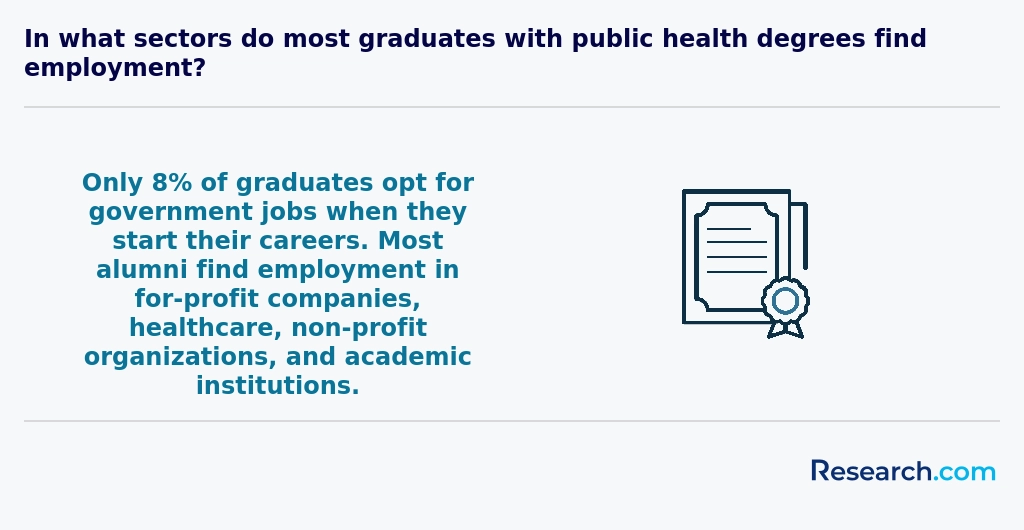
A vibrant academic community extends beyond classrooms and curricula, offering prospective Public Health students an immersive experience in Providence, RI. This section highlights the everyday campus life, student organizations, community engagement, and networking opportunities that enrich your educational journey. Universities in the area host diverse social events, cultural festivals, and community service initiatives where students can connect with local health organizations and gain real-world insights into public health challenges. These extracurricular experiences not only foster a strong sense of belonging but also enhance professional skills, preparing you for collaborative work environments in your future career. Additionally, if budget-friendly options are a key priority, exploring the cheapest public health programs in rhode island can provide valuable information on combining quality education with cost-effective living. Embracing the unique campus culture in Providence means engaging in hands-on projects, participating in community outreach, and building networks that extend well beyond graduation.
Students pursuing a public health degree in Providence find that financial aid options can literally make their dreams attainable. Graduates from institutions like Brown University and the University of Rhode Island's Providence campus often share how federal financial aid, accessed through FAFSA, played a crucial role in easing tuition burdens. Grants such as the Pell Grant become lifelines, removing the weight of repayment worries and allowing students to focus on their studies and community projects.
Rhode Island's state-specific programs, including the Promise Scholarship, offer additional relief, especially for those starting at two-year public colleges. Many students recount how university merit scholarships and assistantships provided both financial support and valuable hands-on experience, blending academic growth with practical application-a rewarding balance for many.
Beyond campus, connections with local public health organizations and employers have brought some graduates scholarships or loan repayment opportunities, underscoring the community's commitment to public health careers. Private scholarships, like the HRSA Health Professions Scholarship, round out the landscape, ensuring students can pursue their goals with confidence and support.
Providence’s top Public Health programs distinguish themselves through faculty who are both leading researchers and dedicated mentors. At Brown University, students work alongside professors securing NIH and CDC grants, investigating critical topics such as infectious disease modelling and health equity. These collaborative projects often culminate in conference presentations and peer-reviewed publications, offering hands-on experience in rigorous scientific inquiry. The University of Rhode Island extends similar opportunities via its Environmental and Occupational Health Sciences Institute, where faculty-led studies examine air quality, water safety, and community health interventions. Undergraduates and graduate students contribute to data collection, statistical analyses, and policy briefs, ensuring that research directly informs local public health strategies. For those exploring flexible learning paths, many mph programs online also emphasize faculty-driven research, pairing virtual coursework with remote collaboration on cutting-edge studies. Whether on campus or online, prospective students should review faculty publication records, ongoing grant projects, and lab resources to find a program that aligns with their academic and career aspirations. By engaging with expert faculty and participating in meaningful research, students in Providence not only strengthen their resumes but also contribute to real-world solutions-cementing their roles as emerging leaders in public health.
To embark on a public health degree in Providence, the foundational step is holding a high school diploma or its equivalent, such as a GED. This baseline requirement is consistently emphasized at renowned institutions in the city, ensuring students possess the essential academic grounding. Graduates often recall how their solid grasp of biology, chemistry, and statistics during high school eased their transition into the rigorous courses at local universities.
Many prospective students find that completing these science and math classes unlocks greater confidence and readiness to engage deeply with the program's analytical and scientific demands. For those aiming at graduate studies like a Master of Public Health, Providence colleges typically require an accredited bachelor's degree. A background in health sciences or social sciences can be particularly beneficial, although admissions committees warmly welcome motivated applicants from diverse fields who showcase relevant experience or passion.
Practical experience gained through volunteering or work within health settings in Providence often strengthens applications, reflecting the city's emphasis on real-world impact. Letters of recommendation and personal statements offer a valuable platform to express commitment and unique perspectives, adding a personal touch that resonates with admissions panels.
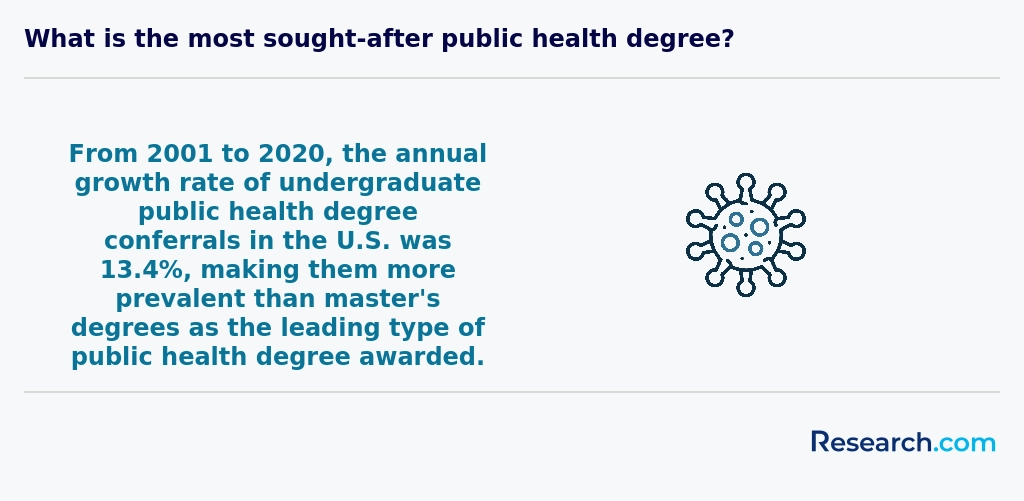
Graduates from public health programs in Providence often reflect fondly on the well-rounded curriculum that prepares them for real-world challenges. Core courses like Introduction to Public Health provide a solid foundation, covering essentials like epidemiology and health policy, which proved invaluable when navigating urban health complexities during internships at Providence's health departments.
Epidemiology stands out for many, especially given Providence's efforts to address chronic illnesses common in the community, such as diabetes and heart disease. Students recall applying classroom knowledge directly to data analysis projects tackling these local health concerns.
Biostatistics courses help turn raw health data into actionable insights, empowering graduates to contribute confidently to research teams at Providence universities. Meanwhile, Environmental Health resonates deeply due to the city's struggles with urban pollution, inspiring students to engage in sustainability-focused initiatives.
Courses in Health Behavior and Promotion and Social and Behavioral Sciences bring attention to the diverse, multicultural population of Providence. Many recall how these studies enriched their ability to design inclusive health campaigns that truly connect with community members.
Finally, Health Policy and Management rounds out the curriculum, equipping students to understand and influence local health systems-key skills for anyone looking to make a meaningful impact in Providence's public health landscape.
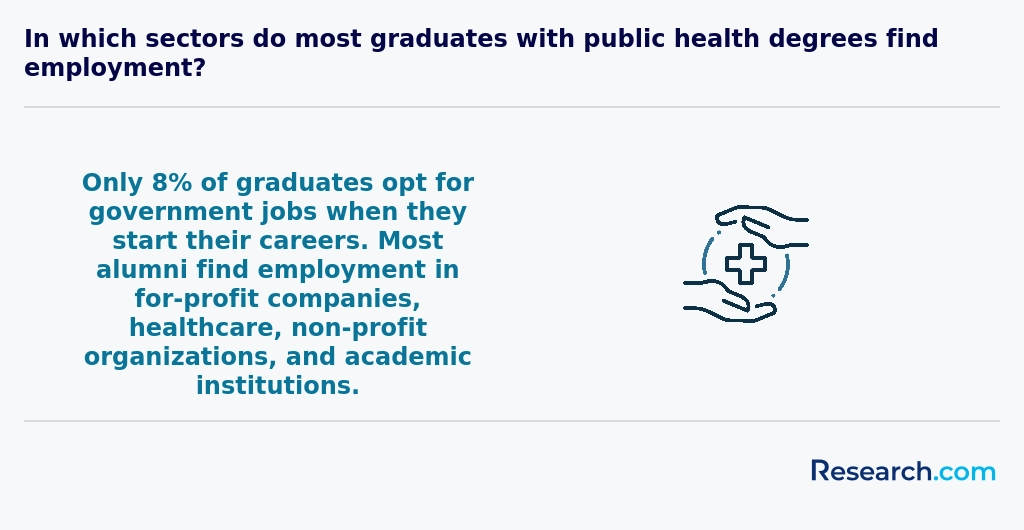
Among the public health degree specializations Providence offers, students frequently explore Epidemiology, Health Policy and Management, Environmental Health, Community Health and Education, and Global Health. Graduates from Brown University appreciate the real-world impact of studying disease patterns in Epidemiology, often collaborating on projects tackling local outbreaks. Meanwhile, those focusing on Health Policy develop skills to improve healthcare systems that directly affect Providence's healthcare organizations.
Environmental Health students often find themselves deeply engaged with urban challenges like pollution and occupational hazards common in Providence, making their studies both immediate and relevant. Community Health and Education specializations resonate with many, especially given Rhode Island's chronic illness rates such as asthma and diabetes, fueling their passion for grassroots wellness efforts.
Providence public health career options extend beyond academia; some graduates pursue online nurse practitioner programs no GRE to complement their public health knowledge, aiming for hands-on community care roles. This blend of specialization reflects the city's unique health priorities and the personal fulfillment students find in making a difference locally and beyond.
Choosing the best public health degree in Providence means looking beyond just the name of a program. Graduates from popular local universities often highlight how accreditation, especially from CEPH, shapes their confidence in the education they received. One recalled how a program's strong faculty expertise connected them with the Rhode Island Department of Health, opening real-world opportunities to apply their learning. Exploring public health degree programs in Providence that offer relevant specializations can make all the difference, whether you're drawn to epidemiology or community health.
Affordability also plays a key role. Many students cheer for public institutions where in-state tuition is more manageable, sparing worries over massive debt and allowing focus on studies. The flexible formats of these programs, like part-time options, enable balancing work and education effectively. Some students found inspiration by combining their studies with understanding of pharmacy technician responsibilities, enriching their practical outlook on health careers. The best affordable public health schools Providence has cleverly mesh strong outcomes with accessible costs, making the pursuit both wise and rewarding.

Graduates with a public health degree in Providence find a wealth of fulfilling career paths that directly impact community well-being. Many step into roles within government health agencies such as the Rhode Island Department of Health, where they focus on epidemiology, disease prevention, and health education. These positions allow graduates to feel a deep sense of purpose as they contribute to shaping public health policy around them.
Others pursue opportunities in Providence's nonprofit sector, specializing in areas like environmental health or maternal and child health. Graduates from Brown University and the University of Rhode Island often share how their academic experiences prepared them to design impactful programs and conduct outreach that truly resonates with local communities. The vibrant healthcare landscape here also offers roles in major hospitals and clinics, where public health professionals engage in data analysis and quality improvement, refining healthcare delivery.
For those considering academia, Providence's universities provide meaningful research and teaching opportunities that advance public health knowledge. Several graduates have found rewarding pathways through post-graduate fellowships or research assistant positions, enhancing public health career opportunities in Providence. Additionally, private sector roles in health consulting and insurance offer diverse avenues to apply skills learned, sometimes intersecting with public health policy.
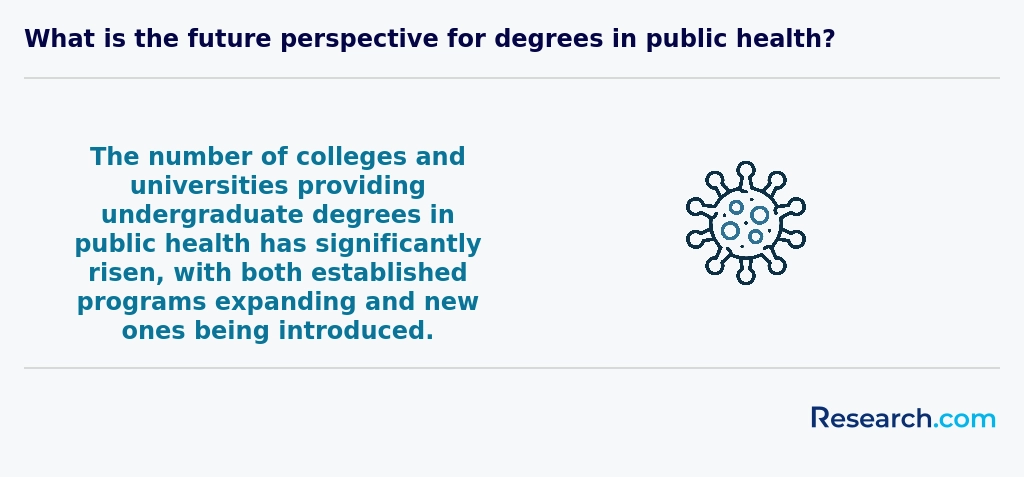
The public health job opportunities in Providence reflect a vibrant and growing sector fueled by the city's strong healthcare infrastructure and active community health programs. Graduates from well-known institutions in Providence often share how their education positioned them well for roles in local health departments, hospitals, and nonprofit organizations. They appreciate the city's focus on tackling real-world challenges like chronic disease prevention and health equity, which offers meaningful, hands-on experiences during and after their studies.
For those exploring career paths, Providence offers a range of employers from healthcare providers to academic research centers, providing a supportive environment for public health professionals. Many graduates highlight how the city's commitment to improving community outcomes creates diverse job openings, aligning perfectly with interests cultivated in their programs.
Considering education costs, students seeking the cheapest public health programs in rhode island find Providence's options competitive given the expanding job market locally. Understanding this dynamic helps students feel confident investing in their degrees while anticipating steady career growth.
2027 Best Public Health Degree Programs Ranking in Providence
Investing in your education is a significant decision that can shape your future, and the Research.com team understands the importance of making informed choices. To assist prospective students in Providence, we have meticulously crafted the "2027 Best Public Health Degree Programs Ranking in Providence." Our commitment to quality, credibility, and accuracy is reflected in the extensive research and analysis conducted to compile this ranking.
We utilized the following reputable data sources to ensure a comprehensive evaluation of public health programs:
By exploring this ranking, readers will gain valuable insights into the best public health degree programs available in Providence, empowering them to make well-informed decisions about their educational paths. For more details on our methodology, please visit our Research.com methodology page.

# 2 position
Johnson & Wales University-Online
Bachelor of Science in Public Health

# 3 position
Johnson & Wales University-Online
Master of Public Health
Frequently Asked Questions About public health
Public health degree students in Providence can maximize their learning by actively engaging with local health organizations like the Rhode Island Department of Health. Hands-on experience through internships or volunteer programs helps bridge classroom theory and real-world practice. Providence hosts several community health initiatives focusing on chronic disease prevention and maternal health, providing valuable opportunities to apply skills directly.
Students should also leverage networking events and public health seminars offered by universities such as Brown University and the University of Rhode Island. These connections can lead to mentorship and collaborative research experiences.
Additionally, staying informed about Providence's specific health challenges, such as its opioid crisis and urban health disparities highlighted by the 2022 Rhode Island state health report, enhances practical understanding and readiness for local public health careers.
The public health field is rapidly evolving, creating new opportunities for professionals. Emerging niches include health informatics, which uses data technology to improve health outcomes. With Providence's growing healthcare sector, expertise in managing electronic health records and health data analytics is in demand.
Another rising area is environmental health, especially given Rhode Island's focus on climate resilience and pollution control. Public health specialists now work on reducing exposure risks and preparing communities for climate-related challenges.
Behavioral health integration is also expanding, as awareness of mental health gains prominence. Programs combining mental health with traditional public health services are becoming more common in Providence.
Lastly, global health and pandemic preparedness have seen heightened interest since recent outbreaks, emphasizing cross-border collaboration and emergency response strategy development.
Preparing for the job market after earning a public health degree in Providence involves strategic planning and practical experience. Students should leverage internships and practicum opportunities with local organizations such as the Rhode Island Department of Health, which frequently offers placements that enhance real-world skills. According to the U.S. Bureau of Labor Statistics, employment in health education and community health fields is projected to grow 17% nationally by 2030, emphasizing demand for qualified professionals.
Networking through local public health events and professional associations like the Rhode Island Public Health Association can provide valuable connections. Additionally, developing strong data analysis and communication skills is critical, as many Providence employers seek candidates proficient in these areas. Certifications such as Certified Health Education Specialist (CHES) may further improve job prospects.
Employers in Providence highly value public health graduates who demonstrate strong analytical and communication skills. The ability to interpret data and present findings clearly is essential, as Providence's public health sector increasingly relies on data-driven decision-making, according to the Rhode Island Department of Health.
Additionally, knowledge of community health and cultural competency is critical. Providence is a diverse city, and employers seek graduates who can work effectively with varied populations to address health disparities. Skills in program planning and evaluation are also frequently requested.
Familiarity with state and local public health policies is important, especially as Providence adapts to evolving health regulations. Finally, proficiency in teamwork and project management is a key asset, reflecting the collaborative nature of public health initiatives in the region.
Finding internships in Providence relevant to a public health degree requires strategic research and networking. Start by exploring opportunities at local health departments such as the Rhode Island Department of Health, which offers internships supporting community health initiatives. Providence also hosts numerous non-profits focused on health equity and disease prevention that frequently seek interns.
Universities like Brown and the University of Rhode Island often maintain internship boards exclusive to their students, showcasing placements in Providence-area hospitals, clinics, and research centers. According to the Public Health Workforce Interests and Needs Survey (PH WINS) data, Rhode Island emphasizes workforce development, increasing internship availability in public health sectors.
Online platforms and professional groups such as the American Public Health Association's Rhode Island Chapter can also connect students with local public health internships. Applying early and tailoring your application to the community health needs of Providence improves your chances of success.
Obtaining a public health degree in Providence can significantly enhance career mobility and advancement within the regional health sector. Employers, including hospitals, government agencies, and nonprofits, increasingly prefer candidates with formal public health training due to the city's focus on addressing community health challenges.
According to recent data from the Rhode Island Department of Health, jobs in public health-related fields are projected to grow by over 15% through 2030 in the Providence metropolitan area, outpacing many other sectors. This growth signals strong demand for professionals with degrees in epidemiology, health policy, and health education.
Additionally, Providence's concentration of healthcare organizations offers graduates opportunities to move into leadership roles, particularly as they gain experience. Advanced degrees also open pathways into specialized positions such as public health administration or research, which generally offer higher salaries and job security.
Studying for a public health degree in Providence equips students with skills to work across various disciplines such as epidemiology, health policy, and community health. Providence's educational institutions emphasize collaborative learning, integrating coursework from biology, sociology, and data analysis. This approach reflects the interdisciplinary demands of modern public health careers.
The city's public health programs often partner with local agencies like the Rhode Island Department of Health, providing real-world experience. According to the Rhode Island Department of Health, interdisciplinary teams improved health outcomes by 20% in local initiatives from 2020 to 2023.
Such partnerships enable students to engage in projects involving healthcare providers, policymakers, and social workers, preparing them for diverse roles in public health settings.
When choosing between a thesis and a non-thesis public health degree program in Providence, consider your career goals and learning preferences. Thesis programs focus on research, requiring students to design and complete a substantial project, which suits those aiming for academic or research roles. Non-thesis options emphasize coursework and practical experience, beneficial for students targeting public health practice or administration.
Providence offers several programs aligned with these paths, including options at Brown University, where you can explore faculty research areas. The U.S. Bureau of Labor Statistics predicts a 17% growth in public health jobs nationally, highlighting opportunities in both research and practice.
Choosing between formats also depends on time commitment; thesis programs often take longer to complete. Prospective students should contact local program advisors to evaluate which structure best matches their personal and professional objectives.
Students based in Providence interested in studying public health abroad have several pathways through US higher education programs. Many universities in Providence collaborate with international institutions, offering exchange programs or joint degrees that allow immersion in global public health challenges. For example, Brown University, a key Providence institution, supports study abroad opportunities in countries with diverse health systems.
American students often engage with programs accredited by the Council on Education for Public Health (CEPH), ensuring global-recognized standards. Participation in these programs can enhance cultural competence and understanding of health disparities internationally. According to the Association of Schools and Programs of Public Health, over 70% of US public health programs encourage or require international exposure, making it a growing trend for Providence students.
Part-time job opportunities in Providence that complement public health degrees often involve roles in local healthcare facilities, non-profit organizations, and government agencies. Positions such as community health worker assistants or patient navigators provide direct experience working with diverse populations, crucial for public health practice. Providence hosts several hospitals and clinics where students can engage in health education and outreach programs.
The Rhode Island Department of Health frequently offers internships and part-time roles focused on data collection and analysis, giving students practical experience in epidemiology and health policy. Additionally, local non-profits addressing issues like substance abuse and homelessness often seek part-time support staff, which aligns well with public health goals.
Engaging in these roles allows students to build valuable skills while contributing to the city's ongoing public health efforts, supporting a comprehensive academic and professional development path.
Public health students in Providence benefit from a variety of networking opportunities due to the city's strong connections to healthcare institutions and academic centers. Brown University's School of Public Health offers events, seminars, and workshops that connect students with faculty and professionals in the field. Additionally, Providence hosts chapters of national public health organizations, such as the American Public Health Association (APHA), where students can attend conferences and local meetings.
The city's healthcare network, including Rhode Island Department of Health and major hospitals like Rhode Island Hospital, often collaborates with educational programs for internships and community projects. Such partnerships enhance networking and career prospects for students. According to the Rhode Island Department of Health, these links have contributed to a 10% increase in employment for public health graduates in the state over the past five years.
Alumni networks play a crucial role for public health degree students in Providence by offering valuable connections within the local health sector. These networks create opportunities for mentoring, internships, and job placements in Rhode Island's diverse public health agencies and nonprofits. According to the Rhode Island Department of Health, many graduates find employment through programs linked to their alma mater's alumni community.
Active alumni groups also facilitate knowledge-sharing on current public health challenges specific to Providence, such as urban health disparities. Collaborations through these networks can lead to research partnerships and career growth.
For students, this access to experienced professionals enhances practical learning beyond the classroom setting.
Customizing your public health degree program in Providence allows you to align your education with specific career goals. Many local institutions offer flexible curriculum options, including concentrations in epidemiology, health policy, or community health. By choosing relevant electives and engaging in targeted internships or research projects, you can gain practical experience tailored to your interests.
Providence's public health workforce demand reflects growing needs in chronic disease prevention and health equity, according to the Rhode Island Department of Health. Programs often incorporate partnerships with local health agencies, enhancing networking and job placement opportunities. This practical focus supports a smooth transition from study to profession.
Public health students in Providence face several challenges typical to urban learning environments. One major hurdle is balancing demanding coursework with practical fieldwork opportunities, as local health departments often have limited capacity for internships. According to the Rhode Island Department of Health, nearly 14% of the state's population experiences food insecurity, which creates complex learning contexts for students addressing social determinants of health.
Financial stress is another common issue. Tuition costs combined with living expenses in Providence can strain students' budgets. Additionally, navigating the competitive job market for public health roles in Rhode Island requires strong networking and experience, which may be difficult for some students to secure during their studies.
Finally, the COVID-19 pandemic has added pressure on students to adapt quickly to remote learning formats while engaging with evolving public health crises. These factors collectively shape the challenges faced by public health students in Providence today.
Graduates with a public health degree in Providence can pursue several professional certifications to enhance their career prospects. One common certification is the Certified Health Education Specialist (CHES), which validates expertise in health education and promotion. Another important credential is the Registered Environmental Health Specialist (REHS), relevant for those focusing on environmental health and safety.
The Certified in Public Health (CPH) offered by the National Board of Public Health Examiners is widely recognized and beneficial for advanced career opportunities.
According to the Rhode Island Department of Health, demand for certified public health professionals in Providence continues to grow, especially in epidemiology and community health roles.
Obtaining these certifications often requires relevant work experience and passing exams, reflecting proficiency in core public health competencies.
Writing a winning application for a public health program in Providence requires careful attention to the specific expectations of local institutions. Applicants should clearly demonstrate their commitment to addressing public health issues facing Rhode Island, such as disparities in access to healthcare and chronic disease prevalence, which are well-documented by the Rhode Island Department of Health.
Strong applications often include a well-crafted personal statement explaining how the candidate's background aligns with public health goals in Providence. Highlighting relevant volunteer or work experience in community health initiatives can strengthen an application.
Additionally, competitive programs typically value academic performance, requiring a solid GPA-often above 3.0-and relevant coursework in biology, statistics, or social sciences.
Letters of recommendation should come from professionals familiar with the applicant's skills and dedication to public health practice.
The global perspective on a public health career highlights its vital role in addressing worldwide health challenges. Public health professionals work to improve health outcomes by focusing on prevention, policy, and education. In the US, including Providence, public health graduates can engage in diverse roles such as epidemiology, health policy, and community health.
Worldwide, public health careers emphasize tackling global issues like pandemics, climate change, and health inequities. According to the Bureau of Labor Statistics, employment in public health-related fields is expected to grow 11% through 2031, faster than average for all occupations.
Providence, with its diverse population and proximity to major research institutions, offers a strong environment for aspiring public health workers to gain practical experience and contribute to community health initiatives.
Gaining practical experience while studying for a public health degree in Providence is achievable through local internships and community engagement. Many Rhode Island institutions collaborate with organizations like the Providence Department of Public Health and Noncommunicable Disease Prevention, where students can apply classroom knowledge in real-world settings.
Students often participate in research projects addressing urban health challenges evident in Providence, such as asthma rates that exceed national averages (CDC, 2023). These opportunities build skills in data analysis and program evaluation.
Additionally, practicum placements at hospitals, nonprofits, or city health departments offer hands-on training essential for public health careers, aligning with Accreditation Council for Public Health Education (CEPH) requirements.
Choosing the right concentration within a public health degree program in Providence largely depends on your career goals and local health priorities. Providence is known to face challenges such as chronic disease management and environmental health concerns, which influence available specializations.
Students should assess concentrations like epidemiology, health policy, community health, or environmental health based on current job market demand. According to Rhode Island Department of Health reports, there is growing emphasis on health equity and chronic disease prevention. This may guide your choice toward community health or policy-focused tracks.
Additionally, consider the research strengths of Providence-area universities, internship opportunities, and connections with local health agencies. These factors can enrich your practical experience and improve employability in the state's public health sector.
- 2027 Best Public Health Degree Programs Ranking in Boston
- 2027 Best Public Health Degree Programs Ranking in Lowell
- 2027 Best Public Health Degree Programs Ranking in New Haven
- 2027 Best Public Health Degree Programs Ranking in Albany
- 2027 Best Public Health Degree Programs Ranking in Bronx
- 2027 Best Public Health Degree Programs Ranking in New York
- 2027 Best Public Health Degree Programs Ranking in New Brunswick
- 2027 Best Public Health Degree Programs Ranking in Philadelphia
- 2027 Best Public Health Degree Programs Ranking in Ithaca
- 2027 Best Public Health Degree Programs Ranking in Baltimore
- APHA Internships & Fellowships https://www.apha.org/professional-development/apha-internships
- Careers https://www.publichealthdegrees.org/careers/
- Engaging students through service-learning opportunities in public health https://sneb.org/engaging-students-through-service-learning-opportunities-in-public-health/
- Project/Program Management Jobs in Public Health https://www.publichealthcareers.org/jobs/project-program-management/us-ri-providence/
- Exploring Your Future in Public Health: Is a Bachelor’s Degree Right for You? https://masterspublichealth.com/bachelors-in-public-health/
- Master of Science (M.S.) Major in Public Health Education and Promotion (Non-thesis Option) https://mycatalog.txstate.edu/graduate/education/health-human-performance/public-healthed-promo-nonthesis-ms/
- Pre-Professional Health Experience Guide | PublicHealthOnline.org https://www.publichealthonline.org/pre-professional-experience/
- Public Health Jobs | Public Health Jobs in the UK | Publichealthjobs.co.uk https://publichealthjobs.co.uk/
- Public Health: A Global Perspective https://www.routledge.com/Public-Health-A-Global-Perspective/Singh/p/book/9781032644226
- Public Health Challenges – IPA SDG Dashboard https://sdg.internationalpublishers.org/sdgaction/public-health-challenges/