
2027 Most Affordable Online Master's in Public Health Degree Programs Ranking in Baltimore, MD

Co-Founder and Chief Data Scientist
Choosing the right online master's program in public health can feel overwhelming, especially in a city like Baltimore where options are numerous. This article introduces the 2027 Most Affordable Online Master's in Public Health Degree Programs Ranking in Baltimore, MD, created by the Research.com team of data scientists to guide you toward the best choices.
By exploring this ranking, you'll gain insights into affordable and reputable programs that fit your goals. Earning a public health degree opens doors to meaningful careers that make a difference. Let this guide help you take the next confident step.
Key benefits of getting online public health degree in Baltimore
- Graduates with a public health degree in Baltimore can expect strong earning potential, with jobs like Public Health Program Manager and Healthcare Administrator averaging $134,440 annually, offering financial stability and rewarding careers.
- Career paths include roles such as Epidemiologist earning about $90,430 per year or Health Informatics Specialist with $70,260 yearly, providing diverse opportunities to make a real impact on community health.
- Online public health degrees offer flexibility for Baltimore students, allowing them to balance work and study while gaining the same respected credentials as traditional programs, helping advance careers without disrupting daily life.
- 2027 Most Affordable Online Master's in Public Health Degree Programs Ranking in Baltimore, MD
- What can I expect from online public health degree in Baltimore?
- Where can I work with online public health degree in Baltimore?
What can I expect from online public health degree in Baltimore?
The average cost of an online public health degree in Baltimore tends to be quite competitive, often more affordable than many out-of-state programs. Graduates from popular institutions in the area, such as Johns Hopkins University and the University of Maryland Baltimore, frequently share that tuition prices fall within a reasonable range when balanced against the quality and accreditation these programs maintain. Many find that employer tuition assistance or targeted scholarships help alleviate expenses, making the investment feel achievable.
A common sentiment among alumni is the value of flexibility combined with practical experiences specific to Baltimore's public health landscape. One graduate recalled working on a capstone project addressing asthma disparities in Baltimore neighborhoods, an experience that blended rigorous academics with meaningful community impact without requiring on-site attendance.
This balance of cost, convenience, and local relevance leaves students feeling empowered and optimistic about their futures in public health, confident they've gained useful skills without overwhelming financial strain.
Where can I work with online public health degree in Baltimore?
Graduates from online public health programs at institutions like the University of Maryland Baltimore and Johns Hopkins University often find themselves immersed in Baltimore's vibrant public health landscape. Many connect their classroom knowledge with real-world roles at the Baltimore City Health Department, where they contribute directly to community outreach and disease prevention efforts. This hands-on experience creates a deep sense of fulfillment and impact, as they see their work positively shaping local health.
Others leverage their skills within major healthcare systems in Baltimore, engaging in population health management or research. The collaboration between universities and hospitals enhances these opportunities, allowing graduates to bridge academic insights with practical challenges. Alumni frequently express pride in advancing health promotion initiatives that affect thousands in their hometown.
Nonprofits focusing on maternal health, substance abuse, or social determinants of health also offer meaningful career paths. Graduates report excitement in driving programs that empower vulnerable communities, often through grant writing and policy evaluation. State and federal agencies round out the options, providing roles in emergency preparedness and health communication that demand both strategic thinking and compassion.
Graduates of online public health programs in Baltimore can anticipate competitive earnings shaped by the city's strong healthcare sector and notable institutions like the University of Maryland, Baltimore and Johns Hopkins Bloomberg School of Public Health. For example, those stepping into roles as public health program managers or healthcare administrators often see salaries near the national mean of $134,440 annually, reflecting Baltimore's status as a healthcare hub.
Epidemiologists trained at these universities commonly start with salaries around $90,430, blending academic expertise with practical experience gained through local internships or research projects. Health informatics specialists hold promising potential as well, averaging about $70,260 per year, a role increasingly vital in today's data-driven public health initiatives centered in Baltimore's urban environment.
Graduates repeatedly mention the satisfaction of applying their knowledge in meaningful public health challenges, such as infectious disease management or community health programs. These real-world impacts accompany salary ranges from approximately $50,000 for entry-level health educators to more than $90,000 for experienced government specialists, demonstrating worthwhile growth opportunities close to home.
- Tuition for online master's in public health in Baltimore ranges between $20,000 and $40,000 depending on the institution and credits required.
- Entry-level public health graduates in Baltimore earn about $50,000 to $60,000 annually, with experienced professionals making $80,000 or more within five to ten years.
- The Baltimore job market for public health roles is growing, with an expected increase of 10% or more in public health jobs over the next decade.
- Baltimore's online programs often include local practicum opportunities to provide hands-on experience despite remote learning.
- CEPH accreditation is important for online public health programs to ensure professional credibility and eligibility for certain certifications.
Completing an online public health degree in Baltimore typically requires a thoughtful balance between your personal commitments and academic goals. Graduates from institutions like the University of Maryland, Baltimore often share that a full-time Master of Public Health (MPH) program usually takes about two years, blending rigorous coursework with real-world practicum experiences. This timeline allows for deep engagement without feeling rushed, making it manageable alongside work or family life.
Many students appreciate the flexibility offered by part-time options, extending their program to three years or more, which helps maintain steady progress without sacrificing other responsibilities. For those aiming at a Bachelor of Science in Public Health, a traditional four-year path is common, though some have accelerated their studies through credit transfers, finishing in three years and feeling a strong sense of accomplishment.
Local graduates often highlight how adaptable scheduling and support services at Baltimore's universities empower their learning journey, reducing stress and fostering confidence as they move toward their public health careers.
Bolster your MPH with targeted credentials to stand out in the job market and expand your skill set.
- Certified in Public Health (CPH): Earned through the National Board of Public Health Examiners to validate core public health competencies.
- Health Informatics Certificate: Provides expertise in managing and analyzing healthcare data for evidence-based decision making.
- Project Management Professional (PMP): Equips you with strategies to lead and coordinate complex health initiatives.
- Enhance administrative expertise with a low-cost medical coding and billing online program.
The choice between online and on-campus public health degrees in Baltimore often comes down to lifestyle and learning preferences. Graduates from the University of Maryland often recall the energizing face-to-face discussions and hands-on community projects that come with on-campus programs, enriching their understanding through direct interaction with faculty and peers. This immersive environment offers a real sense of connection, especially in Baltimore's rich public health landscape.
On the other hand, graduates from Johns Hopkins University highlight the freedom online programs provide. They appreciate the ability to access coursework anytime, perfectly fitting studies around demanding jobs or family life. For many, eliminating the daily commute across Baltimore streets is a huge relief, saving time and energy.
Both formats rigorously follow CEPH accreditation standards, ensuring graduates are equally prepared professionally. Cost differences may balance out too-as online learners save on housing and transport, while on-campus students sometimes benefit from local scholarships tied to Baltimore institutions.
Applying for an online MPH in Baltimore requires careful planning. Follow these key steps:
- Confirm Deadlines: Research program deadlines (typically December–February for fall entry).
- Prepare Documents: Request official transcripts, update your resume/CV, and complete any required entrance exams.
- Secure Recommendations: Ask 2–3 professional or academic contacts well in advance.
- Craft Your Statement: Write a concise personal statement that highlights your public health goals and relevant experience.
- Submit Aid Applications: Complete the FAFSA early and search for scholarships or employer tuition assistance.
- Follow Up: Monitor your application portal, respond to any interview requests, and verify receipt of all materials.
Consider broadening your skills with a low-cost medical coding and billing online program to complement your MPH application.
The average cost of an online public health degree in Baltimore typically centers around $29,130, reflecting a median total tuition that aligns closely with what many graduates from institutions like Johns Hopkins and the University of Maryland Global Campus have experienced. This figure offers a realistic expectation for students weighing their options in Baltimore's higher education landscape. Students often share that navigating tuition within this range allowed them to balance financial commitments without sacrificing the quality of education or flexibility essential for working professionals.
Baltimore affordable online master's in public health tuition tends to vary due to factors such as public versus private institutional rates and additional fees like technology or student service charges. For instance, public universities in Maryland usually provide more budget-friendly options, yielding a smoother path to degree completion for local residents. Many graduates recall the relief of knowing that employer tuition assistance and scholarships-some targeted specifically at public health professionals-also play a critical role in managing costs.
Those pursuing an online Master of Public Health often find that the investment opens doors to meaningful careers, making the tuition worthwhile. Reflecting on the personal experiences of students, the balance of cost with immersive learning and community health impact resonates deeply. For anyone interested in related healthcare fields, exploring programs such as nurse practitioner degrees tennessee faculty profiles might present additional opportunities to complement a public health degree.

Ensuring an Online Master’s in Public Health program is accredited by the Council on Education for Public Health (CEPH) is crucial for validating its quality and boosting your career prospects. CEPH accreditation confirms that a program meets rigorous standards in curriculum design, faculty qualifications, and learning outcomes. In Baltimore, MD, accredited online MPH programs provide graduates with the confidence that their education aligns with industry expectations and qualifies them for federal financial aid, licensure, and professional certifications. Accreditation also affects your eligibility for national certifications such as the Certified in Public Health (CPH) exam and the Certified Health Education Specialist (CHES) credential. Employers in government agencies and healthcare organizations often require or prefer candidates who have graduated from CEPH-accredited programs, as this demonstrates a commitment to evidence-based practice and ethical standards in public health. When comparing affordable online programs, verify each school’s accreditation status on the CEPH directory and note any specialized certifications offered in areas like Epidemiology or Health Policy. Accreditation renewal cycles typically span five to seven years, and programs undergoing reaccreditation will publicly share their self-study reports, which can provide insight into program strengths and planned improvements. While focusing on Baltimore’s most affordable accredited programs, you may also find value in exploring national affordability and accreditation trends. For a broader perspective on cost-efficient, high-quality public health education, consider our Cheapest Online Public Health Degree Programs Ranking in New York, which highlights accredited programs that balance affordability with academic rigor.
Many online public health students in Baltimore find federal financial aid to be a cornerstone of their funding strategy. By applying through FAFSA, they access Pell Grants and various federal loans like the Direct Unsubsidized Loan and Graduate PLUS Loan, which ease the burden of tuition and offer flexible repayment. For instance, graduates from the University of Maryland's online MPH program often share how these loans made the difference between starting their career debt-free or struggling with high expenses.
State-level support also plays a critical role. Maryland residents benefit from the Educational Assistance Grant (EAG), reducing in-state tuition costs at institutions like Johns Hopkins Bloomberg School of Public Health. Graduates recall that this grant was pivotal, especially when combined with institutional scholarships that many Baltimore universities award to public health students committed to local community work.
Additionally, working professionals frequently tap into employer tuition assistance programs. Those employed by Baltimore healthcare organizations often receive tuition reimbursement, helping balance work, study, and finances. External scholarships from bodies like the American Public Health Association provide further hope, rewarding commitment to public health careers with meaningful financial relief.
Embarking on an online Master’s in Public Health journey can be incredibly rewarding when you have the right strategies in place. Start by researching programs that not only match your academic interests but also offer robust student support services. Create a structured study plan that aligns with your work and personal life, and actively engage with your program’s online community for networking opportunities. Seek out academic advisors and peer support groups to help navigate challenging coursework and career planning. Additionally, explore tools and resources that compare tuition, accreditation, and career outcomes to make informed decisions. For instance, reviewing rankings from trusted sources such as cheapest online public health schools in maryland can provide valuable insights into affordable options that maintain high academic standards. By integrating proactive planning with available educational resources, you can maximize your learning experience and set a strong foundation for a successful career in public health.
Enrolling in an online public health degree program in Baltimore typically begins with holding a bachelor's degree from a regionally accredited college or university. Many graduates from popular institutions like Johns Hopkins or the University of Maryland share that their diverse undergraduate backgrounds-from biology to social sciences-were welcomed, highlighting the program's openness to varied academic paths.
A cumulative GPA around 3.0 is usually expected, though some programs appreciate meaningful healthcare or community work experience as equally valuable. For example, recent graduates often recall how volunteer work in Baltimore's local clinics strengthened their applications, especially where GRE scores were optional or waived.
Prerequisite courses in statistics, biology, or health sciences ensure students keep pace with rigorous curriculum demands. Some programs offer conditional admission to those who need to complete these foundational classes first. Applicants should prepare thoughtful personal statements and gather strong letters of recommendation to reflect their passion and commitment to public health.

Planning ahead is crucial when applying to Online Master’s in Public Health programs in Baltimore, MD. Most universities follow a structured admissions calendar, with the following general timeline: • Early Fall (August–September): Programs open their applications for the following spring or summer start. • Mid Fall (October–November): Priority deadlines for merit-based scholarships and financial aid-submit FAFSA and any required supplemental forms by November 1. • Late Fall (December–January): Final deadlines for Spring admission; transcripts, letters of recommendation, and personal statements should be in by December 15 to allow for review. • Winter (January–February): Notification of admission decisions; accepted students typically have until February 15 to confirm enrollment and submit deposits. • Spring (March–April): Rolling admissions may continue for remaining seats in Summer start programs; late applications may still be considered. • Summer (May–July): Final opportunity for Summer and Fall cohorts-ensure all materials are complete by June 1 to begin coursework in July or August. Tips for a smooth application process: • Request Official Transcripts Early: Contact undergraduate institutions at least 6–8 weeks before your earliest deadline. • Secure Strong Recommendations: Provide referees with your resume and personal statement draft to tailor their letters. • Prepare for Standardized Tests (if required): Some programs waive GRE/GMAT; check each school policy by visiting program websites. • Complete FAFSA by October 1: State and institutional aid often has earlier deadlines-verify with the Maryland Higher Education Commission. • Align Career Goals: As you map out your admission timeline, research potential career paths and public health jobs to synchronize your academic milestones with future professional opportunities. By adhering to these timelines and tips, applicants can maximize their chances of acceptance and secure financial support, setting the stage for a successful journey toward an Online Master’s in Public Health.
Online public health degree programs in Baltimore consistently include a robust set of courses carefully designed to prepare students for real-world challenges. Graduates from well-regarded local institutions often reflect on how foundational courses like epidemiology gave them a clear understanding of tracking disease patterns in urban environments-vital when addressing Baltimore's health disparities.
Core subjects such as biostatistics equip students with analytical skills to interpret health data, essential for evaluating community interventions. Environmental health courses vividly illustrate how factors like pollution impact neighborhoods, an issue Baltimore residents witness firsthand.
Health policy and management classes empower students to navigate complex healthcare systems, often referencing local policies impacting Baltimore's public health landscape. Social and behavioral health sciences deepen awareness of community dynamics, something graduates frequently find rewarding when working with diverse city populations.
Practicum experiences with agencies like the Baltimore City Health Department allow students to apply classroom knowledge directly, enhancing their confidence and professional readiness.
Online public health degree specializations in Baltimore typically reflect the city's distinct public health landscape, offering pathways in Epidemiology, Health Policy and Management, Community Health, Environmental Health, and occasionally Global Health. Graduates from popular Baltimore institutions often share how focusing on Epidemiology helped them address the city's urban health disparities, tackling issues ranging from chronic illnesses to infectious disease outbreaks with real-world impact.
Many students find the Health Policy and Management specialization valuable, especially when working in Baltimore's health departments or nonprofits dedicated to system improvements. Community Health resonates deeply as well, with learners embracing culturally diverse outreach and education efforts tailored to Baltimore's neighborhoods. Environmental Health specialization appeals to those interested in urban planning and pollution challenges unique to the metropolitan area. Choosing the best public health master's specializations Baltimore MD offers thus aligns personal passion with community needs.
For prospective students balancing options, it's useful to explore graduate programs in Iowa for comparison, especially if considering cost or curricular differences, by visiting graduate programs in Iowa.
Choosing the best online public health degree in Baltimore starts with confirming accreditation, typically by the CEPH, to ensure your education holds value in the job market. Graduates from well-known Baltimore institutions often mention how the rigorous curriculum and expert faculty prepared them thoroughly for local public health challenges. Considering affordable online public health degrees Baltimore offers, you'll find that programs here balance quality and cost effectively, especially for in-state students. One graduate noted the relief in managing tuition expenses while benefiting from strong community health specializations.
Flexibility is key-many students appreciate asynchronous courses that fit around work and family, a common need among Baltimore's working professionals. Hands-on experiences like internships with the Baltimore City Health Department enhance skills and job prospects, making programs with these opportunities particularly valuable. Exploring specialization options aligned with your passion can enrich your learning and career path.
Don't overlook financial aid resources or the support available to online learners. For those also interested in broadening their public health perspective, combining studies with a healthcare administration degree in Iowa might be worth considering alongside your Baltimore MPH journey.
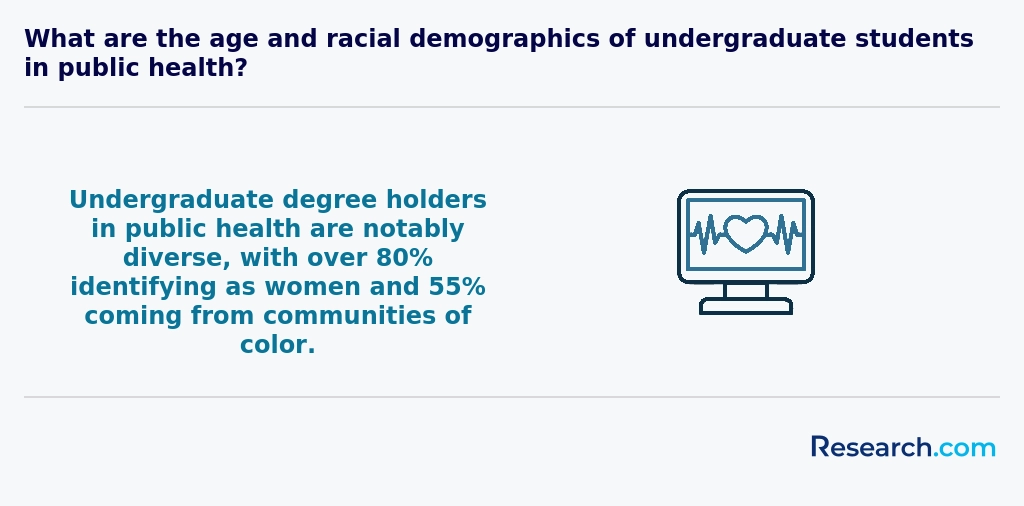
Graduates pursuing online public health careers Baltimore discover a wealth of opportunities that address pressing health concerns locally and beyond. Many find fulfilling roles within Baltimore's government agencies, where managing vital programs on infectious diseases and community health provides a deep sense of purpose. Graduates from well-known Baltimore institutions often share how their education delivered practical skills, enabling them to lead initiatives at local health departments.
Others thrive in nonprofit sectors, collaborating with organizations such as the Baltimore City Health Department. These roles often blend program coordination with health education, allowing individuals to impact diverse urban populations directly. One graduate described how their role as a health educator enabled them to craft culturally relevant outreach efforts that truly resonated within Baltimore's communities, illustrating the unique chance to blend clinical knowledge with social insight.
Career paths like health policy analyst, epidemiologist, or environmental health specialist highlight the variety available to graduates. Those who enjoy managing health services in hospitals or clinics often draw on their foundational training to navigate complex systems. For students balancing studies and life, understanding nursing education requirements can also complement their public health goals, broadening their scope in healthcare settings.
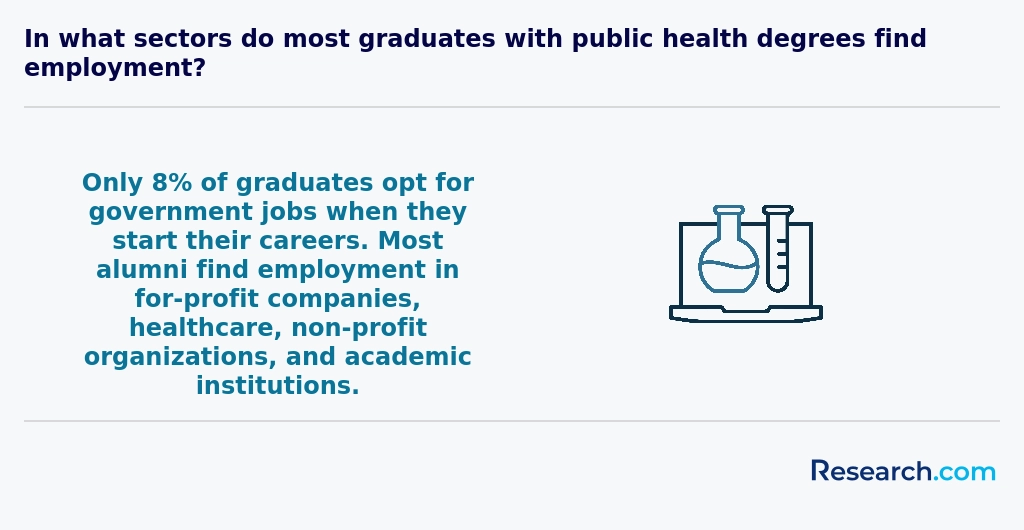
The job market for graduates holding an online public health degree in Baltimore is robust and diverse, reflecting the city's role as a healthcare and research hub. Many graduates from institutions such as Johns Hopkins University and the University of Maryland find rewarding roles in organizations like the Maryland Department of Health and local nonprofits focused on health equity. These graduates often speak of the meaningful impact they can make as program coordinators, epidemiologists, or healthcare administrators, highlighting how their education prepares them for addressing urban health disparities and chronic disease prevention.
For students balancing work and study, the flexibility of online programs supports career advancement without interruption. Public health career opportunities Baltimore MD are expanding, with employers valuing skills in data analysis and community outreach, enabling graduates to step confidently into positions with competitive salaries typically ranging from $50,000 to $75,000 annually.
Choosing the right program is crucial, and many local students appreciate the affordability and accessibility of options like the cheapest online public health schools in maryland, which help avoid heavy debt.
2027 Most Affordable Online Master's in Public Health Degree Programs Ranking in Baltimore, MD
Investing in your education is a significant decision that can shape your future, and the Research.com team understands the importance of making informed choices. To assist prospective students in Baltimore, MD, we have meticulously crafted the "2027 Most Affordable Online Master's in Public Health Degree Programs Ranking." Our commitment to quality, credibility, and accuracy is reflected in the extensive research and analysis conducted to compile this ranking.
We utilized the following reputable data sources to ensure a comprehensive evaluation of public health programs:
By exploring this ranking, readers will gain valuable insights into the most affordable and high-quality online Master's in Public Health programs in Baltimore, helping them make informed decisions about their educational paths. For more details on our methodology, please visit our Research.com methodology page.
# 1 position
University of Maryland, Baltimore
Master of Health Science


Frequently Asked Questions About public health
Online public health students in Baltimore can enhance their learning by engaging actively with digital course materials and participating in virtual discussions. Utilizing resources provided by the Maryland Department of Health and Baltimore City Health Department offers real-world context and local data for research assignments.
Networking with peers and professionals through online forums or local public health events strengthens understanding and career prospects. Students should also seek internships or volunteer opportunities within Baltimore's diverse health agencies, which can complement their virtual studies.
Furthermore, staying informed about Baltimore's public health challenges-such as high rates of asthma and diabetes detailed by the CDC-can help students tailor their studies to community needs effectively.
The public health field is rapidly evolving with several emerging niches attracting growing interest and investment. One major area is digital health, which incorporates technology and data analytics to improve community health outcomes. This includes telehealth services and mobile health applications. Another expanding niche is environmental health, focusing on urban challenges such as pollution and climate change, critical for cities like Baltimore facing legacy industrial impacts.
Health equity and social determinants of health remain central, particularly in Baltimore where disparities are pronounced. Professionals trained in these areas work to design policies targeting vulnerable populations. Additionally, population mental health and substance abuse prevention are gaining attention due to increasing opioid crises recorded locally. According to the Maryland Department of Health, these fields reflect urgent workforce demands.
Preparing for the job market after completing an online public health degree in Baltimore involves strategic planning and local networking. Baltimore's public health sector heavily focuses on urban health challenges, infectious disease control, and community outreach. Graduates should leverage Baltimore's resources, such as connections with the Maryland Department of Health and local nonprofits, to gain practical experience through internships or volunteer work.
Developing skills in data analysis, epidemiology, and health policy is vital, as these are highly valued in Baltimore's public health jobs. According to the Baltimore City Health Department, jobs in public health are expected to grow by 7% through 2030.
Joining regional professional organizations like the Maryland Public Health Association can also enhance job prospects by providing networking and continuing education opportunities.
Employers in Baltimore seeking graduates with public health degrees prioritize a mix of analytical and interpersonal skills. Strong data analysis capabilities are essential, as the city's health departments rely on accurate interpretation of health trends to address local issues like asthma and lead poisoning, per the Baltimore City Health Department reports. Graduates must also demonstrate effective communication skills for community outreach and health education campaigns.
Project management and leadership are increasingly valued, enabling graduates to coordinate public programs efficiently. Knowledge of local health regulations and cultural competency are crucial, given Baltimore's diverse population. Proficiency in biostatistics, epidemiology, and health policy further enhances a candidate's employability in this competitive market.
Finding internships in Baltimore relevant to a public health degree involves targeting organizations focused on community health, epidemiology, and health policy. Baltimore hosts numerous health departments, nonprofits, and research institutions offering practical experience. The Baltimore City Health Department is a key resource, regularly providing internships in areas like disease prevention and health promotion.
Students should also explore opportunities at Johns Hopkins Bloomberg School of Public Health, which has strong connections with local agencies. Platforms like Handshake and the Maryland Department of Labor frequently list public health internships in the region. Networking through local public health events can further open doors to internships.
Obtaining an online public health degree in Baltimore can significantly enhance career mobility and advancement opportunities. Baltimore's growing health sector, including institutions like Johns Hopkins and the Maryland Department of Health, values advanced education for leadership roles. According to the U.S. Bureau of Labor Statistics, public health-related jobs in Maryland are projected to grow by 12% from 2020 to 2030, faster than the average for all occupations.
Online degrees offer flexibility for current professionals seeking promotion or new roles without interrupting their employment. Many Baltimore employers recognize online MPH programs accredited by CEPH, ensuring graduates are competitive in the local market.
Skills gained, such as epidemiology and health policy, align with Baltimore's public health priorities, supporting career growth in governmental agencies, nonprofit organizations, and hospitals.
Studying for a public health degree in Baltimore equips students with broad interdisciplinary skills essential for addressing complex health challenges. Baltimore's public health programs often integrate courses from epidemiology, biostatistics, health policy, and social sciences, reflecting the diverse expertise required in public health roles.
The city's unique health landscape, including higher rates of chronic diseases and urban health disparities, provides real-world context for interdisciplinary learning. According to the Baltimore City Health Department, combining community engagement with data analysis is vital in developing effective public health strategies.
Online degree programs in Baltimore emphasize collaboration across disciplines, preparing graduates to work with medical professionals, policymakers, and social workers. This holistic approach enhances abilities in communication, research, and program management, which are crucial for leadership in public health careers.
When deciding between a thesis and a non-thesis public health degree in Baltimore, consider your career goals. A thesis program requires original research, ideal for students aiming for doctoral studies or research careers. Non-thesis programs focus on practical skills, suited for professionals seeking leadership roles in public health agencies or nonprofits.
In Baltimore, home to institutions like Johns Hopkins University, many public health employers value hands-on experience. According to the Maryland Department of Health, over 12,000 public health workers support the state, highlighting the demand for applied skills. Check if your chosen program aligns with local workforce needs.
Additionally, thesis tracks often take more time and may involve close mentorship. Non-thesis tracks usually require internships or capstone projects that build professional networks. Prospective students should review program curricula and speak with advisors to match choices with their future plans.
Students based in Baltimore interested in studying public health abroad have several pathways to consider, primarily through online degree programs offered by U.S. universities with global partnerships or study abroad components. Many accredited institutions provide online Master of Public Health (MPH) programs allowing students to complete coursework remotely while engaging in international practicum opportunities. This model suits Baltimore students seeking global experience without relocating.
Baltimore's public universities, such as the University of Maryland, often collaborate with international organizations for research and fieldwork, offering students chances to gain global public health insights. According to the Association of Schools and Programs of Public Health (ASPPH), experiential learning abroad enhances career prospects in global health.
While traditional in-person study abroad is limited by local pandemic restrictions and travel costs, combining online study with short-term international placements is an emerging, flexible alternative well-suited for working professionals in Baltimore.
Part-time job opportunities in Baltimore for students pursuing an online public health degree are diverse and valuable for practical experience. Many students find roles as community health workers, which in Maryland earn a median hourly wage of about $18 according to the Bureau of Labor Statistics. These positions involve education and outreach in neighborhoods, helping address Baltimore's pressing health issues like asthma and diabetes.
Other roles include working as health educators or research assistants with local hospitals and universities such as Johns Hopkins, which often hire part-time staff for data collection and program support. Baltimore's numerous public health nonprofits also provide internships that complement academic learning with real-world skills.
Online public health students in Baltimore benefit from a variety of networking opportunities despite studying remotely. Many local universities hosting online programs offer virtual events, discussion forums, and webinars connecting students with public health professionals. Baltimore's strong public health community, including organizations like the Maryland Public Health Association, hosts regular meetings and conferences accessible to students.
Additionally, Baltimore's public health sector employs over 7,000 professionals, providing internship and volunteer options that can help online learners build local connections. Through local chapters of national groups like the American Public Health Association, students find mentorship and collaboration opportunities tailored to their interests.
Alumni networks offer significant advantages to online public health degree students in Baltimore. These networks provide valuable connections to professionals working in local health departments, nonprofit organizations, and hospitals. Engaging with alumni can increase chances of internships, job placements, and mentorship opportunities.
Baltimore's public health sector is actively growing, partly due to ongoing challenges such as infectious disease control and urban health disparities. According to data from the Maryland Department of Health, collaboration through alumni networks helps students access localized career guidance tailored to these issues.
Membership in these networks often grants students exclusive access to workshops, webinars, and industry events, enhancing their practical knowledge. This exposure is crucial for mastering public health practices in a complex urban environment like Baltimore.
Customizing an online public health degree in Baltimore allows students to align their education with specific career goals. Many accredited programs offer concentrations such as epidemiology, health policy, or community health, enabling learners to focus on areas critical to Baltimore's urban health challenges. Students can choose electives that address local public health needs, like chronic disease prevention or health disparities.
Internships and practicum experiences can often be tailored to Baltimore-based organizations, providing valuable hands-on learning and networking opportunities. Leveraging resources from the Maryland Department of Health or Johns Hopkins Bloomberg School of Public Health enhances practical insight into the city's health landscape.
Flexible scheduling and part-time options support working professionals aiming to advance without disrupting careers, making customized paths feasible and effective.
Online public health students in Baltimore often face challenges related to balancing rigorous coursework with personal and professional responsibilities. Many students juggle full-time jobs or family care while completing assignments and participating in virtual discussions, which can be overwhelming.
Limited access to reliable high-speed internet in some Baltimore neighborhoods also poses obstacles, as stable connectivity is essential for attending live lectures and accessing digital resources. According to the Baltimore Office of Broadband Services, around 20% of city residents lack consistent internet access.
Additionally, students may find fewer opportunities for local networking and in-person practicum experiences compared to on-campus peers, which are important for career advancement in public health.
With an online public health degree, Baltimore students have access to several respected professional certifications that can enhance their careers. The Certified in Public Health (CPH) credential, offered by the National Board of Public Health Examiners, is among the most recognized. It demonstrates mastery of core public health knowledge. Another option is the Certified Health Education Specialist (CHES), suitable for those focusing on health promotion and education.
Additionally, certifications like the Certified Public Health Administrator (CPHA) support leadership roles, which are in demand within Baltimore's numerous health departments and community organizations. The Maryland Department of Health often encourages these certifications to improve local public health outcomes.
These credentials not only validate expertise but also can improve earning potential and job prospects in Baltimore's competitive market.
To write a winning application for an online public health program in Baltimore, begin by clearly demonstrating your passion for improving community health. Highlight any relevant work experience or volunteer activities in local public health initiatives.
Emphasize your knowledge of Baltimore's public health challenges, such as addressing health disparities documented by the Baltimore City Health Department, which reports higher rates of chronic diseases than national averages.
Strong academic records, especially in science and social sciences, are essential. Include clear goals showing how the degree fits your career plan.
Finally, tailor your personal statement to reflect understanding of Baltimore's unique population needs and mention any connections to local public health organizations.
The global perspective on a public health career highlights its crucial role in addressing worldwide health challenges like pandemics, chronic diseases, and health inequities. Public health professionals are essential in policy development, disease prevention, and health promotion efforts across diverse populations.
In the U.S., including Baltimore, the demand for public health workers is growing steadily. According to the Maryland Department of Health, Baltimore faces unique urban health issues, such as high rates of asthma and diabetes, making trained public health experts vital locally and globally.
Online public health degrees offer flexibility for Baltimore students to engage with this expanding field. They provide knowledge applicable to global health needs, including epidemiology and health policy, preparing graduates for careers in international agencies, government, or community organizations.
Gaining practical experience while pursuing an online public health degree in Baltimore is essential for career readiness. Many programs encourage students to complete internships or practicum placements with local health organizations, including the Baltimore City Health Department. These opportunities allow students to work on projects addressing urban health concerns like infectious disease control and community wellness.
The Johns Hopkins Bloomberg School of Public Health often partners with Baltimore-based agencies, offering students a chance to engage in meaningful fieldwork. Additionally, remote volunteer roles with nonprofits focused on Baltimore's opioid crisis or health equity issues provide practical skills.
Students should also explore virtual simulations and case studies, which are increasingly integrated into online curricula to mimic real-world challenges in public health.
Choosing the right concentration in an online public health degree program in Baltimore involves aligning your interests with local health needs. Baltimore faces challenges like high rates of chronic diseases, substance abuse, and health disparities, according to the Maryland Department of Health. Concentrations such as epidemiology, health policy, or community health can prepare you to address these issues.
Consider your career goals: Epidemiology suits those interested in data and disease tracking, while health policy focuses on creating programs that improve public systems. Community health emphasizes working directly with populations, important in Baltimore's diverse neighborhoods.
Review program curricula and faculty expertise to ensure relevant, applied learning.
- 2027 Most Affordable Online Public Health Degree Programs Ranking in Norfolk, VA
- 2027 Most Affordable Online Master's in Public Health Degree Programs Ranking in Boston, MA
- 2027 Most Affordable Public Health Degree Programs Ranking in College Park
- 2027 Most Affordable Public Health Degree Programs Ranking in Washington
- 2027 Most Affordable Public Health Degree Programs Ranking in Philadelphia
- 2027 Most Affordable Public Health Degree Programs Ranking in New Brunswick
- 2027 Most Affordable Public Health Degree Programs Ranking in New York
- 2027 Most Affordable Public Health Degree Programs Ranking in Bronx
- 2027 Most Affordable Public Health Degree Programs Ranking in Lynchburg
- 2027 Most Affordable Public Health Degree Programs Ranking in Pittsburgh
- Public Health Schools and MPH Programs in Maryland https://www.publichealthdegrees.org/st/maryland/
- A Medical Student's Perspective: Why I'm Studying Public ... https://northernahec.org/a-medical-students-perspective-why-im-studying-public-health-too/
- Financing Your Degree - Scholarships and Financial Aid https://aspph.org/student-journey/financing-your-degree/
- Engaging students through service-learning opportunities ... https://sneb.org/engaging-students-through-service-learning-opportunities-in-public-health/
- Careers - MPH Online https://www.mphonline.org/careers/
- Public Health Careers.org: Home https://www.publichealthcareers.org/
- 2026 Most Affordable Online MPH Programs https://www.onlineu.com/most-affordable-colleges/public-health-masters-degrees
- Public Health Major https://www.towson.edu/chp/departments/health-sciences/undergrad/public-health/
- University of Maryland 4+1 B.A./M.P.H. Public Health https://www.goucher.edu/learn/academic-partnerships/university-maryland-baltimore-ba-master-public-health-4-plus-1/
- Best Online MPH Programs in Maryland | 2026 Guide https://publicadministrationpolicy.org/public-health/maryland/










