
2027 Best Public Health Degree Programs Ranking in Lowell

Co-Founder and Chief Data Scientist
Choosing the right public health degree program can shape your future career and impact your community in meaningful ways. For students in Lowell, this article presents the 2027 Best Public Health Degree Programs Ranking in Lowell, developed by the Research.com team of expert data scientists.
It's designed to help you confidently explore top options and make informed decisions about your education. A public health degree opens doors to rewarding opportunities that promote well-being and positive change.
Discover programs that align with your goals and start building a brighter tomorrow.
Key benefits of getting public health degree in Lowell
- Graduates with a public health degree in Lowell can expect competitive salaries, such as $52,610 per year for Community Health Workers and up to $86,710 per year for Environmental Health Specialists, offering financial stability and rewarding career growth.
- Career paths include roles like Health Educator or Occupational Health and Safety Specialist, providing diverse opportunities to make a real impact on community health and safety in Lowell's growing healthcare sector.
- Online public health degrees offer flexibility and convenience, allowing students in Lowell to balance work and study while accessing quality education from prestigious universities without relocating.
- 2027 Best Public Health Degree Programs Ranking in Lowell
- What can I expect from public health degree in Lowell?
- Where can I work with public health degree in Lowell?
What can I expect from public health degree in Lowell?
When diving into a public health degree in Lowell, students often wonder about the financial journey ahead. On average, pursuing a Bachelor's or MPH in public health in Lowell can cost between $15,000 and $40,000 per year, depending on whether you attend public institutions like UMass Lowell or private colleges nearby. Graduates commonly recall balancing tuition with hands-on internships at local hospitals and community centers, where their education translates into meaningful impact.
Many feel energized by the affordable blend of quality academics and real-world opportunities. For example, those studying at UMass Lowell often share how their tuition investment was complemented by experiential learning and research projects targeting urban health issues such as asthma and diabetes prevalent in the community.
Flexible payment options, scholarships, and part-time programs open doors for working students eager to thrive without financial overwhelm. Choosing public health in Lowell means embracing an adventurous path where your financial commitment supports rich, practical growth in a supportive city environment.
Where can I work with public health degree in Lowell?
Graduates from public health programs at UMass Lowell or Middlesex Community College often find themselves immersed in Lowell's vibrant network of career opportunities. Imagine collaborating with the Lowell Board of Health, where you design community health campaigns that directly impact your neighbors' lives. Many alumni share how rewarding it feels to contribute to chronic disease prevention and environmental health projects right in their hometown.
Others discover fulfilling roles in healthcare settings like Lowell General Hospital, where the fast-paced environment challenges them to support patient advocacy and manage population health initiatives. It's thrilling to see the tangible difference your efforts make in a hospital serving a diverse community.
Public health graduates also explore nonprofits focused on substance abuse prevention or immigrant health, where cultural sensitivity and creative outreach bring communities together. Those passionate about research find meaningful positions at local colleges, engaging in data-driven projects that influence real-world policies.
Graduates with a public health degree in Lowell often find that their earning potential can be quite rewarding, blending ambition with tangible financial outcomes. For example, those stepping into roles like Community Health Workers can anticipate an average annual wage near $52,610, according to recent U.S. Bureau of Labor Statistics data. Imagine a fresh graduate from one of Lowell's well-known colleges, diving into a community clinic where they're making a real impact while earning this solid starting salary.
More experienced or specialized graduates, perhaps those with advanced degrees like an MPH, often start exploring roles such as Health Educators or Environmental Health Specialists. Salaries here jump to around $69,790 and $86,710 annually, respectively. Picture stepping into a hospital or local government health department right after finishing your degree from a Lowell university, earning well above the national average while helping craft policies that improve community wellness.
This adventure through public health careers in Lowell is boosted further by certifications and hands-on experience, allowing professionals to climb to upper salary ranges that reflect their growing expertise and dedication to healthier communities.
- Tuition for a bachelor's degree in public health in Lowell ranges from $12,000 to $18,000 per year for in-state students.
- Graduate programs like the Master of Public Health (MPH) typically cost between $15,000 and $25,000 annually.
- Federal grants, loans, and scholarships are commonly available for students pursuing public health degrees.
- Entry-level salaries for public health graduates average around $50,000 per year, with experienced workers earning between $65,000 and $85,000 annually within 5 to 10 years.
- The public health job market in Lowell is expected to grow about 10% over the next decade, especially in government, nonprofit, hospital, and community roles.
- Many programs include internships and partnerships with local health agencies to provide practical experience.
Completing a public health degree in Lowell fits snugly within familiar timelines but with a dash of local flavor. For example, an associate degree here typically takes about two years, perfect for someone eager to start building foundational skills quickly at a community college. A graduate from a local college often described how those two years flew by while juggling evening classes and weekend projects, making every moment feel like a meaningful investment.
Bachelor's degrees usually span four years of immersive, full-time study at popular institutions in Lowell, where students dive into courses like epidemiology and health policy. Graduates often recall the excitement of hands-on community health projects that made their studies feel real and impactful.
For those chasing advanced dreams, a Master of Public Health (MPH) normally requires two years full-time, though part-time options stretch the journey to three or more years, allowing working professionals at Lowell's universities to balance life and study. Accelerated programs let some finish in just one year, intensifying the adventure.
Doctoral degrees, with their research-driven quests, generally take four to five years, inviting students to deepen expertise while contributing meaningful scholarship to Lowell's public health landscape.
Enrolling in a Public Health degree program in Lowell, MA, offers more than rigorous academics-it connects you with a robust network of support services designed to foster your personal and professional growth. Academic advising offices provide one-on-one guidance to help you navigate course selections, maintain satisfactory progress, and prepare for graduate studies or certification exams. Dedicated career development centers host resume workshops, mock interviews, and networking events with local employers, ensuring you’re well-prepared to enter Lowell’s competitive job market. Internship and practicum coordinators collaborate with community health organizations and government agencies, placing students in meaningful field experiences that translate classroom theory into real-world impact. Peer mentoring programs pair new students with upper-class mentors who share insights on balancing coursework, managing research projects, and engaging in campus life. Health and wellness resources, including counseling services and stress-management workshops, support student well-being throughout your academic journey. The university’s research centers and labs offer opportunities for hands-on projects, enabling you to contribute to ongoing studies on topics like environmental exposures and community health interventions. For students evaluating affordability and seeking cost-effective pathways, the Cheapest Public Health Degree Programs Ranking in Los Angeles, CA provides comparative data to inform your financial planning. By leveraging these comprehensive support systems, you’ll graduate not only with a respected credential but with the skills, connections, and confidence needed to thrive in the field of public health.
Choosing between online and on-campus public health degrees in Lowell sparks a real sense of adventure. Imagine attending the University of Massachusetts Lowell, walking through campus halls, engaging directly with professors, and joining lively discussions with classmates-all while diving into hands-on internships tailored to Lowell's unique community health needs. Graduates often recall the energy of those face-to-face moments and the ease of accessing campus resources.
On the flip side, online learners embrace a flexible rhythm, balancing studies around work or family life without the daily commute. They interact virtually, using digital simulations to explore epidemics or health policies, sometimes feeling the thrill of shaping their own learning environment. While missing some in-person buzz, these students appreciate the freedom and the ability to study anywhere in Lowell's neighborhoods.
Both paths share core knowledge, yet the choice comes down to your lifestyle and how you want to connect with the public health world around you.
1. University of Massachusetts Lowell – Accredited by CEPH, UMass Lowell tops our list with a comprehensive MPH curriculum emphasizing epidemiology and health policy. Flexible online and in-person options make it ideal for working professionals. 2. Middlesex Community College – Offers an affordable Associate in Public Health with strong transfer pathways to four-year institutions. Known for hands-on community project requirements. 3. Lowell Institute of Technology – Combines rigorous biostatistics and environmental health courses with guaranteed internships at local health agencies. Graduates report high job placement rates. 4. Massachusetts College of Pharmacy and Health Sciences (MCPHS) – Lowell Campus – Focuses on health informatics and global health; small class sizes allow for personalized mentorship and real-world fieldwork. 5. Northern Essex Community College – Lowell Campus – An accelerated certificate program in Public Health that pairs coursework with service learning at community clinics. Many alumni leverage their choose of these top programs as springboards for advanced study. In fact, a growing number of graduates pursue a master of public health mph degree career path to access leadership roles in government agencies and non-profit organizations.
Visualize stepping onto the campus of the University of Massachusetts Lowell, eager to dive into your public health journey. You might wonder about the average cost of public health degree in Lowell-here, the median in-state total expense is approximately $16,966, a figure that many graduates describe as an investment opening doors to meaningful careers. Out-of-state students typically face a higher total near $44,364, reflecting the value placed on this specialized education by institutions in Lowell.
Many students recall balancing studies with local life, grateful for Lowell's affordable living and accessible public transportation, which helps keep total expenses manageable. Their stories often highlight how, beyond tuition, factors like fees and materials subtly shape the total expenses for public health degree Lowell students encounter. This tangible sense of community and well-charted financial pathways offers encouragement for newcomers embarking on this field.
Graduate programs further add nuances to these numbers-the thrill of advancing your expertise sometimes comes with a tuition hike. Yet the commitment feels worthwhile, especially when paired with scholarships, assistantships, or other financial aid options carefully navigated by past students. Those intrigued by comparing costs in related fields might find it useful to explore nursing tuition rates in Washington through this link: nursing tuition rates in Washington.

Diving into a public health degree in Lowell opens doors to a variety of financial aid options that can turn your academic dreams into reality. Many students at the University of Massachusetts Lowell share how Pell Grants lifted the weight of tuition, providing need-based funding with no repayment worries. Federal loans like Direct Subsidized and Unsubsidized Loans offer another lifeline, featuring low-interest rates and manageable repayment plans that ease financial stress during studies.
Graduate students chasing an MPH often discover Graduate PLUS Loans a bit more challenging but still accessible after credit checks, which many appreciate as a flexible option. State-level support through programs like the Massachusetts MassGrant helps local residents attend schools like UMass Lowell without breaking the bank.
Imagine earning while learning through on-campus work-study positions tied directly to public health projects, blending practical experience with financial relief. Plus, community scholarships, such as those from the American Public Health Association and local healthcare networks, often surprise students with unexpected boosts along their educational journey in Lowell.
Ready to dive into public health in Lowell? You'll first need a high school diploma with solid grades-think a 2.5 to 3.0 GPA-to show you're prepared for the challenge. Imagine a recent graduate from UMass Lowell who built their confidence mastering chemistry and biology before jumping into community health projects focused on the city's unique environmental issues.
For those aiming higher, like a Master of Public Health, a bachelor's degree from any accredited school is essential. Many grads describe their background in sciences or social sciences as a springboard into understanding Lowell's health challenges firsthand. GRE scores might be required, but some local programs waive this if you bring robust work or volunteer experience in healthcare fields, adding real-world depth to your application.
Letters of recommendation and personal statements often spotlight your passion, while interviews allow schools like Middlesex Community College to glimpse your enthusiasm for serving Lowell's diverse communities.
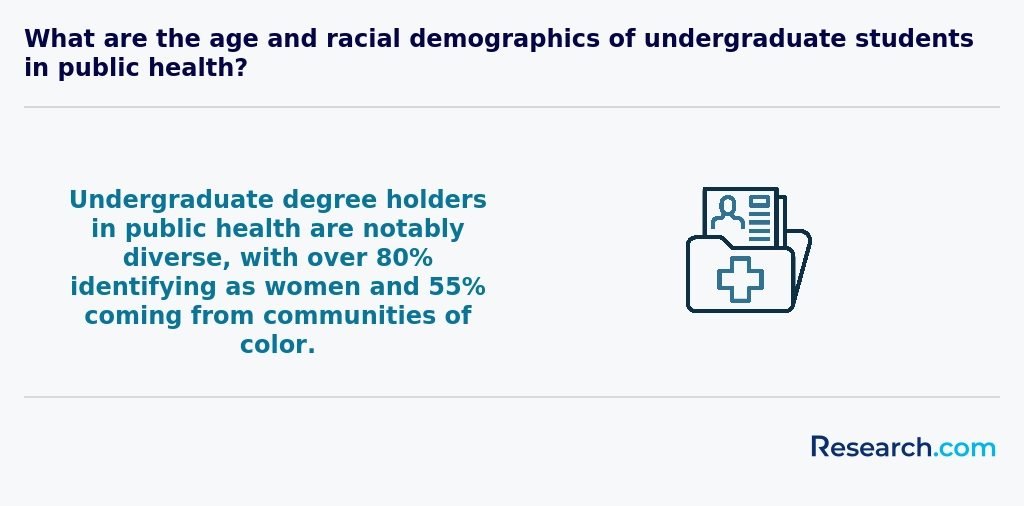
Diving into a public health degree in Lowell means exploring courses that feel both challenging and profoundly relevant. Graduates from local colleges often recall how epidemiology classes sharpened their curiosity by analyzing real disease outbreaks, reflecting Lowell's own diverse, urban community. They learned to track health patterns, making abstract statistics feel like vital clues in a health mystery.
Biostatistics added a thrilling layer of discovery-transforming mountains of data into meaningful stories about the people around you. Environmental health courses brought awareness to Lowell's industrial roots, showing how pollution and workplace safety shape community well-being firsthand.
Health policy classes invited students to debate how laws influence health at both city and national levels, sparking lively discussions in campus halls. Social and behavioral sciences classes encouraged walking in others' shoes, especially in Lowell's multicultural neighborhoods, fostering empathy and creative problem-solving.
Many students describe their excitement tackling global health challenges and ethical questions alongside community-based projects, feeling empowered as they connect theory with real-world impact right in Lowell. It's a journey full of practical experience and eye-opening insight.

Public health degree specializations in Lowell invite you into an engaging world where students explore diverse yet deeply interconnected fields. Imagine diving into epidemiology at a Lowell college, tracking disease patterns affecting urban populations just like graduates who relished uncovering local health mysteries with hands-on data. Environmental Health is another thrilling path, where students tackle real industrial legacy challenges-visualize analyzing air and water quality near historic mill sites, sharing the excitement of protecting community health with peers at popular universities.
Lowell's programs also embrace Health Policy and Management, empowering learners to craft impactful policies in metropolitan settings, much like graduates who found joy influencing healthcare systems right in their backyard. Community Health Education shines by connecting passionate students with Lowell's vibrant immigrant communities, fostering health literacy through innovative outreach. For those seeking a practical edge, many students supplement their studies by exploring online nurse practitioner programs accredited universities, blending fields for broader career horizons. This adventure into Lowell public health career focus options shapes professionals ready to spark real change.
When choosing the best public health degree programs in Lowell, start by seeking out CEPH-accredited options to ensure a well-recognized education. Many graduates from local institutions share how this accreditation boosted their confidence when entering the workforce. Degree level matters too; those pursuing a Master of Public Health often find themselves immersed in hands-on community projects reflective of Lowell's vibrant, diverse population. Exploring affordable public health degrees Lowell MA can uncover hidden gems-public universities here offer competitive tuition alongside practical experiences, unlike pricier private counterparts.
Imagine joining a program where your coursework aligns with your passion, whether it's epidemiology or environmental health, while gaining valuable internship experience in nearby health departments. Graduates often describe this as a turning point-transforming theory into real impact. Plus, the faculty's strong local and research connections open unexpected doors. For those balancing life and study, options at the University of Massachusetts Lowell provide much-needed flexibility. Some students even found inspiration through holistic nutrition continuing education, a unique way to expand their public health perspective.
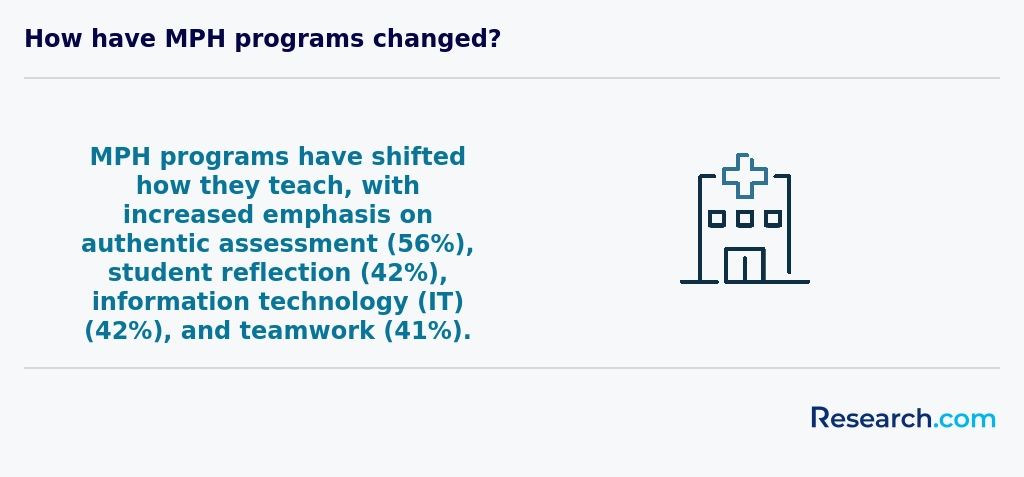
Exploring public health careers in Lowell reveals a vibrant landscape filled with diverse opportunities that ignite passion and purpose. Graduates from local universities often find themselves working as epidemiologists or health educators within city health departments, actively shaping community programs that tackle real-world health challenges. Imagine collaborating on initiatives that reduce chronic diseases or designing outreach plans that reach Lowell's diverse neighborhoods-these roles offer rewarding, hands-on experiences.
Many public health degree holders step into roles at healthcare systems around Greater Lowell, where they engage in health promotion or dive into health informatics, analyzing data to enhance hospital services. It's exciting to see peers from popular colleges thrive by turning data into actionable insights that improve patient care. Others are drawn to nonprofit program management, blending empathy with strategy to run campaigns addressing issues like mental health or substance abuse, creating real change in people's lives.
For those curious about research, Lowell's academic institutions provide openings to contribute to epidemiological studies or public policy efforts, fueling evidence-based improvements across Massachusetts. Students exploring options might also benefit from programs like LPN work-study programs in Colorado to diversify their practical experience. Embracing these varied employment opportunities for public health graduates Lowell truly feels like embarking on a journey of discovery and impactful service.

The public health job opportunities in Lowell are growing dynamically, fueled by the city's vibrant healthcare scene and diverse community needs. Graduates from local institutions often find themselves immersed in roles that go beyond traditional boundaries-whether working with the city's public health departments or engaging in hands-on community outreach at nonprofits focused on health equity. Imagine collaborating on innovative disease prevention initiatives at Lowell General Hospital or supporting cutting-edge studies at nearby universities, where graduates eagerly share stories of meaningful impact.
Lowell public health career outlook shines especially bright given the array of local employers and targeted public health programs addressing chronic diseases and substance abuse. Entry-level positions typically start between $45,000 and $60,000, with growth potential as experience deepens. Many students discover that pursuing public health locally offers both rewarding career paths and manageable education costs through state universities and community colleges.
For those exploring options, it's worth comparing public health degrees with other fields, including online sonography degrees cost. This adventurous step could reveal exciting intersections in healthcare careers, all within reach in the Lowell area.
2027 Best Public Health Degree Programs Ranking in Lowell
Investing in your education is a significant decision that can shape your future, and the Research.com team understands the importance of making informed choices. To assist prospective students in Lowell, we have meticulously crafted the "2027 Best Public Health Degree Programs Ranking in Lowell." Our commitment to quality, credibility, and accuracy is reflected in the extensive research and analysis conducted to compile this ranking.
We utilized the following reputable data sources to ensure a comprehensive evaluation of public health degree programs:
By exploring this ranking, readers will gain valuable insights into the best public health degree programs available in Lowell, empowering them to make informed decisions about their educational pursuits. For more details on our methodology, please visit our Research.com methodology page.

Frequently Asked Questions About public health
Public health degree students in Lowell can enhance their education by engaging actively with local community health initiatives. Lowell, with its diverse population, offers opportunities to understand urban health challenges such as affordable housing and access to healthcare. Participating in internships or practicums at nearby public health agencies, like the Lowell Public Health Department, provides practical experience.
Students should also leverage connections with local universities, which often offer seminars and workshops featuring experts in epidemiology and health policy. Networking within these spaces can be invaluable for career development.
Finally, staying informed on Massachusetts health statistics-such as the state's focus on chronic disease prevention-can help students apply theory to real-world contexts, maximizing learning outcomes.
The field of public health is rapidly evolving, with several emerging niches gaining importance, especially for students in Lowell considering a public health degree. One significant area is health informatics, which combines data analysis and health care to improve patient outcomes. With Lowell's growing focus on data-driven health strategies, this niche offers strong career potential.
Environmental health is another expanding field, addressing pollution and its effects on urban communities like Lowell. The city's industrial history presents unique challenges that specialists are working to solve.
Additionally, global health remains critical due to increasing migration and the need for pandemic preparedness, making it a vital focus in academic programs across Massachusetts.
According to the U.S. Bureau of Labor Statistics, health-related technology jobs are projected to grow 15% from 2021 to 2031, showing promising opportunities for these niches.
Preparing for the job market after earning a public health degree in Lowell involves strategic steps that align with local and national healthcare needs. Graduates should seek internships or practicum experiences during their studies with area health departments or organizations such as the Lowell Community Health Center. These opportunities enhance practical skills and expand professional networks within the Merrimack Valley region.
Building strong competencies in data analysis, epidemiology, and health communication is essential, as employers increasingly value these skills. According to the U.S. Bureau of Labor Statistics, public health-related jobs in Massachusetts are projected to grow 11% through 2030, indicating a favorable employment outlook.
Additionally, obtaining certifications like Certified Health Education Specialist (CHES) can improve job prospects. Networking through professional associations such as the Massachusetts Public Health Association also supports career development in Lowell's competitive job market.
Employers in Lowell seek public health graduates with strong analytical and communication skills. The ability to interpret health data and translate it into actionable community programs is essential. According to the Massachusetts Department of Public Health, proficiency in epidemiology and biostatistics is highly valued for local health initiatives.
Additionally, skills in cultural competence are crucial, given Lowell's diverse population, which includes significant Cambodian and Latino communities. Graduates who understand social determinants of health and can design inclusive interventions stand out.
Familiarity with public health policies and grant writing also improves job prospects, especially for positions in local government and nonprofit organizations focused on community health.
Finding internships in Lowell relevant to a public health degree involves leveraging local healthcare organizations and community agencies. Lowell is served by several hospitals and clinics, including Lowell General Hospital, which often partners with educational institutions to offer internship opportunities. Public health students can also explore openings with the Massachusetts Department of Public Health and local nonprofits focused on health promotion.
Universities in the area, such as UMass Lowell, provide career services and maintain internship databases specifically for public health students. Networking through faculty and attending local public health events can further increase chances of securing placements.
According to recent reports from the U.S. Bureau of Labor Statistics, internship experience significantly improves job prospects in the public health sector. Early engagement with local agencies enhances practical skills and community connections essential for a successful career.
A public health degree significantly enhances career mobility and advancement in Lowell, Massachusetts. The city's growing healthcare sector, including hospitals and community health organizations, increasingly demands trained public health professionals. According to the Massachusetts Executive Office of Labor and Workforce Development, jobs in healthcare and social assistance are projected to grow by 7.5% between 2022 and 2032 in the Lowell area. This growth creates opportunities for graduates with public health degrees to secure roles in program management, health education, and policy development.
Employers in Lowell value candidates with a deep understanding of local health issues such as chronic disease management and substance abuse prevention. Holding a degree plus relevant internships or certifications can lead to faster promotion and higher salaries. Data from the Bureau of Labor Statistics shows health educators and community health workers earn a median annual wage of approximately $49,000 in Massachusetts, with prospects improving in urban centers like Lowell. Overall, earning a public health degree offers clear pathways for career growth within Lowell's expanding public health landscape.
Studying for a public health degree in Lowell equips students with a broad skill set essential for interdisciplinary careers. The region's public health programs emphasize collaboration among fields such as epidemiology, health policy, environmental science, and social work. This approach prepares graduates to address complex health challenges from multiple perspectives.
Lowell's diverse population and urban health concerns provide real-world case studies that hone problem-solving and communication skills. According to the Massachusetts Department of Public Health, the city's focus on reducing health disparities offers students valuable experience in community-based interventions.
The integration of internships with local health agencies further enriches learning by connecting theory and practice across disciplines.
Choosing between a thesis and a non-thesis public health degree program in Lowell involves considering your career goals and learning preferences. Thesis programs typically require conducting original research and writing a detailed paper, which can be beneficial if you plan to pursue doctoral studies or research roles. Non-thesis options often emphasize practical skills through additional coursework or internships, suiting those aiming for immediate employment in public health practice.
Local institutions may offer both formats, reflecting the growing public health workforce needs in Lowell, where epidemiology and community health initiatives are expanding according to the Lowell Public Health Department's 2023 report.
Consider also the time commitment: thesis tracks usually take longer due to research demands. Review faculty expertise and available resources at Lowell-area schools to ensure alignment with your interests and career plans.
Students based in Lowell seeking to study public health abroad have multiple options through exchange programs and affiliated partnerships of Massachusetts universities. Institutions like UMass Lowell occasionally offer study-abroad opportunities that include internships and coursework in global health, often focused on regions such as Europe, Asia, or Latin America. These programs provide real-world experience in diverse health systems, complementing local learning.
Additionally, Lowell students can explore federal programs such as the Gilman Scholarship, which supports American undergraduate participation in international education, including public health fields. According to the U.S. Bureau of Labor Statistics, global public health expertise is increasingly valued, enhancing career prospects for students with international experience.
Students pursuing public health degrees in Lowell can benefit greatly from part-time jobs that provide practical experience and community engagement. Opportunities include working as health educators or community outreach assistants in local nonprofits focusing on public health issues. These roles help develop communication and program management skills.
Additionally, positions in nearby medical centers, such as Lowell General Hospital, offer exposure to patient education and health services administration. According to the U.S. Bureau of Labor Statistics, health educators earn a median wage around $48,000 annually, indicating good growth potential.
Local government agencies also hire interns for public health data collection and analysis, allowing students to apply research methods learned in class.
Public health students in Lowell have access to a variety of networking opportunities that can enhance their academic and professional growth. Institutions like UMass Lowell often host events, seminars, and guest lectures that connect students with experienced public health professionals. These gatherings allow students to engage with public health officials, researchers, and local healthcare providers active in the Merrimack Valley region.
Local organizations such as the Greater Lowell Health Coalition provide platforms for collaboration and community engagement, offering students chances to participate in public health initiatives and workshops. Additionally, Lowell's proximity to Boston expands networking possibilities through statewide conferences and professional associations focused on public health.
Alumni networks play a crucial role in supporting public health degree students in Lowell. These networks connect current students with graduates who often work in local health departments, hospitals, and nonprofit organizations. Through mentorship programs, alumni provide guidance on career paths and graduate studies, helping students navigate their professional journeys.
In Lowell, where public health challenges like infectious disease control and environmental health are priorities, alumni connections can open doors to internships and job placements. According to the Massachusetts Department of Public Health, 65% of public health graduates find employment within six months, often leveraging alumni referrals.
Moreover, alumni events and online platforms encourage knowledge sharing and collaboration, enriching students' learning experiences and expanding their professional contacts.
Customizing a public health degree program in Lowell allows students to align their education with specific career goals. Many local institutions offer flexible curricula, enabling learners to choose concentrations such as epidemiology, health policy, or community health.
Students can also benefit from elective courses tailored to emerging public health challenges in Lowell, including addressing health disparities in diverse populations. Practical experiences, like internships or capstone projects with local health departments or organizations, provide valuable real-world exposure.
Advisors typically guide students in selecting courses that match job market demands, ensuring skills taught are relevant to Lowell's public health landscape.
Public health students in Lowell often face several challenges during their academic journey. One common issue is balancing coursework with practical experience requirements. Many programs emphasize internships or community projects, which can be time-consuming alongside classes.
Limited access to local public health organizations for hands-on training is another concern. Although Lowell has growing health initiatives, opportunities remain competitive for students seeking placements.
Financial constraints also affect many students, as tuition and living costs in Massachusetts are relatively high compared to other states, potentially leading to debt or the need for part-time work.
Finally, adapting to rapidly changing public health issues, such as those highlighted by the COVID-19 pandemic, demands strong critical thinking and flexibility.
With a public health degree, graduates in Lowell can pursue several well-recognized professional certifications that enhance career prospects in various health sectors. The most prominent is the Certified in Public Health (CPH) credential, offered by the National Board of Public Health Examiners. This certification demonstrates mastery of core public health knowledge and skills.
Another valuable certification is the Certified Health Education Specialist (CHES), which focuses on health promotion and education strategies. In Massachusetts, where Lowell is located, certifications related to epidemiology and health administration are also highly regarded.
Professional certifications typically require a combination of public health education and relevant field experience. According to the Massachusetts Department of Public Health, certified professionals tend to have better job placement rates in state agencies and community health organizations.
To write a winning application for a public health program in Lowell, start by clearly articulating your passion for community health issues, especially those relevant to Lowell's diverse population. Highlight any volunteer work or professional experience related to public health, such as internships with local health departments or nonprofits.
Use data and facts to show your understanding of public health challenges in Lowell, like addressing disparities in chronic disease rates reported by the Massachusetts Department of Public Health. Tailor your personal statement to reflect your commitment to improving health outcomes locally.
Strong letters of recommendation from professionals familiar with your work in health settings can boost your application. Additionally, ensure your academic records demonstrate proficiency in sciences and social sciences, as most programs emphasize these areas for foundation knowledge.
Public health careers are increasingly seen through a global lens, reflecting the interconnected nature of health challenges today. Professionals trained in the U.S., including those studying in Lowell, often engage with issues like pandemics, chronic diseases, and environmental health on an international scale.
U.S. public health degrees emphasize skills such as epidemiology, health policy, and cultural competency, which are essential for addressing worldwide health disparities. According to the Bureau of Labor Statistics, demand for public health professionals is expected to grow by 17% nationally through 2030, reflecting global health concerns that resonate locally.
Lowell's diverse population provides students unique exposure to multicultural health challenges, preparing graduates to work in both local and global contexts. Degree programs often incorporate global health courses and partnerships, helping students understand how worldwide factors influence community health.
Gaining practical experience while studying for a public health degree in Lowell is essential for career readiness. Many local colleges encourage students to complete internships with nearby healthcare organizations, government agencies, or nonprofits. For example, Lowell's community health centers and the Massachusetts Department of Public Health offer opportunities to work on real-world projects.
Students may also participate in research initiatives focused on local health issues like opioid addiction or environmental health risks. According to the Lowell Health Department's 2023 report, collaborative efforts between academia and local agencies help students build valuable skills.
Volunteering in public health campaigns or assisting with data collection also provides hands-on experience critical for graduates entering the workforce.
Choosing the right concentration within a public health degree program in Lowell requires assessing your career goals and local community health needs. Lowell, with its diverse population and urban health challenges, often emphasizes areas like epidemiology, community health education, and environmental health. Reviewing the curriculum at institutions such as UMass Lowell can help you identify concentrations that provide practical skills and internships relevant to the city's priorities. Additionally, consider labor market data from the Massachusetts Department of Public Health, which highlights growing demand for chronic disease prevention specialists and health policy analysts in the region.
Understanding your strengths and interests, such as data analysis or direct community engagement, will guide your choice. Also, consult faculty advisors and local public health organizations for insights on which concentrations align with emerging local trends. This approach ensures your education is both relevant and impactful in Lowell's evolving public health landscape.
- 2027 Best Public Health Degree Programs Ranking in Boston
- 2027 Best Public Health Degree Programs Ranking in New Haven
- 2027 Best Public Health Degree Programs Ranking in Albany
- 2027 Best Public Health Degree Programs Ranking in Bronx
- 2027 Best Public Health Degree Programs Ranking in New York
- 2027 Best Public Health Degree Programs Ranking in New Brunswick
- 2027 Best Public Health Degree Programs Ranking in Ithaca
- 2027 Best Public Health Degree Programs Ranking in Philadelphia
- 2027 Best Public Health Degree Programs Ranking in Rochester
- 2027 Best Public Health Degree Programs Ranking in Baltimore
- Medical University of GdaÅsk https://publichealth.mug.edu.pl/
- Areas in Public Health https://www.publichealthcareers.org/areas-in-public-health.html
- 9 Public Health Courses at University of Massachusetts - Lowell https://www.hotcoursesabroad.com/study/degrees/us-usa/public-health-courses-at-university-of-massachusetts-lowell/loc/211/cgory/h16-3/sin/ct/cid/484852/programs.html
- What do you learn in a bachelor's in public health? | edX https://www.edx.org/resources/what-do-you-learn-in-a-bachelors-in-public-health
- Public Health: A Global Perspective https://www.routledge.com/Public-Health-A-Global-Perspective/Singh/p/book/9781032644226
- Today’s Guide to Public Health Certifications https://www.publichealthdegrees.org/resources/public-health-certifications/
- Work Experience Opportunities - Everyone Health Careers https://careerseveryonehealth.co.uk/work-experience/
- Public Health/Global perspective - Wikiversity https://en.wikiversity.org/wiki/Public_Health/Global_perspective
- Public Health - SUM Admission https://admission.sum.edu.pl/public-health/
- Yes, the Public Health Job Market is Tough, But You’re Tougher! | PH SPOT https://phspot.org/yes-the-public-health-job-market-is-tough-but-youre-tougher/











