
2027 Best Public Health Degree Programs Ranking in South Dakota

Co-Founder and Chief Data Scientist
Choosing the right public health degree program is an important step for students in South Dakota aiming to make a meaningful impact in their communities. This article introduces the 2027 Best Public Health Degree Programs Ranking in South Dakota, carefully developed by the Research.com team of data scientists to guide you through your options.
By exploring this ranking, you'll gain valuable insights that can help shape your educational journey and career path. A public health degree offers rewarding opportunities to improve lives, and this guide is here to support your decision with trusted information.
Key benefits of getting public health degree in South Dakota
- Graduates with a public health degree in South Dakota can earn competitive salaries, such as $52,610 annually for Community Health Workers and $86,710 for Environmental Health Specialists, offering strong financial opportunities.
- Career paths include roles like Health Educator, Medical Assistant, and Occupational Health and Safety Specialist, providing diverse options to make a meaningful impact on community wellness.
- Online public health degrees offer flexibility and accessibility, allowing students in South Dakota to balance work and study while enjoying quality education from local institutions without relocating.
- 2027 Best Public Health Degree Programs Ranking in South Dakota
- What can I expect from public health degree in South Dakota?
- Where can I work with public health degree in South Dakota?
What can I expect from public health degree in South Dakota?
The average cost of a public health degree in South Dakota varies by institution but generally remains affordable compared to national averages. For instance, students attending South Dakota State University, a leading provider of public health education, often find tuition and fees in the range of $8,000 to $12,000 per year for in-state students. Graduates frequently reflect on how this investment provided access to quality education without overwhelming student debt, allowing them to focus fully on their studies and practical experiences.
Many students appreciate the combination of classroom learning with hands-on practicum opportunities at local health departments and community programs. This approach deepens their understanding and creates meaningful connections within South Dakota's public health landscape. Some graduates share how working directly with tribal health initiatives or rural health outreach gave them a unique purpose and fulfillment, which made every dollar spent on their education feel worthwhile.
With South Dakota's focus on rural and underserved populations, future students can anticipate their educational costs supporting innovative programs tailored to meet local health challenges. This specialized training not only enhances their career prospects but also instills a sense of pride and motivation to drive positive change in their communities.
Where can I work with public health degree in South Dakota?
Graduates with a public health degree in South Dakota often find enriching career paths with local impact. Many pursue roles in the South Dakota Department of Health, where they collaborate on initiatives targeting disease prevention and emergency preparedness. Imagine working alongside experts monitoring influenza trends or developing community programs to reduce diabetes-real experiences reported by graduates from South Dakota State University.
Others take positions in major healthcare systems like Sanford Health or Avera Health. Here, they might coordinate wellness programs or analyze data to address health disparities in both rural towns and urban centers, reflecting the practical training students receive at regional institutions.
Nonprofits and community health centers also provide dynamic environments where graduates apply skills in grant writing and program implementation, often focusing on pressing issues such as maternal health or mental wellness. The University of South Dakota's community projects give students hands-on exposure, making these future roles feel tangible and inspiring.
As the demand for health educators and community workers grows statewide, graduates feel hopeful about meaningful employment that directly uplifts South Dakota's diverse populations.
Graduates with a public health degree from institutions like South Dakota State University often find themselves starting roles as community health workers, earning around $52,610 annually. Many quickly appreciate how this gateway position provides valuable on-the-ground experience in local rural communities, teaching infectious disease management and health promotion.
Those pursuing a specialization as health educators report average earnings near $69,790 a year, reflecting the region's growing emphasis on preventive care and health education. These roles often involve collaborating with nonprofits or school programs-graduates frequently describe a rewarding sense of impact when educating underserved populations.
More advanced career paths, such as environmental health specialists earning about $86,710 annually, showcase the rising demand for experts addressing local concerns like water quality and workplace safety. Similarly, occupational health and safety specialists can expect around $85,570 a year, working closely with businesses to ensure safer environments. For South Dakotan graduates, the increasing focus on rural health disparities and public system improvements suggests these figures may trend upward as expertise becomes more critical in the coming years.
- Tuition at public universities in South Dakota ranges from $9,000 to $12,000 per year for in-state students, with out-of-state tuition nearly double.
- Entry-level public health jobs pay between $40,000 and $50,000 annually, while mid-career salaries range from $60,000 to $75,000.
- Advanced professionals in public health commonly earn over $80,000 per year in South Dakota.
- Major employment sectors include government health departments, nonprofits, healthcare providers, and tribal health services.
- Programs emphasize practical experience through internships and partnerships with local health agencies focused on rural and Native American health issues.
Completing a public health degree in South Dakota traditionally takes about four years for a bachelor's degree, as experienced by many graduates from South Dakota State University. These students often describe a rewarding journey balancing academics and community projects, which gives real-world meaning to their studies. For those pursuing a Master of Public Health (MPH), the typical timeframe is around two years of full-time study, but flexible options like part-time or online classes are increasingly popular, allowing working professionals to advance without sacrificing their current careers.
Doctoral candidates in South Dakota, inspired by faculty research at leading institutions, find themselves engaged in three to five years of intensive study and fieldwork. Many appreciate how this time deepens their expertise and opens doors to impactful public health roles.
Emerging trends, such as accelerated combined degree pathways and expanded online programs, suggest that future students might complete their degrees faster or with more personalized schedules, making public health education in South Dakota more accessible and fulfilling than ever before.
South Dakota’s public health programs stand out for their robust research infrastructure and esteemed faculty, ensuring students gain hands-on experience alongside leading experts. At South Dakota State University, for instance, the Center for Rural Health collaborates with graduate and undergraduate students on community-driven projects, from analyzing epidemiological data to assessing the impact of vaccination campaigns. Similarly, the University of South Dakota’s Public Health Research Institute offers opportunities to work on grant-funded studies addressing health disparities in Native American and rural populations. These centers not only enhance academic learning but also strengthen local health outcomes through applied research. Faculty members across South Dakota’s institutions bring real-world expertise to the classroom and laboratory. Professors with backgrounds in biostatistics, environmental health, and health policy mentor students in designing capstone projects, publishing peer-reviewed articles, and presenting findings at regional conferences. Small class sizes foster close collaboration, allowing students to co-author publications, secure research assistantships, and develop professional networks with state health departments. Many graduates credit these mentorships with launching careers in federal agencies and non-profit organizations focused on public health advocacy. For students seeking flexible, cost-effective pathways to engage in faculty-led research, our Affordable Online Bachelor's in Public Health Degree Programs combine affordability with access to virtual labs and remote practicum experiences. Whether collaborating on data analysis projects or supporting community assessments from a distance, online learners benefit from the same level of faculty expertise and research mentorship as on-campus peers, making South Dakota’s public health degrees both accessible and academically rigorous.
Graduates from South Dakota State University often share how the online public health degree gave them the freedom to balance work and family while pursuing their goals. The flexibility to study anytime made it easier to manage their busy lives, especially when living outside Brookings. In contrast, those attending the University of South Dakota cherish the vibrant campus life, with face-to-face interactions that build strong peer connections and immediate access to faculty mentorship. This hands-on environment nurtures collaborative projects and real-time feedback, which many say deepened their understanding and made learning more engaging.
Looking ahead, online programs in South Dakota are likely to incorporate more interactive elements, such as virtual labs and local internship partnerships, helping students connect their studies to real-world public health challenges without relocating. Meanwhile, on-campus degrees will continue to thrive by offering immersive experiences that foster networking and leadership skills, essential for future public health careers. Both paths reflect growing options, designed to meet diverse student needs in South Dakota's evolving educational landscape.
The average cost of a public health degree in South Dakota is significantly influenced by residency status and the chosen institution. Median in-state total costs hover around $9,299, making South Dakota one of the more affordable places to study public health compared to national figures. Out-of-state students can expect the median total cost to rise to about $24,634, a figure that reflects broader tuition differences seen across U.S. public universities. For many students at South Dakota State University and other local public institutions, these costs translate into manageable investments towards a rewarding career.
Graduates often recall balancing tuition with living expenses and fees, but many emphasize how accessible education was due to scholarships, financial aid, and in-state tuition benefits. When discussing public health degree tuition and fees South Dakota students often highlight the value they found in practical experiences and community projects that were integrated into their programs. These opportunities deepen learning while helping offset some costs through stipends or part-time roles.
Looking ahead, as public health challenges evolve, students might encounter new funding models or innovative programs that emphasize affordability and accessibility. Those planning to enter fields requiring APRN certification and jobs may also find complementary pathways that reduce overall expenses. Considering these factors, the average cost of public health degree in South Dakota aligns well with early-career ambitions and regional economic realities, encouraging more prospective students to pursue this important field.
One of the hallmarks of a top-tier Public Health program in South Dakota is its commitment to preparing students for nationally recognized certifications and state-level licensure. Most Master of Public Health (MPH) programs - including those that offer an affordable online public health degree option - integrate Certified in Public Health (CPH) exam preparation into the curriculum, ensuring graduates meet eligibility requirements set by the National Board of Public Health Examiners (NBPHE). Coursework in epidemiology, biostatistics, and health policy is often aligned with the CPH content outline, giving students targeted practice through mock exams and study groups. Beyond the CPH, many South Dakota institutions support additional credentials such as the Certified Health Education Specialist (CHES) and the Registered Environmental Health Specialist (REHS) certifications. Faculty mentors guide students through application timelines, document verification, and test-taking strategies. For example, interactive workshops on exam question analysis and time management techniques are regularly scheduled in collaboration with campus testing centers. State licensure requirements for roles like Environmental Health Specialist or Community Health Worker vary by county; Public Health programs typically provide advising sessions that walk students through South Dakota’s specific regulations. These sessions cover background check procedures, continuing education units (CEUs), and renewal cycles that ensure professionals remain in good standing. By emphasizing certification and licensure readiness, South Dakota’s Public Health degree programs not only bolster graduates’ marketability but also reinforce community trust in public health interventions. Prospective students should evaluate each program’s exam pass rates and support services to guarantee a smooth transition from academia to a certified public health career.
Students pursuing a public health degree in South Dakota often benefit from a combination of federal aid, state scholarships, and university-specific funding designed to make education more accessible. For example, many graduates from South Dakota State University recall how Pell Grants, which don't require repayment, covered a significant portion of their tuition, easing financial stress throughout their studies. The South Dakota Opportunity Scholarship also plays a vital role, especially for residents committed to completing their degrees within the state.
Departmental scholarships offered directly through programs at institutions like the University of South Dakota have helped students balance academic merit with financial need, fostering a supportive environment. Several graduates describe the reassurance they found in loan counseling services that guided them through responsible debt management.
Looking ahead, expanding work-study positions within local public health agencies could offer more hands-on experience while helping students earn. This practical approach not only lightens financial burdens but also connects students with community health initiatives, enriching their education and professional readiness.
Understanding the long-term ROI of a Public Health degree is crucial when comparing educational investments. In South Dakota, while tuition costs and fees vary, graduates often experience substantial career growth and financial rewards over time. Beyond competitive initial salaries, many alumni report rapid salary increases as they gain specialized skills and experience, making this degree a smart long-term investment. Several factors drive this positive ROI:
- Career Growth: With increasing demand in community health, research, and policy-making, graduates find that their skills remain valuable in a dynamic job market.
- Alumni Success: Follow-up studies and alumni surveys indicate not only high employment rates but also opportunities for leadership roles in public health organizations.
- Comprehensive Skill Development: The blend of theoretical knowledge and practical experience-from internships to community engagement projects-equips students with a versatile portfolio, boosting their career prospects. For prospective students weighing their options, exploring an affordable public health school in south dakota can provide insights into cost-effective programs that don’t sacrifice educational quality. This holistic approach to evaluating ROI helps ensure that your investment in education translates into a fulfilling and financially rewarding career in public health.
Enrolling in a public health degree in South Dakota typically calls for a solid academic foundation, especially in sciences like biology, chemistry, and statistics. Graduates from South Dakota State University often share how these prerequisites prepared them well for real-world challenges, like analyzing community health data or designing outreach programs. Undergraduate applicants should hold a high school diploma with strong grades, while graduate hopefuls usually need a bachelor's degree and a GPA around 3.0 or higher.
Looking ahead, these standards may evolve to include technology skills, reflecting the growing role of data analytics in public health. Some programs at institutions such as the University of South Dakota emphasize volunteer experience, which many students find rewarding because it deepens their connection to local communities.
Personal statements and recommendation letters remain crucial, giving applicants a chance to express passion for health equity and innovation. Many South Dakota public health graduates describe these application components as valuable opportunities to highlight their unique motivations and experiences, fostering a more humanistic and proactive approach to enrollment.
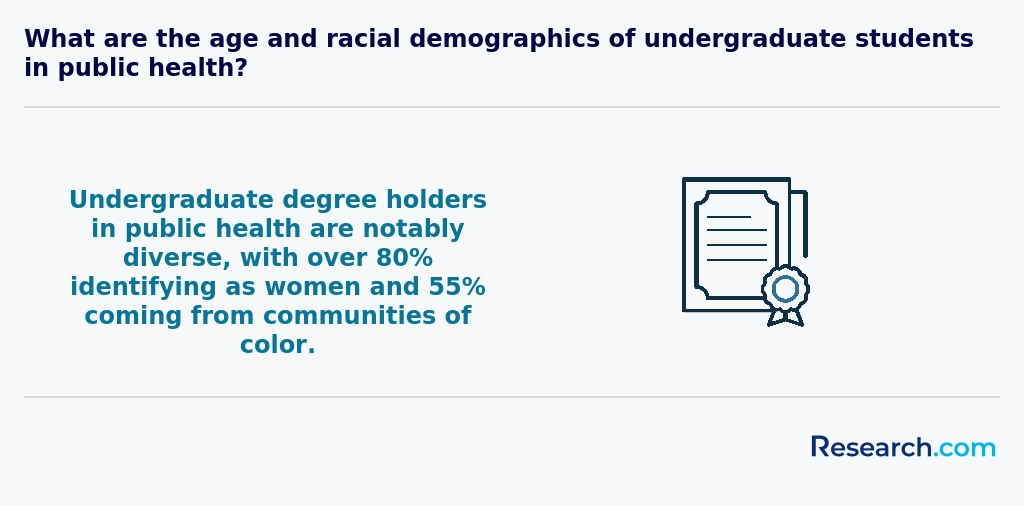
Students pursuing public health degrees in South Dakota often find themselves immersed in courses like epidemiology and biostatistics, which form the backbone of understanding disease trends and health data analysis. Graduates from universities such as South Dakota State University recall how hands-on projects analyzing local health statistics helped them connect theory with real community needs, boosting their confidence in tackling public health challenges.
Environmental health classes are especially relevant here, as learners explore the impact of agriculture and industry on rural populations. Many cherish the fieldwork opportunities that reveal firsthand how environmental factors influence health outcomes in small towns and reservation communities.
Courses in health policy and management prepare students for leadership roles, with some graduates sharing how internships with the South Dakota Department of Health deepened their appreciation for policymaking's practical side. Behavioral sciences also enrich the curriculum, encouraging students to understand community behaviors in ways that inspire proactive health initiatives across the state.
Looking ahead, programs may expand elective choices like global health and infectious disease control to reflect emerging trends, ensuring students stay equipped for future public health landscapes in South Dakota and beyond.
Students pursuing a public health degree in South Dakota commonly explore specializations like epidemiology, health policy and management, and environmental health. Graduates from universities such as the University of South Dakota describe immersing themselves in rural health challenges-an experience that feels deeply impactful given the state's unique population distribution. This focus on real-world scenarios helps learners connect theory with the pressing health disparities in their communities, fueling a passion to innovate local solutions.
Emerging trends suggest growing attention to Community Health Education and Global Health, enabling students to consider both local wellness promotion and broader pandemic preparedness. At institutions like South Dakota State University, graduates appreciate how these specializations prepare them to lead health initiatives that resonate at both state and global levels, blending empathy with evidence-based policy development.
As future health landscapes evolve, students keen on South Dakota public health career options will find adaptable pathways. Those interested in balancing workload and study often seek programs akin to lpn degrees oklahoma part-time for inspiration in managing education with practical commitments.
Choosing the best public health degree in South Dakota means looking beyond just tuition and reputation. Graduates from well-known state universities often share that hands-on experiences, such as internship opportunities with local health departments or community outreach programs, make a real difference. These immersive experiences build confidence and skills that classroom lessons alone can't provide.
Programs offering a strong focus on epidemiology or health policy, combined with CEPH accreditation, tend to prepare students for a dynamic and growing workforce. Many students appreciate the balance South Dakota colleges strike between affordability and quality, especially when compared with out-of-state options, which aligns well with the search for affordable public health degrees South Dakota residents seek.
The flexibility of online degrees is also transforming how students plan their education. Graduates balancing work, family, and study find that remote learning options from South Dakota's universities allow them to advance their careers without relocating. For example, some have discovered additional resources by exploring related fields through links like lpn degrees oklahoma online options, widening their health career horizons.
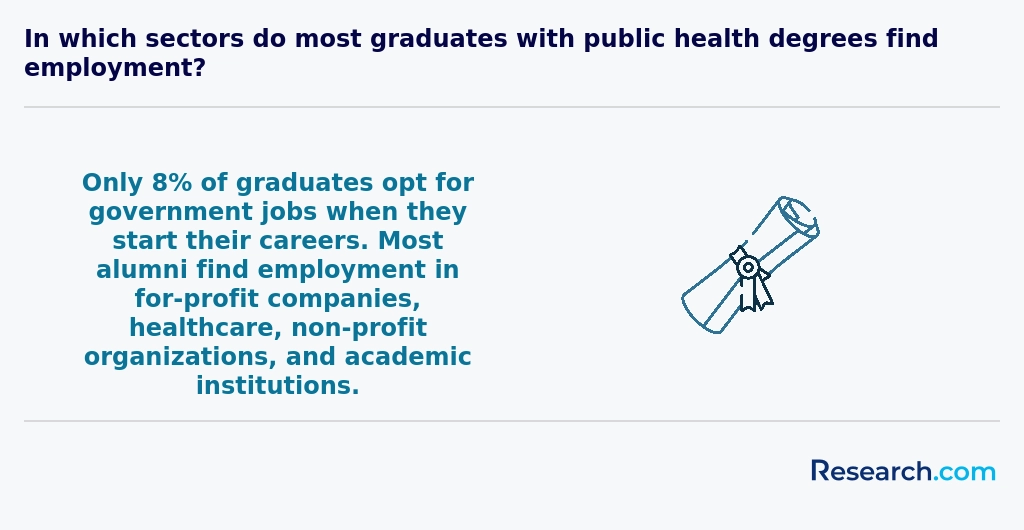
Graduates with a public health degree in South Dakota often pursue career paths as health educators, epidemiologists, or health policy analysts, aligning with the state's unique health challenges. Many alumni from institutions like South Dakota State University describe their roles creating community wellness programs that address rural health disparities and chronic disease prevention. These public health career opportunities in South Dakota are expanding as health departments emphasize culturally sensitive approaches, especially within Native American populations. Other graduates find fulfillment as environmental health specialists, protecting agricultural workers and managing environmental risks in the state's vast farming regions.
Jobs with a public health degree South Dakota also include administrative positions where graduates influence policy and streamline healthcare resources, essential for both local governments and tribal organizations. The practical training offered by popular colleges perfectly positions students to step into these roles confidently and impactfully.
For those exploring affordable options, many benefit from attending an affordable public health school in south dakota, combining quality education with cost-effective tuition. This balance allows students to invest in a promising career path while contributing meaningfully to their communities' health futures.
Public health jobs in South Dakota are evolving with a growing emphasis on rural outreach and telehealth services, creating promising career opportunities for graduates from local institutions like South Dakota State University and the University of South Dakota. Many graduates share how hands-on community projects and internships have prepared them to address real-world challenges, such as managing chronic diseases common in rural areas. This practical experience boosts confidence in entering the workforce and serving underserved populations.
The South Dakota public health career outlook looks positive as state health departments and tribal health services increase hiring to implement federally funded programs. Graduates often find roles supporting disease prevention and emergency preparedness that directly impact communities. Those pursuing an affordable online public health degree also benefit from lower tuition costs and flexibility, making it easier to start or advance their careers while managing expenses.
2027 Best Public Health Degree Programs Ranking in South Dakota
Investing in your education is a significant decision that can greatly influence your future, and the Research.com team is fully aware of the care needed to make informed choices. To support prospective students in South Dakota, we have carefully developed the "2027 Best Public Health Degree Programs Ranking in South Dakota." Our dedication to quality, credibility, and accuracy is demonstrated through rigorous research and comprehensive analysis.
We utilized the following reputable data sources to ensure a thorough evaluation of public health programs:
By exploring this ranking, readers will gain valuable insights into the top public health degree programs in South Dakota, helping them make well-informed decisions about their educational journey. For more information on how this ranking was created, please visit our Research.com methodology page.


Frequently Asked Questions About public health
Public health degree students in South Dakota can maximize their learning by engaging in internships and community-based projects. The state's Department of Health often partners with universities to offer real-world experience, which is crucial for applying classroom knowledge effectively.
Additionally, students should take advantage of research opportunities, as South Dakota ranks well in rural health studies, providing unique insights into public health challenges. Following the latest data from the South Dakota Department of Health helps students stay informed about state-specific health trends.
Joining professional organizations like the American Public Health Association's local chapters offers networking and mentorship, enhancing career prospects.
The public health field is evolving rapidly, with new niches emerging to address contemporary challenges. In South Dakota, areas like rural health and telehealth are gaining prominence due to the state's large rural population. According to the South Dakota Department of Health, telemedicine use in rural areas increased by over 50% between 2019 and 2023, highlighting the need for professionals skilled in digital health technologies.
Other growing niches include environmental health, focusing on issues like water quality and agricultural impacts, which are vital locally. Additionally, data analytics and health informatics are expanding as tools to improve public health decision-making and outcomes.
Preparing for the job market after earning a public health degree in South Dakota involves a combination of gaining relevant experience and networking within the state's healthcare sector. Graduates should seek internships or volunteer roles with local health departments or nonprofits, such as the South Dakota Department of Health, which plays a key role in managing public health initiatives.
According to the U.S. Bureau of Labor Statistics, health education specialists and community health workers in South Dakota earn a median annual wage of around $45,000. Building practical skills through internships improves employment prospects in this competitive field.
Joining professional organizations like the South Dakota Public Health Association can help graduates connect with employers and stay informed about job openings and industry trends.
Employers in South Dakota highly value public health graduates who demonstrate strong analytical skills. The ability to interpret health data and apply it to community health issues is crucial, given the state's focus on rural health challenges.
Communication skills are also essential. Public health professionals must effectively convey information to diverse populations, including policymakers, healthcare providers, and the general public.
Knowledge of epidemiology and program planning ranks among the top skills, especially as South Dakota's health agencies prioritize disease prevention and health promotion programs. Familiarity with state-specific health concerns, such as diabetes and opioid use, is increasingly important (South Dakota Department of Health, 2023).
Leadership and collaboration capabilities are sought after, as public health work often involves multidisciplinary teams and partnerships across sectors.
Finding internships in South Dakota relevant to a public health degree involves connecting with local health organizations and state agencies. The South Dakota Department of Health frequently offers internship opportunities that provide hands-on experience in community health programs and research.
Universities such as South Dakota State University often have partnerships with healthcare providers and government bodies, assisting students in securing internships. Additionally, national programs like the CDC's Public Health Associate Program accept applicants from South Dakota and can be competitive pathways for experience.
Searching online on state government and university career portals can reveal current openings. Networking through professional groups like the South Dakota Public Health Association also increases your chances of finding meaningful internships.
A public health degree in South Dakota significantly enhances career mobility and advancement opportunities. Graduates often find roles in government agencies, healthcare organizations, and community programs. According to the Bureau of Labor Statistics, health-related jobs in South Dakota are projected to grow by 14% from 2020 to 2030, faster than the average for all occupations.
Holding a degree prepares candidates for leadership and specialized positions, such as epidemiologists or health educators, which require advanced knowledge and credentials. Networking through state public health departments and regional nonprofits also supports career growth.
Additionally, earning a public health degree aligns with the state's increasing focus on rural health initiatives, creating more opportunities in underserved areas. This strategic demand helps graduates advance by filling critical roles where skilled professionals are needed most.
Studying for a public health degree in South Dakota equips students with valuable interdisciplinary skills necessary for addressing complex health challenges. Programs emphasize collaboration across fields such as epidemiology, environmental health, healthcare administration, and social sciences. This approach prepares graduates to work effectively with diverse teams, including government agencies, non-profits, and healthcare providers.
South Dakota's public health curriculum aligns with national competencies established by the Council on Education for Public Health (CEPH). This ensures graduates are trained in data analysis, policy development, and community engagement. According to the South Dakota Department of Health, preparedness for cross-sector roles is critical, given the state's rural healthcare challenges and growing health disparities.
Choosing between a thesis and a non-thesis public health degree program in South Dakota depends on your career goals and learning preferences. A thesis program involves conducting original research and writing a detailed paper, which is ideal if you plan to pursue doctoral studies or research positions. According to the South Dakota Department of Health, public health research roles in the state are growing, making a thesis degree valuable for advancing in this field.
Non-thesis programs focus on coursework and practical experiences, suitable for students aiming for professional practice or administrative roles. South Dakota State University, for example, offers both tracks emphasizing applied skills essential for local public health agencies. Consider your future plans carefully when deciding.
Students based in South Dakota seeking to study public health abroad have various opportunities through exchange programs or partnerships linked to universities in their state. For example, the University of South Dakota often facilitates international experiences via agreements with institutions in Europe and Asia, allowing students to earn credits while gaining global perspectives. Such programs help students understand diverse health systems and broaden cultural competencies crucial in public health careers. According to the South Dakota Department of Health, global health challenges are increasingly relevant locally, making international study an asset. Financial aid and scholarships may be available to support these overseas options.
Part-time job opportunities in South Dakota that complement public health degree education often include roles in healthcare facilities, government agencies, and community organizations. Positions such as health educator assistants, medical records clerks, or research interns provide practical experience aligned with public health principles.
The South Dakota Department of Health frequently offers internships and part-time roles that engage students with real-world public health data and programs, helping them apply classroom knowledge.
Hospitals and clinics in cities like Sioux Falls and Rapid City also employ students for support roles, offering exposure to patient care and health promotion initiatives.
According to the U.S. Bureau of Labor Statistics, healthcare support jobs in South Dakota are projected to grow 8% through 2030, signaling ongoing opportunities for students.
Public health students in South Dakota benefit from various networking opportunities that connect them with professionals and organizations in the state. Universities like South Dakota State University offer access to local health departments and community health agencies, providing students with internships and practicum experiences. These placements often lead to valuable professional contacts.
The South Dakota Public Health Association (SDPHA) hosts conferences and workshops where students can engage with experienced public health practitioners and policymakers. Attending these events helps students expand their networks and stay current on state health initiatives.
Additionally, partnerships with the South Dakota Department of Health allow students to collaborate on projects addressing regional health concerns such as rural healthcare access and chronic disease prevention. These experiences enhance both academic learning and professional development.
Alumni networks provide valuable support for public health degree students in South Dakota by fostering professional connections that can lead to internships and job opportunities. Many graduates stay active in these networks, sharing insights about local public health challenges and workforce demands specific to the state.
These networks often facilitate mentorship, helping current students navigate their careers in sectors such as rural healthcare, Native American health initiatives, and state health departments. According to the South Dakota Department of Health, strong community ties are crucial in public health efforts, and alumni networks reflect that collaboration.
Engagement in alumni groups can also provide students access to continuing education and events tailored to South Dakota's public health landscape, enhancing career readiness.
Customizing a public health degree program in South Dakota allows students to target specific career goals within the field. Many institutions offer flexible curriculums with elective courses in areas like epidemiology, health policy, environmental health, and community health education. Students can choose concentrations that align with regional public health needs identified by the South Dakota Department of Health, such as rural health or Native American health disparities.
Internships and practicum opportunities in local health departments or tribal health organizations provide practical experience tailored to career interests. South Dakota's public health programs often emphasize leadership and data analysis skills, essential for advancing in the sector. According to recent state reports, public health employment in South Dakota is growing, highlighting the value of specialized knowledge.
Public health students in South Dakota often face challenges related to limited local resources and smaller program availability compared to larger states. South Dakota's rural nature means access to diverse practicum sites and public health agencies can be restricted, which may affect hands-on learning opportunities. According to the South Dakota Department of Health, workforce shortages in epidemiology and health education can impact mentorship and internship options. Additionally, financial constraints can be significant, as in-state tuition and scholarships specifically for public health students are limited. Balancing coursework with community-based projects in sparsely populated areas also requires adaptability and strong time management skills.
With a public health degree in South Dakota, graduates can pursue several professional certifications to enhance their career prospects. One common certification is the Certified in Public Health (CPH) credential, offered by the National Board of Public Health Examiners. This certification demonstrates expertise in core public health knowledge and skills.
Other valuable certifications include Certified Health Education Specialist (CHES) and the Epidemiology specialty credential. These certifications are highly relevant for roles in health promotion and disease prevention. South Dakota's growing focus on rural health initiatives increases demand for professionals with such credentials, according to the South Dakota Department of Health.
These certifications can improve job opportunities in government agencies, nonprofits, and healthcare systems throughout the state.
To write a winning application for a public health program in South Dakota, start by carefully researching the schools you are interested in, such as the University of South Dakota. Highlight relevant experience in community health or related volunteer work, as South Dakota faces unique rural health challenges that programs seek to address.
Emphasize your understanding of local public health issues supported by data from sources like the South Dakota Department of Health, which reports key concerns such as substance abuse and access to care. Strong letters of recommendation from professionals familiar with your dedication can greatly enhance your application.
Lastly, tailor your personal statement to demonstrate your commitment to improving health outcomes in South Dakota's diverse communities, showing knowledge of current statewide health trends and goals.
The global perspective on a public health career highlights the increasing demand for professionals who can address health issues across diverse populations. In the United States, public health roles focus on disease prevention, health policy, and emergency preparedness, with South Dakota reflecting this trend. According to the U.S. Bureau of Labor Statistics, employment for health educators and community health workers, critical in public health, is projected to grow 13% from 2022 to 2032, faster than the average for all occupations.
South Dakota's rural communities face unique health challenges, such as access to care and higher rates of chronic diseases, which public health professionals aim to address. Institutions offering public health degrees train students to work locally and globally, ensuring skills that meet international health standards. The emphasis on social determinants of health and epidemiology prepares graduates to contribute effectively worldwide while supporting state health goals.
Students pursuing public health degrees in South Dakota can gain practical experience through internships and community-based projects. Many universities in the state, including South Dakota State University, offer internships in collaboration with local health departments and organizations.
South Dakota's Department of Health frequently partners with academic programs to provide opportunities in epidemiology, health promotion, and emergency preparedness. These placements allow students to apply classroom knowledge to real-world public health issues.
Additionally, service-learning opportunities linked to tribal health programs offer valuable exposure, considering South Dakota's significant Native American population, which faces unique health challenges highlighted in state health reports.
Engaging with these hands-on experiences enhances skills and improves employment prospects after graduation.
Choosing the right concentration within a public health degree in South Dakota depends on your career goals and local community needs. The state faces specific public health challenges, such as rural health disparities and chronic disease management, which influence program focuses. Concentrations like epidemiology, health policy, or community health can prepare students to address these issues. Reviewing South Dakota's workforce demands through sources like the South Dakota Department of Health helps identify high-demand areas. Additionally, consider program offerings at local universities, the faculty expertise, and available internships with regional health organizations to ensure practical experience and relevant skills.
- 2027 Best Public Health Degree Programs Ranking in Minnesota
- 2027 Best Public Health Degree Programs Ranking in Indiana
- 2027 Best Public Health Degree Programs Ranking in Michigan
- 2027 Best Public Health Degree Programs Ranking in Louisiana
- 2027 Best Public Health Degree Programs Ranking in Mississippi
- 2027 Best Public Health Degree Programs Ranking in Alabama
- 2027 Best Public Health Degree Programs Ranking in Florida
- 2027 Best Public Health Degree Programs Ranking in Maryland
- 2027 Best Public Health Degree Programs Ranking in Idaho
- 2027 Best Public Health Degree Programs Ranking in Connecticut
- Global Health Perspectives https://globalhealthperspectives.com/
- Work Experience Opportunities - Everyone Health Careers https://careerseveryonehealth.co.uk/work-experience/
- Public Health Programs South Dakota, South Dakota public Health Degrees https://sdpha.clubexpress.com/content.aspx
- For Academic Public Health https://globalnetworkpublichealth.org/
- Public Health: A Global Perspective https://www.routledge.com/Public-Health-A-Global-Perspective/Singh/p/book/9781032644226
- Know more about thesis vs non- thesis: what is the difference? https://studyfans.com/en/blogs/816
- Public Health Challenges – IPA SDG Dashboard https://sdg.internationalpublishers.org/sdgaction/public-health-challenges/
- South Dakota https://www.publichealthdegrees.org/st/south-dakota/
- Masters in Public Health in South Dakota | Online MPH Degree for Public Health Jobs in SD https://www.publichealthcareeredu.org/south-dakota/
- Public Health Degrees & Careers | How To Work In Public Health https://www.learnhowtobecome.org/medical-health-careers/public-health/











