
2027 Most Affordable Online Bachelor's in Public Health Degree Programs Ranking in the USA

Co-Founder and Chief Data Scientist
Choosing the right public health degree can shape your future and open doors to meaningful careers. Our article presents the 2027 Most Affordable Online Bachelor's in Public Health Degree Programs Ranking in the USA, created by Research.com's expert data scientists.
This ranking simplifies your search by spotlighting affordable and quality programs, helping you focus on what matters. Earning a public health degree not only offers career flexibility but also the chance to make a real difference in communities.
Explore your options confidently and take a step closer to your goals with this insightful guide.
Key benefits of getting online public health degree in America
- Graduates with a public health degree often enjoy strong salaries, with roles like Health Educator earning around $69,790 annually and Environmental Health Specialists making about $86,710 per year.
- Career paths for public health graduates are diverse, including positions in community health, safety, and education, illustrated by many alumni from popular universities successfully entering these fields.
- Online public health degrees offer great flexibility, allowing students from universities like Arizona State University to balance work and study while gaining the same respected credentials as traditional programs.
- 2027 Most Affordable Online Bachelor's in Public Health Degree Programs Ranking in the USA
- What can I expect from online public health degree in America?
- Where can I work with online public health degree in America?
What can I expect from online public health degree in America?
Paying for an online public health degree in America can feel like navigating a bustling cityscape of numbers, but many students find it surprisingly manageable. On average, tuition tends to hover around $10,000 to $30,000 per year at public universities known for their public health programs, like the University of North Carolina or the University of Florida. Graduates often share stories of balancing jobs and families while benefiting from employer tuition assistance or federal aid, turning financial stress into empowerment.
Imagine a student juggling late-night video lectures with a day job, grateful that affordable tuition doesn't force them to compromise their dreams. Others at institutions like Arizona State University talk about scholarships that feel like a lifeline, lifting the cost burden and making the pursuit of public health both accessible and inspiring.
The diversity in cost reflects the rich variety in program formats-some fully remote with no travel, reducing expenses further. These realities paint a hopeful picture: investing in a future that improves communities can come without shattering wallets.
Where can I work with online public health degree in America?
Graduates with an online public health degree from schools like Johns Hopkins or the University of Michigan often find themselves stepping into roles at the heart of America's health battlegrounds. Imagine working at the CDC, crafting policies that ripple through communities during a health crisis, or joining a state health department team that feels more like a passionate family than a workplace. These roles aren't just jobs-they're missions.
Others dive into hospitals, becoming the bridge between complex data and everyday patient care, helping to lower chronic disease rates while educating families on prevention. Picture a graduate coordinating vaccination drives, feeling the joy of each shot's impact in the neighborhood.
Nonprofits beckon those longing to spark real change, rallying around causes like substance abuse or environmental health. Working here often means storytelling-translating public health data into hope and action for vulnerable communities.
Private industry and research institutions offer avenues filled with innovation, from analyzing health trends at pharmaceutical companies to shaping workplace wellness programs. Graduates often share how these roles combine analytical rigor with heartfelt purpose, proving that an online degree from a top American university opens diverse doors to transforming lives.
Imagine launching your career with a public health degree from a renowned institution like the University of North Carolina or Johns Hopkins, knowing your salary could start around $43,350 as a medical assistant or soar up to $86,710 if you become an environmental health specialist. Graduates often share how their starting paycheck-averaging $52,610 working as community health workers-gave them the confidence to tackle real-world health challenges in their communities.
Health educators who honed their skills through online programs at universities like the University of Florida often report median salaries near $69,790, reflecting the blend of passion and expertise they bring to public health campaigns. The thrills of managing workplace health from the front lines come with salaries around $85,570 as occupational health and safety specialists, reinforcing that dedication to a safer work environment pays off.
These figures aren't just numbers-they're gateways. They tell stories of graduates using their degrees to create meaningful impact while enjoying financial stability, especially in vibrant hubs like California or New York where demand and paychecks climb even higher.
- Tuition for online bachelor's degrees in public health typically ranges from $15,000 to $30,000 at public universities, while private schools often charge over $40,000.
- Many programs include internships or capstone projects to provide real-world experience alongside academic coursework.
- The job market for health education specialists and community health workers is expected to grow by 13% through 2032, faster than average for all jobs.
- Starting salaries for new graduates usually fall between $45,000 and $55,000 annually, with mid-career professionals earning $70,000 to $90,000.
- Specialized roles like epidemiologists or health administrators often offer higher pay, especially for those with advanced education or skills.
Then there are the master's degree adventurers-those who dive into intense, two-year MPH programs at institutions like the University of Michigan or Harvard's online offerings. Some spread their journey up to three years, fitting lectures in between calls or weekend shifts. Imagine the exhilaration of moving through core courses and specialization electives, savoring flexibility like a secret weapon against life's unpredictability.
Accelerated dual-degree seekers experience a whirlwind, clashing bachelor's and master's timelines into a five-year sprint, embracing intensity and personal growth. Across America, these stories share a thread: adaptability and dedication make the typical timeline a canvas painted uniquely by every student's pace and passion.
Earning a Bachelor’s in Public Health is a vital first step, but obtaining industry-recognized certifications, such as the Certified in Public Health (CPH) credential from the National Board of Public Health Examiners and the Certified Health Education Specialist (CHES) designation, can significantly enhance your professional credibility and job prospects. These certifications validate your expertise in epidemiology, health program planning, and community outreach, and are often required or preferred by employers in government agencies, healthcare systems, and nonprofit organizations. Preparation for these exams typically involves focused review courses covering core competencies-ranging from biostatistics and environmental health to health policy and management. Many online public health programs integrate exam preparation modules into their curriculum, but supplemental resources, including live webinars and practice exam banks, are also available through professional associations. Maintaining certification generally requires ongoing Continuing Education Units (CEUs), ensuring you stay current with emerging public health challenges and best practices. Graduates interested in regionally tailored, affordable program options may explore our Low Cost Online Bachelor's in Public Health Degree Programs Ranking in the Northeast, which highlights institutions offering robust support for certification preparation and CEU opportunities. By strategically combining degree completion with targeted certification pathways, you’ll solidify your expertise and stand out in the competitive public health job market.
Imagine juggling a full-time job in Chicago while earning a Bachelor of Public Health from an online program at a university like the University of North Carolina-no daily commute, just your laptop and a flexible schedule. That's the freedom online degrees offer: tailored for the busy parent, the night owl, or the healthcare worker craving growth without sacrificing time or location. The rhythm is self-driven, demanding grit and top-notch time management, but rewarding with a sense of ownership over your learning journey.
Contrast this with a bustling campus life at Johns Hopkins, where face-to-face interaction pulses through every lecture hall and lab. Graduates often recall the energy of late-night group projects, spontaneous hallway debates, and hands-on internships that forge connections impossible to replicate digitally. It's a whirlwind of sights, sounds, and real-time mentorship that molds not just public health expertise but a vibrant professional network.
Costs vary, too: online students dodge housing and commuting fees, but might encounter technology charges or occasional on-site requirements. Regardless of the path, CEPH accreditation anchors both experiences, ensuring your degree holds weight in America's public health community. Each route offers its own vibe-freedom versus immersion-tailored to your life's canvas.
Online public health programs offer a blend of affordability, flexibility and career-focused training tailored to today’s learners. Top advantages include:
- Flexible scheduling that fits work, family and professional commitments
- Competitive tuition rates with access to federal aid, scholarships and employer reimbursement
- CEPH-accredited curriculum ensuring academic rigor and employer recognition
- Hands-on skill development in epidemiology, biostatistics and health policy
- Diverse career pathways in government agencies, nonprofits, healthcare and private industry
- Virtual networking and support services, including academic advising and career counseling
Explore similar cost-effective healthcare pathways at affordable online medical billing and coding schools.
Imagine stepping into the world of public health education online, where the average cost of an online public health degree in America hovers around $48,840. This figure represents the median total cost, balancing out the diverse landscape of schools and student experiences. Graduates from well-regarded institutions often reflect on the value gained, considering how their tuition, often between $53,940 for in-state and $58,260 for out-of-state students, paved the way for flexible learning paired with impactful careers.
Picture a student juggling work and family while enrolled at a popular university known for its strong online public health curriculum. The financial commitment feels more manageable when compared with traditional on-campus expenses, yet the quality of education remains robust. This realistic snapshot highlights how affordable online public health bachelor's programs 2027 might appeal to those seeking opportunity without exorbitant debt.
Students navigating this path often emphasize the importance of accreditation and program reputation, which sometimes means stretching their budgets but yielding long-term returns. With thoughtful research and access to aid, many find the investment rewarding. For those eager to dive deeper into options, exploring the affordable public health school selections can illuminate pathways tailored to specific needs and budgets.
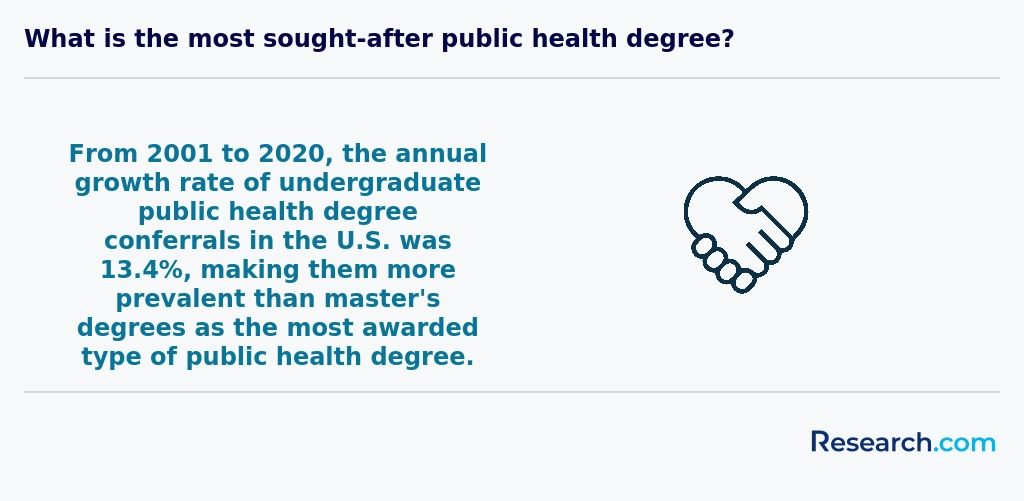
Earning professional certifications and engaging in continuing education can significantly enhance the credentials and marketability of Public Health graduates. Many employers look for specialized certifications such as the Certified Health Education Specialist (CHES) or the Certified in Public Health (CPH) credential offered by the National Board of Public Health Examiners. These certifications demonstrate a commitment to best practices and ongoing professional development, often translating into higher earning potential and greater leadership opportunities. Continuing education units (CEUs) are equally important for maintaining certifications and staying current with emerging public health trends. Accredited providers, including universities and professional associations, offer CEU courses in areas such as epidemiology, biostatistics, and health policy. Online platforms like Coursera and edX also partner with top institutions to deliver flexible, self-paced modules that align with industry standards. For public health professionals aiming for administrative roles, advanced leadership training programs and workshops can prepare them for positions such as Health Department Director. To learn more about leadership pathways and compensation benchmarks, explore our detailed overview of health department director career salary and career paths. Finally, pursuing graduate-level certificates in niche areas-such as Global Health Security or Environmental Health Management-can position graduates at the forefront of emerging challenges. When selecting programs, verify accreditation status, faculty expertise, and alignment with your long-term career goals to ensure a robust return on your educational investment.
Imagine a graduate from a renowned public health program at a top university like Johns Hopkins discovering that the labyrinth of financial aid is less daunting than expected. Federal aid, unlocked by the FAFSA, feels like a hidden treasure chest-granting up to $7,395 annually through Pell Grants and opening doors to student loans capped around $12,500 a year. For those nestled in-state at institutions such as the University of North Carolina, state-funded scholarships feel like a supportive community, quietly lifting tuition burdens.
Then there's the sparkle of institutional scholarships offered by giants like the University of Michigan, rewarding merit and passion for healthcare. A former student recalls how a targeted grant fueled their journey, making every late-night study session worthwhile. Private organizations like the APHA beam encouragement too, sponsoring those committed to serving vulnerable communities.
And for adults balancing work with study, employer tuition assistance can transform dreams into reality, quietly easing financial stress while fostering new public health skills. This mosaic of aid weaves a path for many aspiring public health champions across America.
In today’s rapidly evolving public health landscape, leading experts emphasize the importance of innovative learning methods and technological integration. Online public health programs are increasingly harnessing telehealth solutions, advanced data analytics, and virtual collaboration tools to not only enhance curriculum delivery but also mimic real-world healthcare challenges. Such innovations are paving the way for graduates to emerge as adaptable professionals, prepared to tackle emerging global health crises and policy challenges. Industry leaders advise prospective students to consider programs that merge affordability with robust, forward-thinking curricula. For instance, embracing digital health trends can significantly amplify career opportunities, as it equips individuals with the skills to influence preventative strategies and community health outcomes. Students who are keen to balance cost-effectiveness with a comprehensive education will benefit from exploring our affordable public health school rankings. By staying informed about these future trends and expert insights, applicants can align their academic choices with evolving job market demands and contribute effectively to transformative public health solutions.
Jumping into an online public health degree in America feels like gearing up for a vital mission, and the prerequisites mirror that preparation. Imagine a graduate from a bustling state university recalling how their solid high school diploma and a GPA just above 3.0 opened the gateway. They navigated standardized test waters, sometimes smoothly thanks to test-optional policies embraced by many schools, painting a flexible admission landscape.
Another recalls the power of personalized essays and heartfelt letters of recommendation - these weren't mere paperwork but narratives that showcased passion for community wellness. Their prior coursework in biology and social sciences? It wasn't just a box to tick but a foundation that made epidemiology and health policy relatable and inspiring.
At universities like the University of North Carolina or the University of California, graduates have found that these requirements not only filter candidates but empower students to connect deeply with the evolving tapestry of public health.
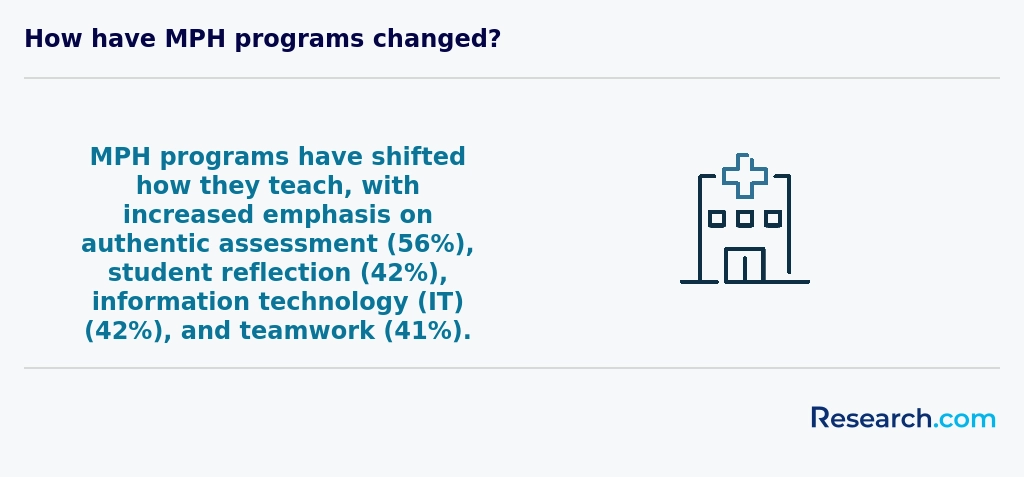
Applying to an affordable online public health bachelor’s program involves a clear, step-by-step process:
- Research CEPH-accredited programs, compare tuition, and explore the cheapest medical billing and coding program for a model of cost-effective curricula.
- Gather official high school or college transcripts, standardized test scores (if required), and two to three letters of recommendation.
- Craft a concise personal statement that highlights your passion for public health, career goals, and any relevant experience.
- Complete each university’s online application portal, upload all supporting documents, and pay application fees before the deadline.
- Submit your FAFSA by priority dates, then research scholarships, grants, and employer tuition assistance to reduce out-of-pocket expenses.
Set calendar reminders for each deadline and follow up with admissions offices to ensure a smooth application experience.
Imagine diving into the dynamic world of epidemiology, where graduates from top programs like the University of North Carolina at Chapel Hill excitedly trace outbreak patterns as if solving detective puzzles. These courses don't just teach theory; they plunge you into real-world scenarios analyzing how diseases ripple through communities across America.
Biostatistics classes at institutions such as Johns Hopkins University transform once-daunting numbers into stories-how health data unlocks secrets about population wellness, making students feel like health data whisperers. Environmental health courses, popular at schools like the University of Michigan, awaken a passion for protecting communities from pollution's hidden threats, blending science with activism.
Health policy and management skills sharpen your ability to navigate America's complex healthcare maze, inspired by graduates who designed equity-driven projects addressing local health disparities. Social and behavioral sciences bring culture and human stories into focus, enabling students to craft meaningful interventions that resonate deeply with diverse communities.
Through internships and capstones, learners from these programs don't just absorb knowledge-they become the public health heroes America needs.
Diving into online public health degree specializations in America reveals a treasure trove of paths designed to shape vibrant careers. Graduates from renowned institutions often describe how selecting Epidemiology unlocked a world where they trace disease trails like detectives, turning complex data into life-saving insights. Meanwhile, others journey through Health Policy and Management, mastering the art of crafting regulations that govern community wellbeing-imagine steering decisions that ripple through healthcare systems nationwide. Community Health enthusiasts find joy designing grassroots programs tackling local disparities, as celebrated by America's public health champions. Those drawn to Environmental Health explore the connections between pollution and wellness, equipped to tackle challenges lurking in our surroundings. Global Health specialists, inspired by stories from prestigious schools, tackle cross-border epidemics with flair and compassion.
Choosing these concentrations isn't just about fascination; it's a strategic move. Online programs in America empower students to tailor their education while balancing real life, boosted by peers' shared excitement about their chosen paths. For an insightful career perspective, check out the health department director career salary to understand the rewarding futures awaiting graduates in these fields.
The best public health concentration options America offers come alive when students in thriving programs picture themselves shaping healthier futures, embodying the spirit of innovation and impact found in top US universities. With so many possibilities, your online public health degree becomes a canvas for turning passion into progress.
Imagine choosing your path like a seasoned public health graduate from a top American university who carefully balanced career dreams with wallet realities. Accreditation isn't just a checkbox; it's the passport that opens doors in the demanding U.S. healthcare landscape. Graduates from CEPH-accredited programs often share stories of employers recognizing their training instantly-whether they studied at a bustling university in Boston or a sun-soaked Californian college.
Cost can feel like a maze, but envision yourself consulting the Low Cost Online Bachelor's in Public Health Degree Programs Ranking in the Northeast to find surprisingly affordable online options. Many discovering these programs highlight how budgeting for textbooks and tech fees separately amplified their financial clarity. This practical mindset guides many towards the best online public health degrees USA can offer-saving money without sacrificing quality.
Specializations color your studies like vivid paint: whether drawn to environmental health, global health, or health policy, graduates recall how choosing a niche sparked their passion and propelled their careers. Embracing flexible schedules helped working adults juggle family life and class deadlines with ease, demonstrating that affordable online public health programs in America truly champion adaptability.

Graduates with an online public health degree in America step into a vibrant ecosystem of careers that ripple through communities, from bustling urban centers to rural landscapes. Imagine shaping health education campaigns that spark real change, much like graduates from renowned programs at universities such as Johns Hopkins or University of California, Berkeley, who craft strategies to uplift neighborhoods living with health disparities. The excitement of becoming a health promotion specialist means your work dances directly with people's lives, fueling hope and wellness.
Others dive into epidemiology, chasing patterns like detectives in the endless puzzle of disease outbreaks. This path, beloved by many graduates from schools like the University of Michigan's public health program, taps into the energy of safeguarding America's health-a role made more urgent post-pandemic. These public health job opportunities in America unfold in labs, offices, and in the field, creating a dynamic career canvas.
For some, policy and management offer the thrill of steering systems behind the scenes, turning concepts into laws and programs that safeguard millions. Graduates report a sense of pride working in health departments or nonprofits, managing resources and driving equity. Meanwhile, environmental health roles call those passionate about protecting air, water, and communities from unseen hazards, weaving science and advocacy.
Thanks to accessible online programs, including those accredited by CEPH, students nationwide-even those juggling busy lives-envision pathways to transformation. Many accentuate the freedom of flexible learning on platforms that rival traditional campuses in quality. Explore more about advancing through a one year online masters degree to deepen impact in this rich career tapestry.
The landscape for those holding an online public health degree in America is alive with opportunity and growth. Graduates from top programs at universities like Johns Hopkins and University of North Carolina find themselves stepping into roles as health promotion specialists or community health workers, driven by a 17% projected job growth by 2031. This isn't just a trend-it's a movement toward stronger public health infrastructures nationwide, fueled by passion and purpose.
Imagine a graduate from a bustling metropolitan area balancing remote coursework while working part-time in a local clinic. Their degree unlocks doors to roles with median incomes around $48,860 for health educators, while specialized careers like epidemiologists push closer to $78,830 annually. Public health careers demand in America is amplified by the pandemic's spotlight on crisis management and data-driven health solutions.
For anyone weighing cost, many respected programs offer affordable options, and some even feature in-state tuition for online students. Exploring options like those found in cheap online doctorate pathways can cement financial confidence alongside academic success.
2027 Most Affordable Online Bachelor's in Public Health Degree Programs Ranking in the USA
Investing in your education is a significant decision that can shape your future, and the Research.com team understands the importance of making informed choices. To assist prospective students seeking affordable online bachelor's degrees in public health, we have meticulously crafted the "2027 Most Affordable Online Bachelor's in Public Health Degree Programs Ranking in the USA." Our commitment to quality, credibility, and accuracy is reflected in the extensive research and analysis conducted to compile this ranking.
We utilized the following reputable data sources to ensure a comprehensive evaluation of programs:
By exploring this ranking, readers will gain valuable insights into affordable, high-quality online public health degree options, empowering them to make well-informed decisions about their educational paths. For more details on our methodology, please visit our Research.com methodology page.


# 3 position
Western Governors University
Bachelor of Public Health




# 17 position
Walden University
Bachelor of Public Health

# 19 position
University of Management and Technology
Bachelor of Health Administration


Frequently Asked Questions About public health
Online public health degree students in America can maximize their learning by actively engaging with interactive course materials and participating in virtual discussions. Research from the Association of Schools and Programs of Public Health highlights that students who collaborate consistently show better retention and application of public health concepts.
Time management is crucial; dedicating specific hours weekly for study helps balance work and education, as many learners juggle jobs or family commitments. Leveraging resources like webinars, public health databases, and government websites such as CDC.gov enriches understanding of real-world issues.
Joining professional organizations, such as the American Public Health Association, provides networking and internship opportunities, essential for career growth and practical experience.
Emerging niches in the public health field reflect the growing complexity of health challenges across the United States. One notable area is health informatics, where professionals use data analytics to improve health outcomes and policy decisions. The U.S. Bureau of Labor Statistics projects a 17% growth for health information specialists from 2022 to 2032.
Another expanding niche is environmental health, focusing on how climate change affects community health. According to the Centers for Disease Control and Prevention, environmental factors contribute to nearly 1 in 4 deaths annually in the U.S.
Global health also gains prominence, preparing students to address pandemics and health disparities worldwide. These specialties align with increasing demand for versatile public health experts who can navigate emerging health crises using online degree programs tailored for working adults.
After completing an online public health degree in America, preparing for the job market involves strategic steps to enhance employability. Start by gaining practical experience through internships or volunteering with local health departments or organizations like the CDC, which employs over 10,000 public health professionals nationwide.
Networking is essential; join professional groups such as the American Public Health Association to connect with industry experts and learn about job opportunities. Additionally, earning certifications like the Certified Health Education Specialist (CHES) can improve credentials.
Understanding labor market trends is critical. U.S. Bureau of Labor Statistics projects a 12% growth in health education jobs from 2021 to 2031, signaling strong demand.
Employers in the American public health field prioritize several key skills in graduates of online public health degree programs. Strong analytical skills are essential, as public health professionals must interpret data to inform policy and community health strategies. According to the U.S. Bureau of Labor Statistics, proficiency in data analysis and interpretation increases employability.
Communication skills are equally important. Public health workers need to convey complex health information clearly to diverse audiences, including policymakers and the public. Collaboration and teamwork also stand out, considering public health is multidisciplinary.
Foundational knowledge of epidemiology and health policy is crucial, along with an understanding of social determinants of health. Organizations like the American Public Health Association emphasize cultural competency as critical for effective community engagement.
Finding internships in America relevant to a public health degree involves a combination of research, networking, and utilizing academic resources. Many US universities offer career services specifically for public health students, helping locate opportunities with government agencies like the CDC or local health departments. Additionally, organizations such as the American Public Health Association (APHA) provide internship listings and professional connections.
Online interns can also explore virtual placements, increasingly common especially post-pandemic. According to the Bureau of Labor Statistics, internships improve employment chances by about 20% in the health sector.
Students should leverage platforms like Handshake and Indeed, filter by public health-related internships, and apply early. Building relationships with faculty and attending public health webinars can provide inside tracks to unadvertised roles.
In the United States, earning an online public health degree significantly enhances career mobility and advancement opportunities. According to the U.S. Bureau of Labor Statistics, employment in public health occupations is projected to grow 11% from 2021 to 2031, faster than the average for all occupations. Online degrees provide flexible access for working professionals seeking to upskill or pivot within the health sector.
Graduates with accredited online public health programs are often qualified for roles in health education, epidemiology, and policy analysis. Employers increasingly recognize these degrees, reflecting a shift toward digital learning acceptance.
Additionally, many online programs offer connections to internships and professional networks that boost career growth. This flexibility and credibility facilitate upward movement in both governmental and nonprofit health agencies.
Studying for a public health degree in America equips students with skills to work across multiple disciplines, including healthcare, policy, and community planning. Programs emphasize collaboration among professionals such as epidemiologists, biostatisticians, and health educators. According to the Council on Education for Public Health (CEPH), accredited online programs integrate coursework in social sciences, biology, and management, fostering interdisciplinary knowledge.
Students learn to analyze data, develop health interventions, and understand regulatory environments, preparing them for roles that require coordination between medical, environmental, and social sectors. The U.S. Bureau of Labor Statistics projects a 17% growth in public health jobs from 2021 to 2031, highlighting demand for versatile professionals. This multidisciplinary training is essential as public health challenges become increasingly complex.
When choosing between a thesis and a non-thesis public health degree program in America, consider your career goals and learning preferences. Thesis programs typically require original research, appealing to students aiming for research careers or graduate studies. They develop strong analytical and writing skills valuable in academia and policy roles.
Non-thesis programs often focus on practical skills through coursework and internships, suitable for those seeking immediate entry into public health practice or administration. According to the Association of Schools and Programs of Public Health (ASPPH), more than 60% of public health graduates work in community health, where applied skills are vital.
Cost and time commitment also differ; thesis options may take longer due to research requirements.
American students interested in studying public health abroad while enrolled in online programs have several options. Many US institutions partner with international universities to offer dual degrees or study-abroad opportunities, allowing students to gain global perspectives without leaving the US. For example, a student might complete core coursework online with a US school accredited by CEPH (Council on Education for Public Health) and participate in short-term international residencies.
Some programs also incorporate global health concentrations, which include coursework on worldwide health challenges, policies, and comparative public health systems. According to the Association of Schools and Programs of Public Health (ASPPH), around 60% of accredited US public health programs offer such concentrations.
These options provide American students with valuable cross-cultural insights and international exposure needed for careers in global health without the high cost or visa complexities of full-time study overseas.
Students pursuing online public health degrees in America often seek part-time jobs that enhance their academic experience and employability. Common opportunities include research assistant positions at universities or public health organizations, where students assist in data collection and analysis. These roles improve understanding of epidemiology and biostatistics.
Many also work as community health workers, supporting local health departments with outreach and education. According to the U.S. Bureau of Labor Statistics, this role is projected to grow 13% from 2021 to 2031, reflecting increasing demand.
Other part-time jobs include health educators, who design programs about nutrition or disease prevention. Such experience aligns well with coursework and practical skills needed in the workforce.
Online public health students in America have various opportunities to build professional networks despite virtual learning environments. Many universities host virtual career fairs, webinars, and alumni events that connect students with public health experts nationwide. According to the Association of Schools and Programs of Public Health (ASPPH), over 50 accredited online public health programs encourage participation in professional organizations like the American Public Health Association (APHA).
Students can join online forums, local public health chapters, and volunteer projects, which increase engagement with practitioners and policymakers. Such involvement often leads to internships or job referrals, crucial in a field where nearly 400,000 jobs are projected by 2030 (U.S. Bureau of Labor Statistics). Networking tools provided by institutions also help link students with mentors and peer study groups, supporting both academic and career development.
Alumni networks offer significant benefits to students pursuing online public health degrees in America. These networks provide valuable opportunities for mentorship, connecting current students with experienced graduates who understand the challenges of the public health field.
Networking through alumni associations can increase job placement rates. According to the National Association of Colleges and Employers (NACE), 85% of jobs are filled through networking. For public health students, this can mean access to insider information on internships, fellowships, and federal agencies like the CDC or NIH.
Additionally, many alumni networks facilitate webinars, workshops, and conferences that enhance professional development. These events keep students informed about the latest public health trends and research, which is crucial given the rapidly evolving landscape of healthcare in the U.S.
Active alumni communities foster collaboration and knowledge sharing, which are essential skills in public health careers. The University of North Carolina's online public health program reports that students value alumni connections as a key resource for career advancement and support.
Many online public health degree programs in America offer customizable options to align with your career goals. Students can typically choose minors, electives, or concentrations such as epidemiology, health promotion, or environmental health. These specializations help tailor your education for roles in government agencies, healthcare, or community organizations.
Advisors often assist in selecting courses that develop skills employers value, such as data analysis or program planning. According to the Association of Schools and Programs of Public Health (ASPPH), programs emphasize practical experience through internships or capstone projects, which you can often arrange based on your career interests.
By carefully choosing your coursework and experiential learning opportunities, you can build a degree program that supports your professional objectives within the diverse field of public health.
Online public health students in America often face challenges related to maintaining motivation and managing time effectively. Balancing coursework with work or family responsibilities can be difficult without a structured classroom environment. According to the National Center for Education Statistics (NCES), nearly 30% of online students report feeling isolated due to limited interaction with peers and instructors.
Technical difficulties also pose a significant barrier, as reliable internet access and familiarity with digital platforms are essential. Additionally, some students struggle with finding quality internships or fieldwork opportunities, which are critical for hands-on experience in public health careers.
Graduates with an online public health degree in the United States can pursue several valuable professional certifications to enhance their careers. The most recognized is the Certified in Public Health (CPH) credential, offered by the National Board of Public Health Examiners. This certification validates a graduate's knowledge and skills in public health practice.
Other certifications include Certified Health Education Specialist (CHES) and Master Certified Health Education Specialist (MCHES), both provided by the National Commission for Health Education Credentialing. These are suitable for professionals focused on health promotion and education.
Additionally, some graduates may qualify for certifications in epidemiology or health data analytics, depending on their specialization. Earning these certifications can improve job prospects and potentially increase earning potential in the sector.
To write a winning application for an online public health program in America, start by clearly articulating your motivation for studying public health. Highlight relevant experiences such as volunteer work, internships, or professional roles that demonstrate your commitment to improving community health.
Emphasize your academic readiness by including your GPA and any coursework related to health sciences or data analysis, as many programs require a minimum GPA of 3.0. According to the Association of Schools and Programs of Public Health (ASPPH), strong writing skills are critical, so ensure your personal statement is well-organized and free of errors.
Additionally, secure recommendation letters from professionals familiar with your skills and dedication. Finally, tailor your application to each program's focus, referencing faculty interests or community projects relevant to your goals.
Public health careers have a strong global significance, with the United States playing a major role in shaping international standards and practices. According to the U.S. Bureau of Labor Statistics, jobs in public health are expected to grow 17% from 2022 to 2032, reflecting a rising demand worldwide. American public health professionals often collaborate with global organizations such as the World Health Organization and the Centers for Disease Control and Prevention. These partnerships emphasize disease prevention, health education, and emergency preparedness on a global scale. Pursuing an online public health degree in the U.S. equips students with skills recognized and valued internationally.
Public health initiatives in the U.S. also address worldwide challenges like infectious disease control and environmental health, making careers in this field globally relevant. The focus on global health equity and pandemic response highlights the increasing interconnectedness of health efforts. Many American degree programs include global health components, preparing students to work in diverse international settings.
Gaining practical experience while studying for an online public health degree in America is essential for career readiness. Many programs include internships or fieldwork components, often arranged locally by the student with guidance from faculty. These opportunities allow students to apply classroom knowledge in real-world settings, such as community health organizations or government agencies. According to the Council on Education for Public Health (CEPH), accredited programs require practical experience to ensure competency.
Additionally, students can seek volunteer positions or part-time roles in local public health departments, hospitals, or nonprofits. Networking through virtual workshops and webinars also helps connect students with professionals nationwide.
Choosing the right concentration within an online public health degree in America depends on your career goals and interests. Common specializations include epidemiology, health policy, environmental health, and community health education. Each area addresses different challenges; for example, epidemiology focuses on disease control and prevention, a crucial field especially after recent global health crises, as highlighted by the CDC.
Consider labor market data from the U.S. Bureau of Labor Statistics, which reports faster growth in roles related to health policy and management, emphasizing the importance of aligning your concentration with job demand.
Additionally, review program curricula to ensure it offers internships or practical experience, which improve job readiness in public health sectors.
Ultimately, selecting a concentration should balance personal passion with knowledge of workforce trends in the U.S. public health landscape.
- Today’s Guide to Public Health Certifications https://www.publichealthdegrees.org/resources/public-health-certifications/
- How an Online MPH Degree Can Impact Public Health in 2024 https://dblp.ucnedu.org/blog/how-an-online-mph-degree-can-impact-public-health/
- The 14 Fastest Online MPH Programs - MPH Online https://www.mphonline.org/fastest-online-mph-programs/
- Master of Science (M.S.) Major in Public Health Education and Promotion (Non-thesis Option) https://mycatalog.txstate.edu/graduate/education/health-human-performance/public-healthed-promo-nonthesis-ms/
- Public Health/Global perspective - Wikiversity https://en.wikiversity.org/wiki/Public_Health/Global_perspective
- Why Public Health is the Ideal Career Path for Gen Z - Reach Out https://we-reachout.org/why-public-health-is-the-ideal-career-path-for-gen-z/
- Public Health https://disabroad.org/program/public-health/
- The Interdisciplinary Nature of Public Health https://www.cune.edu/news/interdisciplinary-nature-public-health
- Students and Alumni associations - Europubhealth https://www.europubhealth.org/students-alumni-associations/
- Master of Public Health https://online.une.edu/public-health/master/










