2027 Most Valuable Online Master's in Public Health Degree Programs Ranking in the West

Co-Founder and Chief Data Scientist
Choosing the right online master's program in public health can be a game changer for your career and personal growth. Our article introduces the 2027 Most Valuable Online Master's in Public Health Degree Programs Ranking in the West, created by the Research.com team of data scientists. This carefully crafted ranking helps you discover which programs offer the best value and opportunities.
By exploring this guide, you'll gain insights that simplify your decision-making and inspire confidence. A public health degree opens doors to meaningful work that truly impacts lives.
Key benefits of getting online public health degree in the West
- Public health degree graduates in the West can expect strong earning potential, with roles like Public Health Program Manager and Healthcare Administrator earning mean annual wages of around $134,440, and Epidemiologists earning approximately $90,430.
- Graduates often find diverse career opportunities, including leadership positions in health departments, hospitals, and non-profits, as shown by alumni from popular Western universities who successfully enter these impactful roles.
- Online public health degrees offer flexibility and convenience, allowing students from the West to balance work and study effectively, as many online graduates report enhanced time management and access to broader resources compared to traditional campus programs.
- 2027 Most Valuable Online Master's in Public Health Degree Programs Ranking in the West
- What can I expect from online public health degree in the West?
- Where can I work with online public health degree in the West?
What can I expect from online public health degree in the West?
The average cost of an online public health degree in the West varies, but many students find public universities offer the most affordable options-especially if you qualify as an in-state resident. Graduates from well-regarded programs at institutions like the University of Washington or the University of California system often share how manageable tuition made pursuing their degrees alongside full-time jobs possible. For these students, balancing family and work commitments was easier with the flexible scheduling offered online, and the realistic costs didn't add unnecessary financial stress.
Beyond tuition, scholarships and assistantships are common-many students secured support that significantly reduced their expenses. Employer tuition assistance programs also play a big role for those working in healthcare or nonprofit roles in the region, helping them invest in their careers without compromising finances.
Remember, accreditation from bodies such as CEPH ensures your investment supports a recognized, high-quality education that employers in California, Washington, and beyond value deeply.
Where can I work with online public health degree in the West?
Graduates with an online public health degree in the West discover a wide array of opportunities across dynamic settings. Many find rewarding roles in vibrant city and county health departments-imagine working in Seattle-King County Public Health, where you contribute to controlling infectious diseases and protecting environmental health. Those from schools like the University of Washington have shared how these positions provide a real sense of purpose by directly impacting local communities.
Others land positions in California's Department of Public Health, joining thousands of professionals dedicated to community health initiatives and vaccine programs. These roles offer the chance to be at the forefront of evolving public health challenges, turning your education into tangible change.
Private healthcare systems and nonprofits also actively seek graduates to manage population health projects. Think about implementing programs for substance abuse prevention or maternal health, where your work directly improves lives.
Graduates appreciate how their degree offers a toolkit for diverse careers, from data analysis in research centers at Western universities to emergency preparedness in growing metropolitan areas. This is the West-a place bursting with opportunities for your passion to thrive.
Graduates from online public health programs in the West, such as those offered by the University of California system or the University of Washington, often find their degrees opening doors to rewarding careers with strong salaries. For example, a Public Health Program Manager can expect a mean annual wage of about $134,440, reflecting high demand in cities like Seattle and San Francisco. Similarly, Healthcare Administrators and Health and Safety Managers share this impressive salary range, providing financial stability alongside leadership opportunities.
For those stepping into roles like Epidemiologists, the average salary is around $90,430 per year, with many graduates feeling proud to apply their skills to regional health challenges. Health Informatics Specialists earn around $70,260, offering a blend of technology and public health that attracts many tech-savvy students in the West. Graduates often highlight how their online degrees let them balance work, study, and family while preparing for these fulfilling careers with real impact and competitive pay.
- Online public health master's degrees in the Western U.S. generally cost between $20,000 and $50,000, with public universities offering lower tuition for in-state students.
- Entry-level salaries for public health professionals in the region range from $50,000 to $65,000 annually, rising to $80,000-$100,000 with experience.
- States like California, Washington, and Oregon have high employment levels in public health roles such as health educators and epidemiologists.
- Accreditation by the Council on Education for Public Health (CEPH) is important for program quality and job market recognition.
- Many online programs include local internships and capstone projects to help students gain practical skills and build professional networks.
Completing an online public health degree in the West can feel like a personalized journey, shaped by your own pace and commitments. For many, a Master of Public Health (MPH) typically takes 18 to 24 months if studied full-time. Graduates from programs like California State University's online MPH often share how balancing work and study extended their timeline to around two years, which made the process manageable and rewarding.
Bachelor's degrees tend to require about four years for full-time students, but plenty of learners have accelerated this timeline by taking summer courses or using credit for prior experience, especially at schools such as the University of Washington or Arizona State University. These options allow you to tailor your experience, whether you want to dive in full-time or prefer a flexible schedule that fits a busy life.
Many students embrace the challenge of internships or fieldwork alongside coursework, which deepens their expertise but might add some extra months. Remember, this flexibility in Western programs means your education fits you, not the other way around.
Succeeding in an online public health program requires not only academic dedication but also strategic planning and proactive engagement with the virtual learning community. One key strategy is to create a structured study schedule that aligns with your personal and professional responsibilities. This can include establishing a dedicated workspace, setting clear goals, and using digital tools like calendar apps or task managers to keep track of assignments and deadlines. Building strong connections with peers and faculty is equally important. Engage in online discussion forums, join virtual study groups, and participate in live webinars whenever possible. This network not only enriches your learning experience but also opens doors to potential mentorship opportunities and career advice. For instance, many students have found guidance by exploring resources offered by popular public health schools, which provide additional insights into alumni success stories and networking strategies. Moreover, staying updated on the latest public health trends and technological advancements can further enhance your academic journey. Supplement your coursework by following reputable industry blogs, joining professional organizations, and attending conferences-even if they’re virtual-which can provide real-world context to your studies. Finally, remember to allocate time for self-care and reflection; balancing rigorous academic work with regular breaks helps maintain both mental health and productivity, ensuring you remain motivated throughout your program.
Choosing between online and on-campus public health degrees in the West comes down to your lifestyle and learning preferences. Online programs offer incredible flexibility-ideal if you're balancing work or family commitments. Imagine logging into your course from anywhere in California or Oregon, accessing lectures and assignments on your own schedule. Graduates from these programs often appreciate the freedom to learn without sacrificing their personal lives.
On the other hand, on-campus programs like those at the University of Washington provide immersive, face-to-face experiences. Picture collaborating closely with peers during workshops or joining community health projects in Seattle neighborhoods. This direct interaction can deepen your practical skills and expand your professional network in ways that online formats sometimes can't match.
Both paths are accredited by CEPH, ensuring quality education. Online degrees tend to cost less-typically $15,000 to $40,000-while on-campus options range higher due to campus fees and living expenses. Ultimately, either choice can open doors to rewarding careers in public health across the Western states if aligned with your unique goals.
Navigating the application process for an online Master’s in Public Health in the West requires strategic planning and attention to detail. Most programs open their applications 9–12 months before the intended start date, with deadlines commonly falling between December and March for fall entry and June to August for spring entry. To ensure a seamless submission, gather the following materials well in advance:
- Official transcripts from all postsecondary institutions
- A current resume or CV highlighting public health–related work or volunteer experience
- Two to three letters of recommendation, preferably from academic mentors or professional supervisors
- A concise statement of purpose that articulates your career goals and passion for community health
- Standardized test scores (if required), such as the GRE or equivalent proficiency exams When drafting your statement of purpose, emphasize measurable achievements-such as leading vaccination campaigns or analyzing epidemiological data-and connect them to your long-term vision. Demonstrating awareness of high-impact roles and compensation expectations-often detailed on our public health degree page-can strengthen your narrative and show admissions committees that you’ve researched industry trends. Tips for a standout application:
- Tailor each letter of recommendation by providing your referees with specific examples of your leadership and analytical skills in public health projects.
- Highlight any capstone, practicum, or internship experiences that involved collaborating with local health departments or NGOs.
- Proofread meticulously and consider peer or mentor feedback to ensure your essays are clear, concise, and free of errors.
- Verify technical requirements for online learning platforms (e.g., software installations, webcam quality) to avoid last-minute challenges. Finally, track each program’s requirements using a shared spreadsheet, noting submission portals, application fees (and waivers), interview formats, and notification dates. By starting early and maintaining organized records, you’ll maximize your chances of acceptance into a program that aligns with your professional aspirations and schedule.
The average cost of an online public health degree in the West typically centers around $39,900, making it an accessible investment for many aspiring professionals. Graduates from prominent programs at universities like the University of Washington and campuses of the University of California often note that this level of tuition strikes a balance between quality education and affordability. Public universities in the region, especially for in-state students, offer competitive rates that help reduce the financial burden without sacrificing program flexibility or reputation.
For those seeking affordable online MPH programs Western US public universities usually charge tuition reflective of state residency, often totaling around $27,600 for in-state students. Many of these students express relief upon discovering financial aid options and scholarships that further ease the cost, turning their educational dreams into attainable goals. Private institutions, while typically more expensive, provide fixed tuition rates regardless of residency, appealing to students valuing consistency and additional resources.
When considering your options, it helps to review offerings from popular public health schools in California, Washington, and neighboring states, where the blend of cost, program quality, and online flexibility supports both working professionals and career changers. These real-life experiences highlight how aligning educational expenses with budget planning can make earning a public health degree both practical and rewarding.
Exploring programs through popular public health schools will give you a clearer picture of what fits your goals and financial needs best.
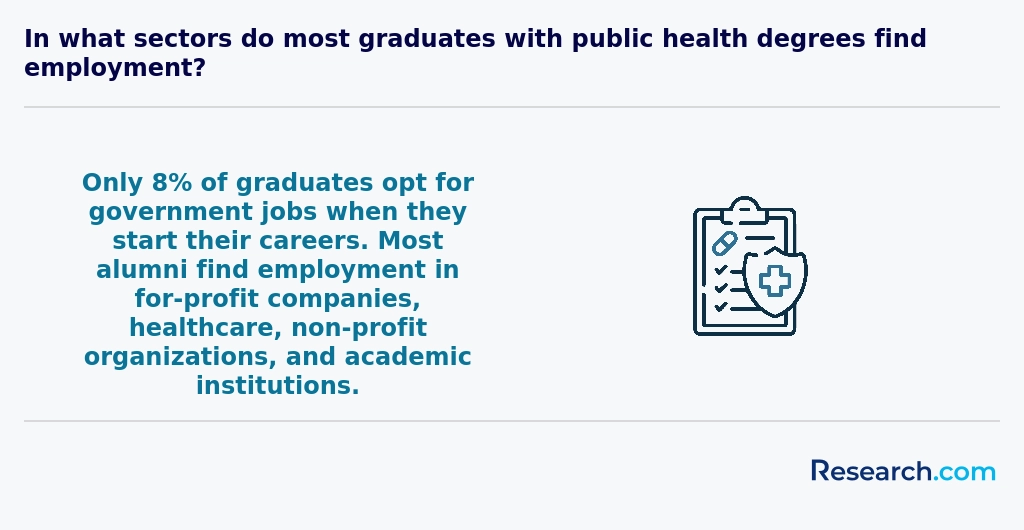
Choosing a CEPH-accredited public health program ensures your degree meets professional standards, unlocks eligibility for the Certified in Public Health (CPH) exam and boosts employer recognition.
- Council on Education for Public Health (CEPH) accreditation guarantees rigorous curriculum and credit transferability.
- Graduates of CEPH-accredited programs are eligible to sit for the National Board of Public Health Examiners CPH exam.
- State licensure and certification requirements vary-verify guidelines with your local health board.
For additional short-term credentials that complement your MPH, consider medical billing and coding certification online.
Many online public health students in the West find that federal financial aid is a lifeline. Graduates from programs at universities like the University of Washington and San Diego State University often rely on Stafford Loans or Grad PLUS Loans, accessed through the FAFSA. These loans carry manageable interest rates and flexible repayment terms, easing the pressure of tuition that can range upwards of $30,000 annually.
Beyond loans, targeted grants can make a real difference. For example, the Public Health Workforce Loan Repayment Program has helped graduates who commit to serving underserved communities in Oregon or California by forgiving part of their loan balances. This transforms the daunting cost into a path of meaningful service.
Scholarships are another beacon of hope. Many Western schools offer scholarships based on merit or focus areas like epidemiology. Graduates often speak of receiving support from organizations like the American Public Health Association, which opens doors through scholarships and fellowships.
Working professionals pursuing degrees online frequently benefit from employer tuition assistance, especially in health departments or nonprofits within the West. One graduate from a California program shared how employer support made continuing education feel achievable and rewarding.
Additionally, state-based aid like California's Cal Grant reduces financial strain by providing awards to eligible public health students. Exploring all these options early empowers prospective students to confidently navigate the financial landscape of their online public health journey.
Navigating the online Master’s in Public Health application process in the West can be seamless if you follow a structured timeline: 1. Research and Program Fit - Verify each program’s CEPH accreditation. - Compare tuition and fees-prospective students may also review the Most Affordable Public Health Degree Programs Ranking in Columbia, SC to benchmark costs. 2. Prepare Academic Records - Request official transcripts from all post-secondary institutions. - Ensure your GPA meets the minimum (typically 2.5–3.0). 3. Craft Your Personal Statement - Highlight relevant public health experiences and career goals. - Use clear, focused language and include keywords like “online MPH West” to optimize for search. 4. Secure Letters of Recommendation - Ask two to three professionals-faculty or supervisors-who can attest to your skills and dedication. - Provide recommenders with your resume and statement draft at least 6–8 weeks before the deadline. 5. Submit Test Scores (If Required) - Confirm whether the GRE or other exams are mandatory; if so, register and plan for score reporting. 6. Explore Financial Aid and Scholarships - Complete the FAFSA early. - Investigate institutional awards, state grants, and employer tuition reimbursement plans. 7. Track Deadlines and Follow Up - Use a calendar or spreadsheet to monitor application windows (often October–March for fall entry). - Confirm receipt of materials and check application portals regularly for updates. By adhering to this timeline and checklist, applicants can submit compelling, on-time applications to the most valuable online MPH programs in the West.
To enroll in an online public health degree in the West, you'll need to meet several key prerequisites that prepare you for success. Most programs, especially at schools like the University of Washington or UC Berkeley, expect you to have a bachelor's degree-ideally related to health sciences, biology, or social sciences. Graduates often share how having a relevant academic foundation helped them confidently engage with course materials right from the start.
If your degree is in a different field, don't worry-some colleges ask you to complete prerequisite courses in biology or statistics. Many students find this foundational knowledge vital when tackling public health challenges in real-world settings, such as community health projects in urban or rural areas.
Professional experience is highly valued; graduates from institutions like Oregon State University often mention how their 1-2 years working in healthcare or community services enriched classroom discussions and boosted their confidence in applying theory to practice.
Standardized tests like the GRE may still be required, but several Western programs are becoming more flexible. For non-native English speakers, proving language skills with TOEFL or IELTS scores is critical to thrive in these rigorous online environments.
Finally, strong letters of recommendation and a compelling statement of purpose can highlight your motivation-something graduates credit as opening doors to these life-changing programs.

To stand out in a competitive field, consider earning specialized credentials that highlight your expertise:
- Certified in Public Health (CPH): Validates core public health knowledge and is widely recognized by employers.
- Certified Health Education Specialist (CHES): Demonstrates your ability to design and implement effective health programs.
- Certified Professional Coder (CPC): Enhances skills in medical billing and coding and supports revenue cycle roles; learn more about medical billing and coding certification online.
- Public Health Data Analytics (e.g., SAS or R certifications): Strengthens your ability to analyze epidemiological data for evidence-based decisions.
When you dive into an online public health degree in the Western U.S., expect to build your foundation with courses like epidemiology, biostatistics, environmental health, and health policy and management. These classes are the backbone for understanding how diseases spread, analyzing complex health data, and navigating the systems that keep communities safe. Graduates from institutions like the University of Washington or the University of California have shared how epidemiology courses opened their eyes to disease patterns impacting rural areas, while biostatistics empowered them to confidently interpret data during wildfire-related air quality crises.
Beyond core topics, many programs let you personalize your journey through electives focusing on regional challenges-think courses in rural health disparities or community health promotion tailored for Western populations. Practicum projects and capstones simulate real-world collaboration with public health agencies, allowing students to apply theory directly to issues they care about, building both skills and confidence.
Online public health degrees in the West offer a variety of specializations tailored to today's most pressing health challenges. Graduates from popular universities often emphasize how focusing on epidemiology helped them track disease outbreaks effectively, a skill critical in managing public health crises in dynamic Western communities. Others found health policy and management especially rewarding, preparing them to lead change in healthcare systems and government agencies. Specializing in environmental health is especially relevant here, given the West's unique concerns like wildfire smoke and water quality that directly impact communities.
These focus areas align perfectly with the demand for practical, local expertise. Many students pursuing West region public health degree focus areas choose biostatistics to build strong data analysis skills, which opens doors to research careers. Those passionate about direct community engagement gravitate toward community health, aiming to reduce local disparities and promote wellness. Thinking about your future, you can explore different paths and find which specialization best fits your passions and career goals.
Remember, understanding the financial aspect is crucial, as program costs can range widely. Exploring the typical outcomes of various specializations, like their impact on salaries and job growth, is wise. For deeper insight into viable career options, check out this public health degree guide to highest-paying jobs and careers.
Choosing the best online public health degree in the West means focusing on what truly matters to your future. Graduates from programs like the University of Washington often highlight how accreditation by CEPH gave their degrees credibility, opening doors in competitive job markets. When weighing options, look closely at specialization offerings-whether in epidemiology, health policy, or environmental health-since tailoring your degree to your passion makes your education feel meaningful every day.
Cost can seem daunting, but many find that exploring affordable online master's in public health West options helps balance quality and budget. Some public universities provide excellent value, especially for in-state students, while others extend competitive rates to out-of-state learners. One way to start is by reviewing the Most Affordable Public Health Degree Programs Ranking in Columbia, SC to grasp what affordability looks like across regions.
Flexibility in coursework is vital, especially for those juggling work or family. Graduates from Oregon State appreciate asynchronous formats that fit their lives, alongside practicum placements they can complete locally. Finally, strong faculty connections and real-world partnerships in urban centers amplify learning and career prospects, making your degree a vibrant step toward impacting community health in the Western U.S.
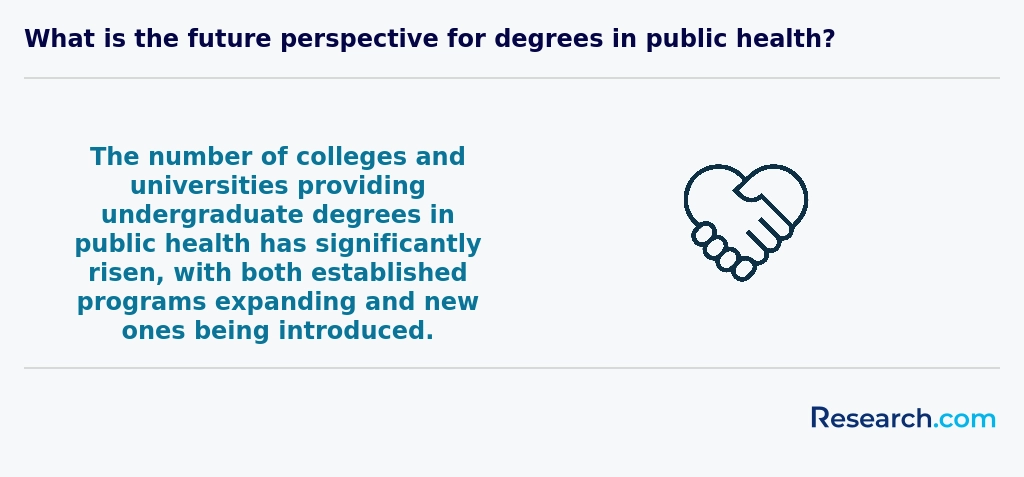
If you're pursuing an online public health degree in the West, expect a wealth of promising career opportunities that align with your passion for making a real difference. Graduates from institutions like the University of California system or Stanford often find themselves stepping into roles such as Public Health Analyst, Environmental Health Specialist, or Health Policy Advisor, addressing urgent health challenges unique to this dynamic region.
Many graduates share how their studies opened doors to government agencies, state health departments, or non-profits focused on community outreach-especially in California and Washington, where diverse populations require innovative solutions. This variety of public health jobs in the Western United States ensures you'll find a path that fits your interests and strengths while positively impacting communities.
For those drawn to research, collaborating with renowned academic institutions in the West offers the chance to contribute to groundbreaking studies on disease prevention and health disparities. To get started quickly, consider exploring quick 6 month certifications that lead to high paying jobs that complement your degree and accelerate your career.
The job outlook for online public health degrees in the West is very promising, with a 17% national growth in relevant roles expected by 2031. Graduates from well-regarded programs at universities such as the University of Washington or UC Berkeley often find themselves in thriving careers within community health, policy development, or epidemiology. These roles benefit from the region's emphasis on innovation and data-driven public health strategies, making it an exciting environment for newcomers eager to make a tangible impact.
Employment opportunities for online MPH graduates in Western states like California and Oregon are diverse, spanning government agencies, non-profits, and private healthcare providers. Graduates often share stories of securing positions that allow them to contribute to improving statewide health outcomes or managing public health crises, thanks to the growing demand in these populous areas.
Studying in the West also means encountering moderately priced online MPH programs, making it a practical option for many. This accessibility, combined with a rewarding career path, encourages students to explore the easiest way to get a bachelor's degree as a step toward their public health ambitions.
2027 Most Valuable Online Master's in Public Health Degree Programs Ranking in the West
Investing in your education is a significant decision that can profoundly influence your career and personal growth. The Research.com team recognizes the importance of providing trustworthy guidance, which is why we have carefully developed the "2027 Most Valuable Online Master's in Public Health Degree Programs Ranking in the West." Our dedication to quality, credibility, and accuracy is demonstrated through rigorous research and data analysis.
We utilized the following reputable data sources to ensure a comprehensive evaluation of public health programs:
Exploring this ranking will provide readers with valuable insights into top online Master's in Public Health options in the Western United States, empowering well-informed educational investments. For further information, please visit our Research.com methodology page.


# 5 position
Western Governors University
Master of Public Health

Frequently Asked Questions About public health
Online public health degree students in the Western US can maximize their learning by actively engaging with course materials and instructors. Taking advantage of virtual office hours and discussion forums enhances understanding and builds connections with peers. According to the Association of Schools and Programs of Public Health, collaboration improves retention rates by over 20% in online programs.
Students should also integrate local public health data into their studies. For example, using California Department of Public Health resources helps contextualize coursework within regional health challenges like wildfire smoke exposure and pandemics. Practical experience through internships or community projects further deepens knowledge and prepares graduates for the workforce.
The public health field is rapidly evolving, with several emerging niches gaining importance, especially in the Western United States. One notable area is mental health epidemiology, addressing the increasing demand for mental health services following the COVID-19 pandemic. Programs focusing on this niche prepare students to analyze and reduce mental health disparities.
Another growing specialization is environmental health, driven by the West's unique challenges such as wildfires, air quality, and water scarcity. Graduates trained in this area work on policies to mitigate environmental risks.
Health informatics is also expanding as digital health technologies integrate more deeply into care and prevention. The U.S. Bureau of Labor Statistics projects a 17% growth rate in this sector by 2030.
Lastly, community health equity initiatives remain critical to reduce disparities seen among diverse populations in Western cities, supported by federal public health funding trends.
Graduates with an online public health degree in the Western US should begin career preparation by gaining relevant work experience through internships or volunteering. Public health organizations in California and Washington often offer opportunities to apply skills and network professionally. According to the Bureau of Labor Statistics, employment for healthcare social workers and public health professionals in the West is projected to grow by 15% from 2022 to 2032.
Additionally, building proficiency in data analysis software like SAS or R is highly valuable, as it is commonly used in regional public health agencies. Certification programs such as the Certified in Public Health (CPH) credential can also improve job prospects. Maintaining connections with alumni and attending local public health conferences strengthens job market readiness in the West.
Employers in the Western United States emphasize several key skills in graduates holding online public health degrees. Critical thinking and data analysis are among the most sought-after, enabling professionals to interpret health trends effectively. According to the Association of Schools and Programs of Public Health (ASPPH), 82% of Western public health employers prioritize these competencies.
Communication skills, especially in culturally diverse regions like California and Washington, are essential. The ability to engage communities and design outreach programs is highly valued. Additionally, employers look for proficiency in health informatics and policy development, reflecting the growing integration of technology and regulatory frameworks in public health.
Finding internships in the Western United States relevant to a public health degree involves strategic research and networking. Many universities with online public health programs provide tailored internship placement support, especially those accredited by CEPH (Council on Education for Public Health).
Students can also explore opportunities through state and local health departments, which often offer internships addressing regional public health challenges like wildfire impact and rural health disparities. For example, California and Washington have active internship programs aligned with CDC initiatives.
Professional organizations such as the American Public Health Association (APHA) offer listings of internships and fellowships specific to the West. Additionally, platforms like Handshake and internships.gov are useful for locating public health-related positions.
Networking with faculty, joining local public health chapters, and attending virtual conferences can significantly increase chances of securing relevant internships.
An online public health degree in the Western US can significantly enhance career flexibility and growth. Many public health roles, especially in California, Washington, and Oregon, require or prefer candidates with advanced degrees. According to the Bureau of Labor Statistics, jobs in this region are expected to grow 17% by 2030, faster than the national average, boosting demand for qualified professionals.
The convenience of online programs allows working adults to gain credentials without pausing their careers, enabling promotions or transitions into leadership roles. Graduates often find opportunities in government agencies, nonprofits, and healthcare organizations across the West, where public health initiatives receive substantial funding and support.
Studying for a public health degree online in the Western US equips students with skills critical for interdisciplinary roles. Western programs often emphasize collaboration across fields such as epidemiology, health policy, environmental health, and social sciences. According to the Association of Schools and Programs of Public Health (ASPPH), many Western schools integrate real-world projects that require cross-sector cooperation.
Students learn to analyze complex health problems by combining data science, behavioral science, and policy-making approaches. This broad skill set prepares graduates for roles in government agencies, healthcare organizations, and nonprofits that demand flexible, multifaceted expertise.
Moreover, Western universities commonly include training in health informatics and community engagement, enhancing graduates' abilities to work alongside diverse professionals and populations effectively.
When choosing between a thesis and a non-thesis online public health degree program in the West, consider your career goals and learning preferences. A thesis option requires conducting original research and writing a detailed paper, which is ideal if you plan to pursue a PhD or a research-oriented career. Non-thesis programs typically focus on practical skills and may require a capstone project or comprehensive exam instead.
According to the Association of Schools and Programs of Public Health, many Western universities offer flexibility in these formats to accommodate working professionals. Choosing a thesis can add 6 to 12 months to your program but builds strong research skills.
Non-thesis options generally allow quicker completion and focus on applied public health practice, suited for those targeting administrative or policy roles.
Students based in the Western United States who seek online public health degrees have a range of reputable options within regional universities. Institutions like the University of California, Berkeley, and Oregon State University offer accredited online Master of Public Health (MPH) programs recognized nationwide. These programs cover core public health disciplines such as epidemiology, health policy, and environmental health.
According to the Association of Schools and Programs of Public Health (ASPPH), enrollment in online MPH programs in the West has grown by over 20% in recent years, reflecting rising demand. Many programs offer flexible schedules, making them accessible to working professionals.
Some schools also provide global health concentrations, preparing students to address international challenges while completing their degree entirely online. Tuition rates vary, typically ranging from $15,000 to $40,000 for the full program.
Part-time jobs that complement public health degrees in the Western US often include roles in community health outreach, health education, and research assistance. These positions provide practical experience alongside academic study. For example, local health departments in California and Washington frequently offer part-time roles supporting vaccination campaigns and health awareness programs, aligning well with public health curricula.
Research assistant positions at universities such as the University of California system allow students to engage in data collection and analysis, enhancing skills in epidemiology and biostatistics. According to the CDC, the Western region sees growing demand for public health professionals, increasing opportunities for part-time employment in these areas.
Additionally, jobs in non-profit organizations focusing on substance abuse prevention and environmental health can also complement coursework, providing valuable on-the-ground exposure relevant to regional public health priorities.
Online public health students in the Western US benefit from diverse networking opportunities designed to connect them with professionals and peers. Many accredited programs partner with local health agencies, providing virtual internships and mentorships that enhance practical experience. For example, students often access exclusive online forums and webinars hosted by schools in California, Washington, and Oregon. These platforms foster interaction with public health leaders and alumni.
Professional associations such as the Western Public Health Association also offer virtual events, conferences, and regional meetups. According to a 2023 survey by the Association of Schools and Programs of Public Health, 72% of Western online MPH students reported networking as a key program advantage.
Alumni networks play a significant role in supporting online public health degree students in the Western United States. These networks provide access to a broad community of public health professionals who have graduated from the same programs, fostering valuable connections for mentorship and career advice. According to the Western Public Health Association, 68% of graduates found job opportunities through alumni referrals within two years of completing their degree. Such networks often offer exclusive events, job boards, and continuing education resources, which are especially important for remote learners seeking local and regional professional engagement. This connection helps students navigate the competitive public health job market more effectively.
Customizing your online public health degree program in the Western US allows you to align your education with specific career goals. Many universities offer concentrations such as epidemiology, health policy, environmental health, or biostatistics, enabling specialization in areas most relevant to your interests.
Programs often include elective courses and flexible schedules, which are especially helpful for working professionals. For example, schools accredited by CEPH in California and Washington frequently provide capstone projects or internships tailored to regional public health challenges.
According to the Association of Schools and Programs of Public Health (ASPPH), Western states show growing demand for expertise in rural health and indigenous populations, so customizing your degree to include related studies may enhance local job prospects.
Online public health students in the Western United States face a variety of challenges that can impact their success. One significant issue is balancing coursework with professional and personal responsibilities, as many students are working adults. According to the Western Interstate Commission for Higher Education, about 60% of public health students in the West study part-time due to job obligations.
Another challenge involves gaining practical experience. Online programs sometimes provide fewer opportunities for local internships or community engagement, which are crucial for public health careers. Technical difficulties and maintaining motivation in a remote setting also affect many students' progress, as highlighted in recent studies by the Education Advisory Board.
With an online public health degree, you can pursue several professional certifications that enhance your expertise and job prospects. The most recognized is the Certified in Public Health (CPH) credential offered by the National Board of Public Health Examiners. This certification demonstrates mastery of core public health knowledge and is valued by employers nationwide.
Other valuable certifications include the Certified Health Education Specialist (CHES), which focuses on health promotion and education, and the Certified Epidemiologist credential from the Certification Board of Infection Control and Epidemiology.
These certifications help graduates stand out in competitive Western US markets such as California and Washington, where public health jobs grew over 5% from 2019 to 2023, according to the Bureau of Labor Statistics.
Writing a winning application for an online public health program in the West requires clear focus and preparation. Start by demonstrating your commitment to public health through a well-crafted personal statement. Highlight relevant experiences such as volunteer work, internships, or employment in health settings, particularly those linked to communities in Western states.
Many programs look for applicants with strong academic records and clear career goals. Include specific reasons why you chose a program in the West, referring to regional public health challenges like rural health or environmental issues typical to the area, supported by recent data from the CDC or local health departments.
Letters of recommendation should come from professionals familiar with your skills in public health or related fields. Also, ensure you meet all prerequisite coursework requirements described by the programs based in Western universities.
The global perspective on a public health career increasingly emphasizes the interconnectedness of health challenges, especially in an era marked by pandemics and environmental changes. In the US and the West, public health professionals are trained to address issues that transcend borders, such as infectious diseases, chronic illnesses, and health policy.
According to the U.S. Bureau of Labor Statistics, employment of public health workers is projected to grow 17% from 2021 to 2031, faster than average for all occupations. This reflects the demand for experts equipped to handle both local and global health crises.
Online public health degrees allow Western students to gain skills relevant to global health systems, fostering careers in international organizations, government agencies, and non-profits focused on worldwide health equity. Such programs often include courses on epidemiology, biostatistics, and health policy from a global viewpoint.
Gaining practical experience while pursuing an online public health degree in the Western United States is essential for career readiness. Many accredited programs embed practicum or internship requirements that students can complete locally or remotely. The Council on Education for Public Health (CEPH) recommends hands-on experiences to build skills in community assessment, health communication, and program planning.
Partnerships between universities and local health departments or nonprofits often provide internship placements. California and Washington, for example, have active public health agencies that support student learning. Students can also volunteer for public health campaigns or research projects to gain relevant field exposure.
Additionally, virtual simulations and case studies are increasingly used to supplement direct practice, offering practical insights without geographic limitations. These approaches help prepare students for roles in epidemiology, policy, and health promotion across the diverse populations of the West. According to the Association of Schools and Programs of Public Health, such experiential learning significantly improves job prospects.
Choosing the right concentration within an online public health degree in the West involves aligning your career goals with regional health priorities. For example, the Western United States faces unique challenges like rural health disparities, environmental health concerns, and a growing focus on mental health services. Understanding these issues can help you select a concentration that is in demand locally.
Data from the California Department of Public Health and the Washington State Department of Health highlight a rising need for expertise in epidemiology, health policy, and health promotion. Consider programs that offer strong faculty expertise and local internship opportunities.
Additionally, review job market trends from the Bureau of Labor Statistics, which indicates steady growth in public health roles related to community health and healthcare management within Western states. This information can guide your decision on specializations that offer strong employment prospects after graduation.
- Program Fees And Payment Options - PublicHealthU.org https://phu.nextgenu.org/program-fees/
- How to Be a Good Candidate for a Public Health Job https://www.publichealthdegrees.org/careers/highest-paid-public-health-jobs/good-candidate/
- Public Health https://disabroad.org/program/public-health/
- Sample Statement of Purpose in Public Health (MPH) https://brightlinkprep.com/sample-sop-mph/
- Choosing Your Path: 8 Public Health Concentrations https://online.tulane.edu/public-health/blog/public-health-concentrations
- Online MPH Programs: Formats, Schedules, and Delivery Options https://www.publichealthonline.org/online-degrees/
- Graduate Application Guide https://www.publichealth.org/resources/grad-school-application/
- Master of Public Health | University of West London https://www.uwl.ac.uk/course/postgraduate/master-public-health
- 10 Fastest Online Public Health Degrees 2026 https://bestaccreditedcolleges.org/degrees/fastest-online-public-health-degrees.html
- Public Health Graduate: How Can you Gain Experience Before Your First Job? - Global Health and Education Projects | GHEP https://globalhealthprojects.org/public-health-graduate-how-can-you-gain-experience-before-your-first-job/