2027 Best Public Health Degree Programs Ranking in Irvine

Co-Founder and Chief Data Scientist
Choosing the right public health degree program in Irvine can feel overwhelming. To help, this article presents the 2027 Best Public Health Degree Programs Ranking in Irvine, developed by the Research.com team of data scientists. It offers a clear, data-driven overview of top programs to consider.
Whether you're starting your journey or planning to advance your career, this ranking highlights opportunities that align with your goals. Reading this article will empower you to make an informed choice and take an important step toward a rewarding future in public health.
Key benefits of getting public health degree in Irvine
- Public health graduates in Irvine can expect competitive salaries, such as a Community Health Worker earning around $52,610 annually and an Environmental Health Specialist making approximately $86,710 per year.
- Career paths include roles like Health Educator or Occupational Health and Safety Specialist, offering diverse opportunities to impact community wellness and workplace safety.
- Online public health degrees provide flexible learning options that fit busy schedules, making it easier to balance education with personal and professional commitments while still gaining valuable skills.
- 2027 Best Public Health Degree Programs Ranking in Irvine
- What can I expect from public health degree in Irvine?
- Where can I work with public health degree in Irvine?
What can I expect from public health degree in Irvine?
The average cost of obtaining a public health degree in Irvine varies by program type and institution. At the University of California, Irvine (UCI), tuition for graduate public health programs typically ranges between $13,000 and $30,000 per academic year for in-state students, while out-of-state students may pay nearly double. Graduates often report that despite the investment, the value gained from accredited programs like UCI's CEPH-accredited curriculum justifies the expense due to strong faculty expertise and practical internship opportunities.
Many students balance costs by engaging in paid internships or research assistant roles affiliated with local health departments or nonprofit agencies. These real-world experiences not only enhance resumes but also ease financial pressures, making the degree more accessible. Students appreciate Irvine's vibrant public health network, which connects them to projects focused on opioid overdose prevention and immigrant health, providing meaningful community impact alongside education.
Where can I work with public health degree in Irvine?
Graduates from public health programs at institutions like UC Irvine often find rewarding careers within local government agencies. For instance, many secure positions at the Orange County Health Care Agency, working on epidemiology and communicable disease control to protect a community of over 3 million residents. Such roles offer a dynamic environment where analytical skills meet impactful public service.
Healthcare organizations in Irvine, including Hoag Memorial Hospital Presbyterian and Kaiser Permanente, also hire public health alumni for roles in health promotion and patient safety. These careers allow graduates to contribute directly to improving patient outcomes and managing effective health programs in fast-paced clinical settings.
Nonprofits focused on chronic disease prevention and mental health provide meaningful opportunities as well, with graduates often engaging in program coordination and community outreach. Many report a strong sense of fulfillment supporting local wellness initiatives.
Emerging fields like health data analysis and informatics further expand career paths, thanks to Irvine's proximity to research centers and tech firms. Here, public health grads apply biostatistics to drive evidence-based policy, aligning well with current job growth projections of 17% for health educators nationally through 2031.
Graduates with a public health degree in Irvine can anticipate a diverse salary range influenced by their specific role and experience. For instance, community health workers typically earn a mean annual wage of about $52,610, translating to $25.30 per hour. Health educators, often employed in nonprofit organizations or government agencies, enjoy higher earnings, averaging $69,790 annually or $33.55 hourly.
Specialized positions, such as environmental health specialists and occupational health and safety specialists, command even higher salaries. These roles often attract salaries near $86,710 and $85,570 per year respectively, reflecting the advanced expertise and responsibilities they entail.
Many Irvine public health graduates from institutions like the University of California, Irvine find these figures rewarding, especially when coupled with local industry growth. They report satisfaction with starting salaries around these amounts, emphasizing how the region's demand and research opportunities contribute to competitive compensation.
This salary data highlights realistic expectations, confirming that pursuing a public health degree in Irvine can lead to promising financial outcomes across various public health professions.
- Tuition for public health degrees in Irvine ranges from $12,000 to $25,000 per year depending on the type of school and residency status.
- Entry-level salaries for public health graduates typically range from $55,000 to $65,000 annually, increasing to $80,000 to $100,000 with experience.
- The job market in Irvine and Orange County is growing, with a projected 15% increase in public health-related jobs over the next decade.
- Key employers include local health departments, hospitals, nonprofits, and biotechnology firms.
- Students have access to internships and research opportunities through collaborations with local public agencies and private organizations.
The typical time to complete a public health degree in Irvine depends on the level pursued and program format. Bachelor's degrees generally take about four years of full-time study, matching the national average. Graduates from local programs, such as those at the University of California, Irvine (UCI), often appreciate the structured timeline combined with access to practical experiences at nearby clinics and research centers.
Master's programs like the Master of Public Health (MPH) usually require two years full-time, but accelerated tracks offered at Irvine institutions can reduce this to 12-18 months. Part-time study extends duration up to three years or more, allowing working professionals to balance career and education efficiently while benefiting from UCI's flexible scheduling.
Doctoral degrees, including DrPH or PhD paths, add another 3 to 5 years beyond the master's. These programs involve coursework, comprehensive exams, and dissertation research, accommodating students driven by academic and research ambitions in public health within Irvine's supportive ecosystem.
Online public health degrees in Irvine offer flexibility highly valued by working professionals and those balancing family commitments. Graduates from these programs, including those affiliated with local institutions like Irvine Valley College, often mention how the ability to access lectures and materials anytime helped them manage their schedules effectively. According to NCES data, these online options also reduce costs by removing commuting and housing expenses, with annual tuition typically between $15,000 and $40,000.
Conversely, on-campus programs at University of California campuses near Irvine provide richer in-person experiences. Graduates frequently highlight the benefit of face-to-face interactions with faculty and peers, as well as hands-on opportunities like labs and internships with nearby health agencies. This direct access supports deeper engagement and networking, which many find rewarding.
Both formats cover core public health topics like epidemiology and biostatistics, but in-person classes may include live discussions and collaborative exercises that enhance real-time learning. Ultimately, Irvine students weigh the convenience of online learning against the community and resource access on campus.
As the field of public health evolves, students in Irvine, CA, must stay ahead of emerging trends to maximize their career prospects. One of the most significant developments is the rise of digital health technologies-mobile apps for disease tracking, telemedicine platforms, and wearable sensors-that demand new skill sets in data analytics and health informatics. Graduates who master these tools will be well-positioned for roles in health technology companies and research institutions. Climate change and environmental justice are also driving curriculum updates. Programs increasingly integrate coursework on air quality modeling, sustainable urban planning, and disaster preparedness, reflecting the growing need for specialists who can design community interventions in response to extreme weather events. In Irvine, partnerships between universities and local agencies offer students hands-on experience in climate resilience projects. Global health security has taken center stage since recent pandemics, emphasizing epidemiology, vaccine development policy, and cross-border collaboration. Public health degree programs now incorporate simulation exercises on outbreak response and supply-chain logistics. Students curious about future compensation and leadership roles can explore master of public health mph degree job salary to benchmark their earning potential post-graduation. Finally, the integration of social determinants of health into every aspect of public health education underscores a holistic, interdisciplinary approach. Courses on health equity, community organizing, and behavioral science prepare graduates to address systemic disparities. By aligning their studies with these trends-digital health, environmental resilience, global security, and social justice-students will graduate with the competencies that top employers in Irvine and beyond increasingly demand.
The average cost of obtaining a public health degree in Irvine reflects a range influenced by residency status and institution type. For in-state students attending the University of California, Irvine (UCI), the median total cost is approximately $15,722. This figure encompasses tuition, fees, and other required expenses over the course of the degree. Out-of-state students face a significantly higher median total cost of about $70,525, which aligns with broader trends in public university pricing across California.
Graduates from UCI often recall how campus fees and living costs, particularly in Irvine's high-cost Orange County environment, contributed notably to their overall expenses. Textbooks, health insurance, and student services fees are routine parts of the budget. Those pursuing degrees at private institutions or specialized extensions might encounter even higher tuition costs, sometimes exceeding $50,000 annually, which can impact the total cost of their education. It's common for students to evaluate such expenses carefully against potential financial aid packages.
Many public health students in Irvine feel empowered knowing there are scholarships, grants, and assistantships available, especially for California residents. This support can ease the burden, helping students focus on pursuing their career goals with less financial stress. For prospective students exploring affordable options, exploring the cheapest public health schools in california offers valuable insights into managing public health degree expenses in Irvine.
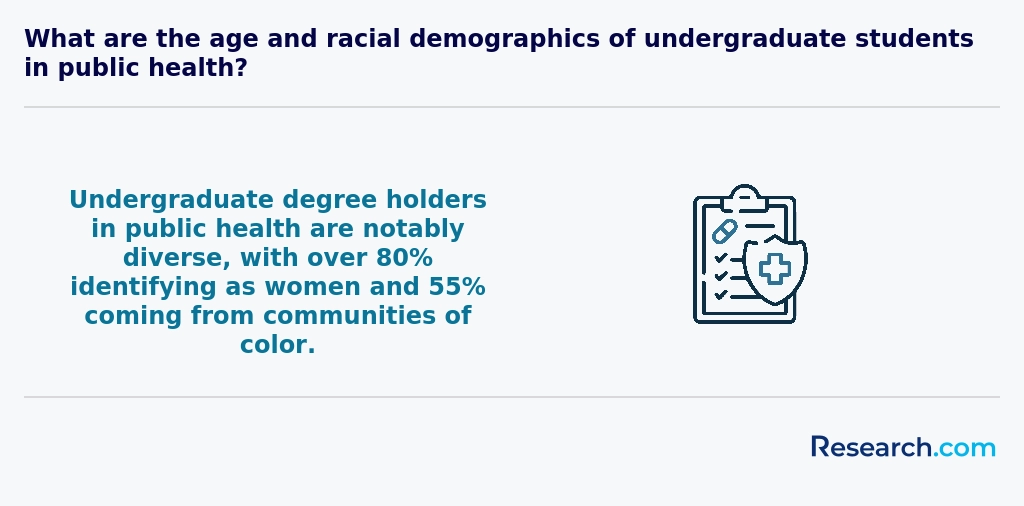
Prospective students often wonder what it’s like to balance rigorous academics with a fulfilling social experience on campus. In Irvine, CA, public health institutions go beyond classroom learning by offering a variety of extracurricular activities, state-of-the-art facilities, and robust support services designed to enhance both academic and personal growth. Students can take advantage of health-focused clubs, volunteer opportunities, career counseling, and networking events that connect them with local industry leaders. Campus wellness centers and dedicated study spaces further contribute to a nurturing environment where students feel supported every step of the way. Additionally, for those looking to manage their educational expenses efficiently, several institutions are recognized as some of the cheapest public health schools in california, ensuring that affordability and quality coexist. This comprehensive support system not only enriches student life but also builds a strong community committed to fostering future public health leaders.
Students pursuing public health degrees in Irvine often access multiple financial aid sources to manage tuition costs, which can range from approximately $10,000 to over $30,000 annually depending on residency and institution type. Graduates from the University of California, Irvine frequently mention reliance on federal aid programs such as Pell Grants and subsidized loans obtained via FAFSA, which provide crucial funding without immediate financial pressure.
State-specific assistance is another key resource. The Cal Grant program offers targeted support for California residents attending local public health programs, helping reduce out-of-pocket expenses based on financial need and academic merit. Many students at local institutions report that combining this with university scholarships and assistantships-common at UC Irvine-creates a viable path to afford graduate studies without excessive debt.
Work-Study positions and research assistantships not only supply funding but valuable practical experience, reinforcing graduates' confidence and sense of achievement. Additionally, post-graduation loan forgiveness programs like Public Service Loan Forgiveness encourage commitment to underserved communities in Orange County, further aligning financial incentives with career goals.
To enroll in a public health degree program in Irvine, students must meet clear prerequisites that vary by degree level. Undergraduates typically need a high school diploma with strong performance in science courses like biology and chemistry. Many Irvine public health programs, such as those offered at popular institutions, appreciate applicants who have completed relevant coursework and may require SAT or ACT scores, although test-optional policies are increasingly common.
Graduate applicants for Master of Public Health (MPH) programs are expected to hold a bachelor's degree from an accredited institution. Graduates frequently recount how having a background in health sciences or social sciences strengthened their applications. Many MPH programs ask for GRE scores but waive this for candidates with significant professional experience in healthcare or community health. Internships or volunteering with local public health agencies in Orange County provide valuable experience that admissions committees highly regard.
Application materials typically include transcripts, letters of recommendation, and personal statements. Financially, tuition costs at California public universities range from $7,000 to $15,000 annually for in-state students, a fact often discussed among prospective students balancing affordability and quality education.
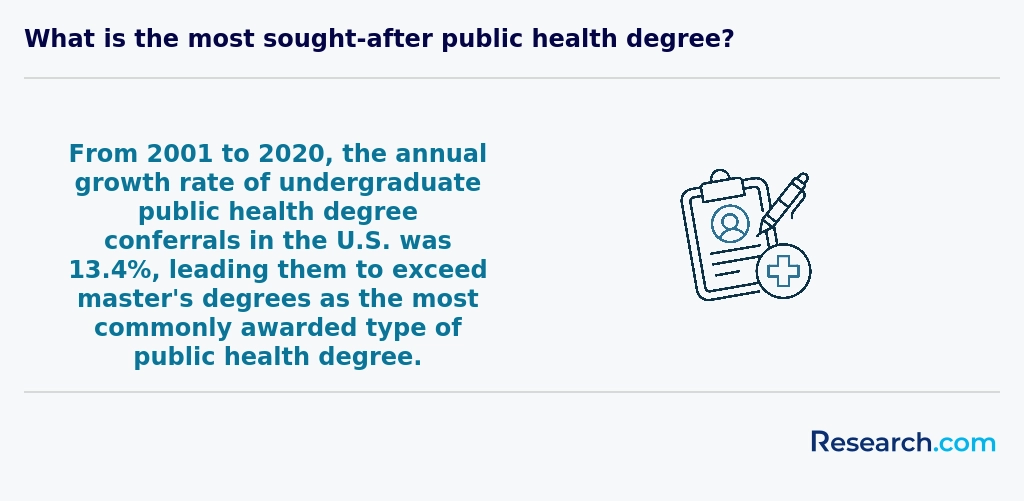
Public health degree programs in Irvine commonly require courses that emphasize both theoretical knowledge and practical application, offering students a comprehensive understanding of the field. Graduates from prominent local colleges report that core classes like epidemiology and biostatistics build critical skills in analyzing disease patterns and health data, essential for decision-making in real-world scenarios.
Courses in environmental and occupational health reflect Irvine's unique regional concerns, enabling students to assess community health risks linked to the environment and workplaces. Health policy and management classes provide insight into the governance of public health systems, with specific attention to California's regulatory landscape, equipping students to navigate complex healthcare frameworks.
Social and behavioral sciences coursework helps learners understand factors influencing public behavior, directly informing effective health campaigns. Electives such as global health and maternal and child health allow customization tailored to students' career goals. Many appreciate the hands-on experiences through internships facilitated by Irvine's extensive health organizations, which foster practical skills alongside academic growth.
Public health degree specializations in Irvine cover diverse areas critical to addressing current healthcare challenges. Students at leading colleges in Irvine often focus on Epidemiology, which equips them to analyze disease patterns and tackle outbreaks, a skill highly relevant in urban settings. Health Policy and Management is another common track, where graduates learn to design effective healthcare systems and policies, often inspired by Orange County's evolving demographic needs. Environmental Health specialization allows students to investigate local impacts like air pollution, enhancing regional well-being.
Community Health and Education programs foster skills to create impactful health campaigns within Irvine's multicultural populations. Meanwhile, Global Health attracts those interested in broader international issues while applying global perspectives locally. Graduates from these programs frequently share how their training directly benefits community health initiatives around Irvine.
For students weighing options, the best public health concentrations Irvine offer practical experience aligned with local priorities, supported by data on career outlooks and costs. Many find value in understanding how a master of public health mph degree job salary combines with these specializations to influence career paths.
Choosing the best public health degree in Irvine requires careful analysis of accreditation, curriculum, and faculty expertise. Graduates from popular local universities emphasize the significance of CEPH accreditation, ensuring their degrees meet national standards and aid in financial aid eligibility. Irvine's programs often include specializations such as environmental health and epidemiology, directly relevant to local challenges like chronic disease management.
Cost plays a crucial role; students note that tuition in Irvine's public universities tends to be higher, reflecting the city's living expenses. Exploring scholarship opportunities and financial aid is essential, and prospective students frequently consult Affordable Public Health Degree Programs to optimize costs. Flexibility is another priority for working professionals, with many choosing hybrid or online formats offered by Irvine colleges.
Graduates also highlight the value of proximity to Orange County's health agencies and nonprofits for internships, which enhance job placement rates. Programs providing guidance on certifications like Certified in Public Health (CPH) further strengthen career prospects, making affordable public health degrees Irvine an attainable goal for many.
Graduates with a public health degree in Irvine have multiple career paths due to the area's strong ties to healthcare organizations and research institutions. Jobs with a public health degree in Irvine often include community health education, where professionals design programs to promote wellness and prevent disease locally. These roles typically exist in nonprofits, schools, and health departments, with median wages near $48,000 nationally and higher in California.
Another promising field is epidemiology and biostatistics, where graduates analyze health data to track disease patterns. Graduates from the University of California, Irvine often find opportunities in state and local health agencies or research centers, bridging academic knowledge with real-world impact. Public health careers in Irvine also encompass health policy and management, involving leadership in insurance firms, hospitals, or government, with job growth expected to rise 20% by 2030.
In addition, environmental health, global health, and occupational safety careers offer diverse roles that address critical public health challenges. Many recent graduates pursue quick 6 month certifications that lead to high paying jobs to complement their degrees and enhance employability.
The job market for public health degree holders in Irvine is robust, driven by the city's growing need for skilled professionals in community health services and disease prevention. Graduates from local universities, known for their competitive tuition and strong public health programs, often find roles in health promotion and epidemiology with employers such as county health departments, nonprofits, and hospitals. The demand aligns with the national forecast showing a 17% growth for health educators and community health workers, a trend clearly visible in the Irvine public health career outlook. Entry-level salaries typically range from $50,000 to $65,000, reflecting regional cost-of-living adjustments, while experienced professionals can expect $70,000 to $95,000 or more.
Graduates appreciate Irvine's supportive environment, which combines career opportunities and quality education at universities with open admission. These universities facilitate access to the field, enabling students from diverse backgrounds to contribute effectively to public health challenges and advance in a rewarding job market.
2027 Best Public Health Degree Programs Ranking in Irvine
Investing in your education is a significant decision that can profoundly impact your future, and the Research.com team fully recognizes the importance of making well-informed choices. To support prospective students in Irvine, we have carefully developed the "2027 Best Public Health Degree Programs Ranking in Irvine." Our dedication to quality, credibility, and accuracy is demonstrated through comprehensive research and rigorous analysis behind this ranking.
We utilized the following reputable data sources to ensure a thorough evaluation of public health programs:
By exploring this ranking, readers will obtain valuable insights into the best public health degree programs available in Irvine, empowering them to make confident and informed educational decisions. For more information about how our rankings are created, please visit our Research.com methodology page.


Frequently Asked Questions About public health
Public health degree students in Irvine can maximize their learning by engaging deeply with local community health initiatives. Irvine's proximity to major healthcare institutions and public agencies offers valuable internship and volunteer opportunities that complement academic studies.
Students should make use of resources like the Orange County Health Care Agency, which publishes relevant public health data and provides practical experience through community programs. According to the agency's latest reports, collaboration within Irvine's diverse population enhances understanding of health disparities.
Networking with local professionals through conferences and workshops also broadens perspectives and career prospects. Additionally, taking advantage of research projects focused on regional public health challenges strengthens analytical skills critical for future roles.
Emerging niches within the public health field offer promising career paths for students pursuing degrees in Irvine. One significant area is data science and informatics, which focuses on managing and analyzing large health data sets to improve community health outcomes. The demand for experts in this niche is growing nationally and locally, as Irvine's health agencies increasingly rely on data-driven decision making.
Another expanding niche is environmental health, especially relevant in Southern California due to urbanization and climate change impacts. Professionals address air quality, water safety, and sustainable development issues affecting public health.
Additionally, mental health promotion and health equity are critical areas gaining attention in Irvine's diverse population. Many programs now emphasize social determinants of health to reduce disparities.
These niches reflect broader trends identified by the Association of Schools and Programs of Public Health (ASPPH) and local health departments like the Orange County Health Care Agency.
Graduates with a public health degree in Irvine can enhance their job prospects by gaining practical experience during their studies. Internships with local health departments, hospitals, or nonprofit organizations provide valuable hands-on skills. According to the California Department of Public Health, internships boost employment chances by 30% in the state.
Networking is also essential. Joining professional associations like the American Public Health Association's California chapter connects students to job openings and mentorship. Additionally, obtaining certifications such as Certified Health Education Specialist (CHES) improves credibility.
Familiarity with data analysis software and public health informatics is increasingly in demand, given Irvine's growing emphasis on tech-driven health solutions.
Employers in Irvine prioritize critical skills when hiring graduates with public health degrees. Strong analytical abilities are essential, particularly in interpreting data related to community health trends and outcomes. Knowledge of epidemiology and biostatistics enables graduates to assess health risks and design effective interventions. Communication skills are highly valued, as professionals must convey complex health information clearly to diverse audiences. Additionally, cultural competence is vital in Irvine's diverse population to ensure inclusive health strategies. Leadership and project management skills are increasingly important, reflecting the region's focus on collaborative public health initiatives. According to the California Department of Public Health, these capabilities align with workforce demands through 2025.
Finding internships in Irvine relevant to a public health degree involves exploring local healthcare organizations, government agencies, and nonprofit groups. Irvine's close proximity to the Orange County Health Care Agency presents opportunities for hands-on experience in public health programs. According to the Orange County Health Care Agency, the county supports numerous internships that focus on epidemiology, community health, and disease prevention.
Students can also leverage university career centers, such as those at the University of California, Irvine, which connect students with local internship listings. Networking events and public health seminars hosted by these institutions provide valuable contacts within the field.
Local hospitals, including Hoag Memorial Hospital, often offer internship placements in public health departments. Additionally, platforms like Handshake and internships.com regularly list openings specific to Irvine. Starting early and applying broadly increases chances of securing a quality internship.
A public health degree in Irvine significantly enhances career mobility and advancement by equipping graduates with skills that are in high demand across healthcare, government, and nonprofit sectors. According to the California Employment Development Department, the healthcare and social assistance industries in Irvine are expected to grow by over 10% through 2028, creating numerous opportunities for public health professionals.
Graduates often gain access to roles such as epidemiologists, health educators, and policy analysts, which offer clear pathways to leadership positions. Employers in Irvine prioritize candidates with formal public health education due to the city's focus on community health initiatives and pandemic preparedness.
Additionally, local public health departments and research centers value the data analysis and program management expertise that degree holders bring, enhancing prospects for salary increases and promotions.
Studying for a public health degree in Irvine offers a strong foundation for interdisciplinary roles by integrating knowledge from multiple fields such as epidemiology, health policy, sociology, and environmental science. Local universities emphasize collaborative learning, preparing students to work alongside medical professionals, policymakers, and community organizations. The curriculum in Irvine reflects the city's diverse population and unique health challenges, offering practical experience in real-world settings.
Graduates gain skills in data analysis, communication, and program management, enabling them to address complex health issues across sectors. According to data from the Irvine Public Health Department, the city's focus on interdisciplinary approaches improves community health outcomes and workforce readiness.
When choosing between a thesis and a non-thesis public health degree program in Irvine, it's essential to consider your career goals and learning preferences. Thesis options typically involve conducting original research and writing a detailed paper, which is ideal for students aiming for research positions or further graduate studies like a PhD.
Non-thesis programs usually emphasize practical skills and coursework, appealing to those who want to enter the workforce quickly in public health practice or administration. According to the University of California, Irvine's program resources, thesis tracks often require additional semesters, while non-thesis paths can be completed faster.
Decision-making should also factor in faculty expertise, local public health opportunities, and your interest in contributing to Irvine's public health challenges.
Students based in Irvine interested in studying public health abroad have several pathways through US higher education institutions. Many universities in California, including those near Irvine, offer exchange programs or dual degree options with partner schools in countries such as the United Kingdom, Canada, and Australia.
These programs allow students to complete coursework overseas while earning credits towards their public health degrees. For example, UC Irvine has partnerships facilitating study abroad opportunities in public health disciplines, often leading to exposure to global health perspectives.
Additionally, US public health programs sometimes feature short-term international practicum placements, providing practical field experience abroad. The Council on Education for Public Health (CEPH) encourages integrating global health into curricula, expanding study options for Irvine students.
Students pursuing public health degrees in Irvine have several part-time job opportunities that complement their education and provide practical experience. Many local healthcare facilities, like the Hoag Memorial Hospital Presbyterian, offer part-time roles such as patient care assistants or health educators. These positions help students develop communication skills and understand healthcare operations firsthand.
Additionally, Irvine's public health students can find roles with community organizations and governmental agencies, supporting outreach programs focused on disease prevention and health promotion. According to the California Employment Development Department, jobs in health education and community health grew by 12% in Orange County over the last five years.
Internships in local nonprofits or research centers linked to the University of California, Irvine, also provide valuable exposure to epidemiological research and public health policy.
Public health students in Irvine benefit from strong networking opportunities that connect them with local professionals and organizations. The University of California, Irvine (UCI), a key institution in this field, hosts multiple events, workshops, and seminars that encourage student interaction with public health experts. According to UCI's Department of Population Health & Disease Prevention, these activities help students build valuable connections for internships and employment.
The city's proximity to Orange County Health Care Agency also offers students chances to engage with government public health initiatives and community programs. Networking events often feature guest speakers from agencies like the CDC and nonprofit sectors focused on regional health challenges.
Additionally, professional associations such as the American Public Health Association's Orange County chapter organize regular meetings and conferences, creating another important avenue for students to expand their network and stay informed about public health trends in the region.
Alumni networks offer significant benefits to public health degree students in Irvine by providing access to experienced professionals and career opportunities. Graduates often join a community that supports mentoring, internships, and job placement, which is crucial in the competitive health sector. For example, the Orange County Health Care Agency collaborates with local universities, facilitating connections through alumni events.
These networks enhance professional development by sharing local public health trends and resources unique to Irvine and Southern California. According to the Public Health Accreditation Board, connections with alumni can increase job acquisition rates by nearly 15% for recent graduates in the US.
Moreover, these networks help students navigate licensing and certification processes by offering guidance from alumni already working in California's public health system.
Customizing a public health degree program in Irvine allows students to align their education with specific career goals. Many local universities offer concentrations such as epidemiology, health policy, or community health, enabling focused study. Students can often choose electives based on their interests or professional aspirations. Internship opportunities within Orange County's diverse health agencies provide practical experience and networking.
Some programs provide flexibility with part-time or online courses, accommodating working professionals. According to the California Department of Public Health, Irvine's demand for public health professionals is growing by 5% annually, emphasizing the importance of tailored skills. Engaging with local research initiatives can further enhance expertise in pressing public health challenges in the region.
Public health students in Irvine often face several challenges during their studies. One common issue is balancing rigorous coursework with practical fieldwork, especially given the competitive healthcare environment in Southern California. According to the National Center for Education Statistics, students pursuing public health degrees nationally report high levels of stress related to managing internships alongside academic responsibilities.
Additionally, funding can be a significant obstacle. While Irvine has resources, tuition and living costs remain considerable, which can limit access for some students. Access to local community health data also presents challenges, as navigating privacy laws can restrict research opportunities.
Language barriers and cultural competency are other concerns, given Irvine's diverse population, requiring students to adapt their communication skills effectively in multicultural settings, as noted by the California Department of Public Health.
With a public health degree in Irvine, graduates can pursue several recognized professional certifications to enhance their career prospects. One of the most common is the Certified in Public Health (CPH) credential, offered by the National Board of Public Health Examiners, which validates foundational knowledge in public health principles.
Another valuable certification is the Certified Health Education Specialist (CHES), ideal for those focusing on health promotion and education roles. For professionals aiming at epidemiology or data analysis, the Certificate in Epidemiology or Public Health Informatics can be beneficial.
Additionally, the Certified Public Health Administrator (CPHA) supports leadership roles in health organizations. Earning these certifications can significantly increase job opportunities in Irvine's diverse healthcare sector, which is rapidly growing according to the California Employment Development Department's latest statistics.
Writing a winning application for a public health program in Irvine requires careful preparation and attention to detail. Start by clearly articulating your motivation for studying public health, linking your personal or professional experiences to community health challenges, especially those relevant to Orange County. Programs often seek candidates who demonstrate an understanding of local public health issues such as environmental health or chronic disease prevention, which are priorities in Irvine. Include strong letters of recommendation from professionals familiar with your analytical and communication skills. Highlight any volunteer or work experience in healthcare or community services. Finally, ensure your personal statement is well-structured, concise, and free of errors to make a strong impression.
Public health careers have a significant global impact, addressing challenges such as pandemics, chronic diseases, and health disparities. In the United States, especially in areas like Irvine, California, professionals trained in public health work alongside international organizations to improve health outcomes worldwide. According to the U.S. Bureau of Labor Statistics, employment for public health workers is projected to grow 17% through 2031, faster than average for all occupations.
Global health initiatives often involve collaboration between U.S.-trained experts and agencies like the World Health Organization. Irvine's proximity to research hubs and diverse populations offers students unique opportunities to engage with global health issues locally.
Degrees in public health from accredited institutions in Irvine prepare graduates for careers that can influence health policies and programs worldwide, emphasizing prevention and health promotion based on data-driven approaches.
Gaining practical experience while studying for a public health degree in Irvine is essential for building skills and enhancing employability. Many universities in the area offer internships and cooperative education programs with local healthcare organizations, government agencies, and nonprofit groups. For example, partnerships with Orange County Health Care Agency provide opportunities to work on community health initiatives and data analysis.
Students can also participate in research projects alongside faculty, often focusing on pressing public health issues in Orange County. According to the California Department of Public Health, internships in epidemic control and chronic disease prevention are available in Irvine, which can provide valuable hands-on learning.
Volunteering with local clinics and health promotion programs enables students to apply classroom knowledge to real-world settings, often fulfilling degree practicum requirements. Engaging in these activities helps develop professional networks critical for future careers in public health.
Choosing the right concentration within a public health degree in Irvine involves assessing your career goals and local health priorities. Public health programs often offer specialties like epidemiology, health policy, environmental health, and community health. Understanding Irvine's demographics-such as its growing immigrant population and emphasis on chronic disease prevention-can guide your decision. According to the California Department of Public Health, chronic illnesses like diabetes are prevalent locally, suggesting opportunities in disease prevention fields. Additionally, reviewing curriculum details and internship partnerships with Orange County health agencies helps identify concentrations offering practical experience and strong job prospects in the Irvine area.
- 2027 Best Public Health Degree Programs Ranking in Los Angeles
- 2027 Best Public Health Degree Programs Ranking in La Jolla
- 2027 Best Public Health Degree Programs Ranking in San Diego
- 2027 Best Public Health Degree Programs Ranking in Phoenix
- 2027 Best Public Health Degree Programs Ranking in Berkeley
- 2027 Best Public Health Degree Programs Ranking in San Francisco
- 2027 Best Public Health Degree Programs Ranking in Tucson
- 2027 Best Public Health Degree Programs Ranking in Salt Lake City
- 2027 Best Public Health Degree Programs Ranking in Albuquerque
- 2027 Best Public Health Degree Programs Ranking in Corvallis
- The Interdisciplinary Nature of Public Health https://www.cune.edu/news/interdisciplinary-nature-public-health
- Internships for MPH Students https://www.publichealthdegrees.org/careers/internships/
- Public Health Science https://www.ivc.edu/kha/public-health-science
- Public Health - SUM Admission https://admission.sum.edu.pl/public-health/
- Global Health Perspectives https://globalhealthperspectives.com/
- Know more about thesis vs non- thesis: what is the difference? https://studyfans.com/en/blogs/816
- Public Health Challenges – IPA SDG Dashboard https://sdg.internationalpublishers.org/sdgaction/public-health-challenges/
- Financing Your Degree https://aspph.org/student-journey/financing-your-degree/
- Training tomorrow's public health leaders: The impact of UC Irvine’s new health professional school https://www.universityofcalifornia.edu/news/training-tomorrows-public-health-leaders-impact-uc-irvines-new-health-professional-school
- Steps to take when applying for a graduate program | PH SPOT https://phspot.org/how-i-think-i-got-into-grad-school/