2027 Fastest Online Master's in Public Health Degree Programs Ranking in California

Co-Founder and Chief Data Scientist
Are you considering advancing your career in public health without stepping on campus? This article introduces the 2027 Fastest Online Master's in Public Health Degree Programs Ranking in California, created by the Research.com team of data scientists to help you navigate your options confidently.
Discover programs that balance quality and speed, so you can start making an impact sooner. Pursuing a public health degree online offers flexibility and valuable expertise to improve community well-being. Reading this ranking will guide you toward the programs that best fit your goals and lifestyle.
Key benefits of getting online public health degree in California
- Public health graduates in California can expect strong salaries, such as $134,440 annually for roles like Public Health Program Manager and Healthcare Administrator, making this degree financially rewarding.
- Career paths vary widely, including positions like Epidemiologist and Health Informatics Specialist, offering diverse opportunities to impact community health and grow professionally.
- Online public health degrees provide flexible learning schedules and accessibility, as experienced by graduates from universities like the University of Southern California, helping balance work and study efficiently.
- 2027 Fastest Online Master's in Public Health Degree Programs Ranking in California
- What can I expect from online public health degree in California?
- Where can I work with online public health degree in California?
What can I expect from online public health degree in California?
Curious about the cost of pursuing an online public health degree in California? Most students discover that tuition varies widely, but public universities often offer competitive rates for in-state learners. Graduates from popular schools share how they balanced budgeting for tuition with exploring federal aid and scholarships, making the journey feel manageable and worthwhile. Imagine studying topics like wildfire smoke's impact on health while saving money thanks to accessible tuition prices.
Many find that costs might range from modest to moderate, especially compared to on-campus programs, allowing them to invest more in practical experiences. For example, alumni from well-known California universities describe how affordable tuition paired with local practicum opportunities made their learning feel connected and grounded.
Financial aid packages often ease the path, letting students focus on mastering epidemiology and health policy without constant worry about expenses. It's this combination of affordability and hands-on learning that sparks excitement and confidence among public health explorers across California.
Where can I work with online public health degree in California?
With an online public health degree in California, graduates find thrilling career pathways in bustling government agencies like the California Department of Public Health. Imagine shaping community health policies or leading emergency preparedness efforts that impact millions. Many graduates from UCLA or the University of Southern California dive into these roles, energized by the state's commitment to public welfare.
Others embrace dynamic roles in renowned hospital systems such as Cedars-Sinai or Kaiser Permanente, where they analyze data or refine quality improvement programs. Picture yourself contributing directly to patient care innovations while collaborating with healthcare experts in world-class facilities.
Nonprofits championing health equity and environmental causes also eagerly recruit these graduates. Envision working on maternal health initiatives in diverse neighborhoods, inspired by the hands-on courses from California State University campuses.
For tech-savvy explorers, the booming California tech scene opens doors to health informatics and population health projects at cutting-edge startups. Graduates from San Diego State University relish bridging public health with data science here, fueling real-world breakthroughs.
Finally, academic and research institutions offer roles in teaching and policy analysis, where passion meets impact in vibrant university settings like UC Berkeley. Each path offers a rich, exhilarating journey.
Graduates from online public health programs in California often step into roles with promising earnings that reflect both the state's vibrant healthcare landscape and their dedication. Imagine a recent graduate from a well-known California university landing a position as a Public Health Program Manager, earning a mean annual wage of $134,440-a rewarding start fueled by both passion and strategic expertise.
Others embarking on careers as Epidemiologists enjoy median salaries around $90,430 per year, uncovering patterns in disease outbreaks while making a tangible impact on community health. Meanwhile, graduates venturing into Health Informatics Specialist roles find themselves earning about $70,260 annually, blending data skills with public health insights to innovate healthcare solutions.
Many graduates appreciate that even closely related roles, like Healthcare Administrators or Health and Safety Managers, shimmer with equally attractive salaries, often mirroring that $134,440 mean annual wage. These figures come alive when considering real job offers in bustling California hubs such as Los Angeles or the San Francisco Bay Area, where the work aligns with both purpose and financial growth.
- Online public health degrees in California typically cover epidemiology, health policy, environmental health, and biostatistics.
- Tuition for master's programs ranges from $15,000 to $40,000, with public universities offering lower rates for in-state students.
- Entry-level public health salaries in California range from $55,000 to $70,000 annually, increasing to $90,000 or more with experience or managerial roles.
- The job market is growing at about 10% over the next decade, driven by demand in epidemiology, health education, policy, and environmental health fields.
- Many programs are accredited by the Council on Education for Public Health (CEPH), supporting graduates' employment and certification opportunities.
- Internships and practicum placements are commonly available and important for gaining practical experience and networking.
Online public health degrees in California offer a flexible adventure in learning that can last anywhere from 1.5 to 5 years, depending on the path you choose. Many students chasing a Master of Public Health (MPH) at institutions like the University of Southern California or San Diego State University eagerly embrace a full-time schedule, finishing their degree in about two years. Imagine balancing coursework with life's hustle, yet confidently wrapping up within 24 months-this is the reality for many who dive in wholeheartedly.
Others opt for a part-time journey, spreading their studies over three years or more, perfectly syncing education with work or family demands. Bachelor's degrees tell a slightly different story; full-time students often spend four to five years navigating this path, with some accelerating their pace to three years by embracing summer classes or heavier course loads.
Graduates often recall how mandatory practicum experiences brought their studies to life, making the time invested feel truly worth it, fueling both professional confidence and personal growth.
Imagine juggling a busy schedule while pursuing a public health degree-online programs in California make this not only possible but often enjoyable. Graduates from online tracks appreciate the freedom to study from anywhere, whether in San Diego or a quieter town far from Los Angeles. They describe the flexibility as a game-changer, enabling them to work and learn without sacrificing either. The California Department of Public Health reports a growing demand for professionals, so these online programs help widen access to training right when it's most needed.
On the flip side, students attending on-campus programs at places like UC Berkeley or San Diego State thrive on personal connections. One graduate fondly recalls late-night study sessions and lively discussions in the lab, experiences that bring public health concepts to life. The immediate access to campus libraries and fieldwork opportunities makes learning tactile and vibrant, something online formats sometimes can't fully replicate.
Costs also differ: online studies often save commuting expenses but may require investing in reliable tech. Both pathways, however, boast the same rigorous standards and accreditation, offering California students trusted paths to their future careers.
Exploring the average cost of an online public health degree in California unveils a range that widely reflects institutional variety and residency status. Many students find themselves navigating tuition fees that spread between $7,500 and $18,000 per year at renowned public universities like those in the California State University and University of California systems, celebrating the accessibility for in-state learners. Graduates often recall how these more affordable fees paired with a rich curriculum fueled their motivation, making the pursuit feel not just achievable but genuinely rewarding.
On the flip side, private universities bring a different adventure, with full master's programs costing between $25,000 and $40,000. While seemingly steep, students report the value of exclusive resources and networking opportunities makes this investment worthwhile. These experiences paint a vivid picture for prospective students who promise themselves a transformative journey through public health education.
Understanding California online master's in public health tuition fees also means considering the credit requirements-typically around 40 credits, with per-credit costs ranging between $400 and $900. This financial framework lets students tailor their path and budget wisely. Many alumni describe the flexible pace facilitated by online programs as a game-changer, enabling them to balance study with life's other obligations.
For those thirsty for data and eager to dive deeper, the median total cost of earning an online public health degree in California hovers near $67,950-the heart of an exciting academic expedition.
Discover more about the varied paths and costs to a rewarding career by exploring https://research.com/degrees/public-health-degree.

Navigating an online degree can be as challenging as it is rewarding. To make the most of your experience, start by establishing a dedicated study space and a consistent daily schedule. Effective time management is key-use digital calendars and task lists to keep track of assignments, deadlines, and virtual meetings. Engage actively in your online coursework by participating in discussion boards and seeking feedback from both instructors and peers. Networking with fellow students is also beneficial; consider joining virtual study groups or alumni communities to share insights and opportunities. Additionally, explore resources and rankings that can help you compare not only program quality but also financial viability. For instance, you might check out the most affordable public health programs in california to gauge value alongside flexibility. Lastly, don’t hesitate to reach out to your program’s academic advisors for personalized guidance-they can offer strategies tailored to help you thrive both academically and professionally.
If you're diving into an online public health degree at schools like UCLA or San Diego State University, your financial adventure starts with federal aid. Many graduates recall how completing the FAFSA unlocked opportunities like Pell Grants and federal student loans with friendly terms, easing the tuition load. This gateway often means lower interest and repayment flexibility, a relief for anyone balancing work and study.
California's own Cal Grant program shines for local students, offering non-repayable funds based on need and achievement. Graduates from CSU campuses frequently share stories of how this grant transformed their budgets, making public university tuition more manageable. Beyond these, many universities sprinkle their own scholarships and fellowships into the mix, especially for those with unique backgrounds or public health passions, fueling their educational quests with support tailored to their journeys.
Professional groups like the American Public Health Association also join the expedition, offering scholarships to those committed to California's public health future. Employer tuition reimbursement programs often become a hidden treasure, with local health departments rewarding employees' ambitions by covering tuition. For some, exploring private loans or income-share agreements offers last-step options, though they come with higher costs to navigate carefully.
Understanding the return on investment (ROI) for an online Master’s in Public Health in California is crucial for making a financially sound decision. With median total tuition costs around $83,790, graduates must weigh upfront expenses against long-term salary potential. Epidemiologists in California often start at $70,000–$90,000 annually, while health services managers can exceed $100,000, suggesting a typical payback period of 2–3 years for those securing mid-level roles. • Accelerated vs. Extended Formats: Accelerated 12-month MPH programs at institutions like the University of California, Berkeley reduce living and opportunity costs, improving ROI by allowing graduates to enter the workforce sooner. Extended two-year programs may offer more flexible pacing but can delay salary earnings. • Total Cost Considerations: Beyond tuition, factor in fees for technology, textbooks, and internships. Graduates who proactively apply for federal aid (FAFSA) and state grants (Cal Grant) report lowering net costs by up to 30%, shortening the ROI timeline. • Career Growth Trajectory: California’s robust public health job market-forecasted to grow by 15% over the next decade-enhances ROI as demand for skilled professionals fuels salary increases and leadership opportunities. • Alternative Affordable Options: Prospective students budgeting strategically may explore out-of-state programs with lower tuition. For a detailed comparison of cost-effective MPH pathways, see our Most Affordable Public Health Degree Programs Ranking in Tennessee. By analyzing program length, total expenses, and projected earnings, students can accurately assess the financial value of their online MPH investment in California.
To embark on an online public health degree journey in California, you'll first encounter a set of prerequisites that open the door to a world of discovery. For those aiming at a bachelor's, having a high school diploma or GED is your ticket, along with solid foundations in science and math-a blend that graduates from popular institutions like UCLA or San Diego State reflect on fondly as crucial for success. Many recall how their early biology and statistics classes laid a thrilling groundwork for understanding complex health challenges facing California's diverse communities.
For adventurous seekers of a Master of Public Health, the path usually starts with a bachelor's degree, often from any field but boosted by courses in social sciences or biology. Graduates from schools such as the University of Southern California often talk about how their volunteer work in local health initiatives enriched their applications and deepened their commitment.
Letters of recommendation, a compelling statement of purpose, and sometimes GRE scores add personal flair to your application, although many programs are now more flexible, recognizing passion beyond test results. Imagine joining online cohorts who explore epidemiology together while tackling real-world challenges like California's environmental health issues-all fueled by diverse experiences and academic readiness.
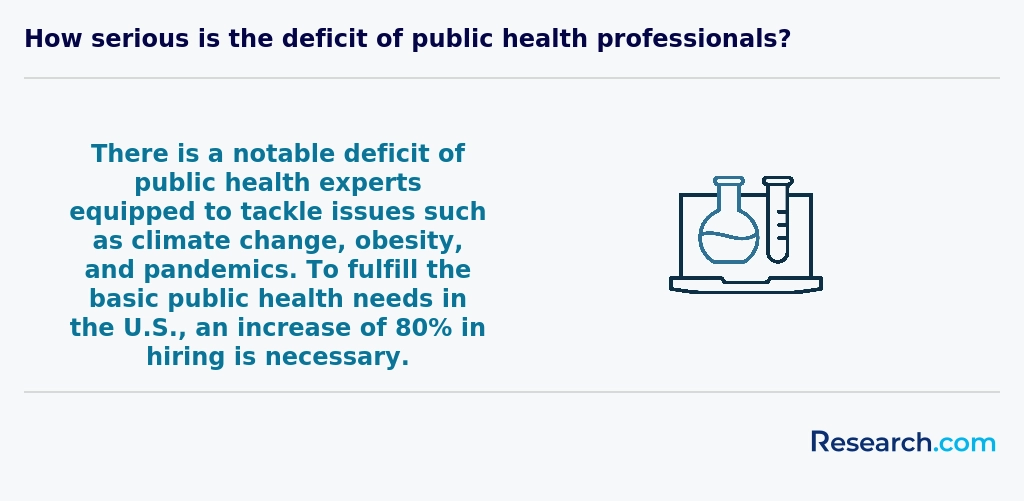
Students often underestimate the unique hurdles of a fully online Master’s in Public Health, from managing time across work, family and coursework to staying motivated without in-person accountability. If you’re curious whether is public health hard, our guide breaks down the academic rigor and offers tactics to thrive. Common challenges include: • Time Management: Juggling asynchronous lectures, discussion posts and group projects can blur work–life boundaries. • Isolation: Without a physical classroom, it’s easy to feel disconnected from peers and instructors. • Technical Issues: Unfamiliarity with learning management systems or unreliable internet can interrupt study routines. Proven strategies for success: 1. Create a Structured Weekly Plan: Block dedicated study times on your calendar, align deadlines with personal and professional commitments, and set short-term goals for each module. 2. Leverage Campus Resources: Tap into online tutoring, virtual writing centers and career services for resume feedback, mock interviews and networking events. 3. Engage Actively in Virtual Communities: Join cohort-based study groups, contribute to discussion boards early and schedule regular video chats with classmates to foster accountability. 4. Communicate Proactively with Faculty: Introduce yourself via email in week one, seek clarifications promptly and request feedback on assignments to strengthen mentor relationships. 5. Invest in Reliable Technology: Ensure you have a backup internet connection, noise-cancelling headphones and up-to-date software to minimize disruptions. By anticipating these obstacles and implementing targeted strategies, you’ll transform potential roadblocks into opportunities for growth-ultimately enhancing both your academic performance and your confidence as an emerging public health professional.
Imagine diving into courses like Introduction to Epidemiology, where you unravel why certain neighborhoods in Los Angeles see different health trends compared to San Francisco. Graduates from popular California universities often describe this as eye-opening, connecting classroom concepts to real urban communities.
Biostatistics then becomes your toolkit for making sense of public health data-like analyzing COVID-19 patterns statewide. One recent graduate shared how mastering these methods helped them confidently interpret reports from a local health department.
Environmental Health Sciences invites you to explore how pollution in California's Central Valley impacts families, making the lessons deeply personal and urgent. Health Policy and Management courses transform complex health systems into understandable actions, preparing you to influence change within California's diverse healthcare settings.
Social and Behavioral Sciences bring these studies to life through stories from multiple cultures across the state, helping students understand how behavior shapes health outcomes. Many online students appreciate this blend, feeling ready to tackle California's unique public health challenges with both heart and skill.
California's online public health degree programs open doors to a vibrant world of specializations, each tailored to meet the state's unique health challenges. Graduates often share how diving into Epidemiology felt like unlocking secrets behind disease outbreaks, a vital skill given California's diverse and dense population. Meanwhile, those exploring Health Policy and Management find themselves energized by influencing health systems that serve over 39 million residents, transforming complex policies into real-world impact.
For students passionate about making a difference through communication, Community Health Education offers hands-on experience designing culturally sensitive programs-crucial in California where nearly half speak languages other than English at home. Others embrace the adventurous spirit of Environmental Health, tackling wildfire smoke and pollution problems firsthand while enrolled at top universities statewide. Those seeking variety might find inspiration in Global Health or Biostatistics, applying their skills broadly or crunching crucial data for public good.
Many students appreciate the balance these specializations provide with their busy lives, often supported by resources such as nursing universities miami career services. Choosing among the best public health concentrations California online invites a thrilling journey of discovery and meaningful impact.
Choosing the best online public health degree in California means diving into the unique learning experiences offered by universities like those in the UC and CSU systems. Many graduates share how the blend of online flexibility with California-focused curriculum-covering pressing issues like wildfire smoke and immigrant health-made their studies feel both relevant and empowering. Programs accredited by CEPH ensure you're getting quality education recognized statewide, a must when aiming for roles in local health departments or hospital systems.
Imagine balancing your coursework asynchronously around your day job while still connecting through hybrid sessions that spark real-time discussions about health equity and policy. These approaches cater perfectly to working professionals seeking affordable MPH programs California online, allowing them to juggle life's demands without sacrificing education quality.
Costs can vary widely, so investigating tuition ranges helps you avoid surprises and factor in fees or possible campus visits. Many students also explore nursing school scholarships as part of their financial planning. Knowing which programs boast strong employment outcomes locally can boost your confidence that your adventure into public health will lead to meaningful opportunities.
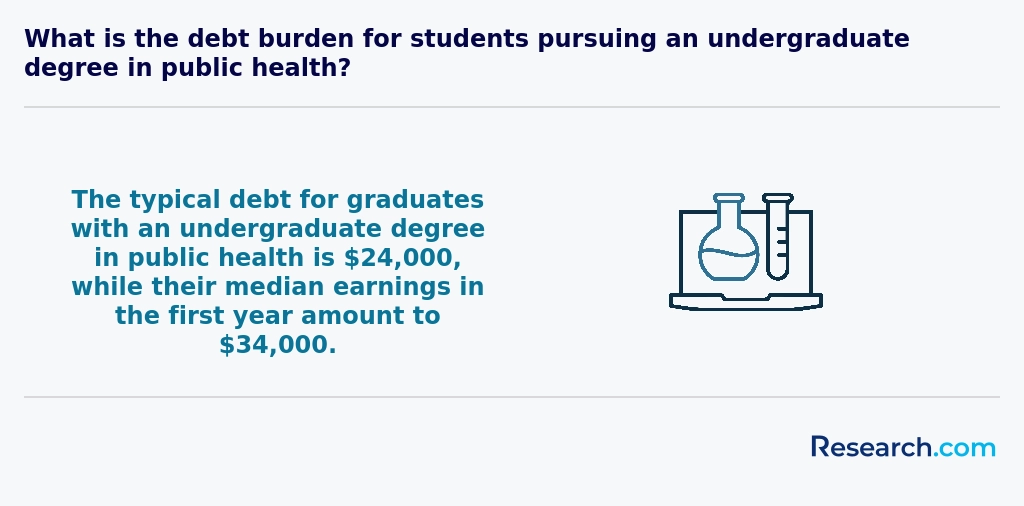
Graduates with an online public health degree in California find themselves on an exciting journey through diverse career landscapes. From working as epidemiologists tracking outbreaks to stepping into roles as health educators designing community programs, the opportunities spark both passion and purpose. Many alumni of popular universities like the University of California enjoy hands-on experiences collaborating with county health agencies tackling real-world challenges involving infectious diseases and health disparities.
Another vivid path is public health policy and administration, where some graduates develop innovative programs aimed at improving population health while managing substantial budgets. These roles often come with competitive salaries, reflecting the value placed on skilled professionals. Those drawn to data and research flourish in California's research institutions, applying biostatistics to evaluate public health initiatives alongside state health departments, turning numbers into meaningful stories.
Community health roles bring a rewarding connection to vulnerable populations, allowing recent graduates to see the impact of their work firsthand. Considering the cost-effective nature of an online public health degree in California, exploring job prospects in this state can feel like stepping into a world of opportunity. For those curious about healthcare regulations, California also ranks among the states with most nurse-friendly laws, highlighting a supportive environment for health professionals.
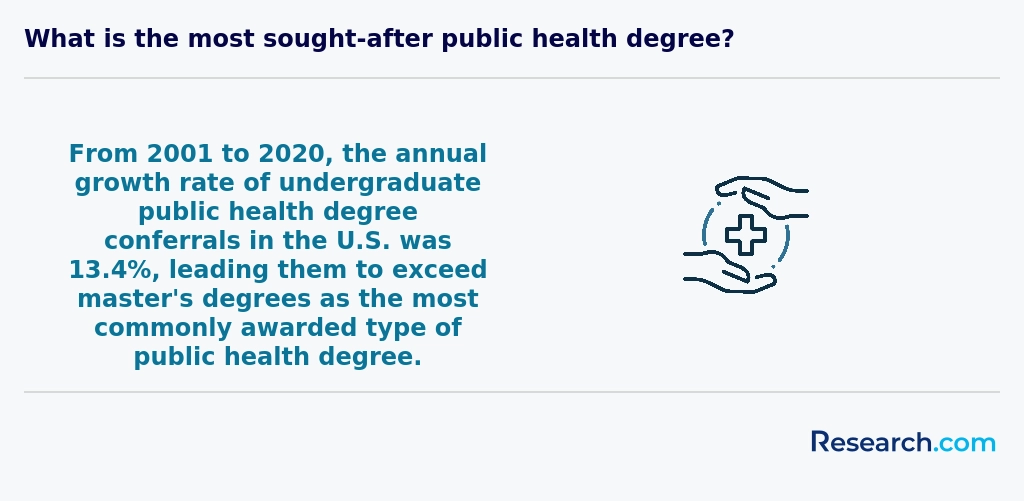
Thriving public health sectors in California offer a vibrant landscape for graduates holding online public health degrees. Imagine joining a local government health department in Los Angeles or a cutting-edge research team at a university in San Diego, where the demand for skilled professionals is as varied as California's diverse communities. Many graduates find themselves energized by roles in public health analytics or community outreach, proudly contributing to equity and wellness across urban and rural areas alike.
Public health students at popular California institutions often share excitement about balancing flexible online coursework with hands-on experience, which enhances their competitive edge in the bustling job market. The California public health career outlook sparkles with promise, as steady growth in health educator and epidemiology roles align perfectly with the state's progressive health policies and expanding healthcare access initiatives.
Salaries typically range from $60,000 to $85,000 annually, rewarding those dedicated to making a real-world impact. Those curious about additional pathways might also explore valuable certifications or dive into other healthcare fields through trusted online programs-consider consulting online nursing programs rankings to gauge complementary career options.
2027 Fastest Online Master's in Public Health Degree Programs Ranking in California
Investing in your education is a significant decision that can shape your future, and the Research.com team understands the importance of making informed choices. To assist prospective students, we have meticulously crafted the "2027 Fastest Online Master's in Public Health Degree Programs Ranking in California." Our commitment to quality, credibility, and accuracy is reflected in the extensive research and analysis conducted to compile this ranking.
We utilized the following reputable data sources to ensure a comprehensive evaluation of public health programs:
By exploring this ranking, readers will gain valuable insights into the fastest online public health master's programs in California, helping them make informed decisions about their educational paths. For more details on our methodology, please visit our Research.com methodology page.


Frequently Asked Questions About public health
Online public health degree students in California can maximize their learning by actively engaging with course materials and participating in virtual discussions. California's public health landscape is diverse, offering rich case studies, especially given the state's focus on managing large-scale health issues like COVID-19 and wildfire-related respiratory illnesses, as reported by the California Department of Public Health.
Students should take advantage of local public health data and resources, such as those from the California Health Interview Survey, to ground their studies in real-world contexts.
Networking with professionals from California's extensive public health system through virtual internships or collaborative projects can enhance practical learning.
Finally, staying organized with time management tools helps balance coursework and professional responsibilities effectively.
The public health field is rapidly evolving, with emerging niches gaining attention in California and across the US. One growing area is digital epidemiology, which uses data from social media and mobile devices to track disease outbreaks more quickly. Another niche is environmental health focusing on climate change impacts, a critical issue in California due to wildfires and droughts.
Health equity and social justice are also key concerns, with programs designed to address disparities among diverse California populations. Additionally, global health security, involving pandemic preparedness, has gained momentum after COVID-19.
According to the California Department of Public Health, these areas are expected to see increased funding and job growth, making them attractive for online public health students.
After completing an online public health degree in California, preparing for the job market requires strategic planning. Start by gaining practical experience through internships or volunteer work, which California offers extensively in public health agencies. Networking is essential; join professional groups like the California Public Health Association to connect with employers. Employers value skills in data analysis, epidemiology, and health policy, so highlight these in your resume. According to the California Employment Development Department, public health jobs are expected to grow 7% through 2030, signaling increasing opportunities. Additionally, consider certifications like Certified Health Education Specialist (CHES) to improve job prospects.
Employers in California increasingly seek public health graduates with strong analytical skills, as data-driven decision making is essential for addressing health disparities. Proficiency in biostatistics and epidemiology allows professionals to evaluate community health trends effectively.
Communication skills are also vital. Graduates must clearly convey complex health information to diverse populations, including non-expert audiences, which supports California's multilingual communities.
Leadership and program management abilities are important for coordinating initiatives aligned with state health goals. Familiarity with health policy, especially related to California's Medi-Cal system, enhances employment prospects.
According to the California Department of Public Health, these competencies align closely with workforce demands through 2025, reflecting ongoing public health challenges in the state.
Finding internships in California relevant to a public health degree involves several practical steps. Start by exploring university career centers, many of which maintain partnerships with local health departments and nonprofit organizations. According to the California Department of Public Health, internships are often available in areas like epidemiology, health education, and environmental health.
Additionally, students should consult state and city public health websites for postings. Organizations such as the California Primary Care Association regularly offer internship opportunities in community health.
Networking is key: joining groups like the California Public Health Association can connect students to potential internships.
Obtaining an online public health degree in California significantly enhances career mobility by providing access to a growing job market. The state's public health sector is expanding due to increased focus on disease prevention and health equity, with the California Department of Public Health projecting a 15% growth in jobs through 2030.
Online degrees offer flexibility, allowing students to maintain current employment while acquiring skills that prepare them for leadership roles. According to the U.S. Bureau of Labor Statistics, public health professionals with a master's degree often have higher earning potential and promotion opportunities.
Furthermore, California's diverse population demands professionals skilled in community health strategies, which many online programs emphasize. Graduates are thus well-positioned to advance into roles like health program managers or epidemiologists.
Studying for a public health degree in California equips students with interdisciplinary skills essential for addressing complex health challenges. Programs often integrate courses in epidemiology, biostatistics, health policy, environmental health, and social sciences. This broad base prepares graduates to collaborate across healthcare, government, and nonprofit sectors.
California's diverse population and public health needs provide real-world case studies, enriching learning experiences. According to the California Department of Public Health, the state faces varied issues, from infectious diseases to health disparities, demanding cross-sector solutions.
Online degrees also emphasize data analysis and communication skills, enabling graduates to work effectively with diverse teams in research, policy-making, and community health initiatives.
When choosing between a thesis and a non-thesis public health degree program in California, consider your career goals and learning preferences. Thesis programs are research-focused and often suit students aiming for doctoral studies or research careers. These programs require completion of a substantial research project, providing experience in scientific methods and data analysis.
Non-thesis programs emphasize practical skills and often include additional coursework or a capstone project. They are designed for professionals seeking to advance in public health practice or administration.
According to the California Department of Public Health, 45% of MPH graduates enter research roles, while 55% pursue applied public health jobs. This split reflects program demand.
Financial and time commitments also vary, with thesis options sometimes requiring longer enrollment. Prospective students should review specific school offerings and consult academic advisors to align choices with their professional objectives.
Students based in California seeking to study public health abroad through online programs have several options. Many accredited U.S. universities offer online Master of Public Health (MPH) degrees with global health concentrations, allowing students to engage with international public health topics while completing their degree remotely. This approach accommodates learners who wish to gain global perspectives without leaving California.
Additionally, some California institutions partner with foreign universities to provide exchange opportunities or joint degrees focused on international health issues. These programs often include virtual collaborations and occasional short-term residencies abroad.
According to the California Department of Public Health, expanding global health competencies is critical given California's diverse population and international connections. Students can benefit from online courses emphasizing global disease control, health policy, and epidemiology while fulfilling California's licensure and certification requirements.
Students pursuing online public health degrees in California can benefit from various part-time jobs that enhance their education. Common opportunities include working as health educators, community outreach assistants, or research aides at public health agencies. According to the California Department of Public Health, these roles provide hands-on experience in program implementation and data collection.
Many public health organizations in the state, such as county health departments and nonprofit agencies, offer internships or part-time positions focused on health promotion and disease prevention. Roles in contact tracing and COVID-19 response also remain relevant, providing practical skills and networking.
Working in these positions complements academic learning while building essential public health competencies.
Online public health students in California have several valuable networking opportunities despite the remote format. Many programs partner with local health departments, nonprofits, and community organizations, enabling students to engage with public health professionals through virtual events and internships.
The California Department of Public Health regularly hosts webinars and workshops open to students statewide. These provide direct access to experts working on health policies and initiatives affecting nearly 40 million residents.
Additionally, California-based online public health programs often maintain active alumni networks and student organizations, fostering peer connections through online forums and social media groups.
National associations like the California Public Health Association - North also offer membership benefits that include conferences and mentorship programs tailored for emerging public health professionals.
Alumni networks offer significant support to online public health degree students in California by providing access to professional connections across diverse sectors. Given California's growing focus on public health, with a $50 billion annual health expenditure, networking is crucial for career advancement. Alumni often share job openings, internships, and mentorships, helping students navigate competitive local job markets such as Los Angeles County, which employs over 15,000 public health professionals.
These networks foster collaboration on community health projects and policy initiatives, reinforcing learning beyond the classroom. Research from the California Department of Public Health shows that alumni engagement can increase graduate employment rates by up to 20%. For online students, these virtual connections simulate in-person opportunities, bridging geographic gaps and facilitating continuous career support.
California offers several online public health degree programs that allow students to tailor their studies to specific career goals. Customization often comes through elective courses, where students can focus on areas such as epidemiology, health policy, or community health. Selecting a concentration aligned with California's public health needs, like addressing infectious diseases or chronic conditions, can improve job prospects in the state's diverse healthcare sector.
Many programs also provide options for field internships or capstone projects, enabling hands-on experience with local health departments or nonprofit organizations. This practical work is vital, considering California's large population of over 39 million affects public health priorities significantly.
Students should verify if their chosen program offers flexibility in course scheduling and credit transfer, which can help balance work, study, and career advancement.
Online public health students in California often face several significant challenges that can impact their educational experience. A primary issue is balancing coursework with professional and personal responsibilities, as many students are working adults or parents. The asynchronous nature of most programs requires strong time-management skills to avoid falling behind.
Technology access and digital literacy can also be obstacles. Despite California's tech infrastructure, disparities exist, particularly in rural areas where internet connectivity may be unreliable. Additionally, students sometimes find limited opportunities for hands-on experiences, such as internships, which are vital for public health training.
Financial strain is notable, with in-state graduate tuition averaging around $15,000 to $25,000 per year, excluding living expenses. Support systems and mental health resources are crucial but may be less accessible online. According to the California Department of Public Health, these challenges are amplified during crises like the COVID-19 pandemic, emphasizing the need for adaptable, accessible program designs.
With an online public health degree, California students can pursue several key professional certifications to boost their career prospects. The Certified in Public Health (CPH) credential, offered by the National Board of Public Health Examiners, is widely recognized and demonstrates core public health knowledge and skills. This certification is highly valued by employers across California's diverse health sectors.
Additionally, graduates may qualify for specialized certifications such as Certified Health Education Specialist (CHES), which focuses on health promotion and education, or the Registered Environmental Health Specialist (REHS) credential, essential for careers in environmental health fields. These certifications complement academic credentials and often require continuing education to maintain.
According to the California Department of Public Health, professionals holding certifications frequently command higher salaries and better job opportunities, reflecting growing demand in areas like epidemiology and community health. Pursuing certification can be a strategic step for those aiming to impact public health policy or practice in California.
Writing a winning application for an online public health program in California requires clear focus and preparation. Start with a strong personal statement that highlights your commitment to improving community health, referencing California's diverse and dynamic public health challenges, such as pandemic response and health equity. Research from the California Department of Public Health shows growing demand for professionals skilled in epidemiology and health policy.
Include relevant work or volunteer experience, especially those linked to California's major health initiatives. Emphasize any leadership roles or collaborative projects.
Strong letters of recommendation from academic or professional sources familiar with your public health interest can boost your application's credibility. Finally, ensure your transcripts and test scores meet the program's criteria, and stay mindful of deadlines and application completeness to increase your chances of acceptance.
A public health career holds significant global importance, addressing complex health issues that cross national borders. Professionals in this field work to prevent disease, promote wellness, and prepare for health emergencies worldwide. According to the California Department of Public Health, the state actively collaborates with international organizations to tackle challenges like infectious diseases and environmental health risks.
California's diverse population offers unique opportunities for studying health disparities and global health strategies. The U.S. Bureau of Labor Statistics projects a 17% growth in public health jobs nationally from 2021 to 2031, highlighting rising demand worldwide.
Online public health degrees in California equip students with knowledge relevant to these global challenges while focusing on local community health needs.
Gaining practical experience while studying for an online public health degree in California is essential for career readiness. Many programs incorporate required internships or practicum placements, often coordinated with local health departments or nonprofit organizations.
California is home to numerous public health agencies, such as the California Department of Public Health, which frequently collaborate with universities to provide students hands-on opportunities. These placements allow students to apply epidemiology, health education, and policy skills in real-world settings.
Additionally, virtual internships and service-learning projects have become common, enabling students to work on community health campaigns remotely.
The Council on Education for Public Health (CEPH) supports programs emphasizing experiential learning, which improves employment prospects upon graduation.
Choosing the right concentration within an online public health degree in California starts with understanding your career goals. Concentrations often include epidemiology, health policy, community health, and environmental health, each addressing different public health needs.
Consider California's public health priorities, such as managing infectious diseases, reducing health disparities, and addressing environmental impacts. According to the California Department of Public Health, areas like chronic disease prevention and health equity are key focus points.
Review program curricula and how they align with these priorities. Also, evaluate whether the concentration offers practical skills suitable for roles in government agencies, nonprofits, or healthcare settings prevalent in California.
Networking opportunities, faculty expertise, and internship placements within California should influence your choice. These factors enhance career prospects in the state's diverse public health landscape.
- 2027 Fastest Online Master's in Public Health Degree Programs Ranking in Texas
- 2027 Fastest Online Master's in Public Health Degree Programs Ranking in Missouri
- 2027 Fastest Online Master's in Public Health Degree Programs Ranking in Illinois
- 2027 Fastest Online Master's in Public Health Degree Programs Ranking in Michigan
- 2027 Fastest Online Master's in Public Health Degree Programs Ranking in Florida
- 2027 Fastest Online Master's in Public Health Degree Programs Ranking in North Carolina
- 2027 Fastest Online Master's in Public Health Degree Programs Ranking in Virginia
- 2027 Fastest Online Master's in Public Health Degree Programs Ranking in Pennsylvania
- 2027 Fastest Online Master's in Public Health Degree Programs Ranking in Maryland
- 2027 Fastest Online Master's in Public Health Degree Programs Ranking in New York
- 25 Most Affordable Online MPH Programs https://www.mphonline.org/most-affordable-online-mph-programs/
- Careers with a Public Health Degree: From Epidemiology ... https://www.scuhs.edu/bshs-article/careers-with-a-public-health-degree-from-epidemiology-to-health-education/
- Public Health, BS (Online) https://calbaptist.edu/academics/programs/online-bachelor-of-science-public-health/
- Online Master of Public Health (MPH) Degree | WCU https://westcoastuniversity.edu/online-programs/master-public-health
- Engaging students through service-learning opportunities ... https://sneb.org/engaging-students-through-service-learning-opportunities-in-public-health/
- Top Online MPH Programs in California (CA) https://www.onlinemastersdegrees.org/best-programs/public-health-mph/california-ca/
- MPH Programs in California: Schools, Costs & Careers https://www.publichealthonline.org/california/
- Public Health Schools and MPH Programs in California https://www.publichealthdegrees.org/st/california/
- Public Health Degree and Career Guide https://californiadegrees.org/public-health/
- A Global Health Immersion Program for Nursing and Public ... https://annalsofglobalhealth.org/articles/10.5334/aogh.4746