2027 Most Valuable Public Health Degree Programs Ranking in Massachusetts

Co-Founder and Chief Data Scientist
Choosing the right public health degree program in Massachusetts can feel overwhelming. To make this easier, the Research.com team of data scientists created the 2027 Most Valuable Public Health Degree Programs Ranking in Massachusetts. This ranking helps you identify which programs offer the best value based on solid data and research.
Reading this article will give you clear insights to guide your decision. Pursuing a public health degree opens doors to meaningful careers focused on improving community wellness and making a real impact.
Key benefits of getting public health degree in Massachusetts
- Graduates with a public health degree in Massachusetts often secure rewarding jobs like Community Health Workers earning about $52,610 annually or Environmental Health Specialists making up to $86,710, showcasing strong salary potential.
- Public health degree holders from local schools can explore diverse careers such as Health Educators or Occupational Health and Safety Specialists, offering fulfilling roles that impact community well-being positively.
- Online public health programs from respected Massachusetts universities provide flexible learning, letting students balance work and study while gaining valuable skills for successful health careers.
- 2027 Most Valuable Public Health Degree Programs Ranking in Massachusetts
- What can I expect from public health degree in Massachusetts?
- Where can I work with public health degree in Massachusetts?
What can I expect from public health degree in Massachusetts?
The average cost of pursuing a public health degree in Massachusetts often surprises many prospective students, as it tends to be considerably higher than national averages. Graduates from renowned institutions like Harvard T.H. Chan School of Public Health or Boston University's School of Public Health frequently recall the weight of tuition expenses but balance this with a profound appreciation for the quality of education and resources available. These programs demand a significant financial investment, sometimes reaching tens of thousands of dollars per year, reflecting the state's premium on academic excellence.
Yet, for many, the cost translates into valuable hands-on experience and deep connections with health organizations across the state, fueling optimism about future careers. Students often describe their practicum placements in Massachusetts hospitals or community health agencies as transformative, justifying the expense by the career-ready skills they acquire. The availability of scholarships targeting underserved communities also softens the financial burden and underscores Massachusetts' commitment to inclusive education and health equity.
Where can I work with public health degree in Massachusetts?
Graduates with a public health degree in Massachusetts find themselves immersed in a dynamic workforce where impactful careers flourish. Imagine working at the Massachusetts Department of Public Health, shaping policies that directly influence community wellness during crises like infectious outbreaks-a role many Boston University alumni describe as deeply fulfilling. Others connected to Harvard's public health programs often transition into healthcare institutions such as Massachusetts General Hospital, where they lead initiatives to reduce health disparities and innovate patient outreach strategies.
Nonprofit organizations across the state provide another meaningful path, with recent Northeastern graduates sharing stories of advancing substance abuse prevention programs that touch hundreds of lives. These environments enable professionals to blend compassion with scientific rigor, transforming local challenges into opportunities for change.
The private sector also expands public health careers into emerging realms like workplace wellness and health tech development. The evolving landscape in Massachusetts invites graduates to not just follow existing roles but to pioneer new ones, making their work profoundly relevant to the future of health in the region.
Graduates from public health programs in Massachusetts often find themselves pleasantly surprised by the earning potential tied to their degrees. For example, those stepping into roles as Health Educators in the Boston metropolitan area can anticipate average salaries near $69,790 annually, reflecting the higher cost of living and demand in this urban hub. Others who begin as Community Health Workers might expect starting salaries around $52,610, offering a strong foundation for career growth.
Imagine a recent graduate from a well-regarded public health program at a university like UMass Amherst or Boston University, quickly securing a position as an Environmental Health Specialist, earning approximately $86,710 per year. This not only provides financial stability but a sense of pride and motivation to continue advancing in their field.
Meanwhile, Occupational Health and Safety Specialists consistently bring home around $85,570 annually, a figure that challenges the misconception that public health careers offer modest pay. These salaries demonstrate that investing in a public health degree in Massachusetts can lead to rewarding professional and financial outcomes that resonate deeply with graduates striving to make a meaningful impact.
- Tuition for a master's degree in public health (MPH) in Massachusetts ranges from $25,000 to $45,000, depending on the school and residency status.
- Entry-level public health professionals earn about $55,000 annually, with mid-career salaries between $75,000 and $90,000, and senior roles exceeding $100,000.
- The public health job market in Massachusetts is growing at an estimated 10% to 15% over the next decade, driven by strong healthcare and biotech industries.
- Many programs include practical experience via internships and partnerships with local health departments and nonprofits.
- Most public health degrees in Massachusetts are accredited by the Council on Education for Public Health (CEPH).
- Funding options such as scholarships and assistantships are available to support public health students in the state.
Completing a public health degree in Massachusetts often surprises students who expect a one-size-fits-all timeline. At institutions like Boston University or the University of Massachusetts, a Bachelor of Science in Public Health typically unfolds over four years of full-time study, allowing for deep engagement and meaningful connections with peers and faculty. Graduates often recall the satisfaction of a structured pace that felt achievable yet challenging.
Master's students pursuing an MPH might initially plan for two years, but many find themselves tailoring their schedules-balancing part-time or online formats to juggle work and life commitments. These flexible options extend completion to three or even five years, reflecting a personalized journey rather than a race against the clock. Such flexibility often brings relief and optimism, transforming education from a burden into an empowering pursuit.
Doctoral candidates at Massachusetts's top public health programs experience an even broader range-four to six years-marked by immersive research and real-world impact. For many, this extended timeline fosters a profound sense of accomplishment, connecting theory to community action across the state's diverse health landscape.
Understanding the ROI of a Public Health degree in Massachusetts helps prospective students gauge the long-term value of their investment. By comparing tuition, fees, living expenses, and average starting salaries, applicants can make informed financial decisions. Average Total Cost • Tuition and fees for a two-year MPH range from $40,000 to $120,000. • Living expenses in Boston average $20,000–$30,000 per year. • Books, supplies, and incidentals add roughly $2,000 annually. Average Early-Career Salary • Community Health Worker: $49,900/year • Health Educator: $66,710/year • Environmental Health Specialist: $83,820/year • Occupational Health and Safety Specialist: $82,110/year Break-Even Analysis • With an average early-career salary of $70,000, graduates can recoup a $100,000 total investment in approximately 1.5–2 years, assuming 20% of income is allocated to loan repayment. • Specializations such as Epidemiology and Biostatistics often command salaries 10–15% above the state average, further shortening the payback period. Maximizing ROI 1. Select CEPH-accredited programs with strong alumni networks. 2. Leverage in-state tuition breaks, scholarships, and assistantships. 3. Consider part-time or online formats to maintain income during study. For those exploring cost-effective alternatives, see our Inexpensive Online Public Health Degree Programs Ranking in Virginia. 4. Pursue internships and field placements early to boost employability and starting salary. By strategically managing costs and targeting high-demand specializations, Massachusetts Public Health graduates can achieve a substantial ROI while advancing vital community health initiatives.
Choosing between online and on-campus public health degrees in Massachusetts unravels more than just location differences-it challenges how you envision your educational journey. Graduates from institutions like the Harvard T.H. Chan School of Public Health often recount the energizing hands-on experiences gained through face-to-face practicums and immediate access to campus resources. This direct engagement fosters a vibrant community atmosphere that can feel deeply motivating and supportive.
Conversely, online students highlight the freedom to balance studies with demanding careers or family responsibilities, a crucial advantage in Massachusetts' fast-paced environment. Many emphasize how the same rigorous curriculum, accredited by the CEPH, maintains quality, even from a distance. Yet, this path demands heightened self-discipline and proactive networking in virtual spaces, which can evoke a distinct sense of independence and resilience.
In practical terms, on-campus learners might value spontaneous peer interactions and access to local research opportunities, while online students appreciate the elimination of commuting stress in expensive Massachusetts cities. Both pathways cultivate a sense of accomplishment, but the choice pivots on how you want to immerse yourself in public health's dynamic field locally and beyond.
Public health graduates can enhance their expertise and job prospects by earning national credentials. Common certifications include:
- Certified in Public Health (CPH) from the National Board of Public Health Examiners
- Certified Health Education Specialist (CHES) for community and school programs
- Public Health Informatics Certification for data analysis roles
- Certified Public Health Administrator for leadership positions
Maintaining these credentials requires continuing education and periodic recertification. For those targeting administrative leadership, consider a health administration degree online to develop advanced management skills.
The average cost for obtaining a public health degree in Massachusetts challenges many assumptions. With a median total expense hovering around $60,279, students often find themselves navigating significant financial commitments. This figure reflects not just tuition but the comprehensive investment required to thrive in programs at institutions like Boston University or Harvard. Graduates from these schools frequently recount balancing the weighty tuition bills with the invaluable experience of top-tier education and networks that open doors in the public health sector.
It is essential to weigh these numbers against residency status. In-state students typically face a lower median cost of about $46,024. This gap speaks volumes about how access and affordability intersect in public health education in Massachusetts. For example, aspiring public health professionals at the University of Massachusetts system often experience this financial difference firsthand, highlighting the importance of residency when calculating the average cost of public health degree Massachusetts.
Beyond tuition, graduates emphasize the real-world pressures of living in Massachusetts, where housing and daily expenses intensify the economic challenge. Yet, their stories are filled with optimism, fueled by scholarships, assistantships, and creative budgeting. Those serious about managing these investments should look into resources and hidden gems among the affordable public health schools in massachusetts, which blend quality and cost-effectiveness.

Navigating the path toward a Public Health degree in Massachusetts can be overwhelming, but a clear plan can help you maximize your academic and professional prospects. Start by researching each program’s strengths, paying special attention to faculty expertise, internship opportunities, and robust career services. It’s important to prepare a compelling application that highlights not only your academic credentials but also your passion for community health. Consider reaching out to current students or alumni to learn how they navigated the application process and leveraged feedback from mentors to refine their personal statements and resumes. In addition, explore resources that help streamline your decision-making process. Detailed rankings and program reviews can provide valuable insights on cost-effectiveness, which is why exploring affordable public health schools in massachusetts is a smart move. These insights enable you to balance quality education with your budget, ensuring that you secure a program that not only enhances your knowledge but also offers financial feasibility. Finally, attend virtual webinars, open houses, or campus tours whenever possible. Engaging directly with admissions teams can clarify transparent aspects of tuition, scholarship opportunities, and unique program benefits. By combining practical advice with in-depth research and proactive engagement, you can confidently choose a program that sets the stage for a fulfilling career in public health.
Financial aid for public health students in Massachusetts isn't just a formality but a lifeline that can transform stress into excitement. Graduates from Harvard T.H. Chan School of Public Health often share how federal aid through FAFSA unlocked opportunities they hadn't imagined, like qualifying for Pell Grants or low-interest federal loans. Even though Pell Grants mainly target undergraduates, those pursuing a Bachelor's in Public Health feel the relief of that crucial support.
State-specific programs such as the John and Abigail Adams Scholarship administered by MEFA have been game-changers for students at UMass Amherst and UMass Boston. These scholarships ease tuition burdens and add hope where uncertainty once lived. Graduate students recount how teaching and research assistantships not only provided vital income but fostered deeper learning experiences-an opportunity to grow in their fields while lessening financial strain.
Working professionals often rely on employer tuition reimbursement, blending careers with education in real-time. Many find inspiration in professional associations like the APHA, which offer targeted scholarships, fueling passion and commitment to public health careers within Massachusetts and beyond.
As the public health landscape evolves, students and professionals must stay ahead of emerging trends to maximize their impact and career growth. One significant area of expansion is digital epidemiology, where big data and AI-driven models are used to track disease outbreaks in real time. Programs that incorporate coursework in health informatics, machine learning, and geospatial analysis position graduates to lead these cutting-edge initiatives. Climate change and environmental justice are also reshaping public health priorities. Specialized training in climate risk assessment and sustainable urban planning equips graduates to design interventions that address heat-related illnesses, vector-borne diseases, and air quality challenges. Interdisciplinary collaborations with environmental scientists and policy makers are increasingly common, underscoring the value of programs that foster cross-sector partnerships. Another critical trend is the integration of behavioral economics into health promotion strategies. By understanding how cognitive biases and social norms influence decision-making, public health professionals can craft more effective campaigns for smoking cessation, vaccine uptake, and nutrition. Courses in social marketing and community-based participatory research are therefore becoming staples in top Massachusetts programs. Moreover, the growing focus on global health equity has led to more opportunities for fieldwork and internships with international NGOs and multilateral organizations. Graduates with global health specializations are well-positioned to tackle pandemics, refugee health crises, and maternal-child health disparities across borders. Finally, for those considering diverse career paths beyond traditional public health roles, exploring the highest paying jobs in the medical field can reveal complementary opportunities in healthcare administration, medical device safety, and clinical trial management. By aligning emerging trends with individual strengths and interests, future public health professionals can ensure their skills remain relevant, impactful, and in high demand.
To enroll in a public health degree program in Massachusetts, prospective students quickly learn that a mere diploma isn't enough-it's about readiness that combines academics, experience, and genuine commitment. Graduates from institutions like the University of Massachusetts recall how their focus on science and math in high school laid the groundwork for understanding the complex public health challenges they encountered later.
For entering MPH programs, many recall submitting transcripts that reflected coursework not only in biology and statistics but also in social sciences, signaling an interdisciplinary approach valued by Massachusetts schools. Practical experience, whether volunteering with local health departments or working in community outreach, often made the difference between acceptance and rejection.
Doctoral candidates share that the expectation to come armed with a master's degree and tangible research experience reflects the state's demand for future leaders to question, analyze, and innovate public health solutions actively. This rigorous preparation, though challenging, fuels a strong sense of achievement and purpose among those who pursue it within the Bay State.
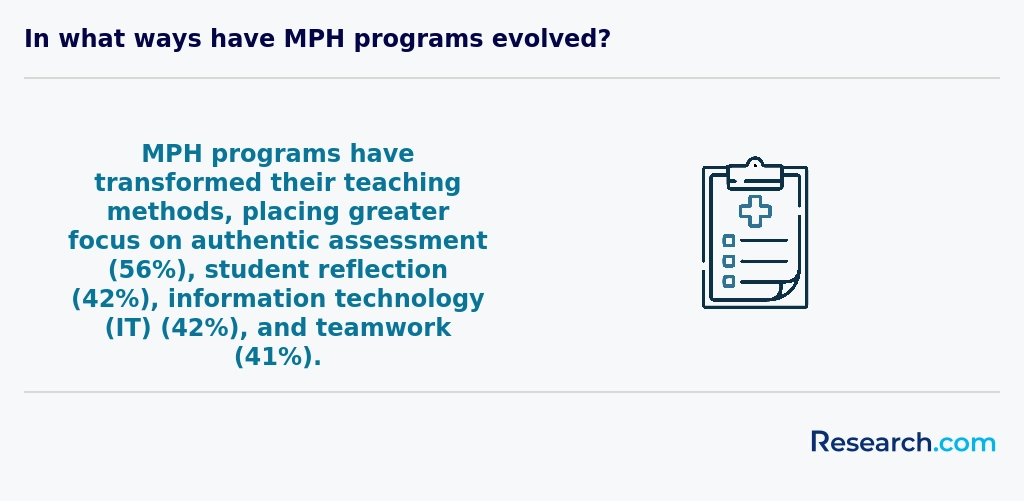
Public health degree programs in Massachusetts challenge students to master core courses like epidemiology, biostatistics, environmental health, and health policy, yet the true learning often happens through the lens of local realities. Graduates from institutions such as Boston University and Northeastern vividly recall studying disease patterns during the COVID-19 pandemic, making epidemiology both urgent and personal. Understanding data through biostatistics goes beyond numbers-it becomes a tool for crafting life-saving policies in a state spending billions on healthcare each year.
Instead of abstract theories, environmental health courses bring students face-to-face with urban pollution issues in Boston, while health policy classes dissect the complexities of Massachusetts' healthcare infrastructure. Students describe these courses as gateways to empathy, pushing them to see the human side behind statistics. Specialized subjects like global health and public health ethics empower students to design campaigns that resonate with culturally diverse communities, a common experience in Massachusetts' urban centers.
Hands-on projects and internships intensify this connection, transforming classroom knowledge into real-world impact, sparking enthusiasm and a sense of purpose among many emerging public health professionals.
Public health degree specializations Massachusetts programs frequently include epidemiology, health policy and management, environmental health, global health, and community health and behavioral sciences. Graduates from institutions like Harvard T.H. Chan School of Public Health or Boston University often describe their coursework as a powerful blend of theory and practical exposure, where analyzing disease outbreaks or influencing health policy feels intensely relevant against the backdrop of Massachusetts' complex health landscape.
For example, students focusing on epidemiology engage deeply with state-specific health data, feeling a real sense of purpose knowing their work supports communities they're part of. Those drawn to environmental health find their studies resonating with issues of pollution and occupational hazards prominent in Massachusetts' urban-industrial areas. This hands-on learning shifts education from abstract concepts to lived experience, fueling passionate advocacy and innovation.
The richness of Massachusetts public health career options can surprise many, especially when graduates reflect on how their skills align closely with local health priorities, preparing them for impactful roles. It's no coincidence that many aspire toward the highest paying jobs in the medical field with a specialization that balances intellectual challenge and community benefit.
Choosing the best public health degree program in Massachusetts means going beyond surface-level factors. Graduates from top local universities often emphasize how CEPH accreditation impacted their career doors, especially when applying for competitive roles in Boston's health agencies. It's not just about the degree level, but selecting specializations that align with your passion-whether that's epidemiology or community health-shapes how you experience the program and succeed afterward. Reflect on how program location tangibly matters: studying in Boston connects you with real-time public health challenges, allowing hands-on involvement that online programs rarely match.
Consider cost pragmatically. While tuition can strain budgets, many find scholarships or assistantships from Massachusetts institutions alleviate financial stress. Those juggling work and study have praised flexible hybrid formats offered at some schools, making education manageable without sacrificing quality. For a broader perspective, explore the Inexpensive Online Public Health Degree Programs Ranking in Virginia to see how cost and access compare, which can guide your decision on affordability.
Finally, graduates often highlight the value of programs that emphasize strong alumni networks and job market ties within Massachusetts. The ripple effect of these connections not only boosts employment chances but fosters a lasting sense of community pride in advancing public health locally. When choosing, challenge yourself to visualize where you want to impact your career and how your degree can be a real launchpad toward those goals in Massachusetts.
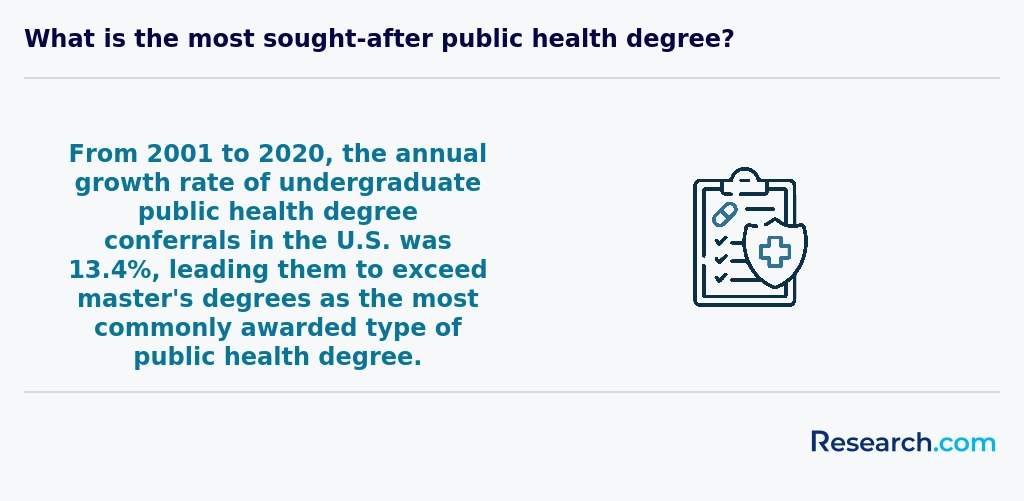
A public health degree in Massachusetts opens doors to diverse career paths that extend far beyond typical clinical roles. Graduates from institutions like Boston University and the University of Massachusetts find themselves immersed in real-world challenges-from designing community health programs that uplift underserved neighborhoods to analyzing infectious disease trends in urban areas. For those seeking to influence policy, roles such as health policy analyst allow them to shape interventions that prioritize equity across the state's populations. Others embrace roles as environmental health specialists, addressing the impact of Massachusetts' unique urban and rural environments on public wellness.
Many graduates reflect on their experiences in fast-paced degree programs as pivotal, giving them skills to coordinate public health initiatives or lead hospital operations. These jobs with public health degree Massachusetts graduates pursue often provide meaningful engagement with pressing health issues, fostering a sense of purpose and social impact. Exploring fast paced degree programs can also enhance readiness for such dynamic roles, equipping students to thrive amid the complexity of public health careers.
Graduates with a public health degree in Massachusetts step into a job market that is vibrant and evolving. The state's well-established healthcare system and diverse research institutions create an environment where public health roles transcend traditional boundaries. From epidemiology to community health management, graduates find themselves woven into sectors like hospitals, government agencies, and academic research centers. Those who earned their degrees at notable schools in Boston or Amherst often share how internships with local health departments and nonprofits helped turn theory into impactful community projects, sharpening both skills and confidence.
For anyone weighing the return on investment in education, Massachusetts offers competitive salaries often above the national median, reflecting growing demand. The reality is that pursuing a public health degree here means immersing yourself in a network of opportunities, where your work literally influences the well-being of communities. Whether drawn by state and local hiring or the allure of partnerships among universities and healthcare organizations, those studying public health recognize how much the environment supports their career aspirations.
Understanding Massachusetts public health career opportunities means acknowledging how educational institutions fuel these prospects. Public health students sometimes explore an easy master degree option, balancing rigor with accessibility while preparing for diverse roles that extend across epidemiology, biostatistics, and health policy.
2027 Most Valuable Public Health Degree Programs Ranking in Massachusetts
Investing in your education is a significant decision that can shape your future, and the Research.com team understands the importance of making informed choices. To assist prospective students in Massachusetts, we have meticulously crafted the "2027 Most Valuable Public Health Degree Programs Ranking in Massachusetts." Our commitment to quality, credibility, and accuracy is reflected in the extensive research and analysis conducted to compile this ranking.
We utilized the following reputable data sources to ensure a comprehensive evaluation of public health programs:
By exploring this ranking, readers will gain valuable insights into the best public health degree programs available in Massachusetts, helping them make informed decisions about their educational paths. For more details on our methodology, please visit our Research.com methodology page.


.webp)


# 20 position
Massachusetts College of Pharmacy and Health Sciences
Bachelor of Science in Public Health

Frequently Asked Questions About public health
Students pursuing public health degrees in Massachusetts can enhance their learning by engaging with the state's robust network of healthcare institutions and research centers. Massachusetts hosts top schools like Harvard T.H. Chan School of Public Health and the Boston University School of Public Health, which offer access to cutting-edge research and internships.
Taking advantage of practicum placements in notable organizations such as the Massachusetts Department of Public Health helps students gain practical experience addressing statewide health challenges. According to the Massachusetts Department of Public Health's 2023 report, the state prioritizes chronic disease prevention and health equity, offering rich topics for student involvement.
Joining local public health associations and attending conferences within the state also fosters professional networking and knowledge exchange.
The public health field in Massachusetts is evolving with several emerging niches gaining attention. One key area is **health informatics**, which combines data analysis and technology to improve healthcare delivery. With Massachusetts boasting a strong tech and biotech sector, demand for experts in this field is increasing.
Another growing niche is **environmental health**, focusing on the impact of pollution and climate change on communities. Massachusetts' commitment to sustainability has led to more programs emphasizing this specialization.
**Global health** is also expanding, reflecting the state's involvement in international health initiatives and research. Students interested in infectious diseases and health policy will find growing opportunities.
Lastly, **public health preparedness** and emergency response have become crucial, especially after recent health crises. Massachusetts invests heavily in training for infectious disease outbreaks and disaster management, making this a vital path for future professionals.
Preparing for the job market after earning a public health degree in Massachusetts involves several strategic steps. Graduates should focus on gaining practical experience through internships or fellowships, which are widely available in organizations like the Massachusetts Department of Public Health. Such experiences are essential as Massachusetts has a strong public health sector, with employment for health educators and community health workers expected to grow about 13% through 2030, according to the U.S. Bureau of Labor Statistics.
Networking is critical; attending local public health conferences and joining professional associations like the Massachusetts Public Health Association can improve job prospects. Additionally, pursuing certification such as the Certified in Public Health (CPH) credential enhances credibility and opens more opportunities.
Strong communication and data analysis skills are in demand, so graduates should seek training in these areas to meet employer expectations in Massachusetts' evolving public health landscape.
Employers in Massachusetts highly value public health graduates with strong analytical and quantitative skills. The ability to collect, interpret, and apply data is crucial, especially given the state's focus on tackling public health challenges such as infectious diseases and chronic conditions, as reported by the Massachusetts Department of Public Health (MDPH).
Communication skills are also essential. Graduates must effectively convey health information to diverse communities and stakeholders. This includes cultural competence and proficiency in health education strategies.
Policy understanding is another key asset. Familiarity with Massachusetts health policies and regulations helps graduates contribute to program development and advocacy.
Finally, critical thinking and problem-solving abilities are in demand, as they enable graduates to adapt to evolving health crises and design effective interventions.
Finding internships in Massachusetts relevant to a public health degree involves a strategic approach focused on local health organizations and government agencies. Massachusetts hosts numerous public health institutions such as the Massachusetts Department of Public Health and Boston Public Health Commission, which offer internship opportunities. Many universities in Massachusetts, including Harvard and Boston University, maintain partnerships with health organizations to facilitate placements.
Students should also explore networks like the Public Health Association of Massachusetts, which posts local internships. According to the Bureau of Labor Statistics, Massachusetts has a growing health sector, supporting hundreds of public health roles yearly. Utilizing university career centers and online platforms like Handshake can boost your search efficiently.
A public health degree in Massachusetts significantly enhances career mobility and advancement opportunities. The state's robust healthcare sector, which employs over 400,000 professionals, values graduates with specialized knowledge in epidemiology, health policy, and community health (Massachusetts Executive Office of Labor and Workforce Development, 2023).
Graduates often access roles in government agencies, hospitals, nonprofits, and research institutions. According to the Bureau of Labor Statistics, employment in public health-related fields in Massachusetts is projected to grow by 10% through 2030, faster than the national average.
Holding a Master of Public Health (MPH) or similar degree can lead to higher earning potential and leadership positions. Advanced degrees facilitate upward mobility into management, policy-making, and specialized research roles, which require both technical expertise and strategic skills.
Studying for a public health degree in Massachusetts equips students with skills that extend beyond traditional health sciences. Programs emphasize interdisciplinary collaboration, integrating knowledge from fields like epidemiology, environmental science, economics, and social justice. This approach reflects the complex nature of public health challenges in the state, such as addressing health disparities in Boston and Springfield.
Massachusetts hosts leading institutions that encourage partnerships across departments and with local health organizations. For example, the MassDPH (Massachusetts Department of Public Health) provides data and practical opportunities for students to work on real-world projects. This prepares graduates to engage in multifaceted public health roles that require both technical expertise and an understanding of social determinants of health.
Such interdisciplinary training aligns with findings by the Association of Schools and Programs of Public Health (ASPPH), which highlights that 75% of public health professionals engage in cross-sector work, emphasizing collaboration as a key job skill.
When choosing between a thesis and a non-thesis public health degree in Massachusetts, consider your career goals and learning preferences. A thesis option typically suits students interested in research or pursuing a PhD, as it involves original research under faculty supervision. This pathway can enhance skills in data analysis and critical thinking, which are valuable in academic or research roles.
Conversely, the non-thesis route focuses more on practical skills through internships and coursework, ideal for those aiming for public health practice or administration careers. Massachusetts, with its strong public health job market-expected to grow 11% by 2030 according to the Massachusetts Executive Office of Labor and Workforce Development-offers many opportunities for non-thesis graduates.
Cost and time are also factors: thesis programs might take longer due to research demands. Reviewing program specifics from institutions like Boston University or the Harvard T.H. Chan School of Public Health can provide clarity on curriculum differences.
Students based in Massachusetts seeking to study public health abroad have several pathways through collaborations and exchange programs offered by local universities. Institutions such as the University of Massachusetts and Harvard T.H. Chan School of Public Health frequently partner with international universities, allowing students to gain global experience without interrupting their degree progress.
These programs often emphasize global health issues, providing exposure to diverse healthcare systems and policies. According to the Massachusetts Department of Higher Education, nearly 20% of public health graduate students participate in some form of international study or research annually.
Financial aid and scholarships specifically targeting study abroad in public health are also available, often through university initiatives or external organizations like the Fulbright Program. Such opportunities enable students to enhance their expertise by engaging with pressing global public health challenges.
Part-time job opportunities in Massachusetts that complement public health degree education often include roles in healthcare settings, nonprofit organizations, and government agencies. Positions such as health educator assistants, community outreach workers, and research assistants provide practical experience aligned with academic studies. According to the Massachusetts Department of Public Health, demand for public health professionals is growing rapidly, with a 12% projected increase in related roles through 2030.
Many students find internships or part-time roles at local health departments or NGOs focusing on health equity. These roles enhance skills in data collection, health communication, and program coordination, which are crucial for public health careers. Additionally, hospitals and clinics in Boston and surrounding areas frequently seek part-time staff to support health promotion initiatives.
Public health students in Massachusetts benefit from numerous networking opportunities through academic institutions and professional organizations. Schools like Harvard T.H. Chan School of Public Health and the Boston University School of Public Health offer student clubs, workshops, and conferences that connect students with peers and industry leaders.
Additionally, the Massachusetts Public Health Association (MPHA) hosts events and forums specifically tailored to students, promoting statewide engagement. Internships and practicum placements with the Massachusetts Department of Public Health provide practical experience and professional contacts.
According to the U.S. Bureau of Labor Statistics, Massachusetts employs over 10,000 public health professionals, enhancing networking potential within a robust local job market.
Alumni networks play a crucial role for public health degree students in Massachusetts by providing access to experienced professionals and industry connections. Graduates often benefit from mentorship opportunities and career guidance, which can improve job placement rates after completion. For example, Boston's public health programs report that strong alumni engagement helps facilitate internships and employment in key areas such as epidemiology and healthcare policy.
These networks also foster collaboration through events and online platforms, keeping students connected to the latest research and public health initiatives within the state. According to the Massachusetts Department of Public Health, the state employs nearly 2,000 public health professionals, many of whom remain active in their programs' alumni communities.
Participation in alumni networks can therefore enhance both professional growth and job prospects for students pursuing public health degrees in Massachusetts.
Customizing a public health degree in Massachusetts allows students to align their education with specific career goals. Many universities offer concentrations such as epidemiology, health policy, or environmental health, enabling focused study. Some programs include practicum or internship opportunities within Massachusetts' diverse healthcare and government sectors, providing hands-on experience. According to the Massachusetts Department of Public Health, practical training is crucial for job readiness in local public health agencies. Students can also choose elective courses and engage in research projects that reflect current regional health challenges, like addressing opioid addiction or urban health disparities. Tailoring your program enhances employability in competitive Massachusetts markets.
Public health students in Massachusetts often face challenges related to the high cost of education. According to the College Board, the average annual tuition for in-state students at public universities in Massachusetts exceeds $15,000, placing a financial strain on many. Additionally, students must balance rigorous coursework with practical fieldwork, which can be demanding given the state's competitive internship market in agencies like the Massachusetts Department of Public Health.
Moreover, some students encounter difficulties accessing timely mental health support, a concern highlighted by recent surveys from the Massachusetts Student Mental Health Task Force. Navigating these stressors while maintaining academic performance remains a significant hurdle.
With a public health degree in Massachusetts, graduates can pursue several respected professional certifications that enhance career opportunities. The most widely recognized is the Certified in Public Health (CPH) credential, offered by the National Board of Public Health Examiners. This certification demonstrates mastery of core public health competencies and is valuable for roles in policy, epidemiology, and health education.
Many public health professionals also obtain the Certified Health Education Specialist (CHES) credential, which focuses on designing and managing health promotion programs. For those interested in epidemiology and biostatistics, certifications like the Certified Epidemiologist or credentials provided by the American Statistical Association can be relevant.
Massachusetts ranks among the top states investing in public health workforce development, with agencies encouraging certification to address local health challenges such as chronic disease and opioid misuse, as reported by the Massachusetts Department of Public Health in 2023.
To write a winning application for a public health program in Massachusetts, start by thoroughly researching the specific schools and their program requirements. Tailor your personal statement to highlight experiences related to public health challenges in Massachusetts, such as addressing disparities in cities like Boston where health inequities remain significant, as reported by the Massachusetts Department of Public Health.
Be sure to detail any relevant volunteer work, internships, or employment that show your commitment to community health. Strong letters of recommendation from professionals familiar with your public health interests can also enhance your application.
Finally, emphasize your career goals and how the Massachusetts program aligns with them, demonstrating clear motivation and understanding of local public health priorities.
Public health careers in Massachusetts align closely with global trends emphasizing disease prevention, health equity, and emergency preparedness. According to the Massachusetts Department of Public Health, professionals trained in this state contribute to efforts addressing both local and international health challenges. Globally, public health experts are increasingly involved in managing pandemics, such as COVID-19, and addressing chronic diseases linked to lifestyle and environment.
The U.S. education system, including Massachusetts institutions, prepares graduates with skills applicable worldwide, such as data analysis, policy development, and community health strategies. The global demand for public health professionals is expected to grow by 11% from 2020 to 2030, according to the U.S. Bureau of Labor Statistics, reflecting broad career opportunities.
Massachusetts' strong academic programs often incorporate global health perspectives through partnerships and research initiatives, equipping students to work in diverse international settings. These perspectives enhance graduates' ability to confront health disparities both domestically and abroad.
Gaining practical experience while studying for a public health degree in Massachusetts is essential for career readiness. Many universities offer internships and fieldwork opportunities through partnerships with local health departments, hospitals, and community organizations. For example, the Massachusetts Department of Public Health frequently collaborates with students for public health projects and research.
Students can also participate in service-learning programs that combine academic coursework with real-world public health practice. Additionally, Massachusetts hosts numerous nonprofit organizations focused on health equity, providing volunteer roles to build skills.
Engaging in such hands-on experiences equips students with valuable insights into public health challenges specific to the state's diverse population, enhancing both employability and professional growth.
Choosing the right concentration within a public health degree program in Massachusetts involves assessing both your career goals and the regional health challenges. Massachusetts offers concentrations such as epidemiology, health policy, environmental health, and community health. Consider local public health priorities, like chronic disease management and addressing health disparities, which align with concentrations focused on policy and community engagement.
Look at programs accredited by the Council on Education for Public Health (CEPH), as they ensure quality education and better job prospects. Data from the Massachusetts Department of Public Health highlights demand for expertise in biostatistics and epidemiology, reflecting growing state needs for data-driven health interventions.
Finally, examine faculty expertise, internship opportunities in Massachusetts healthcare institutions, and connections to statewide public health agencies. These factors will impact your hands-on learning and professional network development.
- 2027 Most Valuable Public Health Degree Programs Ranking in Connecticut
- 2027 Most Valuable Public Health Degree Programs Ranking in Indiana
- 2027 Most Valuable Public Health Degree Programs Ranking in Georgia
- 2027 Most Valuable Public Health Degree Programs Ranking in Florida
- 2027 Most Valuable Public Health Degree Programs Ranking in Alabama
- 2027 Most Valuable Public Health Degree Programs Ranking in Arkansas
- 2027 Most Valuable Public Health Degree Programs Ranking in Minnesota
- 2027 Most Valuable Public Health Degree Programs Ranking in Arizona
- 2027 Most Valuable Public Health Degree Programs Ranking in Idaho
- 2027 Most Valuable Public Health Degree Programs Ranking in California
- Dive deeper into public health topics. https://www.apha.org/topics-and-issues
- The Interdisciplinary Nature of Public Health https://www.cune.edu/news/interdisciplinary-nature-public-health
- Public Health: A Global Perspective https://www.routledge.com/Public-Health-A-Global-Perspective/Singh/p/book/9781032644226
- Why Public Health is the Ideal Career Path for Gen Z - Reach Out https://we-reachout.org/why-public-health-is-the-ideal-career-path-for-gen-z/
- Students and Alumni associations - Europubhealth https://www.europubhealth.org/students-alumni-associations/
- Public Health Degrees & Careers | How To Work In Public Health https://www.learnhowtobecome.org/medical-health-careers/public-health/
- Public Health/Global perspective - Wikiversity https://en.wikiversity.org/wiki/Public_Health/Global_perspective
- Public Health Challenges – IPA SDG Dashboard https://sdg.internationalpublishers.org/sdgaction/public-health-challenges/
- Online Degrees https://www.publichealthdegrees.org/online/
- Choosing Your Path: A Comprehensive Guide to MPH Programs in Massachusetts https://masterspublichealth.com/mph-programs-in-massachusetts/