
2027 Most Popular Public Health Degree Programs Ranking in Washington

Co-Founder and Chief Data Scientist
Choosing the right public health degree program in Washington can shape your future career and impact your community. This article introduces the 2027 Most Popular Public Health Degree Programs Ranking in Washington, created by the Research.com team of data scientists.
Our ranking helps you identify programs that stand out, making it easier to find the best fit for your goals. Public health degrees open doors to meaningful work improving lives, and we're here to guide you every step of the way.
Discover valuable insights to make confident decisions about your education path.
Key benefits of getting public health degree in Washington
- Graduates with a public health degree in Washington can earn competitive salaries, such as $86,710 annually for Environmental Health Specialists or $53,610 for Community Health Workers, offering strong financial stability.
- Career paths are diverse, including roles like Health Educators or Occupational Health and Safety Specialists, allowing graduates from local universities to find fulfilling jobs that match their passion for community well-being.
- Online public health degrees from Washington institutions provide flexible learning schedules and accessibility, helping students balance work and study while gaining the skills to advance their careers confidently.
- 2027 Most Popular Public Health Degree Programs Ranking in Washington
- What can I expect from public health degree in Washington?
- Where can I work with public health degree in Washington?
What can I expect from public health degree in Washington?
The average cost of pursuing a public health degree in Washington varies depending on the institution and level of study. At public universities like the University of Washington, in-state tuition typically ranges between $12,000 and $16,000 annually, while out-of-state students may pay upwards of $35,000 each year. Graduates often recall balancing tuition expenses with financial aid and scholarship opportunities, which many programs actively offer to ease the burden. Private colleges may have higher tuition fees, sometimes exceeding $40,000 annually, reflecting their specialized resources and smaller class sizes. Students appreciate the investment as these programs provide hands-on experiences through internships and community projects, which are crucial for real-world skill development.
Washington's public health students frequently highlight the value of relationships with local agencies, such as Seattle-King County Public Health, which enrich learning beyond the classroom. The overall cost is often seen as justified by the comprehensive education and promising job prospects in a state with a growing demand for public health professionals. Affordable housing options near campuses also help manage living expenses during study.
Where can I work with public health degree in Washington?
Graduates with a public health degree in Washington find diverse career opportunities across multiple sectors. Many secure positions within state and local government agencies, such as the Washington State Department of Health, where they contribute as epidemiologists, health educators, or policy analysts focused on improving community well-being. Seattle's metropolitan area, especially near the University of Washington, offers promising growth in these roles, with employment expected to rise by 12% over the next decade.
Hospitals and healthcare systems like UW Medicine and MultiCare Health System frequently employ public health graduates to design wellness programs and manage chronic disease initiatives. These roles often involve community outreach and data-driven health interventions, providing graduates with rewarding, impactful experiences.
Additionally, nonprofit organizations such as the American Heart Association Washington Affiliate engage graduates in advocacy and health promotion campaigns. Those who studied at popular institutions in Washington often describe their work in research settings, including university-based centers, as energizing and intellectually fulfilling, leveraging skills gained during their degrees.
Private companies in health insurance and pharmaceuticals also value these graduates for their expertise in analyzing health data and regulatory compliance, presenting dynamic career paths that reflect Washington's commitment to innovation in public health.
Graduates with a public health degree in Washington can anticipate varied earnings depending on their chosen career path and educational background. For instance, those stepping into roles such as Community Health Workers typically earn a mean annual wage of around $52,610, while Health Educators can expect higher remuneration, averaging about $69,790 per year. These figures reflect promising income prospects for graduates from institutions like the University of Washington or Washington State University, where many alumni share enthusiastic accounts of securing impactful positions shortly after graduation.
More specialized roles, such as Environmental Health Specialists and Occupational Health and Safety Specialists, offer even greater earning potential with mean salaries near $86,710 and $85,570 respectively. Graduates pursuing these paths often highlight the rewarding challenge of protecting community health in urban and rural settings alike, balancing meaningful work with competitive compensation.
These salary ranges illustrate that a public health degree in Washington opens doors to financially stable and fulfilling careers, particularly when combined with practical experience and professional certifications.
- Annual tuition for public health degrees in Washington's public universities ranges from about $11,000 to $13,000 for in-state students.
- Private universities typically charge more than $30,000 per year, excluding additional costs such as books and living expenses.
- The average starting salary for public health graduates in Washington is between $55,000 and $65,000 annually.
- Mid-career salaries often range from $75,000 to $90,000, especially in specialized fields like epidemiology and health policy.
- Washington's public health job market is expected to grow by approximately 11% over the next decade, reflecting strong demand for professionals.
Completing a public health degree in Washington typically aligns with national standards but reflects the state's unique educational environment. For example, students at institutions such as the University of Washington often finish a Bachelor of Science in Public Health in about four years when attending full-time. This duration supports a consistent, structured path that balances coursework and practical experiences, which graduates find both manageable and rewarding.
Master's programs, like the Master of Public Health (MPH) at Seattle University, generally require two years of full-time study. Many students appreciate part-time options that extend the timeline to three or four years, enabling them to work while advancing their education without sacrificing quality.
Doctoral degrees in Washington, including PhD or DrPH tracks offered by prominent state universities, usually take three to six years. This timeframe accommodates rigorous research demands and dissertation work, fostering a deep, hands-on learning journey that many doctoral candidates value highly.
After graduating, enhancing your credentials with recognized certifications can open new pathways and demonstrate expertise. Key credentials include:
- Certified Health Education Specialist (CHES): validates skills in health promotion; requires a bachelor’s degree and passing a national exam
- Certified in Public Health (CPH): demonstrates mastery of core public health competencies through a standardized test
- Certified in Infection Control (CIC): ideal for roles in epidemiology and disease prevention
Ongoing learning and networking are vital. To stay current and expand your professional circle:
- Join the Washington Public Health Association for workshops, conferences and local events
- Complete targeted micro-credentials or online courses in areas like data analysis and policy development
If you’re interested in broadening your clinical experience, you might also explore medical assistant certification to add hands-on skills to your public health toolkit.
Online and on-campus public health degree programs in Washington differ primarily in how students engage with their education. Graduates from the University of Washington's on-campus program often highlight the enriching experience of direct interaction with professors and peers through collaborative projects and in-person discussions. This traditional environment encourages valuable networking and hands-on learning via local health department internships.
By contrast, online public health students, such as those enrolled at Seattle University's remote program, appreciate the flexibility to study around work or family commitments. They benefit from asynchronous lectures that allow pacing coursework to fit individual schedules, although some courses incorporate live sessions to foster connection. While online students enjoy convenience, they may encounter fewer opportunities for face-to-face practical experiences.
Cost and timeline considerations also differ. On-campus programs tend to be more expensive, factoring in living costs and campus fees, but offer immersive experiences. Online degrees in Washington, with total tuition ranging from $15,000 to $30,000, appeal to those prioritizing affordability and adaptability without sacrificing academic rigor or recognized accreditation.
Students pursuing a Public Health degree in Washington benefit from a robust network of internship and practicum placements that bridge classroom learning with real-world impact. Many programs partner with local agencies such as the Washington State Department of Health and King County Public Health, offering fieldwork in epidemiological surveillance, outbreak investigation, and environmental health assessments. For instance, a practicum at Seattle’s Public Health–Seattle & King County enables students to co-author community health reports and contribute directly to policy briefs on air quality and disease prevention. Universities also collaborate with nonprofit organizations like the Northwest Center for Public Health Practice and the Seattle AIDS Foundation, where interns design and implement health communication campaigns. These placements not only refine skills in program planning and evaluation but also foster connections with seasoned public health professionals. For students balancing cost and opportunity, our Most Affordable Public Health Degree Programs list highlights institutions that combine affordability with high-quality practicum experiences. Beyond state and local settings, competitive fellowships through the University of Washington’s Global Health program allow students to engage in international practicum projects, addressing challenges from malaria control in sub-Saharan Africa to maternal and child health in Southeast Asia. Such experiences enhance cultural competence and expand career prospects in global health agencies like the World Health Organization. When evaluating degree programs, prospective students should inquire about established preceptor relationships, credit requirements for internships, and stipends or living-expense support. By choosing a program with structured practicum pathways, graduates enter the workforce with practical expertise, a professional network, and a portfolio of tangible project outcomes-key assets for securing roles in epidemiology, health policy, and community wellness initiatives.
The average cost of a public health degree in Washington varies widely depending on residency and institution type. For in-state students at public universities, the median total cost is approximately $11,250, making it a reasonably accessible option compared to out-of-state peers, whose median total cost rises to about $53,176. Graduates from well-regarded programs at institutions like the University of Washington often recall balancing their studies with part-time work or financial aid, which can markedly alleviate these expenses while pursuing a rewarding education.
Tuition alone does not capture the full financial picture: additional costs such as books, supplies, and fees typically add several thousand dollars annually. Many public health students report that careful budgeting and tapping into scholarships helped them manage these costs effectively. Those exploring public health program tuition fees Washington-wide should also consider the impact of local scholarships, assistantships, and state-funded aid, which are frequently available and can significantly reduce overall expenses.
Prospective students looking to minimize education costs might explore the cheapest public health schools in washington, which provide competitive tuition rates without compromising program quality. This choice often fosters a positive academic experience and strong community connections, which graduates often describe as invaluable as they embark on their public health careers.
Whether aiming for a Bachelor of Science or a Master of Public Health, understanding these financial dynamics empowers Washington students to pursue their degrees with confidence and clarity.

Students pursuing public health degrees in Washington benefit from multiple financial aid sources tailored to reduce the burden of tuition and living expenses. Many find federal aid indispensable, relying on programs such as Stafford Loans and Graduate PLUS Loans, which provide manageable repayment options and fixed interest rates. Completion of the FAFSA is a critical first step to unlocking these funds.
Additionally, the Washington College Grant offers vital need-based support for eligible students attending public and private institutions within the state. Public health students at the University of Washington's School of Public Health often highlight how competitive merit-based scholarships and graduate assistantships have eased their financial challenges by offering tuition waivers alongside stipends for research or teaching roles.
Working professionals frequently benefit from employer tuition reimbursement programs, which reflect Washington's commitment to strengthening its public health workforce. Moreover, national scholarships from organizations like the APHA and ASPPH provide further encouragement for students to focus confidently on their studies with financial backing.
Accreditation is the cornerstone of a reputable public health degree, ensuring that programs meet rigorous standards in curriculum, faculty expertise, and student outcomes. In Washington, prospective students should look for Council on Education for Public Health (CEPH) accreditation for Master of Public Health (MPH) programs and regional accreditation by the Northwest Commission on Colleges and Universities (NWCCU). CEPH-accredited programs are regularly reviewed to confirm they provide up-to-date instruction in epidemiology, biostatistics, health policy, and field practice, which in turn enhances eligibility for federal funding, certified internships, and competitive job placements. Verifying accreditation can be done through the CEPH directory or each institution’s website. Accreditation not only reflects program quality but also influences licensure and certification pathways; for instance, graduates from non‐accredited programs may face hurdles when applying for roles in federal health agencies or seeking board certification. Furthermore, many employers and grant committees specifically require candidates to hold degrees from accredited institutions, making this a critical factor in both educational planning and career advancement. Beyond accreditation, program quality is also measured by faculty credentials, research output, and alumni success. Top schools in Washington boast faculty who lead groundbreaking studies in infectious disease modeling, environmental health assessments, and policy analysis-opportunities that enrich student learning through published research and real‐world projects. Prospective students should review faculty publications, capstone project options, and partnerships with local health departments to gauge the depth of experiential learning available. While evaluating program quality and overall costs, students may also wish to understand the investment and earning potential of related healthcare positions. For example, if you’re curious about allied health roles and their financial prerequisites, find out how much does it cost to become a health unit coordinator.
Enrolling in a public health degree program in Washington requires meeting specific prerequisites that ensure students are academically prepared and motivated. For undergraduate programs at institutions such as the University of Washington or Seattle University, applicants typically need a high school diploma or GED and submit SAT or ACT scores, though some universities now offer test-optional policies, easing admission stress. Graduates often recall how maintaining a strong GPA around 3.0 helped them stand out in competitive applicant pools.
Graduate public health programs, like the Master of Public Health at Washington State University, expect applicants to hold a bachelor's degree from an accredited college. Many successful students benefited from backgrounds in biology or social sciences, which align well with core public health subjects. Personal statements and recommendation letters play a crucial role, vividly capturing applicants' passion and goals. Some applicants share that relevant volunteer or work experience in health sectors added significant value to their applications.
Applicants should note evolving testing requirements; many local schools have waived the GRE, reducing barriers. Strong communication skills and foundational courses in statistics and biology are often recommended or required, helping students engage fully with coursework and thrive academically.

Public health degree programs in Washington consistently include foundational courses such as epidemiology, biostatistics, environmental health sciences, health policy, and social behavioral sciences. These courses provide students with essential skills to analyze disease patterns, interpret health data, and understand how policies affect community health. Graduates from universities like the University of Washington often recall how epidemiology classes prepared them to investigate real outbreak scenarios, making complex concepts tangible and relevant.
Many programs tailor coursework to regional priorities, with subjects addressing indigenous health issues, rural healthcare access, and environmental changes specific to the Pacific Northwest. Students from Seattle colleges frequently emphasize how electives focused on mental health and chronic disease management broadened their understanding of ongoing state healthcare challenges.
Hands-on experiences through internships with local health departments enrich the curriculum, enabling students to apply classroom knowledge in community settings. This practical approach fosters confidence and a strong sense of purpose among Washington public health graduates as they engage directly with the populations they aim to serve.
Public health degree specializations in Washington are designed to address both regional and global health challenges, reflecting the state's diverse population and unique environmental context. Students at institutions such as the University of Washington often gravitate toward epidemiology, where they study disease patterns directly impacting local communities, gaining hands-on experience during infectious disease outbreaks.
Other popular Washington public health program concentration options include environmental health, which prepares graduates to tackle issues like pollution and workplace hazards prevalent in the state's industrial sectors. Health policy and management attract those interested in shaping healthcare systems, an area especially relevant as Washington continues to evolve its public health infrastructure with input from graduates who appreciate balancing ethics and economics.
Community health specialization is valued for its focus on equity and outreach to Washington's diverse neighborhoods, motivating students to make tangible improvements through education and intervention programs. Some programs also offer global health, allowing students to explore health issues beyond state borders. Many graduates express enthusiasm, recognizing how these specializations enhance their career prospects. For instance, students often reflect on the guidance they received about career costs and pathways, similar to how one might explore how much does it cost to become a health unit coordinator.
Choosing the best public health degree programs in Washington involves evaluating accreditation, affordability, and program flexibility. Graduates from the University of Washington often praise its CEPH-accredited curriculum, which combines rigorous academics with valuable internship opportunities within the local health network, enhancing practical skills and career readiness. Affordable public health schools Washington state-wide, such as Washington State University, offer more budget-friendly tuition without sacrificing quality, making advanced study accessible. Many working professionals share how evening and online MPH programs allowed them to balance careers and education effectively. Selecting a program with focused concentrations like epidemiology or health policy ensures alignment with personal career goals. Equally important is the strength of a program's career services, which can open doors through alumni networks and partnerships with state health agencies. Students looking for cost-effective options may find helpful insights in Most Affordable Public Health Degree Programs, supporting better-informed decisions tailored to individual circumstances.
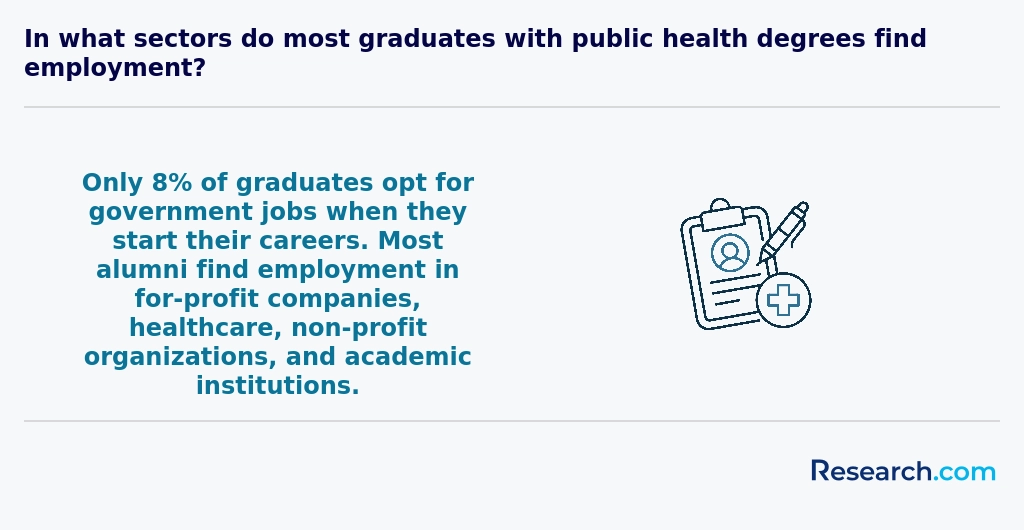
Graduates with a public health degree in Washington find diverse career paths across government agencies, hospitals, research institutions, and community organizations. Many pursue roles within state and local health departments, such as the Washington State Department of Health, where they implement disease prevention programs and monitor public health trends. Jobs with public health degree Washington also extend into research at renowned institutions like the University of Washington and Fred Hutchinson Cancer Research Center, where graduates engage in biostatistics and innovative health data analysis. Others take on roles in healthcare administration or community health education, addressing public health needs in underserved populations. The vibrant public health landscape in Washington allows graduates to work on real challenges such as pollution control and health literacy promotion.
Graduates from Washington's universities often share how their education equipped them to advance quickly in public health careers, emphasizing the rewarding nature of improving community well-being. For those looking to expand options, pursuing fast online degrees for working adults enhances both skills and job prospects in this growing field.
The public health job outlook Washington offers is notably robust, driven by a growing demand for professionals skilled in addressing community health challenges. Graduates find strong employment opportunities in government agencies, nonprofits, healthcare institutions, and private sectors, particularly those focused on health consulting and environmental safety. For example, graduates from universities like the University of Washington frequently engage in internships and positions within local health departments, gaining valuable hands-on experience that enhances their career prospects.
Washington's competitive salaries, with a median annual wage around $73,000, reflect the state's higher cost of living and make it an attractive location for public health professionals. Recent graduates often report positive career trajectories supported by connections between academic programs and public health organizations in the region. Financial considerations remain important, but with a range of tuition costs and available scholarships, many find public health degrees affordable and worthwhile.
Students exploring options might also consider the easiest master degree to get as a pathway to quickly enter this expanding field and secure meaningful employment.
2027 Most Popular Public Health Degree Programs Ranking in Washington
Investing in your education is a significant decision that can shape your future, and the Research.com team understands the importance of making informed choices. To assist prospective students, we have meticulously crafted the "2027 Most Popular Public Health Degree Programs Ranking in Washington." Our commitment to quality, credibility, and accuracy is reflected in the extensive research and careful analysis undertaken to compile this ranking.
We utilized the following reputable data sources to ensure a comprehensive evaluation of public health degree programs:
By exploring this ranking, readers will gain valuable insights into the most popular public health degree programs in Washington, enabling them to make well-informed decisions about their educational paths. For more details on our methodology, please visit our Research.com methodology page.


Frequently Asked Questions About public health
Students pursuing public health degrees in Washington can enhance their learning by engaging actively with local health agencies and community organizations. Washington State offers numerous internship opportunities through partnerships with the Department of Health and regional public health districts, giving hands-on experience with real-world health challenges.
Attending seminars and workshops led by professionals from Seattle's thriving biotech and public health sectors also enriches student knowledge. According to the Washington State Board for Community and Technical Colleges, public health degrees grew 12% from 2019 to 2023, highlighting a competitive but resource-rich environment.
Networking with peers and professionals via state health conferences can open doors to mentorship and research projects aligned with regional health priorities like infectious disease control and environmental health.
The public health field in Washington is evolving rapidly, with emerging niches that reflect current health challenges and technological advances. One key area is health informatics, which combines data science and public health to improve health outcomes. Washington's growing tech sector supports this niche, making it a promising path for graduates.
Another emerging specialty is environmental health, addressing issues like air quality and water safety-both critical in Washington due to its urban-industrial areas and natural ecosystems. The state's Department of Health highlights a rising demand for experts who can tackle these challenges.
Global health and health equity also gain importance as the population diversifies and health disparities become more evident.
Preparing for the job market after earning a public health degree in Washington involves strategic steps. Gaining relevant experience through internships or practicum placements, often required in degree programs, helps build practical skills. Washington's public health sector offers opportunities in state and local health departments, nonprofits, and private organizations.
Networking is crucial; attending events such as those hosted by the Washington Public Health Association connects students with professionals. According to the Washington State Employment Security Department, demand for health educators and community health workers is expected to grow by 8% through 2030, indicating good job prospects.
Certification, such as the Certified Health Education Specialist (CHES), can enhance employability by demonstrating expertise and commitment to the field.
Employers in Washington value public health graduates who demonstrate strong analytical skills. These include the ability to interpret health data and apply it to real-world community issues. Proficiency in statistical software and data visualization tools is often required, reflecting trends reported by the Washington State Department of Health.
Communication skills are essential. Graduates must effectively convey public health information to diverse audiences, including policymakers and the public. This includes both written and verbal communication abilities.
Additionally, leadership and collaboration are highly sought after. Candidates who can manage projects and work well in multidisciplinary teams have an advantage in securing roles within Washington's growing public health sector.
A focus on cultural competency is also crucial, given the state's diverse population and the need for equitable health solutions.
Finding internships in Washington relevant to public health degrees involves leveraging local resources and institutional connections. Students should start by exploring partnerships that universities often maintain with public health organizations, such as the Washington State Department of Health and local health districts.
Many public health programs require or recommend internships, which can provide access to roles in government agencies, non-profits, and healthcare providers focused on areas like disease prevention and community health.
Washington offers numerous internship opportunities due to its strong public health infrastructure; for example, the state reported over 17,000 public health employees in 2023 (National Association of County and City Health Officials).
Utilizing online platforms like Handshake and contacting local chapters of professional groups such as the American Public Health Association can broaden a student's reach. Additionally, attending statewide public health career fairs and networking events can be essential in securing competitive internships.
In Washington, earning a public health degree significantly enhances career mobility and advancement opportunities within the expanding health sector. According to the Washington State Department of Health, the demand for public health professionals is projected to grow by 15% over the next decade, outpacing many other fields.
Graduates with a public health degree often qualify for roles in government agencies, non-profits, and healthcare organizations, where advanced skills in epidemiology, health policy, and community health are prized. Professionals with master's degrees in public health (MPH) are increasingly preferred for leadership and specialized positions.
Additionally, regional employers such as the Seattle-King County Public Health Department emphasize the value of formal education in public health for career progression, citing higher salaries and leadership track eligibility for degree holders.
Studying for a public health degree in Washington equips students with skills needed for interdisciplinary roles by emphasizing collaboration across diverse fields like epidemiology, health policy, environmental science, and social work. Washington's programs often integrate practical experience with local health organizations, leveraging the state's strong public health infrastructure supported by the Washington State Department of Health.
Students learn to analyze complex health issues, incorporating data from biology, statistics, and behavioral sciences. Programs also emphasize communication and leadership, preparing graduates to work effectively with professionals from medicine, government, and nonprofits.
According to the Association of Schools and Programs of Public Health, Washington ranks among states with increasing public health employment, showing demand for versatile graduates.
When choosing between a thesis and a non-thesis public health degree program in Washington, students should consider their career goals and learning preferences. A thesis option typically requires independent research, which suits those interested in pursuing doctoral studies or research-intensive careers. Non-thesis programs often focus on practical skills and may include internships, appealing to professionals aiming to enter or advance in public health practice.
Washington State University and the University of Washington offer both options, with the UW School of Public Health reporting a 20% higher research activity in thesis tracks (source: UW Institutional Research, 2023). Cost and program length can also vary, with thesis programs sometimes requiring more time to complete.
Students based in Washington who wish to study public health abroad have several pathways to consider. Many Washington universities, such as the University of Washington, offer study abroad programs or global health partnerships that allow students to earn credits while gaining international experience. These programs often include placements in countries with varied public health challenges, providing valuable real-world exposure.
Additionally, students may explore exchange agreements that facilitate enrollment in accredited foreign institutions specializing in public health. This approach can broaden cultural understanding and global perspectives essential for the public health field. According to the Association of Schools and Programs of Public Health, international experience is increasingly valued in public health careers.
In Washington, part-time job opportunities can significantly enhance the education of public health degree students. Roles such as community health workers, health educators, and research assistants are commonly available at local health departments, non-profits, and universities.
Washington State Department of Health often hires part-time workers to support public health initiatives, offering hands-on experience in epidemiology and health promotion. Additionally, organizations like the University of Washington provide research assistant positions where students can engage in ongoing public health projects.
These jobs allow students to apply classroom knowledge in real-world settings, build professional networks, and improve skills in data collection, health communication, and community outreach. According to the U.S. Bureau of Labor Statistics, Washington is projected to grow over 13% in health education occupations through 2030, suggesting strong job availability.
Washington offers robust networking opportunities for public health students through universities, professional organizations, and local events. Institutions like the University of Washington provide access to public health seminars, guest lectures, and research symposiums featuring leading experts. The Washington Public Health Association (WPHA) is a key resource, hosting annual conferences and workshops that connect students with professionals across the state.
Students can also engage with regional chapters of national groups such as the American Public Health Association (APHA), which organize networking events and volunteer opportunities. These platforms foster connections that can lead to internships and job placements within Washington's evolving public health landscape.
According to the Washington State Department of Health, collaboration opportunities have increased due to statewide initiatives addressing opioid misuse and infectious disease control, providing practical experiences alongside networking benefits.
Alumni networks provide valuable support to public health degree students in Washington by offering mentorship and career guidance. Many universities in the state, including the University of Washington, have active alumni groups that connect current students with experienced professionals in public health fields.
These connections can lead to internship opportunities, job referrals, and insights into local public health challenges, which are crucial given Washington's diverse population and evolving health needs. According to the Washington State Department of Health, collaborative networks help address issues like infectious disease control and health equity.
Networking through alumni also helps students stay informed about industry trends and funding opportunities in the public health sector across the Pacific Northwest.
In Washington, public health degree programs offer several ways to tailor your education to your career goals. Many universities provide a variety of concentration areas such as epidemiology, health policy, environmental health, and community health promotion. This flexibility allows students to specialize in fields aligned with workforce demands and personal interests.
Students can often choose between practical internships and research projects, enhancing skills relevant to public health agencies or nonprofit organizations. According to the Washington State Board of Health, public health workforce needs are growing fastest in data analysis and health equity roles, which influences program offerings.
Additionally, part-time and online options enable working professionals to balance career advancement with education, meeting unique scheduling needs. Selecting electives based on emerging health challenges like opioid addiction or COVID-19 response helps ensure your training stays relevant in local and national public health contexts.
Public health students in Washington face several challenges as they pursue their degrees. One common issue is balancing rigorous coursework with practical fieldwork, especially in urban centers like Seattle where many public health initiatives occur. According to the Washington State Department of Health, identifying and addressing the state's diverse population health needs requires strong community engagement skills, which can be demanding for students.
Financial constraints also affect many students, as tuition rates for public health programs have steadily increased over recent years. Additionally, navigating internship placements in competitive healthcare settings can pose difficulties. Students must also stay current with evolving public health policies impacting Washington, such as those related to opioid use and infectious disease control.
With a public health degree in Washington, graduates can pursue several recognized professional certifications to boost their careers. The most common certification is the Certified in Public Health (CPH) credential, offered by the National Board of Public Health Examiners. This certification demonstrates a broad knowledge of public health practices and is valued nationwide.
Another important certification is the Registered Environmental Health Specialist (REHS), which is relevant for those focusing on environmental health within Washington's diverse ecosystems. Additionally, certifications like Certified Health Education Specialist (CHES) are popular for professionals involved in health promotion and education.
According to the Washington State Department of Health, demand for certified public health professionals continues to grow, supporting job opportunities in government agencies and NGOs.
To write a winning application for a public health program in Washington, start by thoroughly researching each university's specific requirements and focus areas. Many programs, such as those at the University of Washington, emphasize experience in community health or epidemiology, so tailor your personal statement to highlight relevant skills and goals.
Clearly demonstrate your commitment to improving health outcomes in Washington, referencing local public health challenges like infectious disease prevention or rural health disparities, as documented by the Washington State Department of Health.
Strong letters of recommendation from professionals familiar with your academic or healthcare background also enhance your application. Lastly, ensure your resume reflects any volunteer or work experience in public health settings, as practical experience is highly valued in competitive Washington programs.
Public health careers in Washington offer valuable insights into global health challenges and solutions. Students gain knowledge about worldwide disease prevention, health policy, and equity issues through curricula aligned with international standards. According to the Council on Education for Public Health (CEPH), many Washington public health programs incorporate global health modules to prepare graduates for diverse career paths.
Globally, public health professionals are essential in managing pandemics, improving sanitation, and addressing non-communicable diseases. Washington's location on the West Coast provides access to global health organizations and partnerships that broaden student experience and employability.
Data from the Washington State Department of Health highlights increasing demand for public health practitioners skilled in global perspectives, reflecting broader U.S. trends. This context presents strong career opportunities for graduates seeking roles locally or internationally.
Gaining practical experience while pursuing a public health degree in Washington enhances both learning and career prospects. Many universities in the state offer internship opportunities through partnerships with local health departments, hospitals, and community organizations. For example, students can intern with the Washington State Department of Health, gaining firsthand exposure to public health policies and programs.
Additionally, service-learning projects embedded in coursework allow students to work directly with underserved populations, addressing real community health challenges. According to the Association of Schools and Programs of Public Health, internships and practicums are often required for graduation, ensuring students graduate career-ready.
Volunteering with nonprofits focused on public health also builds valuable skills and networks in Washington's diverse communities.
Choosing the right concentration within a public health degree program in Washington depends on your career goals and local health priorities. Washington State faces diverse public health challenges such as infectious diseases, environmental health issues, and health equity concerns, influencing concentration popularity.
Popular options include epidemiology, environmental health, health policy, and community health education. Epidemiology focuses on disease patterns, aligning with the state's ongoing efforts to combat COVID-19 and other infectious outbreaks, as reported by the Washington State Department of Health.
Consider workforce demand too: the Washington State Employment Security Department projects a 16% growth for health educators and community health workers by 2030, highlighting these fields' relevance.
Review program curriculum and internship opportunities in Washington to ensure practical experience within local public health systems.
- 2027 Most Popular Public Health Degree Programs Ranking in Idaho
- 2027 Most Popular Public Health Degree Programs Ranking in California
- 2027 Most Popular Public Health Degree Programs Ranking in Arizona
- 2027 Most Popular Public Health Degree Programs Ranking in Nebraska
- 2027 Most Popular Public Health Degree Programs Ranking in Oklahoma
- 2027 Most Popular Public Health Degree Programs Ranking in Minnesota
- 2027 Most Popular Public Health Degree Programs Ranking in Iowa
- 2027 Most Popular Public Health Degree Programs Ranking in Missouri
- 2027 Most Popular Public Health Degree Programs Ranking in Arkansas
- 2027 Most Popular Public Health Degree Programs Ranking in Louisiana
- Public Health/Global perspective - Wikiversity https://en.wikiversity.org/wiki/Public_Health/Global_perspective
- How to Get Your First Public Health Job - PHERN https://phern.communitycommons.org/early-career-professional-learning-series/how-to-get-your-first-public-health-job/
- Top 15 Places to Look For M.P.H. Jobs - Benedictine University Online https://online.ben.edu/programs/public-health/mph/resources/top-places-to-find-mph-jobs/
- Loading https://www.cpalms.org/PreviewResourceStudentTutorial/Preview/166485
- Letter of Intent for Admissions to Masters of Public Health - how this program fits to my goals? https://essayforum.com/graduate/intent-admissions-masters-public-health-64817/
- GWU BS Public Health Program Guide 2026: Curriculum,... https://www.libertify.com/universities/gwu-bs-public-health-program-2/
- Areas in Public Health https://www.publichealthcareers.org/areas-in-public-health.html
- Public Health - SUM Admission https://admission.sum.edu.pl/public-health/
- How to Be a Good Candidate for a Public Health Job https://www.publichealthdegrees.org/careers/highest-paid-public-health-jobs/good-candidate/
- How to carve a niche in your public health career | PH SPOT https://phspot.org/carvinganiche/











