2027 Public Health Degree Career Mobility Report: Which Paths Create the Best Promotion and Leadership Potential

Co-Founder and Chief Data Scientist
Choosing a public health career path is really a mobility decision: which role can move you from entry-level work into influence, management, or executive leadership? The stakes are high because the U. S. Bureau of Labor Statistics projects medical and health services manager employment to grow 29% from 2023 to 2033, far faster than average.
This report is for public health students, recent graduates, and working professionals comparing roles in epidemiology, health education, policy, analytics, program management, and healthcare administration so they can choose paths with stronger promotion ladders and fewer advancement dead ends.
Key Things You Should Know
- The strongest promotion pipelines for public health graduates usually start in analytics, epidemiology, program coordination, healthcare quality, or policy operations because these roles create measurable outcomes that can support advancement into manager, director, or executive roles.
- Leadership mobility is strongest where public health work connects to budgets, compliance, population health strategy, grants, operations, or data-driven decision-making; BLS reports a May 2024 median wage of $117,960 for medical and health services managers, showing the pay premium attached to management responsibility.
- Specialist tracks can pay well, but promotion often depends on technical depth; graduates who want leadership should deliberately build supervision, finance, communication, project management, and stakeholder-management skills within their first three to five years.
- What Does Career Mobility Look Like for Public Health Degree Graduates?
- Which Entry-Level Public Health Degree Jobs Create the Strongest Promotion Pipeline?
What Does Career Mobility Look Like for Public Health Degree Graduates?
Career mobility means the ability to move into roles with higher responsibility, higher pay, broader influence, or stronger job security. For public health degree graduates, mobility is not limited to promotions inside one agency. It can include moving from a nonprofit to a health system, from local government to consulting, from program delivery to policy leadership, or from technical analysis to executive strategy.
Promotion potential refers to how clearly an entry-level role leads to more senior titles. Leadership pathways describe the steps from contributor roles into supervisor, manager, director, vice president, chief public health officer, or similar decision-making positions. The best public health paths combine three things: visible results, transferable skills, and exposure to decision-makers.
The table below compares common public health career tracks by how they typically support advancement. Use it to separate paths that are good for early experience from paths that are more likely to create management or executive options later.
| Career track | Common starting roles | Typical advancement route | Leadership mobility | Best fit |
| Epidemiology and surveillance | Research assistant, surveillance analyst, epidemiology associate | Epidemiologist, senior epidemiologist, surveillance manager, director of epidemiology | Strong for technical leadership; strongest management mobility with MPH, analytics, and communication experience | Graduates who like data, outbreaks, disease trends, and evidence-based decisions |
| Public health program management | Program assistant, program coordinator, outreach coordinator | Program manager, grant manager, director of programs, executive director | Very strong when roles include budgets, staff, partnerships, and measurable outcomes | Graduates who want people leadership and community impact |
| Healthcare administration and population health | Quality coordinator, population health analyst, care management coordinator | Operations manager, quality manager, service line director, population health executive | Very strong because health systems have formal management layers | Graduates interested in healthcare operations, quality, and strategy |
| Health policy and advocacy | Policy assistant, legislative aide, research associate | Policy analyst, senior policy manager, advocacy director, government affairs leader | Strong, but often depends on networking, writing, and institutional knowledge | Graduates interested in law, regulation, government, and systems change |
| Community health education | Health educator, community health worker, prevention specialist | Lead educator, outreach manager, health promotion director | Moderate to strong; leadership improves when the role includes program design and evaluation | Graduates who enjoy direct community engagement and behavior-change work |
| Biostatistics, informatics, and analytics | Data analyst, research analyst, informatics assistant | Senior analyst, analytics manager, informatics director, chief data or population health analytics role | Strong for technical and strategic leadership; people management may require deliberate development | Graduates who want high-demand technical skills and cross-industry mobility |
The practical takeaway is that public health graduates should not judge mobility by title alone. A "coordinator" job with budgeting, reporting, and partner-management duties may create more promotion potential than a more impressive title with narrow, repetitive tasks.
Which Entry-Level Public Health Degree Jobs Create the Strongest Promotion Pipeline?
The strongest entry-level public health jobs are not always the highest-paying first jobs. The best starting points are roles that teach you how public health decisions are funded, measured, implemented, and reported. Those responsibilities make your work easier to translate into promotion evidence.
For many graduates, the best early-career roles fall into a few promotion-friendly categories. These starting points matter because they put you close to data, operations, grants, or population-level outcomes rather than only task execution.
- Program coordinator: Strong pipeline to program manager when the role includes timelines, budgets, vendors, community partners, staff scheduling, and grant reporting.
- Public health analyst or research analyst: Strong pipeline to senior analyst, evaluation manager, or policy analyst when the role includes dashboards, reports, statistical software, and recommendations to leadership.
- Epidemiology assistant or surveillance analyst: Strong pipeline to epidemiologist or surveillance lead when the role includes data cleaning, case investigation, outbreak reporting, and interpretation of disease trends.
- Quality improvement coordinator: Strong pipeline to healthcare quality manager or population health manager because the work connects directly to performance metrics, compliance, and operational improvement.
- Community health educator: Good pipeline to outreach manager or health promotion director when the role includes curriculum design, evaluation, partnership development, and supervision of volunteers or field staff.
BLS lists a May 2024 median wage of $83,980 for epidemiologists, which signals a stronger earnings ceiling than many general outreach roles. However, epidemiology advancement often depends on graduate training, data fluency, and the ability to explain findings to nontechnical leaders.
Public health graduates sometimes compare these roles with more clinical routes, especially if they want faster access to patient-facing work. Someone deciding between community health work and nursing support roles may also research accelerated LPN programs, but the mobility logic is different: public health roles usually advance through population-level planning and program leadership, while LPN pathways advance through clinical licensure and nursing ladders.
The common mistake is choosing the first job only by starting salary. A role that pays slightly less but gives you grant reporting, data analysis, supervisor exposure, and cross-functional meetings may create a better three-year promotion case than a higher-paying role with no upward ladder.
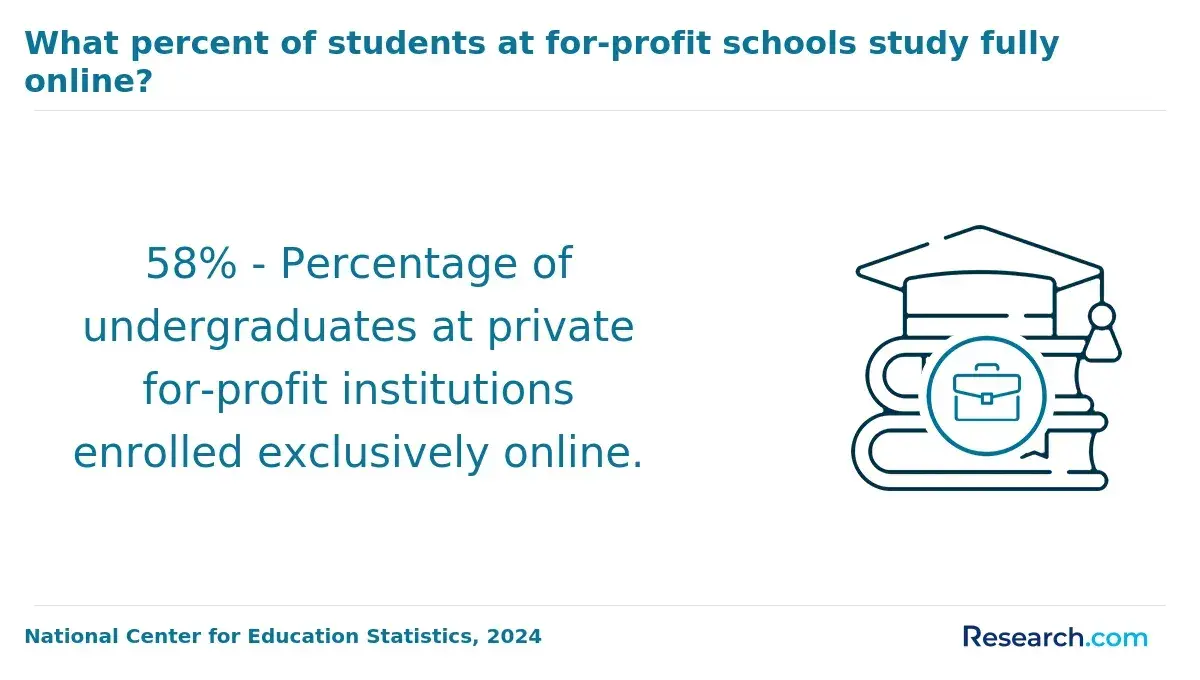
The best route to management and executive leadership usually runs through roles where public health work intersects with operations. Leaders are promoted not only because they understand health problems, but because they can manage people, money, risk, partnerships, timelines, and performance.
The most leadership-friendly paths tend to share one pattern: they move from technical or program work into responsibility for systems. The table below shows how several tracks can develop into management or executive roles.
| Path | Early career | Mid-career promotion | Senior leadership destination | Key leadership requirement |
| Program management | Program coordinator | Program manager or grant manager | Director of programs or executive director | Budget ownership and staff supervision |
| Healthcare quality and population health | Quality coordinator or population health analyst | Quality manager or population health manager | Director of quality, chief population health officer, operations executive | Performance improvement and regulatory fluency |
| Epidemiology | Surveillance analyst | Senior epidemiologist or epidemiology manager | Director of epidemiology or public health officer | Technical credibility plus public communication |
| Policy | Policy assistant or research associate | Policy manager or government affairs manager | Advocacy director, policy director, agency leader | Writing, negotiation, and stakeholder trust |
| Analytics and informatics | Data analyst | Analytics manager or informatics manager | Director of analytics or chief data strategy role | Turning data into decisions and leading technical teams |
Healthcare administration and population health often offer the clearest management structure because hospitals, insurers, integrated delivery networks, and public agencies typically have coordinator, manager, director, and executive layers. That structure makes promotion criteria easier to identify than in small nonprofits where one person may perform many duties but have limited title progression.
Management is not the right goal for everyone. Public health professionals who prefer deep technical work may build stronger careers as senior epidemiologists, biostatisticians, evaluation specialists, or informatics experts. The trade-off is that specialist tracks may offer strong pay and influence but fewer people-management titles unless the professional intentionally develops leadership credentials and supervisory experience.
Promotions in public health often go to people who can translate mission into measurable results. Technical knowledge helps you enter the field, but advancement usually requires a broader skill set that proves you can manage complexity.
The skills below are especially important because they help public health graduates move from "doing the work" to leading the work. They also make it easier to switch employers when internal promotion is slow.
- Data interpretation: Know how to read trends, evaluate program outcomes, question assumptions, and explain what the numbers mean for action.
- Project management: Build the ability to manage timelines, deliverables, vendors, reporting cycles, and competing priorities.
- Budget and grant literacy: Understand how funding decisions are made, how grants are reported, and how leaders evaluate financial sustainability.
- Communication for nontechnical audiences: Practice writing briefs, presenting findings, and turning complex evidence into clear recommendations.
- People leadership: Seek chances to train interns, coordinate volunteers, lead workgroups, or supervise small teams before applying for manager roles.
- Policy and regulatory awareness: Learn the rules that shape public health programs, healthcare quality, privacy, emergency response, and reimbursement.
- Technology fluency: Gain comfort with dashboards, statistical tools, electronic health record data, GIS tools, and AI-assisted workflow review where appropriate.
AI and automation are changing the public health skill mix, especially in analytics, surveillance, literature review, documentation, and reporting. The promotion advantage will not come from using tools blindly; it will come from validating outputs, protecting privacy, recognizing bias, and explaining results responsibly.
Public health graduates who want stronger analytics mobility may also explore adjacent data-heavy fields. A guide on what can you do with a bioinformatics degree can help readers understand how health data, genomics, informatics, and research analytics connect to technical leadership pathways.
A common promotion mistake is waiting for a manager title before practicing leadership. If your current role has no direct reports, lead a dashboard redesign, chair a workgroup, mentor a new hire, or manage a reporting calendar. Those experiences create evidence you can use in performance reviews and interviews.
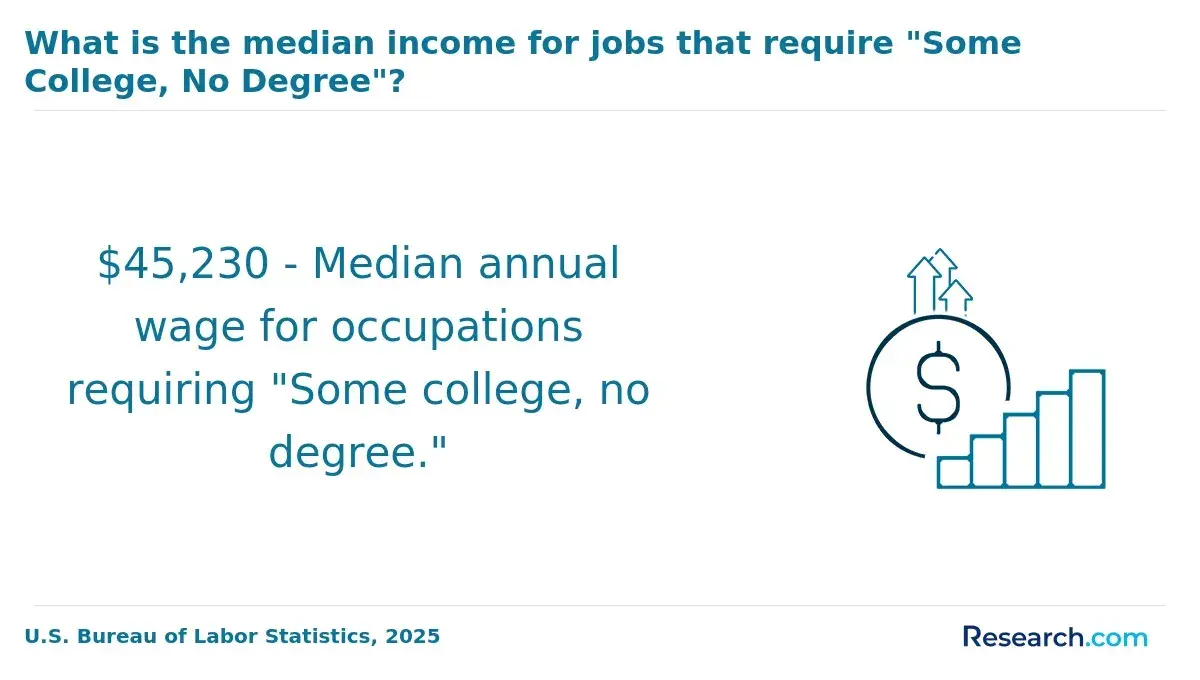
Advanced degrees and certifications can improve leadership potential, but they work best when matched to a specific career goal. A credential should solve a mobility problem: lack of technical depth, lack of management preparation, lack of credibility with healthcare leaders, or lack of eligibility for senior roles.
For many public health graduates, the Master of Public Health is the most flexible leadership credential. It can support advancement in epidemiology, policy, health promotion, global health, community health, and program leadership. However, an MPH is not automatically the best next step if your target role is healthcare operations, data science, clinical leadership, or finance.
The table below summarizes common education and certification options by the type of mobility they can support. Use it to avoid paying for a credential that does not match the promotion path you actually want.
| Credential or degree | Best for | Leadership value | Important limitation |
| MPH | Epidemiology, policy, program leadership, community health, prevention | Strong public health credibility and broad leadership preparation | Value depends on concentration, field experience, and employer recognition |
| MHA or MBA | Healthcare administration, operations, finance, strategy | Strong for management roles in health systems, insurers, and consulting | May be less focused on community health or epidemiology methods |
| Biostatistics, informatics, or data science graduate degree | Analytics leadership, research, informatics, real-world evidence | Strong technical authority and cross-sector mobility | People-management skills may still need separate development |
| CHES or MCHES | Health education and health promotion | Useful for credibility in health education leadership | May not carry the same weight for operations or analytics roles |
| CPH | Broad public health professional credibility | Signals core public health knowledge across domains | Not a substitute for role-specific experience |
| PMP or project management certification | Program management, consulting, implementation, grants | Strong evidence of execution and delivery skills | Most valuable when paired with real project leadership |
BLS reports a May 2024 median wage of $101,190 for management analysts, a role family that includes many consulting and organizational improvement positions. That benchmark helps explain why public health professionals with evaluation, workflow improvement, and project-management skills may find strong mobility outside traditional health department roles.
Some public health professionals move toward pharmaceutical policy, medication safety, managed care, or population health pharmacy partnerships. Those considering a clinical doctorate for that direction may compare online PharmD programs, but they should be clear that a PharmD is a clinical credential, not a general public health management shortcut.
The best rule is to choose credentials backward from your target job postings. If five senior roles you want consistently mention MPH, MHA, SQL, PMP, grant management, or supervisory experience, that is stronger evidence than a vague belief that "more school" will lead to promotion.
The best mix of pay growth and promotion potential usually appears where public health skills intersect with management, analytics, healthcare operations, or regulated industries. Community-facing paths can be deeply meaningful and can lead to leadership, but salary growth often depends on funding structure and whether the role expands into program ownership.
The table below compares public health paths by promotion and pay-growth profile. It is not a guarantee of individual outcomes; it is a decision tool for comparing how the labor market typically values each type of responsibility.
| Career path | Pay-growth potential | Promotion potential | Why it can advance | Best strategy |
| Healthcare quality and population health | High | High | Direct connection to operations, compliance, outcomes, and cost control | Build quality improvement, dashboard, and stakeholder-management skills |
| Analytics, informatics, and biostatistics | High | High for technical leadership; moderate to high for people management | Employers need evidence-based decisions and data infrastructure | Pair technical skills with presentation and team leadership |
| Epidemiology | Moderate to high | Strong in agencies, research centers, and health systems | Disease surveillance and outbreak response require specialized expertise | Add communication, grant, and supervisory experience |
| Program and grant management | Moderate to high | High | Programs need leaders who can manage people, partners, budgets, and outcomes | Document measurable results and budget responsibility |
| Health policy and advocacy | Moderate to high | Strong but network-dependent | Organizations need leaders who can influence rules, funding, and public decisions | Build writing samples, legislative knowledge, and coalition experience |
| Health education and community outreach | Moderate | Moderate to strong | Promotion improves when education work expands into program design and evaluation | Move toward supervision, curriculum strategy, and evaluation |
BLS reports a May 2024 median wage of $112,590 for data scientists, which is useful context for public health graduates considering informatics or analytics-heavy mobility. The lesson is not that every public health graduate should become a data scientist; it is that quantitative skills can increase bargaining power and open doors beyond traditional public health job families.
If your priority is rapid pay growth, analytics, consulting, managed care, healthcare quality, and private-sector outcomes research may offer stronger leverage. If your priority is mission, community impact, and public-sector influence, government, nonprofits, and health education leadership may be a better fit, even if pay growth is more gradual.
Internal promotion and changing employers can both improve career mobility, but they work under different conditions. Internal promotion is often best when your organization has clear ladders, managers who sponsor talent, and expanding programs. Changing employers is often better when your role has become narrow, your title has stalled, or your organization lacks budget for advancement.
Before deciding, compare the evidence you have inside your current workplace with the opportunities available outside it. The most important question is whether staying will give you new responsibility within a reasonable timeframe.
- Choose internal promotion when: your manager can name the next role, explain the promotion criteria, assign stretch projects, and connect your work to leadership priorities.
- Consider changing employers when: promotions depend on someone leaving, salary bands are rigid, or you have outgrown the technical scope of the job.
- Use lateral moves strategically when: a sideways move gives you budget exposure, supervisory duties, analytics tools, policy experience, or access to a stronger leadership track.
- Avoid moving only for title inflation when: the new role sounds senior but does not include broader decision-making, staff oversight, measurable deliverables, or executive visibility.
A practical benchmark is the 18-to-24-month responsibility test. If you have not gained a major new responsibility, project, skill, or decision-making role within that window, it may be time to discuss a formal development plan or explore external options.
Changing employers can accelerate pay and responsibility, but it also carries risk. Public health work depends heavily on trust, community relationships, institutional knowledge, and grant cycles. Moving too often without building durable accomplishments can make a resume look broad but shallow.
Promotion barriers in public health are often structural, not personal. Funding cycles, civil service rules, grant restrictions, small teams, and credential requirements can limit advancement even for strong performers. Recognizing those barriers early helps you avoid career stagnation.
The most common mobility mistakes are preventable. The list below shows red flags and the better alternative for each one.
- Mistake: choosing a role without checking the next two titles. Better approach: ask recruiters or managers what the typical promotion path looks like and how often people actually move up.
- Mistake: focusing only on starting salary. Better approach: compare salary growth, management layers, training access, and whether the role builds transferable evidence.
- Mistake: assuming every manager title means real leadership. Better approach: verify whether the role includes budget authority, staff supervision, strategy, and performance accountability.
- Mistake: staying too long in narrow outreach or data-entry work. Better approach: seek program design, evaluation, reporting, or lead responsibilities before the role becomes repetitive.
- Mistake: pursuing graduate school without a target role. Better approach: identify the credential, concentration, or certification repeatedly requested in job postings you actually want.
- Mistake: ignoring organizational culture. Better approach: look for employers that promote internally, fund training, assign stretch projects, and make leadership criteria transparent.
Another barrier is the specialist-to-manager transition. A strong epidemiologist, analyst, or educator may be excellent technically but still be passed over for management if they have not shown coaching, conflict resolution, budgeting, and executive communication skills.
Equity also matters. Public health organizations increasingly discuss workforce diversity and community representation, but access to sponsorship, leadership networks, and high-visibility assignments can still vary by workplace. Professionals should look for mentors, employee resource groups, transparent promotion criteria, and managers who actively share opportunities.
A five-year promotion plan helps public health degree holders turn broad career goals into visible progress. The plan should identify your target track, the skills you need, the evidence you will collect, and the employer environments most likely to support your next move.
Use the following sequence to build a realistic plan. Each step is designed to create promotion evidence rather than simply add responsibilities to your workload.
- Choose a target direction: Decide whether you want technical leadership, program management, healthcare operations, policy leadership, analytics leadership, or executive administration.
- Map three target job postings: Save postings for roles one and two levels above your current position, then identify repeated skills, credentials, software, and responsibilities.
- Request stretch assignments: Ask for work that involves budgets, reporting, supervision, stakeholder presentations, quality improvement, evaluation, or grant deliverables.
- Build a promotion portfolio: Track outcomes such as programs launched, reports completed, dashboards improved, partners managed, funds supported, or processes redesigned.
- Develop leadership proof before the title: Train new staff, lead meetings, coordinate cross-functional projects, mentor interns, or manage a small implementation timeline.
- Review mobility every six months: Compare your current role against your target postings and decide whether to stay, negotiate, move laterally, or apply externally.
- Choose credentials selectively: Pursue an MPH, MHA, certification, or technical training only when it clearly supports the next role you want.
A strong five-year path might look like this: program coordinator in year one, program specialist or analyst in year two, program manager in years three or four, and senior manager or director-track role by year five. That timeline is not guaranteed, but it is more realistic when each job adds measurable responsibility.
The final decision should match your preferred kind of influence. If you want to shape strategy and manage teams, choose roles tied to budgets, operations, and supervision. If you want to influence evidence and methods, build a specialist track in epidemiology, informatics, or evaluation. If you want policy power, prioritize writing, coalitions, government processes, and stakeholder trust.
Employer choice can accelerate or slow career mobility as much as job title does. A public health graduate in a large health system may see a formal promotion ladder, while someone in a small nonprofit may gain broad responsibility faster but wait longer for a title change.
The table below compares major employer types by advancement potential. It is designed to help you evaluate not only where you can get hired, but where you can grow.
| Employer type | Advancement strengths | Mobility limitations | Best career move |
| Local and state health departments | Strong public health mission, epidemiology exposure, emergency preparedness, policy implementation | Promotions may depend on civil service rules, budgets, and vacancy timing | Build technical credibility, then pursue lead analyst, supervisor, or program manager roles |
| Hospitals and health systems | Clear management layers, quality metrics, compliance needs, population health investment | May require healthcare operations knowledge and comfort with clinical stakeholders | Move toward quality, population health, care coordination, or performance improvement |
| Nonprofits and community organizations | Fast responsibility, grant experience, community partnerships, broad program exposure | Smaller teams can limit formal promotions and salary growth | Use broad experience to move into program manager or director roles |
| Consulting firms and contractors | Project variety, client exposure, analytics, policy, and evaluation experience | Workload can be demanding, and promotion depends on client value and business development | Develop a specialty and document measurable project results |
| Pharmaceutical, biotech, and managed care organizations | Strong pay potential, outcomes research, market access, pharmacovigilance, real-world evidence | May favor advanced quantitative, clinical, or regulatory experience | Build analytics, compliance, and cross-functional communication skills |
| Universities and research centers | Research credibility, grant writing, publications, methods training | Leadership advancement may require advanced degrees and long timelines | Use research experience to move into evaluation, epidemiology, or policy leadership |
BLS reports a May 2024 median wage of $78,240 for social and community service managers, a useful benchmark for nonprofit and community-facing management roles. This figure helps graduates understand that mission-driven leadership can offer advancement, but pay growth may differ from healthcare administration, consulting, or private-sector analytics.
Public health also overlaps with wellness, prevention, and human performance. Graduates interested in workplace health promotion or chronic disease prevention may find that exercise science degrees support adjacent career goals, especially when paired with population health, health coaching, or program evaluation experience.
The best employer for mobility depends on your goal. Choose a government agency if you want public-sector credibility and population-level responsibility. Choose a health system if you want management layers and operational promotion ladders. Choose consulting or managed care if you want faster skill diversification and are comfortable with performance pressure.
Other Things You Should Know About Public Health
Program management, healthcare quality, population health, analytics, informatics, and epidemiology usually offer the strongest promotion potential. These paths connect public health work to measurable outcomes, budgets, data, compliance, or operations, which makes advancement easier to justify.
Yes, but executive leadership usually requires more than public health knowledge. Professionals typically need experience managing people, budgets, partnerships, strategy, risk, and performance. Advanced degrees such as an MPH, MHA, or MBA may help when they align with the target role.
It depends on your long-term goal. Community health is a strong fit for people who want outreach, health education, and program leadership. Analytics is often better for those seeking technical mobility, informatics, evaluation, consulting, or data-driven leadership roles.
Timelines vary by employer, funding, credentials, and performance. Many professionals need several years to build the required evidence, but advancement can be faster when an early role includes project ownership, reporting, stakeholder management, and supervision experience.
- 5 Growing Areas Within Public Health - Healthcare Management Degree Guide https://www.healthcare-management-degree.net/list-articles/5-growing-areas-within-public-health/
- What Are the Challenges Faced by Leaders in Public Health Today? - Legal Reader https://www.legalreader.com/what-are-the-challenges-faced-by-leaders-in-public-health-today/
- 6 Growth Opportunities for Continuing Professional Development in Healthcare https://www.workforceedge.com/blog/healthcare-staff-career-growth-strategies/
- The Emerging Role of Microcredentials in Higher Education: Advancing Public Health Learning and Beyond https://www.jbph.org/article/details/the-emerging-role-of-microcredentials-in-higher-education-advancing-public-health-learning-and-beyond
- 8 Top Reasons to Pursue a Degree in Public Health - RightPatient https://www.rightpatient.com/guest-blog-posts/8-top-reasons-to-pursue-a-degree-in-public-health/
- Experiences of Women Leaders in Healthcare Administration https://archhealthscires.org/index.php/pub/article/download/610/614
- Specializations https://www.publichealthdegrees.org/specializations/
- Effective Leadership in Public Health: Essential Skills https://publichealth.tulane.edu/blog/leadership-in-public-health/
- How Does the Public Health Workforce Compare with the ... https://debeaumont.org/resources/how-does-the-public-health-workforce-compare-with-the-broader-public-sector/