
2027 Most Valuable Public Health Degree Programs Ranking in West Virginia

Co-Founder and Chief Data Scientist
Choosing the right public health degree program can shape your future career and impact your community. This article presents the 2027 Most Valuable Public Health Degree Programs Ranking in West Virginia, created by the Research.com team of data scientists.
Designed to guide students like you, the ranking highlights programs that offer strong value and opportunities. Whether you're starting your educational journey or considering a change, this insight can help you make an informed decision.
Discover the benefits of pursuing public health and how the right program can open doors to meaningful work and growth.
Key benefits of getting public health degree in West Virginia
- Public health degree graduates in West Virginia can earn competitive salaries, such as a Health Educator making around $69,790 annually or an Occupational Health and Safety Specialist earning about $85,570 yearly, offering strong financial stability.
- Graduates often find diverse career paths, from Community Health Worker roles to Environmental Health Specialist positions, making it easy to find a job that fits your passion and skills.
- Choosing an online public health degree from a well-regarded West Virginia university offers flexibility and convenience, helping you balance studies with work or family while still accessing quality education.
- 2027 Most Valuable Public Health Degree Programs Ranking in West Virginia
- What can I expect from public health degree in West Virginia?
- Where can I work with public health degree in West Virginia?
What can I expect from public health degree in West Virginia?
The average cost of pursuing a public health degree in West Virginia can vary, but typically students attending institutions like West Virginia University (WVU) encounter tuition and fees ranging from approximately $9,000 to $15,000 per year for in-state students. Graduates often share how this investment felt manageable compared to out-of-state fees elsewhere, which makes staying in West Virginia not only practical but rewarding as they gain hands-on experience with local health challenges.
Many students describe the value they found beyond costs-engaging with real community health projects, internships with the West Virginia Department of Health, and opportunities to address rural health disparities firsthand. These experiences transform theoretical lessons into powerful skills that inspire confidence and purpose, helping graduates feel equipped to make a genuine difference in their communities.
Choosing a public health program here means combining affordable education with impactful training tailored to West Virginia's unique needs, creating the perfect foundation for a meaningful career in this vital field.
Where can I work with public health degree in West Virginia?
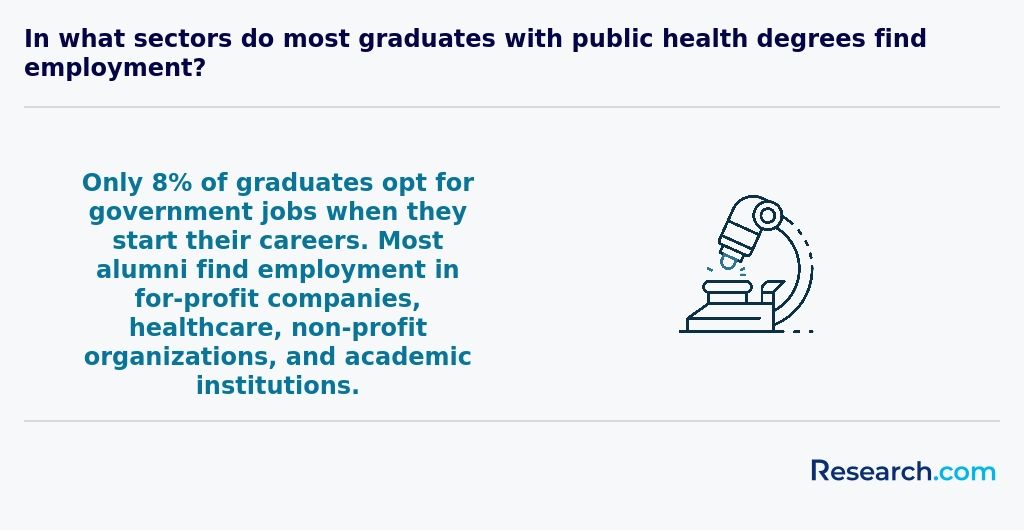
Graduates with a public health degree in West Virginia find rewarding careers waiting in places like the Department of Health and Human Resources (DHHR), where many alumni contribute directly to combating local challenges such as the opioid crisis and chronic diseases. Imagine a recent graduate from West Virginia University developing community outreach programs that genuinely change lives in rural counties-that's the kind of impact you can have here.
Hospitals across the state also welcome public health professionals as program coordinators and community health workers, roles that benefit especially from understanding rural healthcare systems. Non-profit organizations, often led by passionate public health grads, focus on causes from substance abuse prevention to maternal health, offering opportunities to create programs that secure funding and build stronger communities.
Public health graduates in West Virginia also thrive in academia, working at institutions like Marshall University, engaging in research that addresses local health disparities while guiding future professionals. These diverse paths make a public health degree a gateway to making a visible, meaningful difference close to home.
Graduates with public health degrees from institutions like West Virginia University often find rewarding career paths with salaries reflecting their dedication and expertise. For instance, community health workers in West Virginia earn a mean annual wage of about $52,610, making it a solid starting point for those passionate about making a difference at the grassroots level.
Health educators, another common role for graduates, see higher earnings, averaging around $69,790 annually. This reflects the value of effectively communicating health initiatives to diverse communities-something many grads from programs in Charleston and Morgantown experience firsthand during internships and fieldwork.
For those aiming at more specialized positions, environmental health specialists command even greater rewards, with mean salaries near $86,710. These roles allow graduates to tackle public health challenges head-on by influencing policies and improving living conditions statewide.
Remember, your experience and advanced training can push your earnings into these ranges. Graduates often feel proud knowing their efforts in managing community health or safety create real impact while earning competitive salaries that support fulfilling lifestyles right here in West Virginia.
- Undergraduate public health tuition in West Virginia ranges from $8,000 to $12,000 annually for in-state students.
- Graduate programs like the MPH cost between $12,000 and $20,000 per year for in-state students.
- Job growth for health educators and community health workers is projected at around 10% over the next decade.
- Entry-level public health salaries average about $43,000 annually, with mid-career incomes ranging from $55,000 to $70,000.
- Programs emphasize practical training with local health departments to address state-specific issues like substance abuse and rural health disparities.
Completing a public health degree in West Virginia is a rewarding journey that adapts to your pace and goals. Many undergraduates, particularly those attending West Virginia University, find that spending around four years full-time allows them to dive deeply into essential topics like epidemiology and health policy. Graduates often share how this solid foundation prepared them to make meaningful community impacts right after finishing their studies.
For those pursuing graduate degrees such as the Master of Public Health, the timeline varies but typically spans 1 to 2 years full-time. Some students who embraced accelerated programs in West Virginia completed their MPH in just 12 months, driven by passion and intense focus. Others chose part-time schedules, balancing work and study over three or more years, which provided flexibility and kept their careers moving forward.
Doctoral students in the state usually spend 3 to 5 years completing coursework, research, and dissertations. Graduates often speak about the rewarding challenge of integrating professional duties with their studies, growing both personally and academically while contributing to public health advancements in their communities.
Choosing between online and on-campus public health degrees in West Virginia comes down to your lifestyle and learning preferences. Online programs, like those offered through West Virginia University's digital platform, provide the freedom to study from home, perfect for working professionals balancing family and jobs. Graduates often mention how the flexibility allowed them to progress without sacrificing daily commitments, accessing lectures and discussions anytime.
On-campus programs, however, immerse you in a vibrant academic community. Students at schools like Marshall University often highlight the value of face-to-face interactions with professors and classmates, which fosters deeper connections and hands-on experiences. Being physically present on campus opens doors to internships with local health departments and community projects, crucial for those who thrive in active, collaborative environments.
Both paths maintain rigorous academic standards, but the choice depends on whether you value flexibility or the energy of in-person engagement. Either way, West Virginia's affordable tuition and strong local partnerships create excellent opportunities to launch a meaningful public health career.
Pursuing professional certifications and ongoing education can significantly enhance your Public Health credentials in West Virginia, ensuring you stay competitive and up to date with industry best practices. One of the most respected credentials is the Certified in Public Health (CPH) exam administered by the National Board of Public Health Examiners (NBPHE). Preparing for and passing the CPH demonstrates mastery of core public health sciences-from epidemiology to health policy-and often leads to higher earning potential and expanded leadership roles. Beyond the CPH, specialized certifications allow you to focus on niche areas of practice. Consider credentials such as:
- Certified Health Education Specialist (CHES) for professionals dedicated to designing and implementing health promotion strategies.
- Registered Environmental Health Specialist/Registered Sanitarian (REHS/RS) for those concentrating on environmental risk assessment and regulatory compliance.
- Certified in Infection Control (CIC) for roles in healthcare settings or community outbreak response teams. Continuing education units (CEUs) are vital to maintain these certifications and demonstrate a commitment to lifelong learning. West Virginia University’s School of Public Health offers workshops and online modules, while professional bodies like the American Public Health Association (APHA) host annual conferences rich in CEU opportunities. Many employers also support tuition reimbursement for approved courses, enabling you to pursue advanced certificates-such as a Graduate Certificate in Epidemiology-without incurring out-of-pocket costs. For students evaluating both program quality and cost, exploring affordability alongside professional development is key. You might also review our Affordable Public Health Degree Programs Ranking in Minneapolis, MN to compare tuition models and scholarship offerings that can support your certification journey. By strategically combining your degree with targeted certifications and CEUs, you’ll position yourself as an expert ready to tackle West Virginia’s most pressing health challenges.
When considering the average cost of a public health degree in West Virginia, most students find that in-state tuition tends to be quite manageable. For example, graduates from universities like West Virginia University and Marshall University often mention that the total tuition and fees for West Virginia public health programs average around $10,000 over the duration of a bachelor's degree. This is a figure that reflects a strong balance between quality education and affordability, especially for residents of the state aiming to make a meaningful impact in their communities.
Out-of-state students should be prepared for higher expenses, which can reach median totals closer to $35,646, a significant factor when budgeting for a public health education. Despite this, many who persevered and invested in these programs share a sense of pride, knowing their commitment will open doors to rewarding careers in the public health field.
It's also important to remember that these amounts reflect tuition and fees alone. Books, supplies, and other essentials can add several thousand dollars annually. Fortunately, West Virginia offers resources through the Higher Education Policy Commission, along with federal grants and scholarships, to ease this financial burden. For those wanting to explore further, an excellent way to start is by reviewing the most affordable public health programs in west virginia, ensuring you find a path that fits your budget and aspirations.
Students often reflect on how understanding the average cost of public health degree in West Virginia helped them plan realistically and stay motivated throughout their studies.
Choosing a CEPH-accredited public health program in West Virginia ensures your education meets national standards and prepares you for certification and licensure.
- CEPH accreditation: Confirms your curriculum covers core public health competencies and qualifies you for the Certified in Public Health (CPH) exam.
- Regional accreditation: Verify your institution is recognized by the Higher Learning Commission (HLC) to ensure transferability of credits and access to federal aid.
- Outcomes metrics: Review graduation, job placement and internship rates to gauge program effectiveness and employer reputation.
Selecting an accredited program not only strengthens your career prospects but also unlocks financial aid options and industry certifications. If you’re interested in administrative leadership paths, consider a healthcare administration online degree.
Many public health students in West Virginia find financial support through state and federal aid that makes their journey not only possible but inspiring. At schools like West Virginia University and Marshall University, undergraduates benefit from in-state tuition breaks that significantly lower costs compared to other states. Completing the FAFSA is a crucial first step to unlock federal grants such as the Pell Grant, which has helped numerous graduates cover tuition without overwhelming debt.
Graduate students often secure teaching assistantships or research roles that offer tuition remission and valuable experience, easing their financial load while enhancing career skills. West Virginia's PROMISE Scholarship rewards hardworking students maintaining strong GPAs, encouraging academic excellence without the burden of extra costs. Additionally, specialized scholarships align with the state's public health priorities-like combating opioid addiction-empowering students passionate about making a real difference.
Many graduates also share how employer tuition reimbursement programs, especially for healthcare workers advancing their degrees, turn education into an achievable goal. These combined resources create an encouraging path forward for those committed to improving health across West Virginia's communities.
Prospective students often wonder what support systems and career resources accompany their academic journey. West Virginia’s public health institutions offer robust student services that extend far beyond classroom instruction. Many programs provide dedicated academic advising, career counseling, internship placement assistance, and networking events designed to connect you with leading professionals in the field. Such resources not only help you navigate your course selections and research opportunities but also build the foundation for a successful career in public health. Students benefit from active mentorship programs that pair them with experienced faculty and alumni, offering guidance on everything from study strategies to long-term career planning. Moreover, campus career centers frequently host workshops on resume building, interview techniques, and industry insights, ensuring that graduates enter the job market with a competitive edge. If you’re looking to balance cost and quality, consider reviewing the most affordable public health programs in west virginia, where student support initiatives are as central as academic excellence. Embracing these comprehensive support systems can enhance your learning experience and open doors to a broad range of career opportunities in the ever-evolving field of public health.
To enroll in a public health degree program in West Virginia, you'll need a strong academic foundation tailored to your level of study. For undergraduates at popular institutions like West Virginia University, a high school diploma is essential, alongside solid skills in biology, chemistry, and math. Graduates often share how these core subjects made tackling public health coursework more manageable and even enjoyable, fueling their passion early on.
If you aim for a Master of Public Health, expect to hold a bachelor's degree from an accredited school. Many students found that having some background in health sciences or social sciences smoothed their transition, especially when courses involved statistics and epidemiology-prerequisites that some programs emphasize.
GRE scores may be requested, but some West Virginia colleges now waive them, recognizing real-world health experience as equally valuable. Graduates frequently recall how volunteering in community health initiatives not only strengthened their applications but also deepened their understanding of West Virginia's unique health challenges.
Internships and capstone projects are common, designed to turn your knowledge into impactful, hands-on solutions. This practical approach at West Virginia-based programs was often the highlight for students, inspiring confidence to drive change in their communities.

Obtaining recognized certifications can significantly boost your credentials and employability in West Virginia’s competitive public health landscape. Key credentials include the Certified Health Education Specialist (CHES) credential offered by the National Commission for Health Education Credentialing, which validates expertise in designing, implementing, and evaluating health education programs. Similarly, the Certified in Public Health (CPH) credential from the National Board of Public Health Examiners demonstrates mastery of foundational public health knowledge and can open doors to leadership roles in government and nonprofit sectors. For those interested in environmental health, the Registered Environmental Health Specialist (REHS) certification, administered by the National Environmental Health Association, equips graduates with the skills to assess and manage environmental risk factors-from air and water quality to food safety. Epidemiology enthusiasts can pursue specialized training through the Certification in Applied Epidemiology (CAE), enhancing their ability to conduct outbreak investigations and statistical analyses. Continuing education is equally vital for long-term career growth. Many West Virginia universities and professional associations offer graduate certificates in areas like health policy, biostatistics, and global health that count toward academic credit and CEU requirements. Engaging in webinars, workshops, and annual conferences-such as the West Virginia Public Health Association annual meeting-ensures you stay current with best practices and emerging public health challenges. Beyond certification, exploring allied roles can broaden your professional perspective. For instance, positions like patient service coordinators not only complement public health expertise but also offer competitive compensation; for more details on earning potential, check out our guide to patient service coordinator salary. By strategically combining certifications with ongoing professional development, you’ll position yourself as a versatile leader capable of driving impactful health initiatives throughout West Virginia.
When pursuing a public health degree in West Virginia, you'll dive into courses that build a strong foundation while addressing the state's unique health challenges. At schools like West Virginia University, graduates often share how classes in epidemiology and biostatistics brought the opioid crisis and respiratory illnesses in Appalachian communities to life, making the lessons deeply personal and impactful.
Core courses include environmental health, where you'll explore how coal mining and rural living influence population wellbeing. Health policy and management classes will prepare you to navigate West Virginia's healthcare systems, empowering you to advocate for better resource distribution in rural areas.
Many students find social and behavioral sciences particularly inspiring, as these courses reveal how lifestyle choices and social factors drive high rates of chronic diseases such as diabetes right in their backyard. Hands-on internships with local health departments help students connect theory to real-world solutions, reinforcing a sense of purpose.
Finally, training in health informatics equips you with data skills essential to shaping equitable health strategies in West Virginia's communities. These diverse courses ensure you're ready to make a tangible difference where it matters most.
When pursuing a public health degree in West Virginia, students have the opportunity to specialize in areas that directly address the state's unique health challenges. Popular universities here offer concentrations such as epidemiology, health policy and management, community health education, environmental health, and global health. Graduates from these programs often share how studying epidemiology helped them understand the patterns behind West Virginia's high chronic disease rates, while those in community health education found real fulfillment designing programs to combat opioid misuse.
Choosing a specialization is more than an academic decision-it's a step toward making a tangible impact in communities across the state. For example, environmental health students at leading West Virginia colleges engage hands-on with issues like water quality, connecting classroom theory to the industrial legacy that shapes local well-being. Those interested in leadership gravitate toward health policy and management, aiming to improve rural healthcare systems. Understanding your options within public health degree specializations West Virginia equips you to align your career goals with pressing state needs.
Many graduates report feeling empowered knowing their skills meet local demand, which leads to strong West Virginia public health career options. If you're considering how this degree can translate to employment, exploring roles like patient care coordination can reveal pathways connected to the industry's growth-learn more about patient service coordinator salary and career paths to get inspired.
Choosing the best public health degree programs West Virginia offers means focusing on institutions like West Virginia University, where graduates emphasize the value of accredited curriculum combined with hands-on practicum experience. These real-world opportunities helped them build confidence working directly with communities impacted by health issues such as opioid addiction. Many found the affordable tuition at WVU was a game-changer, making world-class education accessible without overwhelming debt.
Look closely at programs that align with your passions, whether that's epidemiology, health policy, or environmental health. Graduates often share how faculty expertise and active research in these areas sparked their excitement and opened doors to meaningful careers. Flexibility matters too-online or hybrid options enable you to balance work or family while advancing your education.
For those who want to explore even more affordable public health schools in West Virginia, comparing options through resources like the Affordable Public Health Degree Programs Ranking in Minneapolis, MN can offer insights that make your journey smoother.

Graduates with a public health degree in West Virginia find a rewarding variety of career paths that directly impact their communities. Many step into roles as epidemiologists, tracking disease patterns especially in regions affected by chronic illness and substance abuse. Others become health educators, dedicating themselves to community outreach and improving health literacy, an incredibly fulfilling experience shared by alumni from popular state universities like West Virginia University.
Environmental health specialists are another vital career path, often employed to address the unique challenges from mining and industrial activities across the state. Public health graduates can also pursue program management positions within local health departments, shaping policies that foster healthier populations. These job prospects for public health graduates West Virginia are strengthened by opportunities in nonprofits providing essential resources to underserved populations.
Whether you're inspired by stories from recent graduates at well-known colleges or seeking to explore the intersection of community service and science, this field offers inspiring potential. For students weighing options, considering college majors and jobs that align with meaningful public health careers in West Virginia can help guide your educational journey.
The job market for a public health degree in West Virginia presents meaningful opportunities for graduates eager to make a difference in their communities. Many graduates from popular universities within the state find roles in local health departments, non-profit organizations, and hospitals, tackling pressing issues like substance abuse and rural health disparities. These real-life experiences demonstrate the importance of skilled public health professionals who are ready to improve health outcomes in both urban and rural settings.
For those exploring public health degree job opportunities West Virginia offers, entry-level salaries around $48,000 for health educators reflect steady demand despite modest wages compared to larger cities. Graduates often describe the rewarding nature of their work, driven by a clear purpose to serve underserved populations and influence wellness policies right where they live.
If you are considering flexible learning paths, some students enhance their career prospects by enrolling in online open college enrollment programs from institutions offering public health degrees that meet both personal and professional needs. This approach supports continued education while actively engaging in growing health sectors throughout West Virginia.
Understanding the West Virginia public health career outlook means recognizing how regional challenges create unique demand for public health expertise. Graduates equipped to manage programs, conduct research, and promote preventive care find their efforts valued across multiple sectors, fueling both personal satisfaction and community impact.
2027 Most Valuable Public Health Degree Programs Ranking in West Virginia
Investing in your education is a significant decision that can shape your future, and the Research.com team understands the importance of making informed choices. To assist prospective students in West Virginia, we have meticulously crafted the "2027 Most Valuable Public Health Degree Programs Ranking in West Virginia." Our commitment to quality, credibility, and accuracy is reflected in the extensive research and analysis conducted to compile this ranking.
We utilized the following reputable data sources to ensure a comprehensive evaluation of public health programs:
By exploring this ranking, readers will gain valuable insights into the most valuable public health degree programs available in West Virginia, helping them make well-informed educational choices. For more details on our methodology, please visit our Research.com methodology page.


Frequently Asked Questions About public health
Public health degree students in West Virginia can maximize their learning experience by engaging deeply with local health challenges, such as addressing the state's high rates of opioid addiction and chronic diseases. Collaborating with community organizations and health departments offers valuable hands-on experience. According to the West Virginia Department of Health and Human Resources, practical exposure to rural health issues is crucial for understanding the state's unique public health landscape.
Participating in internships, research projects, and public health campaigns helps students apply classroom knowledge in real-world settings. Networking with professionals through events organized by West Virginia's universities and public health associations further enriches their education. Staying informed about state-specific health data sharpens analytical skills and reinforces the importance of tailored interventions.
Emerging niches in the public health field offer new opportunities for students pursuing degrees in West Virginia. One growing area is rural health, addressing the unique challenges faced by West Virginia's largely rural population. According to the West Virginia Department of Health and Human Resources, rural communities often lack access to healthcare, making this a critical focus.
Another niche is health informatics, which combines data analysis with public health to improve decision-making. With increased use of electronic health records, informatics specialists are in demand nationwide.
Environmental health also gains attention due to concerns about mining and pollution in the state, impacting residents' well-being.
Preparing for the job market after earning a public health degree in West Virginia involves several key strategies. First, gaining practical experience through internships or volunteering with local health departments, such as the West Virginia Department of Health and Human Resources, is crucial. This helps build relevant skills and professional connections.
Networking is also important; attending regional conferences or joining organizations like the West Virginia Public Health Association can open doors to job opportunities. According to the U.S. Bureau of Labor Statistics, West Virginia's public health sector is growing steadily, with a 5% employment increase projected through 2030.
Finally, consider obtaining certifications such as the Certified Health Education Specialist (CHES) to increase employability. Staying informed about state-specific health challenges, including opioid addiction and chronic disease management, can enhance your résumé and interview readiness.
Employers in West Virginia seek public health graduates with a strong foundation in data analysis and epidemiology. Skills in interpreting health data to track trends and outbreaks are essential, especially given the state's ongoing health challenges such as opioid addiction and rural health disparities, as noted by the West Virginia Department of Health and Human Resources.
Communication skills rank highly, as professionals must effectively share findings with both policymakers and community members. Additionally, knowledge of health policy and program planning is critical to designing impactful interventions in local communities.
Proficiency in cultural competency is increasingly valued to address the diverse populations in West Virginia. A 2023 report from the Association of Schools and Programs of Public Health emphasizes the importance of adaptability and collaboration in multidisciplinary teams.
Finding internships in West Virginia related to a public health degree involves exploring opportunities within local health departments, hospitals, and nonprofit organizations. The West Virginia Bureau for Public Health frequently offers placements that provide hands-on experience in community health initiatives. Universities like West Virginia University often have partnerships with agencies such as the Robert C. Byrd Health Sciences Center, facilitating student internships.
Students should also consider organizations like the Kanawha-Charleston Health Department, which host internship programs addressing rural health challenges unique to the state. Networking through university career services and attending public health job fairs can increase internship prospects. The U.S. Bureau of Labor Statistics notes a growing demand for public health roles in West Virginia, highlighting the importance of practical experience gained through internships.
Obtaining a public health degree in West Virginia significantly enhances career mobility and advancement opportunities. The state's growing focus on healthcare and community health initiatives drives demand for trained professionals. According to the West Virginia Bureau of Public Health, job openings in healthcare support and public health roles are expected to grow by 15% over the next decade.
Graduates with this degree qualify for diverse roles, including epidemiologists, health educators, and policy analysts. Many employers in state and local health departments prefer candidates with formal public health training. This education also enables professionals to move into leadership positions, as the curriculum often includes management and communication skills vital for advancement.
Studying for a public health degree in West Virginia equips students with skills that cross multiple disciplines, essential for addressing complex health issues in the region. Programs often emphasize collaboration between epidemiology, health policy, environmental science, and community outreach. This approach reflects the state's unique health challenges, such as high rates of chronic diseases and opioid addiction, documented by the West Virginia Department of Health and Human Resources.
The curriculum integrates practical experiences, encouraging partnerships with local health departments, hospitals, and nonprofits. Students learn to communicate effectively with diverse stakeholders, including medical professionals and policymakers.
Such interdisciplinary training prepares graduates to work in various roles, from data analysis to public health advocacy, meeting the state's evolving health needs.
When choosing between a thesis and a non-thesis public health degree program in West Virginia, students should consider their career goals and learning preferences. A thesis option involves conducting original research, which benefits those interested in academic roles or doctoral studies. Non-thesis programs focus more on practical skills, ideal for students seeking immediate employment in public health agencies or nonprofits.
West Virginia's public health challenges, such as opioid addiction and rural healthcare access, create demand for applied skills. According to the West Virginia Bureau for Public Health, professionals with practical experience are needed for community health initiatives. Thesis programs often require more time, typically involving 6-12 months of research, while non-thesis tracks can be faster.
Ultimately, prospective students should evaluate their readiness for intensive research and their professional aspirations when deciding.
Students in West Virginia interested in studying public health abroad have several options through their home institutions. Many universities in West Virginia, such as West Virginia University (WVU), offer study abroad programs and international internships specifically tailored for public health students.
These opportunities allow students to gain global health perspectives by partnering with universities and organizations in countries with diverse health challenges. Programs often include placements in regions like Latin America, Africa, and Europe, where students can work on infectious disease control, health education, or environmental health projects.
Additionally, some West Virginia public health programs are part of national consortia, granting access to affiliated global field experiences that meet accreditation standards outlined by the Council on Education for Public Health (CEPH).
According to WVU data, nearly 20% of public health students participate in international experiences before graduation, underscoring growing interest in global health careers among in-state learners.
Part-time job opportunities in West Virginia that complement public health degree education include roles in local health departments, community outreach programs, and nonprofit organizations focused on health promotion. Positions such as health educators, research assistants, and program coordinators allow students to gain practical experience while studying.
West Virginia faces unique public health challenges, including high rates of chronic diseases and opioid misuse, making experience in related community health initiatives valuable. According to the West Virginia Department of Health & Human Resources, employment in public health-related sectors is expected to grow moderately, supporting these student opportunities.
Additionally, internships with organizations like the West Virginia University School of Public Health can provide hands-on research experience and networking benefits while pursuing a degree.
Public health students in West Virginia have several valuable networking opportunities to support their academic and professional growth. Many universities, such as West Virginia University, offer student organizations focused on public health, including chapters of the American Public Health Association (APHA). These groups provide chances to connect with peers and professionals statewide.
Additionally, West Virginia's Department of Health and Human Resources hosts events and workshops that encourage collaboration between students and public health practitioners. The state's public health workforce is relatively small, so networking locally can increase access to internships and job placements.
Conferences like the West Virginia Public Health Association annual meeting also provide forums to meet leaders in the field, fostering connections that can be critical for career advancement.
Alumni networks play a vital role for public health degree students in West Virginia by providing professional connections and mentorship opportunities. Graduates from programs such as those at West Virginia University often stay active in these networks, helping current students find internships and job placements.
According to data from the West Virginia Public Health Association, strong alumni networks contribute to a higher employment rate soon after graduation-nearly 85% of public health alumni secure relevant positions within six months. Networking events frequently held across the state enable students to engage with experienced public health professionals working in local health departments and nonprofit organizations.
Furthermore, alumni often share insights about the evolving public health challenges in West Virginia, including opioid addiction and chronic disease management, enhancing students' real-world understanding.
Customizing a public health degree program in West Virginia allows students to align their education with specific career goals in a state facing unique health challenges. Many West Virginia universities offer concentrations such as epidemiology, health policy, environmental health, and community health. This helps students target areas like managing chronic diseases, substance abuse prevention, or rural health initiatives, which are particularly relevant in West Virginia.
Students can also tailor their programs through elective courses, internships, and research projects. For example, collaborating with organizations such as the West Virginia Department of Health and Human Resources provides practical experience addressing the state's opioid crisis and healthcare disparities. According to the CDC, West Virginia had the highest drug overdose death rate in the nation in 2021, highlighting the importance of focused public health training.
Choosing programs with flexible online or part-time options can further support working professionals in shaping their studies around career demands. This adaptability enhances both academic and practical skills needed for success in West Virginia's public health sector.
Public health students in West Virginia often face challenges linked to the state's unique health landscape. West Virginia reports some of the highest rates of chronic diseases like diabetes and heart disease, which can deepen the academic focus but also increase pressure on students to develop effective solutions.
Rural healthcare access is another hurdle. Many programs emphasize community-based learning, but limited local resources can restrict hands-on experience. According to the West Virginia Health Statistics Center, nearly 45% of the population lives in rural areas, impacting internship opportunities.
Financial constraints also affect students. The average debt for public health graduates is substantial, and state economic challenges might limit funding or scholarships.
Moreover, navigating evolving public health regulations and COVID-19 impacts requires adaptability and constant learning.
Graduates with a public health degree in West Virginia have several professional certifications available to enhance their credentials and career opportunities. One of the most recognized is the Certified in Public Health (CPH) credential, offered by the National Board of Public Health Examiners. It validates knowledge in key public health areas and is valued nationwide.
Another important certification is the Certified Health Education Specialist (CHES), ideal for those focusing on community health education. In West Virginia, health educators with CHES credentials play a vital role, especially given the state's emphasis on addressing chronic diseases.
Additionally, the Certified Public Health Administrator (CPHA) certification can benefit graduates aiming for leadership roles. Some certifications require a combination of education and work experience, so students should plan accordingly.
Applying for a public health program in West Virginia requires a clear demonstration of your motivation and qualifications. Start by researching the specific program requirements of institutions such as West Virginia University, which offers accredited public health degrees.
Highlight any relevant experience, including volunteer work or employment in community health settings, since West Virginia faces unique public health challenges like high rates of chronic diseases and opioid addiction (West Virginia Department of Health and Human Resources, 2023).
Craft a compelling personal statement that explains why public health is important to you and how you plan to contribute to improving health outcomes in the state.
Finally, ensure your application materials are error-free and tailored specifically to each program's focus areas to increase your chances of acceptance.
Global perspectives on a public health career emphasize the growing demand for experts who can address health challenges worldwide. In the United States, and specifically in West Virginia, public health professionals play a critical role in managing epidemics, improving community health, and influencing health policy. According to the Bureau of Labor Statistics, jobs in public health are projected to grow 12% from 2020 to 2030, faster than average for all occupations.
West Virginia faces unique public health issues such as high rates of chronic diseases and opioid addiction, which aligns public health careers with both local and global efforts.
Graduates with public health degrees can work with international organizations, government agencies, or local health departments. This global outlook reflects the interconnectedness of health systems and policies.
Gaining practical experience during a public health degree in West Virginia is essential for career readiness. Many universities in the state require or encourage internships with local health departments, hospitals, or community organizations. These internships provide hands-on experience in areas like epidemiology, health education, and policy analysis.
West Virginia's rural and Appalachian health challenges offer unique opportunities to address disparities in care and health outcomes. Partner institutions often include the West Virginia Department of Health and Human Resources and community clinics, connecting students with real-world public health issues.
Students can also engage in service-learning projects and research under faculty guidance, enhancing their skills and resumes.
Choosing the right concentration within a public health degree program in West Virginia involves aligning your interests with the state's health priorities. For example, West Virginia faces significant challenges with chronic diseases and substance use disorders, so concentrations like epidemiology, health policy, or addiction studies may offer relevant career opportunities.
Consider analyzing local workforce demands. According to the West Virginia Department of Health and Human Resources, careers in community health and environmental health are growing due to mining-related environmental concerns. Research program curriculums to verify if they emphasize practical skills and fieldwork.
Additionally, evaluate whether the school has strong connections to local public health agencies or hospitals, which can enhance internships and job placements. Make sure to review program accreditation and faculty expertise as well.
- 2027 Most Valuable Public Health Degree Programs Ranking in Indiana
- 2027 Most Valuable Public Health Degree Programs Ranking in Georgia
- 2027 Most Valuable Public Health Degree Programs Ranking in Alabama
- 2027 Most Valuable Public Health Degree Programs Ranking in Connecticut
- 2027 Most Valuable Public Health Degree Programs Ranking in Florida
- 2027 Most Valuable Public Health Degree Programs Ranking in Arkansas
- 2027 Most Valuable Public Health Degree Programs Ranking in Minnesota
- 2027 Most Valuable Public Health Degree Programs Ranking in Arizona
- 2027 Most Valuable Public Health Degree Programs Ranking in Idaho
- 2027 Most Valuable Public Health Degree Programs Ranking in California
- Letter of Intent for Admissions to Masters of Public Health - how this program fits to my goals? https://essayforum.com/graduate/intent-admissions-masters-public-health-64817/
- APHA Internships & Fellowships https://www.apha.org/professional-development/apha-internships
- Finding Fulfillment in Your Public Health Career Journey | PH SPOT https://phspot.org/finding-fulfillment-in-your-public-health-career-journey/
- Highest Paid Public Health Careers https://www.publichealthdegrees.org/careers/highest-paid-public-health-jobs/
- Know more about thesis vs non- thesis: what is the difference? https://studyfans.com/en/blogs/816
- Masters in Public Health in West Virginia | Online MPH Degree Programs in WV https://www.publichealthonline.org/west-virginia/
- Work Experience Opportunities - Everyone Health Careers https://careerseveryonehealth.co.uk/work-experience/
- Areas in Public Health https://www.publichealthcareers.org/areas-in-public-health.html
- Public Health Degrees & Careers | How To Work In Public Health https://www.learnhowtobecome.org/medical-health-careers/public-health/
- Public Health Professionals in West Virginia Wear Many Hats: What are you going to do with a Public Health Degree in WV? https://www.healthcarepathway.com/public-health/west-virginia-public-health/










