
2027 Best Online Public Health Degree Programs Ranking in the South

Co-Founder and Chief Data Scientist
Exploring public health degree options can feel overwhelming, especially in the South. This article presents the 2027 Best Online Public Health Degree Programs Ranking in the South, carefully crafted by Research.com's team of data scientists. It's designed to guide you toward the programs that truly stand out.
Diving into this ranking will help you discover quality online programs that fit your goals and lifestyle. Earning a public health degree opens doors to meaningful careers that make a real difference in communities. Your journey starts here with trusted information to support your path forward.
Key benefits of getting online public health degree in the South
- Graduates with a public health degree in the South can expect competitive salaries, such as Environmental Health Specialists earning an average annual wage of $86,710 and Health Educators making about $69,790.
- Many public health graduates from universities in the South find diverse career paths, including roles as Community Health Workers or Occupational Health and Safety Specialists, offering meaningful work that positively impacts local communities.
- Online public health degree programs from respected Southern universities offer flexibility, allowing students to balance work and family while gaining skills that lead to rewarding jobs, making education more accessible and convenient than traditional degrees.
- 2027 Best Online Public Health Degree Programs Ranking in the South
- What can I expect from online public health degree in the South?
- Where can I work with online public health degree in the South?
What can I expect from online public health degree in the South?
The average cost of an online public health degree in the South usually feels pretty manageable, especially when you compare it to on-campus programs or national averages. Many students at well-known Southern schools like the University of Alabama or UNC Chapel Hill find that tuition is competitive, often with in-state rates available even for online learners. This means you can get a quality, CEPH-accredited program without breaking the bank.
Graduates often share how affordable tuition combined with flexible payment options or financial aid made their journey less stressful. One grad from a popular Southern university mentioned how being able to study from home while working full-time helped stretch their budget. Plus, schools frequently offer support tailored for busy adults-so balancing family, work, and school is realistic, not overwhelming.
Bottom line, if you're looking at Southern online public health programs, expect decent pricing that values your local status and helps you invest in a career with strong job prospects without huge debt weighing you down.
Where can I work with online public health degree in the South?
If you earn an online public health degree in the South, you'll find opportunities popping up all over the place. Lots of grads end up working with local health departments tackling real issues like diabetes or maternal health-think about the state health programs in Texas or Florida that need pros to manage their diverse communities. It's rewarding knowing your work helps neighbors stay healthier.
Nonprofits are another sweet spot. Graduates love working with organizations that focus on community outreach or fighting tobacco use in rural areas. It feels great to be part of efforts that actually change lives, especially in underserved Southern communities.
Hospitals and clinics also hire public health pros for roles like health educators and program coordinators. Many grads from schools like the University of Alabama or University of South Carolina find meaningful jobs helping rural patients who don't always have easy access to care.
Plus, some graduates get to stay connected to their studies by joining Southern universities and research centers, running projects that improve public health policies right where they live. It's a cool way to give back while advancing your career.
The private sector's buzzing too-think consulting firms or digital health companies in Atlanta offering roles in data analysis and health communication. Many graduates say it's exciting to be part of the tech-health wave transforming public health in the region.
If you're studying public health online in the South, you're stepping into a field with some pretty solid earning potential. Graduates from schools like the University of Florida or Texas A&M often start out as community health workers or health educators, making around $52,610 and $69,790 a year respectively. That's a nice jump right out of the gate!
Some friends who finished their degrees online from Georgia State University moved into roles like environmental health specialists or occupational safety experts. They're pulling in close to $86,710 and $85,570 a year-that's well above the regional average and shows how much you can grow.
Living in metro areas like Atlanta or Dallas definitely helps, since these cities tend to offer bigger paychecks compared to smaller towns. And if you get certified or go for an advanced degree, many grads have told me their salaries shot up by 10-20%, which feels great after all that hard work.
So yeah, an online public health degree in the South can lead to rewarding jobs with pay that matches your effort and dedication.
- Tuition for online public health bachelor's degrees in the South ranges from $10,000 to $25,000 at public institutions, with private programs sometimes exceeding $30,000.
- Starting salaries for graduates typically range between $45,000 and $55,000 annually, depending on role and location within the region.
- Mid-career public health professionals in the South can expect salaries between $65,000 and $85,000, especially in urban centers.
- Southern states like Texas, Florida, and Georgia offer the most job opportunities due to their large populations and healthcare infrastructure.
- Many Southern online public health programs are accredited by the Council on Education for Public Health (CEPH), ensuring recognized quality.
- Programs often focus on health equity, epidemiology, and rural health, reflecting the region's unique public health challenges.
If you're thinking about an online public health degree in the South, the time it takes really depends on your pace and program. Many students at popular institutions like the University of North Carolina or Texas A&M find that a Bachelor's degree usually takes about four years if you're full-time, but part-time learners often stretch it to five or six years. It's pretty common to juggle work and family while studying, so that flexibility feels like a lifesaver.
Master's degrees, like the MPH, typically wrap up in around two years for full-time students. But plenty of Southern grads share how part-time options stretched their studies out to three or four years, which worked great since they were balancing jobs or kids. Some schools even offer accelerated paths-students at places like Georgia State have crushed their degrees in just 18 to 24 months when motivated.
Internships are another thing to keep in mind-they often add a semester or two but are super rewarding for real-world experience. Overall, these Southern online programs get that life is busy, making finishing a degree feel doable, not overwhelming.
Success in an online public health program goes beyond coursework-it also involves effective time management, digital communication, and leveraging available resources to enhance your learning experience. Here are some actionable strategies to help you excel: • Create a Dedicated Study Environment: Establish a quiet, organized space where you can engage in online classes, research, and assignments without distractions. Consistency in your environment can boost productivity and focus. • Develop a Structured Schedule: With the flexibility of online learning, it’s easy to lose track of deadlines. Use digital calendars and reminders to plan study sessions, assignment due dates, and live virtual discussions to stay on top of your coursework. • Engage Actively with Peers and Instructors: Participate in online discussion forums, join study groups, and attend virtual office hours. Networking is crucial, as building relationships with peers and mentors can open doors to internships and job opportunities. • Utilize Available Support Resources: Many online programs offer tutoring, academic advising, and career services. These resources can help you overcome challenges, refine your learning strategies, and navigate the path from education to the workforce. • Stay Updated on Industry Trends: Keeping abreast of current developments in public health will enhance your academic projects and discussions. For example, regularly reading articles, attending webinars, and joining professional associations are excellent ways to remain informed. • Explore Additional Program Recommendations: Consider checking out valuable public health schools in alabama to compare programs and resources that could further enrich your academic journey. By implementing these strategies, you not only improve your academic performance but also position yourself for long-term success in the evolving field of public health.
The main difference between online and on-campus public health degrees in the South really boils down to how you experience learning. Online programs are super flexible, perfect if you're juggling work or family. You can watch lectures from home, join virtual discussions, and submit assignments on your own schedule. Graduates from places like the University of North Carolina at Chapel Hill often mention how this flexibility helped them keep a full-time job while earning their degree.
On-campus programs, like those at Emory University, give you that classic college vibe-face-to-face classes, hands-on labs, and easy access to campus resources like libraries and career services. Students love the direct interaction with professors and peers, plus the chance to network in person, which feels more personal and motivating.
Fieldwork is another noticeable difference. On-campus students usually complete practicals through university connections nearby, while online learners arrange their own local placements but still get faculty support. Tuition-wise, online Southern programs tend to be more affordable, usually between $300 and $800 per credit, making it a budget-friendly option without sacrificing quality.
Accreditation is the cornerstone of program quality and employer recognition in public health. Prospective students should prioritize programs accredited by the Council on Education for Public Health (CEPH), the gold standard for public health education, as well as regional accreditors such as SACSCOC, HLC, or MSCHE. CEPH accreditation guarantees that a curriculum meets rigorous standards in epidemiology, biostatistics, environmental health, and health policy, ensuring graduates are well-prepared for real-world challenges. Regional accreditation further validates institutional integrity, allowing students to access federal financial aid and transfer credits seamlessly. Schools with recognized regional accreditation also meet state requirements for licensure and certification exams like the Certified in Public Health (CPH) credential, which significantly enhances job prospects and professional credibility. Upon graduation, eligibility for professional certifications-such as the CPH or Certified Health Education Specialist (CHES)-depends on completing coursework from an accredited program. Employers in state health departments, nonprofit organizations, and healthcare facilities often prefer or require these certifications, making accreditation a critical factor in career advancement. For students seeking affordable accredited options, consider exploring our Inexpensive Public Health Degree Programs Ranking in Minneapolis, MN, which highlights high-quality programs designed to deliver maximum value without compromising academic excellence.
Thinking about the average cost of online public health degree in the South? The numbers vary, but on average, you're looking at a median total cost around $32,820. If you're an in-state student, that number drops to about $28,269, which feels a lot more doable for many. Out-of-state students often face higher bills-median costs can reach around $48,840-so it's smart to plan accordingly.
Many graduates from popular Southern schools share that while tuition may seem steep at first, programs often offer flexible payment plans or financial aid, making it feel more manageable. For example, students at well-known state universities report feeling relieved by in-state discounted rates and the chance to apply transfer credits, which can shave off time and money.
One thing to keep in mind is that some schools in the South participate in regional agreements, making tuition more affordable even if you're technically out-of-state. This is a big help and something worth investigating when exploring options. Some students have found great value by checking out the valuable public health schools in alabama for their programs and costs.
Finally, when looking at 2027 tuition fees for Southern online public health programs, you'll notice prices generally reflect the mix of public versus private institutions and program length. But no matter what, the investment often feels worthwhile for those who want to dive into public health careers with a solid education behind them.
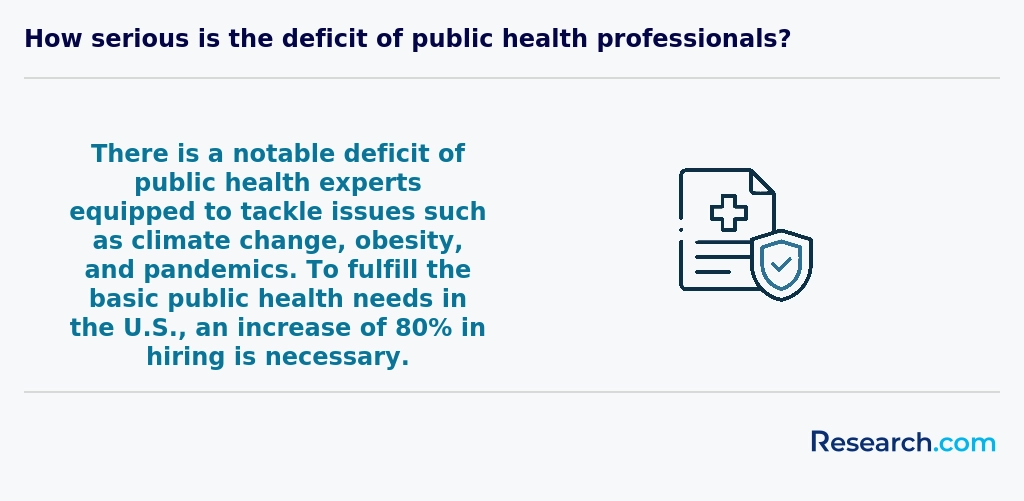
Community health nursing plays a pivotal role in bridging clinical care and population health, making it a top consideration for graduates with a public health degree. The U.S. Bureau of Labor Statistics projects an 11% growth in registered nursing positions from 2020 to 2030, outpacing many other health occupations. For a deeper understanding of this growing field, explore the community health nursing career outlook and discover how these roles contribute to disease prevention, health education, and policy development. Key Drivers of Demand:
- Aging Population: With a rising number of seniors, community health nurses are essential for managing chronic conditions and coordinating home-based care.
- Preventive Care Emphasis: Healthcare systems increasingly prioritize prevention over treatment, expanding opportunities in school health programs, community clinics, and outreach initiatives.
- Health Equity Initiatives: Efforts to reduce disparities in rural and underserved areas boost demand for nurses skilled in cultural competence and community engagement. Emerging Roles and Settings:
- Public Health Nurse Case Manager: Coordinates care for high-risk populations, ensuring access to resources and follow-up services.
- School and Workplace Health Coordinator: Designs vaccination campaigns, wellness workshops, and safety protocols.
- Telehealth Nurse Specialist: Delivers remote health assessments and education, a field that grew significantly during the COVID-19 pandemic. Essential Skills and Certifications:
- Certified Public Health Nurse (CPHN) and Certified Community Health Nurse (CCHN) credentials validate expertise.
- Proficiency in epidemiology, health informatics, and motivational interviewing enhances effectiveness.
- Strong communication and collaboration skills are critical for interdisciplinary teams and partnership building. By integrating a public health degree with specialized nursing competencies, graduates are well-positioned to improve population outcomes and lead innovative community health programs.
If you're thinking about an online public health degree in the South, you've got some solid financial aid options to explore that can really lift the burden. Many grads from schools like the University of North Carolina or the University of Alabama swear by federal aid-starting with FAFSA, which opens doors to Pell Grants. These grants don't have to be paid back and can cover thousands, which feels like a huge relief when tuition hits between $7,000 and $20,000 a year.
On top of that, federal loans are there if you need them, especially for MPH students who might take unsubsidized Direct Loans with manageable repayment plans. It's comforting to know there's flexibility depending on your income after graduation.
State-specific aid also makes a big difference. For example, Texas students often tap into the TEXAS Grant, and Georgia's HOPE Scholarship really helps with costs based on good grades. Plus, some Southern universities offer scholarships just for online public health learners, which past students say makes a noticeable difference in their budget.
And don't forget outside scholarships from groups like the American Public Health Association-many grads found these were total game-changers for easing expenses.
- Flexible, fully online coursework allows you to balance work, family and studies without relocating
- CEPH accreditation ensures programs meet rigorous standards valued by employers and licensing boards
- Competitive in-state tuition and scholarship opportunities make Southern degrees more affordable
- Curriculum tailored to regional health challenges, from rural outreach programs to urban policy initiatives
- Access interdisciplinary career pathways, including collaborations with a pharmacy school for combined public health and clinical expertise
If you're thinking about enrolling in an online public health degree in the South, here's the lowdown on what you'll typically need to get started. For most bachelor's programs, a high school diploma or equivalent is a must, plus some solid grades in sciences like biology or chemistry. A lot of Southern schools-think places like the University of Alabama or University of South Carolina-are moving toward test-optional policies, so you might not even need your SAT or ACT scores. That's a relief if standardized tests aren't your thing!
On the grad school side, say for an MPH, you'll need a bachelor's degree first. Graduates often mention having backgrounds in health or science fields, but plenty of online programs are flexible if your degree is different. Some schools still ask for GRE scores, but many Southern universities waive that if you've got relevant work experience, which makes sense if you've spent time in the healthcare world already.
Speaking of work experience, about 40% of MPH programs in the South recommend at least a year or two in public health jobs. Graduates say this really helps make sense of the coursework when they can relate it to real challenges they've faced at work. Plus, technical skills matter! Reliable internet and being comfortable with online tools are key-because the virtual classroom is where the action happens.
And don't forget finances. Many Southern schools offer in-state tuition ranging from $5,000 to $12,000 a year for online public health programs, making it more affordable than some other regions. Graduates often share that understanding the costs upfront and exploring financial aid options took a load off their minds as they started their journey.

If you're thinking about an online public health degree in the South, you'll find courses that dive right into the heart of what public health is all about. Graduates from popular Southern universities often mention classes like Introduction to Public Health, where you get a clear picture of how health systems work and why they matter, especially in communities with unique challenges.
Many students find Epidemiology and Biostatistics super helpful because these courses teach you how to spot health trends and make sense of numbers-skills that come in handy when working on real-world issues like diabetes or heart disease, which are pretty common in Southern states.
Environmental Health and Health Policy courses add another layer, showing how pollution or local laws affect people's well-being. Graduates often say these classes helped them understand their own communities better and gave them tools to make a real difference.
Plus, electives like global health and healthcare informatics let you tailor your studies so you can tackle problems that matter to you personally. Overall, the coursework feels really relevant and practical for anyone wanting to improve health outcomes down South.
When diving into online public health specializations in the South, you'll find plenty of options that really speak to the region's unique health needs. For example, many students from universities like the University of North Carolina choose Epidemiology because it focuses on tracking disease patterns-a big deal in Southern states where chronic illnesses and outbreaks are common. Others love Health Policy and Management, which is perfect if you want to help shape healthcare systems right here in the South.
Community Health Education is another popular track, especially since so many Southern states face challenges like obesity and diabetes. Graduates often say this specialization gave them the tools to run effective prevention programs, making a real difference. In fact, those interested in a community health nursing career outlook appreciate this hands-on focus. Some students go for Environmental Health too, tackling issues tied to industry and rural living, while Global Health appeals to those curious about health beyond borders.
Southern online public health degree tracks offer something for everyone-making your study experience both meaningful and relevant.
When picking the best online public health degree in the South, start by checking if the program is accredited by the Council on Education for Public Health (CEPH). Graduates from Southern universities with CEPH accreditation often share how it gave them confidence their degree really prepared them for real-world public health challenges in their communities. The right program will also offer specializations that matter locally, like tackling chronic diseases or improving rural healthcare access-something many students found super relevant at schools known for their focus on Southern health issues.
Cost is a huge deal for most folks studying online. Many online public health degrees in the South are more affordable compared to elsewhere, with in-state tuition generally falling between $9,000 and $15,000 a year. It's smart to compare prices and look for financial aid. Some graduates recommend checking out the Inexpensive Public Health Degree Programs Ranking in Minneapolis, MN for inspiration on affordable paths.
Flexibility also matters big time. Students juggling jobs or family life love asynchronous classes and strong support services like advising and career help, which are common at Southern universities known for tailoring education to busy learners. Picking a program that helps you network with public health pros in the South can give you a real edge when job hunting after graduation.
Ultimately, choosing online public health degrees in the South that fit your goals means thinking about accreditation, local focus, affordability, and the support that will keep you motivated and ready for a rewarding career.
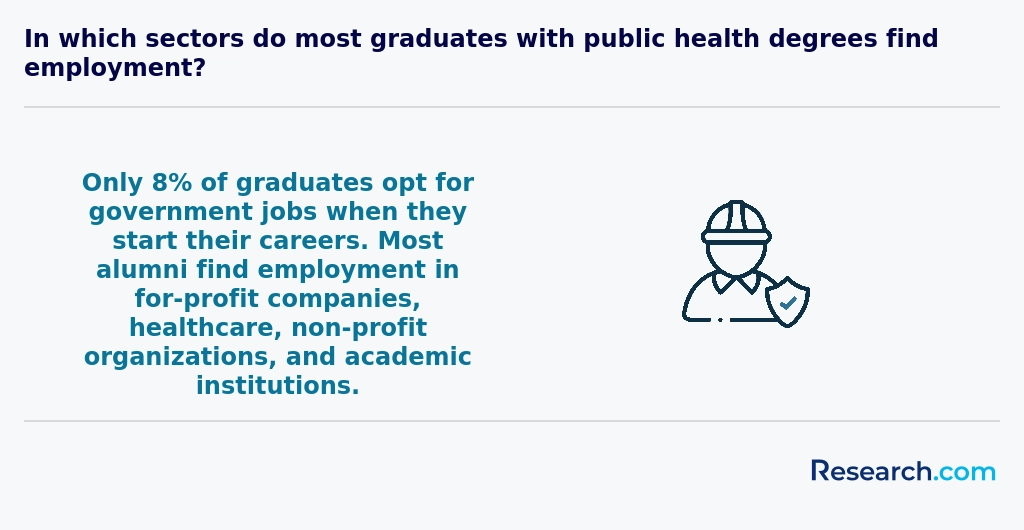
Graduates with an online public health degree in the South have plenty of career paths to dive into, depending on what excites them most. Many find themselves exploring roles like epidemiologists, where they track disease trends to protect local communities-something graduates from top Southern universities rave about as both challenging and rewarding.
Others lean towards health education and promotion, creating programs that tackle real issues like obesity and tobacco use, which are unfortunately common in Southern states. This career path is growing fast, making it a smart choice for anyone wanting to make a tangible impact in their hometown. For those with a knack for leadership, public health administration offers chances to steer policies and services at local hospitals or health departments, with a Master's degree often opening doors to these roles.
Many Southern public health students also enjoy working as environmental health specialists, dealing with air and water quality problems familiar in their communities. Those strong in numbers often pursue biostatistics or data analysis, helping agencies turn health data into meaningful action. If you're looking for a quicker route, check out some 6-month certificate courses that lead to high paying careers that complement online public health degree careers in the South.
The job market for online public health degree grads in the South is pretty encouraging right now. Many graduates from popular Southern schools find themselves jumping into roles with local health departments or nonprofits, especially since these sectors have been growing to tackle issues like chronic disease and pandemic response. It's common to hear from grads around here that their training helps them stand out for positions in community health and policy analysis.
What's cool is that Southern universities often offer online programs that balance affordability with quality, making it easier for working adults to pursue public health without uprooting their lives. Graduates appreciate that flexibility, knowing the demand for online public health jobs in the South keeps expanding in both public agencies and private sectors.
Plus, if you're thinking about advancing your career, many Southern schools offer affordable paths and resources, and you might want to check out options like easy masters degrees that fit your schedule while boosting your prospects.
Overall, the Southern region public health career outlook is bright, with steady opportunities for those ready to step in and make a difference.
2027 Best Online Public Health Degree Programs Ranking in the South
Investing in your education is a significant decision that can shape your future, and the Research.com team understands the importance of making informed choices. To assist prospective students, we have meticulously crafted the "2027 Best Online Public Health Degree Programs Ranking in the South." Our commitment to quality, credibility, and accuracy is reflected in the extensive research and analysis conducted to compile this ranking.
We utilized the following reputable data sources to ensure a comprehensive evaluation of public health programs:
By exploring this ranking, readers will gain valuable insights into the top online public health degree programs in the South, enabling them to make well-informed decisions about their educational journeys. For more details on our methodology, please visit our Research.com methodology page.

# 3 position
University of Maryland-College Park
Master of Public Health Practice and Policy, Online

# 4 position
University of Florida
Master of Health Science in Environmental and Global Health: Concentration One Health





Frequently Asked Questions About public health
Students pursuing online public health degrees in the South can enhance their learning by actively engaging with regional health issues. The South faces unique public health challenges, including higher rates of chronic diseases like diabetes and heart disease, as reported by the CDC. Tailoring studies toward these concerns can provide practical insight.
Utilizing resources from the Southern Public Health Association offers networking and professional development opportunities specifically designed for this region's public health workforce. Additionally, connecting with local health departments through internships or virtual volunteering can deepen real-world understanding.
Finally, leveraging accredited Southern institutions known for strong online public health programs ensures quality education aligned with regional workforce needs.
The public health field is evolving to address new challenges and opportunities, especially through emerging niches. One growing area is epidemiology with a focus on infectious disease control, driven by recent pandemics. Another expanding niche is health informatics, which combines data science and public health to improve healthcare delivery using technology.
Environmental health remains critical, particularly in the South where climate change impacts-like hurricanes and heatwaves-pose serious public risks. Additionally, health equity and social determinants of health are gaining prominence, as studies highlight persistent disparities in Southern communities (CDC, 2023).
These specialties offer online public health students in the South opportunities to engage in relevant, impactful sectors shaping tomorrow's health policies and programs.
Graduates with an online public health degree in the South should focus on gaining practical experience through internships or volunteer opportunities with local health departments or nonprofits. Hands-on work enhances skills and improves job prospects.
Networking is vital. Joining professional organizations like the Southern Public Health Association can connect graduates with employers and peers. These connections often lead to job openings not advertised publicly.
Research from the U.S. Bureau of Labor Statistics shows that demand for public health workers in Southern states like Texas and Florida is growing faster than the national average. Tailoring resumes to highlight regional health issues, such as chronic disease prevention or rural health outreach, helps attract local employers.
Certification, such as the Certified Health Education Specialist credential, can further boost credibility in the competitive job market.
Employers in the Southern United States seek specific skills in graduates from online public health programs. Critical thinking and data analysis are essential, as public health jobs often require interpreting health trends and statistics. According to the Southern Public Health Association, proficiency in epidemiology and biostatistics ranks high among required skills.
Communication skills are equally important because professionals must convey complex health information clearly to diverse communities. Cultural competence is a key asset in the South, given its varied populations.
Leadership and program management skills are valuable too, as many roles involve coordinating health initiatives or responding to regional health challenges, including disparities in chronic disease rates noted by the CDC.
Finding internships in the South relevant to a public health degree involves targeted research and networking. Many Southern universities collaborate with local health departments, hospitals, and NGOs to provide internship placements. According to the Association of State and Territorial Health Officials (ASTHO), Southern states like Georgia and North Carolina offer numerous opportunities due to growing public health initiatives.
Students should explore online university portals and contact career services for listings. Additionally, organizations such as the Southern Public Health Association (SPHA) often post internships. Virtual fairs and regional conferences also serve as valuable networking platforms for securing internships in public health.
Obtaining an online public health degree in the South significantly enhances career mobility and advancement opportunities. Many Southern states, including Georgia and North Carolina, face ongoing public health challenges that increase demand for qualified professionals.
According to the Bureau of Labor Statistics, employment in public health-related fields in the South is projected to grow about 12% through 2031, faster than the national average. This growth creates a conducive environment for graduates to move into higher roles more quickly.
Online degrees offer flexibility, allowing working professionals to upskill without relocating, which is crucial in the diverse Southern job market. Additionally, accreditation from recognized bodies ensures employers value these qualifications equally to traditional programs.
Studying for a public health degree online in the South equips students with skills to work across multiple disciplines like healthcare, policy, and community planning. Southern programs often emphasize collaboration with fields such as epidemiology, environmental science, and social work, reflecting the region's diverse health challenges.
According to the Southern Public Health Training Center, public health students learn to address chronic diseases that disproportionately affect Southern populations, including diabetes and heart disease. This focus fosters interdisciplinary strategies involving nutrition, education, and medical care.
Many Southern universities integrate experiential learning through partnerships with local health departments and nonprofits, preparing students for roles that require teamwork across sectors.
The curriculum's broad scope and regional relevance help graduates engage effectively in roles that demand both public health expertise and collaborative problem-solving skills.
Choosing between a thesis and a non-thesis online public health degree in the South depends on career goals and learning preferences. A thesis program involves original research, ideal for students aiming at doctoral studies or research careers. The Southern region has several accredited programs requiring 6-9 months for thesis completion, emphasizing analytical skills. Non-thesis options focus more on practical experience and coursework, suitable for professionals seeking leadership or administrative roles in health agencies, where hands-on skills matter more than research.
According to the Council on Education for Public Health, many Southern schools tailor non-thesis tracks for working adults, increasing program flexibility.
Students based in the South interested in online public health degrees with an international focus have several pathways to study abroad. Many Southern universities partner with global institutions, offering virtual exchange programs and collaborative research opportunities. These programs enable students to gain global health perspectives without physically relocating.
Some universities in the South, such as the University of North Carolina at Chapel Hill and Emory University, provide study abroad options integrated into their online public health curricula. This includes short-term international practicums or internships in countries with distinct public health challenges.
Additionally, cross-registration with foreign universities and participation in global public health webinars are common ways for Southern students to engage internationally while completing an accredited online degree at home.
Part-time jobs in the South that complement online public health degrees often focus on community engagement and health promotion. Positions such as health educator assistants, certified nursing assistants (CNAs), and research aides offer practical experience aligned with public health studies. According to the Bureau of Labor Statistics, the Southern states show steady growth in healthcare support roles, especially in rural and underserved areas.
Many public health students also find opportunities in local health departments, nonprofit organizations, and hospital outreach programs. These roles enhance skills in data collection, patient communication, and program implementation, which are critical for public health careers. Gaining experience in these fields can improve job prospects after graduation.
Online public health students in the South benefit from various networking opportunities despite the virtual format. Many universities partner with local health departments and organizations such as the Southern Public Health Association (SPHA), offering students access to regional conferences, workshops, and webinars.
These events provide chances to connect with public health professionals and peers, enhancing career prospects. According to the SPHA, their annual conference attracts over 500 participants, many from Southern states, fostering vital professional relationships.
Additionally, students can join online forums and regional chapters of national bodies like the American Public Health Association (APHA), which hosts specialized interest groups focused on Southern health challenges, such as rural health and health disparities.
University alumni networks also play a crucial role, often facilitating mentorship and job placement within Southern public health agencies, hospitals, and NGOs. These combined options help students build a strong regional network while studying remotely.
Alumni networks play a vital role in supporting online public health degree students in the South. These networks connect current students with graduates who have firsthand experience in regional public health challenges, such as rural healthcare access and chronic disease management. According to the Association of Schools and Programs of Public Health, Southern states have unique needs that alumni often help address through mentorship and job referrals.
Such networks enhance career opportunities by offering professional connections in local health departments and nonprofit organizations. They also provide access to workshops and seminars tailored to public health trends specific to the South.
This ongoing engagement helps students build practical skills and stay updated on industry developments, ultimately improving their chances of success in the Southern public health workforce.
Customizing an online public health degree in the South allows you to align your education with specific career goals. Many Southern universities offer concentrations such as epidemiology, health policy, or community health, enabling students to specialize in areas that match their ambitions. Some programs provide elective courses and practicum opportunities with local health departments or organizations, which is valuable given the region's unique public health challenges.
According to the Association of Schools and Programs of Public Health (ASPPH), the South faces higher rates of chronic diseases, making specializations in chronic disease prevention particularly relevant. Tailoring your degree can improve job prospects in state health agencies, nonprofits, or research roles.
Online public health students in the South often face challenges related to technology access. According to the Pew Research Center, about 23% of adults in rural Southern states lack high-speed internet, which can hinder participation in live lectures and timely submission of assignments.
Another issue is balancing work, family, and study commitments. Many Southern students are professionals or caregivers, and managing these responsibilities alongside rigorous coursework can cause stress and delay graduation.
Additionally, students sometimes experience limited local networking opportunities compared to on-campus peers, which may affect internships and career advancement.
Finally, adapting to self-directed learning demands strong time-management skills, which can be difficult without direct academic support.
With an online public health degree, you can pursue several professional certifications that enhance your career opportunities in the South. The Certified in Public Health (CPH) credential, offered by the National Board of Public Health Examiners, is widely recognized and validates your knowledge across core public health areas.
Many graduates also seek certifications in specialized fields like epidemiology or health education. For example, the Certified Health Education Specialist (CHES) is valuable if you focus on community health promotion.
State-specific certifications may also apply, reflecting Southern health priorities such as rural health or chronic disease prevention, helping you stand out in regional job markets.
Writing a winning application for an online public health program in the South requires clear focus and strong preparation. Start by thoroughly researching schools to understand their curriculum and faculty expertise. Emphasize your commitment to improving health outcomes in Southern communities, where public health challenges such as higher rates of chronic disease and rural health disparities are common, according to the CDC.
Highlight relevant experience, including volunteer work or employment in health settings. Strong letters of recommendation from health professionals familiar with your skills can enhance your application. Lastly, craft a concise personal statement that details your goals and how the program aligns with your career ambitions in public health.
The global view of a public health career highlights its critical role in improving health outcomes worldwide. For students in the South pursuing online public health degrees, understanding global trends can enhance career opportunities.
Internationally, public health professionals address challenges like pandemics, chronic diseases, and health disparities, which are mirrored in the Southern US. The Association of Schools and Programs of Public Health reports growing demand for skilled workers in prevention, policy, and epidemiology.
Globally, the World Health Organization emphasizes collaborative efforts, underlining that training programs blending global knowledge with local experience are valuable. Southern programs often integrate this perspective, preparing graduates for both regional and global health challenges.
Gaining practical experience while studying for an online public health degree in the South is essential for career readiness. Many programs require or encourage internships with local health departments, nonprofits, or hospitals. These partnerships offer hands-on experience in addressing regional challenges such as high rates of chronic diseases and health disparities found in Southern states, according to the CDC.
Students can also engage in virtual practicums or research projects focused on public health issues affecting the South. Additionally, professional organizations like the Southern Public Health Association provide networking and volunteer opportunities that enhance real-world skills.
Choosing the right concentration within an online public health degree program in the South involves aligning your career goals with regional health priorities. Concentrations like epidemiology, health policy, or community health are popular due to the region's focus on chronic diseases and health disparities, as highlighted by the CDC.
Review programs accredited by the Council on Education for Public Health (CEPH) to ensure quality. Consider concentrations that address prevalent southern issues such as rural health or substance abuse, which are critical in states like Alabama and Mississippi.
Check each program's flexibility and internship opportunities with local health departments, as practical experience is key.
- 20 Best Online Bachelor's in Public Health - MPH Online https://www.mphonline.org/best-online-bachelors-in-public-health/
- The Interdisciplinary Nature of Public Health https://www.cune.edu/news/interdisciplinary-nature-public-health
- 5 Internships for a Master’s in Public Health Student - Healthcare Administration Degree Programs https://www.healthcare-administration-degree.net/lists/5-internships-for-a-masters-in-public-health-student/
- Engaging students through service-learning opportunities in public health https://sneb.org/engaging-students-through-service-learning-opportunities-in-public-health/
- Pre-Professional Health Experience Guide | PublicHealthOnline.org https://www.publichealthonline.org/pre-professional-experience/
- Navigating MPH Programs in South Carolina: Insights for Prospective Students https://masterspublichealth.com/mph-programs-in-south-carolina/
- For Academic Public Health https://globalnetworkpublichealth.org/
- Letter of Intent for Admissions to Masters of Public Health - how this program fits to my goals? https://essayforum.com/graduate/intent-admissions-masters-public-health-64817/
- Yes, the Public Health Job Market is Tough, But You’re Tougher! | PH SPOT https://phspot.org/yes-the-public-health-job-market-is-tough-but-youre-tougher/
- Students and Alumni associations - Europubhealth https://www.europubhealth.org/students-alumni-associations/









