
2027 Most Valuable Public Health Degree Programs Ranking in Pittsburgh

Co-Founder and Chief Data Scientist
Choosing the right public health degree program in Pittsburgh can shape your future in meaningful ways. This article presents the 2027 Most Valuable Public Health Degree Programs Ranking in Pittsburgh, developed by the Research.com team of data scientists. It offers clear, data-driven insights that help you identify programs with strong career prospects.
Reading this ranking empowers you to make an informed decision, ensuring your education aligns with your goals. Pursuing a public health degree opens doors to rewarding opportunities that impact communities positively. Explore this guide to find a program that supports your passion and ambition.
Key benefits of getting public health degree in Pittsburgh
- Public health degree graduates in Pittsburgh can expect rewarding salaries such as $52,610 annually for Community Health Workers and up to $86,710 for Environmental Health Specialists, offering strong financial stability.
- Graduates from Pittsburgh universities find diverse career options including health education, safety analysis, and environmental health roles, making it easy to tailor a career to your passions.
- Completing a public health degree online through Pittsburgh-based programs offers flexibility and convenience, allowing you to balance work, family, and studies while gaining the same respected credential as traditional students.
- 2027 Most Valuable Public Health Degree Programs Ranking in Pittsburgh
- What can I expect from public health degree in Pittsburgh?
- Where can I work with public health degree in Pittsburgh?
What can I expect from public health degree in Pittsburgh?
The average cost of a public health degree in Pittsburgh varies by institution but generally ranges between $30,000 and $60,000 for the entire program. Graduates from well-known schools like the University of Pittsburgh often highlight the affordability advantage compared to other major cities, thanks to Pittsburgh's lower cost of living. This means students can manage tuition alongside housing and daily expenses without excessive financial strain.
Many students leverage scholarships and assistantships offered by local universities to reduce out-of-pocket costs. For example, graduates from Pittsburgh's public health programs have shared how internships at nearby medical centers like UPMC not only build their experience but sometimes provide stipends or funding opportunities. These real-world connections help offset costs and create financial breathing room.
Graduates also emphasize careful budgeting given the city's affordable housing and transport, which allows them to focus more on studies and professional development. Choosing Pittsburgh for public health studies can be a financially smart decision supported by valuable practical opportunities that enhance career readiness.
Where can I work with public health degree in Pittsburgh?
Graduates with a public health degree in Pittsburgh find a broad range of career opportunities thanks to the city's robust healthcare and community networks. Many secure roles in large medical centers like the University of Pittsburgh Medical Center (UPMC), where they apply skills in epidemiology, health promotion, and program coordination. For example, graduates often engage in data analysis or support community outreach efforts that directly impact local health outcomes.
Others pursue careers in government agencies, such as the Allegheny County Health Department, working on communicable disease control, environmental health, or substance abuse prevention. Graduates here frequently design public health programs and analyze health trends that shape policy decisions, gaining rewarding experiences that enhance their professional growth.
Nonprofit organizations also provide meaningful opportunities, especially for graduates passionate about maternal health or mental health advocacy. Many find fulfillment creating outreach programs and conducting community assessments that improve lives around them.
Additionally, academic and research roles at institutions like the University of Pittsburgh's Graduate School of Public Health offer exciting prospects for those eager to advance public health knowledge through studies and community projects.
Public health graduates in Pittsburgh feel empowered by this diverse landscape, relishing roles that make a genuine difference in their city's health and wellness.
Graduates with a public health degree in Pittsburgh often find entry-level roles like community health workers earning around $52,610 annually, matching local data and providing a solid start. For instance, recent graduates from universities such as the University of Pittsburgh have shared their excitement about starting careers with salaries near this figure while gaining valuable hands-on experience.
Health educators in the area see mean salaries around $69,790 per year, making this role a popular step for master's degree holders. Graduates working at regional non-profits or government agencies often appreciate the community impact alongside competitive earnings close to these averages.
More specialized roles such as environmental health specialists and occupational health and safety specialists command higher wages, with mean salaries reported at $86,710 and $85,570 respectively. Students from Pittsburgh-area colleges who pursued internships in these fields note feeling confident about the financial stability these careers offer locally.
Choosing to study and work in Pittsburgh benefits public health graduates by combining competitive salaries with a lower cost of living, enhancing overall quality of life while joining a city invested in healthcare innovation and research growth.
- Public health programs in Pittsburgh are available at bachelor's, master's, and doctoral levels, offered by several accredited institutions.
- Tuition costs range from $15,000 to $30,000 per year for in-state students, with master's degrees generally costing more and out-of-state tuition higher.
- Entry-level public health professionals in Pittsburgh earn an average starting salary of about $50,000 per year.
- Experienced professionals with five or more years in the field typically earn around $75,000 annually.
- Job growth in Pittsburgh's public health sector is expected to increase by 16% over the next decade, supported by local hospitals and health organizations.
Completing a public health degree in Pittsburgh typically depends on the program level and whether you study full-time or part-time. Graduates from local universities like the University of Pittsburgh often report that a Bachelor of Science in Public Health takes about four years of full-time study, which balances foundational courses and general education effectively.
Many who pursue the Master of Public Health (MPH) at schools such as Duquesne University share that the full-time route usually spans two years, combining rigorous coursework with valuable field experience. Part-time options, favored by working professionals, may stretch this to three years or more, offering flexibility without sacrificing quality.
Doctoral candidates, including those enrolled at Pittsburgh's leading institutions, commonly spend four to six years deeply engaged in research, advanced theory, and leadership training. This extended timeline reflects the intense commitment but also opens doors to high-impact careers.
Choosing part-time versus full-time studies involves weighing your career goals, financial needs, and personal commitments-graduates often find that planning with advisors at Pittsburgh universities helps them strike the right balance and stay motivated throughout their journey.
Choosing between online and on-campus public health degrees in Pittsburgh hinges on your lifestyle and learning preferences. On-campus programs at institutions like the University of Pittsburgh offer immersive experiences with direct professor interaction, hands-on internships, and access to campus labs and libraries. Graduates often recall how engaging in community projects and networking at local health departments boosted their confidence and career prospects.
Alternatively, online degrees provide flexibility ideal for working adults or those with family commitments. These programs maintain accreditation from bodies like CEPH and mirror the curriculum of on-campus classes, ensuring quality education. However, online students must arrange local clinical experiences themselves, which requires proactivity but also builds valuable independence.
Practical advice: if you thrive on routine and face-to-face collaboration, on-campus study in Pittsburgh's vibrant public health environment may feel rewarding. If flexibility and balancing other responsibilities matter most, an online program with structured scheduling and virtual peer forums can still deliver a meaningful, rigorous education.
The average cost of a public health degree in Pittsburgh typically centers around $57,296, reflecting both in-state and out-of-state expenses for full programs. Graduates from well-known local schools such as the University of Pittsburgh often recall balancing tuition costs near $21,926 for in-state students while managing living expenses and additional fees. These figures show the real investment needed, which many find worthwhile given the quality of education and career opportunities.
When considering public health degree expenses in Pittsburgh, students highlight how scholarships and financial aid significantly ease this burden. Universities like Duquesne actively offer funding options that can reduce costs by thousands each year, making the degree accessible without sacrificing quality. This support encourages many students to stay motivated and confident about their educational journey.
Another practical approach used by Pittsburgh students is to analyze program length and format carefully. Since master's programs can last one to two years, total cost varies accordingly. Some students even choose online or certificate options, which are more affordable per credit hour and offer flexibility. For those exploring quicker credential paths, it's helpful to review resources on best 6-month associate degree programs online for cost-effective strategies.
Understanding the average cost of public health degree Pittsburgh programs helps prospective students plan realistically. Considering residency status, financial aid, and program structure creates a clearer path to an achievable and rewarding education in public health.
Students pursuing public health degrees in Pittsburgh can access a range of financial aid options to make education more affordable. Graduates from the University of Pittsburgh often share how completing the FAFSA opened doors to federal grants like the Pell Grant, which helped cover significant portions of tuition without accumulating debt.
Merit-based scholarships from institutions such as Duquesne University also provide valuable relief, rewarding academic excellence or leadership experience in the field. Some students have successfully applied for specialized scholarships through the Pennsylvania Public Health Association, which targets those enrolled in local accredited programs, easing costs further.
Graduate assistantships are another practical route. Many public health students in Pittsburgh have benefited by working as research or teaching assistants, receiving tuition remission and stipends while gaining hands-on experience. Additionally, those working locally in healthcare can typically count on employer tuition assistance programs, supported by their HR departments, to further reduce financial stress and support career growth.
These financial strategies have empowered many public health students in Pittsburgh to pursue their degrees confidently and with less financial worry.
To enroll in a public health degree in Pittsburgh, prospective students must first meet academic prerequisites tailored to the program level. For undergraduate admission at institutions like the University of Pittsburgh, a solid high school diploma or GED with a GPA around 3.0 is essential. Many graduates recall how completing core courses in biology, chemistry, and social sciences proved invaluable in preparing them for public health topics.
Standardized test scores may still be considered, but several Pittsburgh colleges have embraced test-optional policies, easing access for many applicants.
Graduate programs, such as the MPH, require a relevant bachelor's degree. Applicants often need transcripts, letters of recommendation, and a statement highlighting their passion for community health. Graduates often emphasize how prior volunteer work or internships in local health clinics strengthened their applications and confidence.
Skills in statistics and research methods are vital and commonly expected, reflecting the data-driven nature of public health work. Some programs may request GRE scores, but this is increasingly rare.
Additionally, students should prepare for background checks and immunization records, especially if hands-on experiences with vulnerable populations are part of the curriculum at schools like Duquesne University.

Public health degree programs in Pittsburgh, such as those at the University of Pittsburgh, typically include core courses that give you practical skills to tackle real community health problems. Graduates often recall diving into biostatistics, where they learned to analyze local health data, making it easier to create evidence-based solutions for Allegheny County's challenges.
Courses in epidemiology help you understand disease patterns, which is essential when working with urban populations facing issues like opioid addiction. Environmental health classes explore how air and water quality directly impact neighborhoods, turning abstract concepts into clear, community-focused action plans.
Health policy and management courses equip you to navigate health service systems effectively. Social and behavioral sciences emphasize how culture and behavior shape health outcomes, preparing you to design impactful prevention programs tailored to Pittsburgh's diverse communities.
Many students appreciate how these courses integrate local health priorities, making learning feel immediately relevant and motivating. This hands-on, regionally focused curriculum helps you build confidence to contribute meaningfully to Pittsburgh's public health landscape.
Pittsburgh's public health degree specializations cover vital areas that reflect both local needs and global trends. Graduates from popular universities often highlight Epidemiology for its hands-on approach to tracking disease patterns in the city's communities and research labs. Many find this specialization rewarding as it directly contributes to managing outbreaks and chronic conditions relevant to Pittsburgh's population.
Health Policy and Management is another sought-after focus, teaching students how to lead healthcare programs within Pittsburgh's expanding medical sector. Graduates frequently share experiences of working with local government agencies, shaping policies that improve care access and quality.
For those drawn to environmental challenges, Environmental Health offers practical expertise tied to Pittsburgh's industrial past and current sustainability efforts. Community Health and Education students often emphasize tailoring wellness campaigns to diverse neighborhoods, a skill especially important given the city's unique socio-demographic landscape. Exploring options like easiest associates degree to get can help start this journey.
Top public health programs Pittsburgh specializations also include Biostatistics, enhancing research precision, and Global Health, which resonates with students aiming to address immigrant health challenges both locally and worldwide.
When choosing the best public health degree in Pittsburgh, start by verifying the program's accreditation, especially from the Council on Education for Public Health (CEPH). Graduates from the University of Pittsburgh's CEPH-accredited program often share how this recognition opened doors to competitive jobs and internships. Consider cost carefully; Pittsburgh is known for affordable public health schools Pittsburgh, with in-state tuition making degrees more accessible. Many students benefit from scholarships and employer tuition assistance, reducing financial stress.
Next, evaluate specializations that align with your career goals, such as epidemiology or health policy. Pittsburgh's vibrant health sector offers practical internships with entities like the Allegheny County Health Department, giving you hands-on experience. Flexibility matters too - many programs offer part-time or online options, ideal for professionals balancing work or family commitments.
Look into graduate outcomes to ensure the program leads to strong employment in a growing field. For a smarter financial decision, check out the highest roi masters degrees available to boost your career potential.
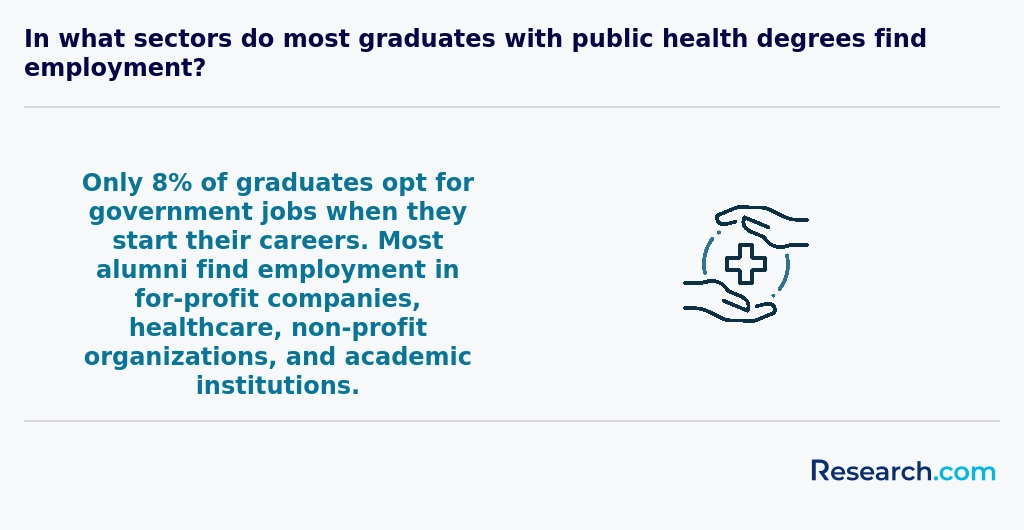
Graduates with a public health degree in Pittsburgh have access to a wide range of career paths that leverage the city's strong healthcare infrastructure and community health focus. Many find rewarding roles as epidemiologists, analyzing disease patterns to support local health policies, often collaborating with institutions like the University of Pittsburgh Medical Center. Others work as health educators, designing wellness programs for schools and community centers, drawing on real-world experience gained through internships at Pittsburgh's healthcare providers.
Public health analysts and environmental health specialists are also in demand, evaluating programs and addressing environmental risks to improve regional health outcomes. Graduates frequently take on healthcare administration positions, managing operations within hospital systems and public agencies. Those seeking to explore further educational options can explore inexpensive online colleges that accept financial aid, widening opportunities without heavy debt burdens.
For students aiming for public health careers in Pittsburgh, these roles offer practical, impactful work directly tied to city and state health initiatives. The strong network between universities and local agencies helps graduates quickly transition into meaningful positions focused on improving community wellbeing.
The job market for public health degree holders in Pittsburgh is robust, driven by the city's expanding healthcare and research sectors. Graduates from universities like the University of Pittsburgh Graduate School of Public Health find rewarding roles in health education, epidemiology, and healthcare administration, often working with major employers such as UPMC. Many alumni speak positively about the strong community connections and opportunities to impact urban health initiatives, reflecting the city's demand for skilled professionals. For anyone exploring public health job opportunities in Pittsburgh, gaining experience in data analysis or policy development can significantly enhance employability.
Those pursuing advanced degrees or specializations benefit from a local focus on health innovation, particularly in biostatistics and informatics, which are highly valued in Pittsburgh's data-driven healthcare environment. Tuition at local institutions can be more affordable, especially for in-state students, helping to lower costs compared to national averages. Prospective students may also consider exploring options at online vocational colleges to balance cost and flexibility as part of their career planning.
2027 Most Valuable Public Health Degree Programs Ranking in Pittsburgh
Investing in your education is a significant decision that can shape your future, and the Research.com team understands the importance of making informed choices. To assist prospective students in Pittsburgh, we have meticulously crafted the "2027 Most Valuable Public Health Degree Programs Ranking in Pittsburgh." Our commitment to quality, credibility, and accuracy is reflected in the extensive research and analysis conducted to compile this ranking.
We utilized the following reputable data sources to ensure a comprehensive evaluation of public health programs:
By exploring this ranking, readers will gain valuable insights into the most valuable public health degree programs in Pittsburgh, enabling them to make informed decisions about their educational paths. For more details on our methodology, please visit our Research.com methodology page.


Frequently Asked Questions About public health
Public health degree students in Pittsburgh can enhance their learning by engaging with local health organizations such as the Allegheny County Health Department. This exposure offers practical experience in addressing urban health challenges like opioid addiction and infectious disease control. Pittsburgh is home to top institutions like the University of Pittsburgh Graduate School of Public Health, ranked among the best nationally for research and community impact.
Students should seek internships and volunteer roles in these settings to apply classroom knowledge. Collaborating on research projects related to Pittsburgh's diverse population helps develop critical skills. Additionally, attending local public health seminars and conferences provides networking opportunities with professionals actively working in the region's healthcare system.
Emerging niches within the public health field reflect evolving community needs and technological advances. In Pittsburgh, one growing area is data analytics for health informatics, driven by the region's strong tech sector and healthcare institutions. Professionals trained in analyzing large health datasets support efforts to predict disease trends and improve outcomes.
Another important niche is environmental health, particularly concerning Pittsburgh's historic industrial impact. Graduates working in this area focus on air quality, water safety, and chronic illness prevention linked to pollution. Local agencies like the Allegheny County Health Department prioritize these concerns.
Behavioral health and mental wellness also represent expanding fields, responding to increased demand for integrated care models. Public health programs in Pittsburgh increasingly emphasize social determinants of health, preparing students to address disparities within diverse urban populations.
Preparing for the job market after completing a public health degree in Pittsburgh involves strategic planning and skill development. The local healthcare sector is robust, with the University of Pittsburgh Medical Center (UPMC) employing over 90,000 people, offering many opportunities for public health graduates (UPMC, 2023).
Students should pursue internships or practicums within Pittsburgh's public health departments or nonprofit organizations to gain hands-on experience. Networking is vital; joining groups like the Allegheny County Health Department's public health initiatives can connect graduates with employers.
Additionally, certification such as the Certified Health Education Specialist (CHES) credential can increase job prospects. Staying informed on regional health trends, including opioid crisis response and aging population programs, will help graduates align skills with community needs.
Employers in Pittsburgh seek public health graduates with strong skills in data analysis and epidemiology, crucial for addressing local health challenges. According to the Allegheny County Health Department, proficiency in statistical software like SAS or R often distinguishes candidates in this region.
Communication is another critical skill, as public health professionals must clearly convey complex information to diverse communities, stakeholders, and policymakers. Familiarity with community health promotion and cultural competence is essential given Pittsburgh's diverse population.
Additionally, graduates who demonstrate project management abilities and knowledge of health policy are highly valued, especially by local hospitals and government agencies. Understanding healthcare systems and public health laws in Pennsylvania can boost employability in this market.
Finding public health internships in Pittsburgh involves leveraging local institutions and organizations that focus on community health and research. Students should explore opportunities at the University of Pittsburgh and Carnegie Mellon University, both of which offer connections to public health agencies and nonprofit partners. Pittsburgh hosts several public health employers, such as the Allegheny County Health Department and local hospitals, which frequently provide internships. Additionally, platforms like the National Public Health Internship Board and local nonprofit job boards offer valuable listings. Networking through events and career fairs in Pittsburgh can also enhance chances to secure practical experience in relevant public health fields.
A public health degree significantly enhances career mobility and advancement opportunities in Pittsburgh, a city with a growing healthcare and research sector. Graduates gain specialized skills valued by employers such as hospitals, government agencies, and nonprofit organizations. The Pennsylvania Department of Health reports a steady increase in public health jobs, with Pittsburgh offering numerous roles in epidemiology, community health, and health policy.
Employers prioritize candidates holding degrees in public health for leadership and management positions. According to the U.S. Bureau of Labor Statistics, the healthcare industry in Pittsburgh is expected to grow by over 12% from 2021 to 2031, faster than the national average. This growth translates into upward mobility for degree holders.
Additionally, Pittsburgh's proximity to major health research institutions like the University of Pittsburgh Medical Center and Carnegie Mellon University provides graduates with access to networking and professional development resources, further supporting career advancement in the field.
Studying for a public health degree in Pittsburgh offers a strong foundation for interdisciplinary roles by integrating diverse fields such as epidemiology, healthcare management, and social sciences. Programs at local universities emphasize collaboration across sectors to address complex health challenges.
Pittsburgh's public health institutions connect students with city health departments, hospitals, and nonprofits, providing practical experience in varied environments. This helps develop skills in data analysis, policy-making, and community outreach simultaneously.
According to the Pennsylvania Department of Health, Pittsburgh's focus on chronic disease prevention and health equity creates learning opportunities that reflect real-world interdisciplinary demands. Graduates are thus well-prepared to work across healthcare, government, and research settings.
Choosing between a thesis and a non-thesis public health degree program in Pittsburgh depends on your career goals and learning preferences. Thesis programs require original research and are ideal if you want to pursue a PhD or work in academic research. They typically add a semester or two to your study time. Non-thesis options focus on practical skills and often include internships or projects, suited for those aiming for public health practitioner roles.
The University of Pittsburgh, a leading public health institution, reports that nearly 40% of its graduates engage in research careers, highlighting the demand for thesis-trained professionals. Local health departments value both paths but may prioritize practical experience for on-the-ground jobs.
Students based in Pittsburgh who pursue public health degrees often have access to study abroad programs through their local universities, such as the University of Pittsburgh and its Graduate School of Public Health. These programs typically include partnerships with institutions in countries like the United Kingdom, Australia, and various European nations.
Such study abroad opportunities allow students to gain international experience in global health challenges and public health systems. The University of Pittsburgh, for example, has exchange agreements facilitating semesters or internships overseas, often focusing on epidemiology and health policy.
Funding options may include university scholarships and federal financial aid. Pittsburgh's emphasis on global health aligns with national trends, where about 15-20% of public health graduate students pursue international study components, according to the Council on Education for Public Health.
Part-time job opportunities in Pittsburgh that complement public health degree education often include roles in healthcare facilities, community outreach, and nonprofit organizations. Many students find positions as patient care assistants or health educators in local hospitals such as UPMC, which employs thousands and supports experiential learning.
Community health worker positions are also valuable, offering real-world insights into public health issues affecting Pittsburgh's diverse population. The Allegheny County Health Department frequently offers internships and part-time roles linked to ongoing public health initiatives.
Additionally, research assistant roles at universities like the University of Pittsburgh provide exposure to epidemiological studies, benefiting students who seek data-driven public health careers.
Pittsburgh offers rich networking opportunities for public health students through its collaboration with leading health organizations. Students can connect with professionals via the University of Pittsburgh Graduate School of Public Health, which hosts frequent seminars and career fairs.
The region's strong healthcare sector includes major employers such as UPMC and Allegheny Health Network, providing internships and job shadowing. Additionally, local chapters of national entities like the American Public Health Association support student engagement through conferences and workshops.
Citywide public health initiatives and research centers also facilitate networking by allowing students to participate in community projects, enhancing practical experience while building professional relationships.
Alumni networks play a vital role for public health degree students in Pittsburgh by providing access to professional connections and resources. Graduates from local institutions like the University of Pittsburgh and Duquesne University often remain active in alumni associations, facilitating mentorship opportunities and job placements in the region's growing healthcare sector.
According to the Pittsburgh Regional Health Initiative, healthcare employment in the area has grown by over 12% in recent years, making alumni connections especially valuable for internships and entry-level positions. These networks also support knowledge exchange, keeping students informed about trends such as community health initiatives and policy changes.
In addition, alumni often collaborate with students on research projects or public health campaigns, offering practical experience that strengthens resumes. For many, these relationships extend beyond graduation, creating sustained professional support within Pittsburgh's strong public health community.
Customizing a public health degree in Pittsburgh allows students to align their education with specific career goals. Many local universities offer flexible curricula where students can choose concentrations such as epidemiology, health policy, or community health. This specialization helps tailor skills toward roles in research, administration, or public health education.
Internship opportunities through Pittsburgh's notable health departments and nonprofit organizations provide hands-on experience directly relevant to your interests. Additionally, interdisciplinary courses in data analysis or environmental health expand career options.
According to the University of Pittsburgh's Graduate School of Public Health, nearly 70% of graduates secure employment within six months, highlighting tailored programs' effectiveness in career preparation.
Public health students in Pittsburgh often face challenges related to balancing rigorous coursework with practical experience. Programs typically require internships or fieldwork in local health departments, which can be time-consuming alongside academic demands. According to the University of Pittsburgh's Graduate School of Public Health, many students report stress from managing these dual responsibilities.
Financial concerns are common, as tuition fees and living costs in Pittsburgh can strain students, especially those without scholarships or assistantships. Networking opportunities are important but sometimes limited, affecting job placement.
Additionally, navigating the evolving public health issues in Pittsburgh, such as opioid addiction and chronic disease rates, requires students to stay updated with complex, real-world data sets from sources like the Allegheny County Health Department.
With a public health degree, graduates in Pittsburgh can pursue several professional certifications to enhance their career prospects. One widely recognized credential is the Certified in Public Health (CPH) offered by the National Board of Public Health Examiners. This certification demonstrates mastery of core public health knowledge and skills.
Another option is becoming a Registered Environmental Health Specialist (REHS), especially relevant in Pittsburgh due to the city's focus on industrial and environmental health challenges, as noted by the Allegheny County Health Department.
Additionally, certifications like Certified Health Education Specialist (CHES) and Certified Epidemiologist are valuable for those involved in community health and disease control.
To write a winning application for a public health program in Pittsburgh, start by researching the local universities' specific admission requirements. Schools like the University of Pittsburgh emphasize a strong academic record, particularly in science and social science courses. Applicants should highlight relevant experience, including internships or volunteer work with Pittsburgh's health organizations or city health departments.
Clear, focused personal statements explaining your interest in public health and your career goals can set you apart. Use recent data from the Pittsburgh Department of Public Health to show awareness of local health challenges, such as opioid addiction or chronic disease management. Strong letters of recommendation from professionals familiar with your public health potential also boost your application.
The global perspective on a public health career emphasizes the importance of addressing health challenges that transcend borders. Public health professionals focus on controlling infectious diseases, promoting health equity, and improving healthcare systems worldwide. In Pittsburgh, public health programs prepare students for these global roles by integrating international health topics into their curricula.
According to the Pittsburgh Regional Health Initiative, the city's public health workforce increasingly engages in global collaborations, especially around infectious disease control and health disparities. Globally, employment in public health is expected to grow by 11% through 2031, reflecting rising demand for skilled professionals.
This broad outlook provides graduates from Pittsburgh's public health degrees with opportunities in international organizations, NGOs, and governmental agencies focused on global health issues.
Students pursuing a public health degree in Pittsburgh can gain practical experience through various structured opportunities. Many local universities, including the University of Pittsburgh, offer internships and co-op programs connecting students with Pittsburgh's extensive healthcare network. These programs allow students to work with organizations like the Allegheny County Health Department or UPMC Health System, gaining hands-on experience in community health, epidemiology, and health policy.
Participating in research projects is another key way to build experience. Pittsburgh's strong focus on public health research provides students access to data-driven studies addressing regional health issues such as opioid addiction and chronic disease management.
Service learning and volunteer roles with local nonprofits offer additional avenues for practical skill development.
Choosing the right concentration within a public health degree program in Pittsburgh involves evaluating your career goals and local health priorities. Pittsburgh's public health challenges include chronic disease prevention and tobacco control, reflecting regional needs highlighted by the Allegheny County Health Department. Popular concentrations like epidemiology, health policy, or community health align with these concerns and offer practical career paths.
Consider programs that provide hands-on experience through partnerships with local hospitals or health agencies, common in Pittsburgh universities. According to the National Center for Education Statistics, specialized concentrations tend to enhance employment opportunities within Pennsylvania's growing public health sector.
Review faculty expertise and program curriculum to match emerging trends, such as data analytics in public health-a growing focus in Pittsburgh's health research community.
- 2027 Most Valuable Public Health Degree Programs Ranking in Columbus
- 2027 Most Valuable Public Health Degree Programs Ranking in Buffalo
- 2027 Most Valuable Public Health Degree Programs Ranking in Washington
- 2027 Most Valuable Public Health Degree Programs Ranking in College Park
- 2027 Most Valuable Public Health Degree Programs Ranking in Baltimore
- 2027 Most Valuable Public Health Degree Programs Ranking in Rochester
- 2027 Most Valuable Public Health Degree Programs Ranking in Ithaca
- 2027 Most Valuable Public Health Degree Programs Ranking in Philadelphia
- 2027 Most Valuable Public Health Degree Programs Ranking in Syracuse
- 2027 Most Valuable Public Health Degree Programs Ranking in New Brunswick
- For Academic Public Health https://globalnetworkpublichealth.org/
- How to carve a niche in your public health career | PH SPOT https://phspot.org/carvinganiche/
- Internships for MPH Students https://www.publichealthdegrees.org/careers/internships/
- Public Health Jobs | How to Boost Your Public Health Experience When Starting Out https://publichealthjobs.co.uk/blog/how-to-boost-your-public-health-experience-when-starting-out
- Public Health: A Global Perspective https://www.routledge.com/Public-Health-A-Global-Perspective/Singh/p/book/9781032644226
- Students and Alumni associations - Europubhealth https://www.europubhealth.org/students-alumni-associations/
- Areas in Public Health https://www.publichealthcareers.org/areas-in-public-health.html
- Young WFPHA Initiative – Empowering Young Public Health Professionals https://www.wfpha.org/young-wfpha/
- Public Health - SUM Admission https://admission.sum.edu.pl/public-health/
- Public Health/Global perspective - Wikiversity https://en.wikiversity.org/wiki/Public_Health/Global_perspective











