
2027 Most Popular Public Health Degree Programs Ranking in the South

Co-Founder and Chief Data Scientist
Choosing the right public health degree program can shape your future career and impact your community. If you're a student in the South considering this path, this article is designed to guide you thoughtfully.
The 2027 Most Popular Public Health Degree Programs Ranking in the South was created by the Research.com team of data scientists. It highlights programs worth your attention, helping you make informed decisions.
Exploring these options can open doors to meaningful work and personal growth in a vital field. This article is your first step toward a rewarding journey.
Key benefits of getting public health degree in the South
- Salary: Graduates with a public health degree in the South can expect competitive salaries, such as Medical Assistants earning around $43,350 annually and Environmental Health Specialists making approximately $86,710 per year.
- Career Paths: Many graduates from Southern universities pursue diverse roles, including Health Educators earning about $69,790 yearly or Occupational Health and Safety Specialists with a mean wage near $85,570, offering rewarding and impactful job options.
- Online Degree Benefits: Earning a public health degree online from a respected Southern university allows flexible scheduling and reduces commuting stress, making it easier to balance work, family, and studies while boosting career prospects.
- 2027 Most Popular Public Health Degree Programs Ranking in the South
- What can I expect from public health degree in the South?
- Where can I work with public health degree in the South?
What can I expect from public health degree in the South?
The average cost of pursuing a public health degree in the South typically ranges from $15,000 to $35,000 per year, depending on whether students attend public or private institutions. Graduates from universities like the University of North Carolina at Chapel Hill and Emory University often reflect on the incredible value of their education, emphasizing how their investment unlocked exciting careers focused on improving community health.
Students experience curricula deeply connected to Southern health challenges, such as addressing rural disparities or managing diabetes in local populations. Hands-on internships with state health departments or nonprofit organizations turn classroom theories into meaningful action, making every dollar spent feel worthwhile and purposeful.
Those who have studied at these prominent Southern schools frequently highlight supportive faculty and rich networking opportunities that accelerate their careers. Knowing that their degree empowers them to create real change motivates them throughout their studies. This blend of accessible pricing and impactful education gives Southern public health students an inspiring pathway to success and community well-being.
Where can I work with public health degree in the South?
Graduates with a public health degree in the South find exciting career paths across diverse and impactful sectors. Many secure meaningful roles within state and local government agencies, such as those in Texas or Florida, working hands-on to combat chronic illnesses like diabetes and lead vaccination outreach efforts. These positions offer a powerful chance to improve community health directly.
Others join hospitals and healthcare systems in states like Georgia, contributing through epidemiology or health education roles that strengthen patient care and wellness programs. Graduates from universities like the University of North Carolina or Emory University often share how rewarding it is to see their efforts translate into healthier populations.
Nonprofit organizations also welcome passionate public health professionals eager to support maternal health or HIV prevention in underserved communities. Many Southern colleges emphasize local service-learning projects that prepare students for these fulfilling careers.
For those drawn to research or academia, institutions such as Tulane University or the CDC in Atlanta provide inspiring environments to advance public health knowledge and policy. Private companies further expand opportunities, offering roles in health communication and data analysis, reflecting the region's growing healthcare landscape.
Graduates with a public health degree in the South can look forward to rewarding salary opportunities that reflect their dedication and expertise. For example, community health workers typically earn around $52,610 annually, providing solid entry-level income that supports a meaningful career in improving community well-being. Health educators, often found at institutions like the University of North Carolina or Emory University, enjoy higher earnings near $69,790, demonstrating how advanced skills can translate into greater financial stability.
Many graduates report feeling motivated by knowing their work carries significant impact while offering competitive pay. Specialized roles such as environmental health specialists command impressive salaries averaging $86,710, showing clear financial growth for those pursuing expertise beyond the bachelor's degree.
Graduates from Southern public health programs appreciate how their education leads to diverse job opportunities with encouraging salary prospects, whether they join government agencies or non-profits. This financial confidence empowers them to focus on meaningful public health initiatives across vibrant Southern cities.
- Tuition for public health degrees in Southern public universities ranges from $8,000 to $15,000 per year for in-state students.
- Out-of-state students in the South typically pay between $20,000 and $30,000 annually for public health programs.
- Early-career public health professionals earn between $45,000 and $55,000 per year in the South.
- With experience, salaries can increase to $60,000-$80,000, especially in urban areas like Atlanta, Raleigh, and Houston.
- The South has high rates of obesity, diabetes, and heart disease, creating demand for public health jobs in prevention and education.
- Public health programs in the South offer degrees at Bachelor's, Master's, and Doctoral levels, with specializations and internship opportunities.
Completing a public health degree in the South is an achievable and rewarding journey tailored to fit your lifestyle and goals. Many students at universities like the University of North Carolina and the University of Florida find that a full-time Bachelor of Science in Public Health typically takes about four years, blending foundational courses with engaging public health studies. This timeframe allows you to build strong expertise while enjoying college life.
Graduate students pursuing a Master of Public Health (MPH) often finish in around two years, but flexible options abound. Working professionals appreciate part-time or accelerated programs that adapt to their schedules, extending study time to three or more years without sacrificing quality or depth. Southern schools know how important balance is, making success possible even with busy lives.
Doctoral candidates embrace an inspiring journey of three to five years beyond their master's degree, diving deep into research and impactful community projects. Many graduates celebrate the flexibility Southern schools offer, enabling continued work and life commitments while advancing in their field.
For many prospective students, the strength of a program lies not only in its curriculum but also in its connection to real-world opportunities. Top public health programs in the South are forging dynamic partnerships with local health departments, research institutions, and industry stakeholders to provide students with unique networking events, internships, and collaborative projects. These alliances not only enhance classroom learning but also offer a direct path to employment by exposing students to industry experts, innovative research, and practical problem-solving scenarios that reflect current public health challenges. Moreover, many institutions are investing in robust career support services, including resume workshops, job fairs, and dedicated career coaching, all aimed at making the transition from study to professional work as smooth as possible. By leveraging these resources, students gain a competitive edge in the job market and often secure positions in leading public health organizations soon after graduation. For example, graduates from the fastest online public health school in maryland have reported outstanding success in landing roles that align perfectly with their academic specializations, thanks to active industry engagement and career support initiatives. This focus on career services and industry partnerships not only assures future public health professionals of continuous growth and employment opportunities but also reinforces the credibility and overall quality of the educational experience, making these programs a smart investment in your future.
Choosing between online and on-campus public health degrees in the South opens up exciting opportunities tailored to your lifestyle and goals. Imagine a working professional in Florida, enrolling in an online program that fits around a busy schedule with video lectures and virtual discussions-perfect for balancing family and career without sacrificing progress.
On the other hand, envision a student at a university in Georgia, thriving through face-to-face interactions and hands-on community health projects that foster deep connections with professors and peers. These experiences build practical skills and cherished memories that fuel passion and career growth.
Both paths, whether online in Texas or on-campus in North Carolina, offer robust education accredited by CEPH, ensuring you receive respected training no matter the format. Tuition in Southern public universities ranges from $7,000 to $12,000 for in-state students, while some online programs may exceed $15,000, but the flexibility and convenience can be invaluable.
Graduates often reflect on choosing the right fit for their unique journey-feeling empowered knowing either choice can lead to a fulfilling career in public health.
The average cost of a public health degree in the South offers a fantastic opportunity to invest in your future without overwhelming financial burden. Many graduates from prominent schools like the University of North Carolina at Chapel Hill and the University of South Florida share how the balance of quality education and affordable tuition fueled their passion for improving community health. On average, in-state students pursuing public health degrees spend around $11,450 in total tuition, making it a reachable goal for many Southern residents.
For those coming from out of state, the total cost tends to be higher, about $40,631, reflecting tuition differences but still representing a worthwhile investment in a field where demand and impact are growing daily. These students often emphasize the value of scholarships and financial aid, which Southern universities generously offer to ease the financial journey and help focus on studies.
Taking on a public health degree in the South, where public health degree tuition and fees Southern US are reasonable compared to national averages, allows students to experience vibrant campus life and exceptional academic support. Those ready to expand their skills and career prospects also explore programs like the Master of Public Health, with costs aligned closely to these averages, while appreciating the region's dedication to student success.
Many students find guidance by researching options like the fastest online public health school in maryland, which adds flexibility to achieving their degree. This blend of affordability and accessibility makes studying public health in the South an inspiring choice for future leaders in health.
- Diverse career paths in government, nonprofit, and private sectors across the South
- Competitive in-state tuition and scholarship opportunities minimize debt
- Hands-on practicums and community partnerships reinforce real-world skills
- CEPH-accredited programs ensure quality education and employer recognition
- Flexible formats, with options such as an accelerated ma program for rapid workforce entry
Students pursuing public health degrees in the South are empowered by a variety of financial aid options that lighten the weight of tuition and living costs. Many graduates from universities like the University of North Carolina at Chapel Hill and Emory University recall how Pell Grants, providing up to $7,395 annually, gave them the confidence to focus on their studies without constant financial stress.
State scholarships also play a crucial role. For instance, in Tennessee, the Education Lottery Scholarship helped several students from Vanderbilt University attend with less worry, while Florida's Bright Futures Scholarship has opened doors for aspiring public health leaders at the University of Miami. These opportunities reflect the region's commitment to nurturing future change-makers.
Moreover, assistantships and fellowships offer both financial support and invaluable hands-on experience. Many graduate students at Tulane University have thrived by receiving stipends in exchange for contributing to important research or teaching, blending learning with financial stability.
Outside funding from organizations like the American Public Health Association further brightens the path, making the dream of a public health career within reach for motivated Southern students.
Understanding the return on investment (ROI) for a Public Health degree in the Southern United States is crucial for prospective students weighing tuition costs against potential earnings. By comparing average program expenses with early- and mid-career salaries, you can estimate how quickly your degree “pays for itself” and plan your finances accordingly. On average, a bachelor’s in Public Health in the South costs between $20,000 and $40,000 in total tuition, depending on residency status and institution, while a Master of Public Health (MPH) requires an additional $15,000 to $30,000. Entry-level graduates often start with salaries around $50,000 for Community Health Workers and $66,000 for Health Educators. Mid-career earnings rise to approximately $84,000 for Environmental Health Specialists and $82,000 for Occupational Health and Safety Specialists. Based on these figures, a bachelor’s degree holder can recoup tuition within 2.5 to 3 years, assuming full-time employment, while an MPH graduate may break even in as little as 1.5 to 2 years. Factoring in living expenses and loan interest, strategic use of scholarships, assistantships, and federal loan forgiveness programs can further shorten this payback period, enhancing your overall ROI. For students seeking cost-effective options without compromising quality, the Most Affordable Public Health Degree Programs Ranking in Louisiana highlights accredited institutions where tuition rates are among the lowest in the region. Leveraging in-state residency benefits and targeted financial aid can significantly reduce upfront costs. Maximizing your ROI also involves selecting in-demand specializations-such as Epidemiology or Health Policy-and gaining practical experience through internships or assistantships. By aligning program choice with career goals and cost-saving strategies, Southern Public Health graduates can ensure both professional fulfillment and financial stability.
For those aiming for graduate programs such as an MPH, a completed bachelor's degree from an accredited institution is essential. Many Southern schools recognize diverse backgrounds-from health sciences to community service experience-welcoming applicants who bring unique perspectives. One graduate recalls how optional GRE submission policies at a well-known Southern university eased the stress, making the application process more accessible and encouraging them to focus on their passion.
Applicants should prepare to submit transcripts, recommendation letters, a statement of purpose, and a resume showcasing relevant experiences. These steps reflect a commitment to public health and set students on a path toward making a real difference in their communities throughout the South.

Ongoing professional development-through certifications, workshops, and advanced degrees-ensures that public health practitioners stay current with best practices and boost their credibility. Key credentials to consider include:
- Certified in Public Health (CPH): Administered by the National Board of Public Health Examiners, this credential validates proficiency in biostatistics, health policy, and program planning.
- Certified Health Education Specialist (CHES) / Master CHES (MCHES): Offered by the National Commission for Health Education Credentialing, CHES certifies expertise in designing, implementing, and evaluating community-based health education initiatives.
- Project Management Professional (PMP): Ideal for public health managers leading cross-functional teams, PMP certification enhances skills in project scheduling, budgeting, and risk management.
- Data Analytics Certificates: Specialized programs in R, Python, or SPSS strengthen competencies in epidemiological modeling and evidence-based decision making. Professional associations such as the American Public Health Association (APHA) and the Society for Public Health Education (SOPHE) offer webinars, conferences, and CEUs that count toward credential renewal. For those eyeing healthcare administration or department-level roles, it’s beneficial to investigate streamlined pathways like how to become a health unit coordinator fast, which outlines targeted training and certification steps. Maintaining any public health certification typically requires accumulating continuing education credits over a defined cycle. By strategically planning your CEU activities and selecting accredited providers, you can ensure long-term career growth, higher salary potential, and enhanced impact in community health.
Public health students in the South dive into courses that truly prepare them to make a difference in their communities. At universities like the University of North Carolina or Auburn University, graduates recall how studying Epidemiology helped them understand real-world health patterns, enabling them to tackle outbreaks with confidence. Biostatistics courses empower students to analyze crucial data, turning numbers into lifesaving decisions.
Environmental Health lessons bring awareness of how local factors-from air quality to water safety-impact the well-being of families in Southern towns. Health Policy and Management classes reveal how hospitals and agencies work, inspiring future leaders to improve care and access in their regions. Social and Behavioral Sciences offer deep insights into how culture and behavior shape health, helping students design effective community programs.
Many students cherish hands-on opportunities such as internships with nearby health departments, where they apply this knowledge in areas challenged by chronic diseases and health disparities. This blend of rigorous classroom learning and practical experience equips public health students in the South to create healthier, stronger futures for all.
Public health degree specializations in the South offer dynamic paths that inspire students to make a real difference. Graduates from universities like the University of North Carolina and Emory find themselves diving into areas such as Epidemiology, where they study disease patterns that directly impact Southern communities. They learn to analyze outbreaks and contribute to vital CDC initiatives right in Atlanta, making this specialization incredibly relevant and exciting.
South regional public health concentration options also include Health Policy and Management, equipping students to shape effective programs despite budget challenges faced by many Southern states. Community Health is another vibrant focus, empowering students to lead wellness programs tackling prevalent conditions like diabetes and obesity. Environmental Health specialists, often trained at schools with strong agricultural ties, help protect workers and residents from pollution and hazards, reflecting the region's industrial strengths.
Graduates also embrace Biostatistics, applying powerful data tools to uncover new health insights. Many find inspiration through personal journeys, sometimes combining their studies with fast career moves by learning how to become a health unit coordinator fast, blending practical skills with specialized knowledge for impactful public health careers.
Choosing the best public health degree in the South means focusing on what truly inspires you and fits your goals. Graduates from respected programs at universities in states like Georgia and North Carolina often share how their experiences near vibrant public health agencies enriched their learning and boosted their confidence. Look for programs accredited by the Council on Education for Public Health (CEPH), ensuring you gain skills valued nationwide. Many find success by selecting specializations aligned with their passions-whether that's epidemiology, health promotion, or health policy-offering a rewarding journey tailored to individual ambitions.
Cost is also a meaningful consideration; Southern public universities typically offer affordable tuition, but exploring financial aid opportunities early can make a huge difference. Students who research affordable options often discover hidden gems and can even access scholarships, easing their path. For those curious about budget-friendly choices, the Most Affordable Public Health Degree Programs Ranking in Louisiana is a helpful resource.
Ultimately, connecting with programs that provide hands-on internships near urban centers opens doors to real-world impact and lifelong networks. By focusing on these positive aspects, you can confidently find the best public health degree programs in the South that ignite your passion and prepare you for a fulfilling career.
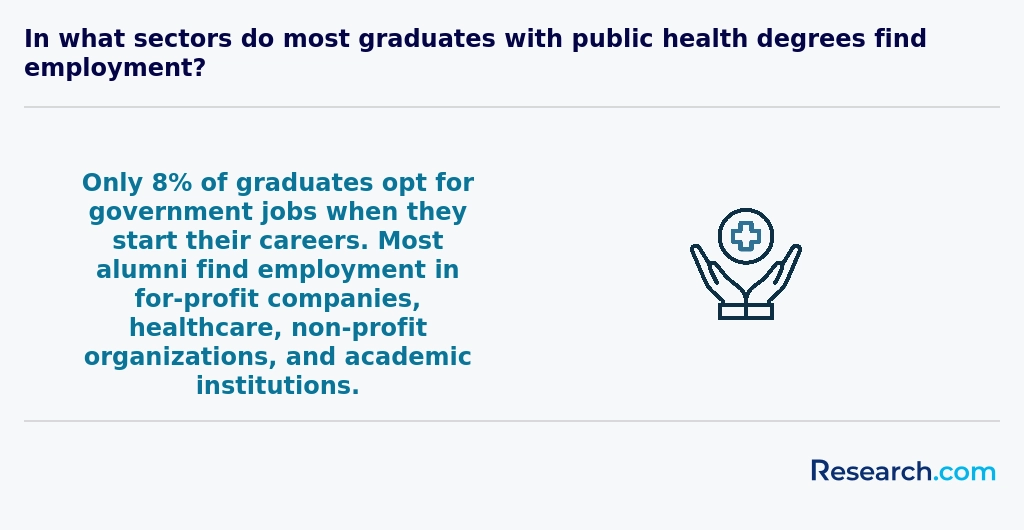
Graduates with a public health degree in the South discover a wealth of career paths that are both rewarding and impactful. Many find fulfilling roles as epidemiologists, health educators, and community health workers, where they analyze health data and lead wellness initiatives tailored to the unique challenges of Southern communities. Universities like the University of North Carolina at Chapel Hill prepare their students well for these roles, inspiring graduates to tackle regional health disparities with compassion and expertise. The South's demand for skilled professionals creates exciting opportunities for those passionate about making a difference.
Others pursue careers in health policy and management, shaping programs that enhance rural healthcare access and strengthen public health systems across the region. Environmental health specialists also thrive here, addressing critical issues like water safety and pollution-work that deeply connects with the South's environmental landscape. For students eager to dive into data, biostatistics roles offer a chance to contribute to vital research at prominent institutions. Those interested can explore fast-tracked options like the top associate degree in 6 months accredited to quickly start their public health career journey. The South region public health degree jobs are rich with purpose and growth, making this an inspiring path forward.
The job market for public health graduates in the South is vibrant and expanding, offering a variety of rewarding career paths. Graduates from well-regarded institutions like the University of North Carolina or Emory University often find themselves stepping confidently into roles that address pressing community needs, such as health education and policy development. This region values practical experience alongside academic credentials, making internships and volunteer work key to success. The growing demand for public health professionals in Southern states creates abundant public health career opportunities in the South, especially in government agencies and healthcare organizations where graduates can make a real difference.
Public health students in the South frequently remark on the welcoming networks available through local health departments and non-profits, which enhance job placement. With tuition costs generally lower here than in other regions, many are also savvy about managing expenses, often seeking easy certifications that pay well to boost their qualifications. The job outlook for public health graduates Southern states is indeed promising, filled with chances to impact lives meaningfully while building fulfilling careers.
2027 Most Popular Public Health Degree Programs Ranking in the South
Investing in your education is a significant decision that can shape your future, and the Research.com team understands the importance of making informed choices. To assist prospective students interested in public health, we have meticulously crafted the "2027 Most Popular Public Health Degree Programs Ranking in the South." Our commitment to quality, credibility, and accuracy is reflected in the extensive research and analysis conducted to compile this ranking.
We utilized the following reputable data sources to ensure a comprehensive evaluation of public health programs:
By exploring this ranking, readers will gain valuable insights into the most popular and reputable public health degree programs in the South, empowering them to make well-informed decisions about their educational journeys. For more information about how this ranking was created, please visit our Research.com methodology page.


Frequently Asked Questions About public health
Public health degree students in the South can maximize their learning by engaging deeply with local health initiatives. The Southern United States faces unique challenges, such as higher rates of chronic diseases and health disparities, making regional experience crucial. Students should seek internships and volunteer opportunities with state health departments or nonprofit organizations focusing on these issues. According to the CDC, the South accounts for nearly 40% of all U.S. chronic disease deaths, highlighting the importance of practical exposure in these areas.
Students should also leverage partnerships between universities and public health agencies. Many Southern schools offer collaborative research projects that provide hands-on experience. Joining professional organizations like the Southern Public Health Association can enhance networking and mentorship possibilities. Finally, staying updated on state-specific health data and policies will empower students to tailor their skills effectively for regional needs.
The field of public health is evolving rapidly, with several emerging niches gaining momentum, especially in the South. One notable area is rural health, where professionals address healthcare disparities typical in less urbanized regions. According to the Health Resources and Services Administration, about 15% of the U.S. population lives in rural settings, many in Southern states, fueling demand for expertise in this niche.
Another growing specialty is public health informatics. This field combines data science and epidemiology to improve disease tracking and health system management, which became crucial during the COVID-19 pandemic. Southern universities increasingly include informatics in their curriculum.
Environmental health remains vital due to the South's vulnerability to climate change-linked disasters like hurricanes and flooding, affecting community health planning and response.
Preparing for the job market after earning a public health degree in the South involves strategic steps focused on skills and networking. According to the Bureau of Labor Statistics, public health jobs in Southern states like Texas and Florida are expected to grow by over 15% through 2032, signaling strong market demand.
Students should gain practical experience through internships or volunteer work in local health departments or nonprofits, which enhances employability. Obtaining certifications such as Certified Health Education Specialist (CHES) can set candidates apart.
Building professional connections by joining organizations like the Southern Public Health Association provides networking and job resources.
Employers in the Southern United States value public health degree graduates who demonstrate strong analytical skills. Graduates must be proficient in data collection and interpretation to address regional health disparities effectively. Communication skills are also crucial, as professionals need to convey health information clearly to diverse communities.
Understanding epidemiology and biostatistics is highly sought after, enabling graduates to analyze disease trends that disproportionately affect Southern populations. Leadership and project management abilities are important for coordinating public health initiatives, especially in rural and underserved areas.
The Southern Public Health Association highlights competency in cultural awareness and health equity as essential, given the region's diverse demographics. Additionally, proficiency in policy development and grant writing can enhance job prospects in this competitive field.
Finding internships in the South for public health students involves leveraging local opportunities in government agencies, healthcare organizations, and community nonprofits. The Southern region, home to nearly 38% of the U.S. population, offers diverse public health settings, particularly in states like Texas, Florida, and Georgia, which have significant health departments and research institutions.
Students should explore partnerships between Southern universities and local health departments, as many schools facilitate placements. Websites such as the Association of Schools and Programs of Public Health (ASPPH) list internships nationwide, including those in the South.
Health disparities remain a focus in Southern public health, increasing demand for student interns in programs targeting chronic diseases and rural health. According to the CDC, the South experiences higher rates of obesity and diabetes, emphasizing practical learning opportunities.
Networking at regional conferences, including those by the Southern Public Health Association, also opens doors to internships and mentorship. Early application and direct contact with potential sites improve chances of securing placements before graduation.
A public health degree significantly enhances career mobility and advancement opportunities in the South. According to the U.S. Bureau of Labor Statistics, employment in healthcare and social assistance is projected to grow faster than average in Southern states, creating demand for skilled public health professionals. Graduates with degrees often find roles in government agencies, non-profits, and healthcare organizations, where they influence policy and community health outcomes.
The Southern region faces unique health challenges such as higher rates of chronic diseases and limited access to care. Professionals with advanced public health training are sought after to develop targeted interventions, increasing job stability and promotion potential. Furthermore, earning accreditation from the Council on Education for Public Health (CEPH) can enhance credibility and open paths to leadership positions.
Studying for a public health degree in the South offers unique opportunities to engage with interdisciplinary approaches essential for modern public health careers. Southern programs emphasize collaboration across fields such as medicine, social work, environmental science, and policy. This holistic training reflects the region's diverse health challenges, including higher rates of chronic diseases and rural health disparities, highlighted by the CDC.
Many Southern universities incorporate practical experiences through partnerships with local health departments and community organizations. These collaborations enhance students' skills in communication, data analysis, and program management.
According to the Association of Schools and Programs of Public Health, these interdisciplinary programs increase job readiness across sectors including healthcare, government, and nonprofit work.
When choosing between a thesis and a non-thesis public health degree program in the South, consider your career goals and learning style. Thesis programs typically require original research, which is ideal for students aiming for academic or research careers. Many Southern universities, like the University of North Carolina, support thesis options that can lead to doctoral studies.
Non-thesis programs focus more on practical skills and coursework, appealing to professionals seeking leadership roles in public health agencies or nonprofits. According to the Association of Schools and Programs of Public Health, Southern states have seen a 12% increase in demand for public health practitioners, favoring applied knowledge over research.
Cost and duration also matter: thesis tracks may take longer due to research commitments. Evaluate your time, financial situation, and long-term goals before deciding.
Students in the South interested in public health have several study abroad opportunities to choose from. Many universities in this region, including institutions in Florida and North Carolina, offer partnerships with international schools for semester exchanges or summer programs. These options allow students to gain global health perspectives while earning credits toward their degrees.
Programs often focus on areas like epidemiology, health policy, and environmental health. According to the Association of Schools and Programs of Public Health (ASPPH), Southern public health schools increasingly emphasize global health competencies, reflecting the growing importance of international experience in this field.
Financial aid and scholarships for study abroad are also commonly available to Southern students pursuing public health.
Part-time job opportunities in the South that complement public health degree education include community health worker positions, healthcare data entry, and outreach coordinator roles. According to the Bureau of Labor Statistics, community health worker jobs are projected to grow 17% through 2031, with southern states leading this increase due to rural health initiatives.
Many universities in the South also offer internships or part-time roles with local health departments and nonprofit organizations, allowing students to gain hands-on experience. These roles often involve health education, prevention programs, and assisting underserved populations.
Working in roles involving health communication or epidemiology support can enhance practical skills valuable for public health careers in this region.
Public health students in the South benefit from numerous networking opportunities designed to enhance their education and career prospects. Regional organizations such as the Southern Public Health Association (SPHA) provide annual conferences and workshops, attracting thousands of professionals and students. According to SPHA, over 1,200 public health experts attended their 2023 meeting, creating strong peer connections.
Many Southern universities partner with local health departments and nonprofits, offering internships and events where students meet industry leaders. Schools in states like North Carolina, Texas, and Georgia often host guest speakers and career fairs specifically for public health majors. These connections foster mentorship and job placement in the competitive Southern health sector.
Alumni networks play a crucial role in supporting public health degree students in the South by offering valuable career connections and mentorship opportunities. Graduates often share job openings and internship leads, which can be critical in regions with competitive public health markets. According to the National Board of Public Health Examiners, over 60% of job placements involve personal or professional networks. Many southern universities maintain active alumni groups that organize events and workshops, helping students build relationships with experienced professionals. These networks also provide guidance on navigating local public health challenges, such as addressing rural healthcare disparities common in the South.
Students pursuing public health degrees in the South can customize their programs through elective courses, concentrations, and practical experiences tailored to their career goals. Many universities offer tracks in areas like epidemiology, health policy, or community health, allowing students to focus on specialties relevant to Southern populations. For example, addressing chronic diseases or rural health disparities is common in this region. Internships and fieldwork opportunities with local health departments or nonprofits provide hands-on experience and networking.
Flexible online and hybrid options also help working professionals balance education with career demands. According to the Association of Schools and Programs of Public Health (ASPPH), Southern schools collectively emphasize cultural competence and regional health challenges in their curricula.
Public health students in the South often face unique challenges related to regional health disparities. The South experiences higher rates of chronic diseases like diabetes and heart disease compared to other US regions, increasing the demand for community-focused public health interventions. According to the CDC, nearly 40% of Southern adults are obese, which shapes the academic focus and practical training for students.
Access to quality healthcare in rural areas also limits opportunities for hands-on experience, as many Southern counties are medically underserved. Additionally, funding constraints in public universities can affect resources available for research and internships.
Language barriers and cultural diversity in Southern populations require students to develop strong communication skills and cultural competence. These factors combine to create a demanding but critical educational environment for aspiring public health professionals in the region.
With a public health degree in the South, you can pursue several key professional certifications that enhance your career prospects. Among the most recognized is the Certified in Public Health (CPH) credential offered by the National Board of Public Health Examiners. This certification demonstrates your mastery of core public health knowledge and is valued by employers across the United States.
Additionally, the Certified Health Education Specialist (CHES) credential is popular among those focusing on health education and promotion. In Southern states, demand for CHES-certified professionals is increasing due to regional public health initiatives aimed at addressing chronic diseases.
Other relevant certifications include those in epidemiology and environmental health, recognized by state health departments. Pursuing these credentials can significantly improve your job opportunities in government agencies and nonprofit organizations in the South.
Crafting a winning application for a public health program in the South requires clear demonstration of your commitment to community health challenges common in this region. Emphasize relevant experiences, such as internships or volunteer work addressing rural health disparities-these remain significant, with the CDC reporting higher rates of chronic diseases in Southern states.
Strong academic records matter; GPA and standardized test scores, when required, should reflect your readiness for graduate-level coursework. Personal statements must articulate your motivation and goals, linking them to public health issues specific to the South, such as access to healthcare and social determinants of health.
Letters of recommendation should come from professionals familiar with your dedication and potential. Lastly, thoroughly research individual programs, as public health schools in the South often value applicants who understand regional health priorities and policies.
The field of public health offers a truly global outlook, influenced by worldwide health challenges like pandemics, chronic diseases, and environmental risks. In the United States, including the South, public health careers increasingly address issues with international implications. For example, the Centers for Disease Control and Prevention (CDC) in Atlanta collaborates globally on disease prevention and health promotion.
Students in Southern public health programs gain skills applicable worldwide, from epidemiology to health policy. Global health perspectives are often integrated into curricula, preparing graduates to work in diverse settings. According to the Association of Schools and Programs of Public Health, nearly 55% of public health graduates in the South have opportunities involving international health projects.
This global focus reflects rising demand for professionals who can navigate complex health systems across borders, ensuring better community health outcomes everywhere.
Gaining practical experience while studying for a public health degree in the South is crucial for career readiness. Many universities partner with local health departments, hospitals, and nonprofit organizations to offer internships or practicum opportunities. These placements allow students to work directly on community health initiatives and data analysis.
The Southern Public Health Association reports that internships in state health agencies frequently cover vital topics like infectious disease control and health education. Additionally, some programs encourage volunteering with regional organizations addressing disparities in rural and underserved areas.
Research assistant roles and service-learning projects tied to coursework also provide hands-on experience. Such exposure helps build skills valued by employers in public health fields across the South.
Choosing the right concentration within a public health degree program in the South depends largely on your career goals and the region's unique health challenges. The Southern US faces higher rates of chronic conditions like diabetes and heart disease, so concentrations in epidemiology and community health are highly relevant. According to the CDC, these issues disproportionately affect Southern states, making specialized training in these areas valuable.
It's also essential to consider local workforce needs. The Bureau of Labor Statistics projects a 16% growth in public health roles through 2030, with increased demand for experts in health policy and administration.
Evaluate programs that offer practical experience opportunities such as internships with regional health departments or organizations. This hands-on exposure can clarify which concentration fits your interests and the community's needs.
- Highest Paid Public Health Careers https://www.publichealthdegrees.org/careers/highest-paid-public-health-jobs/
- Public Health Degrees & Careers | How To Work In Public Health https://www.learnhowtobecome.org/medical-health-careers/public-health/
- For Academic Public Health https://globalnetworkpublichealth.org/
- Letter of Intent for Admissions to Masters of Public Health - how this program fits to my goals? https://essayforum.com/graduate/intent-admissions-masters-public-health-64817/
- Why Public Health is the Ideal Career Path for Gen Z - Reach Out https://we-reachout.org/why-public-health-is-the-ideal-career-path-for-gen-z/
- Public Health Challenges – IPA SDG Dashboard https://sdg.internationalpublishers.org/sdgaction/public-health-challenges/
- Public Health: A Global Perspective https://www.routledge.com/Public-Health-A-Global-Perspective/Singh/p/book/9781032644226
- Public Health Salaries: What Can You Earn with an MPH? https://masterspublichealth.com/masters-in-public-health-salary/
- Students and Alumni associations - Europubhealth https://www.europubhealth.org/students-alumni-associations/
- Top 15 Places to Look For M.P.H. Jobs - Benedictine University Online https://online.ben.edu/programs/public-health/mph/resources/top-places-to-find-mph-jobs/











