
2027 Most Popular Public Health Degree Programs Ranking in San Francisco

Co-Founder and Chief Data Scientist
Are you exploring opportunities to advance your career in public health? This article presents the 2027 Most Popular Public Health Degree Programs Ranking in San Francisco, developed by the Research.com team of data scientists to guide you through the best choices available locally.
By reviewing this ranking, you'll gain valuable insights into programs that align with your goals and interests. Pursuing a public health degree can open doors to meaningful work that positively impacts communities.
Take a confident step toward a rewarding future by learning more about these top programs today.
Key benefits of getting public health degree in San Francisco
- Salary for public health degree graduates: Graduates can expect competitive salaries, such as $86,710 annually for Environmental Health Specialists and $69,790 for Health Educators, demonstrating strong earning potential in San Francisco's health sector.
- Career paths: Public health degree holders from San Francisco State University often pursue diverse roles like Community Health Workers or Occupational Health Specialists, offering rewarding opportunities to impact community well-being.
- Online degree benefits: Earning a public health degree online from a respected institution like the University of San Francisco allows flexible study schedules and access to quality education without relocating, fitting busy lifestyles perfectly.
- 2027 Most Popular Public Health Degree Programs Ranking in San Francisco
- What can I expect from public health degree in San Francisco?
- Where can I work with public health degree in San Francisco?
What can I expect from public health degree in San Francisco?
The average cost of pursuing a public health degree in San Francisco varies, but students typically invest between $30,000 and $60,000 per year for tuition at prominent institutions like the University of California, San Francisco (UCSF). Graduates often share that while the financial commitment is significant, the immersive learning experience and access to leading public health resources justify the expense. Many emphasize that hands-on internships and research projects, especially those addressing urban health issues such as homelessness and infectious disease control, add exceptional value beyond classroom learning.
Students at San Francisco universities frequently leverage local partnerships with public health departments and nonprofit organizations, allowing them to gain real-world skills that enhance employability. This local engagement helps offset costs by opening doors to paid fellowships and assistantships. Graduates often express satisfaction with how these practical experiences deepen their understanding and better prepare them for dynamic healthcare roles within the city's innovative public health sector.
Where can I work with public health degree in San Francisco?
Graduates with a public health degree in San Francisco find diverse career paths that leverage the city's strong health sector. Many start by joining the San Francisco Department of Public Health (SFDPH), taking roles such as epidemiologists or health educators. These positions offer hands-on experience in disease prevention and emergency preparedness with salaries that match the city's high cost of living.
Nonprofit organizations like the San Francisco AIDS Foundation are common next steps. Graduates often share how rewarding it feels to work directly with underserved communities, managing programs that address infectious diseases and mental health. This sector nurtures skills in community outreach and grant writing.
University graduates from institutions such as San Francisco State University highlight opportunities in healthcare facilities like UCSF Medical Center, where data analytics and research administration roles help advance public health knowledge and improve patient outcomes.
The private sector adds excitement for those interested in health technology and biotech, sectors growing about 3% annually. Graduates often enjoy contributing to digital health tools and innovative population health research, searching for solutions that impact millions locally and beyond.
Graduates from public health programs in San Francisco often find rewarding salary prospects reflecting the city's competitive job market. For instance, community health workers typically earn around $52,610 annually, providing a solid starting point right out of school.
Health educators, a common role pursued by bachelor's degree holders from institutions like San Francisco State University, earn approximately $69,790 per year. This figure highlights the benefit of local educational programs that prepare graduates well for these positions.
Graduates aiming for specialist roles such as environmental health specialists can expect mean annual wages near $86,710, demonstrating the value of advanced certifications and experience.
Similarly, occupational health and safety specialists command salaries averaging $85,570, reflecting strong demand in San Francisco's healthcare and biotech sectors. Many San Francisco public health graduates share that internships and projects within local hospitals or biotech firms helped them land these well-paying roles quickly.
By focusing on gaining practical experience through university partnerships and local employer networks, students can significantly improve their earnings potential in this vibrant job market.
- Graduate tuition for public health programs in San Francisco ranges from $20,000 to $45,000 per year, varying between public and private schools.
- Starting salaries for early-career public health graduates in San Francisco typically fall between $60,000 and $75,000 annually.
- Experienced public health professionals with advanced degrees can earn between $90,000 and $120,000 or more per year.
- Job opportunities exist in areas like epidemiology, health policy, environmental health, and biostatistics due to strong local demand.
- Networking, internships, and fellowships are readily available and important for gaining experience in the San Francisco public health sector.
Completing a public health degree in San Francisco varies by level, but most full-time bachelor's students finish in about four years. Graduates from popular local colleges often share how the structured curriculum helped them secure internships early, making the four-year path both manageable and rewarding. For those pursuing a Master of Public Health (MPH), the typical full-time duration is around two years. Many MPH students at San Francisco universities highlight the benefit of accelerated programs that wrap up in 12 to 18 months, though these require dedication and a heavier workload. Part-time options extend the timeline to three or more years but allow working professionals to balance career and study effectively.
Doctoral programs, including PhD or DrPH degrees at San Francisco institutions, usually take 4 to 6 years, blending rigorous coursework with research and dissertation writing. Graduates often express pride in completing these demanding programs while contributing to meaningful public health advancements in their communities.
Adjusting course loads based on financial needs is common, as tuition ranges from $20,000 to $40,000 annually, making flexible pacing an important strategy for many local students.
Online and on-campus public health degrees in San Francisco differ mainly in flexibility and experience. Graduates from UCSF's on-campus programs often highlight the energizing campus atmosphere and direct access to local health departments for hands-on projects. These real-world interactions foster strong networking and practical skills. Meanwhile, online students appreciate balancing studies with work or family, accessing lectures and discussions anytime, which fits well with busy lifestyles.
Cost is another factor: on-campus programs can run between $15,000 and $30,000 annually for in-state students due to campus fees and commuting, while online options may reduce those extra expenses even if tuition matches. Both are CEPH-accredited, ensuring solid education and employer respect.
To decide, consider if you thrive in face-to-face environments with rich campus resources, or prefer the autonomy and convenience of online learning. San Francisco public health students often succeed by aligning their choice with daily routines and career goals, making their degree journey both manageable and rewarding.
Living and learning in San Francisco extends beyond the classroom; students benefit from a vibrant campus life and extensive networking opportunities that enrich their public health education. Many programs host student organizations, seminars, and community events which foster collaboration and professional growth. Whether it’s joining public health clubs, attending local health fairs, or participating in university-sponsored networking sessions with industry experts, students gain valuable connections that can lead to internships, job opportunities, and lifelong mentorship. Campus events often include panel discussions with alumni who share firsthand experiences on navigating the competitive public health job market, offering insights into overcoming challenges and maximizing career potential. Furthermore, universities in the area consistently rank among the most popular public health colleges, not only for their academic excellence but also because of their commitment to creating a supportive, engaging environment that prepares students for real-world challenges. Embracing these opportunities can help prospective students establish a strong professional network, making the transition from academic life to successful public health careers smoother and more fulfilling.
The average cost of a public health degree in San Francisco varies significantly depending on residency status and the type of institution. For in-state students, tuition and fees typically center around $7,950, making public universities like San Francisco State University more affordable options. Many graduates recall balancing their studies with part-time jobs to manage these costs while enjoying the vibrant city life. Out-of-state students face higher expenses, with total costs reaching approximately $43,880. This range reflects tuition as well as associated fees, which requires careful budgeting, especially given San Francisco's high living costs.
Private universities in the city are another option but often come with higher price tags. For example, public health degree tuition and fees San Francisco-wide can be well above public rates, with total program costs also around the $43,880 mark regardless of residency. Graduates from private institutions often highlight the advantages of smaller class sizes and extensive networking opportunities that can justify the investment. Exploring financial aid, employer sponsorships, and scholarships has proven essential for many students working toward their degrees.
When considering your education, it's helpful to review the expenses specific to the most popular public health colleges. You can find detailed comparisons and cost estimates by visiting most popular public health colleges. This resource can guide prospective students in making a well-informed decision based on both costs and program features tailored to San Francisco's dynamic public health landscape.

Students pursuing public health degrees in San Francisco often tap into federal aid through the FAFSA, unlocking grants like Pell Grants and loans such as Federal Direct Unsubsidized and PLUS Loans. For example, a graduate from UCSF recalls how Pell Grants helped significantly reduce upfront costs during undergraduate years before advancing to graduate programs.
California residents benefit from state-specific aid like the California College Promise Grant, which eases fees for community college transfers aiming to join prominent public health programs. Graduates frequently highlight the competitive yet rewarding nature of these grants, which can make a major financial difference.
At universities like UCSF, many public health students receive institutional scholarships and fellowships tied to academic excellence and financial need, offering vital tuition relief. Some students share stories of assistantships that not only provide stipends but also valuable practical experience in research and teaching.
Additionally, scholarships from professional organizations, including those based in the Bay Area, often focus on supporting diverse and underrepresented students, further widening access to education in public health.
Accelerated Master of Public Health programs condense core MPH coursework into a shorter timeframe-often 12 to 18 months-allowing driven students to launch or elevate their careers more quickly. By focusing on essential disciplines such as epidemiology, biostatistics, and health policy within an intensive curriculum, these programs equip graduates with the credentials needed for leadership roles in government agencies, nonprofits, and healthcare systems. When researching accelerated options, prospective students should verify CEPH accreditation, review faculty research expertise, and examine practicum partnerships with local health departments or community organizations. Small cohort sizes and dedicated mentorship foster deeper engagement, while robust digital libraries and academic support services ensure academic success under an accelerated schedule. The online delivery model further enhances accessibility and flexibility. Through asynchronous lectures, virtual discussion boards, and collaborative project platforms, students can balance professional or personal commitments without sacrificing the quality of instruction. For a detailed comparison of top-ranked accelerated tracks that combine speed with affordability and academic rigor, explore our curated list of online mph programs designed to meet diverse learner needs and career aspirations. Choosing an accelerated online MPH allows San Francisco students to reduce tuition expenses, eliminate commuting time, and enter the workforce faster-while still benefiting from the same expert faculty, hands-on practicum experiences, and peer networking opportunities characteristic of traditional on-campus programs.
To enroll in a public health degree in San Francisco, students typically need a strong academic foundation tailored to their chosen level of study. For undergraduates, this means holding a high school diploma with solid grades in biology, chemistry, and math. Graduates entering programs like the Master of Public Health (MPH) at institutions such as San Francisco State University often share that completing prerequisite science courses beforehand made advanced topics feel manageable and engaging.
Applicants for graduate programs usually require a bachelor's degree, not necessarily in health sciences, but backgrounds in biology, social sciences, or statistics provide an edge. Many students highlight how submitting GRE scores, when required, helped them confidently demonstrate readiness, though some programs are dropping this requirement.
Beyond academics, practical experience counts. Internships or volunteer roles in local clinics or public health organizations bring real-world insights, which San Francisco graduates often credit for deepening their passion and clarity about their career goals.
Meeting program-specific prerequisites like letters of recommendation is vital, too. Engaging with faculty before applying offers an encouraging glimpse into San Francisco's uniquely urban public health challenges, helping you feel motivated and prepared.
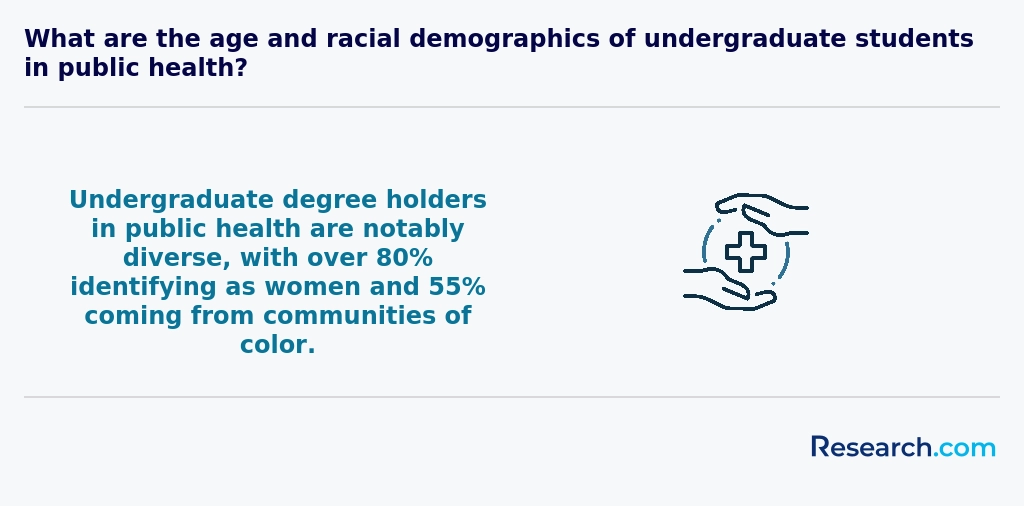
Public health degrees in San Francisco commonly include courses such as epidemiology, biostatistics, and environmental health, providing students with essential tools to analyze disease patterns and interpret data. Graduates from local universities often reflect on how these foundational classes enabled them to approach urban health challenges methodically, like tracking infectious disease outbreaks in the city's diverse neighborhoods.
Courses in health policy and management are central, equipping students to understand and influence local health systems. For example, students from San Francisco State University report gaining firsthand experience navigating city health regulations, which helped them design effective community health initiatives.
Behavioral sciences and social determinants of health courses dive into the impact of lifestyle and socioeconomic factors on well-being. Graduates commonly share how this knowledge deepened their empathy and skills for addressing health disparities, particularly in underserved city districts.
Many programs also emphasize practical internships with city health departments and nonprofits. These experiences allow students to apply classroom lessons to real-world problems like homelessness and substance abuse, making their education directly relevant and energizing.
Students pursuing a public health degree in San Francisco often select specializations aligned with the city's unique challenges. Popular tracks include Epidemiology, focusing on infectious disease patterns-vital in an urban center like San Francisco where graduates have engaged in outbreak monitoring and response efforts at leading institutions such as UCSF. Environmental Health is another key area, training students to tackle pollution and climate change impacts common in the region. Graduates often share how hands-on projects in local communities strengthened their abilities to assess environmental risks effectively. For those interested in systemic solutions, Health Policy and Management offers pathways to influence healthcare access and equity, with practical internships at San Francisco's prominent healthcare centers. Other options include Community Health Education, which supports designing health programs for underserved neighborhoods, and Global Health, reflecting the city's multicultural population's needs. Students can explore these specializations through traditional programs or consider online mph programs tailored for flexible career advancement in San Francisco's dynamic public health landscape.
To choose the best public health degree in San Francisco, start by verifying if the program is CEPH-accredited, which ensures quality education meeting national standards. Graduates from the University of California, Berkeley, often cite the program's strong faculty and cutting-edge research as major assets that enriched their learning and career prospects. Consider programs that offer specializations relevant to San Francisco's unique urban health challenges, such as environmental health or local epidemiology, which can make your studies more impactful and tailored.
Networking is crucial. Many students benefit from internships and job placements thanks to partnerships with institutions like the California Department of Public Health. Practical experience gained through these connections often leads to rewarding careers. Affordability is another important factor; public schools like San Francisco State University typically offer more affordable tuition.
For flexible study options, evaluate full-time, part-time, or online formats based on your lifestyle needs. To explore budget-friendly options, check out the Most Affordable Online Public Health Degree Programs Ranking in California. Many graduates appreciate programs that balance quality education with cost and convenience, helping them confidently advance in public health roles.
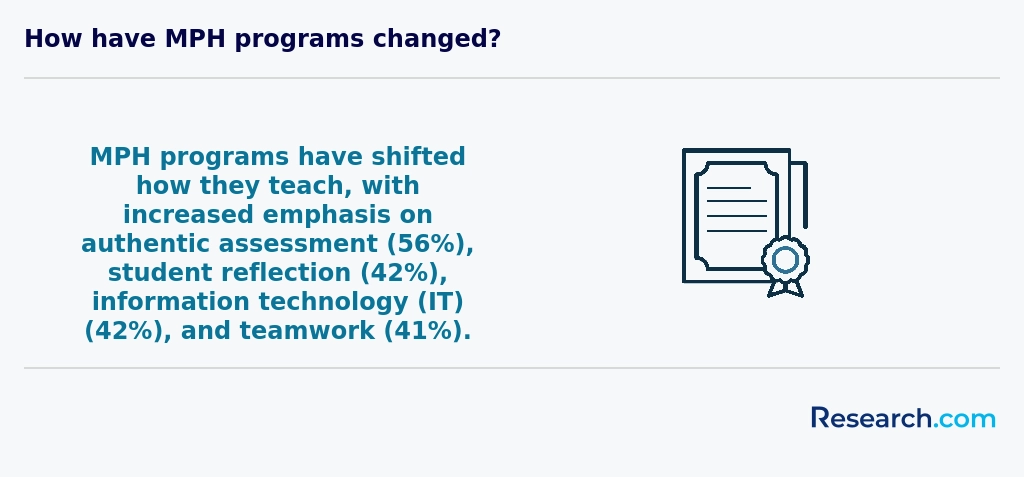
Graduates with a public health degree in San Francisco can pursue diverse career paths due to the city's dynamic health environment. Many find rewarding roles in epidemiology and disease control, applying skills learned at local institutions like San Francisco State University to analyze infectious disease data and support prevention efforts. These positions not only offer solid salaries but also the opportunity to impact public health policies directly.
Community health work and health education provide another meaningful avenue, where graduates contribute to mental health awareness and substance abuse programs in underserved neighborhoods. Those who studied at universities with strong community engagement often mention the satisfaction of seeing their efforts improve health outcomes firsthand. San Francisco public health job opportunities also extend into policy and healthcare management, with healthcare startups and UCSF Health requiring professionals to navigate complex regulations and innovate service delivery.
Technical fields such as biostatistics and health informatics are increasingly important as data drives healthcare decisions. Graduates skilled in analytics enjoy growing demand in Bay Area tech companies. For those considering additional credentials, exploring 6 month certificate programs that pay well online can enhance employability in these competitive roles.
The job market for public health degree holders in San Francisco is diverse and growing, with strong demand across sectors such as community health education, disease surveillance, and health policy. Graduates from San Francisco State University and other local institutions often find opportunities with government agencies like the San Francisco Department of Public Health, as well as healthcare networks including UCSF Health. These roles offer competitive salaries, typically higher than the national average, reflecting the city's high cost of living and emphasis on preventive care.
Many graduates have shared positive experiences securing positions in environmental health and biostatistics, fields that benefit from the city's focus on innovative health solutions. Employment in these sectors is promising, aligned with the broader San Francisco public health career outlook.
For students weighing the financial aspect, public universities offer tuition in the $7,000 to $10,000 range annually, improving the return on investment when paired with local job availability and salary levels. Those interested in quick workforce entry may consider exploring easy certifications to get that pay well, supplementing their degree and boosting employability.
2027 Most Popular Public Health Degree Programs Ranking in San Francisco
Investing in your education is a significant decision that can shape your future, and the Research.com team understands the importance of making informed choices. To assist prospective students, we have meticulously crafted the "2027 Most Popular Public Health Degree Programs Ranking in San Francisco." Our commitment to quality, credibility, and accuracy is reflected in the extensive research and analysis conducted to compile this ranking.
We utilized the following reputable data sources to ensure a comprehensive evaluation of public health programs:
By exploring this ranking, readers will gain valuable insights into the most popular public health degree programs available in San Francisco, helping them make informed decisions about their educational paths. For more details on our methodology, please visit our Research.com methodology page.


# 4 position
University of California-San Francisco
Master of Public Health

Frequently Asked Questions About public health
Public health degree students in San Francisco can maximize their learning by engaging with the city's vibrant network of health organizations and research institutions. San Francisco is home to prominent centers like the UCSF School of Medicine and the California Department of Public Health, offering students opportunities for internships and collaborative projects. Gaining hands-on experience through local public health initiatives helps bridge theory and practice effectively.
Students should also attend public seminars and workshops focused on urban health challenges, such as homelessness and infectious disease control, which are highly relevant in the city. According to the San Francisco Department of Public Health, over 70% of the city's public health budget supports community-based interventions, emphasizing community engagement.
Finally, networking with professionals and leveraging local data sources enhances research skills essential for success in the public health field.
The public health field in San Francisco is expanding into several emerging niches driven by technological advances and social needs. One growing area is digital epidemiology, where data science and mobile health applications help track disease patterns in real time. This is particularly relevant in urban settings like San Francisco, which has seen significant innovation in health data analytics.
Another important niche is environmental health, focusing on air quality and climate change impacts, reflecting Bay Area concerns about wildfires and pollution. Mental health integration into public health is also gaining attention, supported by local programs addressing homelessness and substance use disorders.
These niches align with evolving job markets and opportunities within San Francisco's public health institutions, offering students specialized career paths.
Preparing for the job market after completing a public health degree in San Francisco involves a combination of practical experience and strategic networking. San Francisco's public health sector is dynamic, with opportunities in city health departments, nonprofit organizations, and research institutions. According to the San Francisco Department of Public Health, internships and volunteer roles during or after study significantly improve job prospects.
Graduates should focus on building skills in data analysis, epidemiology, and health policy, which are highly valued by local employers. Certifications such as Certified Health Education Specialist (CHES) can also enhance career readiness. Networking at local events, including those hosted by the California Public Health Association, opens doors to employment.
Additionally, leveraging San Francisco's strong tech industry by understanding health informatics provides an advantage. Staying updated on regional health challenges, such as homelessness and infectious diseases, is crucial for tailored job applications. Reliable job boards like the Public Health Jobs website help track openings specific to the Bay Area.
Employers in San Francisco value a combination of analytical and interpersonal skills in public health degree graduates. Critical thinking and data analysis are essential, as many roles require interpreting health statistics and developing evidence-based interventions. According to the California Department of Public Health, proficiency in biostatistics and epidemiology is highly sought after in the Bay Area job market.
Communication skills also play a significant role. Graduates must effectively convey complex health information to diverse communities. Leadership and project management abilities are important, especially when coordinating public health programs across local agencies.
Finally, cultural competence is crucial in San Francisco's diverse population, enabling graduates to tailor initiatives for equitable health outcomes.
Finding internships in San Francisco relevant to a public health degree involves several practical steps. Start by exploring local institutions such as the San Francisco Department of Public Health, which regularly offers internship opportunities in areas like epidemiology, health promotion, and policy development. Universities like UCSF also provide resources and connections for students seeking placements.
Networking is essential; attend public health events and workshops hosted by organizations like the Bay Area Public Health Coalition. Additionally, online platforms such as Handshake and LinkedIn list internships specifically targeting public health students in California.
According to the California Employment Development Department, healthcare and social assistance industries, including public health roles, are projected to grow 13% statewide by 2030, indicating expanding internship availability. Students should also check the National Association of County and City Health Officials (NACCHO) for San Francisco-specific opportunities and resources.
A public health degree in San Francisco significantly enhances career mobility and advancement due to the city's robust healthcare ecosystem. With over 20,000 public health jobs projected by the California Employment Development Department through 2028, local graduates enter a competitive market primed for growth. The degree equips students with skills applicable across government agencies, nonprofits, and tech-health startups, all prominent employers in the area.
The city's emphasis on innovative health solutions creates frequent opportunities for upward mobility. Professionals holding a master's or doctoral degree often qualify for leadership roles or specialized positions in epidemiology, health policy, and community health.
According to the San Francisco Department of Public Health, individuals with a formal public health education tend to experience higher salary growth and job retention, reflecting a clear advantage in career progression.
Studying for a public health degree in San Francisco equips students with skills to work across multiple disciplines. The city's diverse population and extensive healthcare network provide real-world experiences in epidemiology, environmental health, and health policy. Programs emphasize collaboration among fields such as medicine, social sciences, and data analysis.
San Francisco's public health initiatives often involve partnerships with tech companies and community organizations, fostering interdisciplinary problem-solving. According to the San Francisco Department of Public Health, integrating multiple perspectives improves outcomes in addressing disparities and emerging health issues. This approach prepares graduates for versatile roles in a dynamic job market.
Choosing between a thesis and a non-thesis public health degree program in San Francisco depends on your career goals and learning preferences. Thesis programs typically require original research and are ideal for students interested in academic or research careers. You will spend significant time designing and conducting a study, often preparing for doctoral studies or research roles.
Non-thesis programs emphasize practical skills, coursework, and fieldwork, appealing to those aiming for immediate employment in public health agencies or community health organizations. In San Francisco, where public health issues include homelessness and infectious diseases, hands-on experience can be especially valuable.
According to the California Department of Public Health, San Francisco's demand for community health workers is growing by 12% annually, favoring non-thesis graduates with practical expertise. Consult program details at local universities to assess coursework and fieldwork components before deciding.
Students in San Francisco seeking to study public health abroad have various pathways to consider. Many local universities, such as the University of California, San Francisco (UCSF), participate in exchange programs with international institutions, enabling students to gain global experience while earning credits. The Council on Education for Public Health (CEPH) accredits many U.S. schools, which helps facilitate credit recognition abroad.
Additionally, programs in global health often include fieldwork or internships outside the U.S., offering practical experience in diverse health systems. According to the Association of Schools and Programs of Public Health (ASPPH), interest in global public health is growing among American students, reflecting the importance of global interconnectedness in addressing health challenges.
Sponsoring organizations and scholarships, such as Fulbright or Gilman Awards, provide financial support for international study focused on public health. Students can also consider fully accredited online MPH programs with international field placements, offering flexible options without relocating permanently.
San Francisco offers diverse part-time job opportunities that align well with public health degree studies. Popular roles include community health worker positions, where students assist in educating local populations about disease prevention and wellness. According to the California Employment Development Department, these jobs often provide flexible hours suitable for students.
Another option is working as a research assistant in local universities or public health organizations like the San Francisco Department of Public Health. These roles help develop skills in data collection and analysis.
Internships with nonprofit health agencies also complement academic learning by exposing students to real-world challenges in urban health.
San Francisco offers robust networking opportunities for public health students due to its strong concentration of health organizations and academic institutions. Students can connect with professionals through local chapters of national groups such as the American Public Health Association and the Society for Public Health Education.
The city hosts frequent public health conferences, workshops, and seminars, often featuring experts from nearby institutions like the University of California, San Francisco (UCSF), a leader in health sciences research. UCSF's public health program regularly facilitates networking events specifically for its students.
Collaboration with San Francisco's Department of Public Health provides hands-on experience and professional contacts. Additionally, nonprofit organizations and biotech startups in the Bay Area offer internships, helping students build valuable industry connections.
Alumni networks offer significant benefits for public health degree students in San Francisco by providing access to professional connections and career opportunities. Graduates from local universities often remain active in the community, sharing job leads and internships specifically in the Bay Area's diverse health sectors.
These networks facilitate mentorship programs, enabling current students to receive guidance from experienced professionals who understand the unique public health challenges in San Francisco. For example, initiatives foster connections in areas such as infectious disease control and health policy, crucial given the city's history with outbreaks and continual innovation.
According to a 2023 report by the California Public Health Association, over 65% of public health graduates found employment through alumni referrals, highlighting the networks' influence in job placement. This close-knit professional community enhances collaboration, resource sharing, and supports students in building a local career foundation.
Customizing a public health degree in San Francisco allows students to align their education with specific career goals. Many local universities offer flexible programs featuring elective courses and specialized tracks such as epidemiology, health policy, or community health. Students can often select internships with nearby public health organizations, gaining practical experience tailored to their interests.
San Francisco's public health sector focuses heavily on issues like infectious disease control and health equity, reflecting city health priorities reported by the San Francisco Department of Public Health. Choosing relevant research projects or practicum sites within the city enhances job readiness.
Additionally, some programs support dual degrees, combining public health with areas like business or data analytics, broadening career options.
Public health students in San Francisco often face several challenges during their studies. One significant issue is the high cost of living in the city, which ranks among the most expensive in the United States, making housing affordability a major concern for many students (U.S. Census Bureau, 2023). Balancing part-time work with academic demands can be difficult as a result.
Additionally, navigating competitive internship opportunities can be challenging. San Francisco offers many public health organizations, yet high demand means students must actively seek out and secure placements early.
Lastly, adapting to the fast-evolving public health landscape, especially with ongoing COVID-19 impacts, requires students to remain up-to-date with new research and policy changes.
Graduates with a public health degree in San Francisco can pursue several key professional certifications to enhance their career opportunities. The most recognized is the Certified in Public Health (CPH) credential, offered by the National Board of Public Health Examiners. This certification demonstrates competency and a commitment to professional standards. Another option is becoming a Registered Environmental Health Specialist (REHS), which is valuable due to San Francisco's focus on environmental health issues.
Additionally, certifications such as Certified Health Education Specialist (CHES) and Certified Epidemiologist can benefit those specializing in community health and disease prevention.
San Francisco's public health job market benefits from these credentials, often required by local government agencies like the San Francisco Department of Public Health, which employs over 4,000 staff members as of 2023 according to their annual report.
Writing a strong application for a public health program in San Francisco involves clear, focused preparation. Start by researching the specific programs; many local universities emphasize urban health challenges like infectious disease control, relevant in San Francisco's diverse population.
Highlight your understanding of local public health issues, such as homelessness and substance use, which the San Francisco Department of Public Health frequently addresses. Include any relevant volunteer or work experiences that demonstrate your commitment to these areas.
Standardized test scores and GPA matter, but personal statements and recommendation letters carry significant weight. Use your essay to explain your motivation and how you plan to impact public health in the city. According to the Association of Schools and Programs of Public Health, programs value applicants with clear goals and community engagement.
Public health careers are increasingly valued worldwide, reflecting growing global health challenges such as pandemics and chronic diseases. In the United States, including San Francisco, public health professionals often engage in international efforts to address health disparities and promote wellbeing across borders. According to the Association of Schools and Programs of Public Health (ASPPH), U.S. programs emphasize a global perspective, preparing students to tackle issues affecting diverse populations.
San Francisco's public health sectors collaborate with global organizations, offering students opportunities for international research and fieldwork. The city's diverse population and public health infrastructure provide a practical environment to apply global health concepts locally.
Graduates with public health degrees from San Francisco institutions are equipped to work in global agencies like the WHO or CDC, or in local settings with international impact. This dual focus supports career growth and addresses urgent public health needs worldwide.
Gaining practical experience while studying public health in San Francisco is achievable through various opportunities offered by local universities and public health organizations. Many programs include internships or practicum placements that connect students with agencies like the San Francisco Department of Public Health. These experiences allow students to engage in community health initiatives, epidemiological research, and health education.
Additionally, San Francisco's rich network of nonprofit organizations and hospitals provides volunteer and part-time work environments, enhancing hands-on skills. According to the California Department of Public Health, internships in the Bay Area improve job placement rates for graduates. Students should actively seek out these collaborations during their studies.
Choosing the right concentration within a public health degree program in San Francisco depends on your career goals and local health priorities. San Francisco faces challenges such as infectious diseases, mental health, and health disparities, so concentrations like epidemiology, community health, or health policy can be particularly relevant. According to the San Francisco Department of Public Health, mental health and substance use disorders remain critical issues, making behavioral health an important specialization.
Review program offerings at local universities, noting faculty expertise and research opportunities aligned with San Francisco's public health landscape. Practical experience through internships or partnerships with city agencies enhances learning and job prospects.
- 2027 Most Popular Public Health Degree Programs Ranking in Los Angeles
- 2027 Most Popular Public Health Degree Programs Ranking in La Jolla
- 2027 Most Popular Public Health Degree Programs Ranking in San Diego
- 2027 Most Popular Public Health Degree Programs Ranking in Corvallis
- 2027 Most Popular Public Health Degree Programs Ranking in Portland
- 2027 Most Popular Public Health Degree Programs Ranking in Salt Lake City
- 2027 Most Popular Public Health Degree Programs Ranking in Seattle
- 2027 Most Popular Public Health Degree Programs Ranking in Albuquerque
- 2027 Most Popular Public Health Degree Programs Ranking in Omaha
- 2027 Most Popular Public Health Degree Programs Ranking in College Station
- Online Degrees https://www.publichealthdegrees.org/online/
- Students and Alumni associations - Europubhealth https://www.europubhealth.org/students-alumni-associations/
- How to Get Your First Public Health Job - PHERN https://phern.communitycommons.org/early-career-professional-learning-series/how-to-get-your-first-public-health-job/
- How to Boost Your Public Health Experience When ... https://publichealthjobs.co.uk/blog/how-to-boost-your-public-health-experience-when-starting-out
- Know more about thesis vs non- thesis: what is the difference? https://studyfans.com/en/blogs/816
- Dive deeper into public health topics. https://www.apha.org/topics-and-issues
- Work Experience Opportunities - Everyone Health Careers https://careerseveryonehealth.co.uk/work-experience/
- Public Health Challenges – IPA SDG Dashboard https://sdg.internationalpublishers.org/sdgaction/public-health-challenges/
- Public Health Degrees & Careers | How To Work In Public Health https://www.learnhowtobecome.org/medical-health-careers/public-health/
- Public Health/Global perspective - Wikiversity https://en.wikiversity.org/wiki/Public_Health/Global_perspective











