2027 Most Popular Public Health Degree Programs Ranking in Omaha

Co-Founder and Chief Data Scientist
Are you exploring public health degree options in Omaha? This article presents the 2027 Most Popular Public Health Degree Programs Ranking in Omaha, developed by the Research.com team of data scientists. It aims to guide you through the best programs available locally, helping you make an informed decision about your education.
Choosing the right degree can open doors to meaningful careers that impact communities positively. Reading this ranking will give you valuable insights that make your path clearer and more confident.
Key benefits of getting public health degree in Omaha
- Graduates with a public health degree in Omaha can expect competitive salaries, such as $69,790 annually for Health Educators and $86,710 for Environmental Health Specialists, offering strong financial stability.
- Career paths are diverse, ranging from community health workers to occupational health and safety specialists, allowing graduates from local universities to find roles that match their passions and skills.
- Online public health degrees offer flexibility and convenience, helping students balance work and study while gaining the same valuable credentials as traditional programs from reputable Omaha institutions.
- 2027 Most Popular Public Health Degree Programs Ranking in Omaha
- What can I expect from public health degree in Omaha?
- Where can I work with public health degree in Omaha?
What can I expect from public health degree in Omaha?
The average cost of pursuing a public health degree in Omaha hovers around the range that balances ambition with accessibility. Graduates from the University of Nebraska Omaha often share stories of navigating tuition fees that typically land between $8,000 and $11,000 per year for in-state students, a figure that feels like an investment rather than a burden. For those stepping into the University of Nebraska Medical Center's advanced programs, the price tag rises a bit, reflecting the specialized, research-driven nature of their College of Public Health, with annual costs hovering near $12,000 to $15,000 for residents.
Imagine the relief of a student juggling part-time internships at the Douglas County Health Department-where real-world experience offsets tuition costs by opening doors to scholarships and assistantships. This blend of practical experience and manageable pricing makes pursuing public health in Omaha not just an education, but a transformative journey filled with hope and meaningful impact.
Where can I work with public health degree in Omaha?
Graduates from public health programs at Omaha's top institutions, like the University of Nebraska Medical Center, often find themselves at the heart of bustling health departments or community nonprofits. Imagine yourself collaborating with the Douglas County Health Department, crafting innovative programs that boost neighborhood wellness or gearing up for emergency responses that safeguard thousands. The excitement of real-world impact pulses through these roles.
Others step into Omaha's healthcare giants - Nebraska Medicine or CHI Health - where public health expertise shapes patient education and leads cutting-edge research projects. Picture coordinating studies that reshape how urban populations conquer chronic diseases, with hands-on mentorship from seasoned pros around you.
For those drawn to advocacy, nonprofits like Omaha Healthy Kids Alliance open doors to championing vulnerable communities, weaving public health insights into meaningful outreach and grant strategies. This is not just a job but a call to create ripples of change.
Research careers also bloom here, fueled by UNMC's partnerships and data-driven missions. Graduates recall the thrill of translating complex data into health policies that reshape Omaha's future, a rewarding blend of science and service.
The city's demand for health educators, environmental health officers, and communicators is rising, promising vibrant, purpose-filled careers. In Omaha, a public health degree unlocks a spectrum of dynamic paths where passion meets purpose daily.
Graduates from public health programs in Omaha often wake up to promising paychecks that reflect their dedication. For example, community health workers typically command about $52,610 annually, blending local insight with hands-on engagement. Health educators stepping out from Omaha's universities earn closer to $69,790, using their knowledge to translate complex health data into life-saving community programs.
Imagine walking the halls of a bustling Omaha hospital or nonprofit, where environmental health specialists make an inspiring $86,710 a year, ensuring air and water safety for thousands daily. Occupational health and safety specialists, who safeguard worker wellness, enjoy salaries around $85,570, embodying public health's protective spirit.
Graduates recall how their MPH studies prepared them for these roles-balancing theory with real Omaha healthcare challenges-and how certifications and data skills bumped their earning potential. From the University of Nebraska at Omaha to Metropolitan Community College, these roles offer vivid pathways from classroom to impact, with salaries that nurture both ambition and community well-being.
- Omaha offers public health degree programs at community colleges, universities, and online, with the University of Nebraska Medical Center providing Bachelor's, Master's, and Doctoral options.
- In-state undergraduate tuition at public universities like UNMC ranges from $9,000 to $12,000 per year, while graduate tuition is between $11,000 and $15,000 annually.
- Entry-level public health jobs in Omaha pay around $45,000 to $55,000 per year, with experienced professionals earning between $75,000 and $90,000 or more in specialized roles.
- The job market for public health professionals in Omaha is steady, supported by major healthcare organizations and public health departments with projected growth in Nebraska.
- Students have access to internships, local professional networks, and accredited programs that meet national quality standards to support career advancement.
Imagine stepping into the vibrant classroom halls of the University of Nebraska at Omaha, where a bachelor's degree in public health typically unfolds over four years. Graduates often recall the immersive journey through epidemiology lectures and hands-on environmental health projects, feeling the steady pulse of their education syncing with Omaha's unique public health challenges.
For those chasing the Master of Public Health dream at Creighton University, the adventure tightens into a two-year whirlwind packed with policy debates and biostatistics labs. Many alumni cherish how the city's dynamic health systems weave directly into their real-world assignments, accelerating their learning while keeping the timeline compact.
Doctoral candidates dive deeper, sometimes spending four to six years crafting research that unravels local health mysteries. These scholars describe marathon days in quiet libraries or bustling campus cafés, fueled by a passion that makes time both elastic and exhilarating amid Omaha's supportive academic environment.
Imagine juggling a day job and family life while pursuing a public health degree-this is the reality for many online learners in Omaha. They treasure the freedom to watch lectures at midnight or during lunch breaks, a rhythm that fits their busy lives. Graduates from online programs appreciate how this flexibility lets them carve their own study paths without the rigidity of a campus schedule.
Contrast this with students attending the University of Nebraska Medical Center, where mornings are filled with in-person discussions, collaborative projects, and hands-on practicums at local health departments. These traditional learners thrive on spontaneous conversations in campus hallways and direct mentorship that sparks instant motivation.
The heartbeat of Omaha's public health scene beats differently for both groups. On-campus students soak in the city's community resources firsthand, while online learners embrace virtual networks, proving that whether digitally connected or physically present, passion for public health transcends format.
Imagine the typical journey of a public health student in Omaha, navigating the financial landscape of their education. The average cost of a public health degree in Omaha hovers around $28,787 for in-state students, a solid figure considering the comprehensive training and opportunities ahead. Those coming from outside Nebraska might expect a steeper climb, with total costs reaching approximately $50,743, reflecting the out-of-state fees that many graduates recall juggling through scholarships or part-time work.
Graduates from institutions like the University of Nebraska Medical Center often talk about balancing their budget by factoring not just tuition but also essentials like textbooks, health insurance, and campus fees-all part of the intricate tapestry of public health degree tuition and fees Omaha students learn to manage. These students appreciate how its cost compares favorably with national trends, making Omaha a practical destination for ambitious minds eager to dive deep into community health without facing overwhelming debt.
For those mapping out their path in this field, exploring the most popular public health programs in the region can reveal tailored financial aid and program structures that illuminate ways to manage expenses while gaining valuable expertise.

Navigating the application process for Public Health degrees in Omaha requires careful planning and attention to detail. First, create an application timeline by checking each institution’s deadlines-most fall between November and February for fall admission. Early submission often strengthens your candidacy, especially at competitive schools like the University of Nebraska Medical Center and Creighton University. Prepare the core components well in advance:
- Official Transcripts: Request records from all postsecondary institutions as soon as possible.
- Standardized Test Scores (if required): Verify whether the ACT, SAT, or GRE is needed; many programs now offer test-optional options.
- Letters of Recommendation: Secure two to three references from professors or health professionals who can speak to your academic and field-work strengths.
- Personal Statement or SOP: Craft a focused narrative that highlights your passion for community health and outlines how Omaha’s unique public health challenges align with your goals.
- Resume or CV: Emphasize relevant internships, volunteer work, and certifications. For those seeking a flexible format, consider the best rated online public health degree program, which combines rigorous coursework with remote learning convenience. Once all materials are assembled, submit through each school’s portal and track confirmation emails. After applying, follow up on financial aid applications (FAFSA, institutional scholarships) and schedule campus visits or virtual info sessions to reinforce your interest. By organizing key documents, adhering to deadlines, and showcasing your commitment to public health, you’ll maximize your chances of admission to Omaha’s top programs.
Picture a passionate public health student at the University of Nebraska Omaha, juggling late-night study sessions with the hopeful click of their FAFSA submission, unlocking a treasure chest of federal financial aid. The Pell Grant, a gift not demanding repayment, lights their path through tuition fees that hover between $8,000 and $30,000 annually. When that's just not quite enough, Federal Direct Loans step in like a trusty sidekick, offering manageable borrowing options with gentle interest rates.
Meanwhile, across town at Metropolitan Community College, a graduate breathes relief knowing Nebraska's Opportunity Grant helped bridge the gap, awarded to those whose pockets aren't as deep but whose dreams are. Scholarships from local Omaha foundations whisper encouragement to students pledging to uplift Nebraska's health landscape, while professional groups like the American Public Health Association sprinkle opportunities for graduate students nationwide.
Some find financial aid dancing within internships or employer tuition assistance, fueled by Omaha's bustling healthcare industry, where hospitals invest in tomorrow's public health champions. Payment plans and financial counseling at these institutions ensure students can breathe easier, stretching tuition costs into manageable rhythms rather than overwhelming hurdles.
Earning industry-recognized certifications can significantly boost the career prospects of Public Health graduates in Omaha, NE. Beyond a degree, professional credentials demonstrate specialized expertise, enhance credibility, and often lead to higher salaries. Here are the key certifications to consider: 1. Certified Health Education Specialist (CHES) • Offered by the National Commission for Health Education Credentialing (NCHEC), CHES validates proficiency in planning, implementing, and evaluating health education programs. • Eligibility requires a bachelor’s degree in Public Health or a related field and successful completion of the CHES exam. • Many Omaha employers, including local health departments and nonprofits, prefer hiring CHES-certified professionals for community outreach roles. 2. Master Certified Health Education Specialist (MCHES) • Designed for those with advanced experience, MCHES recognizes mastery in eight areas of responsibility for health educators. • Applicants must hold CHES status and accrue at least five years of professional experience. • MCHES credential holders often secure management positions in healthcare facilities and government agencies. 3. Certified in Public Health (CPH) • Administered by the National Board of Public Health Examiners, the CPH credential covers seven core competencies, including biostatistics, epidemiology, and health policy. • Candidates must meet educational requirements and pass a comprehensive exam. • CPH certification is increasingly valued by employers like the Douglas County Health Department and academic research centers in Nebraska. 4. Registered Environmental Health Specialist/Registered Sanitarian (REHS/RS) • Ideal for Environmental Health graduates, this credential, awarded by state sanitarians’ associations, verifies expertise in environmental risk assessment and regulatory compliance. • Exam preparation often involves reviewing Nebraska-specific statutes and guidelines. • REHS/RS professionals in Omaha collaborate with agencies to inspect food services, water systems, and hazardous waste sites. 5. Continuing Education and License Maintenance • Most certifications require renewal every 5 years, with documented continuing education credits (CECs). • Courses and workshops on topics like pandemic preparedness, data analytics, and community engagement count toward CECs. • Prospective students can compare program affordability to plan for exam fees and ongoing training; see the Affordable Public Health Degree Programs Ranking in Chicago, IL for cost-saving strategies. By obtaining these certifications, Public Health professionals in Omaha not only validate their specialized skills but also position themselves for leadership roles and competitive compensation across government, nonprofit, and healthcare sectors.
To step into the world of public health in Omaha, the gateway often begins with a solid high school diploma, polished with science and math gems like biology, chemistry, and statistics. Imagine a student from a local high school dreaming of joining the University of Nebraska Medical Center (UNMC) where these foundational courses glow on their transcript, lighting the path forward.
Graduate hopefuls at UNMC know the journey deepens: a bachelor's degree is their ticket, ideally with whispers of biology or health sciences echoing from their past classes. Graduates recall how their competitive GPA, usually above 3.0, and thoughtful recommendation letters opened doors, while volunteer hours in community clinics added a heartbeat to their applications.
Testing hurdles like the GRE sometimes dissolve, replaced by the strength of real-world experience and a passion-filled statement of purpose. Omaha's collaborative spirit, seen in its universities and community health efforts, makes these prerequisites feel less like gatekeepers and more like stepping stones toward meaningful impact.
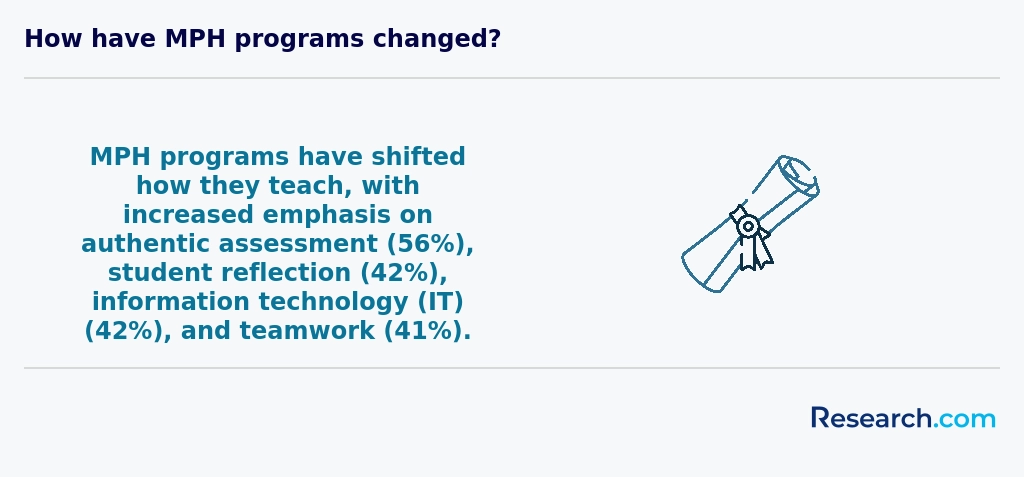
Students entering a public health program in Omaha can maximize their success by embracing practical strategies and utilizing local resources. Start by setting clear academic and career goals, and actively engage with faculty and mentors who can provide guidance on both coursework and real-world challenges. Building strong networks through internships, volunteer opportunities, and participation in community projects is essential for hands-on learning and professional development. Explore opportunities at local organizations and consider joining campus clubs or associations related to public health to gain additional insights and connections. Moreover, regularly review data-driven rankings like the most popular public health programs available in the area to keep informed about evolving trends and program performance. By proactively seeking support services-such as tutoring, career counseling, and student-led initiatives-you can enrich your learning experience and prepare for a dynamic career in public health.
Public health courses in Omaha weave together the pulse of the city with the science of saving lives. Graduates from local universities often recall dissecting epidemiology by mapping outbreaks right in Douglas County, turning abstract viruses into tangible challenges they could tackle. Biostatistics feels less like numbers and more like decoding coded messages embedded in Omaha's health data-skills that graduates cherish when addressing the city's higher diabetes rates.
Environmental health classes bring you face-to-face with Omaha's air and water quality puzzles, where lessons leap off pages and into real neighborhoods shaped by industry and farms. Health policy courses transform students into architects of change, crafting laws that respond to Omaha's expanding population and infrastructure.
Behavioral sciences dive into stories from diverse communities, making it easier for graduates to design outreach programs that resonate emotionally. Hands-on internships with local hospitals or community centers anchor these lessons in everyday lives, lighting a fire of purpose in each student ready to make Omaha healthier.
Omaha public health degree specializations swirl around real-world challenges like a whirlwind, blending science and society in dynamic ways. Graduates from the University of Nebraska Medical Center tell stories of diving deep into Epidemiology, where tracking invisible viral trails in city neighborhoods feels like a thrilling detective quest fueled by data and community care. Imagine analyzing outbreak maps and turning numbers into lifesaving strategies right where your friends and family live.
Others find their calling in Health Policy and Management, shepherding the health systems of Douglas County with the resolve of local leaders who craft policies to boost hospital efficiency and accessibility. This is where your work shapes the heartbeat of Omaha's public healthcare, blending compassion with strategic savvy.
Community Health taps into the rich diversity of this urban hub, urging students to tailor wellness programs that resonate with underrepresented groups navigating chronic illnesses like heart disease. Many graduates cherish how their studies translated into vibrant outreach programs, making health equity tangible in neighborhoods.
Students pursuing environmental solutions embrace Omaha's unique urban-pollution puzzles, evolving into advocates who balance industrial growth with clean air and water promises. If you're curious about these paths and more, consider exploring the best rated online public health degree program to flexibly expand your expertise.
Each specialization captures a slice of Omaha's public health story, blending local pulse with national vision for those ready to make a difference.
Imagine strolling across the University of Nebraska campus where MPH graduates share tales of flexible online classes that fit perfectly around their day jobs, a blessing for Omaha's busy souls chasing that perfect balance. Choosing the best public health degree in Omaha means prioritizing practical, local opportunities-think internships with the Nebraska Department of Health or urban clinics that turn classroom theory into real-world impact. Affordable public health schools in Omaha stand out because they understand the wallet weighs heavily on decision-making; public universities often offer tuition rates under $10,000 for grad programs, giving you more space to breathe and invest in your future.
Graduates often credit their success to programs with CEPH accreditation, ensuring their degree carries weight in local agencies and beyond. When exploring your options, consider how a specialization in epidemiology or community health might align with Omaha's dynamic public health challenges. For those weighing cost and quality, the Affordable Public Health Degree Programs Ranking in Chicago, IL might even inspire creative ideas about regional comparisons and budgeting strategies.
The journey to picking the best public health degree programs Omaha offers unfolds through vivid experiences-graduates recall the excitement of tackling projects with local hospitals and state health departments, grounding their education in the heart of the city's health ecosystem.
Graduates with a public health degree in Omaha find themselves at the crossroads of dynamic career paths, from epidemiology roles at the Nebraska Department of Health and Human Services to coordinating health programs at leading hospitals like CHI Health. Imagine a recent graduate diving into local infectious disease control efforts, transforming complex data into actionable community health strategies that directly impact neighborhoods. These jobs aren't just careers-they're opportunities to weave into the fabric of Omaha's health landscape, where every policy championed or program managed feels like a meaningful victory.
For those drawn to advocacy and grassroots change, non-profits in Omaha offer rewarding positions where graduates act as grant writers or policy advocates, often expanding mental health services in underserved communities. Many public health graduates from local universities cite the hands-on experience here as a catalyst for their passion and professional growth, illustrating a vivid path where education meets real-world impact-true stories of ambition fulfilled.
Environmental health specialists also thrive in Omaha's industrial sectors, tackling water safety and workplace health, roles that meld science with community care. The city's blend of public and private institutions makes it fertile ground for those exploring public health career opportunities in Omaha, fueled by the affordable tuition and vibrant support found at area colleges. For those curious about accelerating their entry into the health field, exploring high paying 6 month certificate programs offers practical alternatives packed with promise.
Omaha's public health job opportunities paint a vibrant scene where graduates from local institutions like the University of Nebraska Medical Center transition enthusiastically into roles at Nebraska Medicine or the Omaha Healthy Kids Alliance. Imagine stepping into a project coordinating city-wide health initiatives, armed with data analysis and community engagement skills sharpened during your studies. For many, the challenge of addressing urban health disparities feels less like work and more like a calling, especially as they see their efforts reflected in healthier neighborhoods.
Career outlook in Omaha is buoyed by a 17% national growth projection for health educators and community health workers, making this city a fertile ground for public health enthusiasts to take root. Graduates often remark on the accessible entry points into organizations driven by genuine community focus, which contrasts with the often impersonal healthcare landscapes elsewhere. With tuition costs reasonable enough to avoid overwhelming debt, pursuing a public health degree here is a rewarding, smart investment in a meaningful career.
Many graduates emphasize how Omaha's professional culture values cultural competence and interdisciplinary teamwork, skills honed during their academic journeys. If you're considering an easiest degree path that still yields a profound impact, the public health field here pulses with promise and practical opportunities ahead.
2027 Most Popular Public Health Degree Programs Ranking in Omaha
Investing in your education is a significant decision that can shape your future, and the Research.com team understands the importance of making informed choices. To assist prospective students in Omaha, we have meticulously developed the "2027 Most Popular Public Health Degree Programs Ranking in Omaha." Our commitment to quality, credibility, and accuracy is demonstrated through the rigorous research and analysis behind this ranking.
We utilized the following reputable data sources to ensure a comprehensive evaluation of public health degree programs:
By exploring this ranking, readers will gain valuable insights into the most popular and reputable public health degree programs in Omaha, empowering them to make well-informed decisions about their educational paths. For more details on our methodology, please visit our Research.com methodology page.


# 3 position
University of Nebraska Medical Center
Master of Public Health

# 4 position
University of Nebraska Medical Center
Doctor of Public Health
Frequently Asked Questions About public health
Public health degree students in Omaha can maximize their learning by engaging deeply with the city's diverse healthcare environment. Omaha is home to major health institutions like the Nebraska Medicine system, providing valuable internship and research opportunities. Gaining hands-on experience through local clinics and public health departments enhances practical skills beyond classroom theory.
Students should also participate in community outreach initiatives tackling regional issues such as substance abuse and chronic diseases, which are significant concerns according to the Nebraska Department of Health. Collaborating with local public health organizations helps build networks essential for future careers.
Additionally, leveraging Omaha's proximity to research universities allows access to up-to-date public health data and emerging trends, supporting evidence-based practices in programs aligned with national health priorities.
The public health field in Omaha is expanding into several emerging niches reflecting national trends. One rapidly growing area is epidemiology, especially given increased focus on infectious disease tracking after the COVID-19 pandemic. Omaha's local health departments collaborate closely with public health students and professionals to monitor community health trends.
Another emerging niche is health informatics, which involves managing health data to improve outcomes. With Omaha's investment in healthcare technology, degrees focusing on data analysis and health information systems are gaining popularity.
Environmental health and community health promotion are also key areas. Nebraska's unique agricultural and rural settings require experts who understand environmental impacts on health, supported by the Nebraska Department of Health and Human Services data.
After completing a public health degree in Omaha, it is essential to build practical experience through internships or volunteer roles within local health departments, hospitals, or nonprofits. Omaha's healthcare sector is robust, with institutions like Nebraska Medicine offering numerous opportunities to gain hands-on skills.
Networking plays a critical role; connecting with professionals via local organizations such as the Nebraska Public Health Association can open doors to job prospects. Additionally, pursuing certification like the Certified Health Education Specialist (CHES) enhances credibility in the job market.
Finally, staying informed about Omaha's public health priorities-such as chronic disease prevention and substance abuse treatment-aligns your job search with community needs.
Employers seeking public health degree graduates in Omaha prioritize a set of core skills essential for addressing local and regional health challenges. Strong analytical abilities are crucial, enabling graduates to interpret health data and support evidence-based decisions. Communication skills are also highly valued, as professionals often engage with diverse communities and healthcare stakeholders.
Knowledge of epidemiology and biostatistics forms the backbone of public health roles, helping graduates track disease patterns and assess intervention outcomes. Omaha's public health sector, influenced by resources like the Nebraska Department of Health and Human Services, emphasizes cultural competence to effectively serve its varied population.
Project management and policy development skills enhance graduates' ability to design and implement health programs, aligning with workforce needs reported by the Greater Omaha Chamber of Commerce in recent labor studies.
Finding internships in Omaha relevant to a public health degree involves targeting local healthcare organizations, government agencies, and nonprofits. The Douglas County Health Department often offers internships for students seeking practical experience in community health initiatives. Additionally, Omaha's Nebraska Medicine and Methodist Health System provide clinical and administrative opportunities for public health majors. Universities like the University of Nebraska Medical Center have partnerships with regional agencies that may facilitate placement. Students should also explore state resources such as the Nebraska Department of Health and Human Services, which posts internship openings. Networking through academic advisors and career services can increase chances of securing valuable internships.
A public health degree in Omaha can significantly enhance career mobility and advancement opportunities. Employers in Omaha value graduates with skills in health policy, epidemiology, and community health-key areas covered in accredited programs. According to the Nebraska Department of Health and Human Services, the demand for public health professionals in the Omaha metro area is expected to grow by 12% over the next decade, signaling strong job prospects.
Graduates often find roles in hospitals, non-profits, and government agencies, where a degree can lead to leadership positions. Advanced degrees may further open pathways to specialized roles, including health data analysis and program management.
Local universities offer practical experiences that improve employability by connecting students with Omaha's health sector.
Studying for a public health degree in Omaha equips students with skills to work across multiple disciplines such as healthcare, policy, and community outreach. Local programs emphasize collaboration with institutions like the Nebraska Department of Health and Human Services, providing hands-on experience in real-world public health challenges.
Students learn to analyze data, understand epidemiology, and develop health programs that require cooperation between medical professionals, social workers, and government agencies. According to the Nebraska Health and Human Services reports, Omaha faces diverse public health needs, including chronic disease management and infectious disease control, making interdisciplinary skills vital.
Omaha's public health education integrates applied research and community engagement, preparing graduates for roles that demand communication, leadership, and technical expertise across sectors. This broad approach enhances employment opportunities in healthcare systems, nonprofits, and public agencies in the region.
Choosing between a thesis and a non-thesis public health degree program in Omaha depends on your career goals and learning preferences. A thesis option typically suits students interested in research, academia, or advanced graduate study, as it requires conducting original research and writing a formal document. Non-thesis programs focus more on practical skills and coursework, often including internships or capstone projects, which can be ideal for those aiming to enter the workforce quickly.
Omaha's public health programs vary. For example, University of Nebraska Medical Center provides both options with strong community health emphases, reflecting Omaha's urban public health challenges documented by the Nebraska Department of Health and Human Services. Students should also consider faculty expertise, available resources, and time commitment before deciding.
Students based in Omaha who wish to study public health abroad have several pathways through their local institutions. Universities such as the University of Nebraska Medical Center (UNMC) offer established exchange programs and study abroad options in partnership with international universities. These programs provide opportunities to experience global public health challenges firsthand, enhancing understanding beyond the U.S. healthcare system.
Additionally, many US schools encourage participation in international internships or fieldwork, often in countries with diverse health environments. This practical approach aids in building global competence, which is increasingly valued in public health careers.
While Omaha itself does not host dedicated foreign campuses, these affiliated programs allow students to gain global exposure without leaving the state of Nebraska initially. The Centers for Disease Control and Prevention report that Nebraska ranks well in community health initiatives, emphasizing the value of international experience to improve local practices.
Students pursuing public health degrees in Omaha can find several part-time job opportunities that align well with their academic goals. Local hospitals such as Nebraska Medicine and CHI Health often offer part-time positions in patient education, health promotion, or administrative support within public health departments. These roles provide practical experience in community health management and data collection.
Organizations like the Douglas County Health Department also hire part-time workers to assist in outreach programs and vaccination clinics, which strengthens understanding of epidemiology and public health outreach.
According to the U.S. Bureau of Labor Statistics, Omaha's growing healthcare sector makes these positions accessible, enhancing students' resumes and practical skills.
Public health students in Omaha have access to numerous networking opportunities through local universities, public agencies, and professional organizations. The University of Nebraska Medical Center (UNMC) offers student chapters of national groups like the American Public Health Association, providing regular events and career fairs. In addition, Omaha hosts the Nebraska Public Health Association, which organizes conferences and workshops attracting professionals across the state. These events encourage connections with epidemiologists, health educators, and policy makers working in the region.
Omaha's strong healthcare sector, including institutions like Nebraska Medicine, also offers internships and volunteer positions. Such roles enable students to build professional relationships while gaining practical experience. According to the Bureau of Labor Statistics, Omaha's public health job market is growing steadily, further emphasizing the importance of networking early in students' careers.
Alumni networks are valuable resources for public health degree students in Omaha. These networks provide connections to professionals who have experience in local public health agencies, hospitals, and nonprofits. Engaging with alumni can help students find internships and job opportunities, especially in Omaha's growing healthcare sector.
Studies show that graduates with strong alumni ties secure employment faster; according to the National Association of Colleges and Employers, 85% of jobs are filled through networking. Omaha's public health alumni often work at organizations like the Douglas County Health Department and Nebraska Medicine, enhancing access for current students.
Additionally, alumni offer mentorship, career advice, and insights into Omaha's unique public health challenges, such as infectious disease control and community wellness initiatives.
In Omaha, customizing your public health degree to fit your career goals is achievable through various academic options. Many universities offer concentrations such as epidemiology, health policy, community health, or environmental health. These specializations allow you to focus on areas that align with your professional interests. Additionally, students can often select electives or participate in internships with local health departments, like the Douglas County Health Department, enhancing practical experience.
The University of Nebraska Medical Center, for example, provides flexible coursework and research opportunities tailored to public health challenges relevant to Omaha's urban and rural populations. This local focus supports careers in regional healthcare improvement.
Networking with local agencies and attending seminars on public health trends in Nebraska can further guide your academic path toward specific sectors such as chronic disease prevention or health equity.
Public health students in Omaha often encounter challenges balancing rigorous coursework with practical field experience. Many programs require internships or community-based projects, which demand significant time and coordination. According to the University of Nebraska Medical Center, about 65% of public health students participate in such hands-on learning, making time management essential.
Another challenge is navigating the diverse health needs of Omaha's population, including addressing disparities in underserved communities. Students must develop cultural competence and adapt strategies for different groups, reflecting Omaha's varied demographics.
Financial constraints are also common, as tuition and living expenses in Omaha can be substantial despite the city's moderate cost of living. Scholarships and assistantships are competitive and not always sufficient to cover all costs.
Additionally, students may face difficulty finding local research opportunities in emerging public health topics, requiring proactive networking and initiative.
With a public health degree in Omaha, graduates can pursue several professional certifications to enhance their careers. The Certified in Public Health (CPH) credential, offered by the National Board of Public Health Examiners, is widely recognized across the US and validates expertise in core public health sciences.
Another key credential is the Registered Environmental Health Specialist (REHS), which is particularly relevant given Omaha's focus on environmental health due to its industrial areas and river systems, as outlined by the Nebraska Department of Health & Human Services.
Health educators often seek the Certified Health Education Specialist (CHES) credential, improving their capability to design effective community health programs, an important skill in Omaha given the city's diverse population and health disparities noted by the Omaha Public Health Department.
To write a winning application for a public health program in Omaha, begin by thoroughly researching the specific requirements of each institution, such as the University of Nebraska Medical Center, a leading public health educator in the city. Strong academic records in science and social sciences are essential, alongside clearly demonstrating your passion for public health through a focused personal statement.
Highlight any relevant experience in community health or internships within Omaha's healthcare system, where public health challenges like chronic disease and access disparities are significant, according to the Omaha-Council Bluffs Metropolitan Area Health Department report. Including quantifiable achievements in volunteer roles or research adds weight.
Request letters of recommendation from professionals familiar with your commitment to public health. Finally, ensure your application reflects knowledge of local public health issues, showing how your goals align with Omaha's community needs and health priorities.
Public health careers in Omaha reflect broader global trends emphasizing disease prevention, health promotion, and policy development. Many professionals engage with issues like infectious diseases, chronic conditions, and health disparities, which are common worldwide. According to the CDC, collaboration between U.S. public health workers and international agencies is increasing, highlighting the value of global perspectives in local practice.
Omaha's public health graduates often find opportunities in organizations that work both locally and internationally. Skills learned in Omaha's programs, such as epidemiology and community health assessment, are applicable globally due to shared health challenges.
The global approach fosters cultural competence and adaptability, essential traits for public health professionals operating in diverse environments.
Students pursuing a public health degree in Omaha can gain practical experience through internships with local health departments, hospitals, and nonprofit organizations. The Douglas County Health Department offers opportunities to engage in community health initiatives, providing hands-on experience in epidemiology and health promotion. Additionally, Omaha's numerous medical centers, such as Nebraska Medicine, frequently partner with universities for student internship programs focused on clinical and environmental health.
Many universities incorporate practicum requirements in their curricula, allowing students to work on real-world public health projects under professional supervision. The Nebraska Department of Health and Human Services also offers internships supporting statewide public health efforts, valuable for building professional networks and practical skills.
Choosing the right concentration within a public health degree program in Omaha involves considering your career goals and the local health landscape. Omaha offers concentrations such as epidemiology, health promotion, environmental health, and health policy. Reviewing Omaha's specific public health challenges-like its emphasis on addressing chronic diseases and rural healthcare access, according to the Nebraska Department of Health-can help align your studies with community needs.
Research local job market trends through resources like the Nebraska Public Health Workforce and the U.S. Bureau of Labor Statistics, which highlight increased demand for health educators and epidemiologists in the region. Additionally, consider program offerings at the University of Nebraska Medical Center, the city's leading institution for public health education, to identify concentrations with practical opportunities.
- 2027 Most Popular Public Health Degree Programs Ranking in Minneapolis
- 2027 Most Popular Public Health Degree Programs Ranking in Saint Paul
- 2027 Most Popular Public Health Degree Programs Ranking in Saint Louis
- 2027 Most Popular Public Health Degree Programs Ranking in Chicago
- 2027 Most Popular Public Health Degree Programs Ranking in West Lafayette
- 2027 Most Popular Public Health Degree Programs Ranking in Bloomington
- 2027 Most Popular Public Health Degree Programs Ranking in Indianapolis
- 2027 Most Popular Public Health Degree Programs Ranking in Nashville
- 2027 Most Popular Public Health Degree Programs Ranking in Cincinnati
- 2027 Most Popular Public Health Degree Programs Ranking in Ann Arbor
- What to expect from a public health degree https://www.creighton.edu/blog/what-expect-public-health-degree
- Areas in Public Health https://www.publichealthcareers.org/areas-in-public-health.html
- For Academic Public Health https://globalnetworkpublichealth.org/
- How to Get Your First Public Health Job - PHERN https://phern.communitycommons.org/early-career-professional-learning-series/how-to-get-your-first-public-health-job/
- Online MPA Programs with a Specialization in Public Health https://www.onlinempaprograms.com/specializations/public-health
- Public Health Degrees & Careers | How To Work In Public Health https://www.learnhowtobecome.org/medical-health-careers/public-health/
- The Networking Guide for Public Health Professionals https://www.publichealthdegrees.org/resources/professional-networking/
- A Global Health Immersion Program for Nursing and Public Health Students | Annals of Global Health https://annalsofglobalhealth.org/articles/10.5334/aogh.4746
- Students and Alumni associations - Europubhealth https://www.europubhealth.org/students-alumni-associations/
- Know more about thesis vs non- thesis: what is the difference? https://studyfans.com/en/blogs/816