2027 Most Affordable Online Bachelor's in Public Health Degree Programs Ranking in Ohio

Co-Founder and Chief Data Scientist
Choosing the right public health degree can shape your future and open doors to meaningful career opportunities. For students in Ohio, navigating online options may feel overwhelming, but this article is here to help.
The 2027 Most Affordable Online Bachelor's in Public Health Degree Programs Ranking in Ohio was developed by Research.com's team of data scientists to guide you toward the best-value programs. By exploring this ranking, you'll gain insight into affordable pathways that align with your goals.
Investing in a public health degree is an investment in yourself and your community. Start your journey informed and confident.
Key benefits of getting online public health degree in Ohio
- Graduates with a public health degree in Ohio can expect strong earnings, with roles like Health Educator earning an average annual wage of $69,790, and Environmental Health Specialists making up to $86,710.
- Career paths are diverse, ranging from community health work to occupational safety, as seen in Ohio State University alumni who thrive in various public health settings.
- Online public health degrees offer flexibility and convenience, allowing students like those from University of Cincinnati to balance work and study while gaining the same respected credentials as traditional programs.
- 2027 Most Affordable Online Bachelor's in Public Health Degree Programs Ranking in Ohio
- What can I expect from online public health degree in Ohio?
- Where can I work with online public health degree in Ohio?
What can I expect from online public health degree in Ohio?
The average cost of an online public health degree in Ohio typically ranges between $12,000 and $25,000 for bachelor's programs, while master's degrees often fall between $20,000 and $40,000. These figures reflect tuition rates at prominent institutions like Ohio University and the University of Cincinnati, which offer accredited programs designed to meet rigorous standards from the Council on Education for Public Health (CEPH). Graduates frequently share that the investment feels worthwhile, noting that the comprehensive curriculum and practical internship opportunities justify the expense, especially given the increasing demand for public health professionals in Ohio.
Many students appreciate the affordability combined with the flexibility of online study, allowing them to balance work and family commitments while gaining expertise in areas such as epidemiology, health policy, and community health. By engaging with local health departments through university partnerships, they find the hands-on experiences invaluable, making the program's cost more tangible and rewarding in real-life public health settings within Ohio's communities.
Where can I work with online public health degree in Ohio?
Graduates from online public health programs at renowned Ohio institutions, such as Ohio State University and Kent State University, find diverse opportunities across state agencies, healthcare systems, nonprofits, and private companies. Many secure positions within the Ohio Department of Health, engaging in epidemiology and health promotion to address pressing issues like opioid addiction and chronic diseases. The dynamic environment offers a deeply rewarding career path for those passionate about community impact.
Local health departments across Ohio's 88 counties also attract public health graduates who apply their skills in disease surveillance and preventive services tailored to regional needs. For instance, graduates working in rural counties often contribute to infectious disease control and improving healthcare access, creating a tangible difference in underserved areas.
Healthcare networks such as the Cleveland Clinic employ public health professionals in data analysis and patient education roles, enhancing patient outcomes and community wellness. Meanwhile, nonprofit organizations focus on advocacy, maternal health, and substance abuse prevention, appealing to graduates motivated by meaningful societal change.
Private sector roles in health technology and insurance enable graduates to blend business insights with health initiatives, fostering innovative solutions that support Ohio's population health goals.
Graduates holding an online public health degree in Ohio can anticipate competitive earnings that reflect their roles and experience within the state's healthcare landscape. For instance, community health workers earn a mean annual wage of $52,610, while health educators typically make around $69,790 per year, according to the latest BLS data. These figures provide a strong foundation for new professionals stepping into roles at institutions like Ohio State University or the University of Cincinnati.
Those specializing further may pursue roles such as environmental health specialists or occupational health and safety specialists, with mean salaries of $86,710 and $85,570 respectively. Graduates from Ohio universities have reported feeling encouraged by these prospects, particularly valuing the ability to apply their skills in local government or nonprofit sectors where salaries align well with cost of living advantages.
The tangible progress from classroom theory to impactful public health work in Ohio fosters a sense of achievement and financial stability, especially for those embarking on careers after completing reputable online degree programs offered statewide.
- Tuition for online bachelor's degrees in public health in Ohio typically ranges from $8,000 to $15,000 per year for in-state students.
- Entry-level public health professionals in Ohio earn around $45,000 to $55,000 annually, with experienced workers making $70,000 or more.
- Jobs in Ohio's public health sector, including health education and epidemiology, are projected to grow by about 10% over the next decade.
- Employers hiring public health graduates include state and local health departments, hospitals, and nonprofit organizations.
- Online programs in Ohio offer coursework comparable to traditional programs, covering biostatistics, environmental health, health policy, and disease prevention.
Completing an online public health degree in Ohio typically requires about four years of full-time study, aligning with the standard duration for bachelor's programs at institutions like Ohio State University or Cleveland State University. Graduates often recall balancing coursework with personal commitments, appreciating the structured eight-semester format that provides clear milestones toward degree completion.
Many students benefit from the flexibility of online programs, which accommodate work and family obligations. Part-time enrollment is common, sometimes extending the timeline beyond four years, but allowing learners to progress at a manageable pace without sacrificing quality. Transfer credits from prior coursework or associate degrees can accelerate completion, enabling some to graduate in as little as two or three years.
Fieldwork and practicums, which Ohio-accredited programs require, add practical experience but may influence overall length. This real-world exposure often motivates students, enhancing their sense of accomplishment and preparation for public health careers, particularly at respected schools such as Wright State University or Kent State University.
When selecting an affordable online public health degree in Ohio, accreditation serves as the gold standard for academic rigor and employer recognition. Prospective students should verify two key types of accreditation: 1. Programmatic Accreditation • Council on Education for Public Health (CEPH): Ensures core public health curricula meet industry benchmarks in epidemiology, biostatistics, environmental health, and health policy. • Specialized Tracks: Certain specializations (e.g., global health, community health) may hold additional endorsements from organizations like the National Board of Public Health Examiners. 2. Institutional Accreditation • Regional Accreditation (e.g., Higher Learning Commission): Confirms the university’s overall excellence, enabling federal financial aid eligibility and smooth credit transfers. • State Authorization: Ohio institutions must meet state requirements for distance education delivery, guaranteeing access to student support, library resources, and technology services. Accredited programs not only enhance job prospects-graduates from CEPH-accredited schools report 20% faster hiring rates-but also unlock advanced certification pathways, such as Certified Health Education Specialist (CHES) and Registered Environmental Health Specialist (REHS). Before applying, consult the U.S. Department of Education’s database and each institution’s accreditation statements. For additional insights into balancing cost with quality, explore our Inexpensive Online Public Health Degree Programs Ranking in Iowa, which highlights comparable accredited options in a neighboring state.
Online and on-campus public health degree programs in Ohio differ mainly in flexibility, interaction, and cost. Graduates from Ohio State University's online program often praise the ability to balance full-time employment and family commitments while accessing coursework anytime, which eliminates commuting challenges faced by those in metropolitan areas like Columbus or Cleveland.
Conversely, students attending the University of Cincinnati's on-campus program remark on the value of face-to-face engagement with faculty and peers, benefiting from hands-on labs and local public health internships that foster a strong professional network within Ohio's health community.
Cost considerations also separate the two formats. Online students typically save on housing and transportation, while still paying comparable tuition, which varies between institutions. Many online public health learners at Kent State highlight how this saving enabled them to invest more in learning resources and reduce debt.
Both formats maintain CEPH accreditation standards, ensuring graduates from institutions like Wright State University meet Ohio's educational requirements for public health careers statewide, regardless of delivery mode.
Achieving success in an online Public Health degree program requires strategic planning, resourcefulness, and a proactive mindset. To ensure you make the most of your educational journey, begin by organizing your study schedule and setting clear, measurable goals. Effective time management can help you balance coursework with professional and personal responsibilities while allowing you to capitalize on asynchronous learning opportunities. Engage actively with digital learning platforms by participating in discussion forums, group projects, and virtual office hours. This level of engagement not only enriches your knowledge but also builds a network of peers and mentors supportive of your career aspirations. Additionally, leverage the career services offered by your institution-take advantage of resume workshops, interview preparation sessions, and job placement assistance-to bridge the gap between academic achievements and professional success. Staying informed about innovations in the field, such as telehealth and data-driven public health strategies, is also crucial. Many students find that regularly reviewing reputable rankings like the affordable public health schools in ohio helps them identify programs that offer state-of-the-art resources and industry-relevant curricula. By integrating these techniques into your study routine, you will be better positioned to excel academically and transition smoothly into a rewarding career in public health.
The average cost of an online public health degree in Ohio is approximately $65,880 for in-state students, based on current median total tuition data. This figure reflects the comprehensive price to complete the program, inclusive of credit hours and mandatory fees, making it a realistic estimate for prospective students evaluating their educational investment. Graduates from prominent institutions like Ohio University and Wright State University often express satisfaction with the value they received, noting the balance between quality instruction and affordability.
Students enrolling in affordable online public health programs Ohio-wide benefit from state subsidies and flexible learning formats, which help to reduce out-of-pocket expenses. The tuition rates for these schools are competitive when compared to national averages, often offering a more accessible pathway to earning a degree without incurring excessive debt. Many graduates recount relief at being able to manage coursework alongside personal and professional commitments thanks to these adaptable online options.
Beyond tuition, students should also account for incidental costs such as technology fees and textbooks, which can add to the overall financial outlay. For Ohio residents, exploring financial aid, scholarships, and employer tuition assistance can significantly ease the burden. State-based scholarships often prioritize high-demand sectors like public health, further lowering effective costs. Prospective students interested in health fields may find additional guidance through the Washington State Hospital Association, which offers valuable resources related to healthcare education.
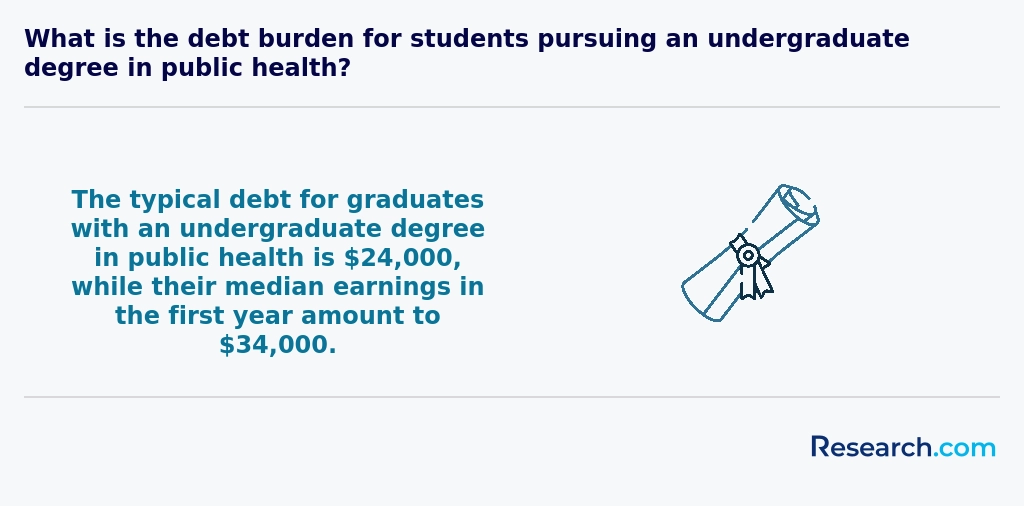
Sharp insight into cost versus career earnings helps you gauge the long-term value of an online Public Health degree in Ohio.
- Typical annual tuition: $10,000–$15,000
- Total program cost (4 years, 120 credits): $40,000–$60,000
- Average starting salary: $50,000–$70,000 per year
- Median payback period: 1–2 years
- Potential mid-career earnings: $80,000–$90,000+
Understanding this ROI helps you budget wisely and invest in a program that delivers sustainable career growth. For students exploring affordable healthcare education options, consider our cheap np programs as an alternative pathway.
Students pursuing an online public health degree in Ohio often find that financial aid options significantly alleviate the cost of their education. Graduates from Ohio State University and Kent State University recall that completing the Free Application for Federal Student Aid (FAFSA) unlocked access to federal grants such as the Pell Grant, which can provide up to $7,395 annually without requiring repayment. This foundation of support is critical for managing tuition fees, which average around $11,200 per year at Ohio public universities.
State-specific programs like the Ohio College Opportunity Grant (OCOG) further reduce expenses for residents by offering need-based assistance, which many students report as a vital resource. Additionally, institutional scholarships available through schools such as the University of Cincinnati frequently reward merit and financial need, making them highly sought after by public health students.
Many students also benefit from employer tuition reimbursement programs, especially given Ohio's robust healthcare industry. This practical financing route often motivates working professionals to advance their education while maintaining their careers. Lastly, scholarships provided by organizations like the American Public Health Association offer competitive yet impactful financial support, contributing to a hopeful and motivated student experience.
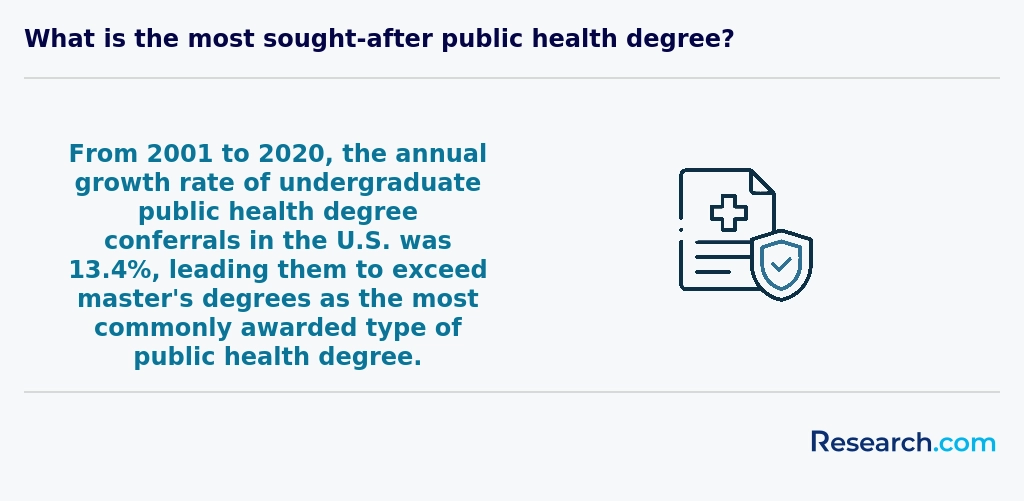
After completing an affordable online bachelor’s in public health in Ohio, many students choose to further specialize through a Master of Public Health (MPH) degree. An MPH deepens expertise in areas like epidemiology, biostatistics, and health policy, while significantly boosting career advancement and earning potential. Leading Ohio institutions offer flexible online MPH programs tailored for working professionals, with specializations in global health, environmental health, and health administration. Graduates often report salary increases of 20–30% compared to bachelor’s-level positions, reflecting the added value of advanced credentials in today’s competitive job market. Graduates curious about what can i do with a masters in public health can dive into our detailed guide, which covers program costs, admission requirements, and real-world outcomes. Whether your goal is to lead community health initiatives, drive policy change, or conduct impactful research, an MPH provides the expertise and credentials to achieve these ambitions.
Enrolling in an online public health degree program in Ohio typically requires applicants to hold a high school diploma or equivalent, such as a GED. Graduates from popular Ohio institutions often recall that submitting official transcripts was crucial for verifying their academic background and ensuring a smooth admission process. Core subject proficiency, particularly in English and math, is commonly expected, with some programs occasionally requesting SAT or ACT scores, though many have embraced test-optional policies.
Several public health programs in Ohio emphasize foundational knowledge in biology, chemistry, or statistics, reflecting the scientific rigor needed for the field. Students without these prerequisites often appreciate the opportunity to complete preparatory coursework, which has helped many feel more confident when tackling advanced population health topics.
Transfer applicants find that providing transcripts from previous colleges streamlines credit evaluation, a step praised for saving time and reducing duplicate coursework. Furthermore, while not universally required, letters of recommendation and personal statements have allowed candidates to convey their passion for public health-a benefit many graduates cite as giving them a competitive edge.
Volunteer or work experience in health-related environments, valued by several well-known Ohio universities, often strengthens applications and nurtures practical readiness, enriching the overall educational journey with meaningful, real-world insights.

Online public health degree programs in Ohio include a comprehensive set of courses designed to equip students with practical skills and theoretical knowledge applicable in real-world settings. Graduates from well-regarded institutions report that foundational courses such as Introduction to Public Health provide essential insights into the historical context and current public health challenges facing Ohio communities.
Courses like Epidemiology are particularly impactful, helping students understand disease patterns-an area critical given Ohio's ongoing struggles with chronic illnesses and opioid addiction. Alumni frequently share how the hands-on analyses in Biostatistics courses prepared them to interpret health data accurately, a skill vital for informing policy decisions in state health departments.
Moreover, Environmental Health classes resonate strongly with students due to Ohio's varied industrial sectors, connecting textbook concepts to local pollution and occupational hazards. Studies in Health Policy and Management foster expertise in navigating Ohio's healthcare systems, ensuring graduates feel confident in administrative and leadership roles.
Programs emphasize Social and Behavioral Sciences to develop communication strategies tailored to Ohio's diverse populations, while practical components like a Capstone or Practicum provide immersive experiences through collaborations with Ohio public health agencies. These courses collectively prepare students for meaningful careers dedicated to improving public health across the state.
Online public health degrees in Ohio typically offer a variety of specializations that allow students to tailor their education to specific career paths. These concentrations include Community Health Education, where graduates from well-known Ohio colleges share experiences of designing impactful health campaigns targeting local populations. Environmental Health is another critical specialization, reflecting Ohio's industrial challenges, with students learning practical approaches to improving air and water safety.
Many Ohio institutions also provide in-depth training in Health Policy and Management, preparing graduates to lead healthcare programs and influence legislation at various government levels. Epidemiology is a favored track for those interested in disease pattern analysis and outbreak response, supported by virtual internships that simulate real-world data surveillance scenarios. Programs often emphasize Ohio public health degree concentration options, ensuring students develop locally relevant skills.
For students seeking a global perspective, several Ohio public health programs include Global Health specializations. As part of a comprehensive education, these options build expertise applicable both within Ohio and internationally. Prospective students might find it useful to explore additional healthcare training pathways, such as the Missouri lpn program duration, for complementary skill development.
Choosing the best online public health degree Ohio demands careful evaluation of program accreditation, curriculum, and real-world applicability. Graduates from renowned Ohio colleges often emphasize how CEPH-accredited programs provided rigorous, nationally recognized training essential for advancing careers. Many found that selecting programs offering specializations relevant to their interests-such as epidemiology or health policy-helped tailor their education to local public health needs. Affordability is another critical consideration; in-state students benefit from competitive tuition rates typically around $11,500 annually, but exploring affordable public health programs Ohio can uncover options with scholarships and reduced fees for online learners.
Flexibility also plays a major role. Ohio students juggling work or family responsibilities value asynchronous courses that avoid strict campus attendance, though some programs may require practicum work in communities like Columbus or Cleveland. Faculty expertise matters too, with graduates appreciating instructors who blend academic credentials with practical public health experience in Ohio. Exploring career support and strong local health department connections enhances job placement prospects. Prospective students should also consider recognizing online degrees to ensure their investment translates into meaningful opportunities.
Graduates with an online public health degree in Ohio find diverse career paths tailored to the region's health needs. Many become public health educators or health promotion specialists, developing community programs that directly improve wellness-a rewarding experience reported by graduates from prominent Ohio institutions known for their strong public health curricula. Others pursue the role of epidemiologist, analyzing disease trends crucial to both urban centers like Columbus and rural areas, a field growing steadily as Ohio faces evolving public health challenges.
Some graduates leverage their degree into health policy and administration, managing healthcare initiatives at the state or local level, often benefiting from leadership training embedded in Ohio's online public health programs. Environmental health positions are also popular, where professionals address pollution and food safety concerns tied to Ohio's industrial diversity.
Additionally, graduates secure roles in healthcare data analysis and community outreach, fields offering stable employment. Exploring options akin to medical assistant employment demonstrates career flexibility connected to public health degrees. These varied online public health jobs Ohio graduates pursue reflect the broad applicability and impact of their education within the state.

The job market for online public health degree graduates in Ohio is robust and growing, supported by a diverse healthcare landscape that includes hospitals, health departments, and nonprofit organizations. Graduates from well-regarded Ohio universities often find roles as health education specialists, community health workers, or epidemiology assistants, gaining valuable experience through real-world projects in urban and rural settings. Those entering online public health jobs in Ohio benefit from a steady demand driven by initiatives targeting opioid addiction, chronic disease management, and emergency preparedness.
Many graduates highlight the career outlook as encouraging, noting an average salary range between $45,000 and $65,000, which aligns with state employment trends. Ohio's public health sector actively recruits individuals with analytical and communication skills, traits emphasized in accredited online programs. Prospective students seeking affordable options may explore affordable public health schools in ohio, where flexibility and cost savings enhance access to quality education and promising career pathways.
2027 Most Affordable Online Bachelor's in Public Health Degree Programs Ranking in Ohio
Investing in your education is a significant decision that can shape your future, and the Research.com team understands the importance of making informed choices. To assist prospective students, we have meticulously crafted the "2027 Most Affordable Online Bachelor's in Public Health Degree Programs Ranking in Ohio." Our commitment to quality, credibility, and accuracy is reflected in the extensive research and analysis conducted to compile this ranking.
We utilized the following reputable data sources to ensure a comprehensive evaluation of public health programs:
By exploring this ranking, readers will gain valuable insights into affordable and credible online public health degree options in Ohio, empowering them to make informed decisions about their education and career. For more details on our methodology, please visit our Research.com methodology page.



Frequently Asked Questions About public health
Online public health degree students in Ohio can maximize their learning by actively engaging with course materials and participating in virtual discussions. Establishing a consistent study schedule helps balance coursework and personal commitments effectively.
Taking advantage of Ohio's public health resources, such as the Ohio Department of Health's data portals and community initiatives, can deepen practical understanding of local health challenges. Students should also pursue internships or volunteer opportunities with Ohio health organizations to gain real-world experience.
Collaborating with peers and faculty through online platforms enriches knowledge and professional networking, critical for career growth in public health fields.
The public health field is evolving, with several emerging niches gaining attention, especially for students pursuing online degrees in Ohio. One notable area is health informatics, where professionals use data to improve healthcare outcomes. Ohio's growing healthcare sector increases demand for specialists in this field.
Another rapidly expanding niche is environmental health, focusing on how pollution and climate change impact community wellbeing. Ohio's industrial history and recent environmental challenges highlight the importance of expertise here, supported by data from the Ohio Department of Health.
Additionally, health equity and social determinants of health are critical areas as Ohio addresses disparities affecting rural and urban populations. These niches require skilled workers to design effective public health policies and programs.
After earning an online public health degree in Ohio, graduates should focus on building practical experience. Many public health employers in Ohio value internships or volunteer work with local health departments or organizations like the Ohio Department of Health. Gaining hands-on experience improves job prospects and skill development.
Networking is also important. Join professional groups such as the Ohio Public Health Association to connect with local experts and learn about job opportunities. Ohio's job market for public health professionals is projected to grow by 13% from 2020 to 2030, according to the U.S. Bureau of Labor Statistics, signaling increasing demand.
Consider obtaining certifications like the Certified Health Education Specialist (CHES) to enhance credentials and demonstrate expertise to employers in the state.
Employers in Ohio seek public health graduates who possess strong analytical and communication skills. The ability to interpret data and apply evidence-based research is essential, as noted by the Ohio Department of Health. Critical thinking helps graduates address complex health challenges, from chronic disease prevention to emergency preparedness.
Knowledge of health policies and community health promotion is highly valued. Employers also prioritize cultural competence, reflecting Ohio's diverse populations. Familiarity with digital health tools and Geographic Information Systems (GIS) is increasingly important for tracking health trends.
According to the Bureau of Labor Statistics, teamwork and project management skills improve career prospects in Ohio's public health sector.
Finding internships in Ohio relevant to a public health degree involves exploring multiple local resources. Many universities in Ohio partner with public health organizations, hospitals, and government agencies to offer internship opportunities. The Ohio Department of Health is a significant resource, providing internships focused on epidemiology and community health.
Online students should also check national platforms like the CDC's Public Health Internship Program, which accepts Ohio applicants. Additionally, platforms such as Handshake or local job boards can list paid and unpaid internships suitable for public health students.
Networking with faculty, attending virtual career fairs, and joining Ohio public health associations also increase the chances of securing internships.
Obtaining an online public health degree in Ohio can significantly enhance career mobility and advancement opportunities. Ohio's public health sector is growing, with the Bureau of Labor Statistics projecting a steady increase in healthcare and social services jobs at over 10% through 2030. This growth increases demand for qualified public health professionals.
Employers in Ohio value degrees from accredited programs, especially those offering flexible online study options. An online degree allows working adults to continue gaining experience while improving qualifications, making them competitive for leadership roles.
Many Ohio public health jobs require at least a bachelor's degree, and having one often leads to higher salaries and promotions. According to the Ohio Department of Health, professionals with bachelor's degrees tend to advance faster into management or specialized positions.
Studying for a public health degree in Ohio equips students with skills essential for interdisciplinary roles by integrating knowledge from epidemiology, biostatistics, health policy, and community health. Ohio's online programs emphasize collaboration across healthcare, social services, and environmental sectors, reflecting the state's varied public health challenges.
Ohio faces unique concerns such as opioid crises and chronic disease prevalence, which require teamwork between professionals from multiple fields. According to the Ohio Department of Health, over 4,000 opioid-related deaths were recorded statewide in recent years, underscoring the importance of a cross-sector approach.
Online curricula often include case studies, projects, and internships that foster communication and problem-solving skills with experts from different disciplines, preparing graduates to work effectively in diverse public health settings across Ohio.
When choosing between a thesis and a non-thesis public health degree program in Ohio, consider your career goals and learning preferences. A thesis option often suits students interested in research or planning to pursue graduate studies. It requires completing a substantial research project, enhancing skills in data analysis and academic writing.
Non-thesis programs focus more on practical skills and coursework, appealing to those aiming for immediate employment in public health roles. Ohio's public health job market, with over 10,000 regional openings per year according to the Ohio Department of Health, values both hands-on experience and research capabilities.
Cost, time, and faculty mentorship availability also differ by program and university. Review specific Ohio institutions' options carefully.
Students based in Ohio seeking to study public health abroad generally explore online degree programs with international study options or partnerships. Many accredited US institutions offer online public health degrees that include short-term study abroad programs, internships, or research experiences in global health settings.
Ohio residents can benefit from programs affiliated with the Council on Education for Public Health (CEPH) accredited schools, which often highlight global public health perspectives. While fully international degrees are less common, students can engage in virtual global collaborations or exchange programs supported by Ohio universities.
According to the Ohio Department of Higher Education, participation in study abroad among Ohio public health students remains limited but is growing as institutions expand global health curricula.
Students pursuing an online public health degree in Ohio can benefit from various part-time job opportunities that enhance their education and professional skills. Roles such as community health worker, health educator, and research assistant are common options. According to the Ohio Department of Health, community health workers help bridge gaps between communities and healthcare providers, making this role highly relevant.
Part-time positions in nonprofit organizations or local health departments provide practical experience in program implementation and data collection. Additionally, research assistant roles at Ohio universities contribute to valuable skills in public health research and analysis.
These jobs not only build experience but also improve networking opportunities within Ohio's healthcare field.
Online public health students in Ohio have multiple networking opportunities essential for career growth. Many Ohio universities offer virtual events, workshops, and career fairs specifically designed for public health students. These give students chances to connect with professionals, alumni, and peers across the state.
The Ohio Public Health Association (OPHA) is a valuable resource, offering conferences, webinars, and local chapter meetings that are accessible online. Engagement with OPHA provides students practical insights and professional connections within Ohio's public health workforce.
Additionally, Ohio's public health departments and nonprofit organizations offer internships and volunteer roles that online students can pursue, helping expand local networks while gaining real-world experience. According to the Ohio Department of Health, partnering with local agencies can improve job prospects after graduation.
Alumni networks play a vital role for online public health degree students in Ohio by providing access to professional connections and career resources. Graduates from Ohio public health programs often join local chapters of national associations, helping students expand their networks within the state's health sector.
These networks offer mentorship, job leads, and guidance on navigating Ohio's public health workforce. According to the Ohio Public Health Association, alumni involvement increases employment opportunities by up to 30% among recent graduates. This is especially important as Ohio experiences growing demand in public health roles, with the Bureau of Labor Statistics projecting a 13% increase in health-related jobs through 2031.
Additionally, alumni events and online forums foster collaboration, encouraging current students to engage with experienced professionals and stay informed about statewide health initiatives and policies.
Ohio students pursuing an online public health degree can customize their programs by selecting elective courses aligned with their career goals. Many Ohio universities offer concentrations such as epidemiology, health education, or environmental health to help tailor the curriculum. Some programs allow students to choose practicum placements or capstone projects relevant to local public health challenges, providing practical experience.
Students should consult academic advisors to design a plan that matches Ohio's workforce needs, as public health roles in the state emphasize chronic disease prevention and community health improvement. According to the Ohio Department of Health, customizing skills in these areas can increase job readiness.
Online public health students in Ohio often face challenges related to balancing coursework with personal and professional responsibilities. Many students juggle full-time jobs and family duties, which can create time management difficulties. Access to reliable high-speed internet remains a concern, especially in rural areas where nearly 10% of Ohioans lack broadband connectivity, according to the Federal Communications Commission (FCC).
Another challenge is securing quality local internships or practicum sites, which are essential for hands-on experience in public health. Ohio's public health workforce demands practical skills, yet placement opportunities may be limited for remote learners. Additionally, students sometimes experience a lack of direct interaction with faculty and peers, impacting networking and support.
An online public health degree from Ohio can prepare you to pursue several key professional certifications that enhance career opportunities. The Certified Health Education Specialist (CHES) is a popular credential recognized nationwide and offered by the National Commission for Health Education Credentialing (NCHEC). It validates expertise in health promotion and education.
Additionally, Ohio graduates may consider the Certified Public Health (CPH) exam through the National Board of Public Health Examiners, which assesses broad public health knowledge. These certifications are valuable for roles in government agencies, non-profits, and healthcare organizations.
For those interested in environmental health, becoming a Registered Environmental Health Specialist (REHS) through the National Environmental Health Association is another option. Ohio's public health job market is expanding, with a 5% employment increase projected by the Bureau of Labor Statistics through 2030, highlighting opportunities for certified professionals.
To write a winning application for an online public health program in Ohio, start by clearly demonstrating your commitment to improving community health. Highlight any relevant experience, such as volunteer work or employment in health-related fields. Ohio's public health sector, especially amid ongoing statewide initiatives to combat chronic diseases, values practical experience alongside academic achievement.
Pay attention to your personal statement. Use it to explain why you chose public health and how the Ohio demographics or challenges motivate your goals. Be concise and focused, showing awareness of local health concerns, backed by data from sources like the Ohio Department of Health.
Strong academic records matter; maintain a competitive GPA, preferably above 3.0. Include letters of recommendation from professionals who can attest to your suitability for graduate-level study. Lastly, ensure all documentation is complete and submitted before deadlines to maximize your chances.
The field of public health offers a broad, global perspective that emphasizes improving health outcomes worldwide. Professionals with public health degrees often work on issues like disease prevention, health education, and policy development, which transcend national borders. In the U.S., and Ohio specifically, public health careers are increasingly vital due to local challenges such as opioid addiction and chronic diseases. According to the Ohio Department of Health, demand for public health workers is projected to grow by 13% through 2030.
Studying public health online in Ohio prepares graduates to address these global and local health concerns by blending scientific research with practical community solutions.
Students pursuing an online public health degree in Ohio can gain practical experience through internships and fieldwork opportunities coordinated by their universities. Many programs collaborate with local health departments, hospitals, and nonprofit organizations, allowing students to apply theoretical knowledge in real-world settings. For example, Ohio's Department of Health offers internships that expose students to vital community health initiatives and data analysis projects.
Additionally, students can engage in service-learning projects addressing pressing public health issues such as opioid addiction and chronic disease management, which are significant concerns in Ohio according to the Ohio Public Health Association. These experiences enhance employability and build professional networks.
Choosing the right concentration within an online public health degree program in Ohio requires understanding your career goals and the state's public health needs. Ohio faces significant challenges such as chronic disease prevention and opioid addiction, which create demand for specialists in epidemiology and community health.
Explore concentrations like health promotion, environmental health, or health policy-all relevant to Ohio's public health workforce. According to the Ohio Department of Health, programs focusing on data analysis and policy development align well with state priorities. Additionally, consider your preference for research, hands-on practice, or administrative roles.
Review course offerings and whether the program prepares you for certifications like the Certified Health Education Specialist (CHES), which can improve employment prospects in Ohio's healthcare settings.
- Effective Networking Strategies for Public Health Professionals | PH SPOT https://phspot.org/effective-networking-strategies-for-public-health-professionals/
- Careers in Public Health. Life’s Work https://www.publichealthcareers.org/
- 2025 Most Affordable Online MPH Programs https://www.onlineu.com/most-affordable-colleges/public-health-masters-degrees
- Internships for MPH Students https://www.publichealthdegrees.org/careers/internships/
- 20 Best Online Bachelor's in Public Health - MPH Online https://www.mphonline.org/best-online-bachelors-in-public-health/
- Students and Alumni associations - Europubhealth https://www.europubhealth.org/students-alumni-associations/
- Public Health https://disabroad.org/program/public-health/
- Public Health Online | Online Public Health Degrees https://www.publichealthonline.org/
- Know more about thesis vs non- thesis: what is the difference? https://studyfans.com/en/blogs/816
- Master of Science (M.S.) Major in Public Health Education and Promotion (Non-thesis Option) https://mycatalog.txstate.edu/graduate/education/health-human-performance/public-healthed-promo-nonthesis-ms/