
2027 DrPH vs. PhD: Explaining the Difference

Co-Founder and Chief Data Scientist
If you are comparing a Doctor of Public Health (DrPH) with a Doctor of Philosophy (PhD) in public health, the central question is not which doctorate is “better.” It is which one fits the work you want to do. A DrPH is usually the stronger fit for experienced public health professionals who want to lead agencies, design policy, manage large programs, and apply evidence in real communities. A PhD is usually the better path for students who want to produce original research, publish scholarship, teach at the university level, or work in research-intensive roles.
Both degrees are demanding, respected doctoral credentials. Both require advanced study, independent work, and a major culminating project. The difference is purpose: the DrPH is practice-centered and leadership-oriented, while the PhD is research-centered and theory-oriented. This guide explains how the programs compare in curriculum, admissions, difficulty, cost, skills, and career outcomes so you can choose the degree that aligns with your goals, experience, and preferred way of contributing to public health.
Key Points About Pursuing a DrPH vs. PhD
- A Doctor of Public Health (DrPH) emphasizes leadership, policy, and applied practice, preparing graduates for executive or administrative roles, with average tuition around $12,000 annually at public universities.
- A PhD in Public Health centers on research and academia, focusing on theory, data analysis, and publication, typically requiring five to seven years to complete.
- DrPH graduates often work in health agencies or NGOs, while PhD holders pursue research or teaching, earning median annual salaries of about $98,000 and $90,000, respectively.
What are DrPH Programs?
A Doctor of Public Health program is a professional doctorate for people who want to use public health evidence to lead organizations, improve systems, shape policy, and solve population health problems. Unlike a research-first doctorate, the DrPH is built around applied leadership. Students learn how to translate data into decisions, manage programs, communicate with stakeholders, and implement interventions in complex real-world settings.
DrPH programs are especially common among professionals who already have public health, healthcare, nonprofit, government, or community health experience. Applicants generally need a relevant graduate degree along with at least three years of professional experience in public health to qualify for admission into these doctoral programs.
The typical duration for part-time DrPH studies ranges from four to seven years, requiring between 45 to 64 credits beyond a master's degree. Many students continue working while enrolled, so programs often offer flexible formats, including hybrid, online, evening, or part-time options.
Common DrPH coursework and training areas
- Public health leadership: Leading agencies, coalitions, teams, and cross-sector initiatives.
- Health policy and advocacy: Understanding how policy is developed, implemented, evaluated, and communicated.
- Program planning and evaluation: Designing interventions, measuring outcomes, and improving services.
- Data interpretation: Using epidemiology, biostatistics, and applied analytics to guide decisions.
- Management and communication: Budgeting, supervision, organizational strategy, stakeholder engagement, and crisis communication.
The curriculum usually includes foundational courses in epidemiology, biostatistics, health policy, management, and communication. Many programs offer specialized tracks like global health, health equity, or environmental health. Students often complete a capstone or dissertation project to apply their learning to real-world challenges, such as improving a public health program, evaluating a policy, or designing an intervention for a defined population.
What are PhD Programs?
A PhD in public health is an academic research doctorate designed to prepare students to create new knowledge. Instead of focusing primarily on management or implementation, PhD training emphasizes theory, research design, advanced methods, statistical analysis, scholarly writing, and independent investigation.
Typically lasting four to six years for full-time students in the US, the initial phase involves two years of classes and comprehensive exams. After that, candidates concentrate on original research that culminates in a dissertation. The dissertation must usually make a scholarly contribution to the field, which means it should ask a meaningful research question, use rigorous methods, and add evidence or theory that other researchers can build on.
Common PhD coursework and training areas
- Research methods: Designing studies, selecting appropriate methods, and evaluating evidence.
- Advanced statistical analysis: Applying quantitative, qualitative, or mixed-methods approaches depending on the field of study.
- Theory and disciplinary foundations: Understanding the history, philosophy, and major frameworks of the field.
- Scholarly communication: Writing manuscripts, presenting at conferences, and preparing grant proposals.
- Independent research: Developing a research agenda and conducting dissertation work under faculty supervision.
The curriculum usually covers foundational knowledge, specialized topics, research methods, and discipline-specific seminars. Key subjects often include research design, the history and philosophy of the field, and advanced theoretical frameworks.
Admission standards require a strong academic background, commonly including a relevant master's degree. However, some programs may accept exceptional applicants directly from a bachelor's qualification. Strong candidates usually demonstrate research potential through prior coursework, writing samples, publications, research employment, or a clearly defined academic interest that matches faculty expertise.
What are the similarities between DrPH Programs and PhD Programs?
DrPH and PhD programs are different in purpose, but they are both advanced doctoral pathways in public health. Each requires discipline, strong analytical ability, and the capacity to complete sustained independent work. Both can also lead to influential careers, especially for students who choose a program aligned with their long-term goals.
- Both are doctoral degrees: Each represents advanced graduate-level preparation and signals expertise beyond a master's degree.
- Both require strong public health foundations: Students commonly study or apply epidemiology, biostatistics, health policy, ethics, research methods, and population health concepts.
- Both involve independent work: DrPH students may complete an applied dissertation, capstone, or practice-based project, while PhD students complete a research dissertation. In both cases, the work is guided by faculty and usually defended or formally evaluated.
- Both can include comprehensive milestones: Coursework, exams, proposal development, faculty review, and a final project are common parts of the doctoral process.
- Both value evidence-based decision-making: DrPH students use evidence to improve practice and policy; PhD students produce evidence through original research.
- Both can support high-impact careers: Graduates may work in universities, government, health systems, nonprofit organizations, consulting, research institutes, or global health organizations, though the most common roles differ by degree.
- Both may require prior graduate preparation: Both often require a master's-level degree like an MPH, relevant experience, transcripts, letters of recommendation, personal statements, and sometimes standardized test scores.
Program length can overlap, but the pattern often differs. Full-time DrPH programs generally last 3-4 years and PhD programs 4-6 years; many DrPH options offer part-time schedules suitable for working professionals. Students comparing these programs with other academic pathways can also review college majors ranked options to understand how earlier academic choices can shape graduate study.
What are the differences between DrPH Programs and PhD Programs?
The main difference between a DrPH and a PhD is the type of contribution each degree prepares you to make. A DrPH prepares you to lead, implement, and improve public health practice. A PhD prepares you to conduct original research and advance scholarly knowledge. That distinction affects admissions expectations, coursework, dissertation structure, program format, and career outcomes.
- Primary purpose: DrPH programs concentrate on practical application and leadership in public health practice, whereas PhD programs emphasize generating original research and theoretical advancement in scholarly environments.
- Typical student profile: DrPH students are often working professionals with public health experience. PhD students may come from academic or research backgrounds and may enter earlier in their careers.
- Admission criteria: DrPH applicants usually hold a relevant graduate degree and have substantial work experience, often three years or more. PhD candidates may be admitted directly after undergraduate studies without requiring prior professional experience.
- Coursework and training: DrPH curricula focus on leadership, management, advocacy, and applied projects addressing community health needs, while PhD programs prioritize research methods, theory, and statistical analysis culminating in a dissertation.
- Culminating project: DrPH projects are often designed to solve or evaluate an applied public health problem. PhD dissertations are expected to make an original scholarly contribution.
- Program delivery: DrPH programs frequently offer flexible scheduling, including part-time or online options to accommodate professionals, typically lasting three to seven years. PhD programs are generally full-time, spanning four to seven years, with limited online formats.
- Career paths: Graduates of DrPH programs often move into executive roles within government, nonprofits, and health systems. PhD holders typically pursue careers in academia, research institutions, or specialized scientific sectors.
A practical way to decide is to ask what kind of problem you want to spend years solving. If you want to improve how organizations deliver programs, respond to crises, or implement policy, the DrPH is usually a closer match. If you want to design studies, test theories, publish findings, and build a research agenda, the PhD is usually the better fit.
What skills do you gain from DrPH Programs vs PhD Programs?
Both degrees build advanced public health expertise, but they train students to use that expertise differently. DrPH programs emphasize leadership, implementation, and decision-making in practice settings. PhD programs emphasize research design, analysis, theory, and scholarly contribution.
Skill Outcomes for DrPH Programs
- Leadership: Leading public health organizations, cross-sector partnerships, teams, and strategic initiatives.
- Management: Organizing people, budgets, timelines, and resources to deliver public health programs effectively.
- Policy translation: Turning evidence into recommendations, implementation plans, and policy guidance.
- Community engagement: Working with communities, agencies, funders, and stakeholders in ways that are ethical, inclusive, and practical.
- Program evaluation: Measuring whether interventions work, identifying gaps, and improving services.
- Communication: Presenting complex public health information clearly to decision-makers, media, communities, and interdisciplinary teams.
Skill Outcomes for PhD Programs
- Advanced research: Building expertise in research design, methodology, and statistical analysis for generating new knowledge.
- Analytical skills: Critically evaluating data, identifying limitations, and applying rigorous scientific methods.
- Theory development: Understanding, testing, and extending conceptual frameworks in public health and related disciplines.
- Scholarly writing: Preparing manuscripts, literature reviews, dissertation chapters, and research proposals.
- Grant and publication preparation: Developing the skills needed to compete for funding and contribute to peer-reviewed scholarship.
- Academic scholarship: Preparing for teaching, mentoring, conference presentation, and long-term research productivity.
A DrPH program is strongest for students who want to bridge evidence and action. It prepares graduates for leadership roles in health administration, policy development, advocacy, and program implementation. A PhD is strongest for students who want to ask original research questions, build evidence, and contribute to academic or scientific fields. The choice is less about prestige and more about whether you want your doctoral training to be practice-oriented or research-oriented.
Students still building a foundation before graduate study may also compare earlier academic pathways, including easiest associates degree programs, before committing to advanced public health education.
Which is more difficult, DrPH Programs or PhD Programs?
Neither degree is automatically easier. The harder option depends on your strengths, experience, and tolerance for different kinds of pressure. A PhD can feel more difficult for students who dislike open-ended research, advanced methods, and long periods of independent scholarship. A DrPH can feel more difficult for students balancing a demanding professional role with doctoral coursework, applied projects, leadership expectations, and organizational responsibilities.
PhD programs in public health are widely recognized for their academic rigor. They prioritize original research, advanced statistical methods, and comprehensive exams. Coursework centers on theory, research design, and scholarly inquiry, culminating in a dissertation that must offer a novel contribution to the field. Students comparing dissertation expectations can review whether do all phd programs require a dissertation, since the dissertation remains central in most PhD programs. The extended duration and intense research demands can also contribute to higher attrition rates.
DrPH programs are rigorous in a different way. They focus on leadership, policy, management, applied research, and practice-based problem solving. Assessments often involve applied projects or advanced practice experiences, where students must show that they can use evidence to improve real programs, organizations, or policies. Because many DrPH candidates study part time or in hybrid formats while working, time management can become one of the biggest challenges.
How the difficulty differs
- PhD difficulty: Deep specialization, original research, advanced theory, statistical or methodological rigor, publication expectations, and dissertation independence.
- DrPH difficulty: Applied leadership, organizational problem-solving, stakeholder management, policy translation, practice-based projects, and balancing school with professional duties.
- Shared difficulty: Long timelines, demanding faculty expectations, sustained writing, independent work, and the need for resilience.
If you are energized by research questions, methods, and academic debate, the PhD may feel demanding but well matched. If you are energized by leadership, implementation, and systems change, the DrPH may feel more relevant, even if the workload is substantial.
What are the career outcomes for DrPH Programs vs PhD Programs?
Career outcomes reflect the core purpose of each degree. DrPH graduates are typically prepared for senior practice, leadership, administration, policy, and program roles. PhD graduates are typically prepared for academic, research, scientific, and methods-focused roles. There is some overlap, but the strongest fit depends on whether you want to lead applied public health work or produce original research.
Career Outcomes for DrPH Programs
DrPH graduates are often valued for their ability to lead public health initiatives, manage complex systems, communicate with stakeholders, and make evidence-based decisions under real-world constraints. The job market for these roles remains strong due to ongoing public health challenges and an increasing need for experienced leaders. Management roles in medical and health services are projected to grow 28% from 2021 to 2031, offering competitive salaries typically ranging from $104,000 to $120,000 with higher potential for executives.
- Health Department Director: Oversees public health strategies at local or state agencies.
- Public Health Program Manager: Designs, implements, and evaluates health interventions and policies.
- Policy Advisor: Provides expert guidance to influence public health policy decisions.
- Nonprofit or NGO Leader: Directs programs, partnerships, funding strategies, and community health initiatives.
- Health Systems Leader: Applies public health principles to improve quality, equity, access, and population health outcomes.
Career Outcomes for PhD Programs
PhD graduates generally pursue careers where research skill is central. Their work may involve designing studies, securing grants, publishing scholarship, teaching, mentoring students, analyzing data, or directing research programs. Salary ranges for university faculty typically fall between $80,000 and $130,000, while research directors can earn above $120,000 depending on funding and sector.
- University Professor: Leads teaching, research, advising, and scholarly work in academic institutions.
- Academic Researcher: Conducts studies that advance public health knowledge.
- Epidemiologist: Investigates disease patterns to guide public health decisions.
- Research Director: Oversees research teams, grant-funded projects, and institutional research priorities.
- Policy or Scientific Analyst: Uses research evidence to evaluate programs, risks, regulations, or population health trends.
Although there is occasional overlap, the best choice depends on the work you want to be known for. Choose a DrPH if you want to lead systems, programs, and policy implementation. Choose a PhD if you want to build a research agenda, publish original findings, and contribute to academic knowledge. Prospective students exploring doctoral options might also consider one year doctoral programs as an alternative pathway.
How much does it cost to pursue DrPH Programs vs PhD Programs?
The cost of a DrPH or PhD in public health depends heavily on the school, residency status, delivery format, funding package, program length, and whether the student studies full time or part time. The sticker price is only one part of the decision. Students should compare total cost, expected funding, lost wages or reduced work hours, travel requirements, and the career outcomes the degree is likely to support.
DrPH programs emphasize practical leadership skills and often come with tuition rates comparable to PhD programs, especially when offered at public universities. Online DrPH options might reduce costs related to housing and travel but may include additional technology fees. Because many DrPH students are working professionals, employer tuition assistance, professional development funding, scholarships, and part-time enrollment can affect affordability.
PhD programs in public health range widely in cost, with online tuition typically between $17,000 and $53,000 annually. Public institutions usually provide more affordable rates compared to private schools, particularly for in-state students. PhD candidates may also receive teaching or research assistantships that waive tuition and provide stipends, though funding varies by institution, department, and student status.
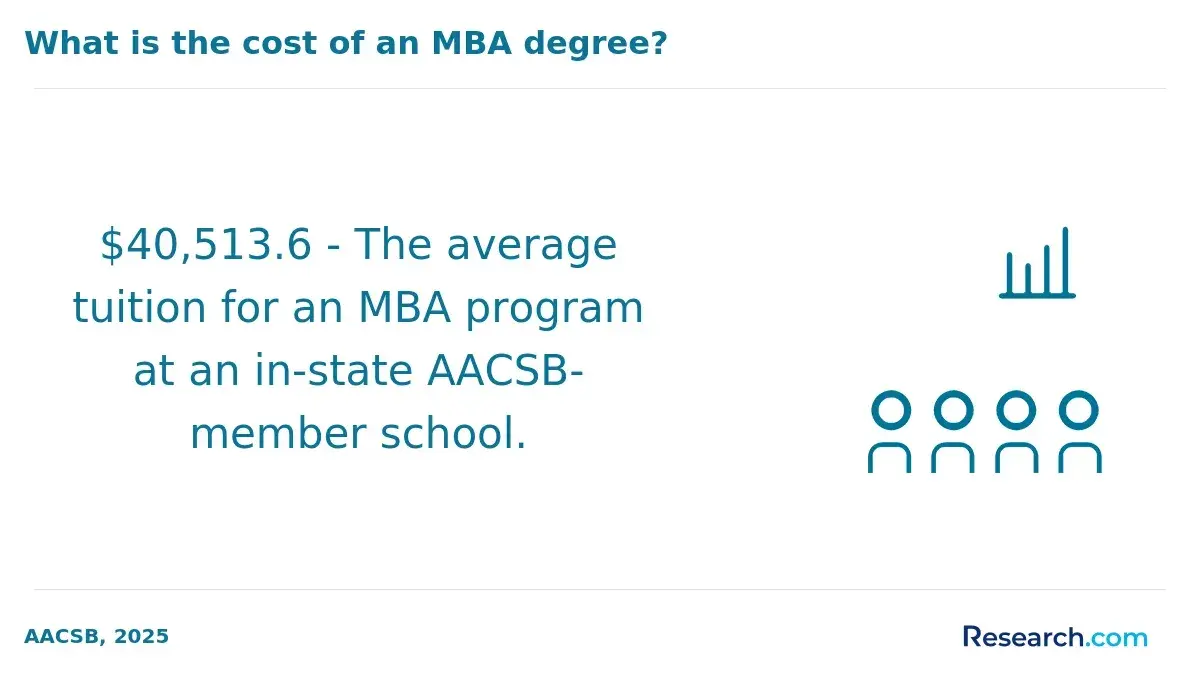
Aside from tuition, students must budget for additional costs like textbooks, supplies, and travel related to residencies or on-campus requirements. These extra expenses can total approximately $20,000 per year and should be factored into the overall cost consideration. Students in online or hybrid programs should also check whether campus visits, practicum travel, software, technology fees, or conference participation are required.
Cost questions to ask before enrolling
- What is the total program cost? Look beyond annual tuition and calculate the full expected cost across the entire program.
- Is funding guaranteed or competitive? Assistantships, scholarships, stipends, and tuition waivers may not be available to every student.
- Can you keep working? A part-time DrPH may allow continued income, while a full-time PhD may require more time away from the workforce.
- Are there residency or travel requirements? Online programs can still require campus visits, fieldwork, or professional travel.
- How does the degree support your target role? The most affordable option is not always the best value if it does not prepare you for the career you want.
How to choose between DrPH Programs and PhD Programs?
Choose the degree that matches the kind of public health work you want to do after graduation. The DrPH is usually the better choice for experienced professionals who want to lead programs, agencies, policy initiatives, or applied public health systems. The PhD is usually the better choice for students who want to conduct original research, publish scholarship, teach, or work in research-intensive settings.
- Choose a DrPH if your goal is leadership: The DrPH is tailored for those aiming to lead public health initiatives, manage organizations, or influence policy.
- Choose a PhD if your goal is research: The PhD focuses on careers in scientific research and academia.
- Consider your professional experience: DrPH programs often require or prefer prior public health experience, while PhD candidates typically engage in independent, theory-driven research.
- Consider your learning style: DrPH students often thrive in collaborative, interdisciplinary environments with applied fieldwork. PhD students need patience for rigorous research methods, scholarly writing, and long-term independent inquiry.
- Clarify your program goals: If you want to translate research into practice and lead real-world programs, the DrPH is a strong fit. If you want to generate new knowledge and advance theory, the PhD is more appropriate.
- Think about long-term impact: DrPH graduates commonly work in government agencies, NGOs, and health systems, applying skills directly, while over 70% of PhD holders pursue research-intensive or academic careers.
A simple decision test
- If your ideal day involves leading meetings, shaping strategy, working with communities, managing programs, and advising decision-makers: look closely at DrPH programs.
- If your ideal day involves analyzing data, reading literature, designing studies, writing manuscripts, and developing a research agenda: look closely at PhD programs.
- If you want both: examine specific programs carefully. Some DrPH programs have strong research components, and some PhD graduates move into policy or applied roles. Faculty expertise, field placements, funding, and alumni outcomes matter more than the degree title alone.
For those still exploring how to decide between DrPH and PhD for public health careers, it helps to compare the daily work each degree supports rather than focusing only on the title. Reviewing the trade careers article can also offer broader insight into how credentials connect to career paths. In general, choose a DrPH if your goal is to become a public health leader or policymaker, and choose a PhD if you want to focus on scientific scholarship and academia.
What Graduates Say About Their Degrees in DrPH Programs and PhD Programs
- Valentino: "Completing the DrPH program was a rigorous challenge that truly pushed my limits, but it prepared me exceptionally well for leadership roles in public health. The hands-on training and community engagement projects offered a unique perspective I hadn't experienced before. This program opened doors to senior positions in government health agencies, significantly boosting my career trajectory."
- Zev: "The PhD program provided an in-depth research experience that was both intense and rewarding. The opportunity to work alongside top-tier faculty and contribute to cutting-edge studies gave me valuable skills highly regarded in academia and industry alike. Reflecting on my journey, I appreciate how this program refined my analytical abilities and expanded my professional network."
- Grayson: "Enrolling in the DrPH program was a decisive step for advancing my career in health policy. The curriculum's focus on practical applications and leadership training helped me transition smoothly into a policy advisory role within a major nonprofit. The steady growth in salary and influence I've seen since graduating has been remarkable."
Other Things You Should Know About DrPH Programs & PhD Programs
In 2027, DrPH graduates often pursue leadership roles in public health organizations, focusing on policy and practice, while PhD graduates typically pursue academic or research-focused careers, engaging in advanced research and teaching at universities or research institutions.
Work experience is usually more emphasized for DrPH applicants, as these programs often seek candidates with professional experience in public health leadership or practice. PhD programs typically prioritize academic research potential and may accept students directly from undergraduate or master's studies. However, requirements vary by institution, so reviewing specific admissions criteria is important.
In 2027, prerequisites for a DrPH program typically include a Master's degree in public health or a related field, several years of public health work experience, and GRE or equivalent test scores, depending on the institution's specific requirements.
In 2027, DrPH holders often pursue leadership roles in public health organizations, potentially leading to higher salaries due to managerial responsibilities. PhD holders typically focus on academic and research roles, where earning potential can vary significantly based on institution and location, but they generally command competitive salaries in their fields.
References
- PhD candidates’ and supervisors’ wellbeing and experiences of supervision | Higher Education https://link.springer.com/article/10.1007/s10734-024-01385-w
- Advance Your Public Health Career: The Ultimate Guide to DrPH Programs https://masterspublichealth.com/drph-programs/
- DrPH in Global Health Leadership FAQs: DrPH in Global Health Leadership: Doctoral Degrees & Minors: Academics: Richard M. Fairbanks School of Public Health: Indiana University Indianapolis https://fairbanks.indianapolis.iu.edu/academics/doctoral/public-health/drph-faqs.html
- DrPH vs. PhD: What’s the Difference? https://publichealth.tulane.edu/blog/drph-vs-phd/
- DrPH vs. PhD — National Association for Doctors of Public Health https://nadrph.org/drphvsphd
- Analysis of the Doctor of Public Health (DrPH) training and identity needs in the United States: a qualitative study - PMC https://pmc.ncbi.nlm.nih.gov/articles/PMC10629150
- Public Health Salaries and Jobs | Columbia Public Health | Columbia University Mailman School of Public Health https://www.publichealth.columbia.edu/become-student/career-services/public-health-employment-outcomes


