
2027 Data Analyst vs. Software Engineer: Explaining the Difference

Co-Founder and Chief Data Scientist
If you are deciding between becoming a data analyst and a software engineer, the real question is not simply which career is “better.” It is which kind of work fits how you like to solve problems. Data analysts turn messy information into useful business answers. Software engineers build the applications, systems, and technical infrastructure people use every day.
The two careers overlap in coding, logic, and technology, but they reward different strengths. A data analyst spends more time asking what the data means and how it should guide decisions. A software engineer spends more time designing, testing, and improving software so it works reliably at scale.
This guide compares the roles side by side: daily responsibilities, required skills, salary, job outlook, career progression, stress levels, and transition options. Use it to choose the path that matches your interests, learning style, and long-term career goals.
Key Points About Pursuing a Career as a Data Analyst vs a Software Engineer
- Data Analysts have a median salary around $65,000 with job growth projected at 25%, focusing on interpreting data to inform business decisions.
- Software Engineers earn higher, typically $110,000+, with 22% growth, creating and maintaining software systems impacting various industries.
- Data Analysts influence strategic planning through insights, while Software Engineers drive product innovation and technological development.
What does a Data Analyst do?
A data analyst collects, cleans, organizes, and interprets data so organizations can make better decisions. The role is less about building software products and more about answering business questions with evidence. For example, a data analyst may help a marketing team understand campaign performance, a finance team identify cost patterns, or a healthcare organization track patient-related trends.
The work usually begins with a question: Why did sales decline? Which customers are most likely to leave? Which process is creating delays? From there, analysts pull data from databases, spreadsheets, business systems, or third-party sources. They often use SQL to query databases and tools such as Excel, Python, Power BI, SAS, or visualization platforms to clean, analyze, and present findings.
A major part of the job is data preparation. Analysts frequently remove duplicates, fix inconsistent labels, check for missing values, and verify that the numbers are reliable before drawing conclusions. This step can take substantial time, but it is essential because poor-quality data can lead to poor business decisions.
Data analysts also translate technical findings into plain language. They create dashboards, reports, charts, and presentations that help non-technical stakeholders understand what happened, why it matters, and what action may be worth taking. Strong analysts do not just show numbers; they explain the limits of the data, point out risks, and connect insights to business goals.
The exact focus varies by industry. In retail, analysts may study customer behavior and inventory trends. In finance, they may evaluate risk or performance. In healthcare, they may support operational planning or quality improvement. Across sectors, the core value is the same: turning data into practical insight.
What does a Software Engineer do?
A software engineer designs, builds, tests, deploys, and maintains software. While data analysts focus on interpreting information, software engineers focus on creating the systems that users, businesses, and other technical teams rely on. Their work can include web applications, mobile apps, enterprise platforms, cloud services, internal tools, databases, APIs, and automation systems.
Software engineering starts with understanding requirements. Engineers work with product managers, designers, business teams, and other developers to define what the software should do, how it should behave, and how users will interact with it. They then write code, test functionality, fix bugs, improve performance, and document their work so the system can be maintained over time.
Daily tasks often include coding, reviewing other engineers’ code, debugging issues, writing automated tests, improving system performance, and participating in planning meetings. Engineers also use version control tools, development frameworks, ticketing systems, and deployment pipelines to coordinate work across teams.
Software engineers work in many industries, including technology, finance, healthcare, manufacturing, education, and government. Some work for large corporations or IT companies, while others work for startups, consulting firms, or as freelancers. By 2025, many software engineers work in office or hybrid environments, especially when projects require close coordination across product, design, security, and operations teams.
The role requires more than coding ability. Good software engineers think carefully about reliability, maintainability, scalability, security, and user needs. A feature that works once is not enough; the goal is to build software that can be understood, tested, improved, and used consistently.
What skills do you need to become a Data Analyst vs. a Software Engineer?
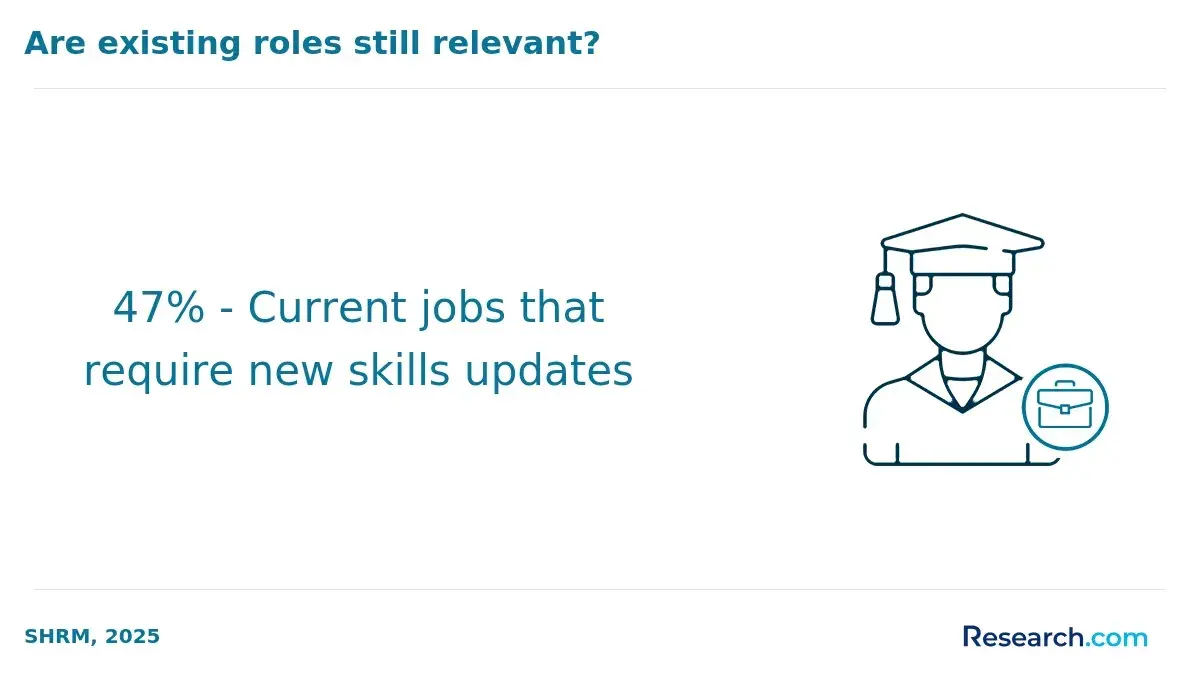
Data analysts and software engineers both need technical ability, logic, and problem-solving skills. The difference is how those skills are used. Data analysts use tools and statistics to explain what data means. Software engineers use programming and system design to build working software.
If you enjoy investigating patterns, explaining results, and helping teams make decisions, data analytics may be the stronger fit. If you enjoy building products, writing code for long-term use, and solving engineering problems, software engineering may be a better match.
Skills a Data Analyst Needs
- Data analysis: Data analysts need to examine datasets, identify patterns, compare results, and draw conclusions that are supported by evidence.
- SQL and database skills: SQL is a core skill because analysts often need to retrieve, filter, join, and summarize data from databases.
- Data cleaning: Analysts must be able to spot missing values, duplicates, inconsistent formats, and unreliable records before analysis begins.
- Statistics: A practical understanding of averages, distributions, correlation, sampling, and basic statistical reasoning helps analysts avoid weak or misleading conclusions.
- Data visualization: Tools such as Tableau, Power BI, Excel, or similar platforms help analysts create charts and dashboards that make findings easier to understand.
- Python or other analysis tools: Python can help automate cleaning, analysis, and reporting, especially when datasets are large or repetitive.
- Business communication: Analysts must explain technical findings to non-technical stakeholders and connect those findings to real decisions.
- Critical thinking: Strong analysts question assumptions, check data quality, and understand that a chart is only useful if the interpretation is sound.
Skills a Software Engineer Needs
- Programming languages: Software engineers commonly work with languages such as Java, Python, C++, or other languages depending on the product and industry.
- Software development lifecycle: Engineers need to understand planning, development, testing, deployment, maintenance, and iteration.
- Algorithms and data structures: These fundamentals help engineers write efficient code and solve technical problems more effectively.
- Debugging and testing: Engineers must be able to find errors, reproduce issues, write tests, and confirm that changes do not break existing functionality.
- System design: As engineers advance, they need to design software that is scalable, maintainable, secure, and understandable to other developers.
- Version control: Tools such as Git are essential for tracking changes, collaborating with teams, and managing codebases.
- Collaboration: Software development is rarely a solo activity. Engineers often work with product managers, designers, QA teams, security teams, and other developers.
- Technical documentation: Clear documentation helps future engineers understand how systems work and why decisions were made.
The biggest skill difference is depth of software engineering. A data analyst may use code to answer questions faster, while a software engineer uses code to create systems that other people or applications depend on.
Biggest Challenges In Achieving Career Goals

How much can you earn as a Data Analyst vs. a Software Engineer?
Software engineers generally have higher earning potential than data analysts, although salaries in both careers vary by location, industry, experience, technical specialization, and employer. Data analysts can earn strong salaries, especially in industries that rely heavily on business intelligence, finance, scientific services, or advanced analytics. Software engineers often command higher pay because they build and maintain core technical systems and products.
According to the US Bureau of Labor Statistics, data analysts have a median annual salary of about $83,640. Entry-level data analysts typically earn between $71,000 and $80,000. With experience, specialized industry knowledge, or advanced analytics responsibilities, earnings may rise to $119,000 or more. Analysts in major metropolitan areas or high-demand industries may see higher compensation, but pay depends heavily on the specific role and employer.
For software engineers, the median annual salary is approximately $129,716 in 2025. Entry-level software engineers often start around $90,000 to $110,000 depending on region and employer. Experienced professionals and top earners in tech hubs such as San Francisco and New York can make $162,000 or more annually. Skills in cloud computing, machine learning, infrastructure, cybersecurity, or other high-demand technical areas can increase earning potential.
Salary should not be the only factor in the decision. Software engineering may offer higher compensation, but it can also require deeper programming knowledge, more complex technical interviews, and stronger expectations around system reliability. Data analytics may offer a more direct path for people who enjoy business questions, reporting, dashboards, and decision support.
Professionals who want to improve their qualifications while continuing to work may consider education options such as fast online degree programs for working adults, especially if they need structured training in programming, analytics, business intelligence, or computer science fundamentals.
What is the job outlook for a Data Analyst vs. a Software Engineer?
Both data analysts and software engineers benefit from the continued growth of digital tools, automation, data systems, and technology-driven decision-making. However, the outlook is stronger for software engineering based on the stated growth expectations for software development roles.
Data analyst roles remain important because organizations continue to generate large volumes of data and need professionals who can interpret it. Businesses use analysts to improve operations, understand customers, monitor financial performance, measure marketing results, and support strategic planning. Demand is steady because data is now central to decision-making in many industries.
That said, competition can be meaningful in data analytics because many candidates enter the field through degrees, certificates, bootcamps, or self-directed learning. Candidates who can combine SQL, visualization, statistical thinking, business communication, and domain knowledge are generally better positioned than those who only know basic reporting tools.
Software engineering has a stronger growth outlook. Employment for software developers is expected to expand by 17% from 2023 to 2033, adding roughly 327,900 jobs nationwide-far exceeding the average for most professions. Demand is supported by industries such as finance, automation, cybersecurity, healthcare, artificial intelligence, and cloud computing.
Software engineering opportunities are not evenly distributed, though. Strong candidates often need a portfolio of projects, solid coding ability, interview preparation, and familiarity with modern development tools. Top firms may prioritize candidates with experience in AI, infrastructure, cloud systems, or security. Startups may hire new graduates selectively and often look for candidates who can contribute quickly with limited supervision.
For students comparing the two, the practical takeaway is clear: data analytics offers broad business-facing opportunities, while software engineering currently offers stronger growth and higher technical upside for those willing to invest in deeper programming and system design skills.
What is the career progression like for a Data Analyst vs. a Software Engineer?
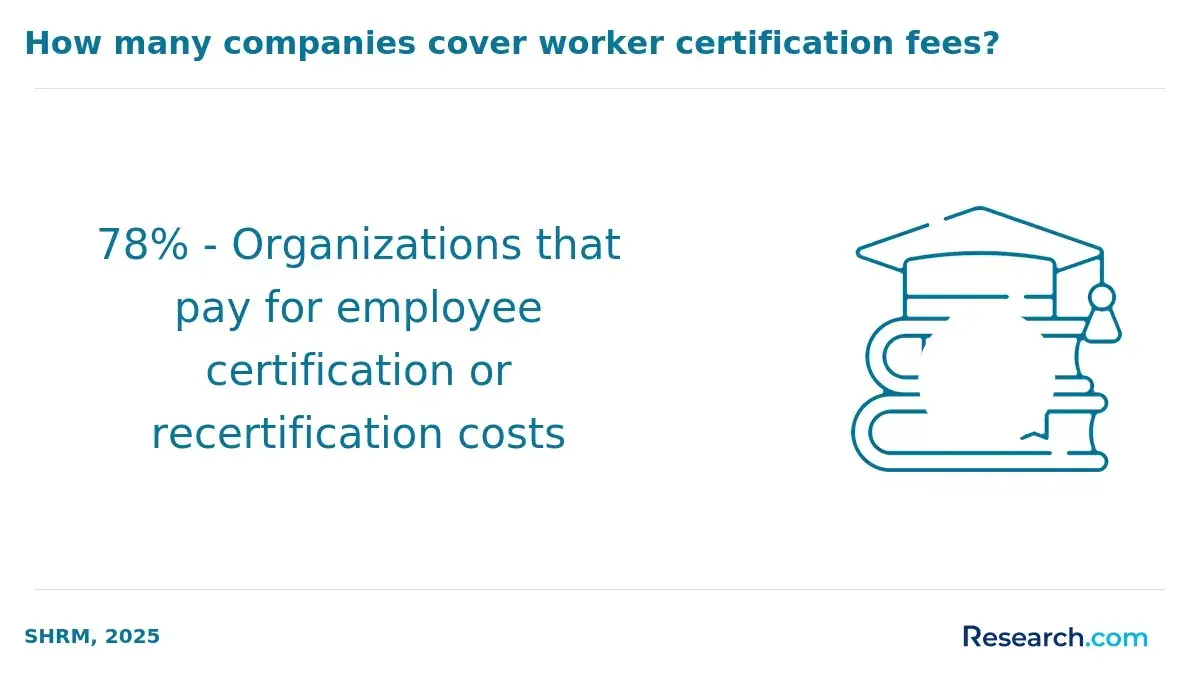
Career progression looks different in data analytics and software engineering. Data analysts often advance by handling more complex questions, influencing strategy, managing analytics projects, or moving into data science and business intelligence leadership. Software engineers usually advance by taking ownership of larger systems, designing architecture, leading technical teams, or moving into engineering management.
Typical Career Progression for a Data Analyst
- Junior analyst: Focuses on data cleaning, recurring reports, spreadsheet work, basic SQL queries, dashboard updates, and support for senior team members.
- Mid-level analyst: Owns more complex analyses, works directly with stakeholders, builds dashboards, identifies trends, and contributes to data-driven recommendations.
- Senior analyst: Leads analysis projects, defines metrics, reviews data quality, mentors junior analysts, and may specialize in business intelligence, product analytics, finance analytics, or operations analytics.
- Analytics manager or specialist roles: Moves into leadership or advanced specialist roles, often after 5-10 years of experience, with possible paths into data science, analytics strategy, or department-level decision support.
Typical Career Progression for a Software Engineer
- Junior developer: Works on assigned coding tasks, fixes bugs, writes tests, learns the codebase, and receives close review from more experienced engineers.
- Mid-level developer: Owns features or components, writes more complex code, participates in design discussions, troubleshoots production issues, and collaborates more independently.
- Senior developer: Designs systems, reviews architecture, mentors engineers, improves code quality, and helps set technical direction for major projects.
- Technical lead or engineering manager: Leads projects or teams, coordinates technical decisions, manages delivery risk, and may specialize in areas such as DevOps, cloud computing, infrastructure, security, or large-scale application development.
The data analyst career path advancement often depends on how well you combine technical analysis with business judgment. Analysts who can influence decisions, define reliable metrics, and explain trade-offs are more likely to move beyond reporting work.
Software engineer career growth opportunities often depend on technical depth, ownership, and the ability to build reliable systems with other teams. Engineers can advance without becoming managers if their organizations offer senior individual contributor tracks, but leadership and communication still matter.
Students building foundational skills may also compare lower-cost or shorter educational routes, including an easy associates degree, especially if they need an entry point before pursuing more advanced technical training.
Can you transition from being a Data Analyst vs. a Software Engineer (and vice versa)?
Yes. Transitioning between data analyst and software engineer roles is possible because the careers share problem-solving, logic, technical tools, and analytical thinking. However, the move is not automatic. Each direction requires filling different skill gaps.
A data analyst moving into software engineering usually needs to go deeper into computer science and application development. SQL, data modeling, Python, and analytical reasoning are helpful starting points, but software engineering also requires stronger knowledge of programming fundamentals, algorithms, data structures, testing, debugging, version control, software architecture, and development workflows.
To switch from data analyst to software engineer, a practical plan may include building coding projects, contributing to open-source or portfolio applications, studying system design basics, practicing technical interviews, and learning development tools such as Git. Certifications such as CompTIA A+ or AWS Certified Developer, along with coding bootcamps, may help accelerate the transition when they are paired with real projects.
A software engineer moving into data analytics already has advantages in programming, automation, databases, and technical problem-solving. The main gaps are usually statistics, business interpretation, visualization, and stakeholder communication. Engineers may need to learn how to frame business questions, validate assumptions, build dashboards, and explain findings to non-technical audiences.
To switch from software engineer to data analyst, useful steps include building a portfolio of analysis projects, learning visualization tools, practicing SQL for analytics, studying statistics, and creating examples that show how data can support decisions. Certifications such as Certified Data Analyst may help demonstrate commitment, but employers will still look for evidence that you can interpret data accurately and communicate clearly.
Both transitions are easier when you choose roles near the boundary between the fields. Examples include analytics engineer, data engineer, business intelligence developer, product analyst, machine learning engineer, or software engineer on data platforms. These hybrid roles can help professionals shift gradually rather than making a sudden career reset.
Professionals who want to deepen domain expertise may also explore advanced education options, including PhD programs that do not require a dissertation, depending on their academic and career goals.
What are the common challenges that you can face as a Data Analyst vs. a Software Engineer?
Both careers require continuous learning, strong attention to detail, and the ability to work with people who may not share your technical background. The challenges differ, though. Data analysts often struggle with messy data and unclear business questions. Software engineers often struggle with complex systems, deadlines, bugs, and reliability demands.
Challenges for a Data Analyst
- Poor data quality: Analysts often spend significant time cleaning, validating, and reconciling data before they can produce useful insights.
- Unclear stakeholder requests: Business teams may ask broad questions without defining the metric, timeframe, audience, or decision the analysis should support.
- Communicating findings: Analysts must explain technical results in simple terms without overstating what the data proves.
- Pressure to produce “the answer”: Decision-makers may want certainty, even when the data has limitations or multiple interpretations.
- Tool changes: Analysts must keep up with visualization platforms, statistical tools, database systems, and reporting expectations.
- Data ethics and privacy: Analysts need to handle information responsibly, protect sensitive data, and avoid misleading analysis.
Challenges for a Software Engineer
- Complex codebases: Engineers often work in systems built by many people over time, making it difficult to understand dependencies and avoid unintended consequences.
- Debugging difficult issues: Some problems are hard to reproduce, especially when they involve performance, integrations, or production environments.
- Security expectations: Engineers must consider vulnerabilities, permissions, data protection, and secure coding practices.
- Tight delivery timelines: Product launches, client deadlines, and sprint commitments can create pressure to move quickly while maintaining quality.
- Changing frameworks and tools: Software engineer job challenges in 2025 include staying current across multiple programming languages, frameworks, cloud platforms, and development practices.
- Cross-functional coordination: Engineers frequently coordinate with product managers, designers, quality assurance teams, infrastructure teams, and business leaders.
The common challenges for data analysts in the US include mastering new visualization tools and statistical software while also building enough business context to make analysis useful. For software engineers, the challenge is often technical depth: maintaining quality while systems, users, and performance expectations grow.
The best preparation for either field is not just learning tools. It is learning how to ask better questions, document your work, communicate trade-offs, and keep improving as technology changes.
Is it more stressful to be a Data Analyst vs. a Software Engineer?
Neither career is automatically more stressful for everyone. Stress depends on the employer, industry, workload, manager, team culture, and your own preferences. However, the type of stress is different.
Data analysts often feel pressure when business decisions depend on their reports or when stakeholders expect fast answers from incomplete or messy data. They may need to defend their methods, explain uncertainty, and turn complex findings into clear recommendations. The work can become stressful when the data is unreliable, the question is vague, or different departments disagree about which metric matters.
At the same time, data analytics can be more predictable than some engineering roles. Many analysts work around reporting cycles, recurring dashboards, business reviews, and planned projects. Urgent problems can happen, but data analysts are less likely than engineers to be responsible for immediate outages in production systems.
Software engineers may experience stress from strict release deadlines, difficult debugging, performance issues, security concerns, and unexpected system failures. If an application breaks, a deployment fails, or a vulnerability appears, engineers may need to respond quickly. In fast-moving technology companies, performance expectations and long work hours can increase the risk of burnout.
If you prefer structured analysis, stakeholder conversations, and business interpretation, data analytics may feel less stressful. If you enjoy deep technical problem-solving and can handle the pressure of building and maintaining systems, software engineering may feel more energizing than stressful.
How to choose between becoming a Data Analyst vs. a Software Engineer?
Choose data analytics if you want to work with data to answer business questions. Choose software engineering if you want to build software systems and spend more of your day coding, testing, and improving technical products. Both careers can be rewarding, but they fit different strengths.
Use the following factors to make a realistic decision:
- Your preferred problem type: Data analysts ask, “What does this data tell us?” Software engineers ask, “How do we build this so it works?”
- Your interest in coding: Data analysts often use SQL, Python, and analytics tools, but software engineers typically code more deeply and more often.
- Your comfort with ambiguity: Data analysts often deal with unclear business questions and imperfect data. Software engineers often deal with unclear requirements and complex technical constraints.
- Your communication style: Data analysts must translate insights for business audiences. Software engineers must explain technical decisions to teammates, managers, and sometimes non-technical stakeholders.
- Your educational path: Data analysts commonly build skills in statistics, data science, business intelligence, and databases. Software engineers usually need stronger preparation in programming, algorithms, development practices, and system design.
- Your work environment preference: Data analysts often work across departments such as marketing, finance, operations, or product. Software engineers usually work more closely with development, product, design, QA, security, and infrastructure teams.
- Your income goals: Software Engineers generally have a higher salary range, sometimes reaching $300k-$500k at top companies; Data Analysts earn less but provide critical business insights.
- Your long-term direction: Data analytics can lead to business intelligence, analytics management, data science, or strategy roles. Software engineering can lead to senior engineering, architecture, technical leadership, DevOps, cloud computing, or engineering management.
A simple way to test your fit is to complete one beginner project in each area. For data analytics, analyze a dataset, write SQL queries, build a dashboard, and explain your findings. For software engineering, build a small application, use version control, write tests, and deploy or document the project. The project that feels more engaging is often a strong signal.
If you enjoy discovering patterns, building dashboards, and influencing decisions, data analytics may be the better fit. If you enjoy designing systems, writing production-quality code, and solving technical problems, software engineering may be the stronger choice.
For additional career comparisons and practical alternatives, you can also review this list of trade school jobs that pay well.
What Professionals Say About Being a Data Analyst vs. a Software Engineer
-
: "Choosing a career as a Data Analyst has given me job stability and a competitive salary. As more organizations rely on data-driven decisions, my skills continue to feel relevant. The role also keeps me learning because every dataset and business problem is different.
—Esteban"
-
: "What I enjoy most about being a Software Engineer is the variety of technical challenges. Each project brings new tools, constraints, and problems to solve. Building products that people actually use motivates me to keep improving my skills.
—Alexis"
-
: "Working as a Data Analyst has helped me grow through specialized training and cross-functional projects. I started with technical reporting, but the role has opened opportunities to contribute to strategy and work more closely with decision-makers.
—Eli"
Other Things You Should Know About a Data Analyst & a Software Engineer
Data Analysts most often use SQL and Python for querying, cleaning, and visualizing data. Software Engineers rely more on Python, Java, JavaScript, or C++ to build applications and systems. Many analyst roles also expect Excel and BI tools, while engineers usually need version control and testing skills.
Both careers usually require a bachelor's degree, but the focus areas differ. Data Analysts often study fields like statistics, mathematics, or business analytics.
Software Engineers commonly graduate with degrees in computer science, software engineering, or related disciplines. Advanced degrees can be beneficial but are not always necessary for entry-level roles in either field.
In 2027, Data Analysts may progress to roles like Senior Data Analyst or Data Scientist, focusing on insights and predictive modeling. Software Engineers might advance to positions such as Senior Developer, Architect, or CTO, emphasizing software development and innovation. Each path requires specific expertise and industry experience.
References
- Data analyst https://ddat-capability-framework.service.gov.uk/role/data-analyst
- Data Analyst vs. Data Engineer: Skills, Salary, and more https://roadmap.sh/data-analyst/vs-data-engineer
- Which of these careers is less stressful: Data scientist, Data engineer or software engineer? Why? https://medium.com/@shahidulislamraj222/which-of-these-careers-is-less-stressful-data-scientist-data-engineer-or-software-engineer-why-2044d88c409b
- Skills a Data Scientist Must Have (But a Software Engineer Doesn't) | Towards Data Science https://towardsdatascience.com/software-engineering-to-data-science-a07f178a98c4/
- Software engineer https://www.prospects.ac.uk/job-profiles/software-engineer
- Data Analytics vs Software Development: Career Path Guide https://codeinstitute.net/global/blog/data-analytics-vs-software-development/
- How to Switch Careers From Data Science to Software Engineering https://www.appacademy.io/blog/changing-careers-from-data-science-to-software-engineering/
- What Do Software Engineers Do on a Daily Basis? https://jessup.edu/blog/engineering-technology/what-do-software-engineers-do-on-a-daily-basis/
- The Roles and Responsibilities of a Data Analyst https://www.pecan.ai/blog/the-roles-and-responsibilities-of-a-data-analyst/
- Data Science vs Software Engineering: Which to Choose in 2025? https://www.joinhgs.com/us/en/insights/hgs-digital-blogs/data-science-vs-software-engineering


