2027 Aerospace Engineering Degree Completion Rates by Format: Online, Hybrid, and Campus Programs Compared

Co-Founder and Chief Data Scientist
Choosing the right format to complete an aerospace engineering degree poses a critical challenge for many students. Some face the unpredictable demands of work and family, making an online program seem appealing for its flexibility. Others consider hybrid options that blend remote and in-person learning, aiming to balance convenience with direct interaction. Meanwhile, a traditional campus experience offers structured schedules and hands-on access to labs but demands full-time presence.
Each format carries different risks and benefits that impact not only the likelihood of finishing the degree but also long-term career outcomes. Completion rates vary widely due to factors like student support services, time management challenges, and engagement with faculty and peers. This article compares online, hybrid, and campus completion rates, explores the key influences on student success, and helps prospective students identify which format best aligns with their educational goals.
Key Things to Know About Aerospace Engineering Degree Completion Rates by Format
- Online aerospace engineering programs have lower completion rates-averaging 52% versus 68% for campus-reflecting challenges with self-discipline and limited access to hands-on labs critical for technical mastery.
- Hybrid formats improve completion rates by integrating in-person labs and mentorship, increasing persistence by about 10%, which helps students bridge theoretical knowledge with practical applications effectively.
- Campus programs sustain the highest completion rates largely due to immersive environments and peer collaboration, translating to stronger foundational skills vital for long-term engineering career success.
- Key Things to Know About Aerospace Engineering Degree Completion Rates by Format Key Things to Know About Aerospace Engineering Degree Completion Rates by Format
- How Do Completion Rates Compare Across Online, Hybrid, and Campus Aerospace Engineering Programs? Completion Rate Comparison
- What Factors Have the Greatest Impact on Aerospace Engineering Degree Completion? Degree Completion Factors
- Which Aerospace Engineering Degree Format Is Hardest to Complete? Completion Difficulty
- How Does Each Aerospace Engineering Learning Format Affect Student Success? How Does Each Aerospace Engineering Learning Format Affect Student Success?
- How Does Enrollment Status Affect Aerospace Engineering Completion Rates? How Does Enrollment Status Affect Aerospace Engineering Completion Rates?
- Can Transfer Credits Improve Aerospace Engineering Degree Completion? Transfer Credits
- What Student Support Services Improve Aerospace Engineering Completion Rates? Student Support Services
- How Do Aerospace Engineering Completion Rates Affect Career Outcomes? Impact on Career Outcomes
- How Should Students Choose the Best Aerospace Engineering Learning Format? Choosing the Best Format
- What Are the Long-Term Pros and Cons of Each Aerospace Engineering Learning Format? Learning Format Pros & Cons
How Do Completion Rates Compare Across Online, Hybrid, and Campus Aerospace Engineering Programs?
Completion rates in aerospace engineering programs often reflect the diverse profiles of students enrolled rather than directly measuring the intrinsic quality of the programs. Variations in these rates should be seen as indicators of student circumstances-such as prior preparation, work status, and support systems-that influence their ability to persist through challenging curricula. For instance, traditional campus students typically have fewer external distractions and more daily access to faculty and labs, which correlates with higher completion rates but also mirrors a more controlled learning environment.
When evaluating online aerospace engineering degree completion rates comparison, prospective students should weigh these statistics alongside their personal learning preferences, available study hours, and career ambitions. For example, a working professional might prioritize the flexibility of online programs despite the steeper demands on self-motivation, while a student seeking immersive lab access may opt for campus or hybrid routes. Tools like affordable online doctoral programs listings can assist those exploring flexible advanced degrees but the ultimate choice should integrate completion data with practical lifestyle considerations to optimize persistence and long-term success.
What Factors Have the Greatest Impact on Aerospace Engineering Degree Completion?
Successful completion of an aerospace engineering degree depends on a complex interplay of personal circumstances, academic support, and program design rather than motivation alone. Students often face challenges that reflect their unique work-life balance, institutional resources, and learning environment. Recognizing these factors helps prospective students assess which program format fits their needs while maximizing persistence and success. Below are key influences that most commonly shape aerospace engineering degree completion rates.
- Student Engagement and Academic Advising: Active involvement with faculty and advisors significantly improves completion odds by providing guidance and accountability. Students who regularly access tutoring and advising services, especially in technical disciplines like aerospace engineering, are up to 25% more likely to graduate, according to the National Center for Education Statistics. Those struggling should proactively seek structured support early to reinforce their academic progress.
- Work-Life Balance Accommodations: Many aerospace engineering students juggle employment and caregiving, particularly in online programs where self-discipline is critical. Without flexible scheduling or asynchronous course options, full-time workers often delay or drop out. Tailored program features that acknowledge and accommodate external responsibilities can enhance persistence by reducing time-management conflicts.
- Program Format and Interaction Opportunities: Campus programs leverage face-to-face collaboration and instant faculty feedback to boost engagement, while hybrid models balance flexibility with hands-on application through in-person labs. Purely online formats risk isolation, which can impede motivation unless augmented by virtual mentoring and community-building efforts. Students should consider how each format promotes interaction aligned with their learning style and personal context.
- Access to Financial and Technological Resources: Steady financial aid and reliable technology significantly influence whether students can stay enrolled in aerospace engineering programs. Institutions that emphasize financial counseling and provide digital access help underrepresented and non-traditional students overcome barriers that often undermine degree completion. Prospective students should evaluate available support services alongside tuition affordability.
- Prior Academic Preparation and Skill Foundation: Aerospace engineering's rigorous curriculum demands a solid background in math and science. Students who enter programs lacking this foundation face higher risks of falling behind. Strengthening prerequisite knowledge through remedial courses or intensive bootcamps can enhance persistence and confidence in meeting degree requirements.
- Institutional Support Services Availability: Beyond advising, comprehensive access to career counseling, mental health resources, and peer tutoring contributes to student retention. Schools with robust support networks tend to maintain higher aerospace engineering degree completion rates across all program formats. Utilizing these services early can mitigate risks from academic or personal disruptions.
- Socioeconomic Influences on Persistence: Economic stability affects students' ability to afford continuing education and access technology essential for modern aerospace engineering learning environments. Socioeconomic challenges correlate with delayed or discontinued enrollment, particularly in online settings. Awareness of aid options and institutional initiatives aimed at equity can improve completion likelihood.
For students evaluating aerospace engineering degree completion rates by program format, it is crucial to assess these interrelated factors realistically. Some learners may find hybrid programs best balance hands-on needs and scheduling flexibility, while others require the community of campus settings or the convenience of well-supported online offerings. Those seeking specific strategies for balancing work and study might explore resources such as EdD programs online for models of asynchronous learning and mentoring that have demonstrated effectiveness across STEM fields.
Which Aerospace Engineering Degree Format Is Hardest to Complete?
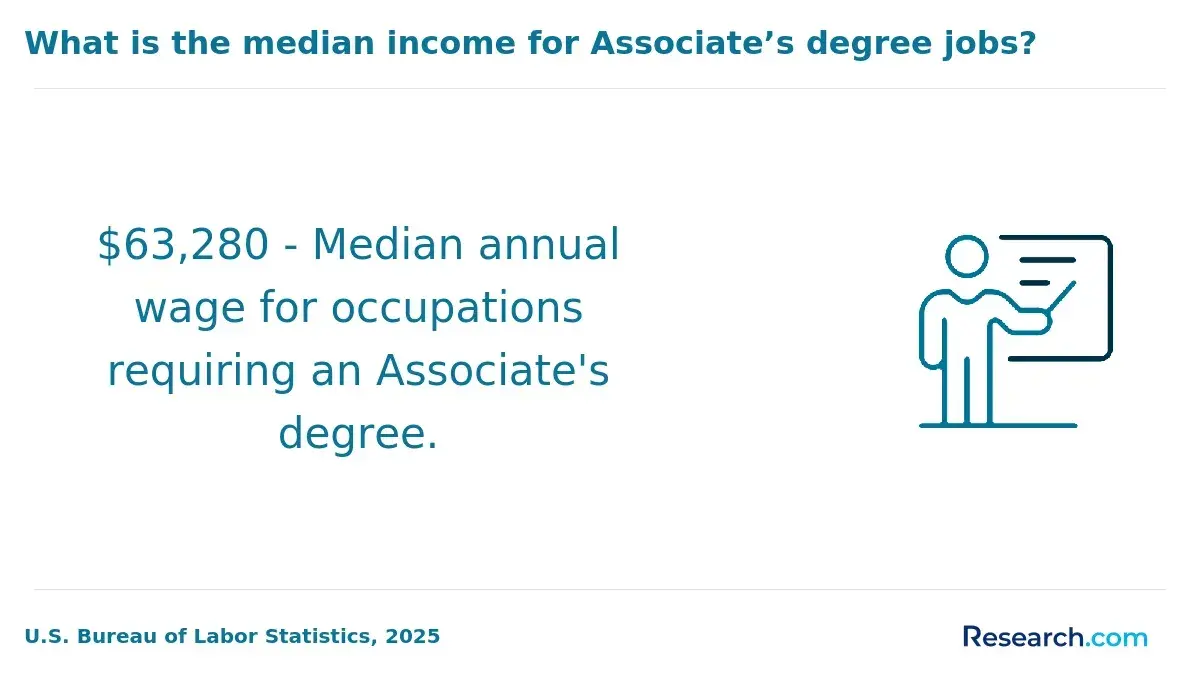
Completion rates for aerospace engineering degrees vary significantly with the delivery format, reflecting underlying challenges in each approach. Traditional campus programs lead with over 60% completion within six years, according to 2024 data from the National Center for Education Statistics and the Education Advisory Board. These programs benefit from structured routines, consistent access to labs and instructors, and peer networks that foster accountability. In contrast, fully online programs face steeper barriers, with completion rates often between 35% and 45%, largely due to reduced hands-on opportunities and the self-discipline required to manage competing work and personal commitments without direct support.
Hybrid programs strike a middle ground, posting completion rates near 50% to 55%. They combine online theoretical learning with occasional in-person labs, which can alleviate feelings of isolation but introduce logistical difficulties such as commuting and coordination of schedules. The real-world complexity of balancing these demands means success hinges on both flexibility and the ability to navigate hybrid environments effectively. For aerospace engineering, where applied skills and collaboration are critical, these differences have material consequences for student persistence and employability.
How Does Each Aerospace Engineering Learning Format Affect Student Success?
Student success in aerospace engineering hinges less on the learning format alone and more on how well the chosen mode matches an individual's learning style, time availability, and personal commitments. For instance, a working professional juggling family responsibilities may thrive in an online program that offers flexibility, while a recent high school graduate seeking peer interaction might find campus-based learning more conducive. Recognizing these nuances is essential for realistically assessing which format helps sustain motivation and momentum through a demanding curriculum. The following points highlight key factors through which online, hybrid, and campus formats shape degree completion outcomes.
- Engagement Through Direct Interaction: On-campus programs typically provide face-to-face access to faculty and classmates, fostering collaboration and immediate feedback. This environment benefits students needing structured support and peer accountability, elements closely linked to higher completion rates in 2024 data from the National Center for Education Statistics.
- Balancing Flexibility with Support: Hybrid formats combine remote learning with scheduled in-person sessions, offering adaptability without sacrificing critical contact. Students who require a flexible schedule but also benefit from periodic hands-on labs and live discussions often experience improved retention compared to fully online peers.
- Challenges of Limited Social Presence Online: Fully online programs enable accessibility for those with geographic or time constraints but may struggle to recreate lab-based experiences and spontaneous interactions essential in aerospace engineering. This can lead to decreased persistence unless the institution provides robust virtual support and active engagement tools.
- Self-Motivation and Time Management: Online learners must demonstrate strong discipline to navigate intensive technical coursework independently. Without direct oversight, students prone to procrastination or those lacking a clear routine may find it difficult to maintain progress toward degree milestones.
- Hands-On Experience Importance: Aerospace engineering demands practical skills often developed through labs and workshops. Campus and hybrid settings better facilitate experiential learning, which correlates with deeper understanding and improved employability. Purely online students must ensure equivalent opportunities through virtual simulations or in-person residencies.
- Access to Academic Resources: Being physically present on campus grants students easier entry to tutoring, study groups, and counseling services. While online programs may offer digital alternatives, their effectiveness varies, impacting students who rely heavily on these supports for demanding technical subjects.
- Accountability and Community Building: Regular in-person engagement fosters a sense of community that can motivate continued enrollment and completion. This is reflected in 2024 findings where campus and hybrid learners outperform their fully online counterparts in degree persistence.
How Does Enrollment Status Affect Aerospace Engineering Completion Rates?
Enrollment status profoundly shapes aerospace engineering degree completion rates, reflecting more than just the raw count of courses taken each term. Its impact varies based on a student's personal circumstances, including work, family obligations, and learning preferences. Rather than assuming full-time enrollment is always superior, prospective students should consider how their individual situation interacts with enrollment pace to influence persistence and success. Below are key ways enrollment status affects aerospace engineering degree completion outcomes.
- Academic Immersion and Focus: Full-time students benefit from sustained academic engagement with aerospace engineering curricula, which promotes deeper comprehension and consistent progress. This immersive approach often results in higher on-time completion rates, particularly supported by findings from the National Center for Education Statistics showing full-time students complete programs at significantly higher rates than part-time peers.
- Time Management Challenges for Part-Time Students: Part-time enrollees commonly balance coursework alongside employment or family responsibilities. This juggling act can extend time to degree and increase risk of attrition, requiring disciplined planning and strong self-regulation to maintain steady academic progress.
- Resource Access and Peer Interaction: Campus-based full-time aerospace engineering students tend to leverage structured schedules, immediate faculty support, and peer networks-factors linked to improved motivation and retention. Part-time students may find accessing these supports more difficult, reducing their completion likelihood despite on-site availability.
- Flexibility Versus Structure in Online and Hybrid Formats: Online programs offer adaptability that suits part-time aerospace engineering students' diverse commitments but demand high self-direction. Hybrid formats blend on-campus structure with online flexibility, better supporting part-time enrollees than fully online pathways, though full-time students still generally fare better in completion rates.
- Persistence and External Responsibilities: Part-time enrollment often reflects a strategic choice to maintain employment or personal obligations concurrently, trading faster degree completion for career and life continuity. Understanding this tradeoff helps prospective students set realistic expectations about extended timelines and necessary motivation.
- Completion Outcomes Vary by Enrollment and Delivery: Data from the American Society for Engineering Education confirm that full-time aerospace engineering students graduate at higher rates than part-time students in all formats, but the gap narrows notably in online programs. This nuance is crucial for those weighing enrollment status against personal constraints.
- Self-Discipline and Educational Pacing: Prospective students who opt for part-time study in aerospace engineering must cultivate disciplined habits to avoid procrastination, especially in less structured online environments. Conversely, full-time status can naturally impose pacing conducive to degree completion.
In sum, enrollment status impact on aerospace engineering degree completion rates cannot be generalized; it requires considering each student's circumstances. For example, a working professional managing family might succeed better part-time in a hybrid format, appreciating flexibility and continuity, while a recent high school graduate may benefit more from full-time campus immersion. Prospective students also should evaluate comparable program affordability and formats, such as UX degree research shows for related STEM fields, to align their choice with realistic academic goals and career timelines.
Can Transfer Credits Improve Aerospace Engineering Degree Completion?
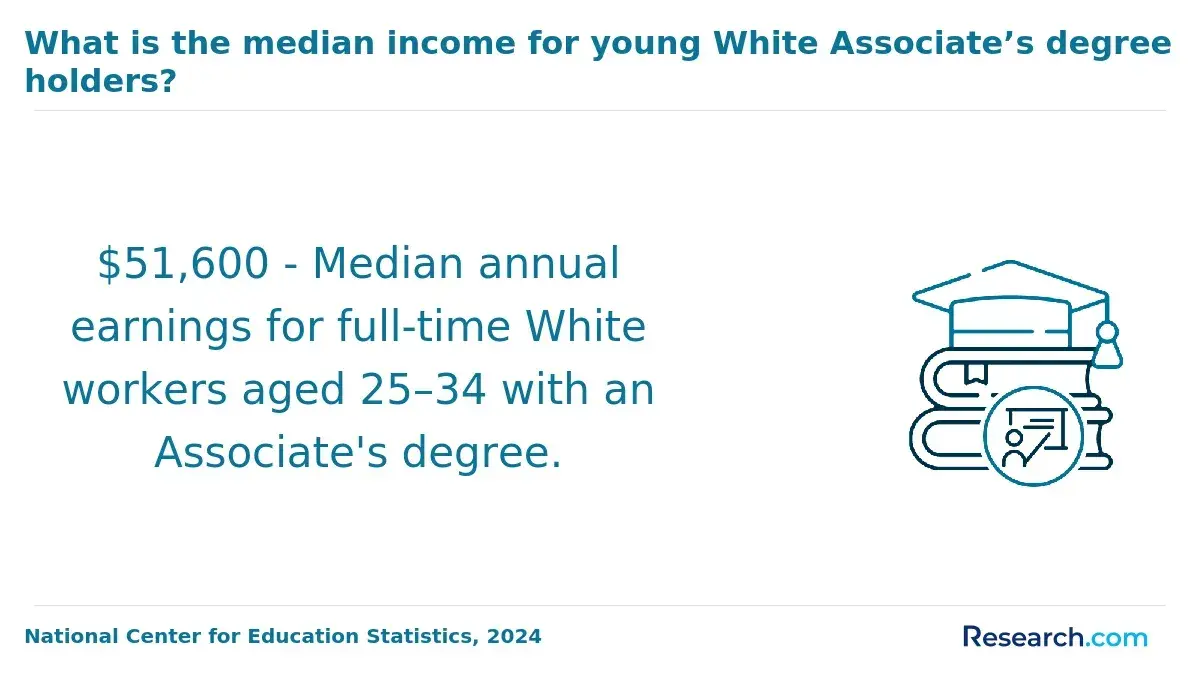
Students entering aerospace engineering programs with transferable credits often experience a measurable advantage in completing their degrees on time. The 2024 data from the National Center for Education Statistics reveals that students who transfer credits graduate within six years at rates approximately 15% higher than those who begin as freshmen. This outcome reflects how applying prior coursework can eliminate redundant classes and reduce the overall credit load, helping students avoid extended academic timelines typical in this sequential, technically demanding field.
Yet the benefits of credit transfer are not uniform. For example, a student with an associate degree from a community college or with military training may accelerate progress by bypassing introductory courses. However, if a student's credits cover only general education or unrelated subjects, they might still face the full suite of specialized aerospace courses, limiting any time savings. The specific curriculum structure, institutional policies on credit acceptance, and alignment of previous coursework with program requirements play critical roles in determining whether transfer credits translate into faster degree completion.
Moreover, students in online and hybrid aerospace engineering programs often rely on transfer credits to balance academic demands with external responsibilities. Since these modalities commonly serve non-traditional learners, credit transfer can help them maintain part-time enrollment without losing momentum. Nonetheless, variability in transfer rules - especially regarding core technical courses - means some students must repeat foundational material, offsetting potential benefits.
Prospective aerospace engineering students should undertake a thorough credit evaluation early in the decision process. Comparing officially transferred credits against degree requirements and calculating remaining coursework within planned enrollment intensity provides a realistic projection of time to graduation. Transfer credits can meaningfully reduce both the time and cost of earning a degree, but they represent one factor among many, including course sequencing, program format, and personal circumstances, influencing ultimate completion outcomes.
What Student Support Services Improve Aerospace Engineering Completion Rates?
Completion rates in aerospace engineering programs vary substantially based on the delivery format-online, hybrid, or campus-and the types of student support services that address format-specific challenges. Effective support can mean the difference between a student persisting through demanding coursework and dropping out due to unmet academic or logistical needs. The following list outlines key support mechanisms demonstrated to enhance degree completion rates in 2024 research from respected sources.
- In-person academic advising: Campus programs benefit from face-to-face guidance that allows advisors to quickly identify student struggles and tailor solutions. These interactions have been linked to a 15-20% higher likelihood of completing on time, as per the National Center for Education Statistics.
- Accessible tutoring centers: Physical tutoring labs provide immediate problem-solving help, crucial in a hands-on field like aerospace engineering where complex concepts and projects require extended support.
- Virtual advising and digital tutoring: Online students often face isolation and motivation challenges that synchronous and asynchronous advising can mitigate. The Online Learning Consortium reports such services reduce dropout rates by nearly 12% by maintaining ongoing engagement.
- Technology support services: Reliable access to software, hardware troubleshooting, and connectivity assistance prevents technical disruptions from becoming barriers in STEM-heavy courses delivered online.
- Integrated hybrid support: Hybrid programs excel when advising and resources coordinate between online and campus components, enabling students to shift seamlessly while accessing labs and collaborative opportunities, which improves completion by 8-10% according to the American Society for Engineering Education.
- Peer mentoring and study groups: Whether virtual or face-to-face, peer collaboration fosters accountability and deeper understanding, tackling the isolation that often threatens persistence in remote learning.
- Flexible resource access: Students juggling work, family, or other commitments depend on timely, personalized help available beyond traditional hours, impacting persistence especially in non-traditional study formats.
One graduate of an online aerospace engineering program recalls struggling with a key thermodynamics assignment amid competing family demands. Their persistence was supported by 24/7 access to digital tutoring and weekly live office hours, which allowed questions to be addressed without delay. The availability of tech support also eased software installation issues that might otherwise have stalled progress. This combination made the difference between dropping the course and finishing the degree on schedule, illustrating how layered support tailored to personal and technological challenges is vital for success in online contexts.
How Do Aerospace Engineering Completion Rates Affect Career Outcomes?
Completion rates within aerospace engineering degree programs significantly shape professional opportunities and long-term outcomes. While program format-whether online, hybrid, or campus-based-affects persistence, the ultimate differentiator remains degree attainment itself. Students face real-world tradeoffs: for example, a working professional opting for a hybrid program might balance job responsibilities and education but encounter moderate completion odds compared to peers in campus settings. Evidence from recent labor market studies shows bachelor's degree recipients often experience notably higher employment rates and earning potential in aerospace sectors. Key ways degree completion influences career trajectories include:
- Access to Specialized Technical Roles and Credentials Enables Higher Employability: Completing a degree confirms mastery of complex aerospace concepts and technical skills highly valued by employers in defense, manufacturing, and research institutions. Persistence through graduation signals reliability to recruiters, enhancing chances for entry-level positions that require rigorous academic preparation.
- Eligibility for Advanced Certifications and Graduate Education Facilitates Career Advancement: Degree completion opens doors to certifications or graduate programs necessary for leadership roles or research careers. Students who navigate demanding curricula demonstrate problem-solving resilience, a trait crucial for competitive aerospace environments.
- Stronger Earning Potential and Promotion Opportunities Tied to Degree Attainment: Data from authoritative 2024 workforce analyses highlight that aerospace engineering graduates typically earn substantially more than non-completers and have better promotion prospects. Those completing campus programs benefit from immersive experiences that can accelerate proficiency, though online completers also gain leverage when self-discipline aligns with employer needs.
- Demonstrated Commitment and Professionalism Foster Trust Among Employers: Successfully finishing a degree, despite hurdles, conveys persistence and analytical thinking-qualities that employers equate with effective project execution. This reputation impacts career stability and mobility within aerospace firms.
Prospective students should carefully assess how different formats impact their likelihood of degree completion relative to their personal and professional circumstances. Research increasingly highlights the importance of choosing pathways proven to support retention, including options offered by online military friendly colleges for those balancing service and study. Ultimately, understanding aerospace engineering degree completion rates and career success requires recognizing that degree attainment remains the cornerstone linking education to meaningful employment and advancement.
How Should Students Choose the Best Aerospace Engineering Learning Format?
Choosing the best aerospace engineering degree format for student success requires balancing personal circumstances with program demands. No single format consistently guarantees higher completion rates; data from the National Center for Education Statistics in 2024 emphasize that student characteristics and learning preferences significantly influence academic persistence. For example, a working parent enrolled in an online program without strong time-management skills might struggle without academic support, whereas a student who thrives in interactive, fast-paced settings may excel in campus programs. The following factors are vital in evaluating whether online, hybrid, or campus learning aligns with your goals and situation.
- Flexibility versus Structure: Online engineering degree programs offer flexible schedules essential for students juggling work or family, but require discipline. Campus-based formats provide structured environments and set routines, beneficial for those who excel under direct supervision and predictable schedules.
- Hands-on Learning Opportunities: Aerospace engineering heavily depends on labs and practical work. Campus formats excel here, while hybrid programs attempt to balance in-person labs with online coursework. Fully online formats may struggle to deliver comparable practical experiences unless supplemented by local partnerships.
- Support Networks and Advising: Data show that students new to remote learning face higher dropout rates unless supported by robust advising and peer connections. Campus students often have immediate access to faculty and peer groups, while online learners need to seek programs with strong virtual support structures.
- Time Commitment and Pace: Campus programs often demand full-time enrollment, which may be impractical for working adults. Online and hybrid formats can accommodate part-time schedules but require consistent progress to avoid extended completion times.
- Career Integration and Employability: Programs that integrate internships, networking, and practical training enhance employability. Campus and hybrid formats typically offer more direct access to industry connections and career services tailored to aerospace engineering fields.
- Geographical and Personal Constraints: Students in remote or underserved regions may find online aerospace engineering degrees for veterans and others as a crucial option, providing access to quality education not locally available.
What Are the Long-Term Pros and Cons of Each Aerospace Engineering Learning Format?
Long-term success in aerospace engineering degrees depends significantly on the chosen learning format-online, hybrid, or campus-and its alignment with individual circumstances. Campus programs typically deliver higher completion rates supported by immersive, hands-on experiences essential for mastering complex aerospace concepts. However, not all students can commit to campus attendance due to geographical or financial constraints. Hybrid formats now offer a compelling blend of flexibility and face-to-face engagement, while online programs appeal most to self-disciplined learners seeking accessibility but require added effort to gain practical experience.
Key long-term considerations include the following:
- Completion rate disparities: Campus programs boast higher graduation rates due to intensive on-site support; hybrid formats closely follow by combining flexibility with practical sessions; online programs often face lower rates, partly from less direct mentorship.
- Hands-on skill development: Campus learning excels in lab access and hands-on projects critical for aerospace engineering proficiency, while hybrid systems balance this with occasional in-person labs; online courses rely on virtual simulations but may lack sufficient practical depth.
- Flexible scheduling advantages: Online and hybrid learners benefit from adaptable study times, ideal for working professionals or those with personal obligations, whereas campus students have less scheduling freedom.
- Career readiness impact: Employers tend to favor candidates with tangible internship or cooperative experiences; campus and hybrid students typically have more structured access to these opportunities compared to online-only graduates.
- Financial and geographic accessibility: Online formats reduce relocation costs and travel time, expanding access to students in remote areas; campus attendance often demands significant financial investment and proximity.
- Self-discipline and motivation requirements: Online learners must maintain high self-motivation and time management skills, essential to offset reduced direct oversight; campus and hybrid environments provide more structured accountability.
References
- Why Undergraduate Students Choose and Discontinue an Aerospace Engineering Degree https://www.praiseworthyprize.org/jsm/index.php
- [PDF] APPENDIX A: Undergraduate Engineering Student Success Survey https://account.seejournal.org/index.php/vt-j-see/article/download/133/126
- Aerospace and Aeronautical Engineering: What is it? Studies, Career Paths https://www.itaerea.com/aeronautical-engineering
- How does course communication affect aerospace engineering students? | Student Voice AI https://www.studentvoice.ai/blog/navigating-communication-challenges-aeronautical-and-aerospace-engineering-students-perspectives/
- Is Aerospace Engineering Hard? What Every Student Should Know - GaugeHow – Mechanical Engineering Skills Platform https://gaugehow.com/blog/is-aerospace-engineering-hard
- Planit : Job Profiles https://www.planitplus.net/JobProfiles/View/69/50
- Is Aerospace Engineering a Good Career? Here's What You Should Know https://mvjce.edu.in/blog/is-aerospace-engineering-a-good-career/
- Aerospace Engineering: Best Subjects, Top Universities & Careers | Abbey Cambridge https://www.abbeycambridge.co.uk/2025/04/28/aerospace-engineering-subjects-universities-careers/
- Career After Aerospace Engineering: Jobs and Scope https://set.jainuniversity.ac.in/blogs/career-after-aerospace-engineering-scope-jobs-salary-in-india
- Top 7 Online Aerospace Engineering Degrees | NEWENGINEER https://newengineer.com/advice/top-7-online-aerospace-engineering-degrees-1413451
Other Things You Should Know About Aerospace Engineering
Campus aerospace engineering programs typically demand substantial in-person lab work, hands-on projects, and team-based design tasks, which can be both a motivator and a barrier. For some students, the collaborative environment and access to immediate faculty support improve persistence and completion. However, this intensity also raises the time commitment and logistical challenges, which may deter those balancing work or family, potentially lowering completion for certain groups. In contrast, online formats offer flexibility but may lack the immersive practical experience that helps many students remain engaged and confident enough to finish.
Employer attitudes toward online versus campus aerospace engineering degrees can impact student motivation and completion decisions. Since aerospace employers often prioritize demonstrated technical skills and hands-on experience, students in online programs may feel pressure to supplement their studies with internships or projects to validate their degree's legitimacy. This added workload can either encourage perseverance or contribute to burnout, depending on the individual's resources and support. For those prioritizing career prospects in traditional aerospace roles, campus or hybrid formats might align better with employer expectations and improve commitment.
Students without easy access to advanced lab equipment face tangible challenges in fully online aerospace engineering programs, where practical components may be limited or simulated. Hybrid formats offer a valuable compromise by providing required in-person sessions for critical hands-on learning while retaining some scheduling flexibility. Prioritizing hybrid programs can therefore increase the likelihood of program completion for this group, as it balances learning quality with practical constraints. Purely online options might delay skill acquisition or require external investments in facilities, which can hinder timely degree completion.
Campus programs often follow a structured, semester-based pacing with fixed deadlines, which can benefit students who thrive under consistent schedules, promoting steady progress toward completion. Online programs frequently allow asynchronous pacing, offering flexibility but risking procrastination or irregular progression, which can lower completion rates if students struggle with self-discipline. Hybrid formats vary widely, making it critical for students to assess program-specific workload distribution. Those who perform best with external deadlines and peer accountability may favor campus or well-structured hybrid options to reduce the risk of incompletion.